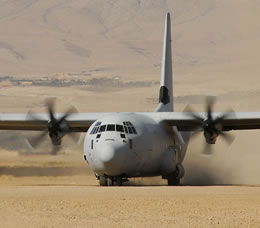
An Australian C-130J in Afghanistan. Israel will receive the C-130J in 2013. Photo: Lockheed Martin
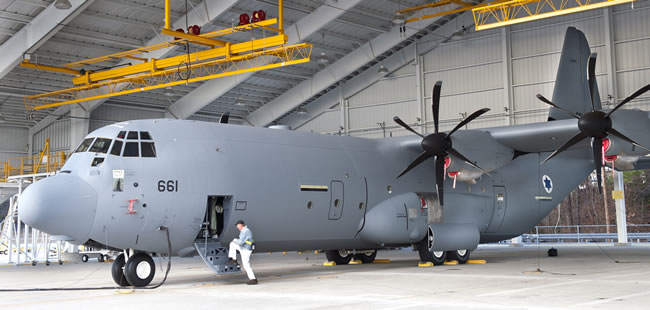
The first C-130J destined for the Israel Air Force was painted in IAF colors March 1, 2013. Photo: John Rosino, Lockheed martinAlthough the first C-130J is not expected to arrive in Israel before 2013, the IAF has already named the new transporter – Samson. Providing Hebrew names to its aircraft is a tradition with the IAF. The actual name represents a change in the tradition – until now IAF planes were named after birds or animals.
An Australian C-130J in Afghanistan. Israel will receive the C-130J in 2013. Photo: Lockheed MartinCurrent C-130 models are designated ‘Karnaf’ (Rhino). Others are named after birds of prey (F-16A/B Netz, F-15C/D Baz, E-2C Daya, A-4H Eagle, etc.), serpents (AH-64D Peten, AH-1 Zefa) or mamals (Boeing 707 Reem). Two of the most recent were Marine birds – Eitam and Nachshon. The later can also be attributed to a biblical hero, but Samson represents a precedence, being called after a Biblical hero rather than an animals. There were some exceptions to this tradition, with the – many of the latest strike fighters to join the IAF were called after weather phenomena – F-16C/D Barak, F-15I Raam and F-16I Sufa while the F-4E Phantom was named Kurnas – one of a few aircraft named after a tools (Sledgehammer).
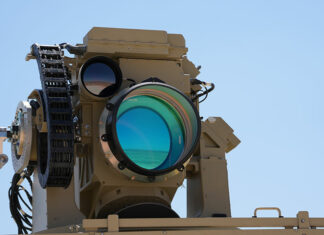
Visiting the UMEX & SimTEX 2026 exhibition taking place at the ADNEC Centre in Abu Dhabi this week, a new system caught our attention. Slovenian company Carboteh has introduced an unconventional approach to protecting...
As traditional defense primes face mounting competition from agile “neoprimes” such as Anduril, Palantir and Helsing, the balance of innovation is shifting toward software-defined warfare and scalable, dual-use technologies, while global industry consolidation—marked by Boeing’s integration of Spirit AeroSystems and other strategic mergers—signals an intensified race to secure control over the defense technology value chain. Our Defense-Tech weekly report highlights these trends.
At the 2025 Air, Space & Cyber Conference, U.S. Air Force and Space Force leaders unveiled major updates on next-generation fighters, bombers, unmanned systems, and space initiatives, highlighting both rapid innovation and critical readiness challenges as the services race to outpace global competitors. A short version is available here, with a more detailed version for subscribers.
The Taipei Aerospace & Defense Technology Exhibition (TADTE) 2025 crystallized around four dominant strategic themes that collectively illustrate Taiwan's comprehensive approach to defense modernization amid escalating regional tensions. Based on a detailed report by Pleronix (available upon request). Includes a Podcast discussion on TADTE 2025's highlighting Taiwan's four strategic themes beyond the post's coverage.
Israel’s Iron Beam 450 high-power laser system has completed final testing, marking a major leap in air defense. Developed by Rafael, it offers precise, cost-effective interception of rockets, UAVs, and mortars, and is set for IDF deployment by 2025.