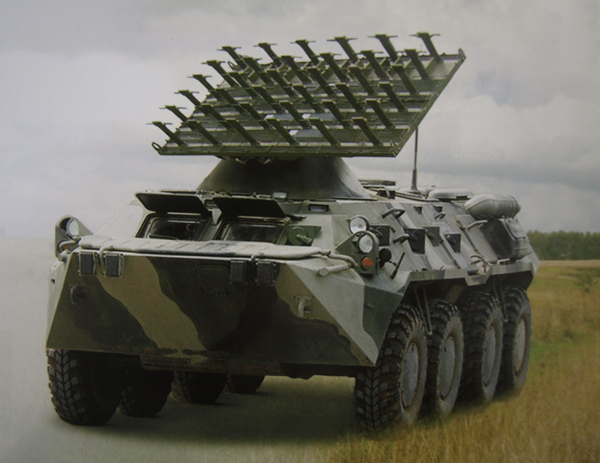
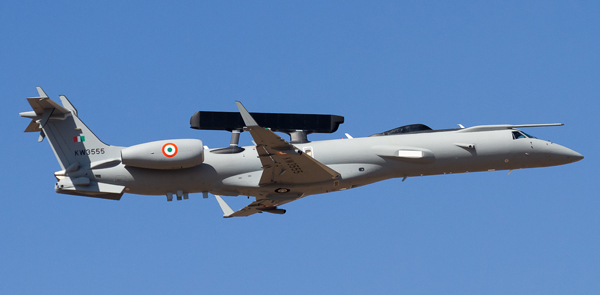
1L121E mobile 3D radar covers full hemisphere, with on-the-move surveillance, detecting a wide range of threats including guided weapons and mini-uavs. This new radar supports air defense assets. Tamir Eshel, Defense-UpdateThe Indian Air Force First Embraer 145 AEW&C Aircraft. Credit: Angad Singh
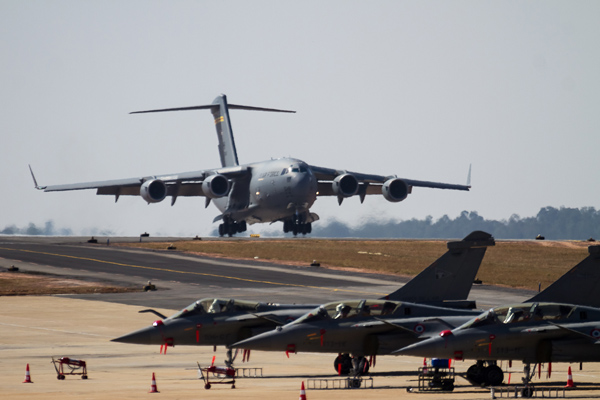
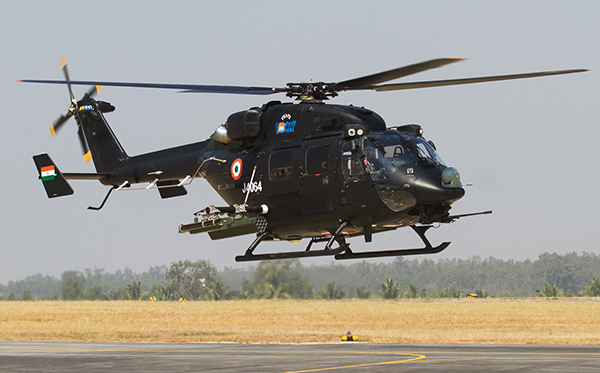
The U.S. Air Force C-17 Globemaster landing at Aero India 2013. Credit: Angad SinghThe attack version of indigenously-built Advanced Light Helicopter (ALH) ‘Rudra’. Credit: Angad Singh
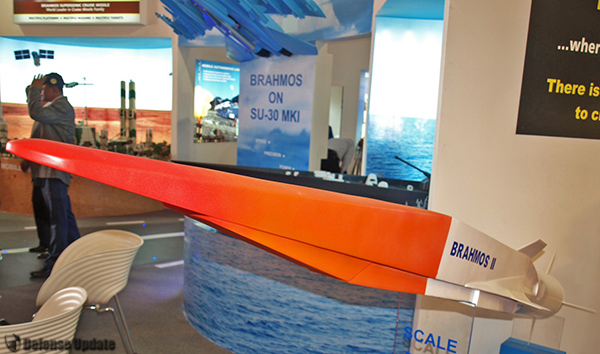
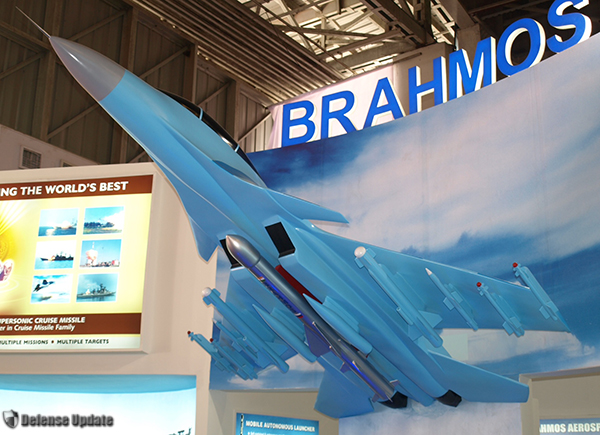
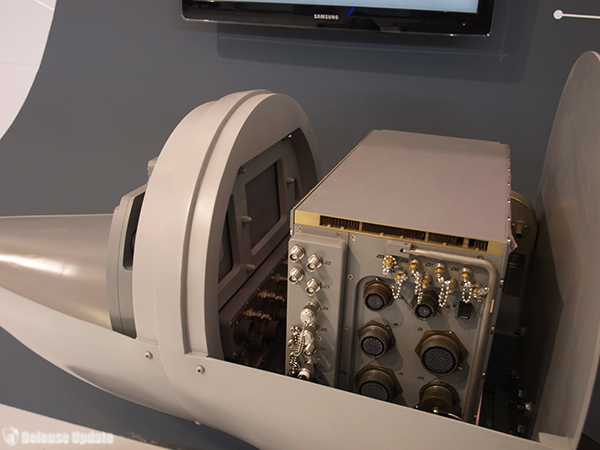
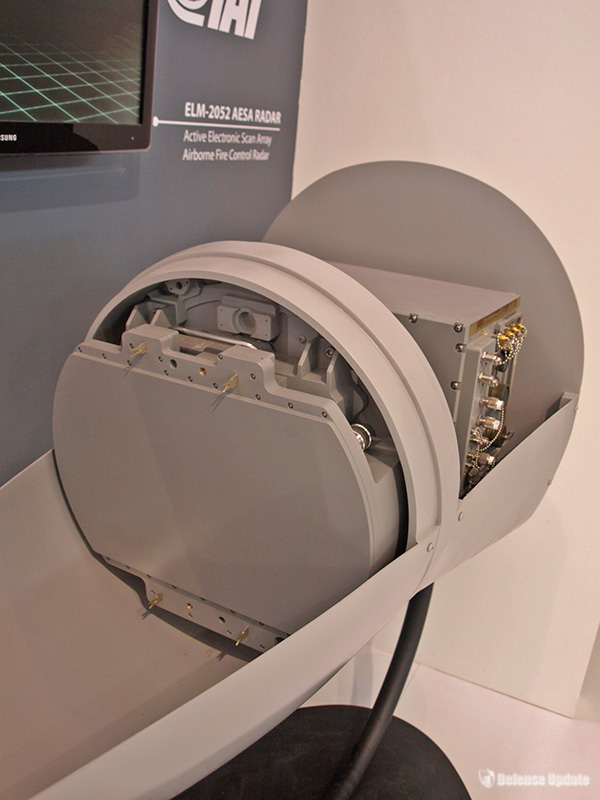
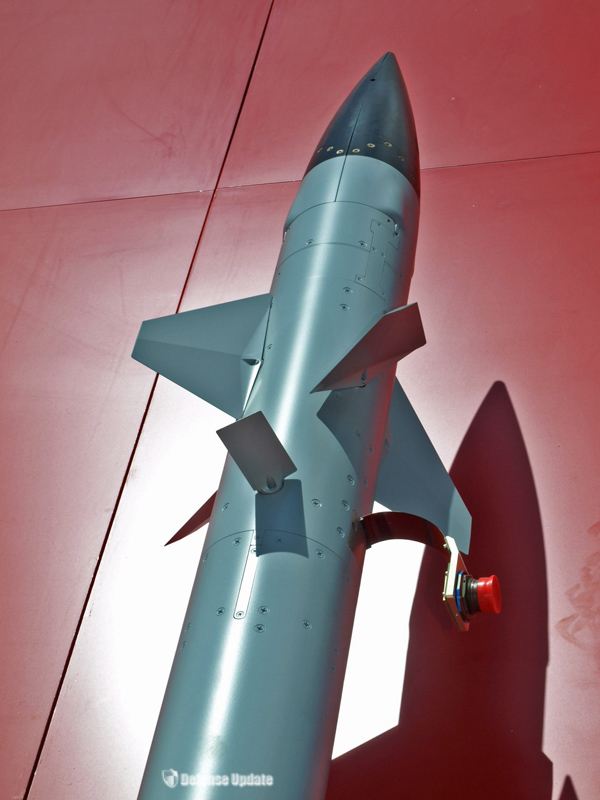
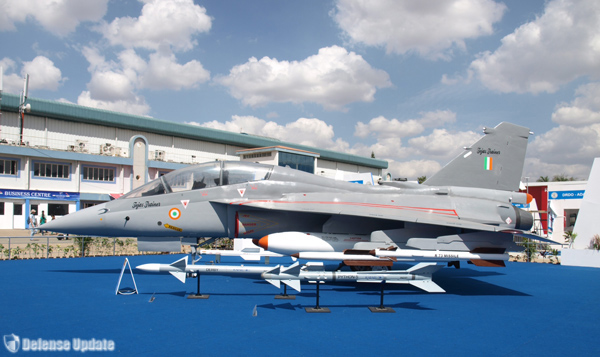
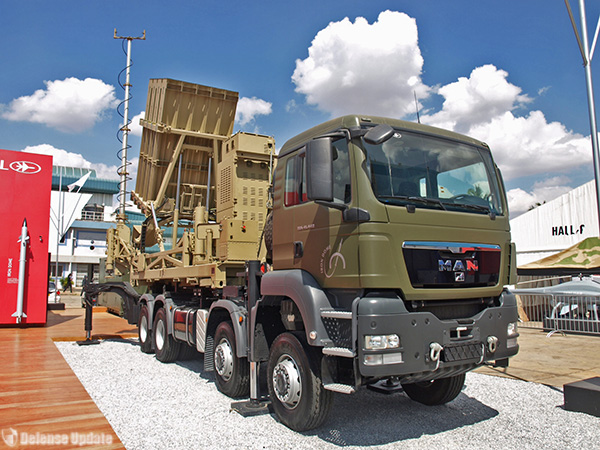
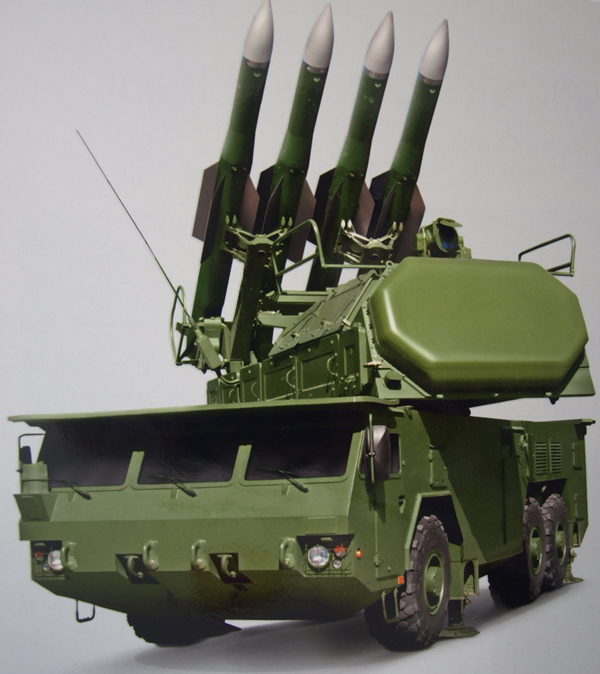
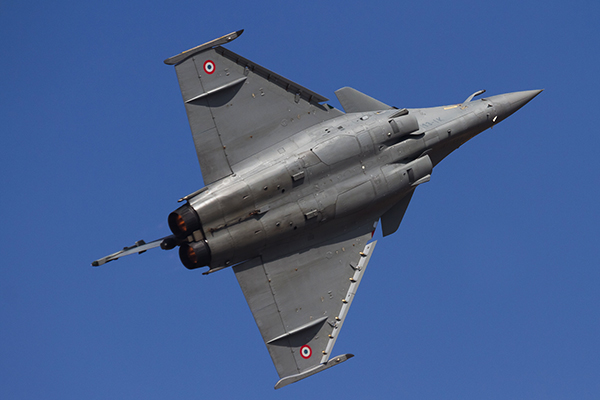
A model of the Brahmos 2 hypersonic missile was displayed on the Brahmos stand. Tamir Eshel, Defense-UpdateThe specially modified Su-30MKI will carry a single air-launched BrahMos supersonic anti-ship missile, and two subsonic two Kh-59. The different weapons could be launched from different ranges at different times to coordinate a ripple-effect, saturate the target defenses. Tamir Eshel, Defense-UpdateEL/M-2052 showing the two module architecture of the new system, designed to fit into compact spaces like the LCA nose cone. Tamir Eshel, Defense-UpdateEL/M2052 AESA radar to be integrated in the LCA. Tamir Eshel, Defense-UpdateAero-india was the world debut for the Iron Dome missile – the real thing, just unarmed and defuelled. The photo clearly shows the ogive that blows off when the missiles nears its target, exposing the seeker that is responsible for the missile’s terminal effect that has demonstrated over 500 kills in recent months. Tamir Eshel, Defense-UpdateThe Tejas LCA shown with Derby and Python 5 missiles for the first time. Tamir Eshel, Defense-UpdateMobile version of the Iron Dome can cover a wider area and rapidly reposition against new threats. Provided with a full multimission radar, it can also perform air defense missions. Tamir Eshel, Defense-UpdateSA-17 BUK-M2E air defense missile system. Note the EO/IR camera above the main radar, providing the system continuity of engagement even under heavy electronic attack. Photo: Tamir Eshel, Defense-UpdateThe Rafale on a display pass. Credit: Angad Singh
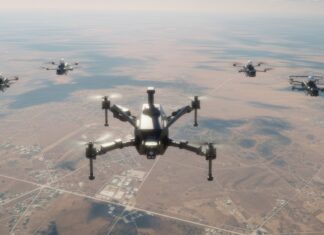
Lockheed Martin Skunk Works® and XTEND have achieved a major milestone in JADC2 by integrating the XOS operating system with the MDCX™ autonomy platform. This technical breakthrough enables a single operator to simultaneously command multiple drone classes, eliminating the friction of mission handoffs. From "marsupial" drone deployments to operating in GPS-denied environments, explore how this collaboration is abbreviating the data-to-decision timeline and redefining autonomous mission execution.
As traditional defense primes face mounting competition from agile “neoprimes” such as Anduril, Palantir and Helsing, the balance of innovation is shifting toward software-defined warfare and scalable, dual-use technologies, while global industry consolidation—marked by Boeing’s integration of Spirit AeroSystems and other strategic mergers—signals an intensified race to secure control over the defense technology value chain. Our Defense-Tech weekly report highlights these trends.
In early October 2025, a coordinated wave of unmanned aerial system (UAS) incursions—widely attributed to Russia—targeted critical infrastructure across at least ten European nations. The unprecedented campaign exposed the fragility of Europe’s air defenses...
Executive Summary
The past week (September 18-25, 2025) represents an inflection point where strategic defense concepts have transitioned from doctrine to tangible reality. An analysis of global events reveals four primary, interconnected trends shaping an...
At the 2025 Air, Space & Cyber Conference, U.S. Air Force and Space Force leaders unveiled major updates on next-generation fighters, bombers, unmanned systems, and space initiatives, highlighting both rapid innovation and critical readiness challenges as the services race to outpace global competitors. A short version is available here, with a more detailed version for subscribers.
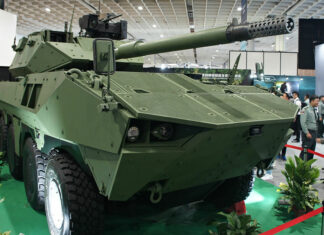
The Taipei Aerospace & Defense Technology Exhibition (TADTE) 2025 crystallized around four dominant strategic themes that collectively illustrate Taiwan's comprehensive approach to defense modernization amid escalating regional tensions. Based on a detailed report by Pleronix (available upon request). Includes a Podcast discussion on TADTE 2025's highlighting Taiwan's four strategic themes beyond the post's coverage.
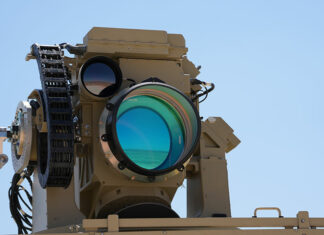
Israel’s Iron Beam 450 high-power laser system has completed final testing, marking a major leap in air defense. Developed by Rafael, it offers precise, cost-effective interception of rockets, UAVs, and mortars, and is set for IDF deployment by 2025.