

National Harbor, Md. — At the Air, Space & Cyber (AS&C) Conference, U.S. Air Force and Space Force leaders unveiled updates on modernization efforts, from sixth-generation fighters to space surveillance satellites. This review is based on Pleronix’s OSINT news alerts and reports, which are available to subscribers.
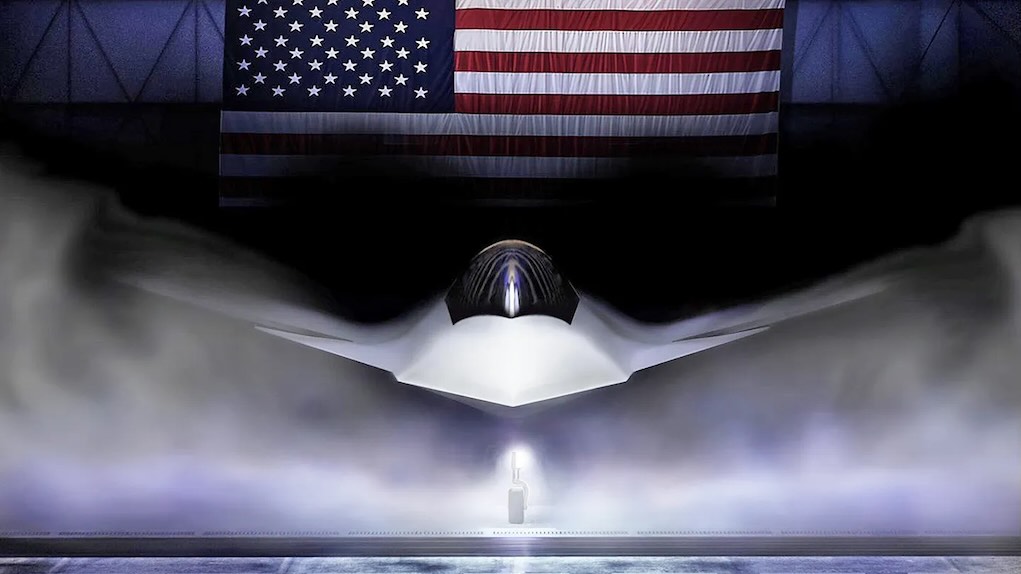
The Air Force confirmed that Boeing has begun building the F-47 Next Generation Air Dominance (NGAD) fighter, which is slated for its first flight in 2028. Designed to replace the F-22, the aircraft promises extended range, Mach 2-plus speeds, and advanced stealth, with a goal of acquiring at least 185 jets.
Northrop Grumman’s B-21 Raider bomber expanded testing as a second prototype flew in September. Congress has added $4.5 billion in funding, although commanders have warned that the Air Force may need 145 aircraft to sustain operations in the Pacific.
The Sentinel ICBM program, plagued by an 81% cost overrun, was restructured and capped at $141 billion, with fielding delayed until at least 2027. Meanwhile, the Next Generation Air-Refueling System remains undefined, with options ranging from conventional designs to stealth tankers.
Unmanned systems are gaining traction. General Atomics flew its YFQ-42A Loyal Wingman in August, while Anduril’s Fury drone is scheduled to fly semi-autonomously by October. AI copilots from GE and Merlin Labs may soon ease workloads in tankers and transports.
Air Force Secretary Troy E. Meink warned of severe readiness shortfalls and stressed that China’s rapid military innovation is the service’s pacing challenge.
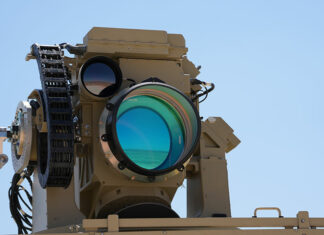
Other highlights included progress on directed energy weapons, the debut of Radia’s WindRunner strategic airlifter, and Space Force’s new Future Operating Environment plan for the next 15 years.
Subscribe to read the full report.