

The Taipei Aerospace & Defense Technology Exhibition (TADTE) 2025 crystallized around four dominant strategic themes that collectively illustrate Taiwan’s comprehensive approach to defense modernization amid escalating regional tensions. This report is published in association with Pleronix, providing personalized business intelligence services for defense professionals and enterprises worldwide.
Indigenous Defense and Self-Reliance
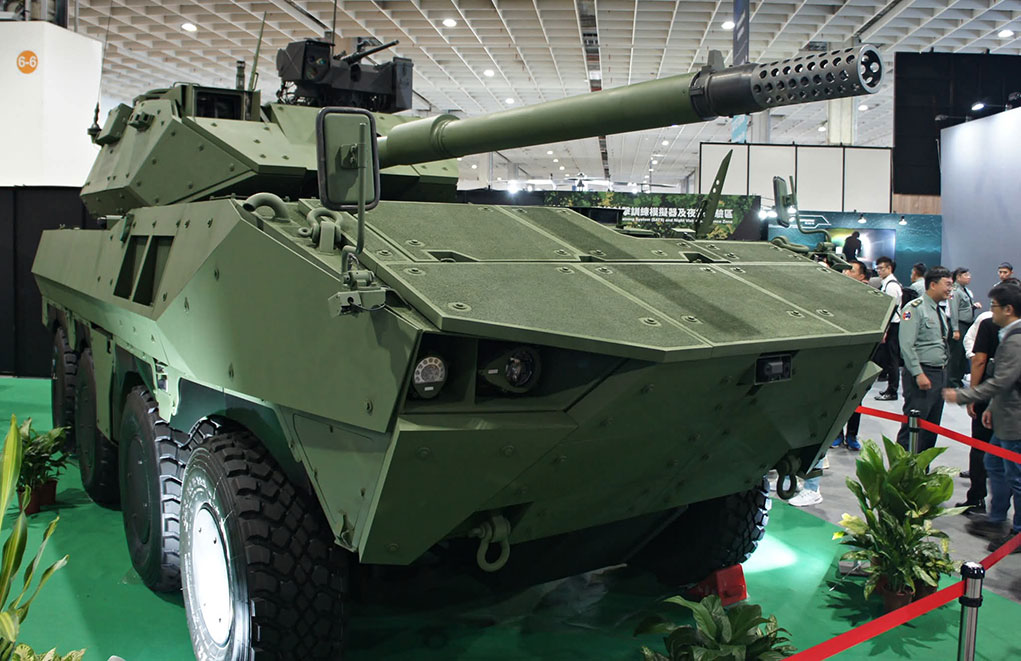
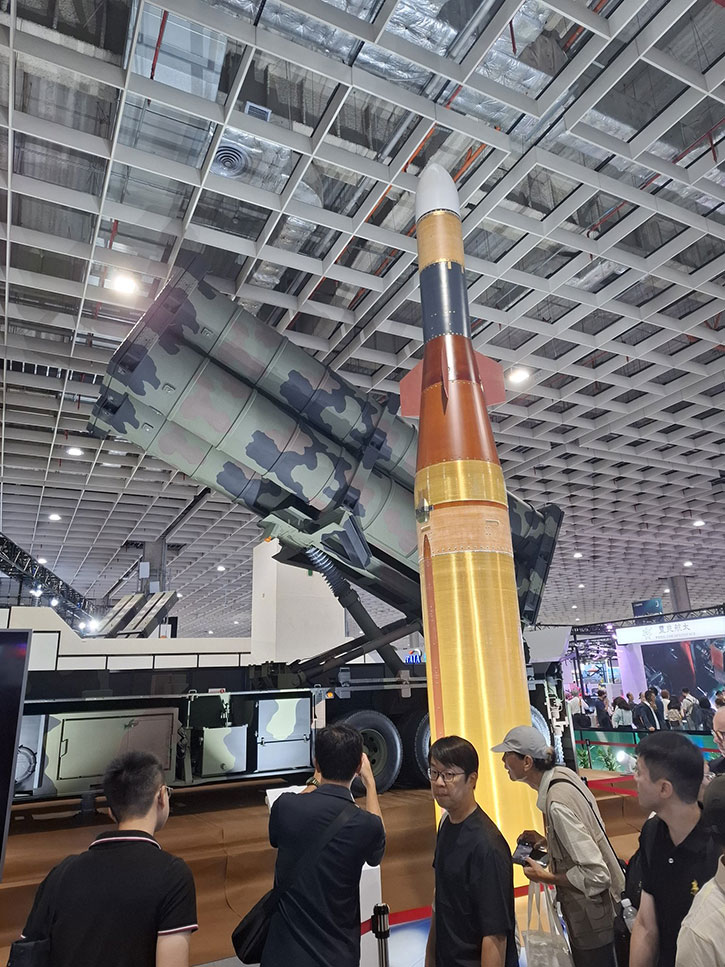
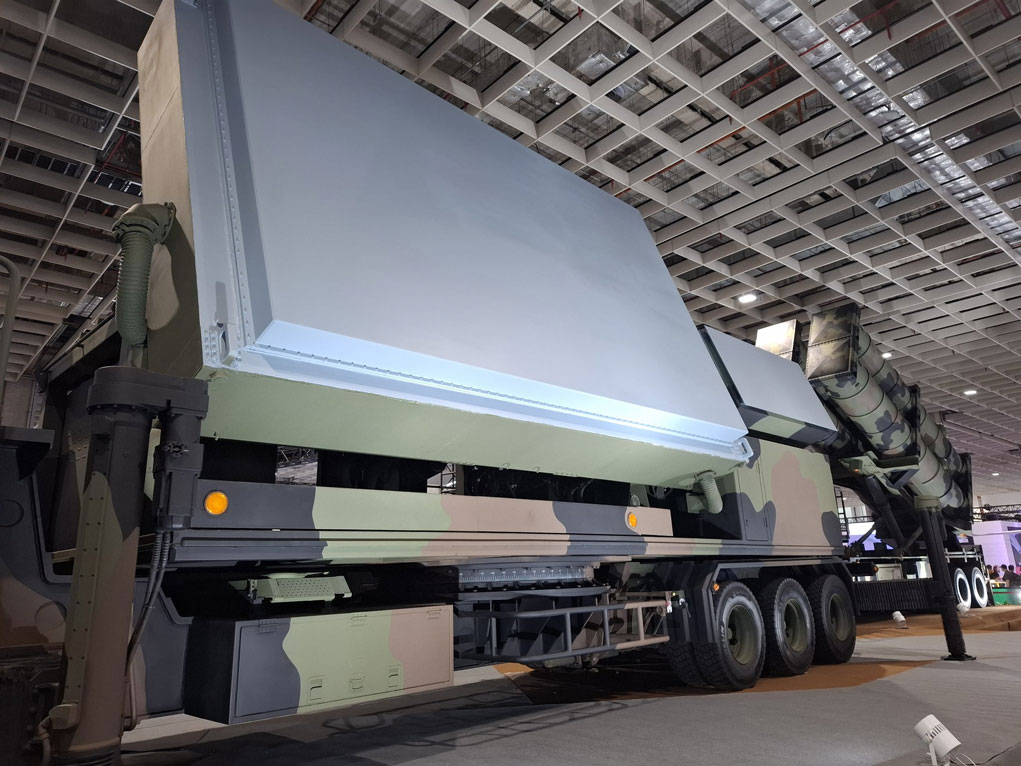
The most prominent theme was Taiwan’s accelerated pursuit of defense self-sufficiency, showcased through historic indigenous achievements. CSBC Corporation’s unveiling of the Hai Kun submarine represented a landmark milestone as Taiwan’s first domestically designed and built defense submarine. The National Chung-Shan Institute of Science and Technology (NCSIST) demonstrated this self-reliance momentum with the confirmation of mass production for the enhanced Tien Kung III surface-to-air missile system, alongside breakthrough platforms including the D3 105mm mobile gun system and Taiwan’s first electric autonomous reconnaissance-strike tactical vehicle.
This indigenous focus extends across all defense domains, with major shipbuilders like CSBC, Lungteh Shipbuilding, Jong Shyn, and Corum making their exhibition debuts, displaying comprehensive unmanned naval platforms. The theme reflects a strategic imperative to reduce dependence on foreign suppliers while building sovereign defense capabilities.
Unmanned Systems and Asymmetric Warfare
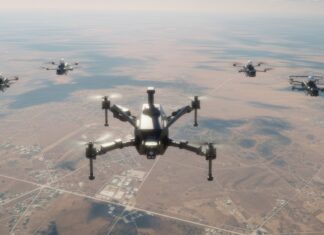
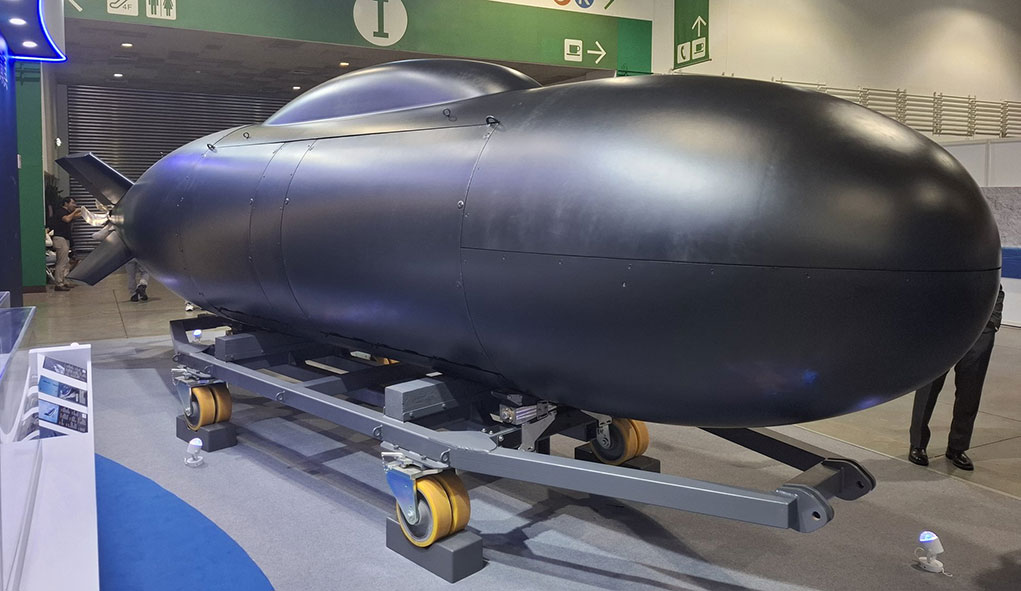
Unmanned platforms emerged as the centerpiece of the exhibition, representing Taiwan’s strategic pivot toward asymmetric warfare capabilities. This theme permeated all domains—air, sea, and land—with innovations ranging from loitering munitions to extra-large uncrewed underwater vehicles. The government’s commitment to this theme includes procuring up to 100,000 unmanned aircraft systems and investing NT$68 billion in coast guard unmanned vehicles.
Key demonstrations included GeoFly Technology’s TU-30VG VTOL UAV, CSBC’s Manta trimaran uncrewed surface vessel, and LungTeh Shipbuilding’s “Black Whale” program. This theme positions unmanned systems as both a technological force multiplier and a strategic entry point for domestic companies into the defense supply chain.
Civil-Military Technology Integration
A transformative theme emerged through Taiwan’s world-class electronics and ICT sectors, rapidly pivoting into defense applications. Companies like Qisda Group, Adlink Technology, Altek, and Ta Ya Electric demonstrated how civilian technological prowess translates into military-grade capabilities. This integration leverages Taiwan’s semiconductor expertise, precision manufacturing, and AI systems for communications, satellite systems, and intelligent control modules.
The theme represents a strategic advantage, enabling rapid development of sophisticated defense systems while utilizing Taiwan’s established industrial strengths. First-time exhibitors from the electronics sector showcased infrared imaging, AI-enabled target tracking, and superconductive materials for drone motors.
International Collaboration and Strategic Partnerships
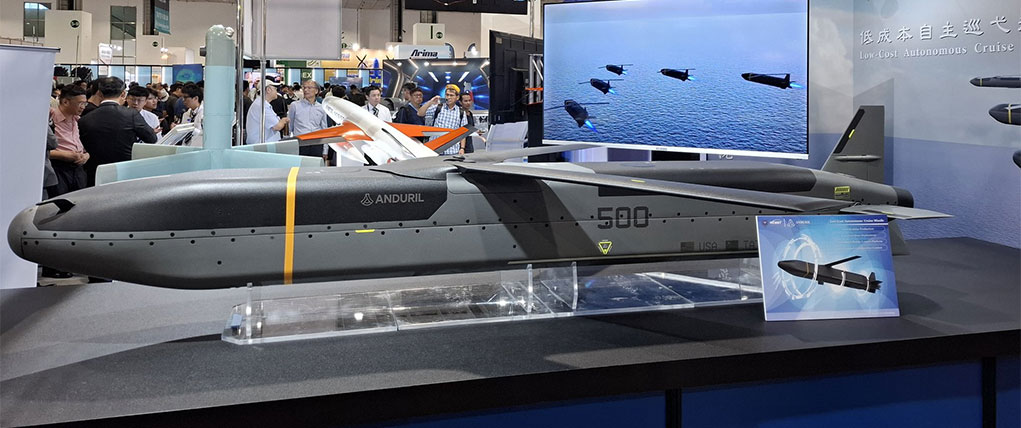
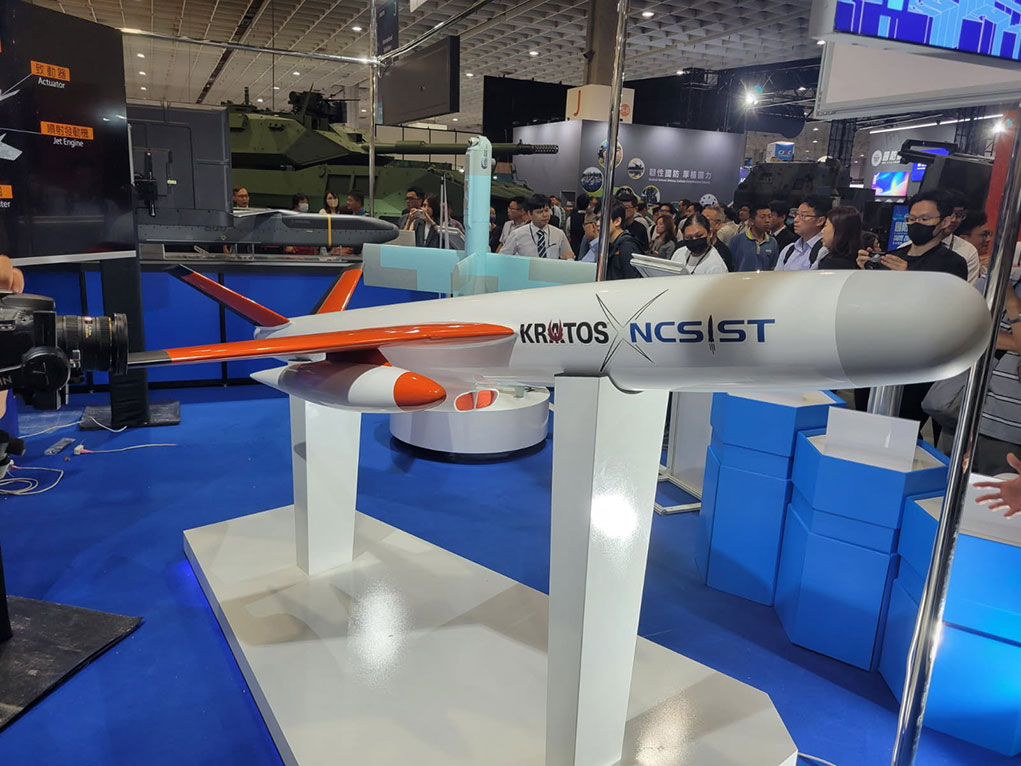
The final dominant theme centered on deepening international partnerships, particularly with the United States and emerging relationships with India. U.S. collaboration emphasized co-development and co-production agreements, including Anduril Industries’ Barracuda-500 underwater missile partnership with NCSIST and AeroVironment’s collaboration on autonomous systems.
The breakthrough India-Taiwan space corridor represented a new strategic dimension, with five Indian space startups participating for the first time. Companies like Kepler Aerospace and Insight360.ai offer complementary satellite and AI intelligence capabilities that align with Taiwan’s hardware expertise, creating mutually beneficial security partnerships.
These four themes—indigenous development, unmanned asymmetric capabilities, civil-military integration, and international partnerships – collectively define Taiwan’s comprehensive defense modernization strategy. They reflect lessons learned from recent conflicts, particularly Ukraine, while addressing the specific challenges of Taiwan’s geopolitical environment through technological innovation and strategic alliances.
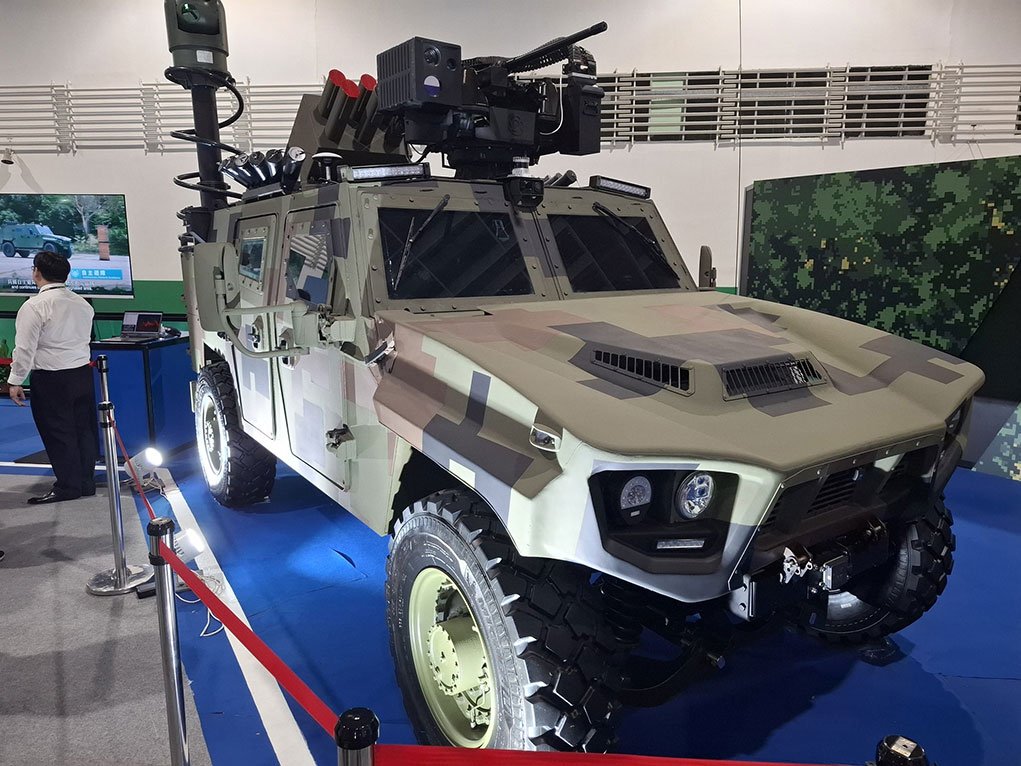
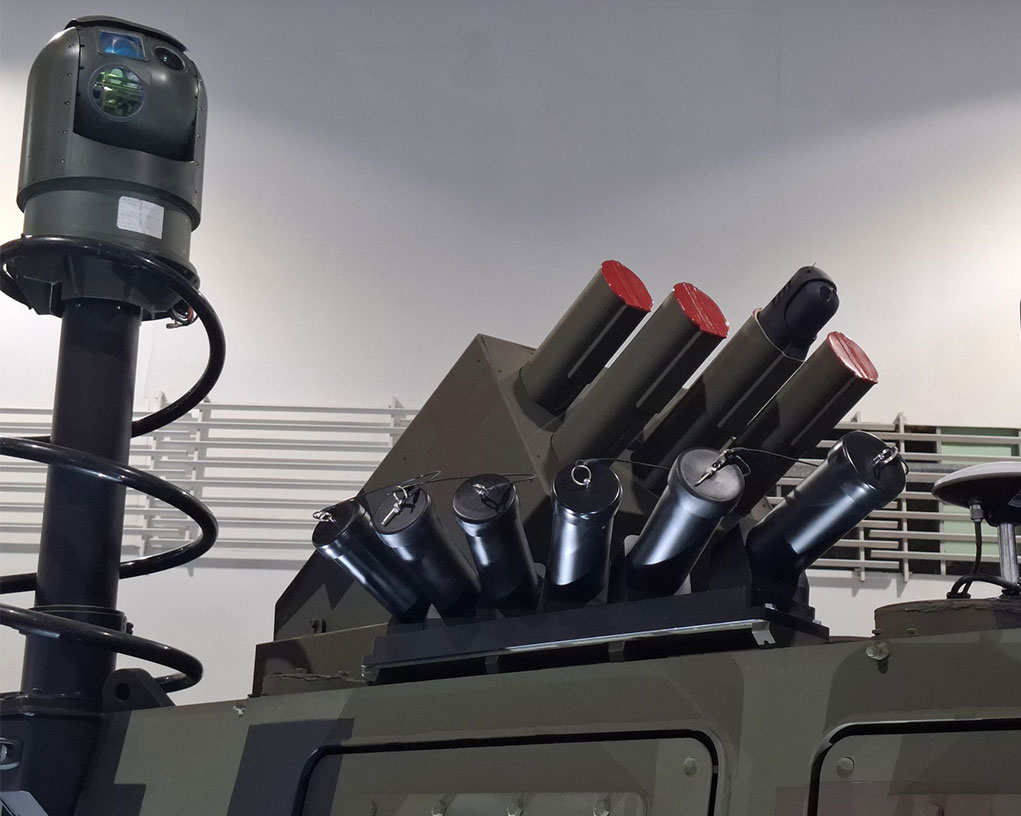
NCSIST displayed at TADTE 2025 an electric-powered autonomous recconaissance-strike tactical wheeled vehicle featuring an electric drive system with high energy efficiency and strong environmental adaptability. The autonomous driving system is equipped with functions such as autonomous driving, convoy following, and obstacle avoidance. In terms of reconnaissance mission execution and weapon payload capability, it features a wireless datalink for image transmission and remote control. The electric motor delivers 360 hp with immediate torque response dynamically distributed between the front and rear wheels. It is also compatible with hybrid propulsion systems.