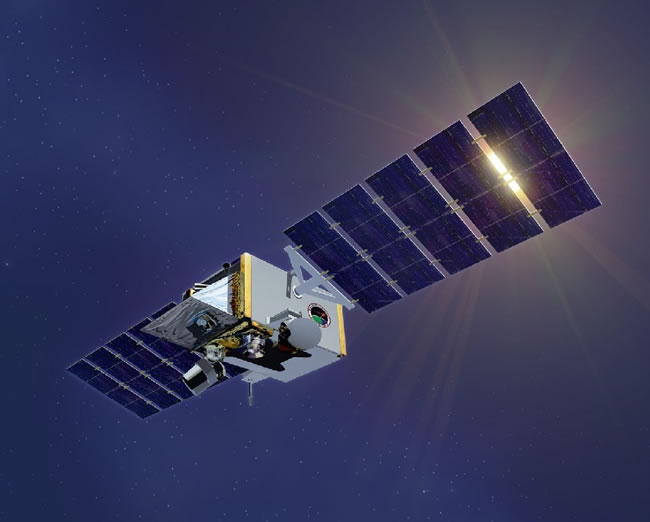
Space Tracking and Surveillance System-Demonstrator (STSS-D) satellites built by Northrop Grumman
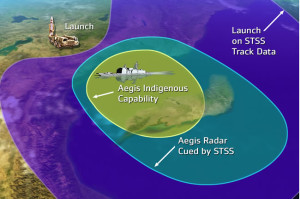
Adding space-based surveillance and tracking extends the area covered by the AEGIS BMD cruiser
Second-generation Aegis Ballistic Missile Defense (BMD) system achieved its first intercept using tracking information from the Space Tracking and Surveillance System Demonstration (STSS-D) satellites during a Missile Defense Agency (MDA) test. The use of this new space-based assets to provide mid-course fire control quality data to an Aegis BMD ship provides the ability for longer range intercepts and defense of larger areas. Initial indications are that all components performed as designed. MDA program officials will assess and evaluate the system performance based upon telemetry and other data obtained during the test.
“STSS-D’s unique vantage point in space allows the sensor payload to see the threat early in its trajectory and provide launch quality data sooner than nearly any other option,” said Bill Hart, vice president of Space Systems for Raytheon’s Space and Airborne Systems business. “We can give our naval warfighters extra time to analyze and respond, by providing target data before the ship can track the threat. That’s a tremendous advantage.”
“Aegis has achieved many firsts, but using accurate tracking information from a satellite to flexibly enable expanded battlespace and the capabilities of the sea-based Aegis BMD system may prove to be one of the program’s most significant milestones,” said Nick Bucci, director of BMD development programs for Lockheed Martin’s Mission Systems and Training business. “For a long time, many have believed the best path forward for missile defense is an architecture that combines flexible sea-based defenses with persistent space-based capabilities. This test proves that technology and that architecture can be a reality.”
During today’s ‘Test Standard Missile-20’ (FTM-20) (February 13, 2013) at 11:10 PM Hawaii Standard Time (HST) the USS Lake Erie (CG 70) AEGIS missile cruiser intercepted a medium-range ballistic missile target over the Pacific Ocean by a Standard Missile-3 (SM-3) Block IA guided missile.
The target missile was launched from the Pacific Missile Range Facility, on Kauai, Hawaii. The target flew northeast towards a broad ocean area of the Pacific Ocean, where the STSS-D satellites detected it. The track data was transmitted to USS Lake Erie before the on-board SPY-1 radar could detect the target. The satellites continued to provided targeting data for the 2nd Generation AEGIS BMD battle management system, that employed “Launch on Remote” doctrine to engage the threat. The test proved this “launch on remote” concept successful. This doctrine was first employed during testing in April 2011.
Through this intercept method the ship developed a fire control solution from the STSS-D track and launched the SM-3 Block IA guided missile approximately five minutes after target launch. The STSS-D data was used until the target was detected and tracked by the SPY-1 radar, which continued to transmit guidance commands to the SM-3 guided missile until it intercepted the target. On the final phase of the trajectory the SM-3 maneuvered to a point in space where it released its kinetic warhead. The kinetic warhead acquired the target reentry vehicle, diverted into its path, and, using only the force of a direct impact, engaged and destroyed the target.
FTM-20 is the 24th successful intercept in 30 flight test attempts for the Aegis BMD program since flight testing began in 2002. Across all Ballistic Missile Defense System programs, this is the 58th successful hit-to-kill intercept in 73 flight tests since 2001.
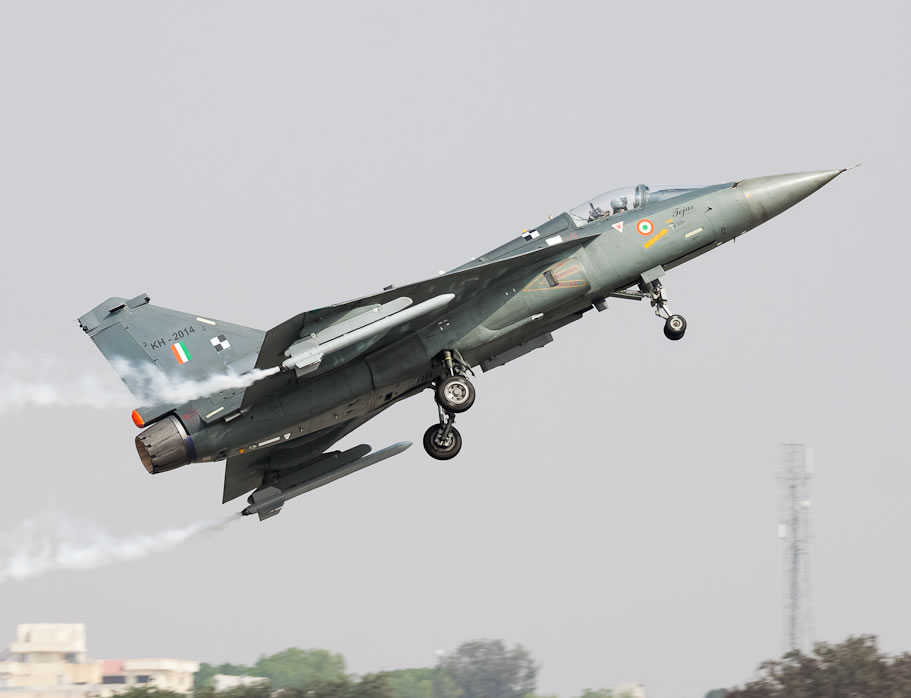
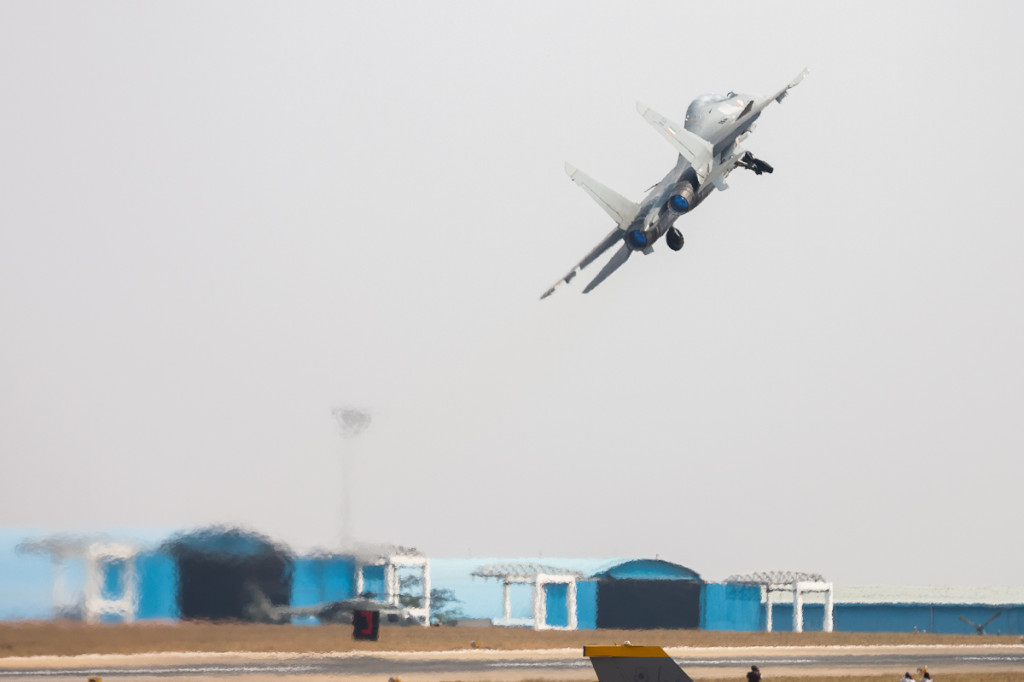
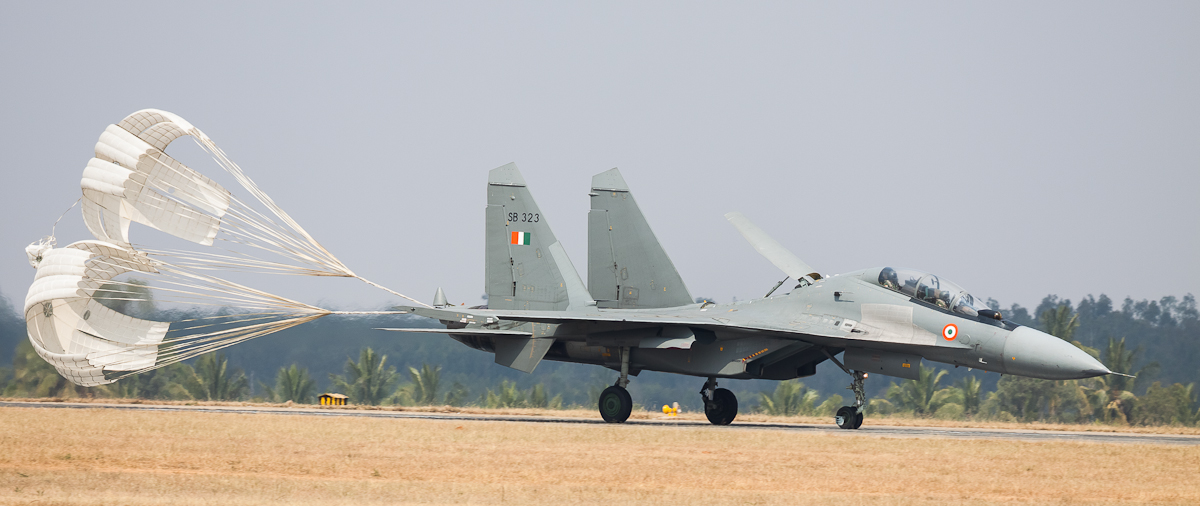
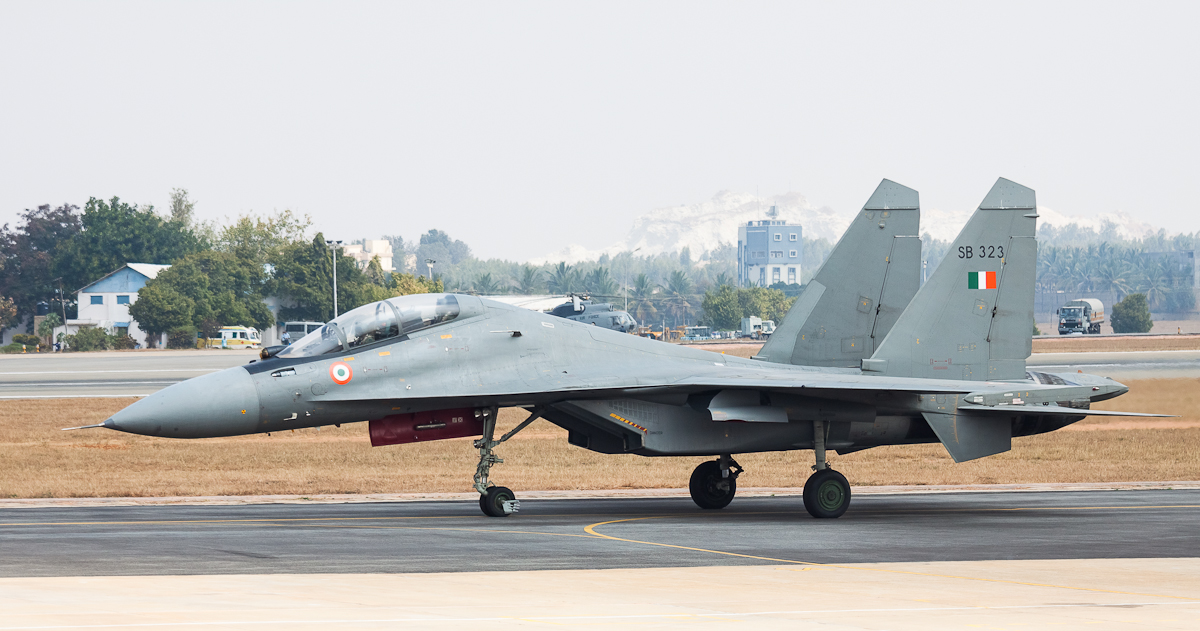
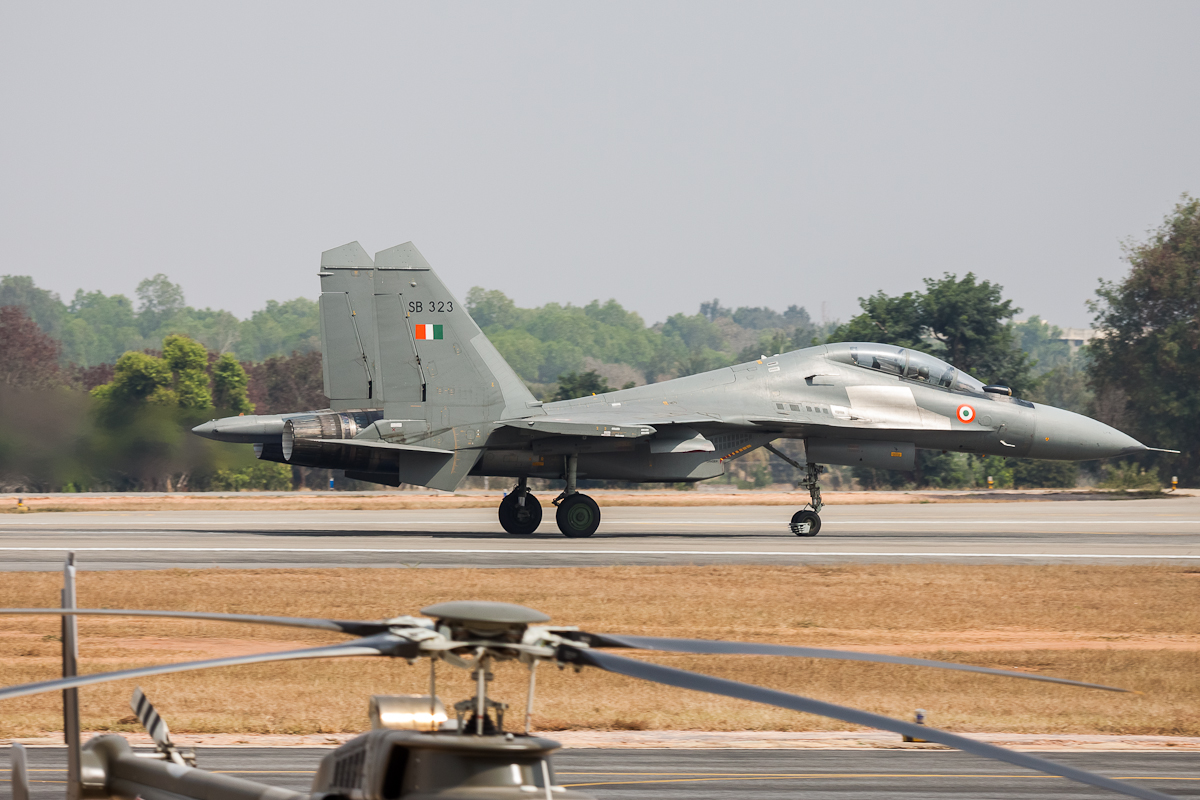
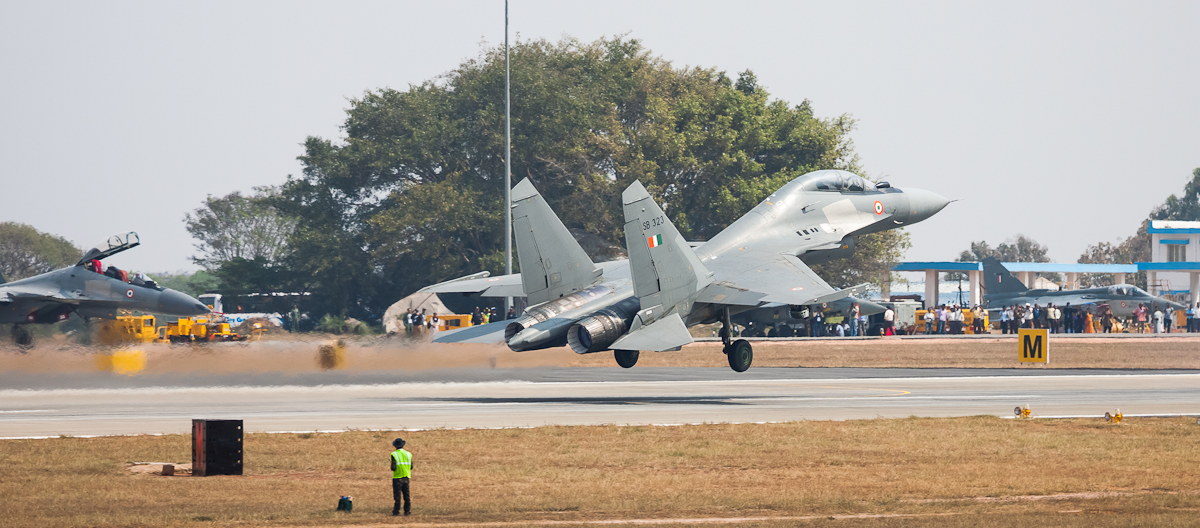
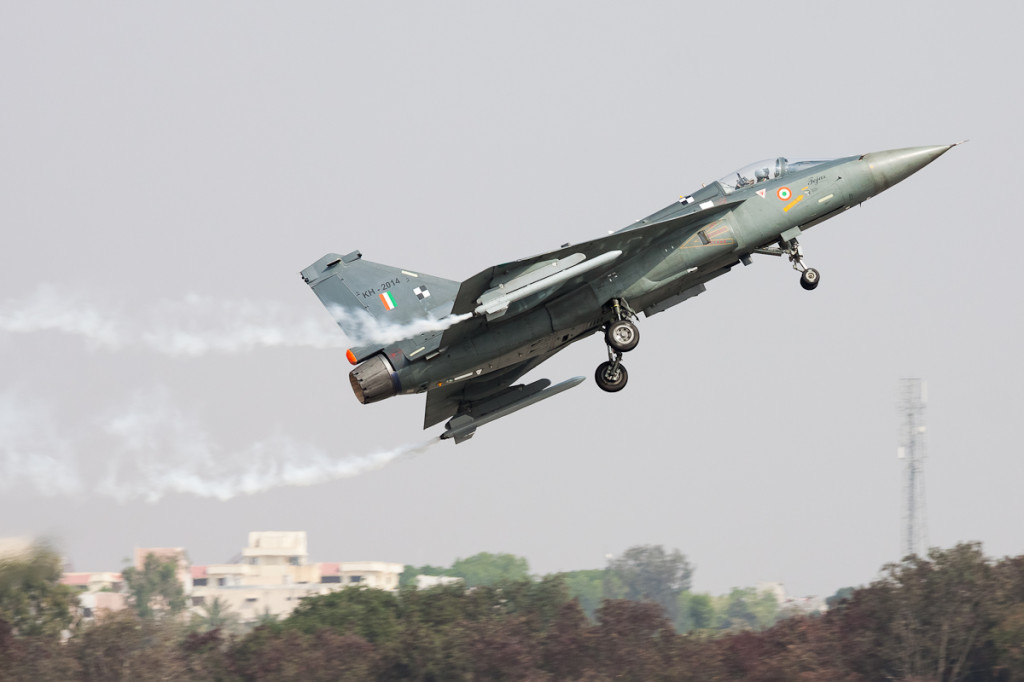
Indian Army Dhruv Photo: Angad SinghVisit Elbit Systems at Aero-India 2013Sukhoi Su-30 MKI takeoff. Photo: Angad Singh
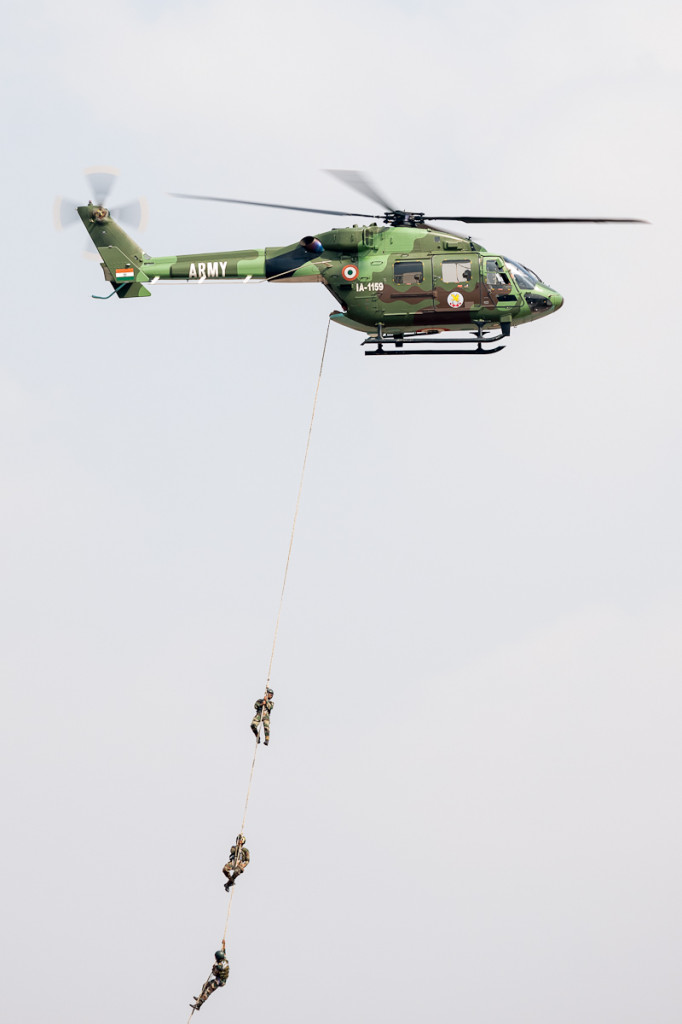
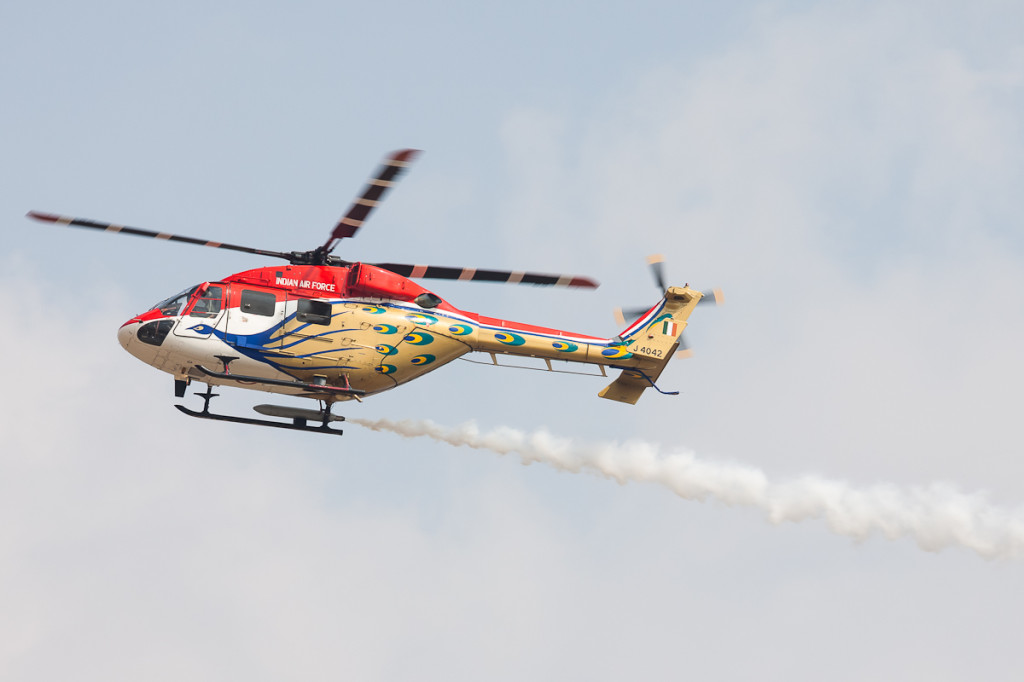
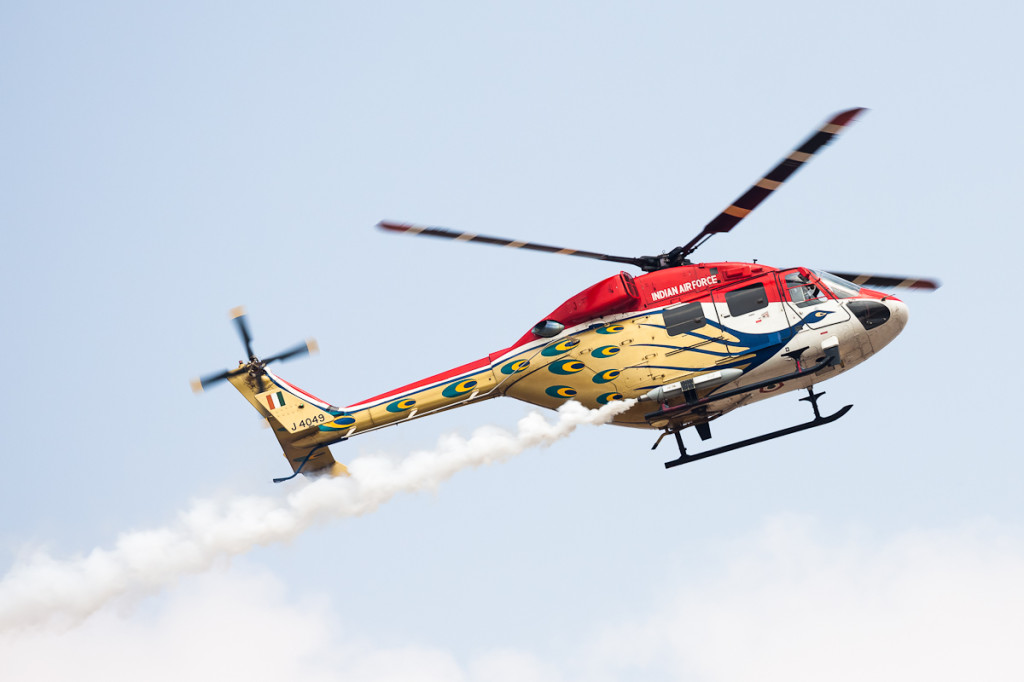
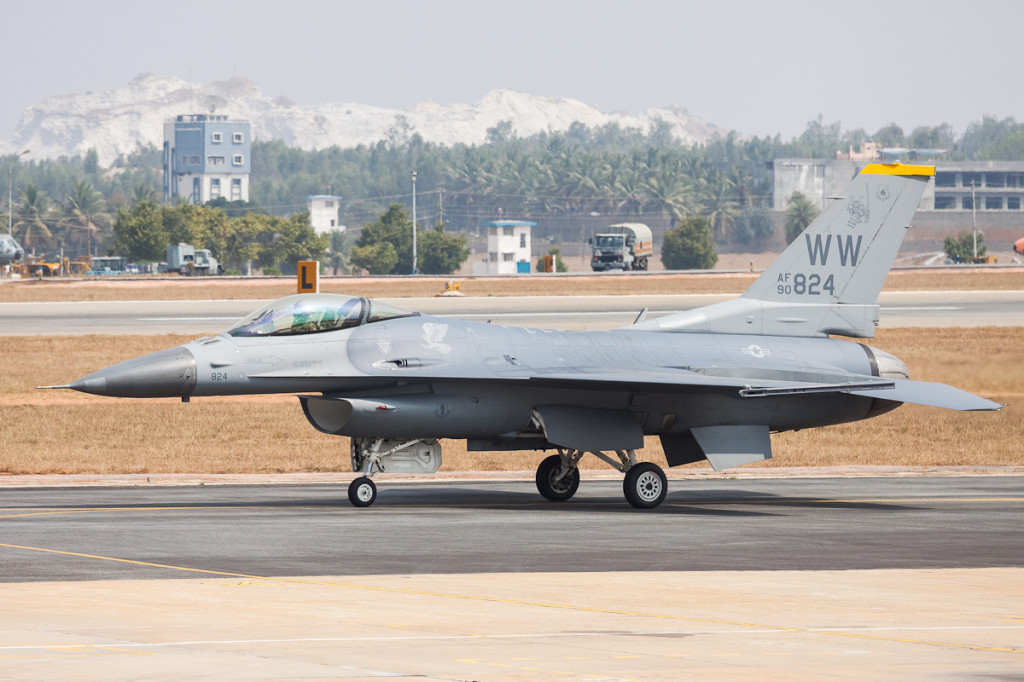
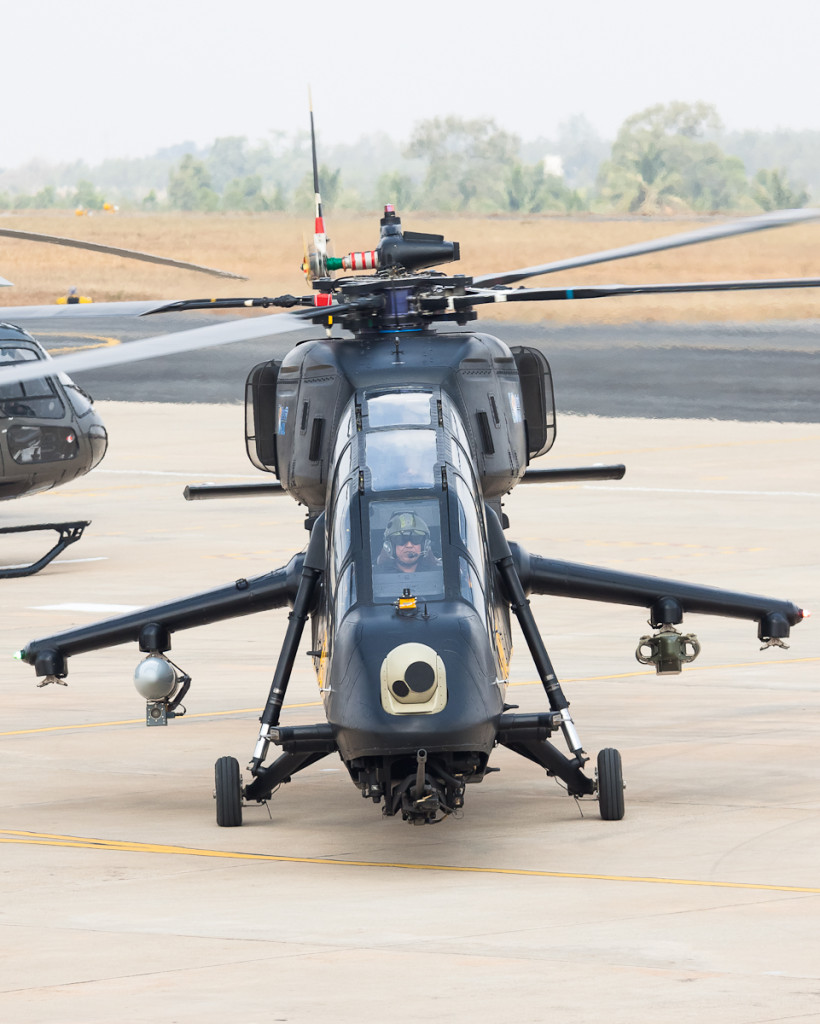
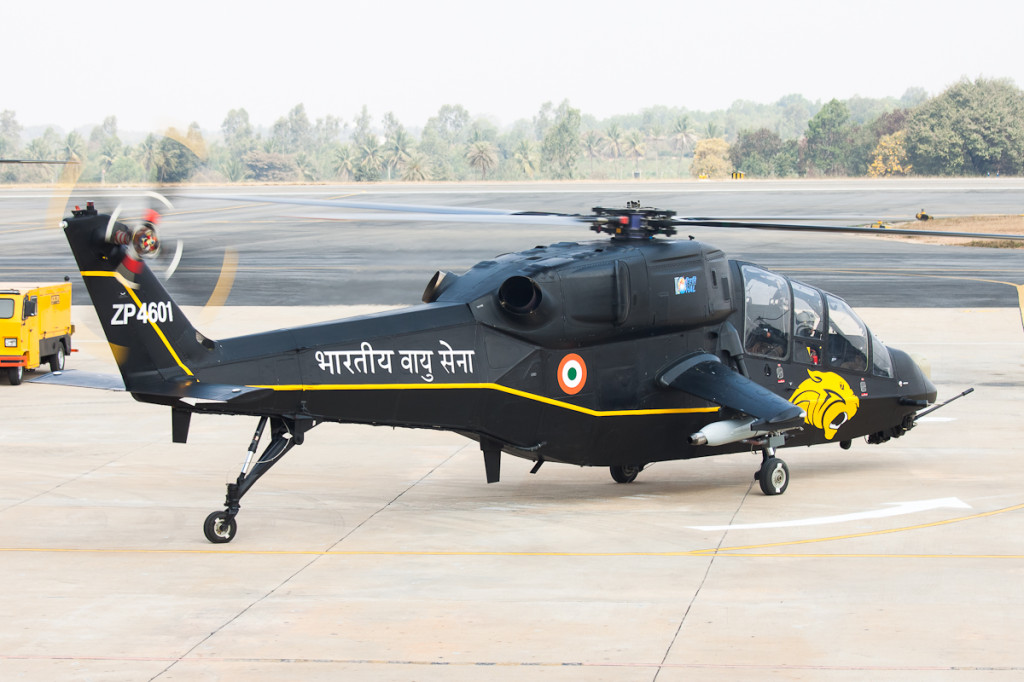
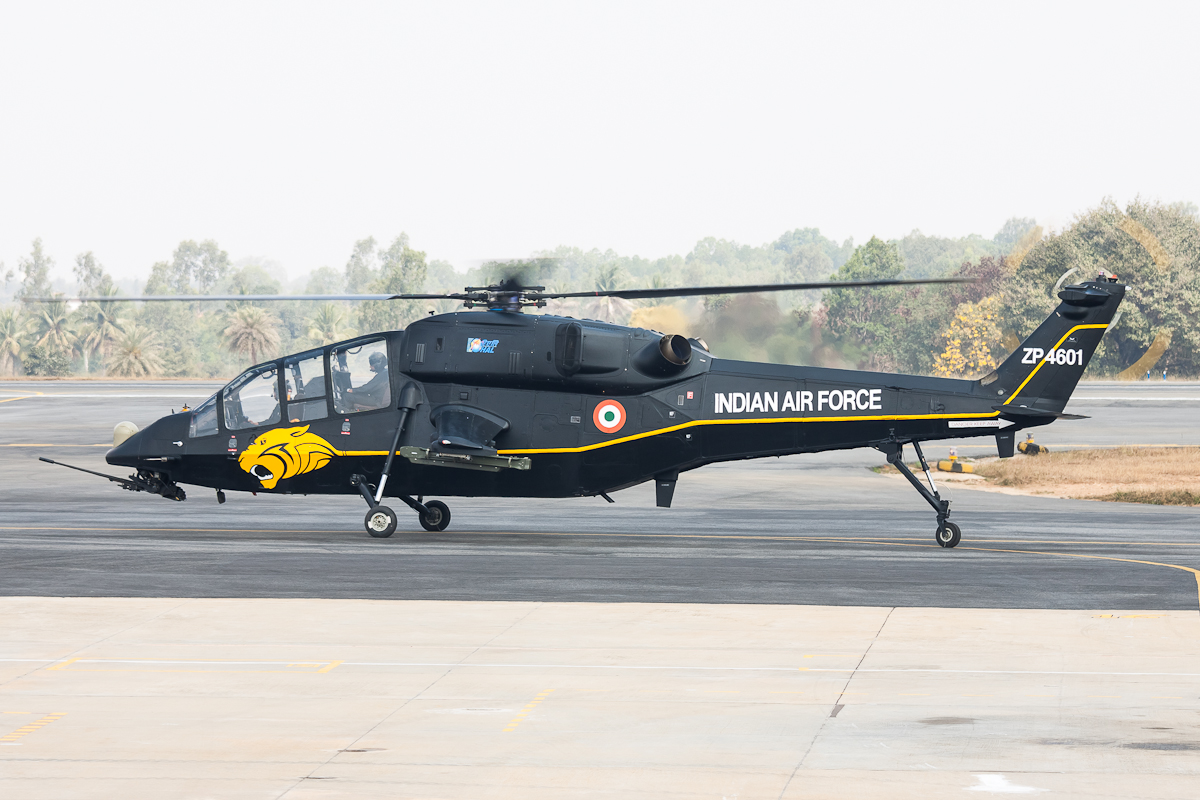
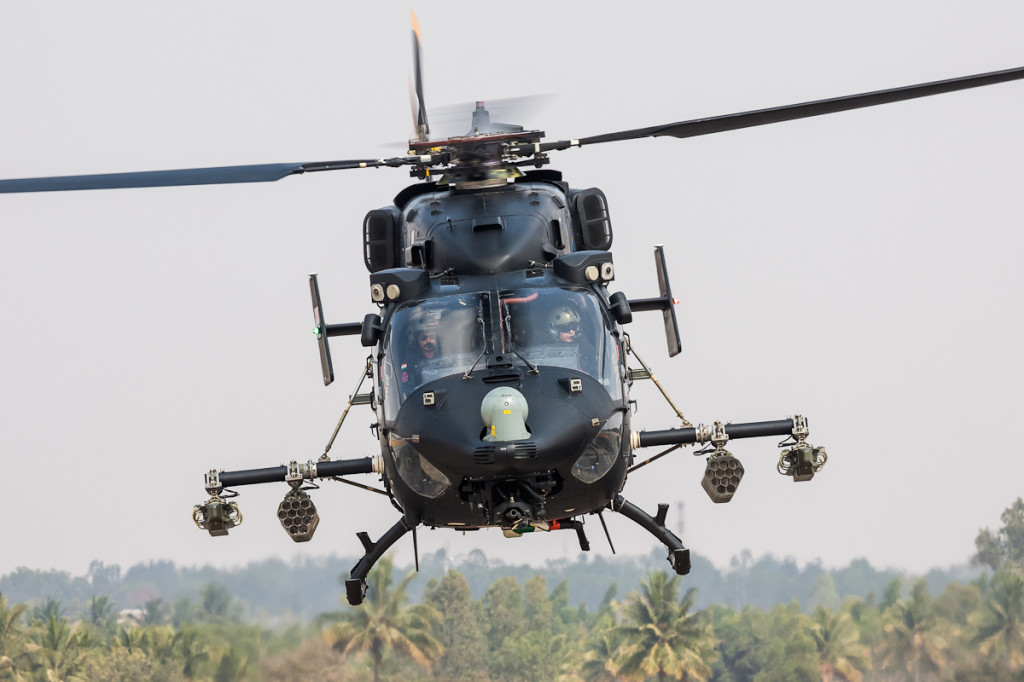
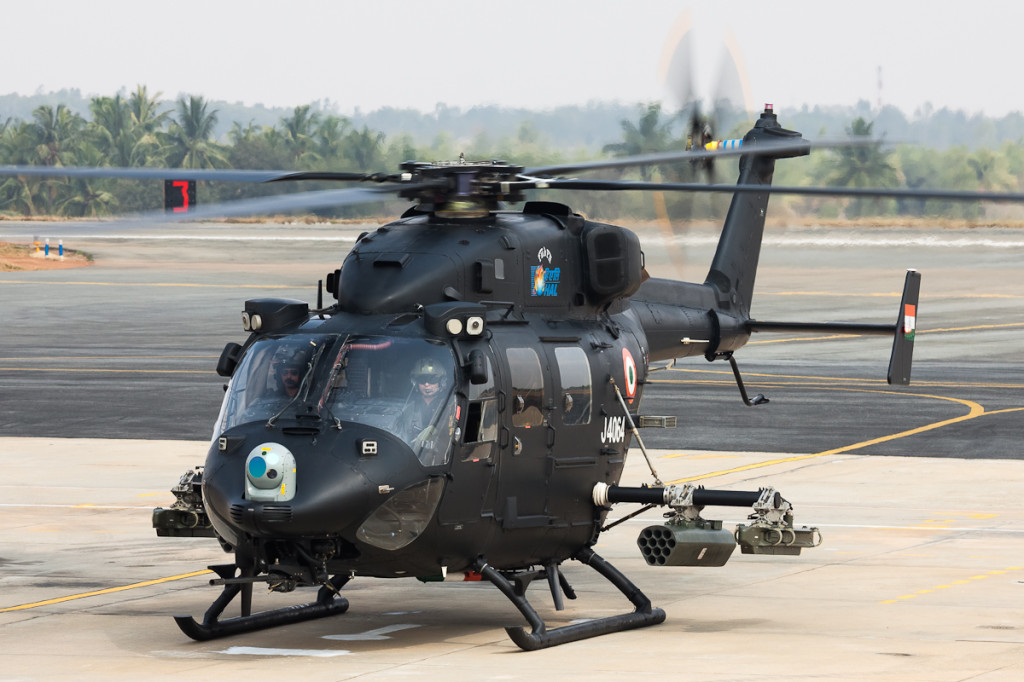
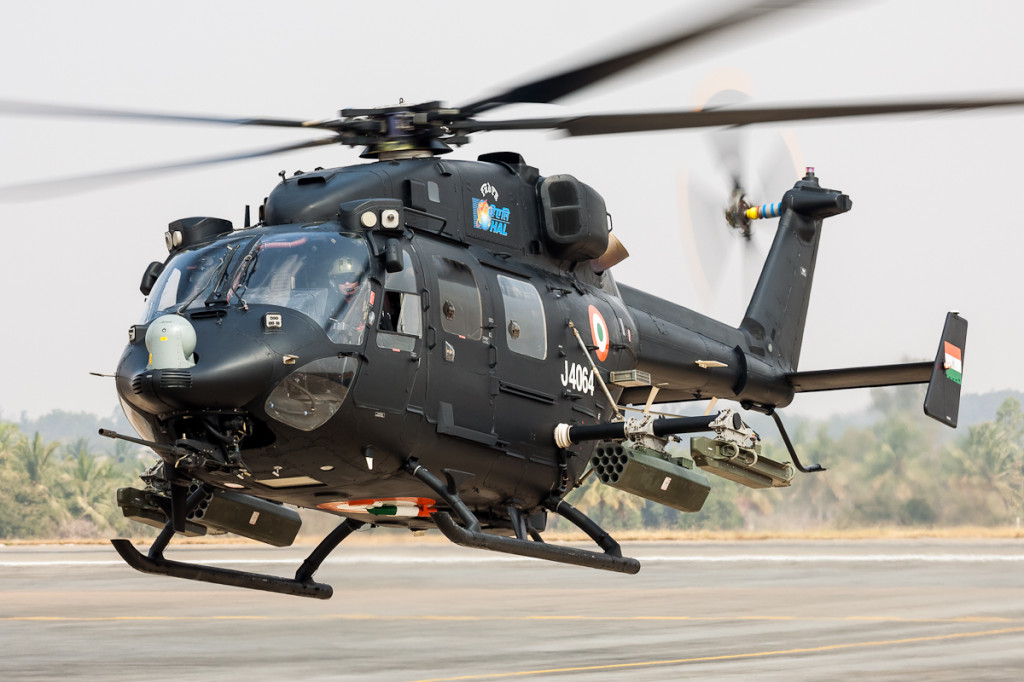
Dhruv ALH helicopter of the Sarang aerobatic team, Aero India 2013. Photo: Angad SinghDhruv of the Sarang aerobatic team -Photo: Angad SinghF-16 Taxi at Aero-India 2013 Photo: Angad SinghLCH Front View. Photo: Angad SinghLCH on the ground. Photo: Angad SinghLCH on the ground. Photo: Angad SinghFront view of an airborne Rudra. Photo: Angad SinghRudra helicopter on the ground Photo: Angad SinghThe Rudra liftoff Photo: Angad SinghSu-30 MKI Landing, Photo: Angad Singh
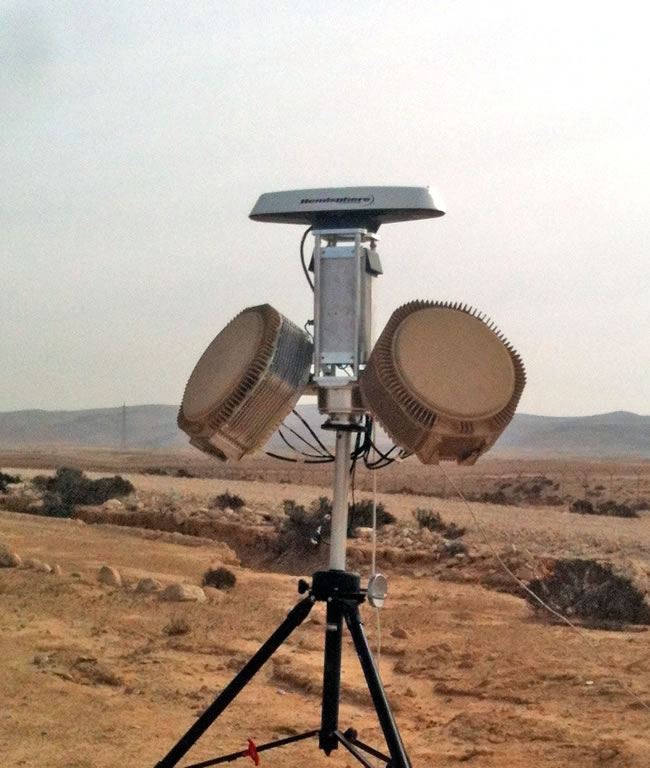
This RPS-40 C-RAM radar covers a 180 degree sector with 90 degree in elevation. When the panels are slanted 45 degrees, a system integrating four radar modules provides full hemispheric coverage, effectively spotting mortar and rocket attacks as well as direct fire threats. Photo: RADA
This RPS-40 C-RAM radar covers a 180 degree sector with 90 degree in elevation. When the panels are slanted 45 degrees, a system integrating four radar modules provides full hemispheric coverage, effectively spotting mortar and rocket attacks as well as direct fire threats. Photo: RADA
A new radar designed to improve force protection for forward deployed units and forward operating bases (FOB) was recently tested in Israel by RADA Electronic Industries. The Multi-Mission Hemispheric Radar (MHR) with the RPS-40 Counter-Artillery, Rockets and Mortars (C-RAM) mission.Defense-Update reports
Mortar and rocket attacks could prove highly lethal against exposed military units, forward operating bases (FOB) or civilian targets. Early warning providing personnel to take cover and military forces to employ countermeasures would significantly increase survivability rate.
During the testing the radar detected multiple mortars and rockets fired within the radar’s area of coverage. The system detected the threats at a very early stage and provided exceptionally long alert times, while demonstrating no false alarms. According to RADA, the new radar provides tactical accuracies of the Point of Origin (POO) and the Point of Impact (POI), enabling effective employment of selective warning, countermeasures and counterfire.
The RPS-40 detects, tracks, classifies and locates direct fire and ballistic (elevated) threats fired at stationary or mobile forces; such threats include rockets, artillery, mortars, ATGMs, RPGs, and more. The system can be integrated with any protection and/or C4I system and can be installed at stationary bases and posts, or onboard fighting vehicles.
The test was observed by representatives from the Israel Defense Forces (IDF) and the defense industry. “Our next goal is to establish the serial production line by mid-2013.” Zvi Alon, RADA’s Chief Executive Officer commented, adding that further tests are planned for the coming months, to validate the system’s performance on additional operational missions. Alon expects that by the end of 2013 RADA’s radars will be installed and in use by select customers.
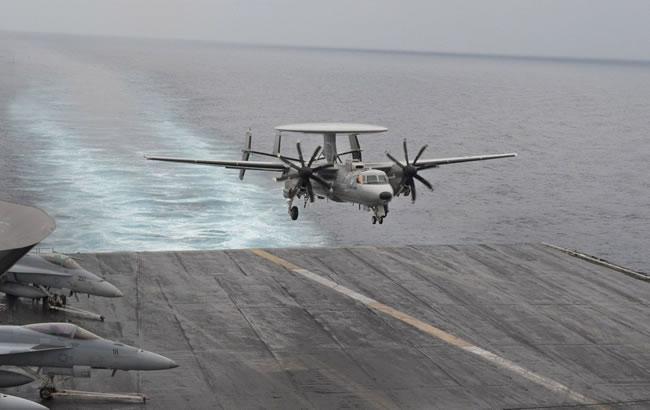
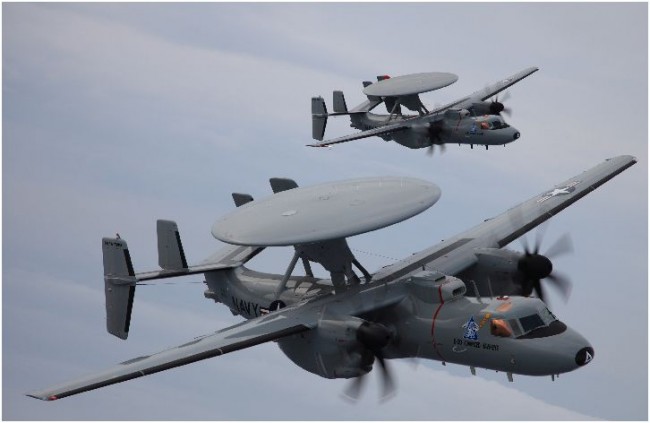
The latest Aircraft-Carrier operated Early Warning & Control (AEW&C) aircraft – the E-2D Advanced Hawkeye – has been approved to enter full-rate production by the Office of the Secretary of Defense (OSD). The decision followed a report where the E-2D was declared operationally suitable and effective, following a successful 10-month initial operational test and evaluation (IOT&E) conducted by the U.S. Navy. “I’m confident we will meet our ultimate goal to provide a capable and ready fleet with E-2Ds as we prepare for the first deployment in 2015” said Capt. John S. Lemmon, E-2/C-2 Airborne Tactical Data System Program Office (PMA-231) program manager.
“With the Navy’s E-2D program of record at 75 aircraft, this decision by OSD enables the production of the remaining 55 aircraft over the next 10 years and provides the opportunity for a cost-effective, multiyear procurement,” said Bart LaGrone, vice president, E-2/C-2 programs, Northrop Grumman Aerospace Systems – the developer and manufacturer of the E-2D. To date, Northrop Grumman has delivered nine E-2Ds to the U.S. Navy on or ahead of schedule, with another 11 aircraft in various stages of manufacturing and pre-delivery flight testing. The pentagon has also cleared export of the E-2D to few countries, where its carrier suitability positions the E-2D as a unique solution for naval AEW support.
Conducted by the U.S. Navy’s Air Test and Evaluation Squadron One, IOT&E is a rigorous phase of testing that every new system undergoes to determine that it is operationally effective and suitable for fleet introduction. A successful IOT&E is a key factor leading to a successful full-rate production decision and is a necessary step leading to a multiyear procurement.
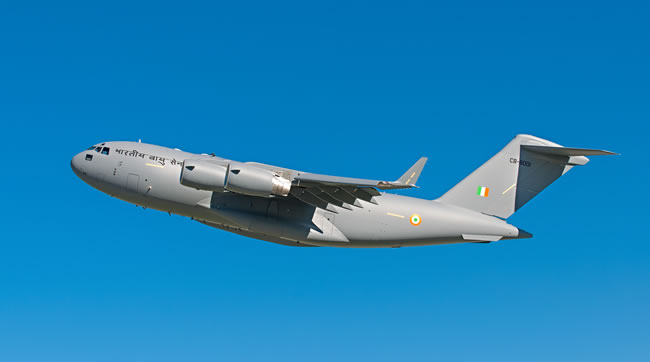
The C-17 Globemaster III heavy lift aircraft being delivered to Australia, UK, or the Indian Air Force being fitted with DIRCM after their arrival. Photo: Boeing
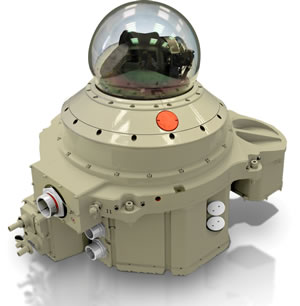
Boeing to integrate Elbit Systems’ DIRCMs on its miltary aircraft and rotorcrafts.
The Boeing Company and Elbit Systems have entered a cooperation agreement to jointly develop self-defense solutions for Boeing military aircraft in international markets. The Memorandum of Understanding (MoU) currently addresses international markets. Under the MoU Boeing will integrate Elbit Systems’ Directional Infrared Countermeasures (DIRCM) with fixed wing and rotary wing aircraft offered by Boeing internationally.
“Based on our long history of working with Boeing, we anticipate that this joint effort will provide the optimal solution for protecting our customers and creating synergistic value for both companies in this strategic and fast-growing market.” Joseph Ackerman, Elbit Systems President and CEO commented.
J-MUSIC DIRCM
Boeing is currently offering all its Military Aircraft for export. These include the C-17A Globemaster III heavy lift aircraft, as well as the special missions variants of the aircraft built by Boeing Commercial Aircraft, such as the 737 and 767, configured for Airborne Early Warning, Maritime Surveillance and aerial refuelling. The aircraft provided for the US Air Force and Navy are being integrated with DIRCMs selected separately by the services. To date, systems integrated with the Air Forces’ C-17 and AH-64 Apache were delivered by Northrop Grumman. The US Army is also looking for new DIRCMs to equip the Army and Special Operations Command Boeing’s CH-47 Chinook heavy lift helicopter, as well as Osprey V-22 Tilt-Rotor aircraft are currently under selection, as part of the Army Common Infrared Countermeasures (CIRCM) program. The export of these US based technologies is limited by US International Traffic in Arms Regulations (ITAR). It can be expected that the integration of the Israeli system will provide Boeing customers an access to state of the art defensive technology that is not limited by US export regulations. “Boeing is partnering with pioneering firms worldwide to bring advanced technology to our customers,” said Network & Space Systems President Roger Krone. “Our relationship with Elbit is an example of how we are enhancing our portfolio with innovative capabilities for a variety of solutions.”
All these Boeing Military aircraft and helicopters are currently marketed or have been delivered to international customers, some have yet to be equipped with DIRCMs. Boeing’s Network & Space Systems and Boeing Military Aircraft organizations are working together to integrate the systems onto new and existing aircraft, as well as to provide signature analysis and end-to-end services and support.
“We see a rapidly growing interest in DIRCM in all fronts – civil, VVIP, and military, combat jets and helicopters” Said Adi Dar, General Manager, El-Op and Elbit Systems Vice President. “For our MUSIC being the newest, yet most mature DIRCM system in the market, flexible, software-driven control system, utilizing advanced, low-power fiber-optic laser emitter, well adapted to meet evolving threats, and conforming to different platforms with minimum changes -from small transport planes to wide-body passenger jets. Another advantage Elbit System brings to market is the civil aviation certification of the system – the world’s first.”
The proliferation of shoulder-fired anti-aircraft missiles, particularly with terrorist groups operation in Asia, Africa and Latin America has increased the demand for DIRCM, protection helicopters, medium and large transport planes, as well as VIP aircraft and heads of state transportation aircraft (VVIP). Elbit Systems has developed several DIRCM variants, under the MUSIC and C-MUSIC brands. The technology developed Elbit Systems’ wholly owned subsidiary Elbit Systems Electro-optics ELOP Ltd., offers lightweight, compact systems that utilizes a proprietary fiber-laser emitter and electro-optical threat warning systems effectively protecting aircraft from common battlefield threats. In the past year Elbit Systems has made great inroads with its newest Directed Infra-Red CounterMeasure (DIRCM) known as MUSIC, the latest milestone has been the full system system testing with C-MUSIC mounted on a Boeing 707 flying testbed. Derivatives of the MUSIC were selected by the Italian Air Force to protect C-27, C-130J and A101 helicopters; the later are also operating in India. In the following year the system was also selected to become the integral DIRCM, operating as part of the Brazilian Air force KC-390 medium takner-transport plane built by Embraer.
Elbit Systems has developed a unique podded configuration of the MUSIC system, selected for the Israeli Skyshield program, providing DIRCM protection to Israel’s commercial airliners flying to destinations considered to be of ‘high threat’. The key for the feasibility of such program is the podded configuration of C-MUSIC, enabling the integration of the DIRCM system on aircraft configured for the system using a simple, low-drag A-Kit adaptor. When the aircraft is scheduled to fly into a destination defined as ‘high threat’, a C-MUSIC pod is installed, requiring only power and control links pre-configured during the initial installation. The same concept can also apply in protecting a fleet of military aircraft, that operate routinely over safe areas but is occasionally required to fly to high threat destinations.
Mission specific configuration, enabling an air force or operator to maintain only few pods rotated between the aircraft that actually face the higher threat level. Following an extensive testing program conducted in recent months the system is considered operational and ready to deploy passenger planes fitted with suitable kits.
The C-17 Globemaster III heavy lift aircraft being delivered to Australia, UK, or the Indian Air Force being fitted with DIRCM after their arrival. Photo: Boeing
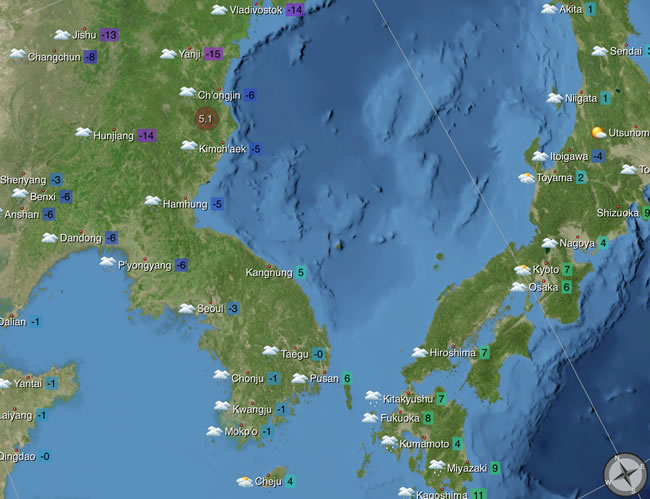
An 5.1 magnitude earthquake reported along the Eastern coastline of North Korea, early Feb 12, 2013. Photo: EarthBuzz
Seismic activity measuring 5.1 magnitude located in North korea was registered by the U.S. Geological Survey on on 11.57am local time, Tuesday (12 February 2013); South Korea’s defence ministry confirmed the quake was indicating a nuclear test conducted by North Korea. The epicentre of the seismic activity, which was only one km below the Earth’s surface, was close to the North’s known nuclear test site, where Pyongyang carried out previous tests in 2006 and 2008. South Korean defense ministry sources estimated the yield of the current device at 6-7 kiloton or stronger, suggesting Tuesday’s test had exceeded the yields reported in tests in 2006 and 2009.
North Korea is not prone to seismic activity therefore, the current tremor was attributed to be caused by man-made activity. However, it may take hours or even days to determine officially whether a nuclear test had been conducted. In 2006, the North’s first nuclear test led to a seismic blast of magnitude 4.3 Spencer Ackerman wrote in Wired. That allowed nuclear experts to estimate that its device yielded a blast of less than 1 kiloton. The 2009 nuclear test was around magnitude 4.7, leading scientists to estimate the North had reached a much higher yield, of between 4 and 7 kilotons. The material used for device is also unknown. The first two tests used Plutonium for the fissile material, nut in 2010 Pyongyang unveiled a previously unknown uranium enrichment plant that could have provided the more powerful fissile material for the current test.
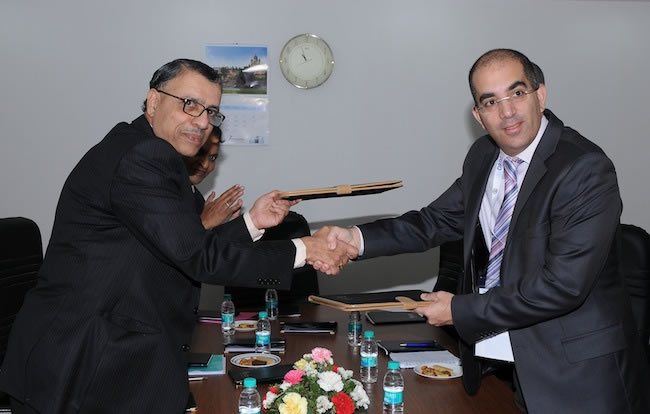
Mr H N Ramakrishna, Director (Marketing), BEL, and Mr Adi Dar, Executive VP, Managing Director of Elbit Systems Electro-optics-Elop Ltd., Israel, exchange documents after the signing of the MoU at Aero India 2013 in Bengaluru.
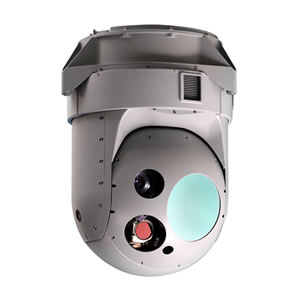
Elbit Systems Electro-optics-Elop Ltd. from Israel and Bharat Electronics Ltd (BEL) of India will jointly develop a navalized, stabilised, multi-sensor electro-optical observation system based on ElOp’s ‘Compact Multi Purpose Advance Stabilisation System’ (CoMPASS). Sofar CoMPASS has been used primarily for airborne applications in unmanned aerial systems (UAS), aircraft and helicopters. The CoMPASS has been selected for the new Indian attack helicopter ‘Rudra’, where CoMPASS provides the primary EO sensor for the crea and weapon system. CoMPASS has also been nominated for 56 Naval Utility Helicopters to be procured for the Indian Navy. The companies signed the MoU on Feb 7, 2013 at the Aero India 2013 airshow.
Elbit Systems ElOp CoMPASS
The CoMPASS is a day-and-night surveillance system that includes a colour TV daylight camera, 3rd Generation 3-5 µm FLIR sensor, Laser Target Designator and Rangefinder (LTDRF) and automatic tracking capabilities, as well as command and control capabilities.
Elbit Systems at Aero-India
CoMPASS is designed with interfaces, enabling integration with various aircraft/helicopter systems, such as Mission Computer, fire control, radar, GPS, data downlink and helmet-mounted tracking systems. Its small dimensions, low weight, high level of stabilisation and coverage angles make it an optimal choice for long-range, day-and-night surveillance, target tracking, fire control applications and search and rescue. The system includes major components such as Stabilised Turret Assembly, Grip Interface Box and Left & Right Grips.
The MoU was signed by Mr H N Ramakrishna, Director (Marketing), BEL, and Mr Adi Dar, Executive VP, Managing Director of Elbit Systems Electro-optics-Elop Ltd., Israel. Mr Amol Newaskar, Director (Other Units), BEL, Mr Roy Zentner, Vice President, Business Development & Marketing, Elbit Systems Electro-optics-Elop, and Mr Neri Zin, Senior Director, EO ISTAR Business Unit, Airborne EO & Laser Systems, Elbit Systems Electro-optics-Elop, were present along with other General Managers of BEL.
The European engineering and technology consulting company Alten Group announced that it has partnered with the Maini Group of India, a leading design and manufacturing company in the Indian private sector. The partnership will offer specialized system engineering and design-to-manufacturing services to global Aerospace and Defence (A&D) equipment manufacturers. The two companies announced their partnership at the Aero India 2013 exhibition in Bangalore last week.
As part of this partnership, Alten and Maini will combine their Alten’s system design and engineering expertise, and Maini’s experience in precision manufacturing, engineering and the robust supply chain eco-system. “This partnership reinforces Alten’s commitment to expand and strengthen its presence in India.” Gerald Attia, Deputy CEO and Deputy Managing Director, Alten Group said. The Alten Group has been operating a design center in Bangalore since 2010, and has grown its employee base in India to over 850 engineers today.
Founded in 1988, the Alten Group has grown to be a major supplier of Engineering and Technology consulting services in Aerospace, Transportation, Energy and Telecom segments with over 15,950 employees across 14 locations globally. The company has offered engineering design and technical support services to major players in A&D segment on aerostructures, avionics (mechatronics, real time systems), installation and new product industrialization. Alten customers include Airbus, EADS Astrium, Eurocopter, Safran, Thales Avionics and Dassault.
Founded in 1973, the Maini group has established itself as one of India’s premier design and manufacturing entities with over 1500 employees spread over 14 locations. The Maini group specializes in high-precision engineering components & Assemblies for aerospace, electric vehicles, material handling, and warehousing and logistics solutions.
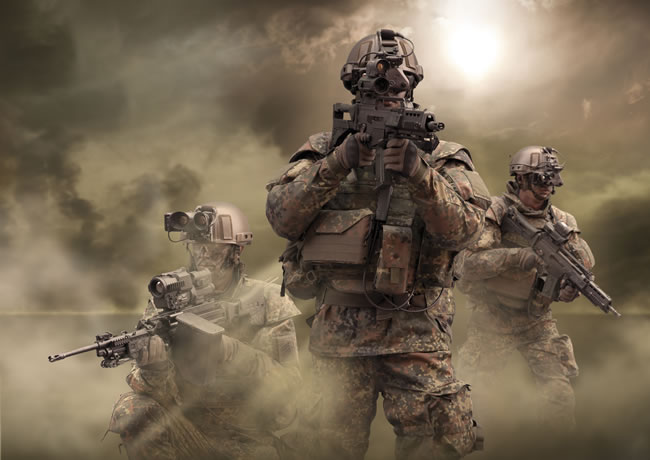
The German Military (Bundeswehr) is moving to expand its use of Gladius soldier system. A follow-on contract worth €84 million for the delivery of 60 more systems was recently placed with Rheinmetall. In January 2013, the Düsseldorf, Germany-based Rheinmetall Group was awarded an order to supply a further sixty systems. The procurement programme began in 2012 with an initial order of thirty systems, enough to equip 300 troops. The current order is follow-up order, worth €84 million, and encompasses equipment for 60 infantry sections with a total of 600 soldiers.
Gladius substantially exceeds the capabilities of previous infantry systems used by the Bundeswehr, especially with regard to networkability, command and control, and combat effectiveness. Reflecting the heightened requirements profile of the user as well as incorporating knowledge gained during comprehensive testing and in the field, Gladius is essentially a new, highly advanced system.
Delivery of the new systems will take place in two lots consisting of thirty systems each, the first one in the middle of 2013, another at the end of the year. This will ensure that the next two contingents of Bundeswehr troops due to deploy to Afghanistan will receive the new equipment well in advance. As planned, the Bundeswehr is currently taking delivery of the thirty Gladius systems it ordered in 2012. The troops will have until June 2013 to train with the new system before going to Afghanistan.
Developed by Rheinmetall and originally known as “Infanterist der Zukunft (IdZ 2)” or “Future Soldier”, Gladius is the most advanced system of its kind anywhere. Its introduction is a major step forward for the Bundeswehr, which will significantly improve the overall operational effectiveness of German infantry units while simultaneously enhancing the survivability of individual soldiers.
What is in the pack?
First and foremost the system is designed to bring the 10-man infantry section and its vehicle into the network-enabled operational loop. Linking reconnaissance, command and control components, and weapons, the network facilitates rapid exchange of information among participants as well as shared situational awareness as the basis for planning and conducting operations.
The individual soldier receives all relevant data concerning the tactical situation, the position of friendly forces, the mission, and system status. It includes a GPS and an inertial navigation system as well as a magnetic compass, facilitating reliable orientation on the ground.
The designers have made special attention to ergonomic features, especially with regard to weight reduction, miniaturization and improved integration of individual components. The modular battle dress uniform, body armour and harness system provide the high level of protection from detection in the visual and infrared spectrum as well as from the weather – even in extreme climate zones – or under biological and chemical threat. Flame-retardant equipment and vector protection round out the system’s high level of protection. The system is integrated into an “electronic backbone” that contains the radio, core computer, batteries and GPS module.
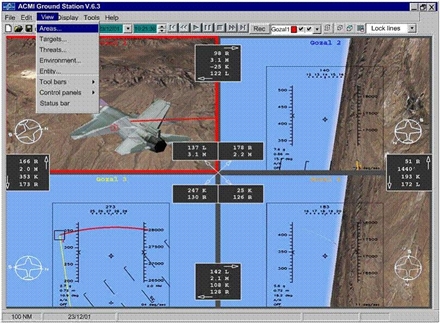
ACMI display showing a dogfight from multiple participants’ points of view.
Israel Aerospace Industries (IAI) has expanded its ‘Ehud’ Autonomous Air Combat Maneuvering Instrumentation (AACMI) family to support Eastern fighter aircraft in addition to its Western fighter aircraft related advanced capabilities. At Aero-India 2013 the company is unveiling the EHUD pod configured in an R73 air-to-air missile enclosure, making the pod the only AACMI pod in the market, which can fit any R73 compatible aircraft.
Until now EHUD was designed to conform to aircraft carrying the AIM-9L air-to-air missile or Hellfire ant-tank missile (mostly for helicopters). The system is also fitted into platforms such as aircraft, surface vessels and air-defense assets using a verity of onboard LRU boxes and racks. The new pod would be suitable for air forces flying mixed fleets of fighter aircraft – such as the Indian Air Force, as well as the air forces of the former Commonwealth of States (former Soviet republics), where Israel maintains extensive and productive military and economical cooperation. It will also help Eastern European air forces still flying MiG-29, MiG-21 or Su-22 (such as the Polish and Romanian air forces) to participate in NATO air combat training.
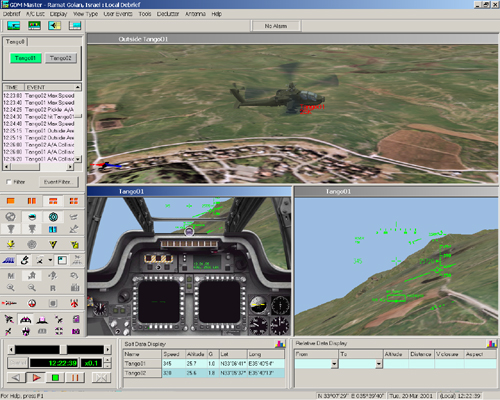
As a realistic, real-time air combat training system, EHUD offers post-mission debriefing as well as a life saving safety system. Through real-time monitoring of the flight paths and manoeuvres of all real participants, the system provides air collision and obstacle avoidance while collecting all data for debriefing, to allow reconstruction of all flight data along with synchronized audio and video from the views of all the participants involved. The system allows conducting high level, live training with the ability to fire simulated armaments and receive real time hit or miss assessments as well as high level post exercise debriefing. The fighters can train jointly with ships, helicopters and air defense platforms, since IAI provides dedicated embedded training systems for each of these platforms.
THRUST pods are extending the support for ACMI to non-fighter platfroms, including combat helicopters
Through its evolution EHUD has become the standard ACMI for NATO and many international air forces. The new segment of the system, known as Helicopter Rehearsal Autonomous Safety & Training System (‘THRUST’) participated recently in a large-scale exercise of joint forces in an unnamed Asian, where the systems equipped systems on board hundreds of participants – live forces including helicopters, air defense platforms, tanks, and land vehicles. Virtual armaments were used rather than live ammunition. During the exercise the forces used IAI’s THRUST system to conduct in-depth debriefing of the battle’s results.
The attack helicopters and air defense units were equipped with IAI’s THRUST and Air Defense Instrumented Training System (ADITS) – both part of IAI’s Ehud family of embedded training systems. Connectivity to the land vehicles was achieved via an integral gateway.
THRUST system offers low-cost and high-value embedded pilot training with maximized safety features. The system is designed to achieve advanced joint forces training capabilities by utilizing network interoperability with IAI’s Ehud system, Laser-based Tactical Engagement Simulation System (TESS) as well as connectivity to Combat Training Centers (CTC\CTSS).
The airborne system is available in two configurations, both are now off-the-shelf products: THRUST airborne pod designed for attack helicopters – specifically for Apache AH-64 (Hellfire enclosure), and the Internal case fits utility or other attack helicopters.
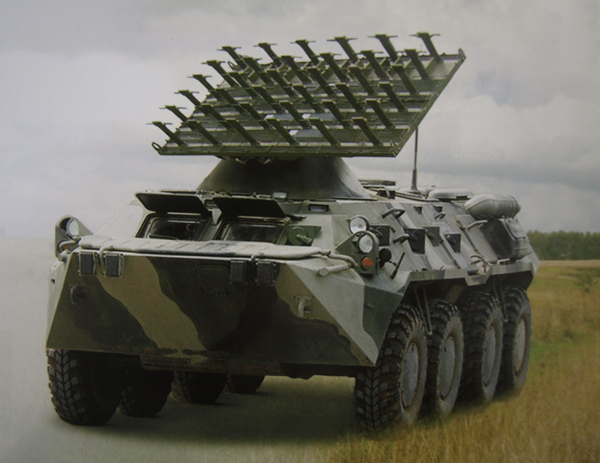
1L121E mobile 3D radar covers full hemisphere, with on-the-move surveillance, detecting a wide range of threats including guided weapons and mini-uavs. This new radar supports air defense assets. Tamir Eshel, Defense-Update
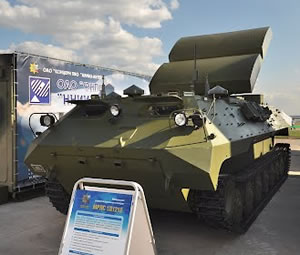
The 1L121E radar system displayed during MAKS 2011 airshow
The Russian company NNIIRT has introduced an export version of its 1L121-E mobile 3-D air-defence radar at the Aero-India 2013 airshow in India. The 1L121-E solid-state active phased array radar that operates in the UHF band is designed to detect small air targets such as low-flying mini unmanned aerial vehicles (mini UAVs) and precision-guided munitions (PGMs). The radar is mounted on vehicular platforms and is operated by a crew of three.
The 1L121-E provides full hemispheric coverage and is designed to operate on the move or on the halt. Moving from stationary to mobile operation requires about two minutes. The array comprises 36 transmit/receive modules arranged in a phased array controlled matrix covering 60 degrees in elevation, reaching up to 90 km range with minimum distance of five kilometers. At this operating mode the radar can simultaneously track 64 targets. For full-hemispheric coverage 90 degree elevation is employed, reducing detection range to 20 km. The minimum range is set at only two kilometers, simultaneously tracking only 32 targets. When covering full-hemispheric scan the radar mechanically rotates at rates of 50 to 800 m/s.
The radar detects and classifies up to four different target types, positioning each target with an accuracy of 100 meters, with 1 degree accuracy in elevation and azimuth. It will differentiate between two targets spaced 300m apart. In addition to the detection of targets the radar also performs electronic profiling of the target, assessing signals emitted by aircraft, drones or PGMs. This input can assist in threat assessment, jammer location and identification of non-cooperating targets (IFF).
This radar was first shown during the Moscow Air Show (MAKS) exhibition in 2011. It was Developed by Nizhegorodskiy Naucsno-Issledovatelskiy Insitut Radiotekhniki (NNIIRT), the organization responsible for numerous Russian ground-based radar developments. At MAKS 2011 it was displayed on a tracked MT-LBu vehicle. Now at Aero-India it is shown on a BTR-80 wheeled platform. Similar installations were also done on GAZ-3937 Vodnik 4×4 wheeled chassis.
1L121E mobile 3D radar covers full hemisphere, with on-the-move surveillance, detecting a wide range of threats including guided weapons and mini-uavs. This new radar supports air defense assets.
Iron Dome's Tamir interceptor missile - now proven for VSHORAD and C-UAS application. Photo: Defense-Update
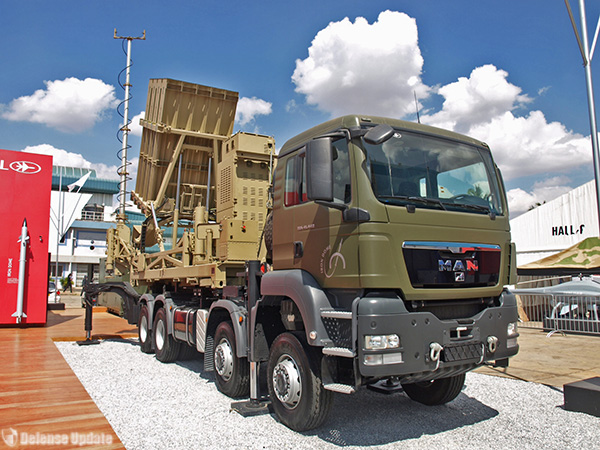
Mobile version of the Iron Dome can cover a wider area and rapidly reposition against new threats. Provided with a full multimission radar, it can also perform air defense missions. Tamir Eshel, Defense-Update
RAFAEL Advanced defence Systems officially yesterday (February 7, 2013) launched the international campaign offering its combat proven Iron Dome on international markets. Following its brilliant performance intercepting over 500 ballistic rockets in less than a year since the first system deployment, Iron Dome has now become a effective shield, but also providing political means of deterrence, actively used by Israel to signal to its enemies to ‘back off’.
Based on initial combat lessons learned through recent conflicts, the Iron Dome system has gone through several evolutionary spirals, improving particular aspects of the radar performance, flexibility of the battle management system and fine tuning of Tamir interceptor missiles – demonstrating the systems’ capability to engage a wider set of targets, including long-range (thus faster) rockets and much slower unmanned aerial vehicles (UAVs).
Israel now has six operational Iron Dome batteries. Initially deployed to protect the area around the Gaza Strip, the mobile batteries are now shifted throughout the country, to beef up protection of specific sites and also as acts of deterrence. Iron Dome batteries to Eilat, facing Sinai, Northern Israel and the Golan Heights signaling the Syrians and Hezbollah that Israel will not tolerate rocket attacks on its territory, even in retaliation to Israeli unilateral actions (such as the alleged attack on the Syrian research center and SA-17 convoy en-route to Lebanon).
As tempting as it would be to repeat the mantra of Iron Dome providing a shield protecting from rocket attacks, this application would be relevant to few customers, that would consider it at a low priority, compared to other high ticket spending. That’s because most countries do not face this type of threats, and if they do, they are not determined to invest what is needed to protect against it (neither did Israel, throughout the early development of Iron Dome). Senior The Indian Air Force officials commented on the system flatly rejected it’s C-RAM value for India “It is a great system but not for India. Our country is larger, and have different needs” a senior Air Force leader told Vayu – Defense-Update. Indian Air Force, Chief Air Marshal A K Browne also said he was briefed on the system two years ago, he said the system is not suitable for his service. Nevertheless, other branches having different missions could have interest in the system.
Yet, when exposed to such threats, becoming strategic, such countries would have loved to have something in their arsenal they could deploy to ‘take care of things’.Iron Dome could certainly become such a tool, if looked at from a different angle. The system was designed to defeat different targets – not only rockets. It carries a relatively large warhead, originally designed to destroy even small targets (like rockets or UAVs). Another distinctive advantage is the flexibility of the system to operate in congested airspace – Iron Dome is also designed to carry out its mission without risking others using it simultaneously. It coexists and safely operates in areas were civil and military aerial traffic mixes, meaning the missile navigates its flight path to avoid collision or damage to other flying objects – except the target. It will therefore avoid UAVs, aerostats, and all friendly, civil or unidentified aircraft.
Current Very Short Range Air Defence systems (VSHORAD) are not offering realistic protection with missiles theoretically having ranges up to 6-7 km (in reality, much less). Such protection is particularly ineffective against stand-off attacks with precision guided weapons, which are becoming the norm in attacking any type of targets.
Contemporary VSHORAD systems have relied on derivatives of Man-Portable Air Defence (missile) Systems (MANPADS) shoulder-fired missiles such as the Stinger, Strela, Igla, Mistral and RBS70 to name a few. All these missiles were designed to conform with weight and safety margins set for the human platform therefore, as air defence effectors they represent a cost-performance compromise that would meet the customer requirements at specific points, but would leave considerable gaps open for exploitation. In fact, most military forces have scaled down the use and replenishment of MANPADS based VSHORAD missiles, as this class of weapons has become increasingly a security
concern, when falling into the wrong hands.
While their value as defensive weapons is becoming questionable, MANPADS dtill present a very potent weapon in the hands of terrorists. Weapons like the Stinger and advanced STRELA missiles that were looted from military installations in Iraq, Libya and elsewhere have reached terrorists throughout the world, and state suppliers like Iran keep pushing such weapons to more and more organizations. MANPADS have claimed an increasing toll on coalition aircraft operating in Afghanistan and Iraq, and these weapons have also seen operational success in various conflicts throughout central Africa. Iron Dome offers a new solution for VSHORAD, tackling the problem from a new perspective. Unlike the original Iron Dome that was configured to ‘hermetically’ cover a specific sector’. A VSHORAD-configured Iron Dome would employ the same units in a different setup, with a radar, mobile firing units and battle management units that would cover the full 360 degrees hemisphere. RAFAEL has tested the Spyder SR’s using Elta EL/M-2106 for this application. Such radar can detect a wider target set that also includes manned or unmanned aircraft, helicopters, as well as other potential ‘airborne threats’ that might threaten the protected site.
Alternatively, a full-scale Elta EL/M-2084 Multi-Mission Radar (MMR) currently supporting enhanced Iron Dome systems could also be used, operated in the rotating, rather than staring mode. The VSHORAD Iron Dome system displayed here at Aero-India 2013 is mounted on a truck flatbed, to easily deploy with moving forces (protecting forward troops in staging areas, deployed command posts or critical communications nodes).
The number of missiles to be carried by each fire unit could be different from today’s 20 pack – and would then be tailored for the mission and tactics, techniques and procedures (TTP) – it could be 10, 20 or any other combination. The mobile Iron-Dome will enable operators to deploy stand-alone air defenses to protect securing specific high-value sites, or fielding the system as part of a multi-layered air defence system, together with existing assets.
A major consideration in the acquisition of new weapon systems is the additional cost and benefit of such systems. When seeking to increase efficiency, planners often look for the least costly means to do the job. Iron Dome was developed to offer the lowest cost per kill in the industry, but this was achieved not as a compromise on essential capabilities or efficiency. In fact, when compared to contemporary VSHORAD alternatives, Iron Dome effectors cost almost five times less while offering much better performance in all relevant terms. Enhanced performance means more efficient battle economy, further contributing to affordability and flexibility in using ones active-defense assets.
In India, RAFAEL is offering Iron Dome as a complementary system to the Spyder SR that has already been selected for the Indian Short Range Surface to Air Missile (SRSAM) system. Along with the Spyder SR’s dual-missile capability (Derby & Python 5) the addition of Iron Dome will expand the multi-layer defensive capability, dramatically increasing target engagement potential, particularly against complex attacks (by multiple types of threats, manned and unmanned). The deployment of multiple types of missiles and engagement techniques would deliver more intercept solutions, further increasing the probability to intercept targets of all types.
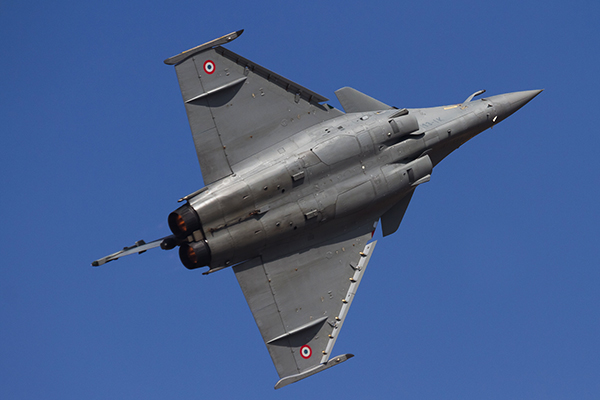
The Rafale on a display pass at Aero India 2013, Yelahanka air base in Bangalore. Credit: Angad Singh
Indian Air Force chief Air Chief Marshal Norman Browne considers the sale of Rafale to India a done deal and expects to see the first 18 fighters in his bases as soon as possible. “The MMRCA is very much on track. The Contract Negotiation Committee process is currently on. I expect contract negotiations to be complete by April/May this year. We should be in a position to sign the contract by the end of the year” ACM Browne said at his press conference at the Aero India show yesterday.
By April or May the contract should move to the next stage, including a crucial review by the ministry of finance. “If all goes well by the middle of the year we will be in a position to sign the contract,” he says. “There are no shortcuts to this process.” Due to the scale and high visibility of the program, the acquisition process is being followed extremely carefully in the MMRCA’s case.
Elbit Systems at Aero-India
He said that the contract negotiations are taking almost a year now, since February 2012, but pointed out that another contract for the upgrading of IAF’s Mirage 2000 had taken more than two years. Browne hopes the MMRCA negotiations wouldn’t take as long. Browne did not take a stand in the debate about the workshare part in the negotiations between MOD and Dassault. “Our interest is with the direct supply of 18 aircraft. The other 108 will be license produced by HAL. Dassault is free to choose production partners in India and abroad for kits. But these kits finally have to go to HAL for license production. We don’t get into that. That isn’t our concern.” Brown stated.Through the contract negotiations Dassault has pushed to move a substantial proportion of the work-share to its joint venture with Indian conglomerate Reliance Industries while MOD insists on having HAL the prime contractor for the local production of up to 180 aircraft.
Three French air force Rafales attended this year’s show, with two performing flight displays and one appearing on the static line.
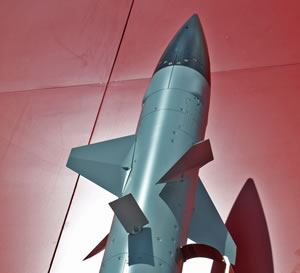
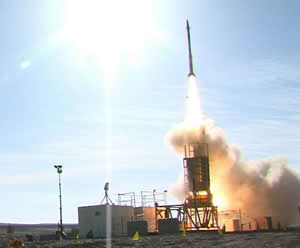
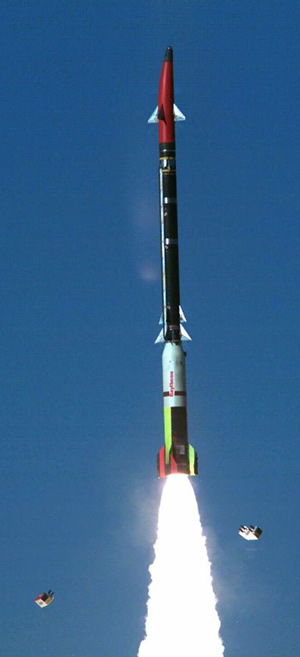
A close view of the Stunner missile blasting off from the launch canister. The powerful booster is designed to accelerate rapidly to high speed and altitude, enabling the Stunner’s multi-phase rocket to sustain the mid-course cruising, manoeuvring and endgame. Note the missile’s movable fins used for aerodynamic control – the forward four and at the aft -th first set. The second set and booster’s stabilizers are fixed.
In an intercept test performed last week RAFAEL validated the maturity of the David’s Sling system, scoring a direct hit on a rocket simulating a live medium range rocket. The David’s Sling system was developed under a US-Israeli cooperation; RAFAEL is the prime contractor and development authority with Raytheon the leading subcontractor and US program lead.
The system provides the ultimate indo-atmospheric interceptor, effectively intercepting ballistic missiles and medium range rockets, manned and unmanned aircraft, cruise missiles and various types of guided weapons. The test conducted over southern Israel Nov. 22, 2012 spanning over a large area of the Israeli Negev desert, to realistically depict the weapon’s long-range capability.
This intercept will be followed by gradually more complex testing, leading toward operational fielding. The first David’s Sling unit will stand up in 2013 under the IAF active defense branch, its technical cadre already undergoing training at Rafael. Through 2013 the new unit will train the first cadre of operators for the new system, leading to the system’s initial operational capability in 2014. This is an excerpt version of the full article ($), available to our premium subscribers. To subscribe please follow this link
For a fixed cost, Stunner would provide far more capabilities than any alternative approaches that would cost four times or more. A simulation of a hypothetical threat from a country possessing long and intermediate range ballistic missiles clearly demonstrates the case for the new Israeli missile. According to the assessment, a ballistic missile strike force comprising 600 SCUD type missiles and 200 long-range missiles, fired from 60-70 TELs could launch tens of missiles could be launched in quick succession over a few minutes. Many could be heading toward critical assets, while the impact points of few others are uncertain, thus requiring complex threat killing strategies.
Two defense strategies were compared. One, investing a billion US$ in current missiles, each worth around $4 million, the country would get around 240 interceptors. Attempting to intercept the threat, defenders will be required to launch at least 60 missiles to repel the attack, expending 25% of the nation’s defensive assets, against 10% of the enemy inventory. With this strategy, the country’s defensive shield will run dry in the fourth round.
In contrast, opting for David’s Sling only, or a mix of David’s Sling and existing interceptors, the same budget could buy 600 David’s Sling interceptors and 100 of the more expensive ones, saved for special purposes. In this case, less than 10% of the defensive shield will be spent to repel the threat (ten ‘golden missiles’ and 50 Stunners) and defenses would be maintained until the attacker runs out of missiles.
David’s Sling will be fully integrated into Israel’s national multi-layered defense system, receiving constant situational picture and target updates from the system’s integral sensors as well as from other assets, such as the Arrow Weapon Systems’ Green Pine radar, national airspace control system and elevated sensor system providing missile-warning. As a national-centric asset, David’s Sling BMC will receive policy guidelines, target engagement priorities and mission allocations from the national air defense center, pursuing these guidelines independently through its own command, control and battle management system.
The BMC maintains an integrated sky picture, classification and threat assessment, managing the active defense resources, policy and priorities from the national air defense authority.
Lockheed Martin Skunk Works® and XTEND have achieved a major milestone in JADC2 by integrating the XOS operating system with the MDCX™ autonomy platform. This technical breakthrough enables a single operator to simultaneously command multiple drone classes, eliminating the friction of mission handoffs. From "marsupial" drone deployments to operating in GPS-denied environments, explore how this collaboration is abbreviating the data-to-decision timeline and redefining autonomous mission execution.
As traditional defense primes face mounting competition from agile “neoprimes” such as Anduril, Palantir and Helsing, the balance of innovation is shifting toward software-defined warfare and scalable, dual-use technologies, while global industry consolidation—marked by Boeing’s integration of Spirit AeroSystems and other strategic mergers—signals an intensified race to secure control over the defense technology value chain. Our Defense-Tech weekly report highlights these trends.
In early October 2025, a coordinated wave of unmanned aerial system (UAS) incursions—widely attributed to Russia—targeted critical infrastructure across at least ten European nations. The unprecedented campaign exposed the fragility of Europe’s air defenses...
Executive Summary
The past week (September 18-25, 2025) represents an inflection point where strategic defense concepts have transitioned from doctrine to tangible reality. An analysis of global events reveals four primary, interconnected trends shaping an...
At the 2025 Air, Space & Cyber Conference, U.S. Air Force and Space Force leaders unveiled major updates on next-generation fighters, bombers, unmanned systems, and space initiatives, highlighting both rapid innovation and critical readiness challenges as the services race to outpace global competitors. A short version is available here, with a more detailed version for subscribers.
The Taipei Aerospace & Defense Technology Exhibition (TADTE) 2025 crystallized around four dominant strategic themes that collectively illustrate Taiwan's comprehensive approach to defense modernization amid escalating regional tensions. Based on a detailed report by Pleronix (available upon request). Includes a Podcast discussion on TADTE 2025's highlighting Taiwan's four strategic themes beyond the post's coverage.
Israel’s Iron Beam 450 high-power laser system has completed final testing, marking a major leap in air defense. Developed by Rafael, it offers precise, cost-effective interception of rockets, UAVs, and mortars, and is set for IDF deployment by 2025.