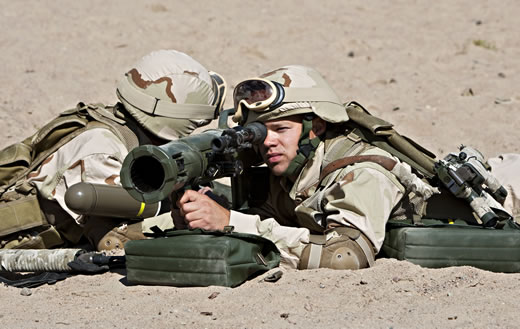
Saab Dynamics' Carl Gustaf system has been in use for more than 50 years. It is in use in more than 40 countries, on every continent.
The U.S. Special Operations Command has awarded the Swedish company Saab a follow-on order for additional Carl-Gustaf man-portable weapon systems and ammunition. The order has a total value of US$25.8 million for delivery next year (2013). “Having this system in service and combat proven with U.S. Special Operations Forces is yet another stamp of approval and proof of the continued confidence that the U.S. Special Operations Command customer has in our company and our products”, said Saab North America President, Dan-Åke Enstedt.
The Carl-Gustaf M3 is a multi-role, man-portable shoulder-fired 84mm recoilless rifle system. This combat proven weapon system has successively been modernized and adapted to meet evolving requirements. The system is in use in more than 40 countries worldwide.
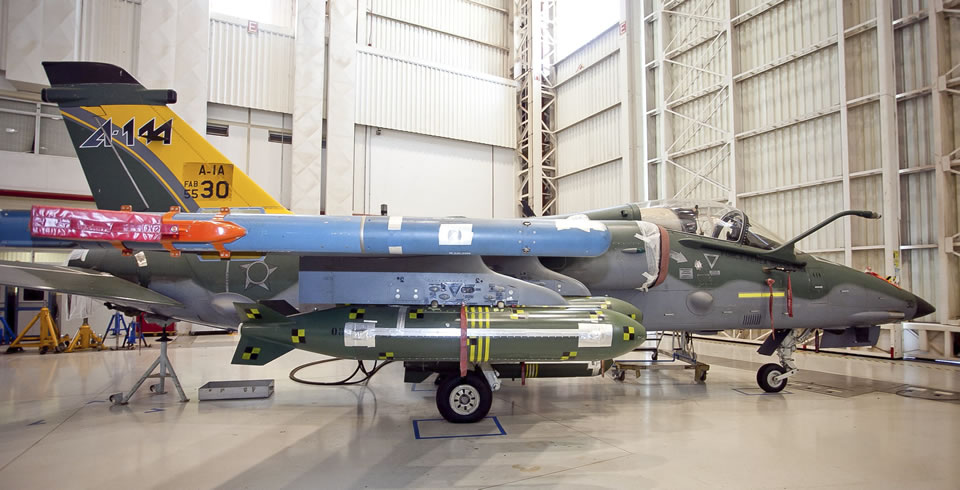
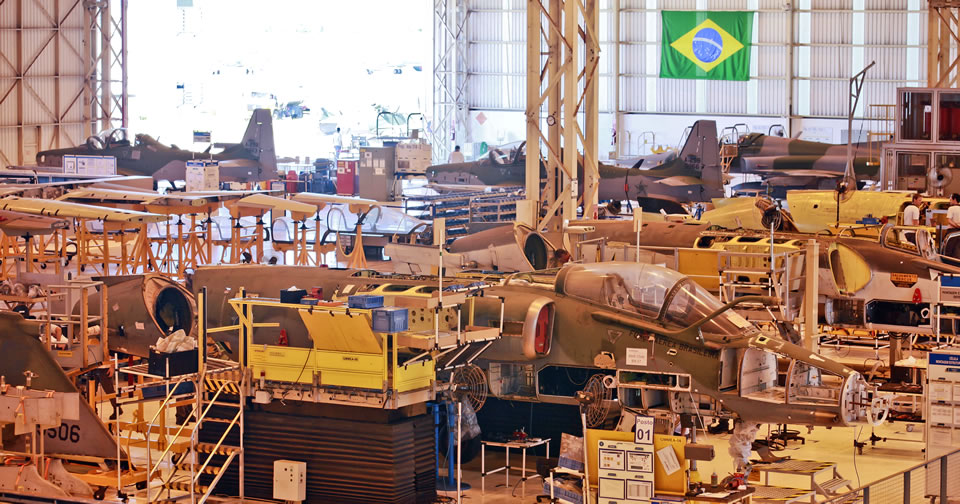
The first A-1M prototype completed, awaiting the first flight. Photo: Silva Lopes, FAB
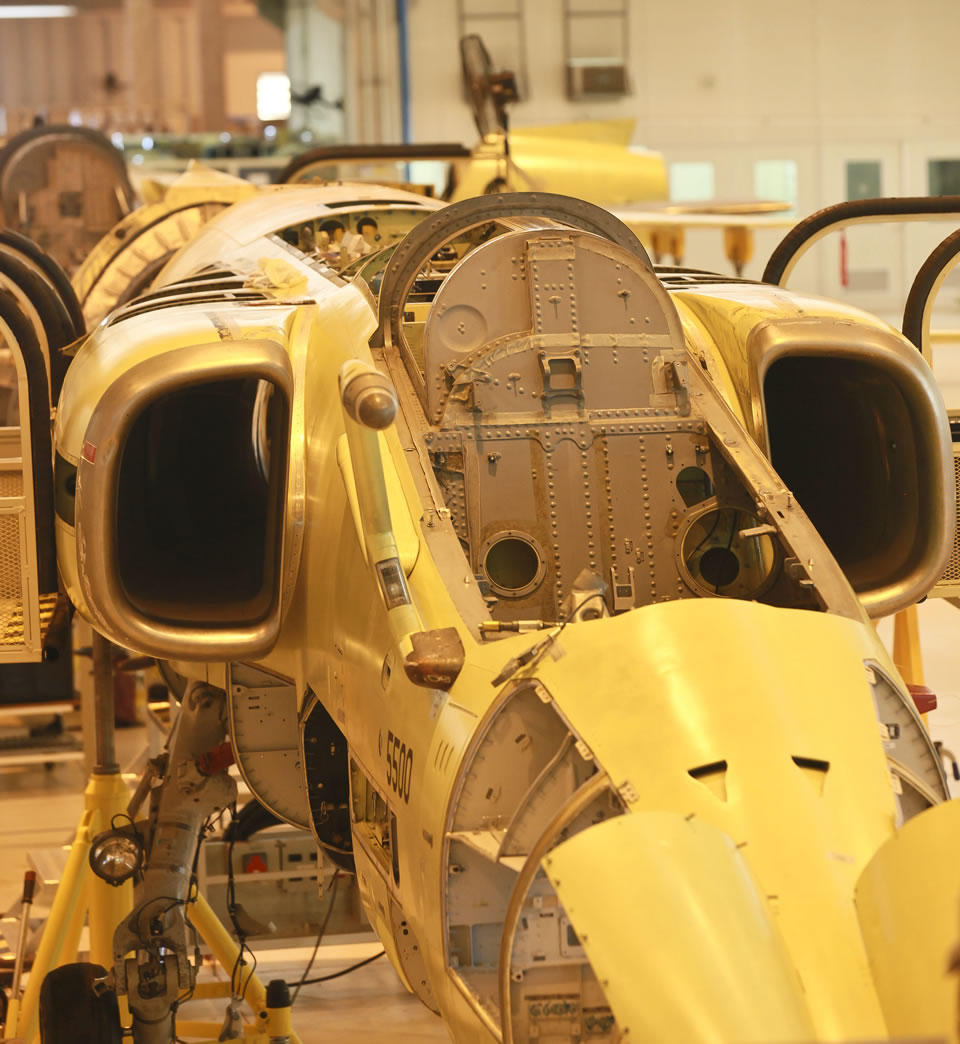
Second A-1M prototype undergoing refurbishing at Embraer's AMX upgrading line. Photo: Silva Lopes
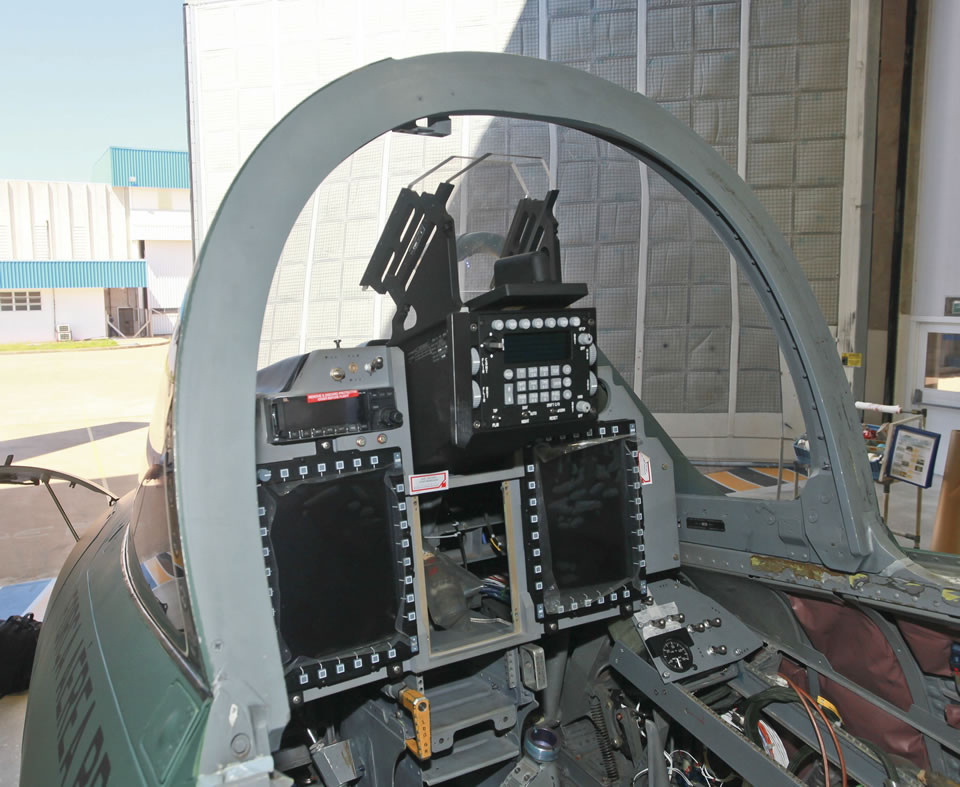
The prototype of the upgraded AMX, designated A-1M flew today for the first time. The first flight was the kickoff mark for the aircraft’s flight test campaign. The A-1M program provides for refurbishing and upgrading of 43 FAB AMX subsonic fighters. Ten aircraft are already at the Company’s facilities, the first of two prototypes has already been completed and the company plans the first deliveries for 2013. Brazil’s Aeronautics Commander, Air Force General Juniti Saito, and senior officers from the Brazilian Air Force (FAB) attended the first flight at Embraer’s manufacturing plant in Gavião Peixoto, in outstate São Paulo, Brazil. AIL is providing the avionics used in the cockpit of the modernized A-1M. These systems reflect high commonality with other modernized FAB fighters, including the F-5M and A-29. Photo: Silva Lopes, FAB
“The A-1Ms are receiving modern systems that are similar to those already found on the F-5M and A-29 aircraft. All of the upgrades and acquisitions are aligned with the objectives of the Aeronautics Strategic Military Planning (PEMAER)” said Aeronautics Commander, Air Force General Juniti Saito. PEMAER positions the FAB’s future growth based on medium- and long-term studies – aligned with Brazil’s National Defense Policy (PND) and National Defense Strategy (END) highlighting benefit for the nation’s industry and technology base. To offer the highest benefit, upgrade programs are sharing common avionics, contributing to better commonality in instrument orientation and pilots training. “This commonality is providing a level of standardization that comes with numerous operational advantages, such as improving the employment doctrine of the FAB and a better yield in terms of flight hours.” General Saito added.
The first flight of the A-1M coincided with the delivery of the delivery of the 99th and final A-29 Super Tucano light attack turboprop to the FAB. In December 2003 the FAB became the launch customer for Embraer’s Super Tucano, under the AL-X program. The aircraft is currently used for advanced pilot training and carries out important functions in the Amazon Surveillance System (SIVAM). The A-29 Super Tucano has been chosen by ten customers in Africa, the Americas and Asia-Pacific.
The first A-1M prototype completed, awaiting the first flight. Photo: Silva Lopes, FAB
Embraer has also delivered the last two F-5M fighters, concluding the first batch modernization of FAB F-5 fighters to be delivered to the Air Force. The F-5M program covers the refurbishing and upgrading of 46 supersonic fighters. In December 2010, a new contract was signed to upgrade 11 additional F-5 aircraft, with the work beginning on the first jet in October 2012. The first deliveries of this second group are planned for 2013. Each F-5E/F aircraft receive new navigation systems, weaponry, computers, and multimodal radar. This equipment, as well as structural repairs, increases the operational capability of the fighters for at least fifteen more years.
The A-1M upgrading line at Embraer's manufacturing plant in Gavião Peixoto near Sao Paolo, Brazil. Photo: Silva Lopes, FAB
Thirty-three year old Liu Yang, an Army pilot with more than 1,680 flight hours to her credit, became China’s first female astronaut to travel in space. Photo: CSME
Thirty-three year old Liu Yang, became China’s first female astronaut to travel in space. Photo: CSME
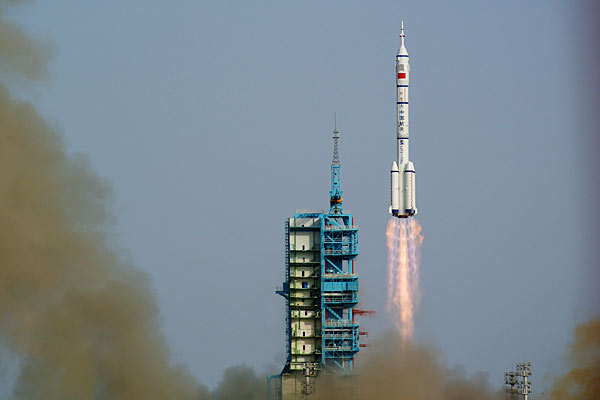
China successfully launched three astronauts into space aboard a Shenzhou-9 space capsule atop a Long March rocket to begin the nation’s most ambitious space mission to date. This launch also represents the first occasion a Chinese female astronaut has been included as part of the crew.
In the early evening hours of 16 June, the Long March rocket lifted off from China’s remote Jiuquan Satellite Launch Center located on the fringe of the northwestern Gobi Desert in what appears to be a textbook-perfect launch. Eight minutes after launch, the Shenzhou-9 capsule entered orbit and deployed its solar panels precisely on schedule.
Thirty-three year old Liu Yang, an Army pilot with more than 1,680 flight hours to her credit, became China’s first female astronaut to travel in space. Her duties during this mission are to conduct a series of medical experiments while in orbit. She joined the Chinese People’s Liberation Army (PLA) in 1997 and was recruited as a potential astronaut in 2010.
Veteran astronaut Jing Haipeng, forty-six years old and making his second space flight, is the mission commander. Jing was a member of the 2008 Shenzhou-7 mission that included China’s first spacewalk.
Rounding out the three-member crew is a space newcomer, forty-two year old Liu Wang. He is an accomplished Army fighter pilot with 14-years of experience serving with the Chinese National Space Administration’s astronaut corps.
This mission represents a critical step forward in China’s manned space program. The Shenzhou-9 is scheduled to rendezvous with the Taingong-1 (“Heavenly Palace”) space module, launched into orbit in September of last year, as a follow-on to last November’s successful Shenzhou-8 unmanned space mission. The earlier Shenzhou-8 mission successfully docked the spacecraft with the Taingong-1 space lab twice by remote control. The rousing success of the unmanned Shenzhou-8 mission convinced Chinese experts that a manned mission could be performed successfully at minimal risk of failure.
Shenzhou-9 is expected to rendezvous with the Taingong-1 space module at 1500 Beijing time on Monday. The Tiangong-1 is presently orbiting the Earth at an altitude of 213 miles. Shortly after it makes contact with the Tiangong-1 module, the Shenzhou-9 crew will attempt an automated docking to begin a 10-day long series of medical and scientific experiments during their 13-day mission. Two of the astronauts will live in the module while conducting their scheduled experiments and the third crewmember will remain aboard the Shenzhou-9 capsule to handle any emergency situations that may arise.
Should all go well, the astronauts are expected to attempt a manual dock with the module before returning home. This would involve uncoupling the Shenzhou-9 capsule, withdrawing to a pre-determined distance, and then having the crew maneuver the capsule into a successful docking operation. Liu Wang is reported to have primary responsibility for the manual docking exercise. The ability to manually dock a spacecraft with the module is critical to future Chinese space ambitions.
A second manned mission to Tiangong-1 is currently scheduled for later in the year
China has very limited experience in cooperative space activities with other nations. Due primarily to US objections, China was excluded from engaging in joint operations aboard the International Space Station (ISS). This exclusion, viewed as a humiliating snub by Chinese leaders, prompted the national leadership to begin planning a Chinese-only space lab.
The Tiangong-1 module is only a prototype of the lab China intends to build. The ultimate goal is to construct a permanently-manned station of some 60 tons featuring a 20 to 22 ton central module connected to two flanking research units. Chinese experts claim that the station would be resupplied by space freighters operating in the same manner robotic ships are employed to resupply the ISS now. The planned permanent station is tentatively scheduled for completion sometime in 2020. China’s ambitious plans largely hinge on the success of this latest mission.
Measuring a mere 10.5 meters in length and weighing in at only 60 tons, the proposed Chinese space station would be much smaller than the 400-ton ISS, but it would represent a major technological achievement for the Chinese and would advance their desires to launch a manned moon mission sometime after 2020.
Thirty-three year old Liu Yang, an Army pilot with more than 1,680 flight hours to her credit, became China’s first female astronaut to travel in space. Photo: CSME
China has made impressive strides in its space program in recent years. The first manned flight was launched in 2003 giving Yang Liwei the honor of being the first Chinese to orbit the Earth. The 2003 mission was followed by a two-man space flight in 2005 and a three-man excursion in 2008. During the 2008 mission, the three-man crew successfully competed China’s first spacewalk.With two satellites previously launched on moon operations and a third mission now being planned to place a rover on the moon’s surface in 2013, China has dedicated billions to its aggressive pursuit of space exploration. This is all quite a contrast to the day in 1949 when Chinese leader Mao Zedong complained bitterly that it was a sad truth that his beloved country could not even manage to launch a simple potato into space.
Despite these exceptional accomplishments, China is still trailing the United States in critical space activities like manual docking and a Chinese manned mission to the moon, to duplicate the American moon landing, is likely many years away.
Due to budget constraints and political infighting, the United States is not expected to launch another manned space vehicle until 2017 at the very earliest. With NASA’s manned operations mostly in limbo, the Obama administration has been pumping significant amounts of money into development efforts to support commercial spaceflight operations that NASA is no longer equipped to perform.
China successfully launched three astronauts into space aboard a Shenzhou-9 space capsule atop a Long March rocket to begin the nation’s most ambitious space mission to date. Photo: CSME
The US is currently budgeted to spend approximately $3 billion a year to fund commercial development of space vehicles capable of carrying astronauts back to the moon and to other celestial bodies of interest.With this launch, China has now become only the third nation to place a female astronaut in space using domestic technology. Events of this nature represent a key boost to China’s efforts to instill in the citizenry a heightened level of national pride and to demonstrate to the international community that China is poised to accept the role of international powerhouse.
Although the challenges facing China in its assault on space are still formidable, this latest launch brings the nation a step closer to realizing its dream to place a Chinese astronaut on the moon.
Teledyne Technologies Incorporated (NYSE:TDY) announced today that its subsidiary, Teledyne Brown Engineering, Inc., in Huntsville, Ala., was awarded a Cooperative Agreement by the National Aeronautics and Space Administration (NASA) to foster the commercial utilization of the International Space Station.
MUSES will help expand the research capability of the space station and provide other commercial companies with a cost-effective means to collect earth images.Under the terms of the agreement, Teledyne will operate, maintain, and sustain the MUSES and provide services to hosted instruments.Under the agreement, Teledyne Brown will develop the Multi-User System for Earth Sensing (MUSES), an Earth imaging platform, as part of the company’s new commercial space-based digital imaging business. MUSES is designed to host earth-looking instruments, such as high-resolution digital cameras, and provide precision pointing and other accommodations. It can host up to four instruments simultaneously and offers the ability to change, upgrade, and robotically service those instruments. Teledyne expects to provide the first commercial imaging system on board the facility.
“This new venture combines our rich 50-year history in human space flight with Teledyne’s world-class digital imaging expertise to access the growing space-based earth imaging market,” said Robert Mehrabian, chairman, president, and chief executive officer of Teledyne Technologies.
The MUSES design is based on a flight releasable attachment mechanism, or FRAM, a universal mounting platform that Teledyne Brown has manufactured for over 10 years. Teledyne Brown is finalizing the design of MUSES and will fabricate, assemble, test, integrate, and qualify the platform for delivery in late 2014 to NASA. Launch of the MUSES system is scheduled to occur in early 2015.
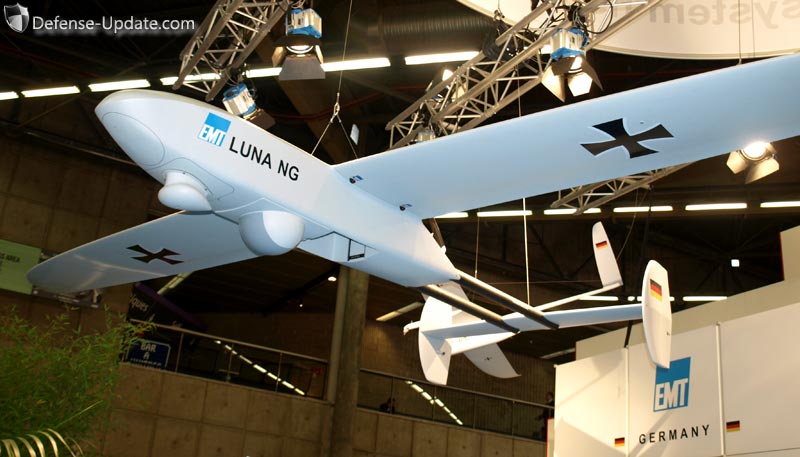
A full scale model of the Luna NG drone, developed by EMT. The new drone has a wing span of five meters and weighs 80 kg. It is positioned to augment current German Army Luna reconaissance units as well as at international customers.
The German UAV developer EMT is displaying at Eurosatory the latest version of the Luna UAV, designated LUNA NG. The development of the new version began in 2010, based on lessons learned in operational service in the past six years in Afghanistan. The new design was funded by the company as an internal initiative, leading to the first prototype flight earlier this year. The new sign is aimed at what the company considers as an evolving requirement of the German Army for the follow-on mid- tier drone.
A full scale model of the Luna NG drone, developed by EMT. The new drone has a wing span of five meters and weighs 80 kg. It is positioned to augment current German Army Luna reconaissance units as well as at international customers. Photo: Tamir Eshel, Defense-Update
Unlike its predecessor using rounded body designed to wrap the EO payload, the new vehicle uses a more modular ‘boxed’ fuselage providing more volume for payload and avionics. The flat belly is cleared for multiple payloads, including the integral EO/IR turret, directional datalink antenna (at the front) and a new bay that can accommodate up to ten kilograms of additional payloads such as radar, mapping cameras etc. The tail pipe of the original Luna was replaced by a twin-boom formation, which seems lighter and more durable withstanding multiple landings. Luna NG weighs about 80 kilograms, twice the original Luna. It’ wingspan is five meters and mission endurance is 10-16 hours, depending on the payload weight. Luna NG is also designed to fly at a higher air speed of up to 150 km/h, enabling faster transit flight to the mission area and capability to take off and operate at high wind conditions.
EMT designed Luna NG for operation with all the existing equipment of the Luna system, except the luncher, which will have to be strengthened to launch the heavier weight at higher initial speed.
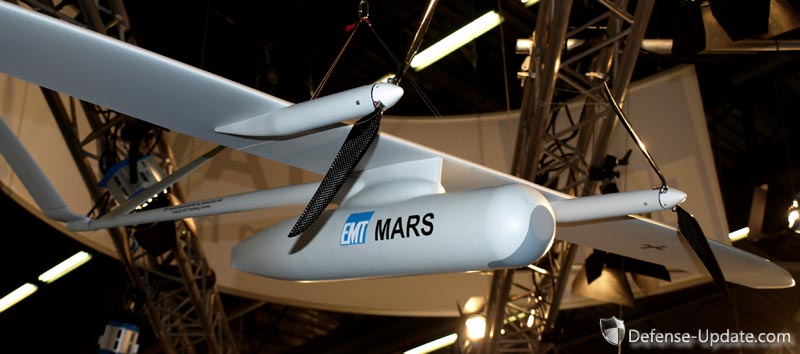
EMT is also preparing a small electrically powered drone to augment the small electrically powered Aladdin, operated by Army scout teams from their Fennek vehicles. The proposed drone, called MARS will carry two electrical motors and will have larger wing area to carry a gimbaled payload on a longer missions.
This concept depicts what EMT considers the 'follow on to Aladdin' a twin-motor, electrically powered drone that will extend the mission endurance, range and payload efficiency of the mini-drone currently operated by the German Army scout teams. Photo: Tamir Eshel, Defense-Update
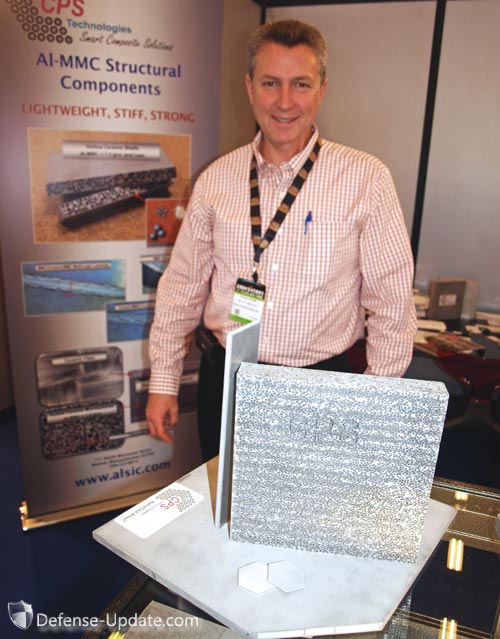
CPS Technologies, a producer of advanced Metal Matrix Composites (MMC) is unveiling armor grade materials produced by this advanced process, enabling armor designers to produce ballistic and blast mitigating materials providing higher strength at lower specific weigh. The process enables the designer to increase the toughness of ceramic tiles in composite armor systems, by selectively reinforcing them with metal and metal matrix composites, the layered compound is then packaged in hermetic layers of high pressure cast aluminum. The company developed the process under a cooperative agreement with the US Army Research Lab (ARL) funding.
The technology for these new tiles and modules is an outgrowth of the company’s unique knowhow of MMC processing. The process encapsulates hybrid ceramic modules using a combination of materials to encapsulate a tile or matrix of tiles, into a by infiltrating with aluminum at high pressure.
The resulting modules are stiffer in bending, have an intimate chemical/mechanical bond between the ceramic and encapsulating material and have residual compression in the ceramic due to the differential coefficients of expansion in hermetic package. The modules are tough enough to for load bearing holes, therefore suitable to be used as structural-armor elements. The material can be produced in modules or tiles up to 1×2 meters large. The properties of these modules can be tailored according to the design, by using different elements (type or shape of ceramics, size and density of blast mitigation spheres etc.)
The company has combined various compounds in armor modules, encapsulating tiles or modules of Silicon Carbide and Alumina within the Aluminum layers, meeting specific weights of 2.8 g/cc. Other materials produced included thicker blast mitigating plates that can be used for vehicle belly protection. Such plates are combining multi-layered structures of fiber-reinforced aluminum, with hollow ceramic shells of different sizes in between, providing high energy absorption qualities at nearly half the weight of Aluminum. Similar methods are used to create firewalls made of aluminum-titanium ceramic fabric reinforced foils that have demonstrated withstanding +2000 degrees burning temperatures for over three minutes, without failure.
Photo: CPL displayed several armor modules made of aluminum-ceramic metal matrix composites. The large block shows the inner composition of a blast mitigating structural plate that can be used as for mine and IED blast belly protection. it contains hollow shperes of various sizes that absorb the shockwave as it passes through the complex structure, reducing the load levels transferred from the structure to the inner floor. An armor plate made of ceramic tiles of various sizes and shapes encapsulated with aluminum layers to form a hermetic package.
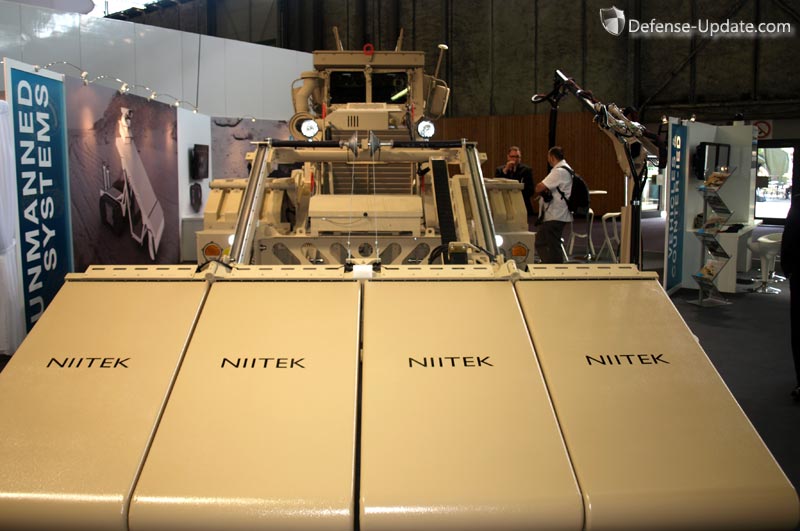
NIITEK, Inc., a subsidiary of the Chemring Group PLC has teamed with Critical Solutions International (CSI) to display a dual-occupant Husky 2G Mounted Detection System (HMDS) at Eurosatory 2012. The two-man derivative of the legacy MK III Husky offers increased protection and survivability over the previous MkIII. The additional operator can manage more sensors, or operate remote weapons stations, radios etc, while the driver remains focused on driving.
NIITEK’s combat proven HMDS is a multi-panel high performance VISOR Ground Penetrating Radar (GPR) system that provides rapid ability to scope out anti-vehicular landmines and other explosive hazards on main supply routes (MSRs) and additional open areas as needed and is the most widely deployed Vehicle Mounted GPR in use by U.S. & Coalition partners today.
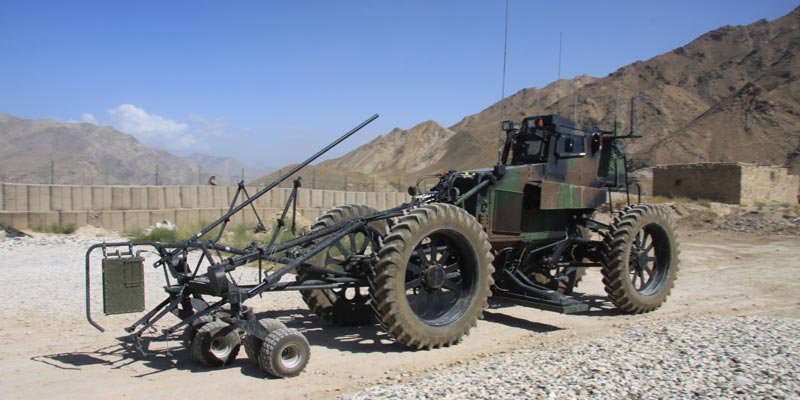
The first two SOVIM 2 (VBM) converted for counter-IED missions are currently supporting the French forces in Afghanistan. More vehicles are to be delivered within a year. Photo: Yves Debay
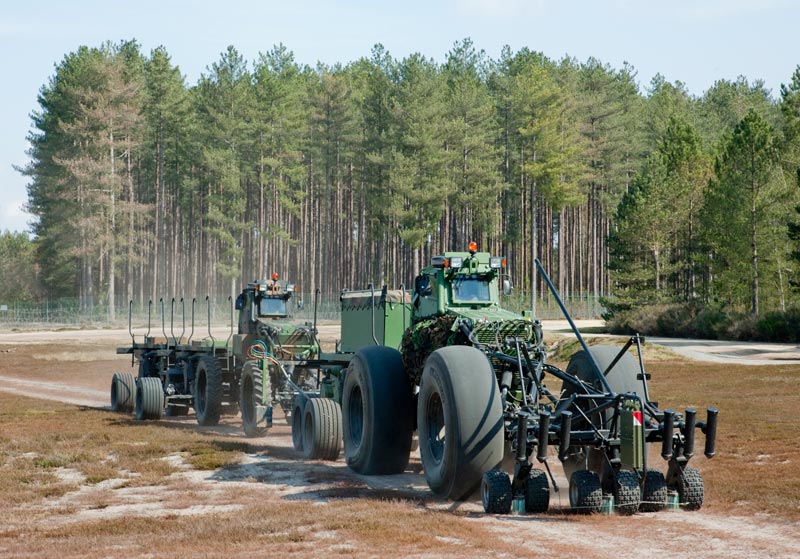
Above: The SOUVIM 2 system comprises two vehicles, the one at the front is fitted with the low pressure tires which are not being used with the counter-IED mission in Afghanistan.
Following several years of development of a complex and ambitious route-clearing counter-mine system, the French Army has halted the original program, transforming the available assets to better cope with Improvised Explosive Devices (IEDs) in Afghanistan. Since their deployment to Afghanistan six months ago the unit operating SOUVIM 2 encountered 18 IEDs at a rate of 1-2 per week. About one third of the detections were attributed to SOUVIM.
The diversion of the program began in response for an urgent operational response which described the requirement for a system that will be able to detect and defeat IEDs along movement routes, in support of the French contingent in Afghanistan. The original SOUVIM was not tailored for this task, as it was oriented to detect and disrupt various mines – anti-personal or anti-tank magnetic or pressure mines laid along roads in typical ‘cold war’ style. In contrast, insurgents use improvised devices, non-standard materials, which do not necessarily leave a clear signature that can be addressed by specific countermeasures.
The first two SOVIM 2 (VDM) converted for counter-IED missions are currently supporting the French forces in Afghanistan. More vehicles are to be delivered within a year. Photo: Yves Debay
“The first step in the evolution of SOUVIM 2 was to adapt the most suitable detectors and countermeasure set.” Lt. Colonel Philippe Boyer-Vidal, French Army project manager for C-IED programs told Defense Update. “These now include new sensors and multi-function decoys, including new pressure rollers, multiple infrared decoys designed to deceive simple passive infrared triggering and RF jammers disrupting command signals reception.” In total the French Procurement Agency (DGA) ordered four systems, comprising two vehicles each (VDM + VDR). The first two out of three vehicles arrived in Afghanistan in 2009 and immediately joined rout clearing platoons. A third vehicle is maintained for training in France. The remaining vehicles are expected in theater within 12 months.
SOUVIM 2 is equipped with a complex array of sensors and countermeasures designed to defeat different types of IEDs and activation systems - rollers, pressure, passive infrared deceptors, magnetic sensors and, in the future, also ground penetrating radar. Photo: Tamir Eshel, Defense-Update
These were based on the South African Husky, modified for the French mission with additional armor, roll-over escape hatch, air conditioning, communications and a new set of heavy duty wheels adapted from standard tractor supplies. The SOUVIM 2 weighs about 5.9 tons, and can travel at speeds of 15-25 km/h on route clearing mission. Enhanced protection armor kits are also being delivered, including counter-RPG defense and multi-spectral camouflage, thus reducing the vehicle’s visible and IR signature. Other improvements being considered are the introduction of ground penetration radar (several types are being considered), as well as remotely operated weapon on top.
Originally, the VDM was designed to be immune to pressure mines, thanks to the unique low pressure ‘balloon’ tires pressurized at only 0.3 Bar. However, these unique tires were found unsuitable for the Afghan mountain environment and, for the current mission, were replaced by heavy duty commercial off the shelf tractor tires.
“Eventually, all eight VDMs will be configured for the C-IED mission, but will be convertible for the original SOUVIM mission, if the requirement surfaces, as the vehicle will be operated as part of the regimental route clearing company, along with the Aravis security vehicle and Buffalo route clearing vehicle. This proven capability will also become part of the French contribution to the European Defense Agency initiative on countering IEDs.” Boyer-Vidal added.
We recommend you download it and keep it accessible throughout the show on your mobile phone.(14MB)
Oto Melara and Diehl Defense signed today a cooperation agreement during the Eurosatory 2012 exhibition, formalizing the framework for a strategic alliance for the joint development and production of extended range large-caliber artillery projectiles and guided ammunition for the use of naval and land forces. The agreement covers the 127mm and 155mm projectiles known as ‘Guided Long Range’ and ‘Ballistic Extended Range’ Vulcano family of artillery ammunition, and the German 120mm Guided Mortar Munition.
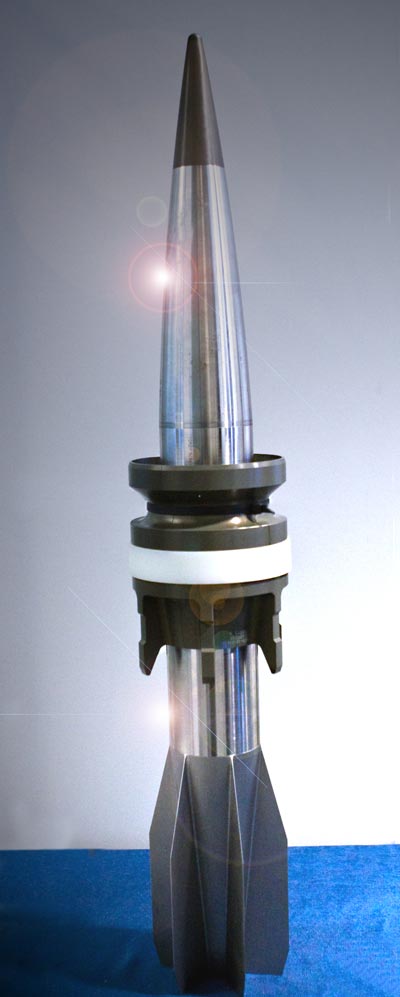
Vulcano 155mm Projectile
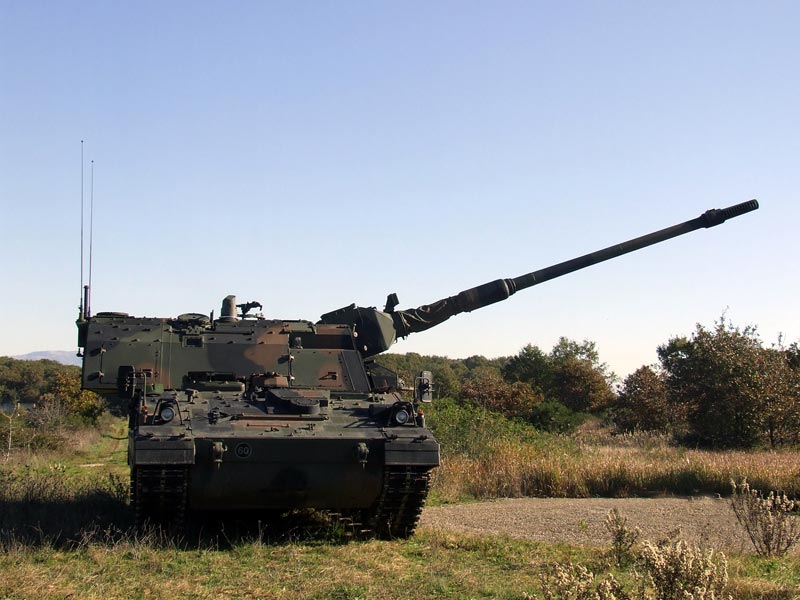
The cooperation will be offering the Vulcano 155mm GPS/SAL (Semi-Active Laser) long range precision guided ammunition for the self-propelled armored howitzer, in the German and Italian versions, as well as other NATO and non-NATO 155mm gun operators. Under the cooperation, the two companies will also provide the Vulcano 127mm (GPS/SAL) for the Oto Melara 127/64 lightweight naval guns, (to be operated on the German Navy Type 125 frigates). The projectile will also fit other fielded Oto Melara 127mm naval guns, offering naval platforms a theoretical engagement range of 100 km, using the gun only.
Oto Melara has recently conducted the first successful series of eight firing tests of the Vulcano 155 GLR/SLA fired from a PzH2000, at Meppen in Germany. The companies are expecting to enter Low Rate Initial Production of the Extended Range Ammunition in 2013, to be followed a year after with the GLR/SAL guided projectile.
According to Dr. Carlo Alberto Lardella, CEO of Oto Melara, the two companies has lots in common and are set to join forces in cooperative development and production of ammunition for the Italian and German customers. He said Oto Melara has followed this opportunity after evaluating the Semi Active Laser (SAL) seeker for its 127mm guided projectile.
Claus Guenther, CEO of Diehl Defense acknowledged that although the discussions about the cooperation have been underway for only few months, his company has good experience with the Italians in other programs, such as the IRST missile, “each side is bringing complimentary capabilities to the cooperation, but the result is no less than revolutionary, as it brings naval artillery and naval gunnery to performance they had never before experienced” Guenther said, adding this industrial alliance should be a model of how industrial partnerships should follow, by making a small but meaningful steps forward, rather than giant shifts that draw a lot of rejection from the regulatory and executive levels. Beyond the cooperation on the guided projectiles the two companies have agreed to expand cooperation on conventional ammunition as well.
We recommend you download it and keep it accessible throughout the show on your mobile phone.(14MB)
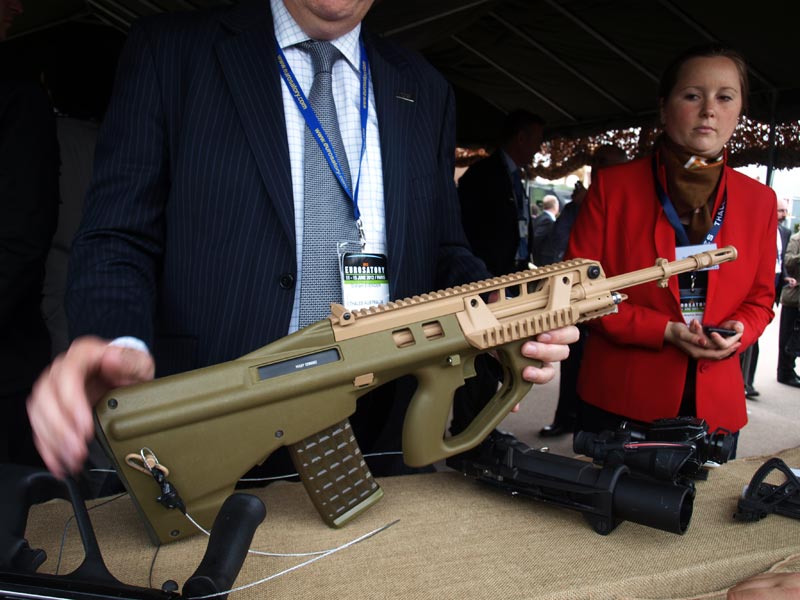
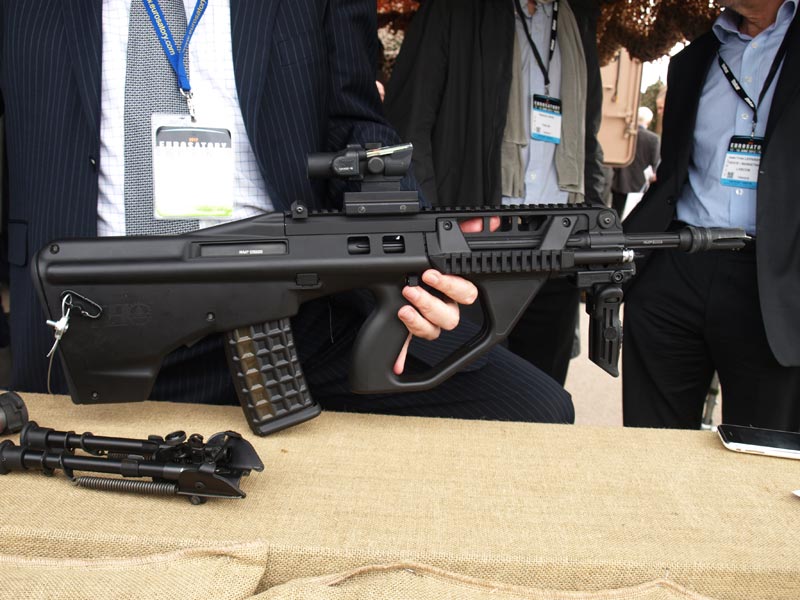
Thales has developed a new version of the Australian Assault Rifle designated F88 Enhanced. About half a kg lighter than the current F88. It has 3 picatinny rails, lighter materials and a lighter barrel
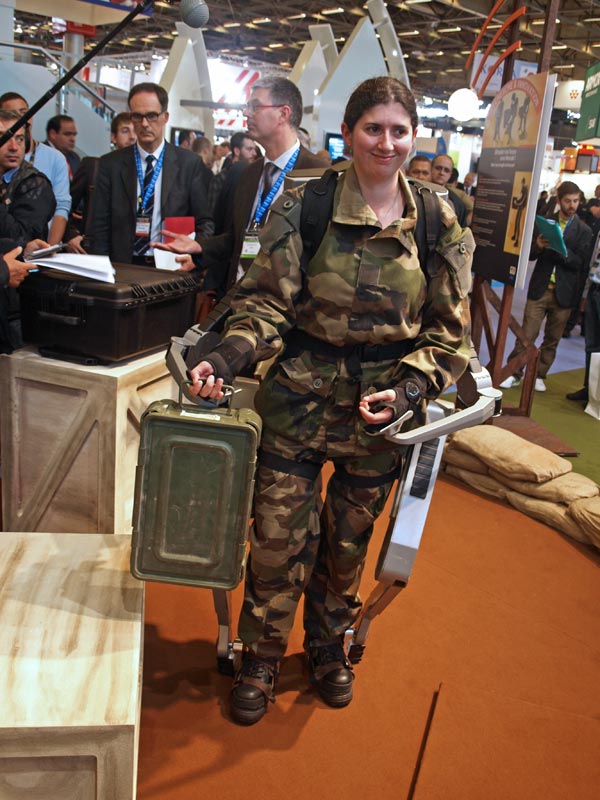
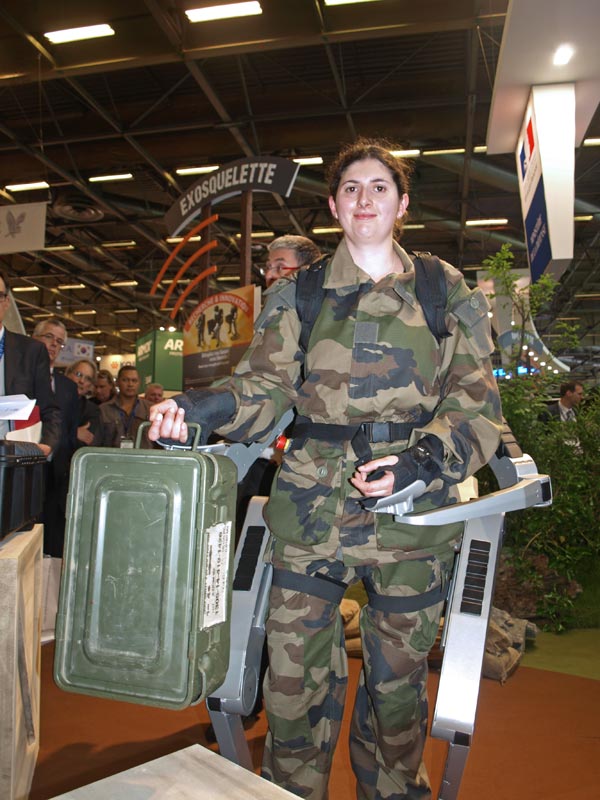
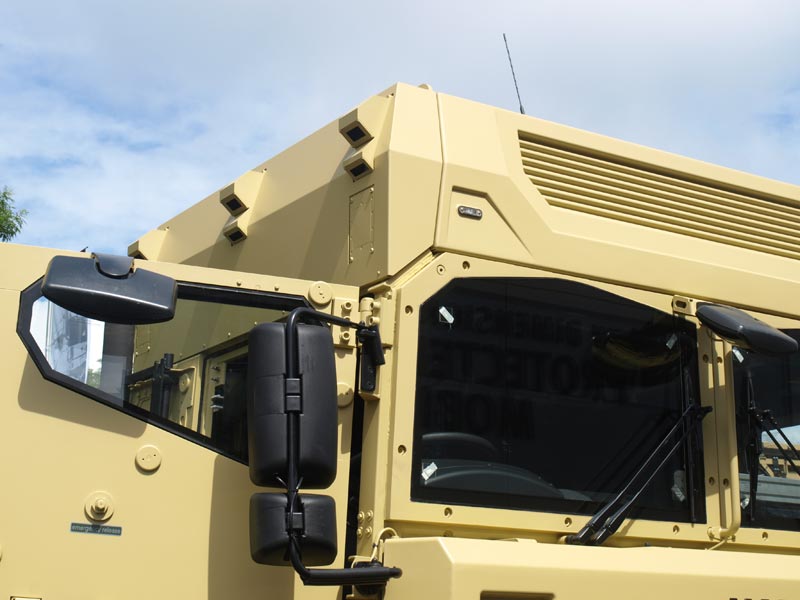
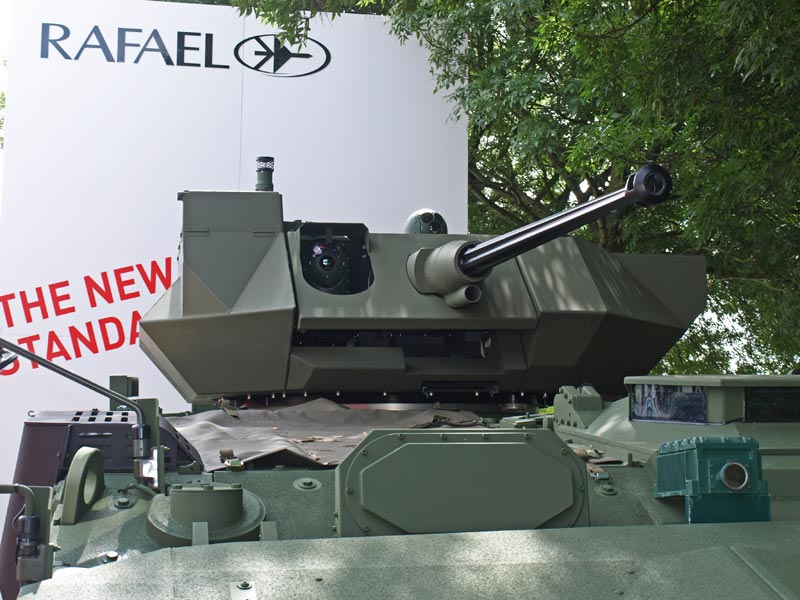
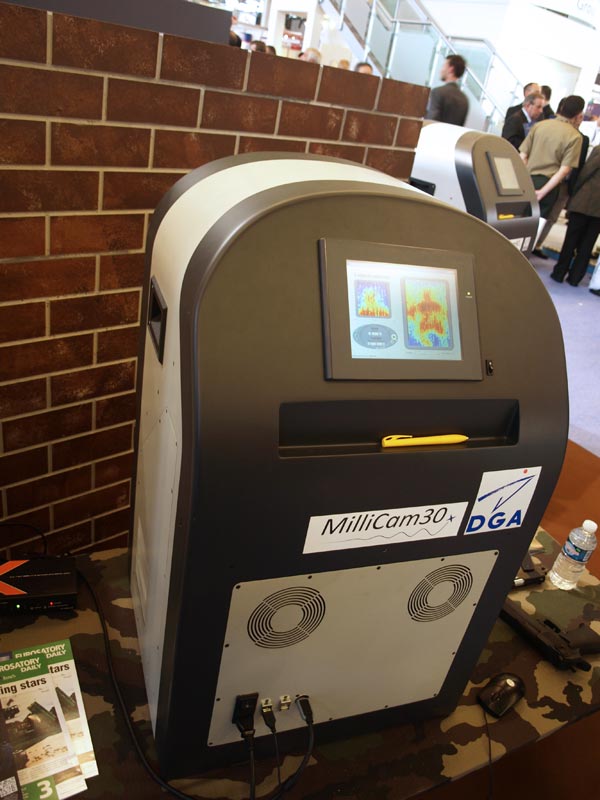
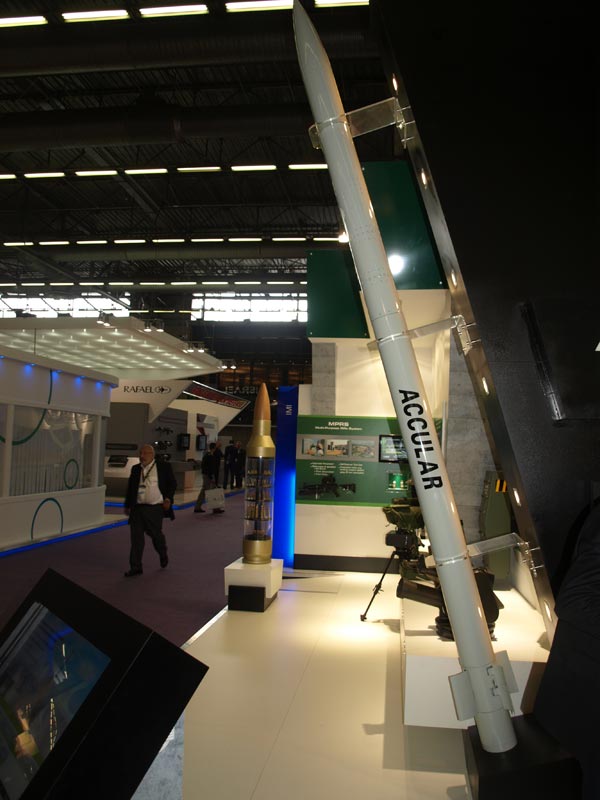
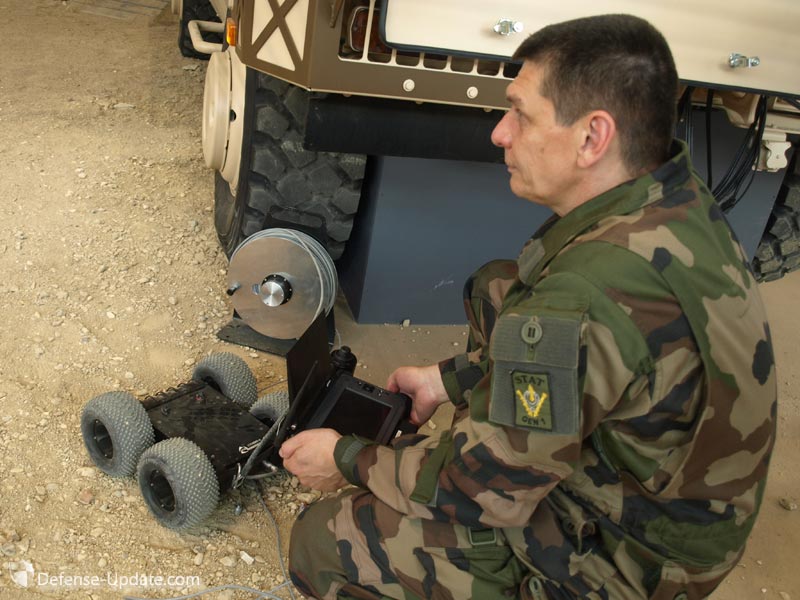
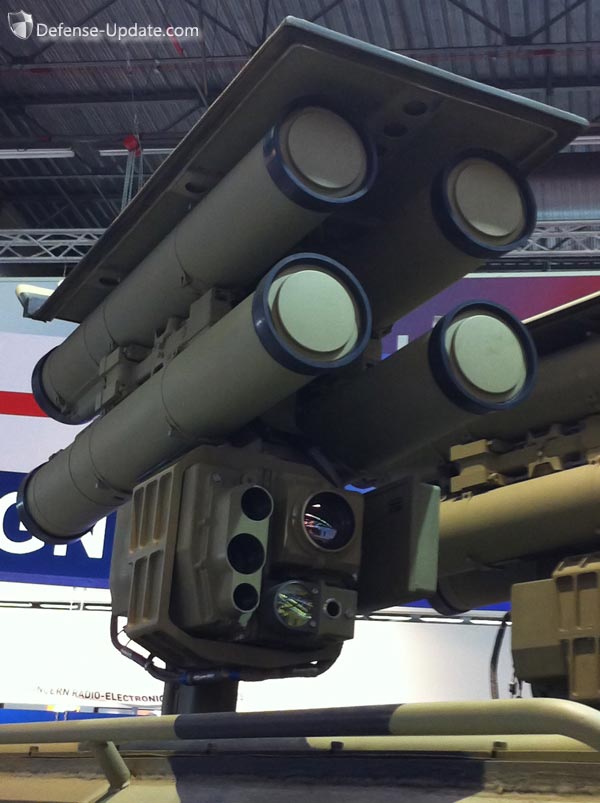
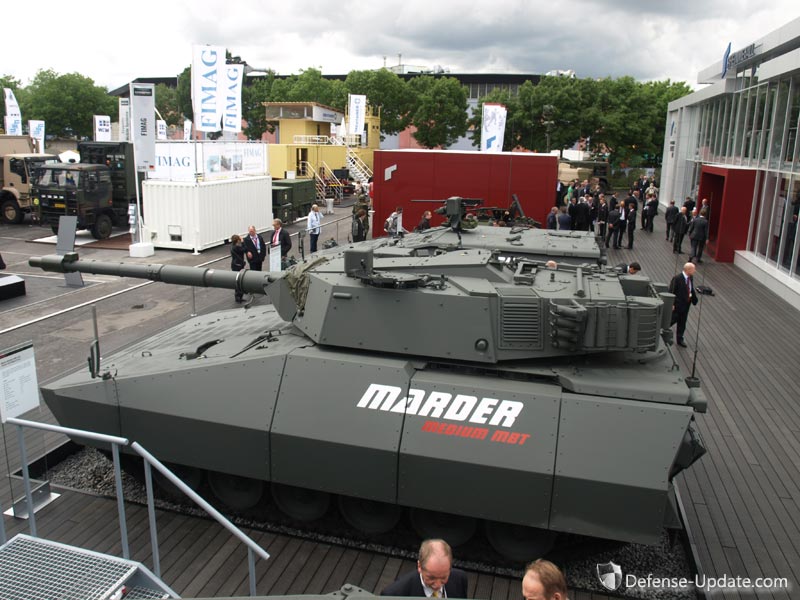
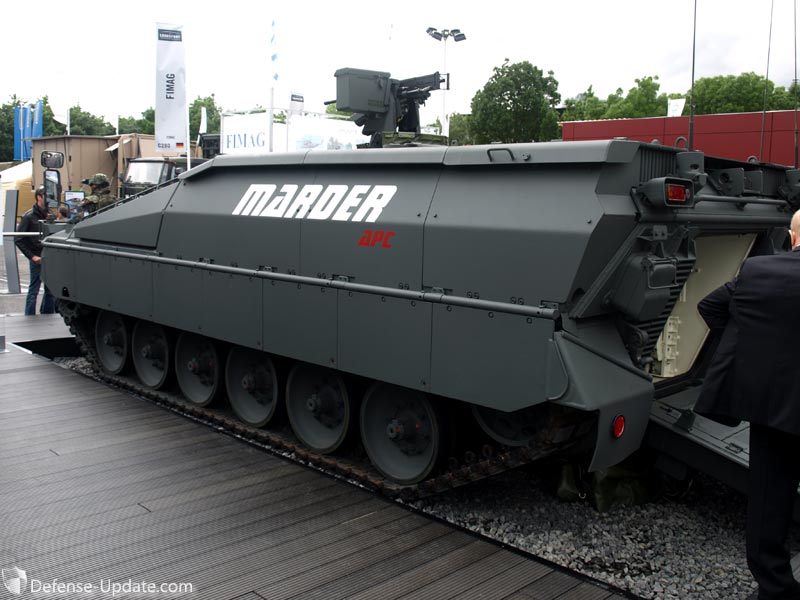
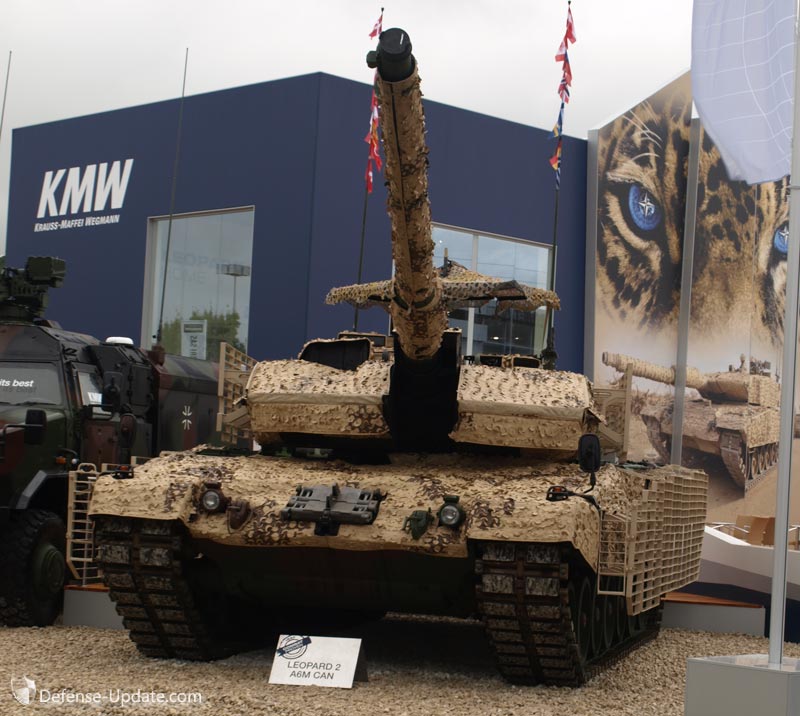
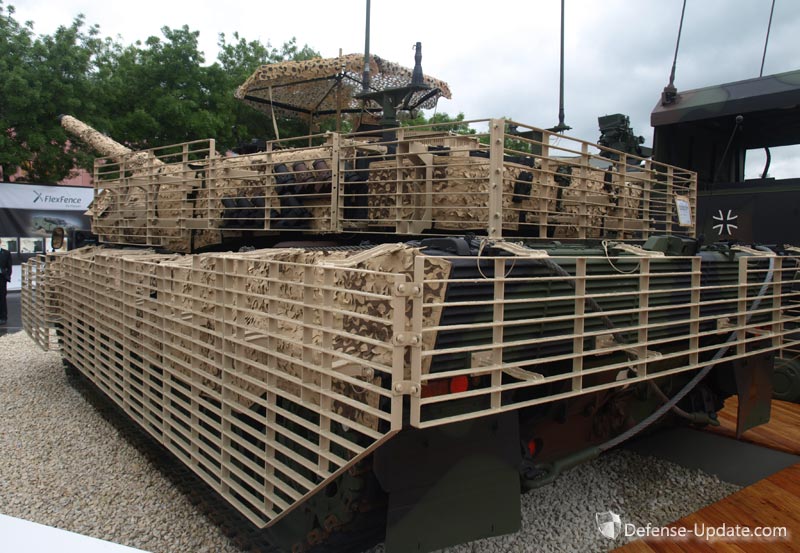
Thales has developed a new version of the Australian Assault Rifle designated F88 Enhanced. About half a kg lighter than the current F88. It has 3 picatinny rails, lighter materials and a lighter barrel. Photo: Tamir Eshel, Defense-UpdateThales unveiled the F90 today at Eurosatory 2012. This export oriented assault rifle weighs only 3.25 kg,at 700 mm length and 407 mm long barrel, it is claimed to be the shortest in the market. Photo: Tamir Eshel, Defense-UpdateHercule exoskeleton robot is designed to assists humans in lifting heavy loads. I uses mechatronic legs to walk about 20km on batteries each arm can lift 20 kg - this soldier is lifting 16 kg at ease. Photo: Tamir Eshel, Defense-Updatea different view of Hercule. Photo: Tamir Eshel, Defense-UpdateRheinmetall HX2 protected cab, employing the new ADS in a low visibility configuration. Photo: Tamir Eshel, Defense-UpdateWhen the cover is removed, the full-featured ADS can be seen. Photo: Tamir Eshel, Defense-UpdateAn 4x4 configuration of the RG35. Photo: Tamir Eshel, Defense-Updatethe Multi Purpose Combat Vehicle - MPCV modified to carry MMP missiles and Mistrals. Photo: Tamir Eshel, Defense-UpdateAnother photo of the MPCV. Photo: Tamir Eshel, Defense-UpdateRafael 30mm turret system on Piranha 3. Photo: Tamir Eshel, Defense-UpdateMilicam30 sensor was developed to detect human presence behind walls or under debries. It can also detect objects inside walls or screen passengers or baggage at airport security checks. Photo: Tamir Eshel, Defense-UpdateIMI is on contract to deliver rocket systems worth several hundred million dollars - to foreign customers and, most likely to the Israel Defense Forces. Photo: Tamir Eshel, Defense-UpdateCOBRA Mk2 Tactical Robot for Route Clearing Missions. Photo: Tamir Eshel, Defense-UpdateThe Observer ISTAR command and control system is employed a RSTA technology demonstrator vehicle developed by Thales. Photo: Tamir Eshel, Defense-UpdateThis Tigr vehicle carries two missile firing units, each loaded with four KORNET-EM missiles. Photo: Tamir Eshel, Defense-UpdateMarder Armored Vehicles Family Upgrade. Photo: Tamir Eshel, Defense-UpdateMarder Upgraded APC. Photo: Tamir Eshel, Defense-UpdateLeopard 2 A6M CAN. Photo: Tamir Eshel, Defense-UpdateLeoprad 2 A6 CAN Counter RPG. Photo: Tamir Eshel, Defense-UpdateInfotron IT180 Mini-Drone. Photo: Tamir Eshel, Defense-UpdateHorus fired from a tube. Photo: Tamir Eshel, Defense-UpdateC4i Node. Photo: Tamir Eshel, Defense-UpdateAravis with a new slat cage. Photo: Tamir Eshel, Defense-UpdateAntares Hemispherical Camera. Photo: Tamir Eshel, Defense-Update
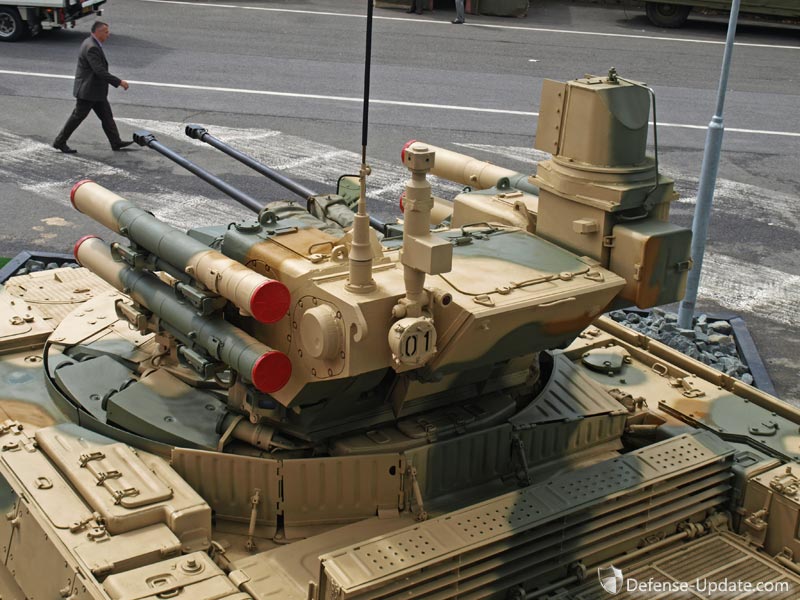
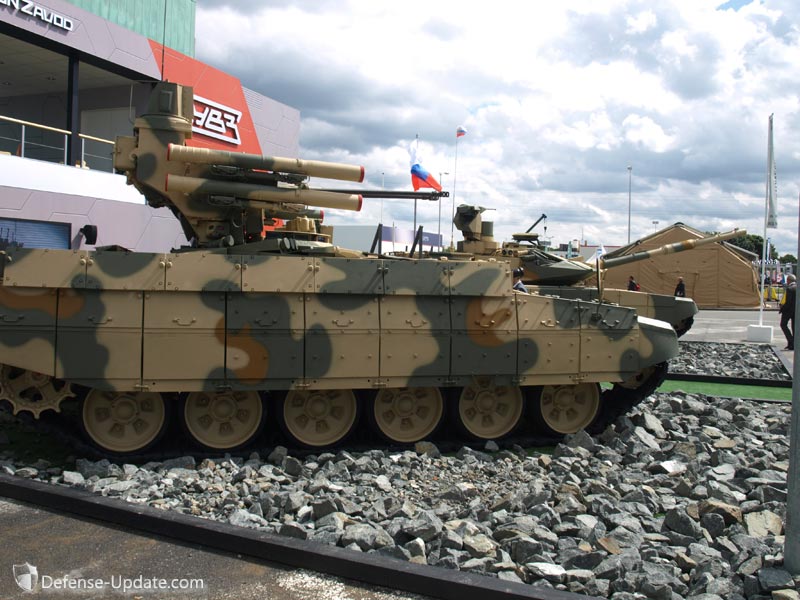
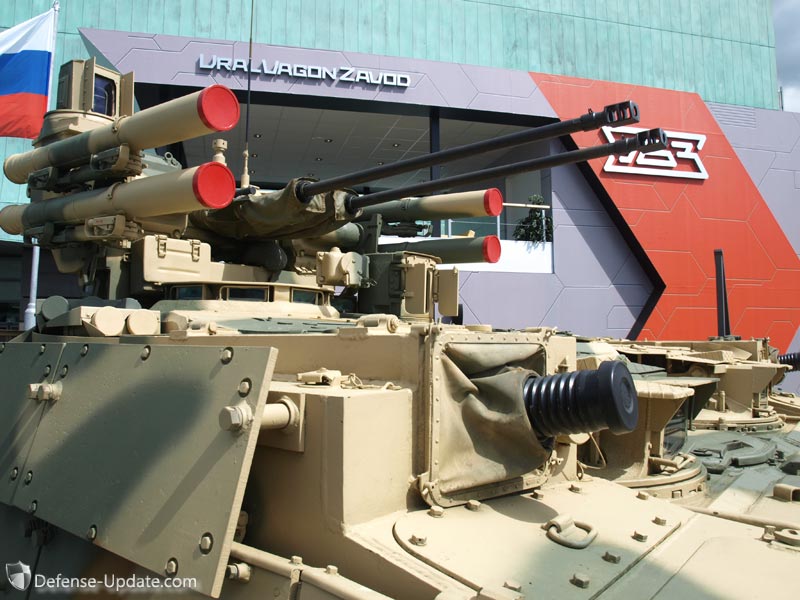
The BMP-T represents a unique Russian concept that evolved from the Second Chechnian campaign. This massive vehicle carries multiple and redundant weapons, facilitating reliable and dependable direct-fire support at all combat ranges. The weapon suite shown here include two 30mm 2A42 automatic cannons, two 30mm grenade launchers, one 7.62mm machine gun and four Ataka-T missiles. BMP-T can be based on T-72 or T-90 hulls, thus maintaining mobility with the armored fore.
BMP-T on display at Eurpsatory 2012. Photo: Tamir Eshel, Defense-UpdateAnother angle of the BMP-T. Photo: Tamir Eshel, Defense-UpdatePhoto: Tamir Eshel, Defense-Update
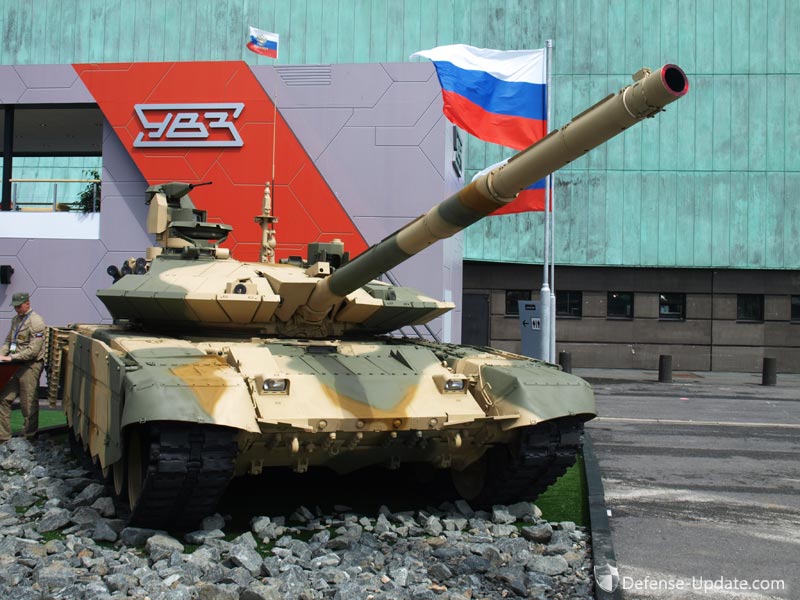
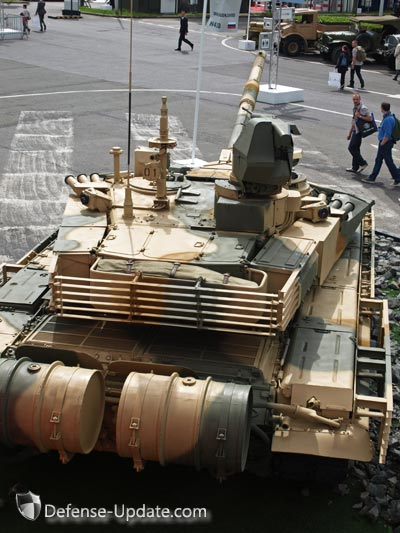
The Russian company Uralvagonzavod is displaying two of its most advanced armored fighting vehicles: the newly upgraded T-90S and BMP-Tank (Terminator). This is the first time the T-90S is displayed in the west, coming few months after the official debut at the 2011 Nizhny Tagil expo. As the Russian is one of only few tanks currently in production, Russia hoping the new upgrade will pave the way for T-90 sales in international markets, since the T-90 which was expected to follow the success of the T-72 hasn’t delivered equivalent sales sofar.
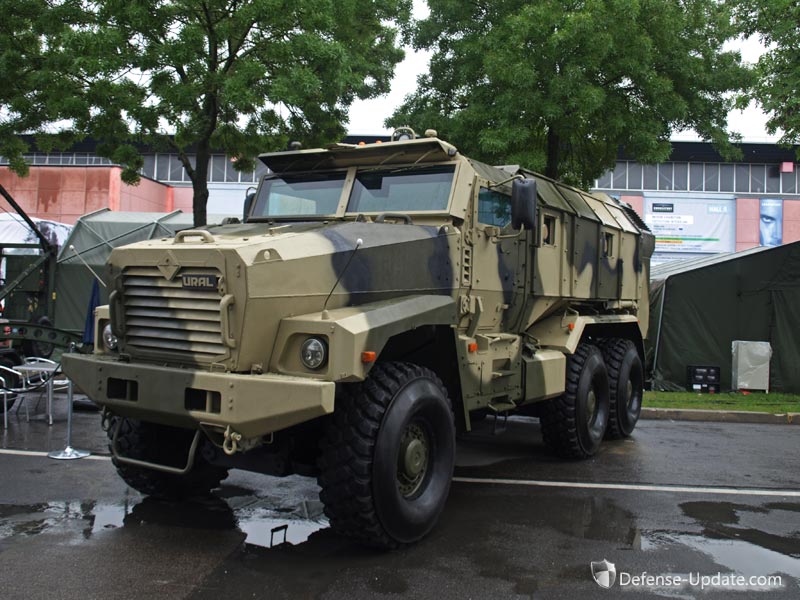
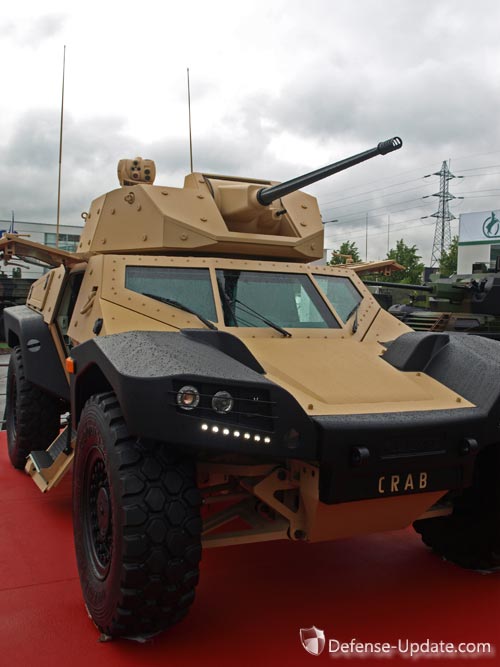
The Newly Upgraded T-90S. Photo: Tamir Eshel, Defense-UpdateRear view of the T-90S. Photo: Tamir Eshel, Defense-UpdateUral is showing the Saturn, a protected 6x6 version of the military truck.Thales Rapidfire Debut at Eurosatory 2012. Photo: Tamir Eshel, Defense-UpdatePanhard unveils the CRAB (Combat and Recce Armored Buggy). Photo: Tamir Eshel, Defense-UpdateAmarok M, a new pickup truck from Rheinmetall Defence. Photo: Tamir Eshel, Defense-Update
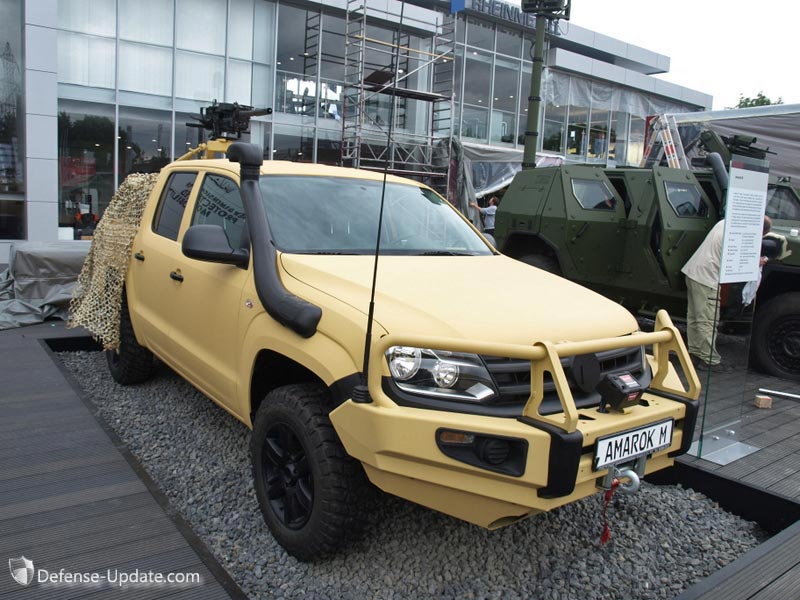
Rheinmetall Defence Introduces an Off-Road Pickup Truck
Amarok M, a new pickup truck from Rheinmetall Defence combines good cross-country mobility with comfort and road safety of conventional pickup trucks.Its maximum road speed is 182 km/h. The vehicle is available with 90 to 132 kW engines, and manual or automatic transmission (6 or 8 gears). It has all-wheel drive and off-road ABS and ESP, contributing to high off-road and on-road performance. The vehicle uses a ladder frame with standardized mounting points to make subsequent assembly easier. Amarok M can carry 1.259 ton payload with a double cab or 1.396 tons with a single cab. The vehicle can ford water obstacle 500 mm deep and travel a side slope of 50 degrees.
IMI's Bright Arrow on a Renault Sherpa. Photo: Tamir Eshel, Defense-Update
Renault Trucks Defense’ Sherpa Displays IMI’s Active protection Systems
Renault is displaying at Eurosatory 2012 an armored Sherpa equipped with IMI’s Bright Arrow. The system depicts a new configuration for the IMI active protection system, featuring the redesigned PSR-10 APS radar from Rada, integrated with a stereoscopic IR sensor, both feed target data to the Bright Arrow mounted on the vehicle’s roof. The launcher also carries a laser countermeasure device, employed as a ‘soft kill’ active countermeasure against guided missiles fired at the vehicle.
IMI's Bright Arrow Soft kill. Photo: Tamir Eshel, Defense-UpdateRenault Trucks Defense (RTD) is displaying at Eurosatory the VAB Ultima, a highly protected 4x4 version of the armored personnel carrier in service with the French Army for several decades. Photo: Tamir Eshel, Defense-UpdateWhile the French Army has opted to modernize its 4x4 VABs with the Ultima model, Renault is offering the VAB Mk3 upgraded model of the 6x6 VAB to export customers. At a gross vehicle weight of 20 tons the VAB Mk3 can carry up to 7.5 tons of payload. Photo: Tamir Eshel, Defense-Update
Eurosatory 2012 Dynamic Demonstration
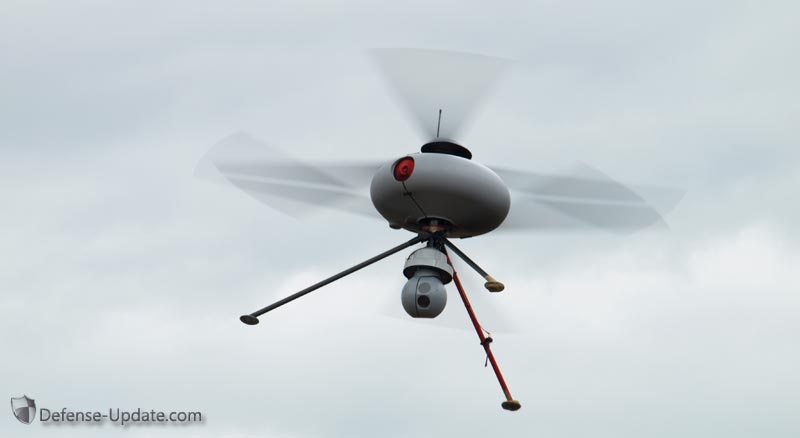
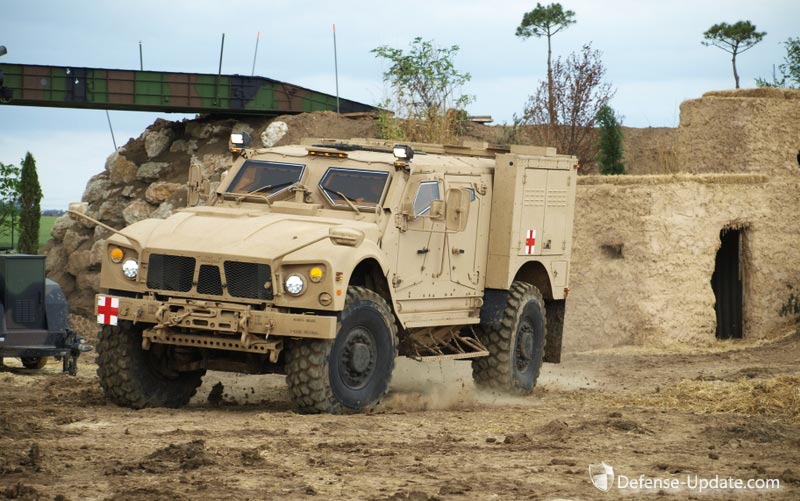
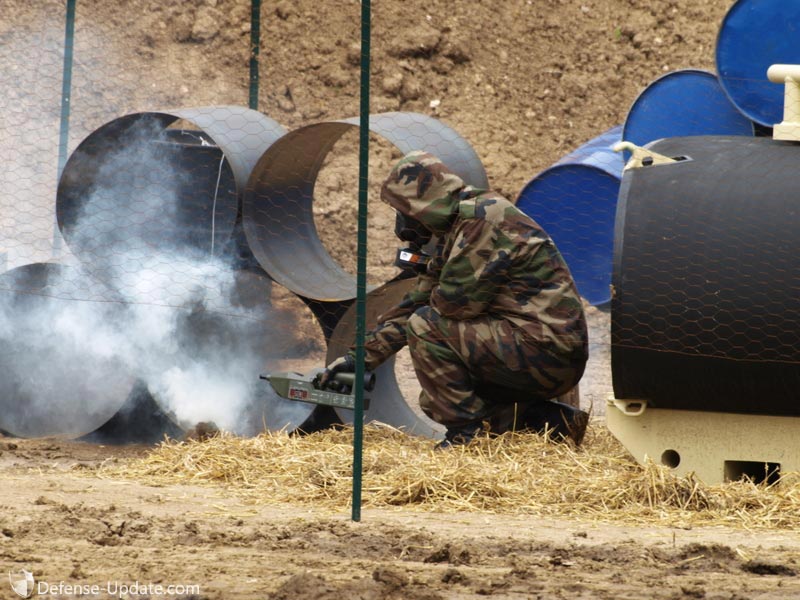
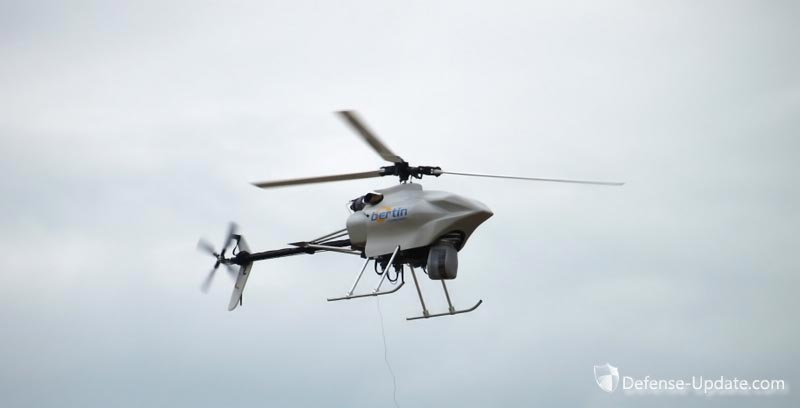
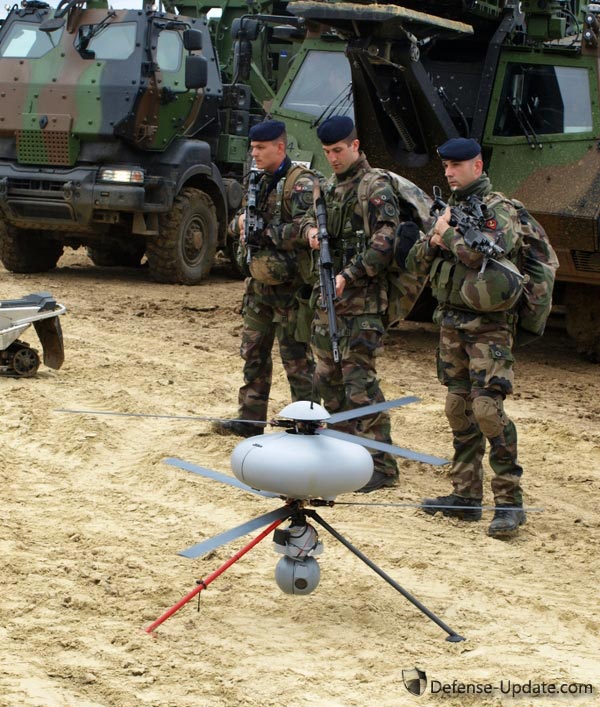
The Eurosatory 2012 dynamic demonstration is highlighting situations depicting ‘real life’ scenarios, from asymmetric combat, to law enforcement, crowd dispersal to dealing with hazardous materials and chemical or biological threats. The systems on display include armored vehicles of various types, including the French Renault Trucks Defence VAB 4×4 and American M-ATV armored ambulance from Oshkosh defense. Two types of unmanned vehicles were demonstrated in flight – the IT180 mini-drone from Infotron and HoverEye EX developed by Bertin. The demonstration also featured dynamic displays of several bridging solutions, these will be covered at a later stage.
The full edition of Eurosatory Show Live is available for only 4.95 Euros. We recommend you download it and keep it accessible throughout the show on your mobile phone.
The full edition of Eurosatory Show Live is available for only 4.95 Euros before the show. This edition contains features prepared by Defense-Update team prior to the exhibition, as well as on-site reports included during the show. Each of the companies mentioned is indicated with hall and booth location for optimal orientation on site. The content is packed in a compact PDF format, readable with any mobile phone. You can continue enjoy the online articles available free online as they are released.
We recommend you download it and keep it accessible throughout the show on your mobile phone.(14MB)
Download the show preview (8 pages out of 25) here for a free trial!
MPP is being developed with the capability to launch the missile from confined space. Photo: MBDA - Isabelle Chapuis
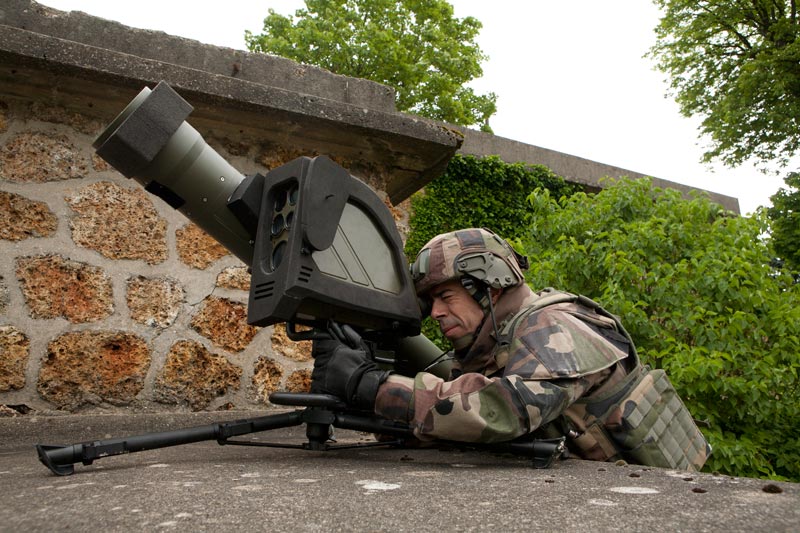
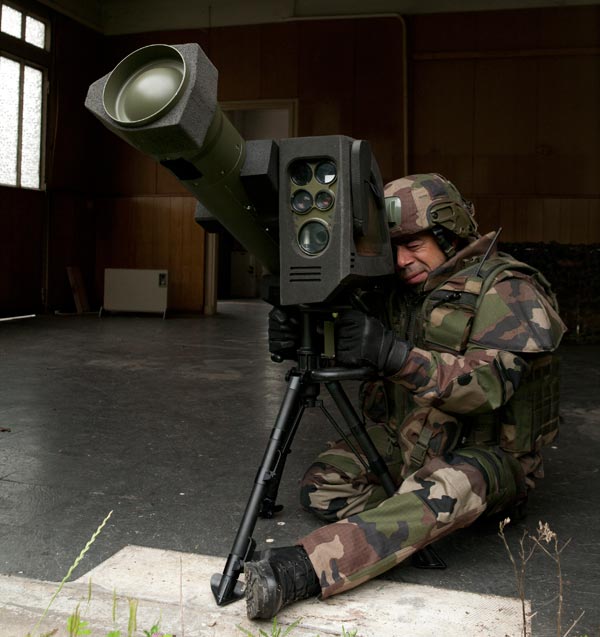
MBDA reported today some progress on the Medium Range Missile (MMP) weapon system, destined to replace the MILAN medium range missile that has been in the French Army service since 1974. In December 2011 the French MOD awarded MBDA a 12 months risk reduction program contract for the Medium Range Missile (MMP) Program. Following the completion of testing certain technologies, such as the launch section, optical-fiber release and missile aerodynamic configuration, MBDA is expecting to receive a contract award for full scale development, leading to first firing trials in 2014, and production of 3,000 missiles and 500 firing posts, gradually replacing the MILANs in the French Army infantry units as the new missile becomes operational in 2017.
Although MILAN has been a great success on the export market, the MMP is currently aimed at the French market exclusively. Under the current economical pressure, MBDA is not seeking cooperation outside France thus rising delaying the development and procurement of the new missile which was sofar developed mostly with internal funding. Nevertheless, MBDA consider the MMP as a key future program, allowing French and European industry to maintain the MILAN market share in foreign markets.
The MMP is designed for safe launch from enclosed spaces, therefore improving the warfighter’s capability to employ the missile in urban warfare, providing a minimally safe firing range of 150 meters; something the MILAN lacks. Other requirements stated by the military include a ‘Fire and Forget’ functionality, thus greatly improving the survivability of the missile team. Nevertheless, MBDA is also introducing ‘man in the loop’ capability, therefore offering the user full control of the missile while in flight. The range of the MMP will be 4,000 meters, almost twice the MILAN range (The MMP requirement is to destroying fix or moving land targets at distances of up to 2500 meters). MMP will not be a lightweight weapon though. The firing post kit will weigh about 12 kg and each missile will weigh about 15 kg.
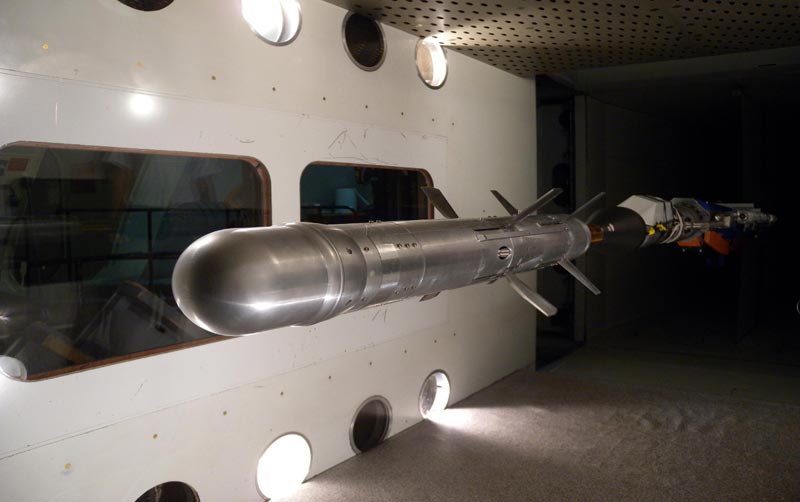
The MMP missile undergoing wind tunnel testing. Photo: MBDA
The new missile is designed as an affordable weapon system. About 50 per cent of the content of the missile are common with the longer range version, known as MHT. Key systems as the two warheads, dual-mode seeker, MEMS IMU backed autopilot, and overall diameter will be maintained in both weapons. The length, propulsion system, datalink (the MHT is expected not to use a fiber link). The 1,700 mm long MHT will be twice as heavy as the MMP. It will be designed to engage the same targets as the MMP but at more than double the ranges – 8-10 km, providing full Non Line Of Sight capability, using Lock On After launch (LOAL) and trajectory shaping.
The next generation turret for the EBRC combat vehicle will carry two ready to fire MHT missiles, an uprated derivative of MMP. Photo: Tamir Eshel, Defense-Update
MBDA, as a prime contractor has grouped an industry team to provide the various subsystems and components of the new missile. The booster and main rocket motor is developed by Roxel, Sagem is developing the TV/uncooled IR seeker, SBDS is responsible for the dual-HEAT warhead, Jyunghans T2M providing the safe-arm system and while MEXANS is providing the fiber-optical release system. Sagem is also providing the seeker and image display used on the control system.
MBDA promises the MMP will give close combat units and special forces a versatile and precise attack capability. Needing to face a great variety of threats, these units need to be capable of acting alone, on foot and without any immediate support. They will also need to operate in complex environments (day-night actions; mingling with the population or with friendly forces; asymmetric combat; plurality of players involved, etc.) in widely varying areas (urban, desert, mountain zones; etc.).
Thepis missile’s target set includes latest-generation main battle tanks of the T-90 class and light vehicles. It is also required to be able to neutralize disembarked personnel or personnel under cover in permanent or temporary defensive shelters Since France Is already familiar with the Spike LR missile (having evaluated it against the Javelin) and awared that the Israel competitor offers much of the capabilities envisaged for the future MMP, MBDA is highlighting the advantages of it future missile against the competition, as offering better integration within the future Frence force structure. For example, MBDA claims the use of an uncooled seeker has a potential to increase reliability and reduce cost. Moreover, it will offer close integration with FELIN, the French Army modern infantry system, and also enable full interoperability with existing or future battle management systems.
The MMP fire control unit will clip on the missile canister to creat the launcher unit. The fire control system will weigh 12 kg, with each MMP missile adding 15kg. Photo: MBDA - Isabelle Chapuis
We recommend you download it and keep it accessible throughout the show on your mobile phone.(14MB)
Sweden and Denmark both selected the PUMA AE for Tactical Unmanned Aerial System (TAC-UAS) to support their deployed forces in Afghanistan. The two defense ministries awarded the U.S. company AeroVironment (AV) two firm fixed-price orders, Denmark awarded $9.6 million through the Danish Acquisition and Logistics Organization. The value of the Swedish contract has not been released but the scope of work could be around 40 systems. Both procurement plans were followed competitive evaluation conducted by the two countries.
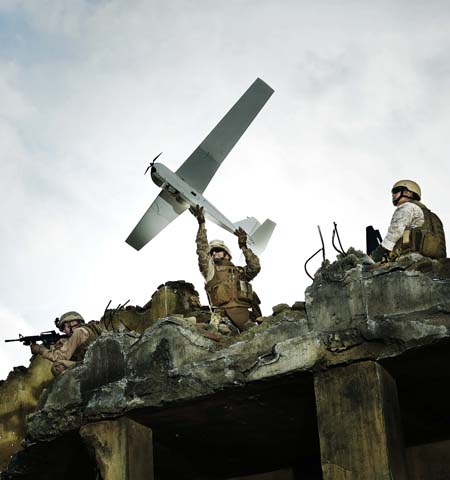
PUMA AE Launch. Photo: AeroVironment
“Allied armed forces are procuring our small unmanned aircraft systems to give small tactical teams the ability to operate more effectively and safely, without requiring support from more expensive, scarcer resources,” Roy Minson, senior vice president and general manager of Unmanned Aircraft Systems at AeroVironment told Defense-Update. According to Minson, AeroVironment is increasing the share of export in its business, and 18 nations outside the United States have now purchased AeroVironment’s Puma AE, Wasp or Raven B small UAS. Countries already using these drones include Australia, the Czech Republic, Denmark, Estonia, France, Italy, Lebanon, the Netherlands, Norway, Saudi Arabia, Singapore, Spain, Thailand, Uganda, and the United Kingdom.
Sweden has ordered 12 hybrid small unmanned aircraft systems (UAS) from AV. The order was issued by the Swedish Defence Materiel Administration (Försvarets Materielverk) on behalf of the Swedish Army. The order consists of Puma AE and Wasp air vehicles, ground stations, training, and logistics support. Contract options could increase the procurement to a total of 30 systems.
According to Minson, AV is expanding and updating its product lines with phased improvements based on capabilities derived from operational combat lessons and technological surveys, introducing state of the art technology to empower the soldier, while easing operation and support. Among these innovations were the introduction of the digital datalink and new Mantis family of gimbaled sensors, currently available for the Puma, Raven and Wasp.
We recommend you download it and keep it accessible throughout the show on your mobile phone.(14MB)
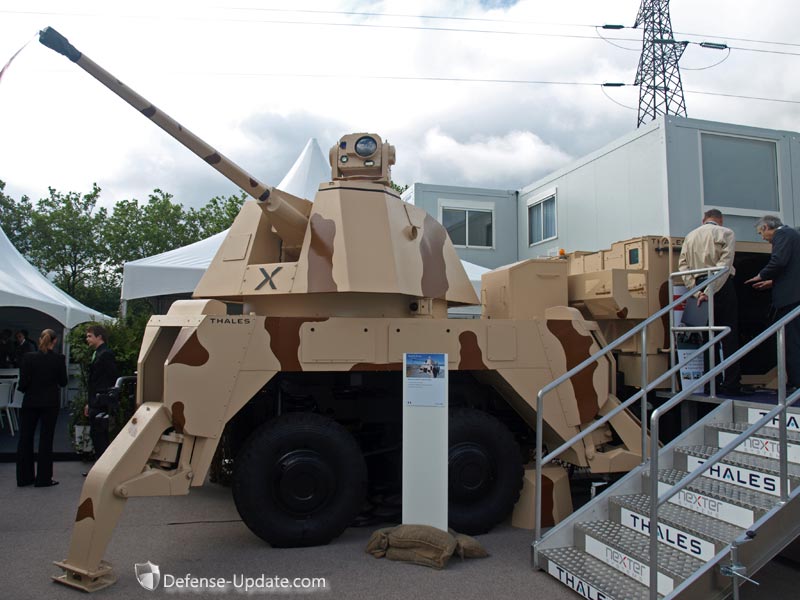
Thales Rapidfire Debut at Eurosatory 2012. Photo: Tamir Eshel, Defense-Update
Air defense guns have been a controversial weapon in the past, as the guns could not cope effectively with fast, highly maneuvering targets. Yet, with the introduction of slow but illusive UAVs, military forces are wiping the dust from their old cannons, in hope they will be effective against this new threat. Merging trends including new types ammunition, cannons with higher firing accuracy and better command and control are turning these evolving trends into reality.
Thales Rapidfire Debut at Eurosatory 2012. Photo: Tamir Eshel, Defense-Update
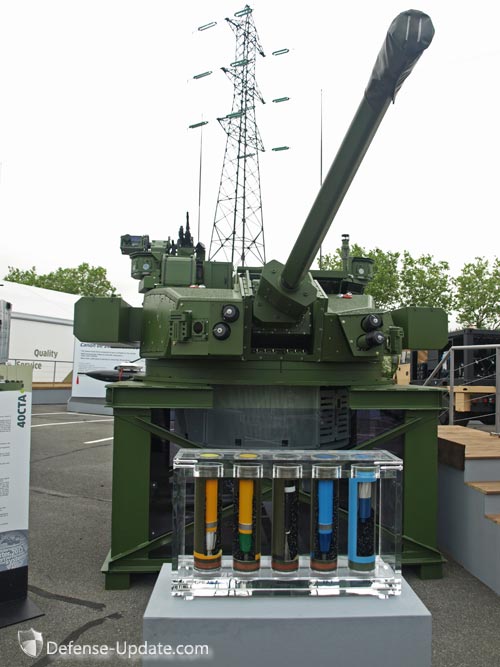
Thales is developing a new air defense cannon designed to counter small targets including fighter aircraft, helicopters, unmanned aerial vehicles (UAV), cruise missiles and aerial guided munitions. The self-propelled gun is part of a comprehensive family of products addressing five different pillars of the air defense domain. The new gun dubbed ‘RAPIDFire’ is developed by Thales, Nexter and the Anglo-French joint venture company CTA, providing the 40mm cannon and its unique cased telescoped ammunition. Nexter is developing a dedicated Anti-Aerial Air Burst (AA-AB) projectile designed specifically for the air-defense application, adding to existing armor piercing and high explosive rounds. The new gun went through French Air Force testing in 2011, demonstrating good results. The new ammunition is currently in development, with follow-on testing scheduled for later in 2012.
The new projectile contains a load of tungsten pellets dispersed by a time fuse few seconds after firing (equivalent to range). The scattered pellets create a lethal cloud of steel likely to destroy the target as it flies into it. The unmanned turret mounts the gun, ammunition feed and electro-optical multi-sensor payload providing the target acquisition for RAPIDFire. This system can spot a fighter size aircraft at a distance of 30 km and a helicopter target at half that range.
The system receives target information and intercept assignments from an associated CONTROL Master 60 surveillance radar and CONTROL View command and control module, both provided by Thales. This C2 system controls up to six RAPIDFire units simultaneously. To enter firing mode the RAPIDFire vehicle stops and sets up communications link with the control, a task that generally takes about one minute. According to Thales, the gun can open fire within 4.5 seconds from the target detection by the radar.
The gun has an effective range of 4000 meters against aerial targets and 2,500 m against ground targets. While the gun can fire up to 200 rounds per minute, only one to ten rounds would be required to take out a target. Augmenting the gun, the turret can also carry up to six Starstreak air defense missiles.
This article is included in the special daily edition available for download in PDF format before the show. The full edition of Eurosatory Show Live is available for only 4.95 Euros before the show. We recommend you download it and keep it accessible throughout the show on your mobile phone.
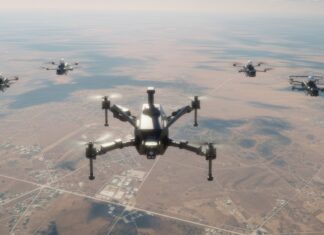
Lockheed Martin Skunk Works® and XTEND have achieved a major milestone in JADC2 by integrating the XOS operating system with the MDCX™ autonomy platform. This technical breakthrough enables a single operator to simultaneously command multiple drone classes, eliminating the friction of mission handoffs. From "marsupial" drone deployments to operating in GPS-denied environments, explore how this collaboration is abbreviating the data-to-decision timeline and redefining autonomous mission execution.
As traditional defense primes face mounting competition from agile “neoprimes” such as Anduril, Palantir and Helsing, the balance of innovation is shifting toward software-defined warfare and scalable, dual-use technologies, while global industry consolidation—marked by Boeing’s integration of Spirit AeroSystems and other strategic mergers—signals an intensified race to secure control over the defense technology value chain. Our Defense-Tech weekly report highlights these trends.
In early October 2025, a coordinated wave of unmanned aerial system (UAS) incursions—widely attributed to Russia—targeted critical infrastructure across at least ten European nations. The unprecedented campaign exposed the fragility of Europe’s air defenses...
Executive Summary
The past week (September 18-25, 2025) represents an inflection point where strategic defense concepts have transitioned from doctrine to tangible reality. An analysis of global events reveals four primary, interconnected trends shaping an...
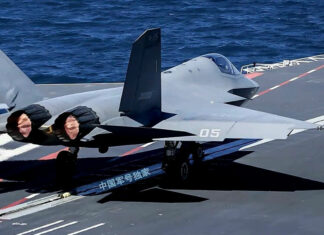
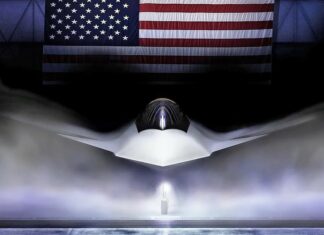
At the 2025 Air, Space & Cyber Conference, U.S. Air Force and Space Force leaders unveiled major updates on next-generation fighters, bombers, unmanned systems, and space initiatives, highlighting both rapid innovation and critical readiness challenges as the services race to outpace global competitors. A short version is available here, with a more detailed version for subscribers.
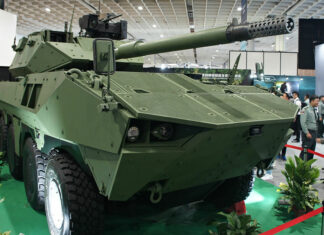
The Taipei Aerospace & Defense Technology Exhibition (TADTE) 2025 crystallized around four dominant strategic themes that collectively illustrate Taiwan's comprehensive approach to defense modernization amid escalating regional tensions. Based on a detailed report by Pleronix (available upon request). Includes a Podcast discussion on TADTE 2025's highlighting Taiwan's four strategic themes beyond the post's coverage.
Israel’s Iron Beam 450 high-power laser system has completed final testing, marking a major leap in air defense. Developed by Rafael, it offers precise, cost-effective interception of rockets, UAVs, and mortars, and is set for IDF deployment by 2025.