
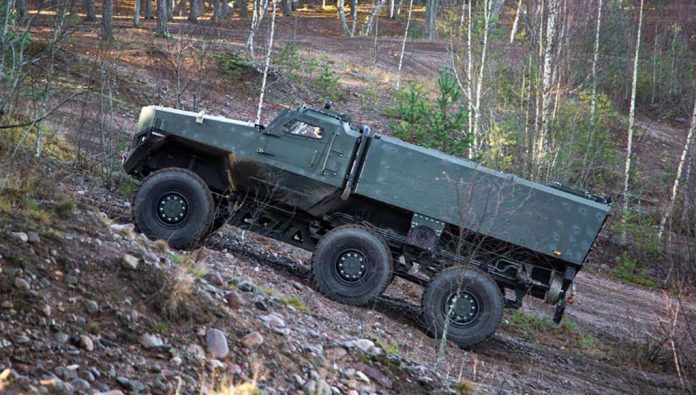
The Finish company Protolab Oy will deliver four ‘MiSu’ 6×6 Protected Multipurpose Vehicles (PMPV) for testing by the Finish MOD. The ballistic and mine protected vehicles will be tested in the next two years, as part of the evaluation of new armored vehicle for the Finnish Army.
Finland Orders PMVP Armored Vehicles for Testing
Sweden and Singapore to Explore Air Traffic Management, Autonomous Underwater Navigation
Singapore’s Nanyang Technological University and the Swedish Saab group embark on a five-year research collaboration. The agreement currently covers two focus areas: air traffic management (ATM) and underwater robotic research projects, both areas are key activities for SAAB. In the ATM field, joint projects will study the application of artificial intelligence (AI) and machine learning to augment the human operations of air traffic controllers. In the underwater domain, projects will explore means to navigate autonomous vehicles to relative to surrounding objects.
Russia to Modernize Bulgarian MIGs
The Bulgarian Ministry of Defence invited Russian Aircraft Corporation MiG (RSK MiG) to provide integrated logistical support to maintain the 15 MiG-29 ‘Fulcrum’ twin-engine jet fighters in service for the next four years. According to Janes, the single-source tender is will sustain the BuAF quick-reaction alert mission, until Bulgaria hopefully acquires a new fighter.
Poland to Modernize Radar Surveillance
The Polish military is planning to modernize the country’s radar surveillance by replacing aging systems with new, more capable sensors featuring improved electronic countermeasures, resistance to jamming and seamless data connectivity to national and NATO systems. According to the Polish defense publication Defence24, the new 3D radars and passive sensors are required to cover 160 – 470 km in range. among the top priorities are the introduction of new radars capable of detecting targets with low radar cross section (RCS), such as stealth aircraft, cruise missiles and drones. Ballistic missile detection is another priority, as well as improved surveillance at low altitude, enabled by elevated (tethered) sensors.
SriLanka Turn to Refurbish Kfir Fighters
The Srilankan Air Force (SLAF) is planning to replace its obsolete Kfir and MiG-27 fighters with eight used aircraft. Last year the SLAF had only one operational Kfir – the remaining six aircrafts are grounded. “We have seven MiG aircrafts and eight other aircrafts but none of them can be used.” Cabinet Spokesman and Parliamentary Reforms and Media Minister Gayantha Karunathilaka said. The Cabinet of Ministers in Colombo approved a procurement plan for fighter planes but the offers received so far did not provide financing for the acquisition. Offers for new built aircraft were received both from Pakistan and India. Pakistan proposed the JF-17 Thunder, produced by the Pakistan Aeronautical Complex/Chengdu Aircraft Industry Corporation (PAC/CAC). India offered the Tejas light combat aircraft produced by Hindustan Aerospace Ltd. Lacking financial arrangements for the procurement, SLAF is considering the refurbishment and modernization of five of the remaining Kfirs to bring those fighters back into service. Between 1995 and 2005 Sri Lanka acquired a total of 16 Kfir fighter jets from Israel, but seven were lost due to accidents or ground attacks on airbases during the Sri Lankan Civil War.
Colombia Eyes Second Hand Typhoons from Spain
The Colombian Air Force is evaluating several options to modernize its fleet of fighter aircraft. Bogota currently operates a small fleet of upgraded Kfir Mk10/12 fighters acquired from Israel. Bogota recently received two additional Kfirs, to replace aircraft lost in operational attrition. Among the options being considered are Lockheed Martin F-16, available from a number of suppliers including IAI, that also modernized the Kfirs currently operating in Colombia. (Israel recently decommissioned F-16 Block 30/40).
Acquisition of other advanced fighter jets is also considered, including buying Trance 2 Typhoons from Spain or used Rafales from France. The Boeing F/A-18C/D and Russian Su-30 is also a viable option. However, these three are twin-engine jets that might be too expensive for the Colombians. The Swedish Gripen is another candidate, particularly for the Swedish flexibility in offering Gripens under leasing agreements.
MAGMA Drone to Demonstrate Flight Without Control Surfaces
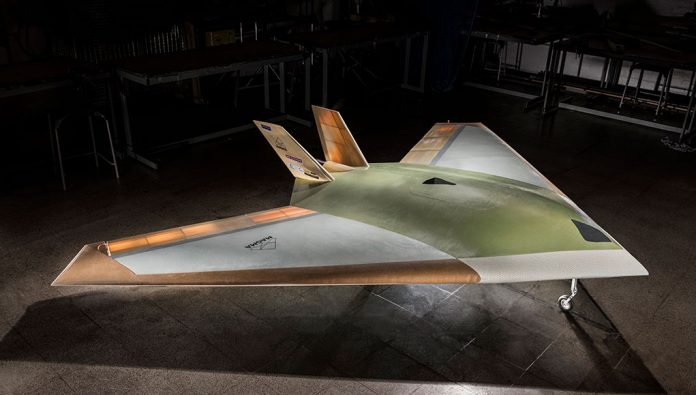
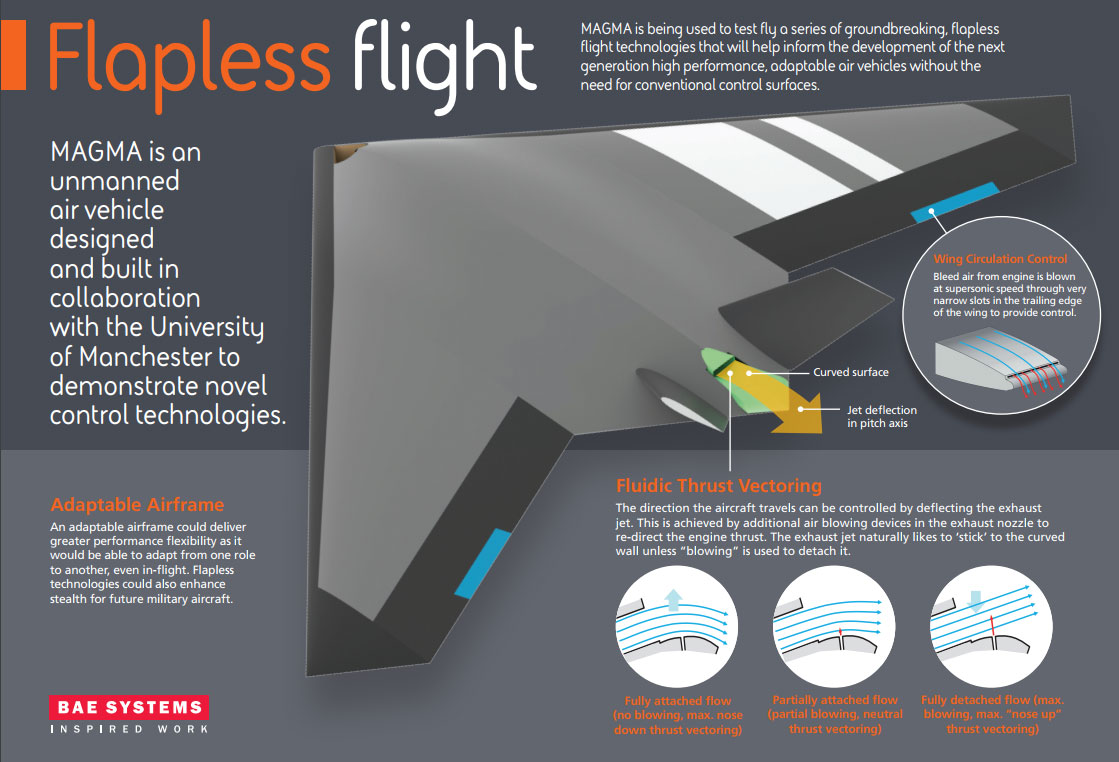
BAE Systems and The University of Manchester have developed and tested a unique unmanned aerial vehicle designed to test an innovative flight control technology that could enable future aircraft to maneuver without the use of control surfaces – ailerons, flaps or tails. Instead, supersonic air streams are blown from the jet engine over the trailing edge and nozzle to control the flight.
To test the new concept the team developed the MAGMA, a small jet-powered drone that will use a unique blown-air system to maneuver the aircraft. Further flight trials are planned for the coming months to demonstrate the novel flight control technologies with the ultimate aim of flying the aircraft without any moving control surfaces or fins. If successful, the tests will demonstrate the first ever use of such circulation control in flight on a gas turbine aircraft and from a single engine, paving the way for future, stealthier aircraft designs.
Wing Circulation Control and Fluidic Thrust Vectoring are two new technologies to be tested using the jet-powered MAGMA UAV. Wing Circulation Control takes air from the engine and blows it at supersonic speed through the trailing edge of the wing to generate control forces. Fluidic Thrust Vectoring, uses blown air to deflect the engine exhaust, generating effects similar to thrust vectoring without the complex mechanical nozzles, to control the aircraft direction.
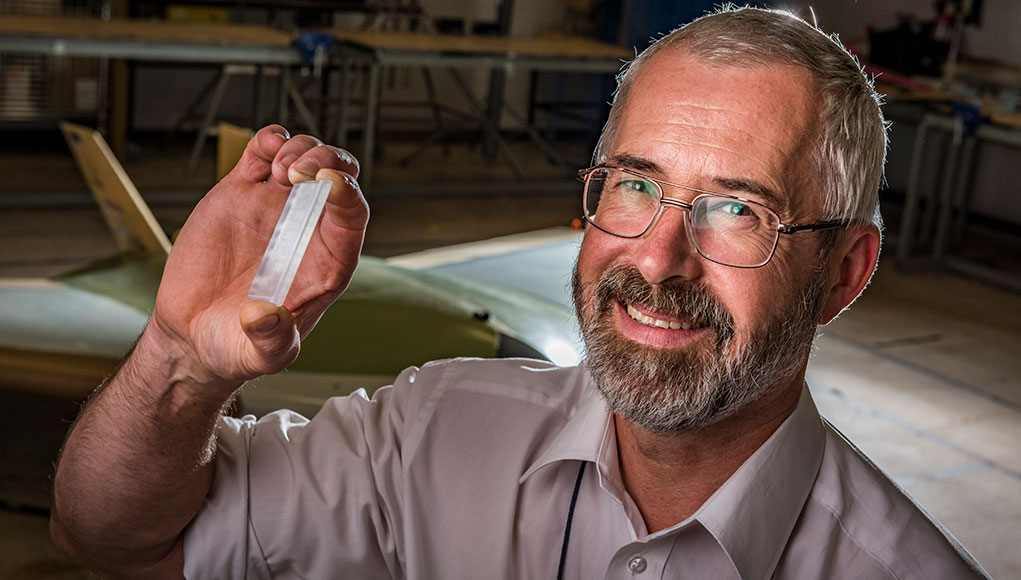
 These new control methods remove the conventional need for complex, mechanical moving parts used to move flaps to control the aircraft during flight. According to the developers, this could give greater control as well as reduce weight and maintenance costs, allowing for lighter, stealthier, faster and more efficient military and civil aircraft in the future.
The flight trials are part of an ongoing project between our two organizations and wider long-term collaboration between industry, academia, and government to explore and develop innovative flight control technology. Additional technologies to improve the performance of the UAV are being explored in collaboration with the University of Arizona and NATO Science and Technology Organisation.
Korean Threat Driving Missile Defense Buildup Across the Far East

Racing to the Inter-Continental Ballistic Missile (ICBM), Pyongyang’s long-range missile activity means bad news for Japan and South Korea, since the medium and intermediate range missiles developed by the rough nation could target even well-defended targets in the Western Pacific, including Japan, South Korea and US bases in the region. A trilateral missile defense drill held this week in the Sea of Japan demonstrated the intelligence sharing, early warning, and missile engagement capabilities that the USA, Japan, and South Korea could share on mutual defense, should a North Korean missile attack happens. Such an attack could occur by a deliberate act of either side or due to an ‘accidental strike’ caused by misinterpretation of and warnings.
Both regional powers do not have a bilateral defense cooperation, but they share such agreements with the USA, to enable intelligence-sharing and ballistic missile defense, as North Korea continually threatens both. The recent exercise was the sixth trilateral drill of this kind, followed North Korea’s first-ever ballistic missile flights over Japan, with the Hwasong 12 intermediate range ballistic missile (IRBM) tests in August and September. North Korean missiles are launched at high loft trajectories designed to test their propulsion systems through their full burn time, as they are traveling high into space, but only few hundred kilometers toward their designated targets at the Sea of Japan. On their descent, these missiles reach very high velocity, almost double that of short-range missiles. Therefore, such attack profiles could also be used against real targets in South Korea, the US bases in Okinawa or Japan, challenging existing defense systems with much more potent, and faster threats they were not designed to kill.
These recent threats unveiled a gap in allied ballistic missile intercept capabilities in the region, currently relying on ship-based SM-3 interceptors, land-based THAAD, and Patriot air and missile defense systems. Amid North Korea’s repeated missile launches, Aegis vessels are continuously on alert in the Sea of Japan, and Japanese Patriot missile batteries are maintained on high alert to intercept missiles that could have avoided the SM-3.
PAC-3 is not likely to be the answer to the increased ballistic missile threat from North Korea. Tokyo has earmarked ¥20.5 billion (US$180 million) in its defense budget to improve the system with Patriot Missile Segment Enhancement (MSE) program. As the improved missile reaches longer range and higher altitude, it can better intercept ballistic missiles, as well as cruise missiles and airplanes.
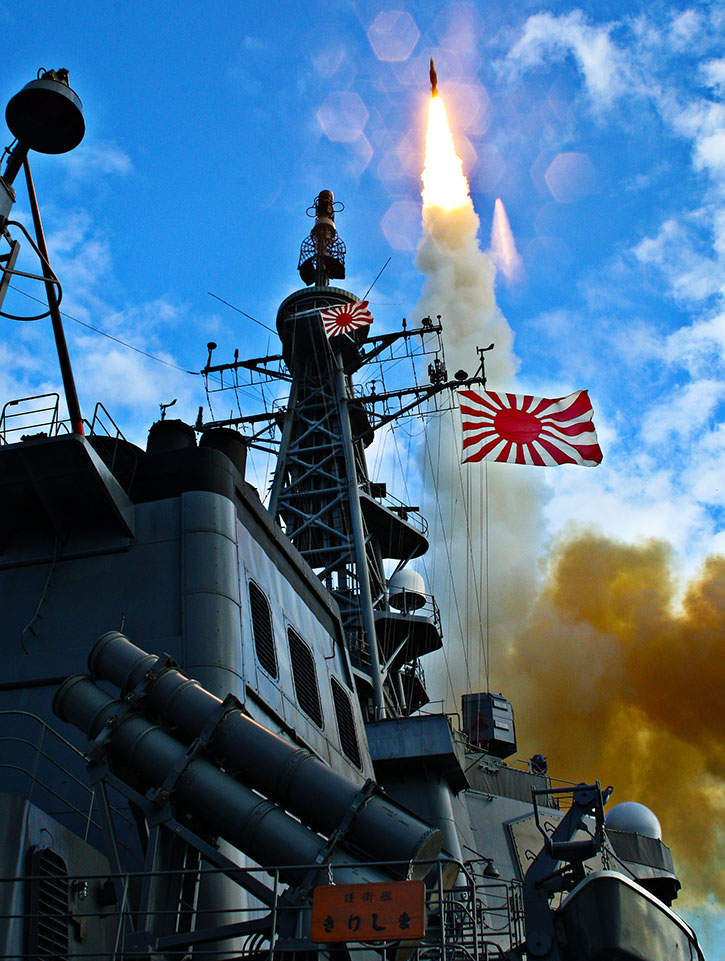
Another improvement will be the planned deployment of SM-3 Block IIA interceptors on American and Japanese missile defense vessels. Japan helped to develop this variant and will spend ¥47.2 billion (US$418 million) next year on the initial fielding of these interceptors on board its AEGIS destroyers. A future deployment of AEGIS aShore in Japan could better cope with those threats.
The Japanese Cabinet of Prime Minister Shinzo Abe is soon expected to approve a plan to deploy two ‘AEGIS Ashore’ missile defense sites on Japanese land comprised of the SM-3 Block IIA interceptors. Each site could cost about ¥80 billion (US$700) Such deployment could be completed by 2023. Two sites could cover almost the entire area of Japan and add possibly mid-course intercept capability to ballistic missiles overflying the country on their way to US islands in the Pacific. The introduction of Aegis Ashore and Patriot MSE in Japan will complete a renovation of the Island state’s multi-tier missile defense system that now faces new threats.
Although the new missile failed its second test in June, the US Missile Defense Agency plans to deploy the SM-3 Block IIA missile with the second European based AEGIS Ashore site in Poland next year (2018). The first base was activated in Romania in 2016.
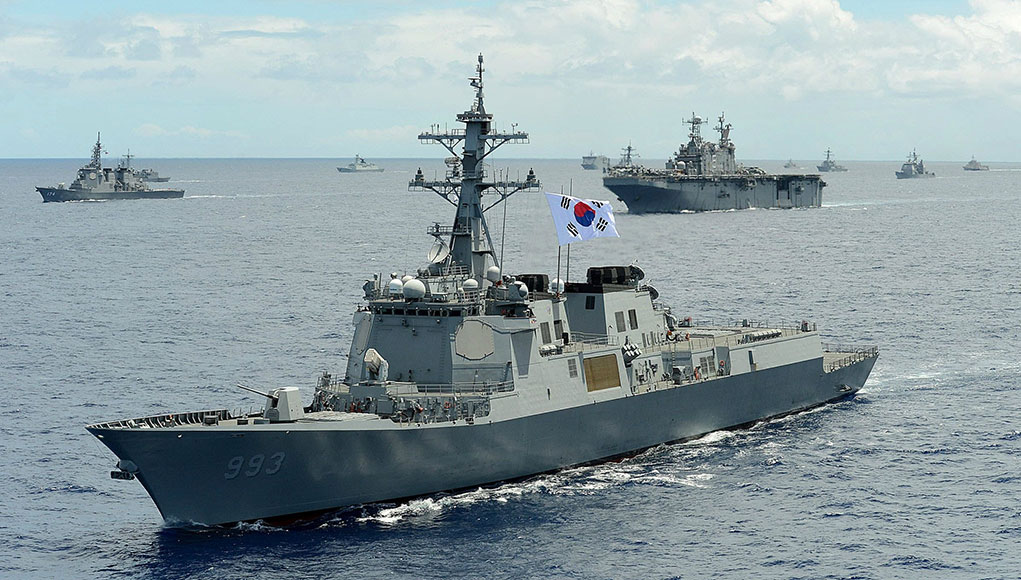
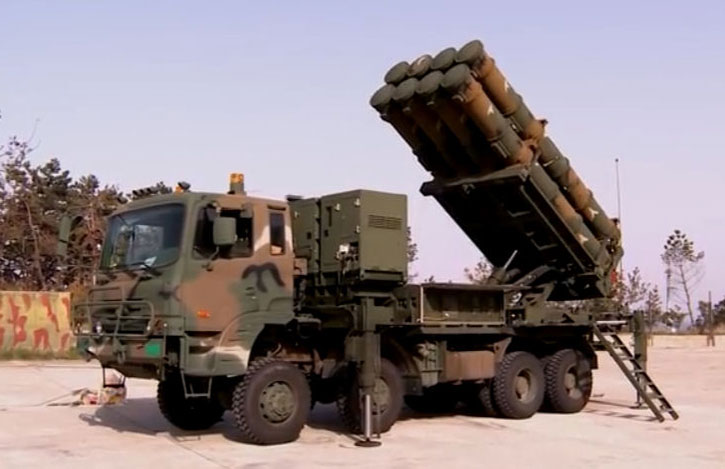
Unlike Japan’s reliance on US-developed missile defense capabilities, Seoul prefers to rely on indigenous assets. In recent years South Korea has been fielding a multi-tier missile defense system known as KAMD. The system is based on locally developed weapon systems and utilizes some technologies acquired abroad. The primary sensors for KMAD are EL/M2070 Green Pine radars obtained from Israel (one radar has been fielded, a second was ordered this year). The lower tier of KAMD is KM-SAM Cheongung medium-range surface-to-air missile system and its PIP missile interceptor, developed in cooperation with the Russian air defense expert Almaz Antey. By spring of 2017, the PIP missile performed a successful final developmental test series, that cleared the new missile to proceed to full-scale production. Full deployment is expected around 2019.
As the new KM-SAM enters service, the Korean Patriot will maintain the mid-tier, with PAC-2 units upgraded to Patriot MSE class. But, even with MSE, the Korean missile defense still requires an upper-tier, which is currently provided by the THAAD missile defense system deployed in South Korea by the US Army in April 2017. By 2022 Seoul plans to introduce a new interceptor known as L-SAM or Cheolmae-4. Four are scheduled for deployment throughout South Korea by 2025. But these are plans and with the growing activity in North Korea, missile defense is an immediate challenge.
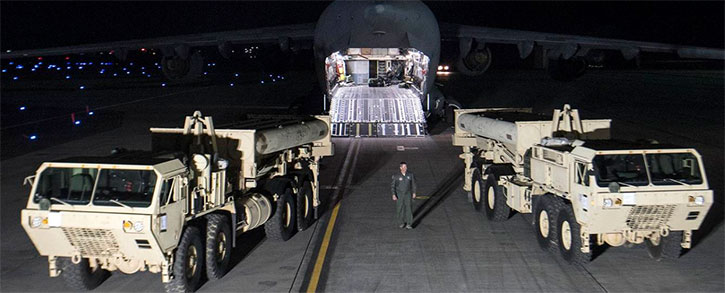
Currently, the US Army has four THAAD fire units positioned in Seongju, 135 km south of Seoul, with an AN/TPY-2 radar, following increased missile activity in North Korea. While the THAAD interceptor provides an excellent answer to short-range missile threats fired against US bases in the country or South Korean targets, its interceptors are less than optimal intercepting medium or intermediate-range ballistic missiles, on their ascent and intermediate trajectory. Enhancements of the THAAD are planned to introduce an “extended range” version of the missile (THAAD-ER), which will increase the weapon’s intercept range to more than 150 kilometers. THAAD’s AN/TPY-2 radar system already covers the long range that those THAAD-ER missiles will provide.
In fact, this radar already causes much concern across the Yellow Sea, in Beijing. For months, Seoul and Beijing appeared to have been deadlocked over their dispute over THAAD. China has insisted that South Korea remove the system, saying it could not tolerate its powerful radar on its doorstep. By the end of October Seoul and Beijing reached a compromise to bring bilateral relations back to normal.
Russia and China have common strategic interests in the region but do not have a military alliance. Therefore, the two sides do not share sensitive intelligence, threat intelligence or real-time warning and tracking from sensors that can reduce response time in critical situations. Thus, a form of shared C2 is the least they can do to deal with missile threats in emergencies.
Both Russia and China also have missile defense capabilities in the Far East. As the manufacturer of the short and medium range ballistic missiles now proliferating worldwide, Russia has also deployed the antidotes – two generations of operational ballistic missile interceptors – the S-300 and S-400 systems. The two types differ in their capability to deal targets at higher reentry speed. S-300 can intercept ballistic missiles with a range of 2,500 km, at reentry velocity of 4.5 km/sec while the S-400 can deal with missiles with a range of 3,500 km, which develop reentry speed of five kilometers per second. According to analysts. When used in point defense role, these interceptors can successfully engage a single, non-maneuverable warhead of a missile fired from 5,500 km (thus classified as an intercontinental ballistic missile – ICBM) At the same time.
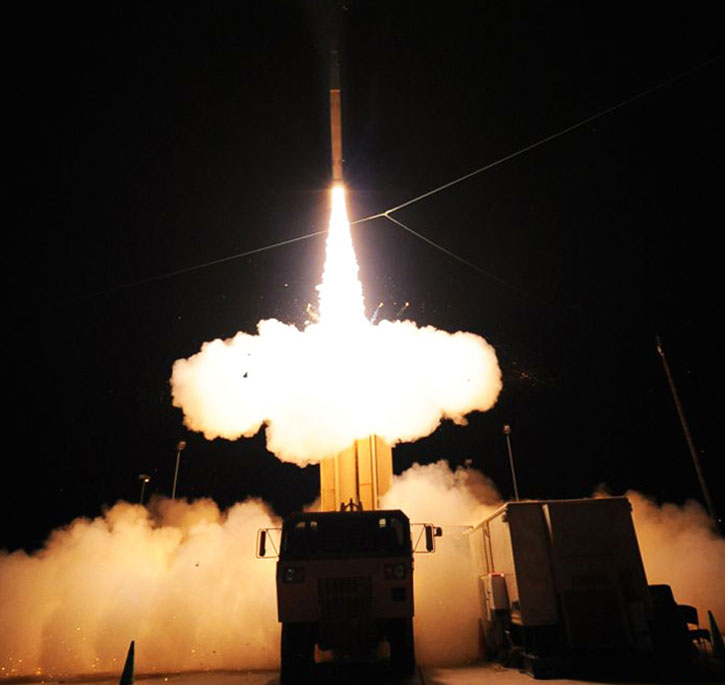
China also deploys land and sea-based derivatives of the HQ-9 – HQ-19 and HQ-29 are variants armed with anti-missile warheads, the HQ-19 uses a dual-purpose exoatmospheric kinetic kill vehicle, while HQ-29 is built for endoatmospheric hit-to-kill engagement. HQ-26 is the naval variant of the HQ-19 missile.
With higher risk of a missile war in the Korean Peninsula and the Western Pacific, Russia and China are also at risk, primarily from accidental strikes. To test their defenses, the two countries are holding a week-long anti-ballistic missile defense simulation in Beijing this week. The exercise, dubbed ‘Airspace Security 2017’ is the second missile defense exercise held by the two countries, the previous event was held in 2016 in Moscow. The drill aims to examine command and control (C2) aspects in joint response to ‘accidental and inflammatory strikes of ballistic missiles’, the Russian MOD announcement said. Both sides insist the drill does not target a third country (such as North Korea).
Qatar’s Race for Air Power
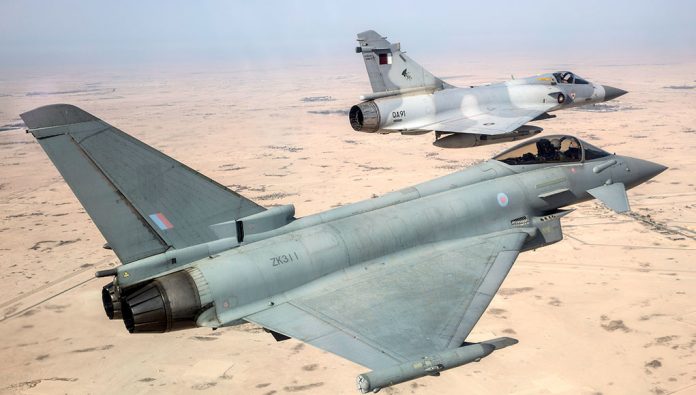
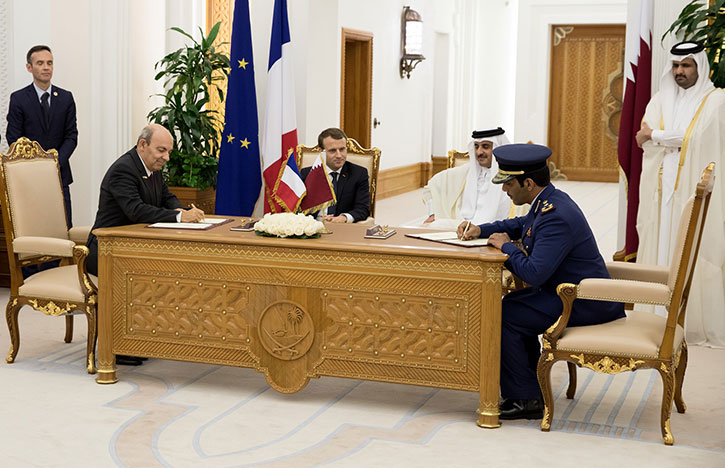
In recent months Qatar defense officials were busy signing orders and deals for 96 new fighters, in a shopping spree aimed to scale the country’s minuscule air force eightfold. When (and if) those deliveries are completed, the Qatari Emiri Air Force (QEAF) will increase its order of battle from the current nine Mirage 2000-5 fighters to 96 modern, 4.5 Generation combat jets armed with the latest weapons the Western world can offer.
Yesterday Doha confirmed the acquisition of 24 Eurofighter Typhoon combat planes in an order worth US$8 billion (£6 billion), following the previous announcement on such purchase in September. Delivery is expected to commence in late 2022 with BAE Systems acting as the prime contractor for both the provision of the aircraft and the agreed arrangements for the in-service support and initial training. Two years ago, Qatar signed a similar order for 24 Rafale fighter jets from Dassault, under a $7 billion (€6 billion) order, and last week exercised the option to buy 12 more, raising the total number to 36.
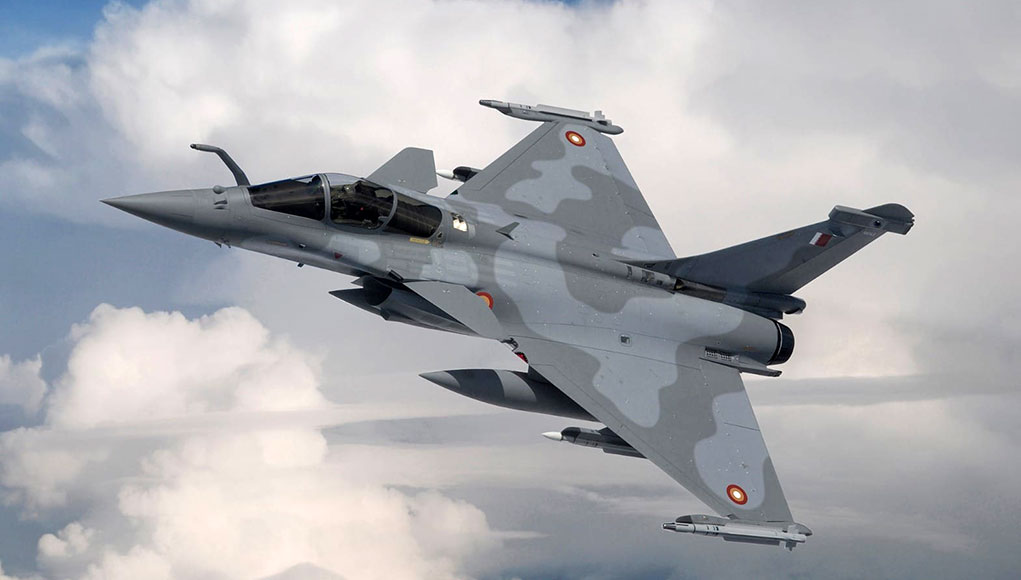
72 was the number of planes Qatar has initially been planning to buy, and the F-15 was one of several options Doha evaluated, that also included the French Rafale and European Typhoon. Lockheed Martin F-35 and F-16, Boeing F-18E/F and Saab Gripen were also assessed but not part of those shortlisted for the final pick. Since the French Rafale was already selected and firmed in order, Qatar could not pursue with full acquisition of the F-15QE. Nevertheless, as Qatar values those arms packages for their political value, it seems that splitting the border between the USA and the UK would earn Doha the expected political dividends. As London was the first to finalize a deal, a contract with Boeing for the F-15QA is now expected.
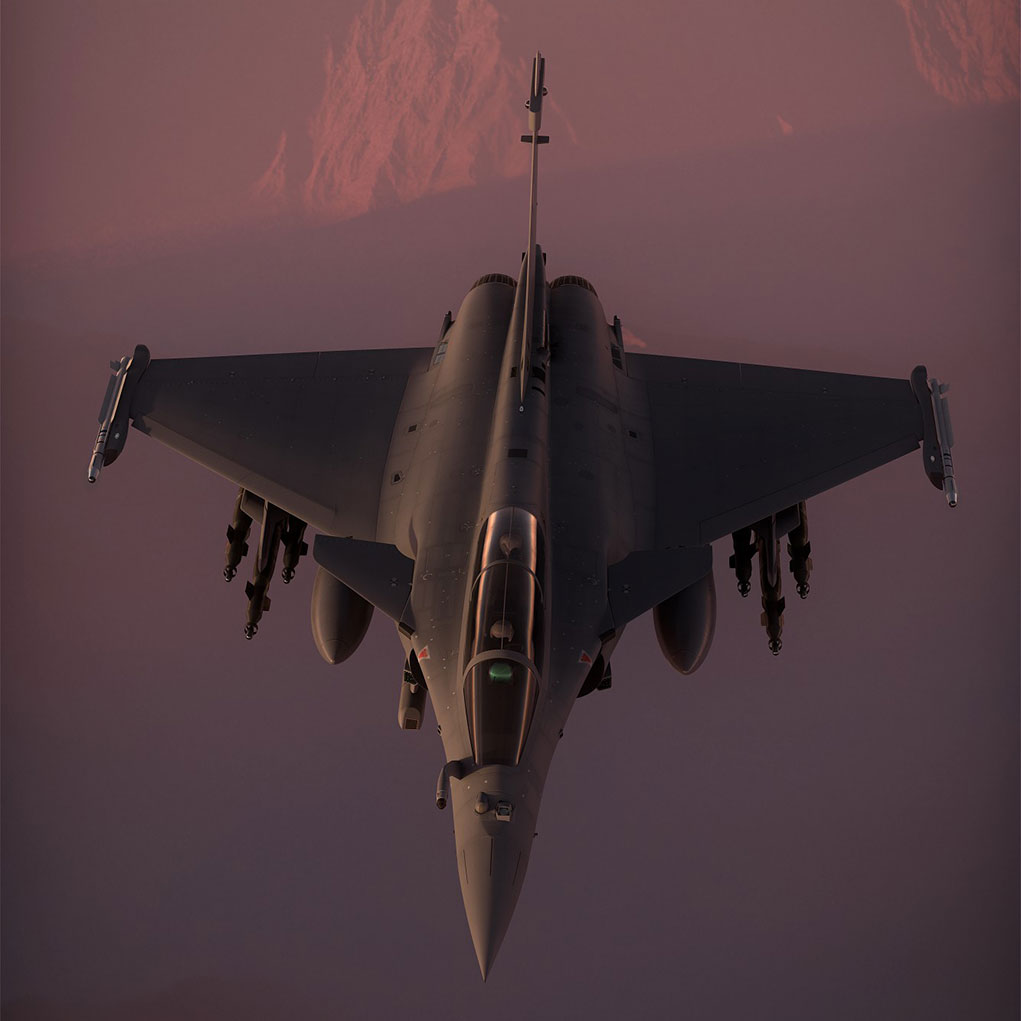
Besides the aircraft producers, weapon manufacturers will also become major beneficiaries. Raytheon and Lockheed Martin are likely to win their share if the F-15QA acquisition matures. Meanwhile, MBDA is positioned to become a significant supplier to Qatar – the recent Typhoon order also covers acquisition of Meteor Air/Air missiles (AAM) and Brimstone air/ground missiles, both produced by MBDA. It also includes Paveway IV guided bombs built by Raytheon in the UK. MBDA also benefit from the Rafale deal, providing the Meteor AAM, along with two types of MICA AAMs (radar and IR guided), SCALP cruise missiles, Exocet anti-ship missiles and Safran (Sagem DS) produced Hammer air/surface guided munitions. Meteor and SCALP are two weapons expected to extend the reach of QEAF way beyond its borders, as the Meteor offers an operational range beyond 100 km, the most extended engagement range among Western air/air missiles and SCALP providing a precision strike capability at ranges more than 250 km away.
In its move to bolster its military power Qatar take an example from Singapore, that established its military power, particularly the air force, to scale with its economic weight, rather than the size of the population or geographic scale. But, while it took Singapore decades to bring its military to airpower to its current size, oil-rich Qatar wants to do it in few years, and it has the financial resources to do that. This rapid growth is not merely a whim; the QEAF prepares for a future where allied forces might reduce their presence in Al Udeid airbase, thus leave Qatar vulnerable. Qatar currently hosts tens of thousands of airmen and hundreds of combat planes from the USA, UK, and Australia. Those countries could withdraw their forces as operations against ISIL and Taliban are ceased. The friction with neighboring countries, which erupted this summer, only added urgency to Doha’s contingency plans.
How Qatar plans to operate and maintain those planes and diversified force? Each of the deals includes support and training services for air and ground crews, both in France, the UK and in Qatar. But these services often focus on the transition of skilled operators, not training cadets. But, can money solve this complex logistical puzzle?
The Emiri’s air force currently operates only 12 training and fighter jets and do not have pilots to man the growing combat fleet. Despite the establishment of significant training operations to train new pilots (with the acquisition of a fleet of Pilatus PC-9 turboprop trainers in 2012), Qatar’s small population will not likely support such growth in the next few years. The shortage brought Qatar to outsource the services of experienced pilots, a concept practiced by many of the oil-rich countries in the region. Reliance on contractor support for maintaining combat-ready forces of each type, using weapon and avionics configurations identical to the original version (Francs and Britain) would also make it simpler to rely on such resources, rather than establish local support.
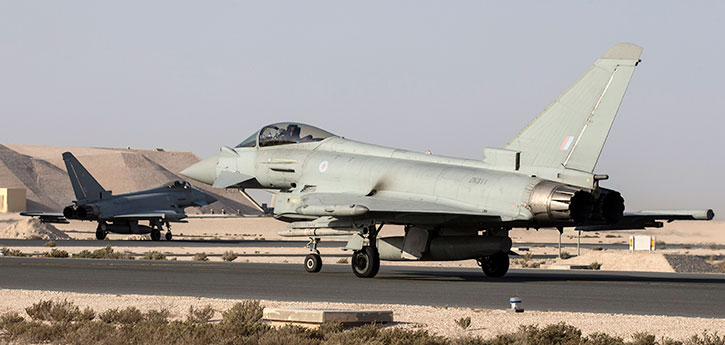
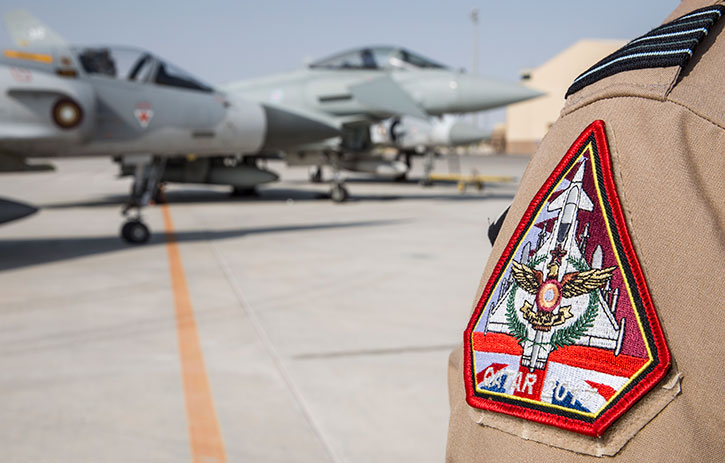
Last month Britain’s Royal Air Force (RAF) completed a training deployment to Al Udeid in Qatar, where four Typhoon fighters from No 29(R) Squadron joined the QEAF Mirage 2000-5 for a week-long exercise. Many of the QEAF pilots involved in this exercise will be amongst the first to be trained to fly them in Great Britain.
This cooperation will increase shortly, under the agreement signed between the two countries to establish a Joint Operation Squadron (JOS); this unique formation provides the nucleus of future joint operations between the Qatar Emiri Air Force and the RAF. Initially, the JOS will rely on RAF No. 12 Squadron. The squadron is currently operating Tornados and soon will transition to the future Typhoon force. The joint operation will bring Qatari air and support crews to train with their British colleagues at RAF Coningsby, Lincolnshire UK. As the JOS assumes combat readiness, with the goal to enhance the Qatari Air Force to provide aerial security over the peninsula during the FIFA 2022 World Cup events. “The Qataris will not be a permanent part of the squadron but will be integrated ahead of the delivery of the Typhoon aircraft. The move will provide the country with valuable joint frontline experience on an RAF Typhoon Squadron and speed up their preparation for when their own jets are delivered.” the UK MOD announced.
Such close cooperation with a major ally to seems to establish an ‘insurance policy’ to Qatar in its ongoing rift with its Arab neighbors. By spreading substantial acquisitions among the same arms suppliers that provide similar hardware to its (not so friendly) neighbors, Doha strengthens its weight by binding those countries to maintain their support to the small nation, regardless to regional and political pressures.
Israel’s F-35I Declared Combat Ready
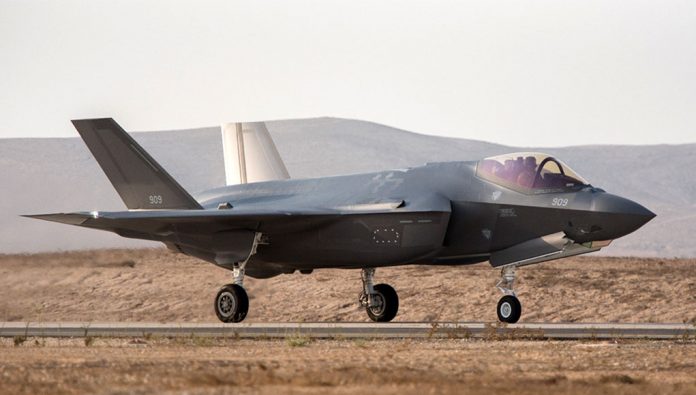
The Israel Air Force declared its F-35I unit operational today, following the year-long qualification of 140 Squadron (‘Golden Eagle’) – the first IAF unit operating the Fifth Generation fighter (dubbed ‘Adir’ by the IAF). The Initial Operational Capability (IOC) qualification process began in December 2016 when the first two aircraft arrived and the Nevatim base. Since then the unit received seven additional jets as part of the initial order. By the summer of 2018, the squadron is expected to receive six more fighters. The full delivery of the first order of 33 jets is expected to be completed in three years. Another lot to be delivered by 2024 to complete the formation of two Adir squadrons by the IAF.
The qualification and testing phase included five of the nine F-35Is operated by the IAF, along with aircrews and support teams. All were found fit for initial operational activity. “The inspection examined missions and scenarios that include all of the operational elements required to fly the ‘Adir’, from the ground to the air”, shared Lt. Col. Yotam, C/O 140th Squadron. “I am confident in the division’s capability to reach operational preparedness and feel that the pressure is positive and healthy”. Yotam added.
“The initial operational capability inspection examined more than the squadron’s readiness to operate the ‘Adir’, it tested the entire IAF. The inspection dealt with multiple elements in the IAF: the various directorates, the ‘Golden Eagle’ Squadron, the ATC Unit, Nevatim AFB, the Central Control Unit and many more”, described Lt. Col. Yotam.
The IAF’s standpoint, to adapt itself to the fifth generation instead of adapting the “Adir” to the IAF, posed a new challenge every day. “The main theme that characterized the past year was learning. Every day in the past year ended with a debriefing in which we learned something new: about the aircraft, about its systems, operation, and maintenance”, shared Maj. D, Deputy Commander of the 140th Squadron.
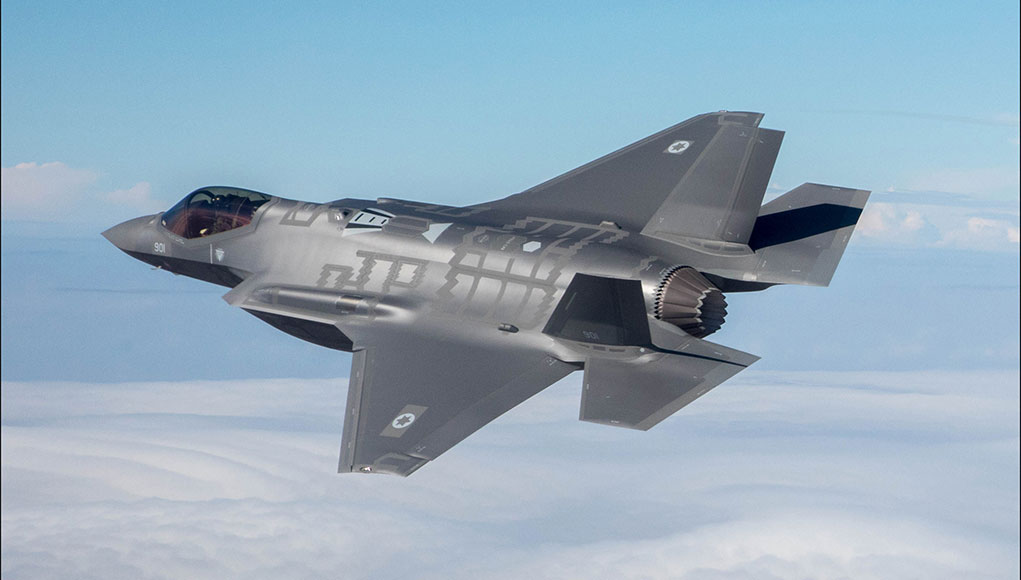
The Israeli Air Force is the only air force, other than the United States Air Force and Marine Corps, that fly the F-35 operationally. The US Navy, the Italian Air Force, Royal Air Force, Royal Australian Air Force and Japan’s Seld-Defense Air Force are also training their operational units in the respective countries but these have not been operationally ready.
“The declaration of the squadron’s operational capability is occurring at a time in which the IAF is operating on a large scale in a number of fronts, in the constantly changing Middle East”, said Maj. Gen. Amikam Norkin, Commander of the IAF. “The operational challenge, which is becoming more and more complex each day, receives an excellent aerial response. The ‘Adir’ aircraft’s operational status adds a significant layer to the IAF’s capabilities at this time”.
Israel Aborts an Arrow 3 Test for Target Failure
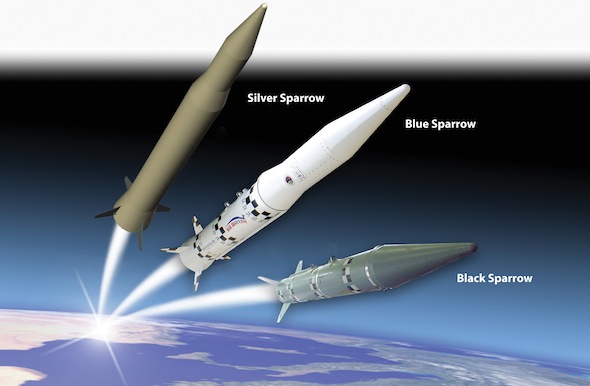
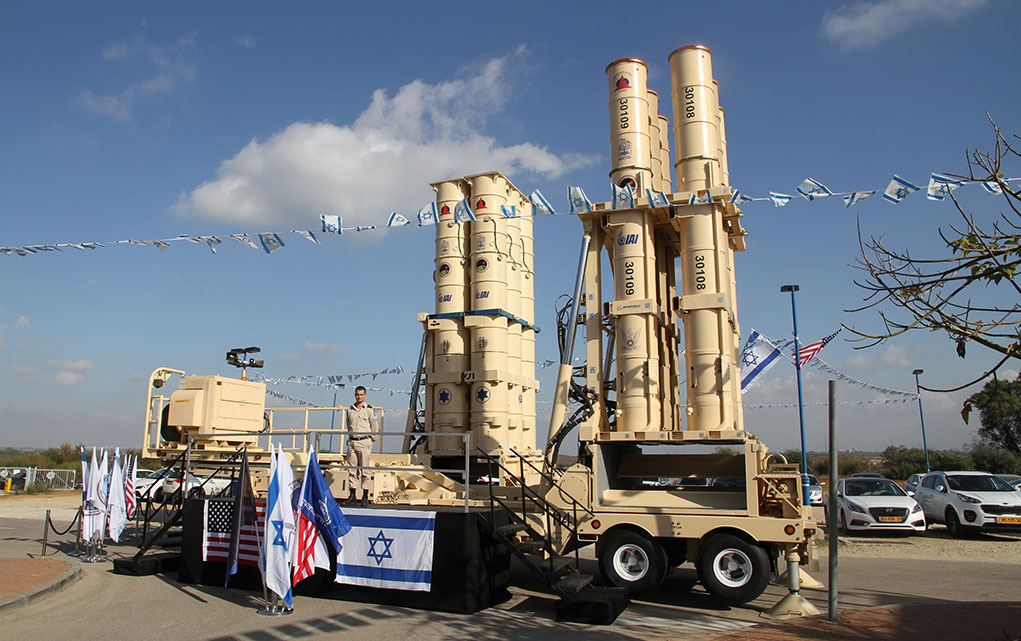
A test of Israel’s Arrow-3 ballistic missile interceptor was aborted today due to a target failure. According to an Israel Ministry of Defense (IMOD) announcement, the test performed at the Air Forces’ Palmachim missile test base was planned as part of the series of tests on Israel’s multi-tiered defense array.
The Arrow 3 interceptor missile was developed under a Israel-US cooperation, by IAI and is jointly produced by IAI and Boeing. The target missiles are produced by Rafael. The Arrow 3 provides the exoatmospheric upper-tier component of Israel’s missile defense system, as an interceptor designed to defend against ballistic missiles by targeting the threat outside of the earth’s atmosphere.
launched On such tests the Arrow interceptor is pitted against an air launched ‘Sparrow’ ballistic missile target launched eastwards from the Mediterranean Sea. Under such conditions, the test range is limited to strict safety limitations, to avoid collateral damage on land or space, resulting from debris caused by the interceptor’s collision with the target. According to the IMOD announcement today’s test was stopped at an early stage, before the interceptor was launched, once it was discovered that the ‘Silver Sparrow’ target did not meet those strict predetermined test parameters.
The Arrow 3 tests continued after the first interceptor were fielded with operational Arrow 2 Block4 missile units this year. To date the new interceptor performed three successful tests flights from an Israeli missile test site south of Tel Aviv. Only one of those flights included an actual intercept of a real target. A fourth test was aborted in 2014, in circumstances similar to today’s situation, before the missile was launched.
To prove the missile’s full capabilities Israel and the US Missile Defense Agency (MDA) are planning to perform the next test flights over the Pacific Ocean, at the US missile test facility at Kodiak, Alaska. These tests are scheduled to start in early 2018.
North Korean Deterrence Boosted with HS-15 Success
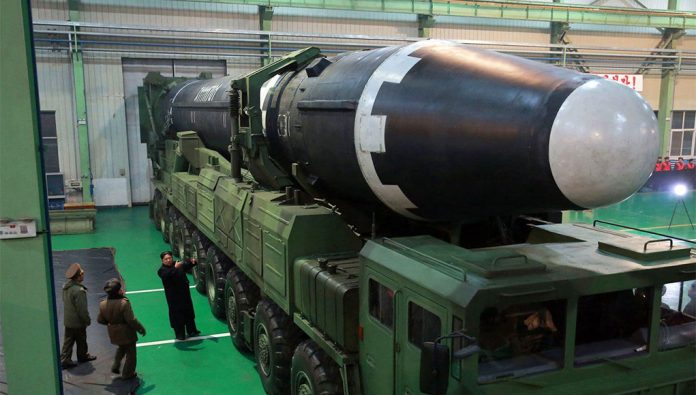
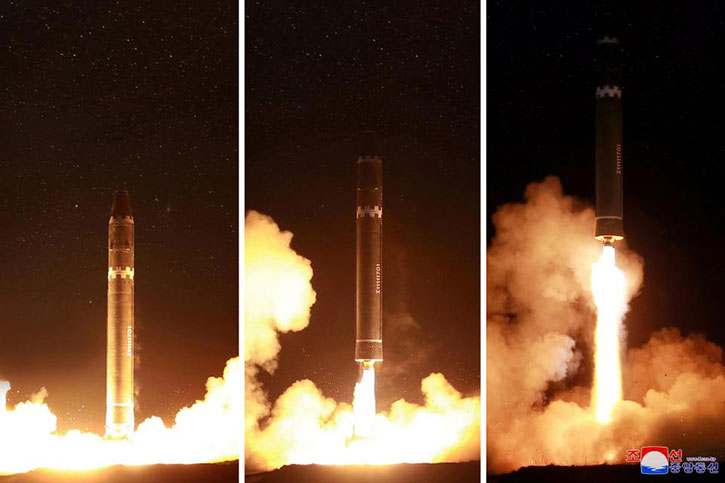
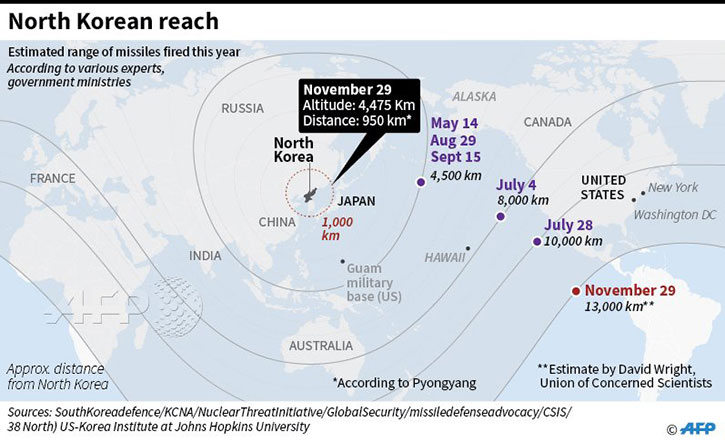
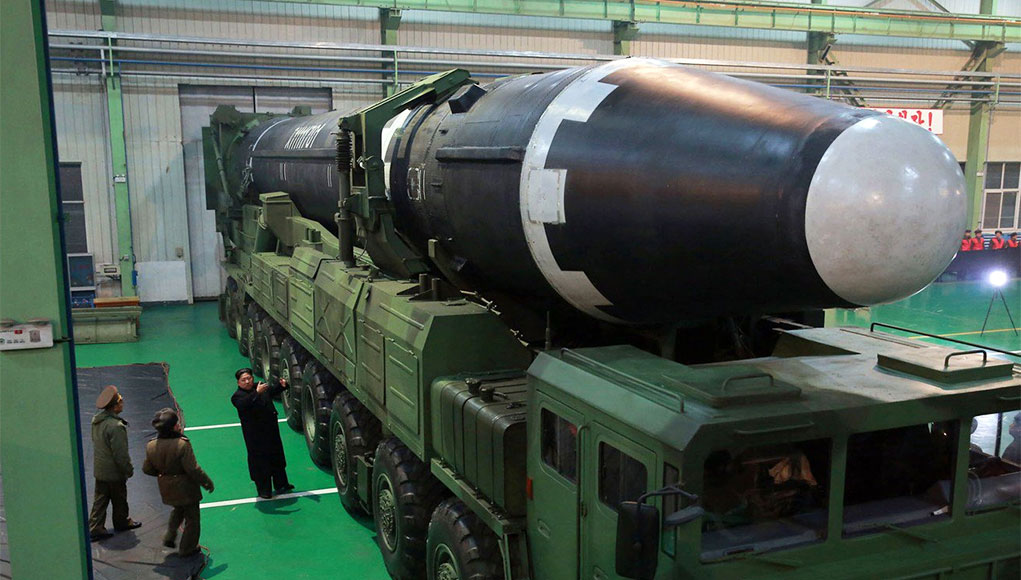
Bigger and more powerful than any other missile developed by North Korea, HS-15 utilizes a new, more powerful propulsion system, enabling the missile to fly farther and carry heavier payload. On its first flight Hwasong-15 flew a short range vertical trajectory to an altitude of 4,472 km (2,780 miles) travelling 53 minutes splashing into the Sea of Japan 950 km east of its launch point at Pyongsong, 25 km northeast of the capital Pyongyang.
According to missile specialist Norbert Brügge, the missile uses the ‘Pektusan’, the first stage of the two stage missile uses an RD-250 clone liquid propulsion system developed by Pyongyang, comprising two combustors fed by common turbopump to increase takeoff thrust. According to the official statement from Pyongyang the system has speed correction and vector control, alleviating the use of steering engines used in previous models. The new propulsion is estimated to have 170 percent increase in thrust, compared to the Hwasong-14, which used four steering engines to stabilize the missile on liftoff. The HS-15 stores about 40 tons of liquid fuel, sufficient for 139 seconds of burn time. The new North Korean missile is similar to the old U.S. Titan missile from the 1960s.
Pyongyang claimed that the new missile can hit anywhere in the USA, and, based on the trajectory and distance flown, the missile would exceed a range of 13,000 km (8,100 miles) when launched in a lower, maximum range trajectory. 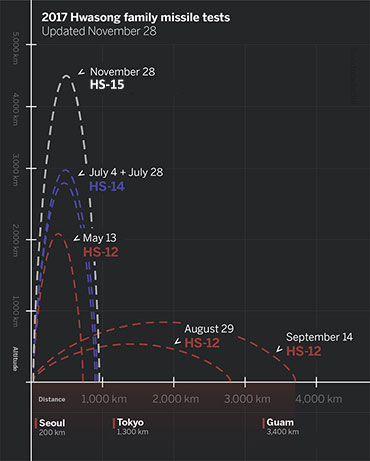 Previous North Korean missiles, such as HS-14 and HS-12 had the US Pacific bases and the west coast in range – areas partly protected by the US sea and land-based missile defense system. However, the long range of the new HS-15 means it holds at risk, albeit with a reduced payload, the central and eastern parts of the USA – areas that are not yet protected by anti-ballistic missiles.
However impressive the performance of the North Korean missile is, it is still a developmental system. Although Pyongyang claimed the missile’s powered flight as successful, Japanese sources indicated the missile or reentry vehicle may have broken up before hitting the water, a fact that could indicate a failure at the reentry phase. Previous tests of HS-14 earlier this year indicated a similar phenomenon. The HS-14 and HS-15 seem to be using different payloads. A notable change the HS-15 has from previous long-range ballistic missiles is a blunter nose cone which could carry larger payload and new reentry vehicle.
Urgent Upgrades to Missile Defense Needed
North Korea is likely seek to increase its production of the Hwasong-15 ICBM to overmatch the 44 Ground Based Interceptors (GBI) deployed by the USA. As a response, Washington will have to increase its capacity and production of GBIs, to stay ahead of the North Korean nuclear ICBM threat. It will now have to move forward with urgency on a third GBI site in the Eastern part of the United States to add depth of layers of ICBM defense by increasing the battle space and time to best defend the entire United States of America.
It is of note that the United States GBIs are not capable, from their current deployments in California and Alaska today, to defeat and defend against lofted North Korean Hwasong-15 ICBMs targeting Guam, Japan and South Korea. Japan, South Korea, and Guam are undefended technically today against a North Korean Hwasong-15 nuclear ICBM as the currently deployed missile defense capabilities in these regions cannot intercept the speeds of an ICBM, nor have they been required, tested, or proven to do so.
The Standard Missile-3 (SM-3) Block IIA, co-developed by the United States and Japan, has an inherent capability to intercept ICBMs. The interceptor is in low rate production and is scheduled next year for a final flight test against ballistic missile targets from the Aegis Ashore site in Hawaii and on the USS John Paul Jones (DDG 53), a Baseline-9 Aegis Destroyer, before being operationally deployed to Japan, Poland and the United States. It is of a national security imperative for Japan and the United States to test the SM-3 Block IIA against an ICBM target from an Aegis Baseline-9 ship as soon as feasible to enable current U.S. Baseline-9 Aegis BMD ships to defend Japan, Guam, and South Korea from the demonstrated North Korean lofted ICBM launch of the Hwasong-15.
Proving this capability on U.S. Aegis BMD Baseline-9 ships would enable an additional underlayer of ICBM defense that is sea-mobile, providing more confidence and increasing the percentage of intercept for the defense of Hawaii and major cities on the west coast of the United States against the North Korean Hwasong-15. Having a underlayer of SM-3 Block IIA defense allows more efficiency of the limited number of 44 GBIs until more GBIs are produced by the United States, which is estimated at 2022 when the Redesigned Kill Vehicle begins its first deployment.
To continue to provide stability to this region and this crisis, enabling flexibility in options and preventing nuclear proliferation, the United States of America must produce more ICBM interceptor capacity and capability as soon as possible.
Australia Enters an A$1.4 Billion Army Digitisation Phase
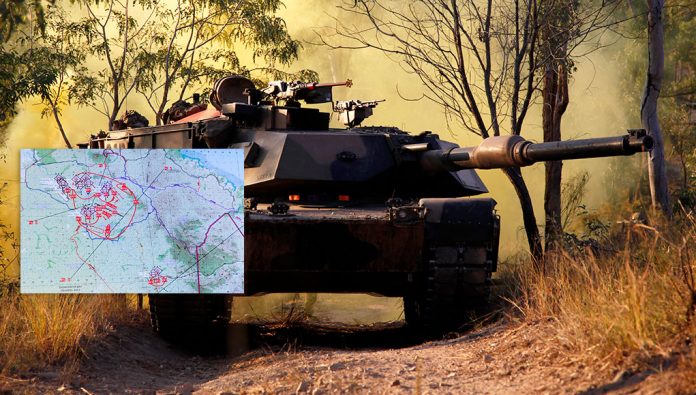

The Australian Defence Department approved today the second phase of the army digitization program known as LAND 200. The program comprises the Land 75 and Land 125, each separated into Tranche phases. Delivering a holistic Land networking solution for two Army Brigades, Land 200 also supports the training and simulation establishments, Special Forces and other Services.
The $1.4 billion worth project will enhance the Australian Defence Force’s digital command, control and communications systems, particularly with the mechanized forces. Harris and Elbit Systems are the two foreign suppliers are supplying the hardware and software for the project. The two companies are expected to support hundreds of local jobs through local subsidiaries that will support the program through its lifespan.
LAND 200 Tranche 2 delivers tactical communications network, including encrypted radios provided by Harris, and Battle Management System (BMS) software, delivered by Elbit Systems under the LAND 200 Tranche 1. Together they form the Battlefield Command System, which allows commanders to plan, monitor, direct and review operations in real time. Elbit Systems is the prime contractor of the Australian Army’s BMS and it supplies, integrates, installs and supports the Battle Group and Below Command, Control and Communications (BGC3) system for the Australian Army’s Land 75 part of the program. The BGC3 is comprised of a BMS for soldiers, Vehicle Mounted Commanders and Headquarters/Command Post Staff.
The BMS and battle command network Battlefield Command System will integrate with weapon systems in Australia’s tanks and future combat vehicles, increasing decision speed and the ability to share information across the battlefield.
LAND 200 is made up of various phases of three projects, JP 2072, LAND 75, and LAND 125, and will deliver capability throughout Defence in three Tranches between 2011 and 2021-2022.
LAND 200 Tranche 1 was launched in November 2009 and included delivery of new radios and battle command systems between 2011 and 2014. Under the first Tranche, the Army received the radios that provided a modern digital backbone and Battle Management System (BMS), spanning the dismounted soldiers, light combat vehicles and Protected Mobility Vehicles (PMV), Unimog and G Wagons.
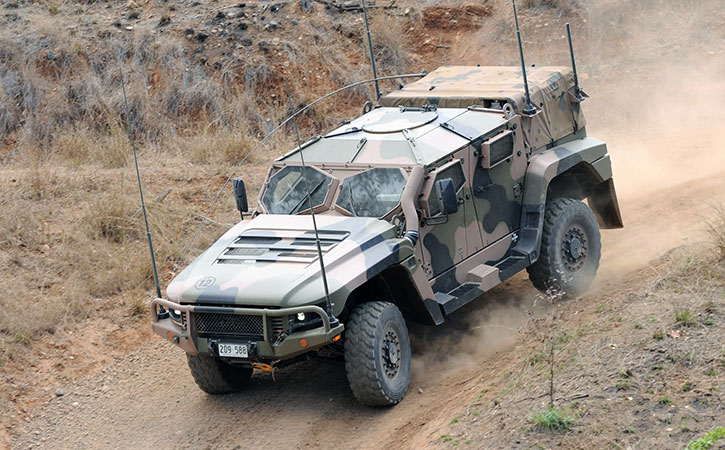
The current LAND 200 Tranche 2 phase continues with PMV and G-Wagon installations, as well as the installation of radios and systems into the M113AS4s armored personnel carriers (APC), LAND 121 Medium Heavy Trucks, and PMV-Light. (Hawkeye). This phase will also include the introduction of platform-specific BMS integrated into the Tank and ASLAV); Brigade Headquarters software applications for all headquarters functions including interoperability with key Joint and Coalition systems; this procurement also introduces a new digital soldier radio; modification of the current soldier Battle Management Systems to reduce weight and size whilst enhancing capability.
The third and final phase of LAND 200, Tranche 3, that will commence through 2022, will complete deliveries to the remainder of the Australian defense force and provide technical refresh for equipment previously delivered in Tranche 1 and 2.
Drones Double Weapon Loadout with Laser-SDB
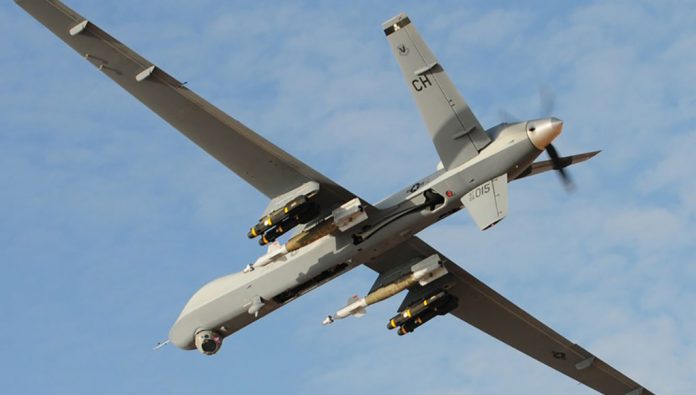
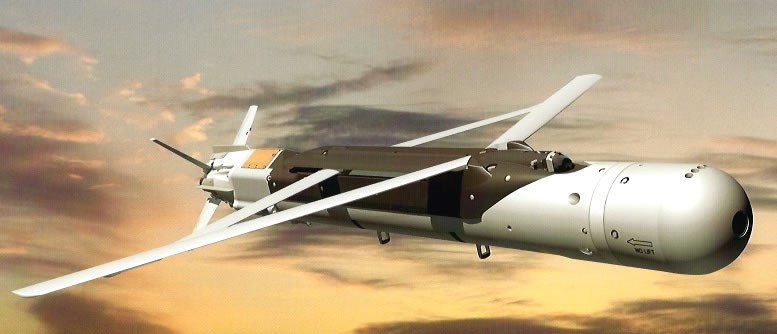
The U.S. Air Force is planning to increase the weapon loadout on its MQ-9 drones by integrating Guided Bomb Unit-39B/B, also known as laser small diameter bomb (LSDB) onto the drone. The weapon is integrated into the vehicle using a dual carriage system (combat aircraft use quad rails for SDB carriage), controlled via universal armament interface. The weapon has demonstrated an attack accuracy below 2 meters, improving precision over the GPS guided weapon and adding moving target attack capability.
The Reaper currently carries two GBU-12 Laser Guided Bombs – each 230 kg (500 pound), in addition to two Hellfire missiles, both are limited to short range attack patterns. Replacing each LGB with two LSDB at almost the same weight, the drone will be able to engage targets from a much longer range. In addition, while doubling the heavier laser munitions loadout. The lighter 125-pound LSDB delivers higher lethality yet require smaller danger zones to friendly forces and civilians nearby the targets.
The LSDB weapon has been fielded in 2014 adding post-launch targeting correction and moving target attack capability to the GPS-guided GBU-39 SDB. Both types of the 110 kg (250-pound) bombs are fitted with a wing assembly that pops out after release, enabling the weapon to fly out to a range of 40-45 miles.
By allowing the attacking platform to release the weapon from a distance, the weapon minimizes early warning to a specific target. While the GPS guided version pursues an autonomous attack, the LSDB requires laser illumination at the terminal phase, either by the platform itself or by other target acquisition element.
The integration contract was awarded to the drone manufacturer General Atomics ASI by the by the Air Forces’ Medium Altitude Unmanned Aerial System Division.
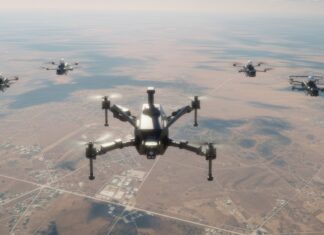
Skunk Works and XTEND Simplify Multi-Drone Command
Lockheed Martin Skunk Works® and XTEND have achieved a major milestone in JADC2 by integrating the XOS operating system with the MDCX™ autonomy platform. This technical breakthrough enables a single operator to simultaneously command multiple drone classes, eliminating the friction of mission handoffs. From "marsupial" drone deployments to operating in GPS-denied environments, explore how this collaboration is abbreviating the data-to-decision timeline and redefining autonomous mission execution.

From Ukraine to Taiwan: The Global Race to Dominate the New Defense Tech Frontier
As traditional defense primes face mounting competition from agile “neoprimes” such as Anduril, Palantir and Helsing, the balance of innovation is shifting toward software-defined warfare and scalable, dual-use technologies, while global industry consolidation—marked by Boeing’s integration of Spirit AeroSystems and other strategic mergers—signals an intensified race to secure control over the defense technology value chain. Our Defense-Tech weekly report highlights these trends.

Europe’s “Drone Wall”
In early October 2025, a coordinated wave of unmanned aerial system (UAS) incursions—widely attributed to Russia—targeted critical infrastructure across at least ten European nations. The unprecedented campaign exposed the fragility of Europe’s air defenses...
Weekly Defense Update & Global Security Assessment
Executive Summary
The past week (September 18-25, 2025) represents an inflection point where strategic defense concepts have transitioned from doctrine to tangible reality. An analysis of global events reveals four primary, interconnected trends shaping an...
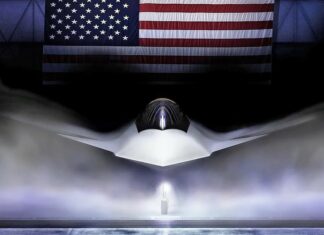
U.S. Air and Space Forces Push Next-Gen Programs at the AS&C 2025 Conference and...
At the 2025 Air, Space & Cyber Conference, U.S. Air Force and Space Force leaders unveiled major updates on next-generation fighters, bombers, unmanned systems, and space initiatives, highlighting both rapid innovation and critical readiness challenges as the services race to outpace global competitors. A short version is available here, with a more detailed version for subscribers.
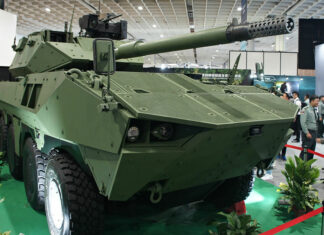
TADTE 2025: Reflecting Taiwan’s Strategic Themes
The Taipei Aerospace & Defense Technology Exhibition (TADTE) 2025 crystallized around four dominant strategic themes that collectively illustrate Taiwan's comprehensive approach to defense modernization amid escalating regional tensions. Based on a detailed report by Pleronix (available upon request). Includes a Podcast discussion on TADTE 2025's highlighting Taiwan's four strategic themes beyond the post's coverage.
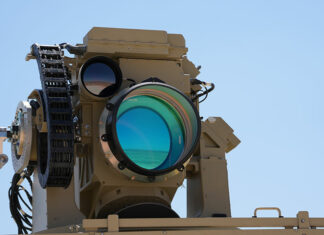
Iron Beam 450 Completes Testing, Soon to Join With Operational Air Defense Units
Israel’s Iron Beam 450 high-power laser system has completed final testing, marking a major leap in air defense. Developed by Rafael, it offers precise, cost-effective interception of rockets, UAVs, and mortars, and is set for IDF deployment by 2025.