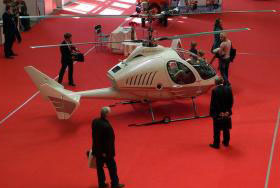
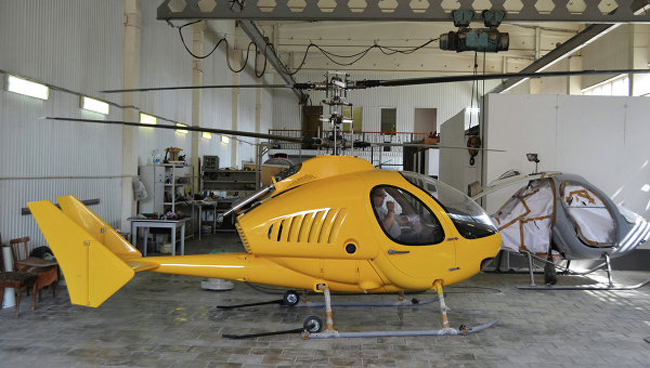
ADCOM, an unmanned systems developer from the UAE is teaming with the Russian helicopter designer Berkut Aero design bureau to turn the Russian designed Berkut VL light helicopter VL into an armed unmanned combat aerial vehicle (UCAV). Adcom Systems representative Karim Badir confirmed to RIA Novosti that the company was considering the Russian chopper as a basis for a new attack drone. According to the Novosti news agency the two companies said they are considering the Berkut VL helicopter as a model for a drone to be stationed aboard naval vessels. Berku VL is a ‘superlight’ two-seat helicopter equipped with a Conver VAZ or Lycoming engine. It has a range of up to 600 kilometers.
The two-seat piston single – which will compete with the Robinson R22 – made its first flight in early 2012 and has logged about 400 flight hours since. Berkut plans to offer their new superlight for around $70,000 per unit (when sold in volumes), about a third of the price of a comparable Robinson 22 chopper.
The prototype is powered by a Russian-made 147shp (110kW) AvtoVAZ piston engine. Berkut plans to equip serial production choppers with a 150hp Lycoming powerplant, increasing maximum speed to 100 kt., elevate operational ceiling to 13,400 ft. and expand its operating range to 850 km.
AUS&R 2013 – The Unmanned Systems Live Demonstration – Israel – 26 November 2013
At the recent MAKS airshow in Moscow Bureau said it is proceeding with the certification of its light coaxial-rotor helicopter, and expect certification by mid-2014.
In July 2013 Russian sources confirmed the Russian military is planning to purchase aerial drones namely unmanned air systems (UAS) in the United Arab Emirates. Sources at ADCOM indicated the Russians were interested in two of the company’s largest platforms, known as United 40 Block 5.
ADCOM plans to convert the Russian superlight helicopter BERKUT VL into an unmanned platform. Photo: Novosti
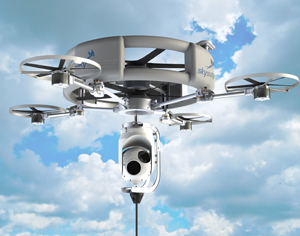
The Hovermast 100 can elevate to an altitude of 150 feet in 15 seconds, providing a valuable intelligence gathering tool for tactical units. Photo: Sky Sapience
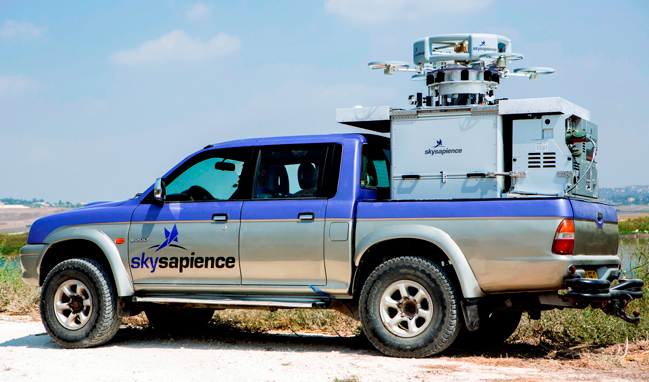
Israel’s Sky Sapience company has delivered today to the Israel Defense Forces’ Land Forces Command the first pre-production example of the HoverMast 100 – an autonomous, tethered hovercraft carrying a stabilized electro-optical payload. The system was delivered at a proving ground on the slopes of Mt. Carmel, where the company regularly tests the systems.
The system will now enter operational evaluation with the IDF, leading to operational use with front line units. The company CEO and founder Gabriel Shahor said the company is currently establishing the assembly line for the new product line, once the line is active, the company is expected to deliver additional Hovermasts to international customers. Sky Sapience will demonstrate the Hovermast 100 at the Autonomous, Unmanned Systems & Robotics (AUS&R) convention taking place in Israel November 26.
Hovermast answers the requirement for rapid and timely intelligence gathering at the tactical echelon. The system employs a sophisticated, electrically powered platform using a main lift fan and four stabilizing rotors, maintaining the platform in flight, hovering and maintaining stable line of sight with a target of interest even when subjected to strong winds or wind gusts. The system carries sophisticated multi-sensor payloads operating day and night under all weather conditions. Hovermast 100 carries 13 pounds (6 kg) of payloads. Exclusive insight available to members – subscribe now!
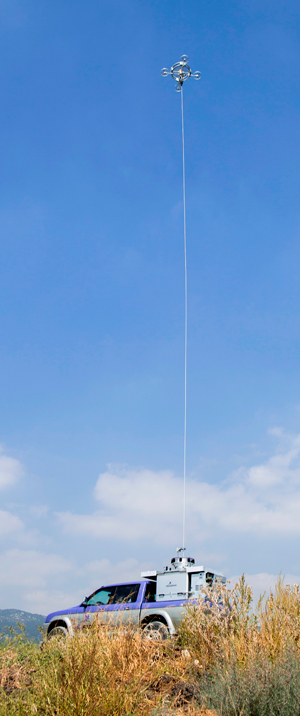
In the stowed position the HoverMast automatically folds into a compact 72 cm diameter container, carried on a vehicle flatbed or roof, mounted on UGVs or All Terrain Vehicles (ATV), or small naval craft; making the system especially suited for Special Forces, border and port protection, and infantry missions.
AUS&R 2013 – The Unmanned Systems Live Demonstration – Israel – 26 November 2013
Sky Sapience is currently developing three variants of the system – Hovermast 100 is the first model developed to meet the IDF requirements. A larger system, capable of carrying heavier payloads is being developed for a foreign customer. Two additional variants are also in progress – Hovermast M for use in maritime environments (on board manned or unmanned vessels) and Hovermast C, featuring simpler, a more affordable platform and intuitive operation is also designed for civilian operators.
Hovermast 100 tucked onto a pickup truck. The system integrates the tethered hovercraft and payload, tethered to the control system via cable that also feeds power, control and downloads sensor feeds in real time. Photo: Sky Sapience
On Wednesday, August 28, 2013, President Barack Obama and British Prime Minister David Cameron affirmed that a chemical weapons attack had taken place in Syria the previous week and “there was no doubt that the Assad regime was responsible.” Despite the decision by the British Parliament not to take part in an attack on Syria, President Obama announced on Saturday, August 31, 2013 that he had decided to take limited military action in Syria and although not required to do so, was requesting Congressional approval.
Washington continues to deliberate with its allies the strategic objectives of an attack and consider the military option that will achieve the most benefit at the lowest cost and with the fewest risks. Of several options for strategic objectives, it appears that the United States has chosen punishment for the sake of deterrence.
The most important Israeli interest in the context of an American attack is the unequivocal clarification that there is a high price to pay for the use of nonconventional weapons.
Israel is not directly involved in the civil war in Syria or in a potential US strike. However, the threats from Syria, Iran, and Hizbollah demand that an American attack be analyzed as to what it means for Israel’s national security. This article will analyze two scenarios for an American attack and what they mean for Israel’s short term and long term interests in the Syrian context. The first is the anticipated limited attack intended as punishment, and the second is a broader attack aimed at toppling the Assad regime.
In the long term view, it is very important to Israel that the fighting in Syria not end in a victory for the Tehran-Damascus-Hizbollah alliance
Israel’s Short Term Interests
The most important Israeli interest in the context of an American attack is the unequivocal clarification that there is a high price to pay for the use of nonconventional weapons. This interest is important for deterring any Middle East leader considering the possible use of nonconventional weapons against Israel.
From a broader perspective, it is important for Israel that the United States reestablish its strategic influence in the Middle East and improve its credibility and deterrence in the region, including against conventional behavior by its adversaries. US credibility and deterrence have eroded over the past three years during the Arab uprisings, and public statements by senior administration officials have called for a reduction in American involvement in the region and even a change of strategic focus in the direction of East Asia. Restoring American deterrent power would strengthen the standing of the United States and that of its allies, including Israel, in the struggle between the region’s moderates and radicals.
Israel has a supreme interest in maintaining quiet on its borders and preserving a calm security situation with Lebanon and Syria. Maintaining a normal routine as much as possible is a moral, security, and economic interest. To the extent possible, Israel must avoid getting dragged into the Syrian civil war. If Israel is attacked, the decision on an Israeli response must not be automatic, and as long as there is no significant damage to Israel, the attack can be contained.
A related Israeli interest has to do with the issue of Iran’s military nuclear program. Iran is watching events in Syria closely and examining the American response. It is very important for Israel that when Tehran considers its policy toward President Obama’s red lines on Iran, i.e., preventing Iran’s military nuclearization, Iran sees that Washington is determined to uphold the President’s promises. President Obama’s actions and the cooperation he achieves with Western and regional allies will have implications for the Iranian nuclear issue.
Israel’s Long Term Interests
In the long term view, it is very important to Israel that the fighting in Syria not end in a victory for the Tehran-Damascus-Hizbollah alliance. A victory by Assad would strengthen Israel’s enemies in the region, mainly Hizbollah, and would encourage Hamas, currently isolated, to minister once again to its Iranian patron. Israel has a clear interest in maintaining the trend toward weakening these terrorist organizations.
When the civil war in Syria ends, it is important for Israel that a liberal, pro-Western state be established that abandons the Iranian patron and ceases its support for terrorist organizations. Israel has in the past considered returning parts of the Golan Heights in order to ensure the latter component. The civil war provides a strategic opportunity for a similar result without Israel’s having to pay an immediate price in territory.
If jihadi organizations such as al-Nusra grow stronger to the point where they have freedom of action in the Golan Heights, Israel’s interest will be to ensure that the terrorist threat remains a local and not a strategic threat, even if it cannot ensure total success in preventing a terrorist attack.
Israel’s Interests and US Strategic Options
These sets of interests can be assessed against the two alternate US strategic objectives and the military action required to realize them. An American attack that seeks to punish the Assad regime for using chemical weapons and demonstrate US determination to respond to a crossed red line would include a pinpoint strike on several military targets or regime assets. On Wednesday, August 28, 2013, the New York Times wrote that the American plan includes a two-day attack on fifty military targets connected to the units that took part in the chemical attack. Since this is symbolic punishment, success is critical for conveying the American message. A limited but successful attack that is backed up by US determination to prevent the use of nonconventional weapons would restore some American deterrent power against the use of chemical weapons and to a certain extent would enhance American standing in the region. Such an attack could also influence decision making in Tehran. Thus, the expected scenario regarding an American attack would promote some of Israel’s interests, especially those connected with US deterrent power in the region, albeit to a limited extent only.
On the other hand, an unsuccessful American attack, such as that in the Bekaa Valley in Lebanon in 1983, or the Tomahawk missile attacks in Afghanistan and Sudan in 1998, could weaken American deterrence against the use of nonconventional weapons and cause even further damage to US standing in the region. Assad will see that the price for using chemical weapons is small, even when the United States is pushed to act, and will have no reason to hesitate to continue using these weapons for local needs. An ineffective American strike could encourage jihadi rebel organizations to gain control of chemical weapons in order to improve the balance of power with Assad’s army. Such weapons in the possession of terrorist organizations would be a direct threat to Israel. Other Middle East leaders too, including those in Iran, would understand that the strongest superpower in the world is fearful of using its power to promote its interests.
The danger to Israel from this scenario is minimal. Assad will be guided in his response by the issue of regime survival and his ambition to continue to keep the conflict with the opposition an internal conflict. By expanding the conflict to Israel, Assad would risk his regime, and therefore it is likely that he would not respond. Even with the attacks on Syria attributed to Israel in 2007 and 2013, Assad did not respond for the same reason: regime survival.
If in the punishment scenario Assad reasons that there is little danger to him or to his regime and that he can focus on a war against the rebels, in the event of a US attack intended to incapacitate the ruler, Assad’s confidence would be shaken. In this scenario, the United States would attack regime assets and seek to destroy Syria’s strategic military capabilities in order to leave Assad without forces to protect him. In such a scenario, the United States would restore its deterrent power and its status in the region. Such a move would also be a serious blow to the Tehran-Damascus-Beirut alliance and would convey a clear message of American determination to Tehran.
At the same time, such a move involves two main risks for Israel. The first and immediate risk is that Assad might decide to launch ground-to-ground missiles at Israel, and perhaps even arm them with chemical weapons. However, given Israel’s deterrent power and the limited effectiveness of chemical weapons, there is little likelihood of this scenario taking place, although it is more likely here than in the punishment scenario described above. Moreover, despite the low probability, its severity requires that the Israeli government prevent such an attack, or if it fails, that it limit its consequences.
The second threat if the Assad regime is weakened or disappears is that the terrorist threat to Israel from Syria will intensify. Since the terrorist organizations in Syria, which are funded mainly by Qatar, are the strongest and most organized part of the rebel organizations, there is a high probability that they would exploit the damage to Assad in order to take control over areas in the country and strengthen their power in Syrian society. In such a situation, they could operate freely against Israel. If the United States fails to act in cooperation with its allies in order to create a strong, pragmatic alternative, Syria could become a failed state controlled by terrorist organizations, which would be a threat to Israel.
Conclusion
“What happened in Syria is a tragedy and a terrible crime,” declared Prime Minister Benjamin Netanyahu at the opening of the August 25, 2013 cabinet meeting. Although the moral obligation of a state may sometimes not match its interests, this is not the case for Israel vis-à-vis Syria. Stopping the slaughter in Syria and the use of nonconventional weapons, reconstruction of the country, and establishment of a regime controlled by the people are basic moral demands that match Israeli interests. However, the major risk to Israel is that in an extreme scenario, Assad would use chemical weapons against Israel as well.
Israel has the power to cope with the potential challenges discussed above, and in particular, the nonconventional threat and the threat of terrorism from Syria. To this end, Israel should adhere to a policy in which it is not a party to the turmoil in Syria and does not plan to intervene in the civil war. The government of Israel has maintained this posture thus far, and it is very important that this continue, even if there is some provocation on the northern border. If Israel is required to respond to provocations, moderation, an emphasis on defense and prevention, and an attempt to avoid escalation into all-out war should dictate the nature of the response.
In addition, Israel should continue to declare that Assad must be punished for using chemical weapons in order to restore deterrence and strengthen the taboo on the use of such weapons. In addition, there is a critical need for Jerusalem and Washington to continue to coordinate their actions on Syria from an overall perspective of a joint strategy for stopping the Iranian nuclear program. Indeed, the recent developments in Syria may also be seen as an opportunity in regard to Iran.
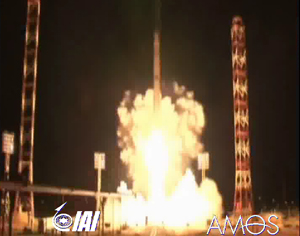
Amos 4 lifts off from a launch pad at the Baikonur spaceport in Kazakhstan, August 31, 2013. Photo via IAI
Amos 4 lifts off from a launch pad at the Baikonur spaceport in Kazakhstan, August 31, 2013. Photo via IAI
Amos 4 was built for Spacecom, a satellite communications service provider operating internationally from Israel. Amos-4 satellite was launched today (August 31, 2013) on 23:05 on a Zenit 3SLB rocket from Baikonur, Kazakhstan. According to IAI the satellite was successfully separated from the launcher and is transitioning to a geostationary orbit at an altitude of 36,000 kilometers, where it will park at 67.255° East position for in-orbit testing and preparation for deployment in its final position. More information available to members.
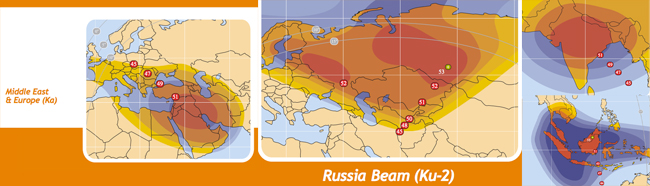
Once positioned at 65°E it will cover Russia, India and the Middle East with multiple Ku and Ka transponders creating a powerful platform, enabling a wide range of cross-band, cross-beam connectivity options. The AMOS satellite constellation currently includes AMOS 2, 3 and 5, providing a large range of fixed and mobile communication services in the Middle East, Central and Eastern Europe, Central Asia and Africa. The first Israeli communications satellite, Amos 1 ended its mission last year (2012) after 16 years in orbit (it was launched in 1996 for a ten-year mission).
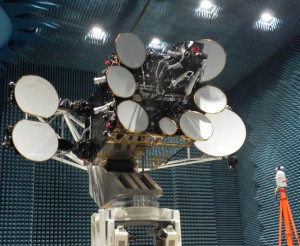
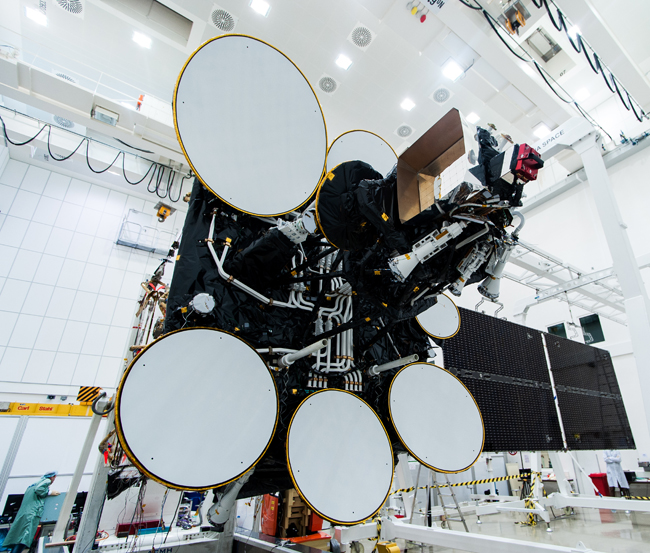
Amos-4 undergoing testing at IAI before its delivery for the Baikonur launch site in Kazakhstan. Photo: IAI
Amos-4 undergoing testing at IAI before its delivery for the Baikonur launch site in Kazakhstan. Photo: IAI[/caption]Based on IAI’s latest Amos 4000 satellite bus, Amos 4 weighs 4.2 tons and packs 24 transponders operating in the Ku and Ka bands, create a powerful platform that enables a wide range of cross-band, cross-beam connectivity options. In addition to fixed antennae the satellite also operates ten steerable antennae enabling ad-hoc coverage supporting specific customers demands in nine regional areas in Asia, Africa, Europe and the Middle east.
”For our customers, this means extensive broadcast and broadband reach into the vast urban and rural areas of these regions.”Spacecom executives commented, explaining that such services could include Direct-To-Home (DTH), video distribution, VSAT communications and broadband Internet. With AMOS-4 the Israeli company strengthen its position as an international satellite communications provider, covering major growth markets including Russia and the Southern Russian Republics, the Indian subcontinent, SouthEast Asia, South Africa and the Middle east. “The new satellite will contribute to our rapid growth to new continents and growth markets, transforming our company from an international service provider into an international SATCOM supplier”. The new orbital slot enables Spacecom to expand its service with additional capacity, expanded coverage areas and cross-region connectivity, positioning Spacecom as a ‘multi-regional’ satellite operator.
Amos-4 will offer continuous coverage of central Asia and the Middle east, with optional coverage of India, the South China Sea, mainland China, South Africa, Eastern and Europe.
IAI currently has several satellite programs underway, for communications and surveillance satellites. IAI is working on the next generation satellite for Spacecom – AMOS 6, in parallel to other reconnaissance satellite programs. In addition, the company is also seeking new programs in Latin America.
Winning the Amos 6 program was not an easy task. While selling an Israeli satellite to an Israeli SATCOM company may seem obvious, the customer negotiated a tough bargaining, with IAI facing the world’s largest satellite builders from Europe, Russia and the USA, fighting for the international tender, eventually winning the bid for the $200 million development, manufacturing and operation over its 16 operational lifespan. Amos-6 is scheduled for launch in the first quarter of 2015.
Spacecom will have to allocate an additional amount of $85 million for the satellite launch, insurance and and first year of service, which are not included in the IAI contract. Space Exploration Technologies Falcon 9 rocket by 2015.
The upper antennae and solar panels of Amos 4 undergoing testing at IAI’s integration center in Israel. Photo: IAI
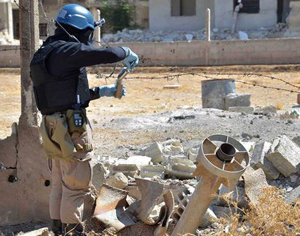
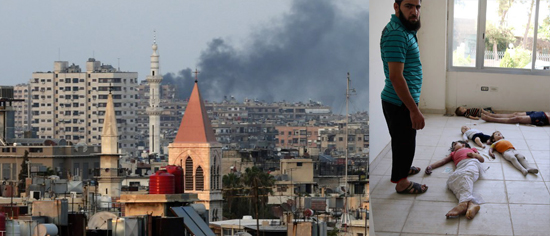
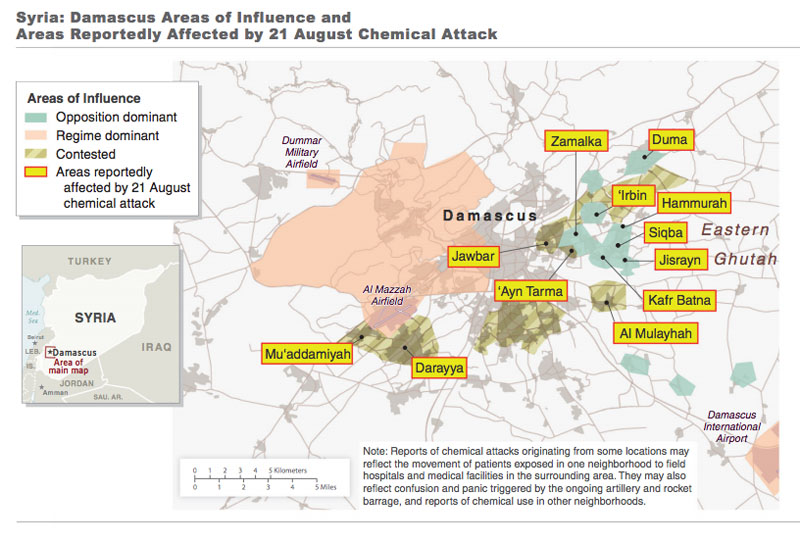
A Western Damascus suburb after attack, August 21. The small image provides a grim illustration of casualties of the chemical attack on the populated urban areas. The attack was allegedly launched by the Syrian artillery corps.
The United States Government announced Friday August 30th that it could say with high confidence that, according to intelligence information it can assess, the Syrian government carried out a chemical weapons attack in the Damascus suburbs on August 21, 2013. “We further assess that the regime used a nerve agent in the attack.” According o U.S. government officials, the assessment provides enough evidence to justify a forceful response by the U.S., deterring Syria and other countries from using unconventional weapons in the future.
According to documents published by the White House, the assessment is based on all-source assessments based on human, signals, and geospatial intelligence as well as a significant body of open source reporting.”Our classified assessments have been shared with the U.S. Congress and key international partners. To protect sources and methods, we cannot publicly release all available intelligence – but what follows is an unclassified summary of the U.S. Intelligence Community’s analysis of what took place.” The White House report said.
Summary:
According to the preliminary U.S. government assessment 1,429 people were killed in the chemical weapons attack that occurred on August 21, 2013 in the vicinity od Damascus, Syria. Casualties included at least 426 children.
“We assess with high confidence that the Syrian government carried out the chemical weapons attack against opposition elements in the Damascus suburbs on August 21.” Ther report said, “We assess that the scenario in which the opposition executed the attack on August 21 is highly unlikely. The body of information used to make this assessment includes intelligence pertaining to the regime’s preparations for this attack and its means of delivery, multiple streams of intelligence about the attack itself and its effect, our post-attack observations, and the differences between the capabilities of the regime and the opposition. Our high confidence assessment is the strongest position that the U.S. Intelligence Community can take short of confirmation. We will continue to seek additional information to close gaps in our understanding of what took place.”
In addition to U.S. intelligence information, there are accounts from international and Syrian medical personnel; videos; witness accounts; thousands of social media reports from at least 12 different locations in the Damascus area; journalist accounts; and reports from highly credible nongovernmental organizations.
The Syrian regime has initiated an effort to rid the Damascus suburbs of opposition forces using the area as a base to stage attacks against regime targets in the capital. The regime has failed to clear dozens of Damascus neighborhoods of opposition elements. Despite employing nearly all of its conventional weapons systems the regime failed to clear hose neighborhoods of the opposition. “We assess that the regime’s frustration with its inability to secure large portions of Damascus may have contributed to its decision to use chemical weapons on August 21.” The report said.
“We assess that the Syrian regime has used chemical weapons over the last year primarily to gain the upper hand or break a stalemate in areas where it has struggled to seize and hold strategically valuable territory.” The report determined, “In this regard, we continue to judge that the Syrian regime views chemical weapons as one of many tools in its arsenal, including air power and ballistic missiles, which they indiscriminately use against the opposition.” The White House report concludes.
Syrian Chemical Attack Capabilities:
The Syrian regime maintains a stockpile of numerous chemical agents, including mustard, sarin, and VX and has thousands of munitions that can be used to deliver chemical warfare agents.
Syrian President Bashar al-Asad is the ultimate decision maker for the chemical weapons program and members of the program are carefully vetted to ensure security and loyalty. The Syrian Scientific Studies and Research Center (SSRC) – which is subordinate to the Syrian Ministry of Defense – manages Syria’s chemical weapons program.
We assess with high confidence that the Syrian regime has used chemical weapons on a small scale against the opposition multiple times in the last year, including in the Damascus suburbs. This assessment is based on multiple streams of information including reporting of Syrian officials planning and executing chemical weapons attacks and laboratory analysis of physiological samples obtained from a number of individuals, which revealed exposure to sarin. We assess that the opposition has not used chemical weapons.
The detection of rocket launches from regime controlled territory early in the morning, approximately 90 minutes before the first report of a chemical attack appeared in social media.
The Syrian regime has the types of munitions that we assess were used to carry out the attack on August 21, and has the ability to strike simultaneously in multiple locations. We have seen no indication that the opposition has carried out a large-scale, coordinated rocket and artillery attack like the one that occurred on August 21.
Preparation:
We have intelligence that leads us to assess that Syrian chemical weapons personnel – including personnel assessed to be associated with the SSRC – were preparing chemical munitions prior to the attack. In the three days prior to the attack, we collected streams of human, signals and geospatial intelligence that reveal regime activities that we assess were associated with preparations for a chemical weapons attack.
Syrian chemical weapons personnel were operating in the Damascus suburb of ‘Adra from Sunday, August 18 until early in the morning on Wednesday, August 21 near an area that the regime uses to mix chemical weapons, including sarin. On August 21, a Syrian regime element prepared for a chemical weapons attack in the Damascus area, including through the utilization of gas masks. Our intelligence sources in the Damascus area did not detect any indications in the days prior to the attack that opposition affiliates were planning to use chemical weapons.
The Attack:
Multiple streams of intelligence indicate that the regime executed a rocket and artillery attack against the Damascus suburbs in the early hours of August 21. Satellite detections corroborate that attacks from a regime-controlled area struck neighborhoods where the chemical attacks reportedly occurred – including Kafr Batna, Jawbar, ‘Ayn Tarma, Darayya, and Mu’addamiyah. This includes the detection of rocket launches from regime controlled territory early in the morning, approximately 90 minutes before the first report of a chemical attack appeared in social media. The lack of flight activity or missile launches also leads us to conclude that the regime used rockets in the attack.
Local social media reports of a chemical attack in the Damascus suburbs began at 2:30 a.m. local time on August 21. Within the next four hours there were thousands of social media reports on this attack from at least 12 different locations in the Damascus area. Multiple accounts described chemical-filled rockets impacting opposition-controlled areas.
We intercepted communications involving a senior official intimately familiar with the offensive who confirmed that chemical weapons were used by the regime on August 21 and was concerned with the U.N. inspectors obtaining evidence.
Three hospitals in the Damascus area received approximately 3,600 patients displaying symptoms consistent with nerve agent exposure in less than three hours on the morning of August 21, according to a highly credible international humanitarian organization. The reported symptoms, and the epidemiological pattern of events – characterized by the massive influx of patients in a short period of time, the origin of the patients, and the contamination of medical and first aid workers – were consistent with mass exposure to a nerve agent. We also received reports from international and Syrian medical personnel on the ground.
We have identified one hundred videos attributed to the attack, many of which show large numbers of bodies exhibiting physical signs consistent with, but not unique to, nerve agent exposure. The reported symptoms of victims included unconsciousness, foaming from the nose and mouth, constricted pupils, rapid heartbeat, and difficulty breathing. Several of the videos show what appear to be numerous fatalities with no visible injuries, which is consistent with death from chemical weapons, and inconsistent with death from small-arms, high-explosive munitions or blister agents. At least 12 locations are portrayed in the publicly available videos, and a sampling of those videos confirmed that some were shot at the general times and locations described in the footage.
We assess the Syrian opposition does not have the capability to fabricate all of the videos, physical symptoms verified by medical personnel and NGOs, and other information associated with this chemical attack.
We have a body of information, including past Syrian practice, that leads us to conclude that regime officials were witting of and directed the attack on August 21. We intercepted communications involving a senior official intimately familiar with the offensive who confirmed that chemical weapons were used by the regime on August 21 and was concerned with the U.N. inspectors obtaining evidence. On the afternoon of August 21, we have intelligence that Syrian chemical weapons personnel were directed to cease operations. At the same time, the regime intensified the artillery barrage targeting many of the neighborhoods where chemical attacks occurred. In the 24 hour period after the attack, we detected indications of artillery and rocket fire at a rate approximately four times higher than the ten preceding days. We continued to see indications of sustained shelling in the neighborhoods up until the morning of August 26.
To conclude, there is a substantial body of information that implicates the Syrian government’s responsibility in the chemical weapons attack that took place on August 21. As indicated, there is additional intelligence that remains classified because of sources and methods concerns that is being provided to Congress and international partners.
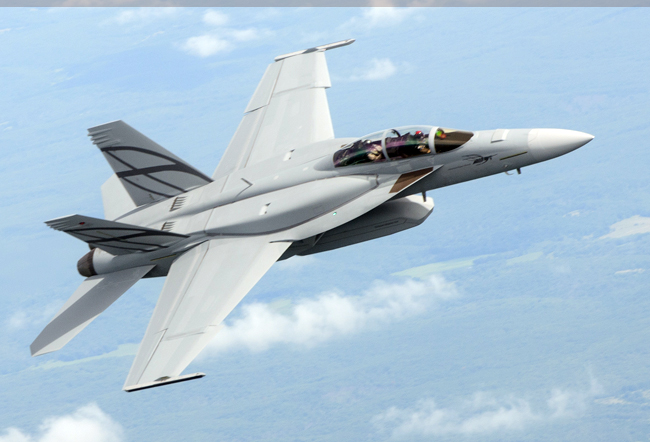
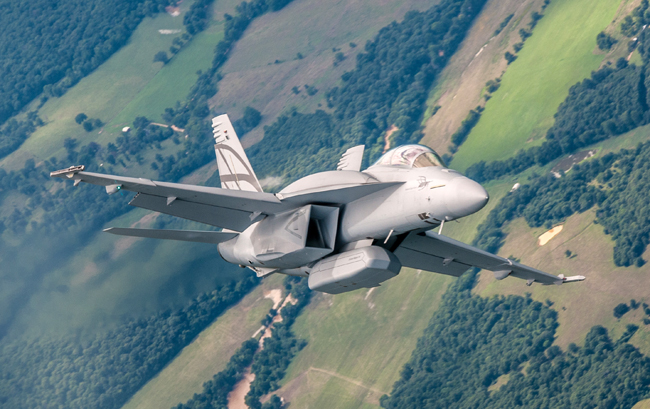
Advanced Super Hornet shown during the recent test flights, note the conformal fuel tanks over the wings and Enhanced Weapons Pod adding stealthy weapon carriage capability to the aircraft. Photo: Boeing
The Boeing Company and its F/A-18E/F program partner Northrop Grumman have recently completed the first series of flight-testing an advanced version of the Super Hornet multirole strike fighter. According to Boeing, the tests demonstrated that the fighter could outperform threats for decades to come, with improvements that make the jet much harder for radar to detect and give it significantly more combat range. The first of 21 flight tests began August 5th. The tests were conducted at St Louis and Patuxent River, over a period of 3 weeks. On these flights the team tested the aircraft with non-functional Conformal Fuel tanks (CFT) and an Enclosed Weapons Pod (EWP) models, and signature enhancements, enabling the validation of radar cross-section reduction and comparing the drag count to wind tunnel and simulation models. After validation, functional CFT/EWPs will be able to retrofit on existing Super Hornet Block II aircraft or included on new jets. These flight tests will provide the F/A-18 industry team with valuable data on flying qualities, drag and signature levels.
The tests also showed that the CFTs increase the jet’s combat radius by up to 130 nautical miles, for a total combat radius of more than 700 nautical miles. “Even though we added components to the aircraft, their stealthy, low-drag design will enhance the combat capability and survivability of the Super Hornet on an aircraft that has a combat-proven history launching and recovering from aircraft carriers,” said Mike Wallace, the Boeing F/A-18 test pilot who flew the Advanced Super Hornet configuration. One of the major contributors to the fighter’s new stealth features is the EWP. Combining all stealth features, these signature enhancements result in a 50 percent reduction compared with the U.S. Navy’s stealth requirement for the current Super Hornet variant. “The improvements will ensure that the Advanced Super Hornet outpaces enemy aircraft and defenses through 2030 and beyond, especially when that enemy tries to deny access to a specific area, such as skies over international waters near its assets.” Boeing official commented.
One EWP pod is able to carry both six small diameter bombs and two advanced medium-range air-to-air missiles (AMRAAMs)
The enclosed weapons pod is designed to allow the Super Hornet to reduce its RCS while carrying a meaningful munitions load. One pod is able to carry both six small diameter bombs and two advanced medium-range air-to-air missiles (AMRAAMs); or two 500 lb Paveways laser guided bombs and two AMRAAMs; or an equivalent load up to 2,600 lb (1,179 kg).
By replacing underwing drop tanks with low profile, conformal containers, the CFT add to the fighters’ mission endurance by adding fuel, reducing drag and eliminating the undwering drop tanks that further improve the aircraft low-observability. Employing rapid prototyping processes, Northrop Grumman completed the design and assembly of the conformal tanks in less than 10 months. Both the F/A-18 and its electronic attack variant, the EA-18G, will benefit from these conformal fuel tanks. The tanks, which are added to the upper fuselage of the aircraft, accommodate up to 3,500 pounds of additional fuel.
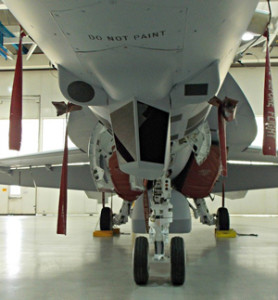
Among the optional package offered for the Advanced Super Hornet are a full spherical missile warning capability, an advanced cockpit employing large area displays and internal Infrared Search-Track (IRST) system shown in the photo above. (Photo: Dave Majumdar, Flight Global)
For a typical strike mission, a Super Hornet or Growler with CFT can increase its unrefueled strike radius by 118 to 134 nautical miles, or increase its station time by more than 30 minutes. For the EA-18G aircraft, the tanks also provide enhanced capabilities when operating from an aircraft carrier by reducing overall weight. By removing the underwing drop tanks the CFT also improves the F/A-18G Growler efficiency by allowing electronic jammers a greater field of operations.
CFT and EWP are two elements on a list of optional improvements that form the ASH upgrade package proposed by Boeing, sustaining the Super Hornet through the 2030s. The list also includes enhanced performance versions of the General Electric F414-440 engines that boost the thrust by 20 percent, introduction of full spherical missile warning capability, an advanced cockpit employing large area displays and internal Infrared Search-Track (IRST) system.
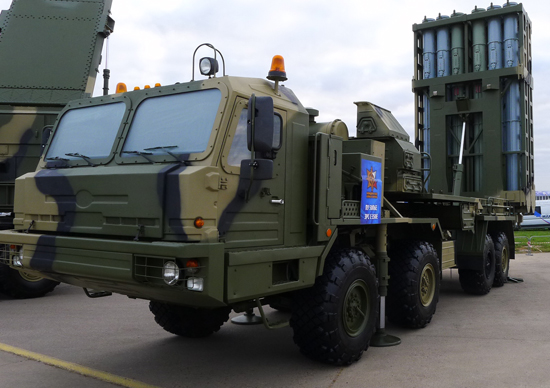
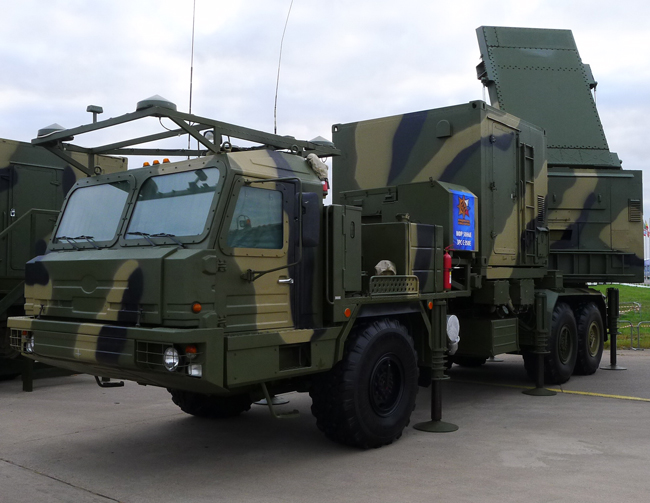
The S-350E Vityaz launcher carries 12 missiles in vertical-launch pods. These launchers can carry a variant of the 9M96 active radar homing missile, as well as shorter range missile is likely to be a variant of the 9M100 enabling the system to effectively engage air-breathing or ballistic missile targets at ranges of 30-120 kilometers. Photo: Bill Sweetman, Aviation Week
The Russian company Almaz Antey introduced today the newest air defense system from Russia, the S-350E . The new system was displayed today for the first time in public at the MAKS 2013 airshow. The photos on this page were posted by Bill Sweetman of Aviation Week. “S-350 Vityaz is a highly mobile system, smaller than the S-400, but using that system’s 9M96E2 missile” sweetman posted in the Ares blog. The system is carried in three modules – the 50K6E command post, the 50N6E radar (photo below) and the 12-round 50P6E launcher (shown above). A single command post can control two radars and up to eight launchers, and engage up to 16 aircraft or 12 missiles at a time.
The Vityaz (50R6)system developed by Almaz-Antey is expected to replace the earliest variants of the S-300 family, namely S-300PS and PMU PS-1A to be phased out of service by 2015. Early deployment of Vityraz systems could begin next year, if testing proceeds as planned. The S-350 was unveiled in June 2013 at the company’s Obukhov State Plant in St. Petersburg and. According to Almaz Antey president, Vladislav Menshikov, the new system is expected to be ready for testing in the fall of 2013.
The system boasts advanced all-aspect phased array radar, a new mobile command post and a launcher carrying 12 vertical-launch missiles, which will use a variant of the 9M96 active radar homing missile. Similar missiles are used by the S-400, the newer generation of the S-300, which is currently being deployed in Russia and offered for export.
A unique feature introduced with Vityaz launchers is the capability fire short-range missiles, in addition to the medium-long range capability of the 9M96. The shorter range missile is likely to be a variant of the 9M100. According to some analysts, the range of the new system will likely be 30-120km. According to these analysts, the system would evolve to offer air defense with some limited tactical anti-missile capabilities. Moscow aims to create a multi-layered grid to cover Russia’s airspace, defending against threats ranging from drones, to conventional manned aircraft, to cruise and ballistic missiles. Such system could employ S-500, S-400, S-300E, as well as the shorter-range Pantsir systems.
The S-350E is based partially on the design of the South Korean KM-SAM Chun Koong system which Almaz-Antey helped designed. The Russian company developed three radar units for the KM-SAM, and is also believed to have helped the Korean missile manufacturer design the MK-SAM effectors. The Russian military closely followed the Korean development and in 2007 decided to back the development of a Russian derivative that eventually evolved into the Vityraz system.
The Russian MOD plans to buy at least 30 Vityaz systems before 2020, following the completion of the developmental testing.
The mobile 50N6E radar is part of the S-350E Vityaz air defense system. The S-350E is based partially on the design of the South Korean KM-SAM Chun Koong. Photo: Bill Sweetman, Aviation Week
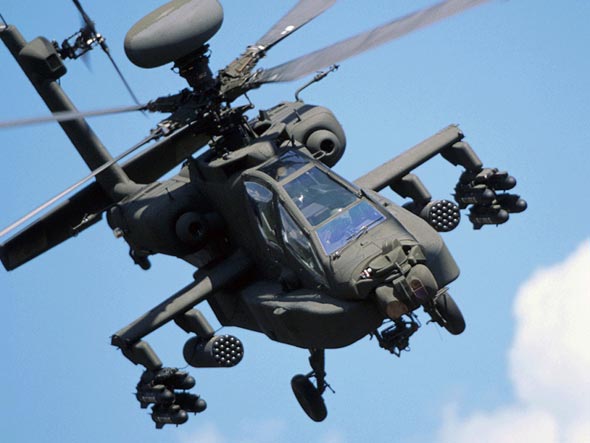
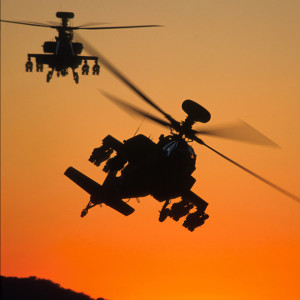
Indonesia will receive eight Apache AH-64E for $500 million arms package to be signed with the USA
Indonesia will receive eight Apache AH-64E for $500 million arms package to be signed with the USA
Indonesia will buy eight Boeing AH-64E (Apache Block III) attack helicopters worth $500 million. The deal was announced by defense Secretary Chuck Hagel on his visit to Jakarta. yesterday. Hagel is travelling on a multinational visit to SouthEast Asia. “Providing Indonesia these world-class helicopters is an example of our commitment to help build Indonesia’s military capability,” Hagel said.
In addition to the helicopters, the U.S. military will train Indonesian pilots and help in developing tactics, techniques and procedures for operating in the Southeast Asian security environment, a senior defense official said. The new capability “will help Indonesia respond to a range of contingencies, including counter piracy operations and maritime awareness,” he added. “The United States is committed to working with Southeast Asian nations to grow defense capabilities and deepen military-to-military cooperation with all of our partners,” the official said. Hagel’s visit is one step in the development of long-term and enduring solutions to challenges like maritime security, humanitarian assistance, disaster relief, counterterrorism, and the peaceful management of disputes in the South China Sea calls for greater cooperation and respect for rules and norms among all parties and the institutions that underpin them, the secretary noted.
“I am also pleased to be able to announce that the U.S. and Indonesia have pledged mutual support and cooperation on the search and recovery of U.S. personnel missing from World War II,” Hagel said. The United States believes that about 1,800 U.S. personnel are still missing in action from World War II in the waters and lands of Indonesia, a senior defense official said, adding that while not all are recoverable, current research indicates that hundreds ultimately may be found and brought home. “The United States commitment to this effort is important to our personnel serving today,” Hagel said, “to make clear that we stand by our pledge to leave no one behind.” Several Indonesian ministries have oversight of such requests, including defense, education and culture, and research and technology. All have agreed to process future requests from the Joint POW/MIA Accounting Command, a joint task force within the Defense Department whose mission is to account for Americans listed as prisoners of war, or missing in action, from all past wars and conflicts.
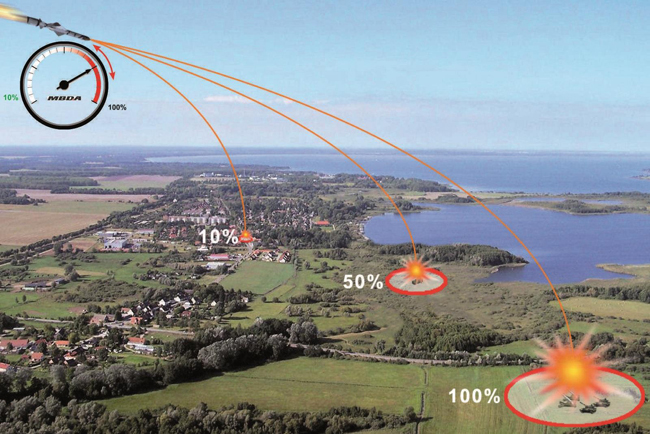
Engineers at TDW GmbH have developed a new effector technology with which armed forces can achieve scalable target-adapted effectiveness. The new capability was recently demonstrated on the grounds of Bundeswehr Technical Centre 91 (WTD 91) in Meppen, using 100 kg of explosive packed into a Mk82 shell configured with the newly developed scalable warhead. The effect of the tested warhead was comparable to the effect of 10 kg of high explosive. The purpose of the test was to evaluate how the effective reduce of the scalable weapon could be reduced, without changing the explosive weight or weapon casing. Such a capability would be useful when engaging targets over a wide target set, while, at the same time, minimising the damage to nearby buildings and vehicles.
The scalable effect is based on detonating pre-selectable proportion of the explosive contained inside the weapon, an amount sufficient to meet the effect requirement. The remainder is prevented from detonating, and is modified through the explosion to ensure that no hazardous residual explosive remains after the bomb explodes.
“We’ve been working for some years on technological approaches to solving this problem. We’ve now demonstrated that this technology actually works. This success is another step forward in the flexibility of advanced future effectors,” says Helmut Hederer, Managing Director of TDW GmbH. The subsidiary of MBDA Deutschland is the first company to successfully demonstrate this technology in a series of tests.
Missions in asymmetrical scenarios call for high precision and a warhead with an effectiveness accurately adapted to the type of target. With present-day effector systems, this is possible either by carrying different loads of weapons, or carrying weapons with reduced effects.
An answer to this challenge is available in the form of effector systems that are capable of “scalable” effectiveness. Scalable means that the type and magnitude of the intended effect would be adjustable by the pilot or weapon systems operator in the cockpit prior to the weapon’s release. The advantages of so called “dial-a-yield” capability would greatly improve the operational flexibility of airpower while reducing the risk of collateral damage or risk to nearby friendly forces.
The test provided a proof of concept for the proving the maturity of the scalable warhead concept and its integration into existing effector systems (bomb casing). According to TDW, this warhead technology could enhance existing weapons such as precision guided bombs or missiles, employed with aerial and naval weapon systems. As MBDA’s warhead specialist, TDW has developed and manufactured warheads for several air-to-ground missiles, including the Mephisto, used with the Taurus KEPD 350 cruise missile. Other TDW warheads were also integrated in the Norwegian NSM and ALARM missiles. Other advanced developments included intelligent explosive charges with directional effect, insensitive munitions (IM) and advanced fusing systems.
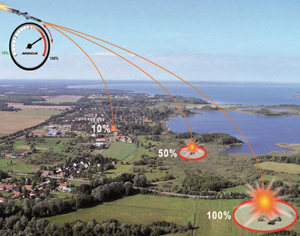
Scalable means that the type and magnitude of the intended effectiveness in the area of operations is adjustable. In the case of an air-to-ground mission, for example, the desired degree of effectiveness in the target area can be selected by the pilot from the cockpit. Illustration: MBDA
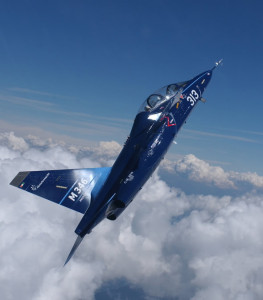
The prototype of Alenia Aermacchi M346 trainer that participated in the Dubai airshow crashed on its return flight to Italy on November 2011. A second prototype crashed on a test flight in May 2013. Photo: Alenia Aermacchi
Alenia Aermacchi has restarted flight tests of the M346 military jet trainer following the grounding of the aircraft after an accident in May. The company resumed flights on Aug. 22 following the publication of the technical investigation into the accident, which the company says has allowed it to “successfully identify the accident’s causes.” Aviation Week reports.
The company says the report — which has not been made public — has been “shared with air force customers,” and that required modifications have been approved by the Italian defense aviation authority, the Direzione Armamenti Aeronautici (DAA). Only a handful of M346s are in service, with deliveries made to the Italy and Singapore air forces. Delivery of the first M-346 to Israel is expected in mid-2014.
Officials said the aircraft suffered a “technical problem” about 20 min. after takeoff from Turin-Caselle airport. The May 11 accident was the second loss of an M346 prototype. The first prototype aircraft, also owned by the company, crashed in Dubai in November 2011 after departing the air show there. Company officials have not discussed the cause of that crash, but they say the issue is peculiar to the prototype and will not be a problem on production aircraft.
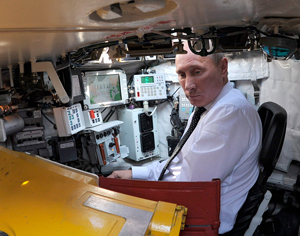
The Russian president Vladimir Putin at the controls of a T-90 tank, during RAE 2011. This year Putin could be testing the Armata at RAE 2013.
The Russian President Vladimir Putin at the controls of a T-90 tank, during RAE 2011. This year Putin could be testing the Armata at RAE 2013.
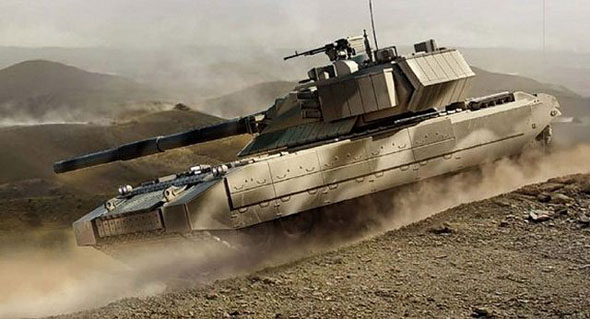
The hottest buzz among visitors planning to attend the Russian Arms Expo at Nizhny Tagil this year will be the the future military modernization of the Russian land forces, and the introduction of next generation of platforms expected by 2015. Expectations are for the debut of the new main battle tank – Armata, a new tracked vehicle and new family of wheeled vehicles (Update: eventually, the new tank was unveiled quietly to Top VIP, inside the ‘presentation pavilion’ reserved for the Terminator-2 BMPT72. This pavilion was oversized for that type of vehicle, and was opened to the press only on the first day of the event. The new tank was hidden from the public eye and is likely to remain secret util it’s planned fielding in 2015). Also likely to be displayed are new unmanned ground vehicles and drones.
Defense analyst Christopher Foss
RAE at Niznhy Tagil will be an important opportunity for the Russian military industry to display and demonstrate the entire range of their military vehicles, not only those few they were showing at exhibitions overseas, like those in France, Dubai or South Africa. “Customers and defense analysts are expecting to see whether the Russians have progressed (or not) in their military modernization. In these kind of events new deals may be announced, but you don’t expect deals to be signed.” defense analyst and armor expert Christopher Foss said. Foss will take part in a panel on land warfare coinciding with the RAE at Nizhny Tagil.
Unlike Paris, London or Dubai, Niznhy Tagil is remotely located, thus challenging the organizers to provide transportation and accommodations for delegates and exhibitors. However, the facilities provided by military proving ground and modern test track would offer a true attraction for professional visitors. “It took years for DSEI, Eurosatory or IDEF to find the right mix, location and formula for success, I hope that RAE will also find the right combination for success.” Foss commented.
An artist concept view of Armata – the new Russian tank. The real tank is likely to be unveiled at RAE.
Traditionally the Soviet armored vehicle industry was fragmented, inefficient and redundant. The post Soviet era took this industry through a realization process, with Russian and Ukraine manufacturers offering similar products (T-72, T-80 tanks) and armored personnel carriers. Foss expects the exhibition to provide a showcase highlighting the reorganization in the Russian arms industry and the armed forces. “This consolidation is going on for years. In the past, after the collapse of the Soviet Union, the most advanced products were directed to export, and only few delivered to the Russian military. But in recent years it seems that more sophisticated and advanced systems are developed for and produced by the Russian military.” Foss noted, “The Russian government is spending money on tanks, artillery and armored personnel carriers, something they didn’t do for years.
This is good news for the local industry, as it means more predictable, sustainable funding for R&D and manufacturing, enable the industries to retain important skills that have been lost in the lean years of the past.” All main manufacturers of land combat vehicles will be present at the event and demonstrate combat vehicles on site. These include the tank manufacturer Uralvagonzavod (manufacturing the T-90, BMPT and Armata), tracked vehicle manufacturer Kurganmashzavod (producing the BMP-3 and future Kurganets-25 Armored Infantry Fighting Vehicles), VPK wheeled armored vehicles builder (the manufacturer of BTR-80 and new Boomerang family) and military trucks manufacturer GAZ of Nizhny Novgorod.
Nevertheless, the Russians are not playing alone in this field; they are facing tough competition from China, once Moscow’s biggest customers is also their biggest competitor. South Korea and, to some extent – Ukraine and Singapore are also growing strong in the Russian target markets. All are currently offering a full range of military vehicles, tanks, armored vehicles and artillery.
Cooperation with foreign companies is also an interesting affair. Despite the growth potential in the Russian market, some countries like the US or UK are not likely to sell anything to the Russians, nevertheless, Washington has been a loyal customer of Russian arms, both for evaluation purposes and for its proxies – Afghanistan and Iraq are only part of these.
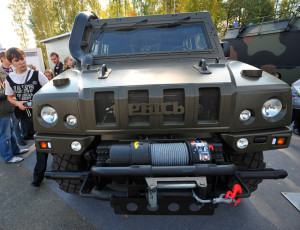
Iveco has delivered 400 LMV vehicles to the Russian forces.
France and Italy have been doing business with Moscow for some time, and are expected to continue, as long as their national interests are maintained. Thales of France has been providing the Russians with navigation and weapon delivery systems, while Iveco has supplied about 400 light armored vehicles (LMV) to equip the Russian Army. Other Italian vehicles tested by the Russians included Centauro and Freccia armoured vehicles. Following the supply of two Mistral Class flat deck helicopter carriers France is likely to become an attractive contractor of Russian suppliers, delivering systems under industrial participation agreements. Among the French companies exhibiting at the RAE are the French companies Renault, GIAT and Thales.Israel has also developed mixed relations with Moscow, Overall, certain defense exports are approved by the Israel MOD, particularly for homeland security applications. Yet most of the Israeli attention was directed at upgrading ex-Soviet equipment in former Russian republics – Azerbaijan, Uzbekistan and Turkmenistan and Georgia.
Overall, artillery modernization programs represent major opportunities for military modernization in these countries. IMI has also developed a line of Russian-compatible ammunition, including 125mm tank rounds and 122mm rockets. IAI has also been offering a guidance kit for 122mm artillery rockets. Israeli companies have also upgraded different types of combat vehicles, offering thermal sights and remotely controlled weapon systems. IAI also sold Searcher II and Birdeye 400 different Unmanned Aerial Systems (UAS) to the Russians while Aeronautics sold their Aerostars to Azerbaijan, while Elbit Systems delivered its Hermes 450 systems to Georgia. the Israelis were also successful in upgrading attack and assault helicopters.
AUS&R 2013 – The Unmanned Systems Live Demonstration – Israel – 26 November 2013
The Israeli thrust into these markets was not always eyed positively by Moscow, but it seems the situation has been combed down in recent years. Overall, the Russian arms export is aimed at certain sectors of the global market, different from those addressed by Western manufacturers. The slowdown and stagnations that characterize the western and European markets are not really relevant to most of the Russian destinations. In those regions – the Middle East, Central Asia or East Asia, arms races are raging and some of the traditional customers are relying on the Russians to provide all their military needs. However, the landscape of their arms market has changed dramatically in recent years, as they have lost Iraq, Syria and Libya, being some of their biggest customers. The Russians also gained some clients in these years, namely Venezuela, Peru, Malaysia, and Indonesia.
The hottest topic for visitors at RAE will be the the future military modernization of the Russian land forces, and the introduction of next generation of platforms expected by 2015. Unfortunately, unveiling of such platforms has not been confirmed yet. “Expectations are for a new main battle tank, new tracked vehicle and new family of wheeled vehicles, but nothing has been confirmed yet.” Foss noted.
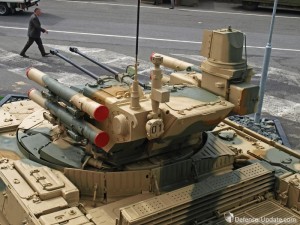
BMP-T was displayed at Eurpsatory 2012. A new version is expected to debut at RAE 2013. Photo: Tamir Eshel, Defense-Update
Originally, the Russians intended to maintain the Armata main battle tank somewhat classified, to be displayed privately to top political officials. However, Defense-Update has learned that the tank is likely to appear in public. Its companion, the Kurganets-25 Armored Infantry Fighting Vehicle (AIFV) has also been kept in the black sofar. The Boomerang, replacing BTR-80/82A type 8×8 APCs is likely to participate here in the live demonstration and static display. VPK has also unveiled a version of their 8×8 vehicle fitted with hybrid-electric powerpack, indicating a possible military application of such technology that has been used in the civil and industrial sector for years. The Boomerang defined as a ‘combat wheeled vehicle’, is designed to provide the basis for a family of vehicles including APCs, infantry fighting vehicles, tanks, or self-propelled guns. “This approach, which has become mandatory in the west, will introduce a common chassis offering great savings in supply chain, training, logistical support and life cycle cost.” Foss explains, “Although it is likely that not all these vehicles will be displayed, their appearance at the show will make an important statement that they have overcome the technical and skill gap that held them back in recent years, and are ready to become a reliable supplier of modern land systems.”
Foss expects that absorbing those new platforms by the Russian military will span over more than a decade and cost huge amounts. “That’s why the Russians need increased exports to offset their R&D and manufacturing costs, streamlining production lines with more efficient volumes.” He added.
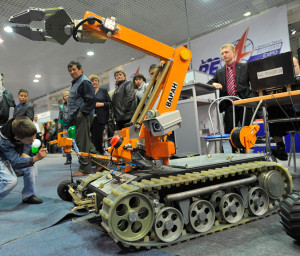
This robotic rover was displayed at RAE 2011 by the Kovrovskogo Electromechanical Plant
Being the latest tank to be introduced into the market in recent years, the Armata is expected to attract much attention and debate. “While the demand for tank is not growing, we are not going to see the tanks disappear in the foreseeable future.” Foss said, “The tank is still the most versatile, survivable and mobile land combat platform, carrying an effective direct fire weapon and useful sensors. Improvements we should see in the future should address better deployability through weight reduction, as the infrastructures in many parts of the world cannot sustain vehicles weighing 60 – 70 tons vehicles.“
Another unique capability introduced by the Russians is the ‘The tank support vehicle’, also known as BMPT or Terminator. “The BMPT is currently undergoing a third round of improvement.” Foss noted, “This combat vehicle that has evolved from the lessons of the Chechnya War has not been successful in export markets, nor was it procured by the Russian military, but it provides a highly desirable asset that every tank troop leader would like to have. The main development expected for this third iteration is likely to be in the weapon system composition.”
In the unmanned systems, not much new applications are expected, but the Russians could be showing new robotic mine clearing system, They are also interested in unmanned turrets, although they did not demonstrate such systems up till now.
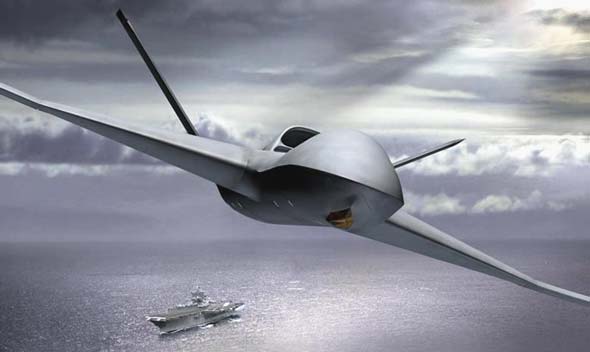
The blended wing configuration proposed by Lockheed Martin Skunk Works for UCLASS highlights advanced stealth, avionics and sensors derived from the F-35 program. Image: Lockheed martin
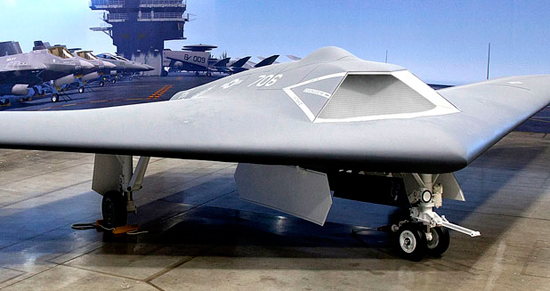
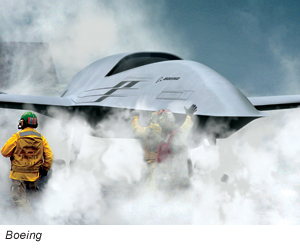
The US Navy has launched a series of preliminary studies expected to lead toward the services’ decision on a future carrier-borne drone currently known as Unmanned Carrier Launched Surveillance and Strike (UCLASS). This drone will be the first unmanned system designed from the ground up to operate from aircraft carriers. Four companies have been awarded $15 million each to conduct a preliminary design review. Follow-on to these studies, a draft Request for Proposal (RFP) is expected to be released by the Navy in September. The formal RFP is expected in 2014. Northrop Grumman, Lockheed Martin, Boeing and General Atomics Aeronautical Systems have awarded funds for the preliminary studies and are expected to compete for the development program. The planned naval drone, likely to be named and designated by year’s end, is expected to be one of the largest unmanned aerial systems programs of the decade.
Boeing Phantom Works has studied a UCLASS design featuring moderate stealth capabilities and long endurance. Image: Boeing
The Navy recently decided to drop some of the more demanding requirements, thus reducing cost and technical risks that could affect the program in the near term. Former chief of naval operations US Navy Adm Gary Roughead recently criticised the programme for reducing the requirements for the combat ISR drone. Roughhead claimed the navy have diluted the aircraft capabilities, particularly in removing its aerial refuelling capability, and sharply reducing its low observables requirements. Furthermore, payload required was substantially reduced, compared to earlier plans. In response to Adm. Roughead’s claims Pentagon sources commented that the Joint RequirementsOversight Council (JROC) had not diluted the requirements. “I believe what happened with UCLASS was a refinement and clarity of that program that affords us what we really have to have at a value that [the Department of Defense]—and specifically the Navy—are willing to invest in to get to that capability level,” Dyke Weatherington, the Pentagon’s director of unmanned warfare and intelligence, surveillance, and reconnaissance (ISR) said. “What resulted were the most critical needs that the Navy had with a plan to grow that ability as much as we could.” Weatherington said, adding DOD “can’t afford to start programs that we can’t finish.” USNI News reported.
“The requirements were shifted for UCLASS by actually increasing them in some areas and decreasing them in others to get a different mix. Everyone seems to be in agreement with the direction the programme is heading, which should put an affordable, capable platform on carrier flight decks that will expand the navy’s ability to project power within the full joint portfolio of unmanned systems.”
According to Navy Rear Admiral Mathias W. Winter, the Naval Air Systems Command program executive officer for unmanned aviation and strike weapons, the selection of the platform is expected in 2015, with the development phase taking about six years to mature into an operational system. The Navy estimates it could spend up to $2.3 billion on UCLASS between 2013 and 2017. While the Navy is expected to select a prime contractor for the air vehicle, the program office will maintain full control of the system acting as Lead System Integrator, managing the command-and-control segment linking the carrier control center and airborne aircraft, as well as the preparation of the carrier to receive and operate those new unmanned systems. The Navy has not decided how many platforms will be bought, such a decision will be taken after the specific platform is selected and the Navy will be able to assess how many aircraft are necessary to maintain the necessary orbits. The Navy is hoping that some of the advanced capabilities would be addressed in those preliminary offers, positioning the bidders in an advantage compared to others.
AUS&R 2013 – The Unmanned Systems Live Demonstration – Israel – 26 November 2013
The key performance parameters (KPPs) of the planned UCLASS called for an unmanned aircraft that had a ordnance payload capability of 1,000 pounds, less than quarter of the 4,500-pound ordinance capacity of the two Northrop Grumman X-47Bs used as part of the service’s Unmanned Combat Air System demonstrator (UCAS-D) program. The unit cost for the aircrafts, less research and development, and operations and maintenance cost (known as recurring flyaway cost), required to conduct a 600 nautical mile persistent orbit shall not exceed $150 million, the UCLASS KPPs indicated.
Part of the challenge of integrating such system will be its integration with an aircraft carrier’s normal deck cycle — the schedule whereby aircraft are launched and are recovered on the ship’s flight deck. That cycle would require flight endurance of 12 hours or more. Sustaining long missions required aerial refueling for the drones as well as supporting other drones with ‘buddy refueling’ capability.
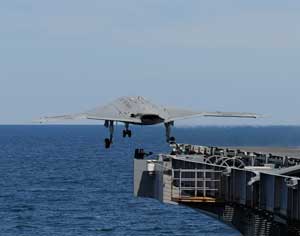
The X-47 UCAS-D currently undergoing carrier suitability flight tests is the only fixed-wing drone designed to operate from aircraft carriers. Following these tests it will also be fitted with aerial refueling capability, preparing for air refuelling evaluations in 2014.
However, the Navy is currently focusing on a platform that will have limited stealth capability, allowing the drone to operate in restrictive environments but not in ‘denied airspace’, as a fully capable stealth aircraft would. It will have a primary Intelligence, Surveillance and Reconnaissance (ISR) role with secondary strike capability, equivalent to that provided by the Air Forces’ Predator platform. The initial configuration will also lack air-refueling capability, which will limit its operational deployment on long endurance missions, as well as reducing the payload weight such an aircraft could carry on a mission. Originally Northrop Grumman said the X-47 would be able to fly missions loaded with 24 small diameter bombs (representing weapons carrying capacity of about three tons). However, the present UCLASS requirements call for a total payload of less than half (1,360kg) of which only 454kg would be cleared for air/ground weapons (representing two 500 pound JDAMs or four SDB)
The relaxed requirements would favor two of the potential bidders, General Atomics and Boeing, that have prepared platforms to address moderate stealth capabilities. Lockheed Martin and Northrop Grumman are pitching full stealth capabilities, and are seemingly sticking to these designs, hopeful to exceed the baseline requirement and meet the objective goal of operations in anti access area denial (A2AD) environment. Originally the UCLASS was considered to be capable of operating under such conditions, carrying much more armament internally, and have an integral aerial refueling, thus providing the Carrier Air Group with transformational strike and ISR capabilities.
According to industry sources the Navy will likely select a cost-plus contract to minimize the amount of risk put on the contractor while developing the system. However, cost-plus would make it more difficult for the Navy to grade bids, and prioritize technological advancement for the threshold requirements and longer term objective.
General Atomics’ proposed UCLASS is the ‘Sea Avenger’, based on the company’s Predator C (Avenger). This platform is designed to perform high-speed, multi-mission persistent ISR and precision, time-sensitive strike missions over land or sea. Image: General Atomics.
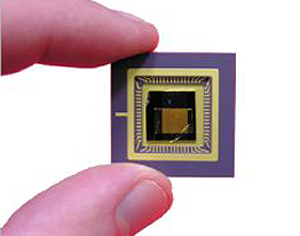
Each sensor chip built with the SiN-VAPOR technology contains over a billion sensors, capable of detecting ten molecules of chemical traces in a billion of other molecules present in the sampled liquid or gas. Photo: NRL
Each sensor chip built with the SiN-VAPOR technology contains over a billion sensors, capable of detecting ten molecules of chemical traces in a billion of other molecules present in the sampled liquid or gas. Photo: NRL
Scientists at the Naval Research Laboratory (NRL) have developed a technology to fabricate a sensor that could detect chemical substances traces in gaseous or liquid form, at unprecedented low concentrations. The new detector employs a new silicon fabrication technique called ‘Silicon Nanowires in a Vertical Array with a Porous Electrode’ (SiN-VAPOR); this technology has demonstrated detection capability on the parts-per-billion (PPB), and even parts-per-trillion level of sensitivity.
Dr. Christopher Field.
Currently, bomb-sniffing dogs and laboratory-grade equipment are the state-of-the-art technology for trace chemical detection. However, both of these options are expensive and require a trained professional to handle them. The challenge of detecting the IEDs is the identification of trace chemicals that are easily masked by abundant compounds like perfumes or diesel exhaust.
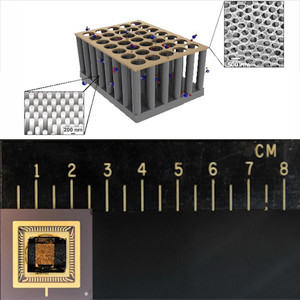
SiN-VAPOR architecture is unique and different from other explosive detection technologies in its three-dimensional architecture, thus maximizing the detectors’ surface area in order to maximize the sensing capabilities within the sensor. The sensors based on SiN-VAPOR is embedded on a silicon chip, forming a small, lightweight and portable device that will be able to integrate in other handheld devices such as wrist watches, smartphones, motion detectors, unattended ground sensors or wearable communications systems. “This sensor can be made for less than a dollar a piece, and uses less than a microwatt of power” Dr. Christopher Field, the NRL scientist leading this research said, adding such devices could be integrated into the warfighters’ and first responders gear, along with communications devices, such sensors could be networked into a persistent, distributed sensor network that could monitor the operating area, airport or protected facilities at all time.
“That means that we have a sensor about the size of a quarter that can detect very low concentrations of analytes in the vapor phase,” explains Field, such a detector would be that able to detect traces of chemical substances down to the tenth PPB. “We’re able to detect from the background, ten molecules of one analyte versus a billion of other molecules that may be in the same environment.”
SiN-VAPOR is unique and different because of its 3D architecture. The 3D architecture allows scientists at the Naval Research Laboratory to maximize the surface area, and therefore maximize the sensing capabilities within the architecture. (Photo: Jamie Hartman, U.S. Naval Research Laboratory)
According to Dr. Field the current sensor contains over a billion nanowires Dr. Field added. “Each wire is a sensor, so we essentially have a billion sensors on the size of a quarter.” Fields explain, adding that the final form factor for the complete sensor will be smaller and likely to be integrated in other handheld or wearable devices. According to Field, the SiN-VAPOR technology could help soldiers, first responders, firefighters, and medical professionals by improving their situational awareness of dangerous chemicals present in their operating area by constantly monitoring the environment, and instantly reporting the presence and concentration of toxic fumes or chemical traces that could indicate the presence of explosives, chemical warfare agents, toxic fumes etc.
Other applications could involve firefighting on ships or nuclear facilities, where robots are ‘recruited’ to fight blazes contained in closed areas. Such robots would first send in ‘micro flyers’ carrying SiN-VAPOR silicon chips, to scan the scene of a fire, locate the heat source, and report if toxic fumes are present. Other applications could assist counter-IED road clearing operations, where robot scouts equipped with SiN-VAPOR based sensors would be used to searching for explosive traces, indicating the possible presence of hidden threats.
ITT Exelis displayed the airborne sense-and-avoid radar it is developing for the U.S. Navy’s MQ-4C Triton at the Unmanned Systems North America conference in Las Vegas. (Photo: Bill Carey, AIN)
ITT Exelis displayed the airborne sense-and-avoid radar it is developing for the U.S. Navy’s MQ-4C Triton at the Unmanned Systems North America conference in Las Vegas. (Photo: Bill Carey, AIN)
The US Navy has halted work on ‘Sense and Avoid’ radar for the RQ-4C Triton remotely piloted aircraft (RPA); “We have made a decision to pause of the development of that capability,” Capt Jim Hoke confirmed, Hoke is the Naval Air Systems Command program manager for the Triton. Hoke was speaking at a press conference at the AUVSI 2013 convention in Washington DC last week. “We are behind schedule (on that system)” Hoke acknowledged, “we made a decision to pause on the development of that capability for right now, it remains a requirement for the Navy, and to our program. We just need to take a hard look at the best path forward, based on where we are in technology perspective. We fully understand and appreciate how important that is especially when you get into areas as PACOM and Sixth Fleet” Hoke added. Commanders of those forces have said a sense and avoid system is critical for their operations.
Without a sense and avoid capability, Remotely Piloted Aircraft face an enormous obstacle. Civil aviation authorities will not allow them to fly in airspace frequented by civilian aircraft until systems are in place. Until that can be addressed, the market for drones will remain strictly limited to segregated military airspace. Hoke noted the Navy has been ‘knocking down barriers’ as it goes forward with Triton airspace integration effort. “We’ve got flight clearance, and we work with the FAA to get ourselves into airspace.” Hoke noted, “We’ve a lot work to do, we are putting the commitment to ensure we have the data to support those discussions.
According to Hoke, regarding the future of the Triton’s Sense and Avoid systems, all options are on the table and potentially the entire effort could recompleted from scratch. Potentially, radar contractor ITT Exelis could lose its place as the sense and avoid system supplier. “Right now I’m waiting for Northrop Grumman to come back to me and brief what are our potential options going forward,” Hoke says.
Lockheed Martin Skunk Works® and XTEND have achieved a major milestone in JADC2 by integrating the XOS operating system with the MDCX™ autonomy platform. This technical breakthrough enables a single operator to simultaneously command multiple drone classes, eliminating the friction of mission handoffs. From "marsupial" drone deployments to operating in GPS-denied environments, explore how this collaboration is abbreviating the data-to-decision timeline and redefining autonomous mission execution.
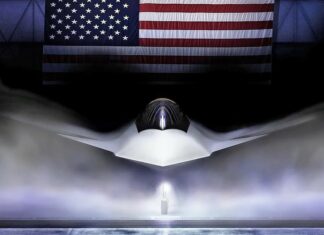
As traditional defense primes face mounting competition from agile “neoprimes” such as Anduril, Palantir and Helsing, the balance of innovation is shifting toward software-defined warfare and scalable, dual-use technologies, while global industry consolidation—marked by Boeing’s integration of Spirit AeroSystems and other strategic mergers—signals an intensified race to secure control over the defense technology value chain. Our Defense-Tech weekly report highlights these trends.
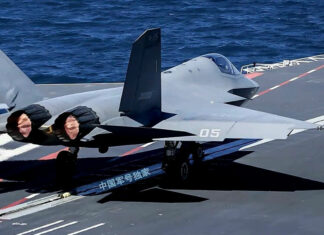
In early October 2025, a coordinated wave of unmanned aerial system (UAS) incursions—widely attributed to Russia—targeted critical infrastructure across at least ten European nations. The unprecedented campaign exposed the fragility of Europe’s air defenses...
Executive Summary
The past week (September 18-25, 2025) represents an inflection point where strategic defense concepts have transitioned from doctrine to tangible reality. An analysis of global events reveals four primary, interconnected trends shaping an...
At the 2025 Air, Space & Cyber Conference, U.S. Air Force and Space Force leaders unveiled major updates on next-generation fighters, bombers, unmanned systems, and space initiatives, highlighting both rapid innovation and critical readiness challenges as the services race to outpace global competitors. A short version is available here, with a more detailed version for subscribers.
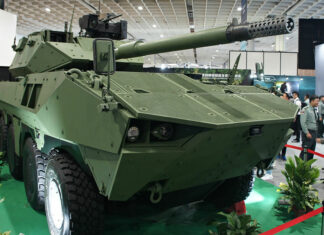
The Taipei Aerospace & Defense Technology Exhibition (TADTE) 2025 crystallized around four dominant strategic themes that collectively illustrate Taiwan's comprehensive approach to defense modernization amid escalating regional tensions. Based on a detailed report by Pleronix (available upon request). Includes a Podcast discussion on TADTE 2025's highlighting Taiwan's four strategic themes beyond the post's coverage.
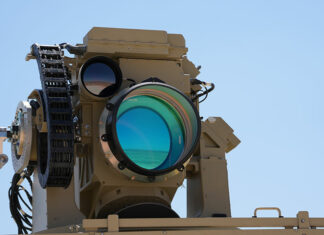
Israel’s Iron Beam 450 high-power laser system has completed final testing, marking a major leap in air defense. Developed by Rafael, it offers precise, cost-effective interception of rockets, UAVs, and mortars, and is set for IDF deployment by 2025.





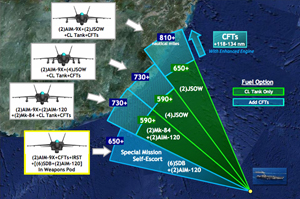 By replacing underwing drop tanks with low profile, conformal containers, the CFT add to the fighters’ mission endurance by adding fuel, reducing drag and eliminating the undwering drop tanks that further improve the aircraft low-observability. Employing rapid prototyping processes, Northrop Grumman completed the design and assembly of the conformal tanks in less than 10 months. Both the F/A-18 and its electronic attack variant, the EA-18G, will benefit from these conformal fuel tanks. The tanks, which are added to the upper fuselage of the aircraft, accommodate up to 3,500 pounds of additional fuel.