Brazil selects MBDA's Sea Ceptor air defense system for its new corvettes
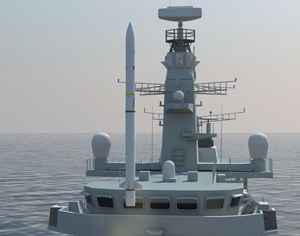
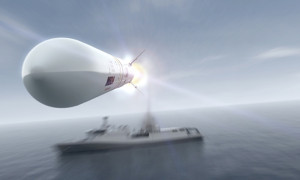
The new Sea Ceptor Mach 3 naval air defense missile will replace the Vertical Launch SeaWolf on Type 23 frigates and extend the vessel’s defense against supersonic attack missiles. Photo: MBDAMBDA received a £250M production contract from the UK Ministry of Defence (MOD) for the delivery of the Sea Ceptor air defence weapon system, that comprises of the Common Anti-air Modular Missile (CAMM) and system equipment. Sea Ceptor will initially equip the Royal Navy’s (RN) Type 23 frigates from 2016 onwards replacing Seawolf and then be integrated into the Type 26 frigates as the primary air defence system. Visit ElbitSystems.com
The deployment of Sea Ceptor was required as a replacement of the Seawolf, as it reaches the end of its service life. CAMM’s active seeker technology, soft vertical launch and compact installation footprint give Sea Ceptor an excellent defensive capability for a worldwide variety of vessels against multiple threats. Sea Ceptor will be installed in the Royal Navy’s Type 26 Global Combat Ship as they replace the Type 23s in the 2020s. With MOD expected to commit to manufacture of the T26 in the middle of this decade, cross-decking this capability will ensure that the T26 enters service with a proven air defence capability.
The contract will directly sustain around 250 highly skilled technology jobs across MBDA and the UK-based supply chain and approximately the same number again indirectly. The production line will be optimised to supply the UK requirements whilst also supporting potential overseas customers who wish to acquire Sea Ceptor. Final assembly of the CAMM missiles will be done at MBDA’s Lostock manufacturing and assembly facility whilst nine UK-based 1st tier subcontractors are distributed across sites in England and Scotland.
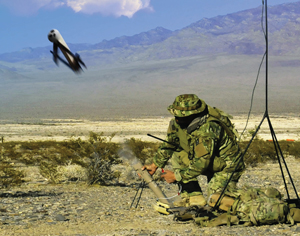
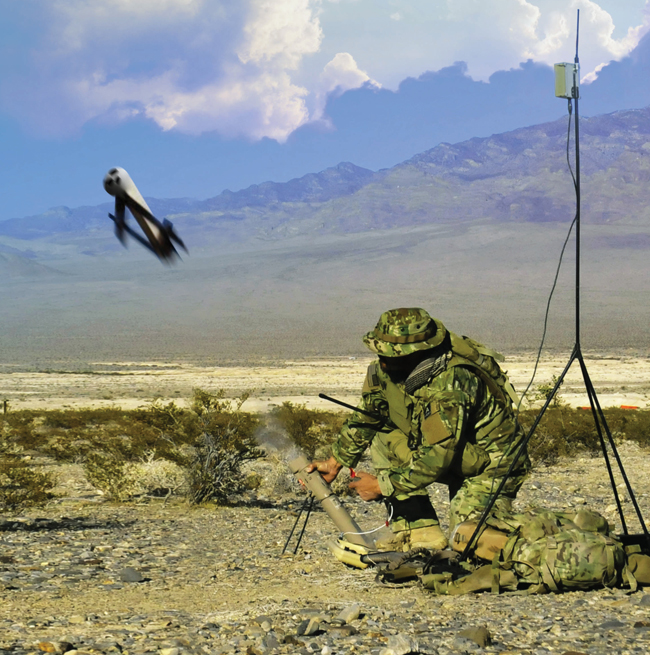
AeroVironment, Inc. today announced it has received orders valued at $36,746,304 under a contract for Switchblade tactical missile systems, ancillary equipment and support. The new orders totaling $36.7 million were issued on August 20, September 4 and September 5, 2013 under a sole source contract established on August 30, 2012. All orders under this contract include operational and training rounds plus training, support and rapid delivery to support ongoing customer operations. AeroVironment and its strategic teammate for advanced warheads, ATK, will work together to produce and deliver the systems. The US Army Close Combat Weapons Systems Program Executive Office Missiles and Space (PEO MS) awarded these contract modifications.
“Even in tight defense budget environments, there is a need for innovative new weapon systems that allow our customers to achieve decisive force while reducing total mission costs,” said Tim Conver, AeroVironment chairman and chief executive officer. “This surge of demand for Switchblade represents a breakthrough in its transition from development, testing and evaluation to adoption.”
Switchblade provides a high-precision, direct fire capability at beyond-line-of-sight ranges in a rapidly deployable, backpackable package weighing six pounds. An August 14, 2013 an article on ArmyTimes described the positive response Switchblade has created in the field: “The main draw, an Army official said, is Switchblade’s precision and its ability to limit non-combatant casualties. Soldiers and leaders have readily embraced it as an invaluable tool, the official said. The ability to wave off a target after launch is unique to this weapon over almost all other weapons. Operators can abort a mission if the situation changes after launch, engage a secondary target or safely destroy it without inflicting casualties or collateral damage to property.”
Aerovironment Switchblade Block 10 launched from a man portable carrying tube. Photo: Aerovironment
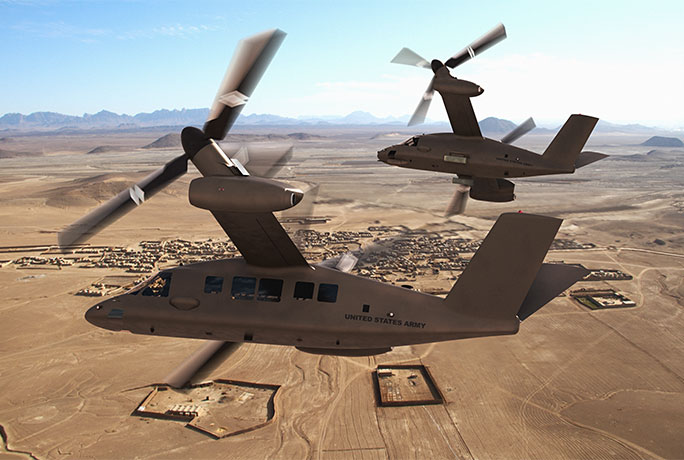
An artist concept of the V280 tilt rotor helicopter landing MEDEVAc mission
V-280 FVL shown in airplane flight mode. Ilustration: Bell
Bell Helicopter, a Textron Inc. company (NYSE: TXT), and Lockheed Martin (NYSE: LMT) will work as a team on the Bell V-280 Valor, making Lockheed Martin the first of Bell Helicopter’s V-280 program tier one team members. Additional team members will be announced in the coming months. The Bell V-280 Valor was recently selected by the U.S. Army to enter into negotiations for the Joint Multi-Role (JMR) Technology Demonstrator (TD) program, with contracts expected to be awarded by September 2013. The transformational features of Bell Helicopter’s third generation tiltrotor capitalize on combat-proven technology.
Visit ElbitSystems.com
“We made the strategic decision to invest in a mission system and provide Bell Helicopter with this leap-ahead combat capability on the V-280 Valor,” said Dale P. Bennett, executive vice president, Lockheed Martin Mission Systems and Training. “The U.S. Government and Lockheed Martin have created affordable yet highly-advanced mission equipment packages for numerous aircraft that can be leveraged to provide an affordable and effective solution for the Future Vertical Lift program. Our efforts will allow the U.S. Army to take advantage of the advanced technology and maturity we’ve achieved in integrated avionics, sensors, and weapons.”
The Valor is designed to deliver the best value in procurement, operations and support, and force structure, through increased maintainability, component reliability and systems designed to reduce operational and support costs. The Valor’s versatile design has the capacity to perform a multitude of missions with unparalleled speed, range and agility, making the aircraft a combat multiplier. The Bell V-280 is the most advanced and operationally effective vertical lift solution, providing the warfighter a decisive advantage.
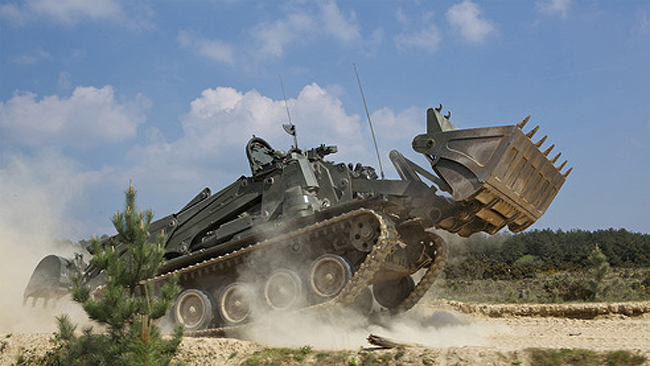
BAE Systems’ Terrier Combat Engineer Vehicle, the latest vehicle to be accepted into service with the British Army, is on display at BAE System’s at DSEI 2013. Terrier has been designed with an integrated electronic architecture which facilitates ‘drive-by-wire’ and remote control making the vehicle highly capable, survivable and adaptable.
David Bond, Managing Director of Combat Vehicles (UK) said: “With Terrier making its first ever appearance at an international defence exhibition, we anticipate plenty of interest from international markets and customers keen to see the benefits of the most up to date technological advancements in armoured vehicle technology as well as confirming our position as the UK’s leading design authority on combat engineer vehicles”
With a flying weight of 32 tonnes, which allows it to be transported in the A400M airlifter, Terrier provides strategic air transportability as well as being extremely mobile on the ground on all terrains, reaching speeds of up to 70 kph and with a road range of 600km.
Likened to a combat ‘Swiss Army Knife’, Terrier is one of the most versatile, agile and adaptable combat vehicles and can carry out multiple roles in the most demanding battlefield conditions. Typical applications include providing mobility support (obstacle and route clearance), counter-mobility (digging of anti-tank ditches and other obstacles) and survivability (digging of trenches and Armoured Fighting Vehicle slots).
Terrier is the first combat vehicle with drive-by-wire technology and “special to role” computers which manage the automotive and combat engineer systems respectively allowing electronic signals sent by the vehicle’s computers to perform functions. Physical connections are maintained between the driver and the essential automotive systems for safety and survivability reasons, but the vehicle is capable of being fully controlled via the commander’s joysticks through the drive-by-wire systems and the front loader and the excavator arm hydraulic systems are fully controlled through the databus.
Moreover, the vehicle can be operated by wireless remote control up to 1km away, using a gaming type controller and remote cameras. The remote control interface would be readily recognised by any computer gamer, making this capability easy for new recruits to learn.
Sixty vehicles are being delivered under the programme which are being built in Newcastle.
The Terrier Combat Engineer Vehicle. Photo: BAE Systems
Launched from a submarine hanger the SUB SEAL can deliver a six-man diver. Photo JDF
A range of Swimmer Delivery Vehicles (SDVs) known as The SEAL Pod was introduced today at DSEI 2013 by James Fisher Defence (JFD), a leading sub-sea rescue, operations and engineering company. The launch of The SEAL Pod is a result of JFD’s partnership with Swedish company DCE AB, a leading consultancy and manufacturer of specialist marine crafts.
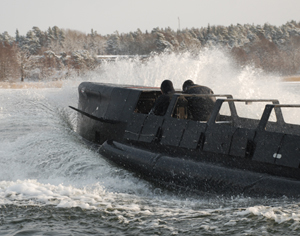
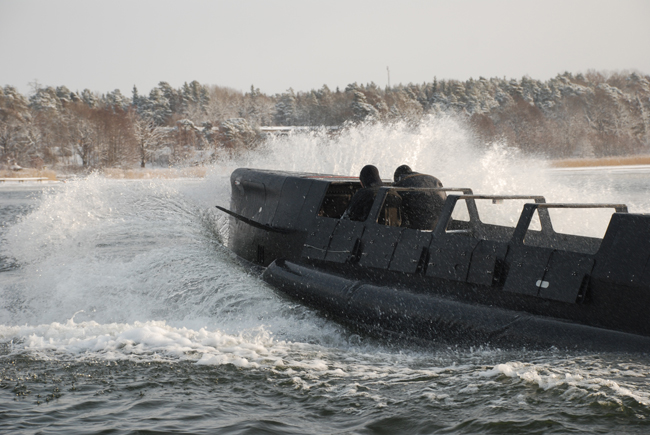
The SEAL Pod vehicles are surface or sub-sea craft, each optimised for a particular deployment method or mission profile and can be provided in a number of configurations including a Sea Carrier, providing high speed surface transit, a submarine-launched Sub-SEAL for underwater delivery from a hanger or Torpedo SEAL, deploying two divers via the submarine torpedo tube.
The launch further strengthens FD’s Special Operations division as well as the breadth of products and solutions the company provides to covert operations markets, including special forces, law enforcement, counter-terrorism, maritime protection and mine countermeasures. “We are now seeing significant growth in navies looking to develop specific maritime skills for special forces, counter-terrorism and other areas of covert operations, which have declined due to the rise of land-based conflicts over the past decade. In conjunction with this, there is now a fundamental requirement for navies to keep their physical assets, including submarines and vessels, as far away from conflict as possible, which is leading to the integration of SDVs onto suitable submarines and other platforms.” said Ben Sharples, Managing Director, James Fisher Defence, “The SEAL Pod enables us to provide customers with a range of SDV solutions that meet their specific operational requirements. There is a myth that developing specialist maritime capabilities for these specific markets requires significant customer investment; the reality is that the focus must be on implementing a solution that fits with a navy’s current infrastructure, which can then be scaled accordingly as they develop their skills sets, and as new products and technologies come on line.”
SEAL Carrier: Launched from a surface ship, SEAL Carrier vehicles transit at speeds greater than 30 kts on the surface before switching to submerged mode for a covert final approach. Surface propulsion is provided by an on-board diesel engine and water-jet. Submerged propulsion is delivered by an electric motor and thruster arrangement. SEAL Carrier vehicles can also be airdropped from fixed-wing aircraft. SEAL Carrier is controlled by two personnel; a Pilot and a Navigator, and can be used for mission profiles including; delivery of a 6-man combat team; host platform for Autonomous Underwater Vehicles; remotely operated weapons platform, harbour patrol vessel, rapid-response anti-piracy craft; and mine countermeasure operations. A smaller version of SEAL Carrier is also available, called Smart Seal. The export of Smart SEAL does not require an export license.
Visit ElbitSystems.com
Sub SEAL: Sub SEAL vehicles are primarily launched from a hangar attached to the casing of a submarine and are operated fully submerged, at depths of up to 30m for the duration of a mission. The vehicles may approach, or break the surface for communication or reconnaissance purposes. Lithium Polymer batteries and a vectored-thruster arrangement provide the power, which enables sprint speeds of greater than seven kts, and a range of over 70 km. Sub SEAL vehicles may also be deployed by surface craft or rotary-wing aircraft. Sub SEAL is controlled by two personnel; a Pilot and a Navigator, and can be used for mission profiles including; delivery of a 6-man combat team; host platform for littoral survey package; electronic warfare of reconnaissance platform; port and estuary security; and mine countermeasure operations.
Torpedo SEAL: Torpedo SEAL transits within a NATO-standard torpedo tube. Once removed from the tube, Torpedo SEAL is fully extended and ready for use. It is then able to transport two divers and equipment, fully submerged, over a range of 7.5 nm. Torpedo SEAL can also be easily stowed within the multi-purpose tubes being integrated into future submarine designs, or beneath the outer casing of the submarine. Torpedo SEAL is controlled by a single pilot and can also accommodate one passenger and equipment. Torpedo SEAL can be used for mission profiles including; extending the operating range of a combat team; underwater survey and reconnaissance; delivery of explosive ordnance; counter narcotics and harbour patrol; and mine countermeasure operations.
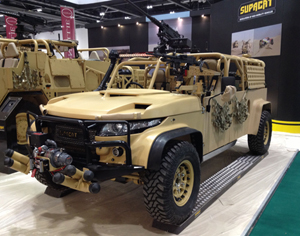
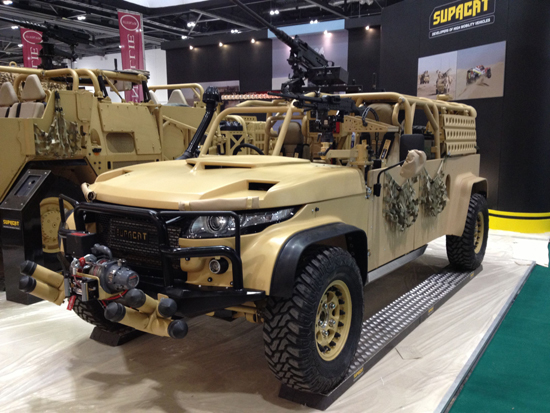
The Supacat LRV 400 unveiled today at DSEI 2013 is a militarized variant of Qt Services’ successful `Wildcat` off-road motorsport vehicle, which has a proven record on the Rally Raid circuit and has earned a reputation for rugged reliability and high speeds over rough terrain.
Supacat is launching the Light Reconnaissance Vehicle 400 (LRV 400) at the DSEi 2013 exhibition opened in London today. The vehicle is designed as a low cost, high performance capability for special forces, border patrol, reconnaissance, rapid intervention and light strike roles. Offering light forces supreme levels of all-terrain mobility, the LRV 400 is able to be tactically loaded within a CH-47 Chinook with its full operational payload on board.
The LRV 400 is a militarized variant of Qt Services’ successful `Wildcat` off-road motorsport vehicle, which has a proven record on the Rally Raid circuit and has earned a reputation for rugged reliability and high speeds over rough terrain.
Using a fresh approach, Supacat have teamed with Qt to modify and integrate the COTS vehicle to military standards, thus providing an affordable capability using proven technology. The LRV 400 fills the gap in Supacat’s product portfolio between the heavier `Jackal` surveillance, reconnaissance and patrol vehicle and the smaller All-Terrain Mobility Platform (ATMP).
“The LRV 400 meets the gap in the military market for a light reconnaissance vehicle with an overall capability as close to that of Jackal as possible, but smaller and at less cost by adopting a COTS approach. We’ve taken motorsports’ best of breed in Qt’s Wildcat and modified it to military specification using Supacat’s proven expertise in developing Jackal,” said Jamie Clarke, Head of Marketing & Communications, Supacat. “Supreme performance and tactical CH-47 internal loading have been key targets on this project. The users will be able to drive in and drive out without the need to offload their payload or to conduct any lengthy preparation for flight. When they get there, they will be afforded the very best terrain access and operational capability. Applying motorsport technology to Defence applications is an exciting approach and one that will deliver unrivalled performance”.
Visit ElbitSystems.com
The LRV 400 has evolved out of customer feedback on a proof-of-concept closed cab demonstrator developed by Supacat and Qt in 2011. Wildcat’s tubular space-frame chassis and state of the art suspension are critical to the LRV’s performance and rugged reliability. The display vehicle at DSEi is shown in a three crew configuration of commander, driver and gunner but the flexibility of the space-frame design allows the LRV 400 to be easily re-configured to meet different operational roles.
With a Gross Vehicle Weight of 3500kg, a width of 1.8m and a height of 1.8m (weapon removed or lowered) the LRV 400 is easily air portable in a CH-47 Chinook helicopter. It boasts a maximum speed of 106 mph (170km/h) and a range of 1000km. Payload is up to 1400 kg, depending on customer specification and configuration. It can be fitted with a range of powertrain options – the display vehicle has a Ford 3.2-litre, 5-cylinder diesel engine developing 236 hp and 550 Nm torque coupled to a Ford-supplied 6-speed automatic gearbox and two-speed transfer box however, other engine and transmission options are available.
Specialist wireless communications company, Wood & Douglas is introducing a new communications kit designed to improve the video and voice control link between operators and military, and search trained working dogs.
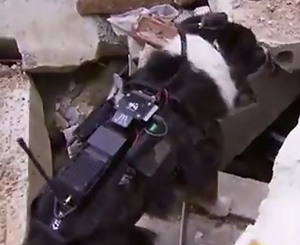
P.A.W.S. Wi-Fi has been developed to provide security forces with a low cost entry system for training purposes and field deployment where search dogs are expected to be in close contact with the handler, such as urban search, drug and explosives detection. With P.A.W.S. Wi-Fi and the handler in close proximity, dogs in training gain rapid confidence when wearing the live video system.
With a head mounted video camera, P.A.W.S. Wi-Fi enables a dog to operate without any discomfort, beaming real-time video to its handler for search & rescue, military operations support, explosives and drugs detection.
Visit ElbitSystems.com
With a camera that supports low light, high resolution and Infra Red ‘day for night’ vision options, the dog mounted video system can be used to search buildings and difficult to traverse terrain; locate and then positively identify suspect packages, devices, or individuals, providing evidence gathering for prosecution or operational assessment.
Once familiarised with the system, canine teams posted on operations rapidly adapt to the full P.A.W.S. system, which offers enhanced link performance in any environment with full CofDM video and a two-way audio link. The CofDM video extends the transmission range for P.A.W.S., even deep into buildings or underground, enabling dogs to range further and still provide live intelligence from areas otherwise inaccessible to the handler. The audio link allows the handler to instruct the dog remotely and communicate with those caught on camera.
Alan Wood, Managing Director, Wood & Douglas, says, “P.A.W.S Wi-Fi introduces greater flexibility into a system that already makes hazardous jobs safer for both the dog and handler. It can help speed up training and enable dogs to quickly acclimatise to using equipment that uniquely enhances intelligence gathering and helps save lives.”
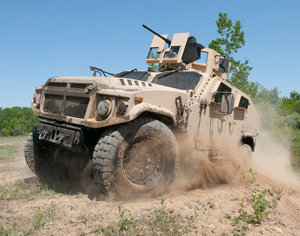
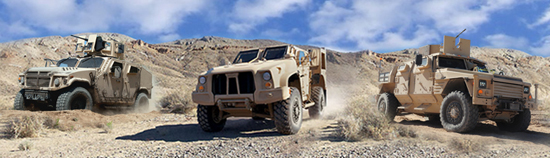
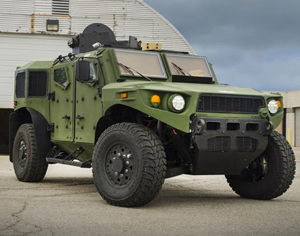
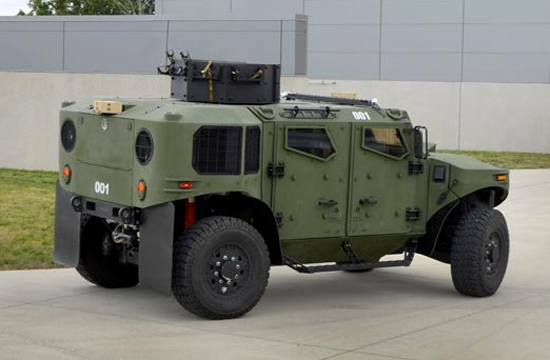
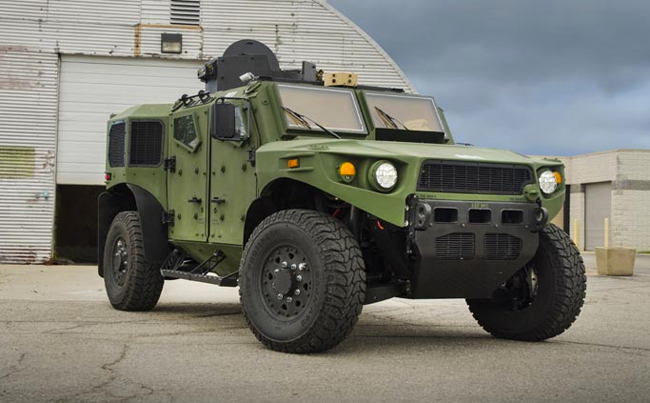
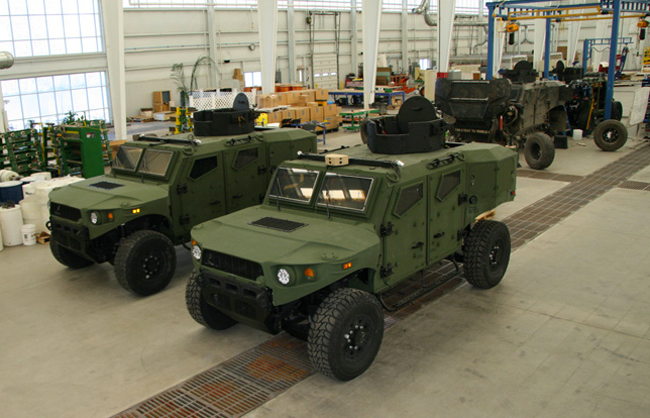
Three prototypes for the Joint Light Tactical Vehicle are undergoing testing. The AM General Prototype is on the left, Oshkosh JLTV in the center, and the Lockheed Martin prototype is on the right.
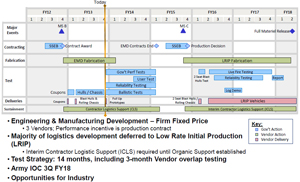
Full-pace, full-scope testing of the Joint Light Tactical Vehicle prototypes began Sept. 3 and will last for 14 months. Each of the three vendors — Oshkosh Defense, Lockheed Martin and AM General — delivered 22 vehicles and six trailers for testing to three sites — Aberdeen Proving Ground, Md.; Yuma, Ariz.; and Rrs 14 Medstone Arsenal, Ala. according to Col. John Cavedo, the Joint Program Office managerThe test program includes rigorous reliability testing over various terrains and in different weather conditions and protection-related testing is being conducted.
JLTV Testing & EMD Schedule – 2013-2018
Cavedo said the program is still on track despite this year’s sequestration and the continuation of continuing resolutions, but warned that if the budget issues are not resolved by next year, he could not rule out a slip in the schedule. “We’re doing everything we can to keep the program on track,” he said, emphasizing the importance of the program to meeting asymmetrical threats like those experienced in Iraq and Afghanistan.
Visit ElbitSystems.com
With military forces facing ‘asymmetric’ warfare in contemporary conflicts, that notion of front lines and rear area was no longer applicable after 9/11. As the military has deployed to Iraq in the mid 1990s ‘soft’ vehicles such as the Army’s ‘Humvee’ became vulnerable to improvised explosive devices no matter where they were. Up-armor was added for protection but the enemy adapted to that with more lethal explosives.
The added weight of the up-armor taxed the Humvees’ performance and further limited its payload, which now included network gear. And, the Humvees were just getting old, with the first ones rolling off the assembly line about three decades ago.
Soldiers and Marines continued to be vulnerable, so the mine-resistant, ambush-protected vehicles, known as MRAPs, were developed. These had good payload and protection and helped save many lives over the last six years, but performance was sacrificed and Soldiers could not move with speed and agility around the battlefield, especially in the difficult terrain in parts of Afghanistan, he said.
Furthermore, the heavier versions of the earlier MRAPs could not be moved around the battlefield by helicopter and required strategic lift, which in turn required adequate runways for these big cargo planes to take-off and land.
The sustainment cost for the MRAP program increased over time, he said, as more variants were developed by different vendors. Parts were not interchangeable and mechanics had to get follow-on training, he said.
The JLTV closed the capability gap, addressing “the iron-triangle of payload, performance and protection,” he said. Its payload and protection is similar to an MRAP and its performance exceeds that of a Humvee.
ADAPTIBILITY & FLEXIBILITY
Besides addressing the “iron-triangle,” Cavedo said the JLTV is designed to meet the needs of the commander for a variety of missions.
The commander can decide what level of protection JLTV needs for the mission, he said, pointing out that armor kits will be available for vehicles going into harm’s way. Also, some of the JLTVs will be equipped with heavy weapons, including TOW missile systems, while others can be used as light, utility vehicles.
Other kits include command and control and network gear. He said JLTV “plug and play” open-architecture technology allows for future networks and electronic devices to be installed without a vehicle redesign.
While different vehicles will have different kits, all vehicles come equipped with automatic fire extinguishers, multiple egress options, fuel-tank fire suppression systems and combat locks.
Powering the 21,000-pound gross weight JLTV and whatever kits and trailers are added on is a 300-horsepower fuel-efficient diesel engine. JLTVs also will be able to tow the thousands of legacy trailers that are still useable.
HOLDING COSTS DOWN
“We’ve managed to hold cost down by promoting better competition between vendors, incentivizing productivity and conducting an analysis of alternatives,” he said. By “analysis of alternatives,” he means ordering the right number of kits and mission packages. “We don’t want surplus kits stockpiled in warehouses across the country.”
Incentivizing productivity, he explained, means that after giving the original equipment manufacturer, or OEM, the specs, like protection, speed, weight and so on, it is up to them to determine how it’s built and what the tradeoffs are.
He provided an example. Besides armor kits, the basic JLTV requires a certain level of protection, he said. There might be very exotic metals out there that are lightweight and offer exceptional protection, but the cost involved would be astronomical. So a tradeoff might be reached where steel or aluminum is used to keep the cost down but still meet the basic requirements. To be competitive, however, the thickness or type of material used might exceed basic standards but be within a reasonable price range.
Tradeoffs like this apply to the power and transmission features and to everything else on the vehicle, he said. They’re trying to be as innovative and competitive as possible with the other OEMs, yet they must stay below the $250,000 assembly-line figure.
There are other ways cost has been controlled. Instead of requiring each OEM to supply 35 vehicles, they were required to provide 22 for the testing phase, he said. That number is reasonable and adequate for an effective evaluation.
Also, instead of a cost-plus type contract, the JLTV is on a firm-fixed price contract.
“In the past, the production price was set after down-select,” he said. “Our intent was to set production prices during competition so as we go forward into the competitive down-select we’ll have production prices set at that point and not negotiated for the years out.”
TIMELINE
Source-selection evaluation will start in early 2015, and conclude by July of that year when a single vendor will be selected.
At that time, 2,000 vehicles will be produced and be tested for three years with the focus on fine-tuning the assembly line, full-up system testing and so on.
Full-scale production will begin in fiscal year 2018 with the ratio of organic to contract work determined by the third quarter of fiscal year 2015.
By 2018, the first Army brigade will roll with new JLTVs, he said.
Production will total 49,000 JLTVs for the Army and 5,500 for the Marines, with the production cycle ending sometime in the 2030s.
Kits will initially be produced by the selected OEM but follow-on kits might use a different vendor, he said.
In conclusion, Cavedo said the JLTV comes at the right time at the right cost, and is the perfect match to the Army’s shift to the Pacific, regional alignment strategy and meets the requirements of the Defense Strategic Guidance of 2012 and the Army’s 2014 Equipment Modernization Plan.
The U.S. Army’s latest “research prototype vehicle” has entered advanced testing phase with the Tank Automotive Research, Development and Engineering Center (TARDEC). The new vehicle known as the Ultra Light Vehicle (ULV) was built as a Concept Vehicle for TARDEC’s Detroit Arsenal. The new hybrid tactical vehicle targets safety, fuel-efficiency and versatility. It was developed in the past 16 months using commercial technologies. Final testing is beginning on the ULV vehicle platform with evaluating its capability to support Soldiers on missions across a full spectrum of mobility challenges while keeping occupants safe and using fuel efficiently.
Visit ElbitSystems.com
Army researchers have designed the ULV to meet a wide range of challenges by making it fuel efficient, versatile and survivable in nearly any environment.
Funded by the Office of the Secretary of Defense (OSD), the ULV project team is developing and building three identical lightweight tactical research prototype vehicles emphasizing survivability for occupants and meeting four research objectives:
Payload – 4,500 lbs
Performance – at 14,000 lbs curb weight
Protection – comparable to the currently fielded Mine-Resistant Ambush-Protected (MRAP) vehicles
Price – $250,000 each in a hypothetical 5,000-unit production run
TARDEC’s Ground System Survivability group partnered with non-traditional defense contractors bringing the engineering expertise of both to the project. In only 16 months, the team moved from design to prototype.
“The Army’s approach was to create synergistic survivability,” explained TARDEC GSS Associate Director Steve Knott. “Soft deliverables — such as data and lessons learned — and hard deliverables — such as test assets and spare automotive components — will help shape, inform and support tactical vehicle programs, technology demonstrator efforts and/or TARDEC Innovation Projects to maximize the overall return on investment.”
The team produced three vehicles: two will be used for mobility, mine blast and ballistic survivability testing and the third is moving into TARDEC’s Ground Systems Power and Energy Laboratory (GSPEL) for mobility and fuel efficiency testing. Results are expected to be available in early 2014.
Highlights of ULV’s powertrain, design, communications and protection, focusing on mobility and survivability, include:
Powertrain – With two electric motors (front and rear) the ULV’s hybrid powertrain improves both mobility and survivability. By eliminating the need for a driveshaft, the underbody can be designed to perform well in a blast event. And either of the electric motors can power the vehicle, providing redundancy. A lightweight diesel engine powers the electric motors and also enables:
• Immediate launch
• Stealth drive
• Silent watch
• Exportable power generation
• High torque at low/near zero speeds
• Improved fuel economy
Design – ULV’s final design was developed by lead contractor Hardwire LLC. The cab provides more interior space than similarly equipped tactical vehicles. Remote-mounted and remote-controlled vehicle electronics reduce HVAC loads and create space. “Clamshell” front and rear doors open away from the B-pillar creating a protected area for Soldiers to exit.
“The cab is designed to have seven egress points facilitated by quick-release and removable components, stowage space for personnel and mission-specific items and 360-degree situational awareness through front- and rear-mounted ultra wide-angle thermal imagers,” explained TARDEC engineer Vladimir Gendlin.
Communications – ULV features lower-weight Command, Control, Communications, Computers, Intelligence, Surveillance and Reconnaissance (C4ISR) technologies focused on warfighter needs.
Survivability/Ballistic Protection – The hybrid design allows for a “clean underbody” through the elimination of various automotive components potentially allowing for blast-mitigation technologies to perform uninhibited during a blast event. This design provides added opportunities to integrate various blast-mitigating kits under the hull for higher threat levels. Interior technologies include a crushable floating floor system that decouples the crew’s feet and legs from the steel hull and absorbs energy, adjustable stroking seats, five-point restraint systems, and spatial accommodations to mitigate head im
A 3/4 front view of the ULV. Photo via TARDECthe ULV project team is developing and building three identical lightweight tactical research prototype vehicles emphasizing survivability for occupants. Photo via TARDEC
pacts and flail injuries. ULV also utilizes high-strength steels and advanced composite materials offering lightweight ballistic protection from a number of threats to include a newly developed transparent ceramic armor system to keep the vehicle’s overall weight down.
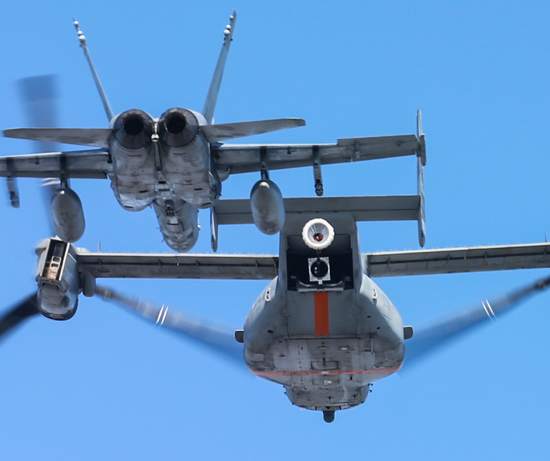
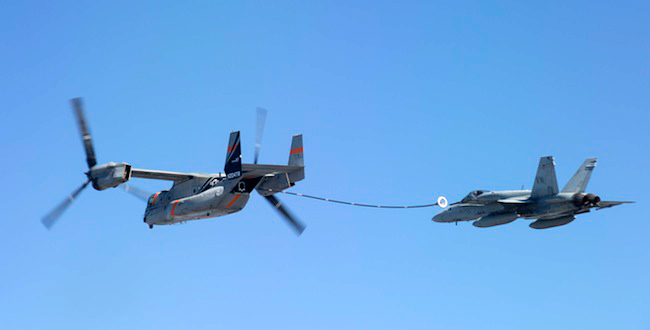
In the August demonstration over north Texas, a V-22 equipped with a prototype aerial refueling system safely deployed, held stable, and retracted the refueling drogue as an F/A-18 Hornet flew just behind and to the side of the aircraft. Photo: Bell-Boeing
The Bell-Boeing MV-22 Osprey tilt-rotor aircraft has successfully completed an initial test performing as an aerial refueling tanker. Adding this capability to the tiltrotor aircraft would further advance its versatility in support of Marine corps and naval aviation operations, as well as special operations in naval, combat, humanitarian and ship-based operations. In August 2013 the aircraft flew several demonstration flights over north Texas, with a V-22 equipped with a prototype aerial refueling system safely deployed, held stable, and retracted the refueling drogue as an F/A-18C and an F/A-18D Hornet flew just behind and to the side of the aircraft. According to the test data, on the fourth mission the Hornets flew within 30 ft. of the MV-22’s drogue chute in a lateral offset position.
“Adding aerial refueling tanker capability to the V-22 will enable operators to execute a wider variety of missions with greater flexibility and autonomy,” said Vince Tobin, Bell Boeing V-22 program director. “This will save time and money by maximizing the efficient use of aircraft and personnel.” Future Bell Boeing tests will put aircraft in a fuel-receiving position directly behind the V-22, connect receiver aircraft with the refueling drogue and, ultimately, refuel a variety of aircraft in flight. The V-22 is a combat-proven tiltrotor that can fly horizontally at high speeds and high altitudes like an airplane, and take off and land vertically like a helicopter.
Currently the Marine Corps are employing C-130H/J for aerial refueling missions, flown from land-bound bases. Helicopters such as the CH-53 can refuel from the C-130 but are not suitable to refuel other aircraft, particularly fast jets. As a tilt-rotor that can cruise at much higher speed than a helicopter, the Osprey can maintain a high speed cruise that could be synched with jet fighters, flying at relatively low speed, maintaining safe and stable flight for refueling purposes. The use of MV-22 as a refueling aircraft is part of a Bell/Boeing plan to propose a substitute to the US Navy C-2 aircraft. The Greyhound Carrier Onboard Delivery (COD) aircraft built by Northrop Grumman is used as utility transport and carrier replenishment missions.
The U.S. Navy has yet to decide whether to replace the 48 Greyhounds it currently operate, or extend their life. While the V-22 would cost more, it would offer the advantage of a common platform supporting aircraft carriers (CVN) and amphibious landing ships (LHD), as well as performing other missions such as Search and Rescue (SAR), troop transport and other missions. The U.S. Marine Corps is the primary customer for the MV-22 with a program of 360 aircraft, with the U.S. Air Force also buying 50 of the aircraft to replace its retired MH-53s.
The Bell Boeing V-22 Program, a strategic alliance between Bell Helicopter Textron Inc. and Boeing has successfully completed an initial test of the V-22 Osprey performing as an aerial refueling tanker. In the August demonstration over north Texas, a V-22 equipped with a prototype aerial refueling system safely deployed, held stable, and retracted the refueling drogue as an F/A-18 Hornet flew just behind and to the side of the aircraft. Photo: Bell-Boeing
An Assessment solving the Syrian crisis – By David Eshel
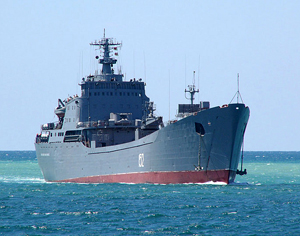
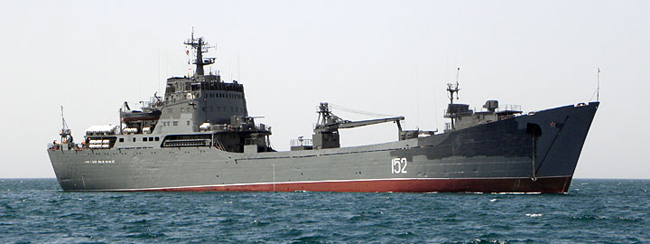
According to latest reports from Russia, the large Landing Ship – Tanks (LST) Nikolai Filchenkov from the Russian Black Sea Fleet is on its way to the East Mediterranean, probably set for the docks at the Russian naval base Tartus, Syria. Having taken on board an unspecified “special cargo” at the Black Sea naval port of Novorossiysk, its mission is still a mystery.
The arrival of the Nikolai Filchenkov in Tartus is not the first that Russian landing ships made to this port. Only recently the Russian Interfax news agency reported the LST Novocherkassk, (carrying 150 marine special forces) and Minsk (with 300 troops), were sent to the Syrian port, although their mission was not specified. According to the website of the Russian Black Sea Fleet the Filchenkov can carry 300 troops + 1,700 tons of cargo, including about 20 tanks and trucks or 40 AFV’s.
The recent mission coincided with an unplanned US-Russian summit at St. Petersburg. Although no such meeting was priori arranged between President Barak Obama and Vladimir Putin at the G20 conference in St Petersburg, the meeting between the two leaders (just them, no staff) lasted 30 minutes. Following the meeting no announcements were given to the media, which seems strange under the present Syrian crisis, that has already dominated the Summit.
No doubt should exist between both presidents, that the situation calls for decisive action to prevent the Syrian chemical arsenal, especially prevent its delivery systems falling into the hands of islamic extremists and terrorist. This is a great concern for Mr. Obama and the Western world, but President Putin should be equally concerned in this matter. The amalgam of Islamists that is assembling to fight Assad appears to include a healthy contingent of radical-right Islamists from Chechnya, and they’re reportedly among the toughest fighters in the anti-Assad coalition. Their contingent, according to a European press report, led the assault that took control of a Syrian Air Force base in the country’s northern sector. Should these dangerous elements seize chemical depots, it would become an immediate threat to Russia. One should remember the terrorist attacks in Moscow 2002-2010 and Putin needs not much imagination what horrifying effect chemical weapon substances captured in Syria could cause. So it would be only natural that a man like Vladimir Putin, a veteran KGB officer, and special forces expert would act to prevent such a potential disaster from happening – and time is getting short.
Chemical Agents storage, production and research facilities in Syria. Map courtesy of NTI.
But if any one, the Russians should know the exact inventory. The weapons were stored originally in five major locations – near the cities of Latakia, Palmyra, Homs and Hama, all in the north and central part of the country, and at al-Safir, near the Turkish border. However, weapons have been moved around the country over the last year for operational reasons, a process that has recently accelerated as the threat of a retaliatory strike by the U.S. has increased. The obvious target for storing these safely for the regime would be the coastal mountains in which Bashar Assad’s Alawite minority still dominates the scene.
Moreover, it seems logical that under the mentioned circumstances, Russian special forces based at Tartus, could have been directing these critical movements. In fact, western intelligence monitoring the chemical weapons hideouts, indicate that underground storage depots, which may include chemical weapons have been sighted in the coastal mountain region of Latakia, the Alawite stronghold. These locations are conveniently accessible to the Russian Naval Port of Tartus, where the LST Nikolai Filchenkov is likely heading.
So what could be more natural to solve the Syrian crisis, which is already nearing a political, if not military disaster? It would be to remove the fuse from this ‘time bomb’, remove the critical parts of the Syrian chemical weapons arsenal, especially its delivery systems and most vulnerable and dangerous agents, before the entire Middle East enters into another highly dangerous quagmire, which no one really wants. Such means could include specific warheads, sarin and VX binari agents (which can be carried safely to a temporary storage area in Russia)
The only person which could solve this problem is President Vladimir Putin, who has both the means and the persuasive power to get Assad to allow Russian special forces to remove chemical weapons in time and load them carefully onto the Nikolai Filchenkov and if required on more Russian fleet transports who could arrive at Tartus on short notice. With such a move, President Obama would be off the hook, making his unwanted and quite questionable military strike unnecessary, also saving a lot of face should matters go wrong, as they usually do in this region.
President Putin, the clever fox, would gain two winnings with one move – removing an imminent threat from his Islamic opponents by preventing laying their hands on WMD and also gaining top prestige by clever manipulation as a political genius. Even Bashar Assad would be freed from a future danger, if the Islamic Rebels could capture chemical weapons, or even one of his own generals opting to use them himself when pushed with his back against the wall, even against his direct orders from Damascus (is this what really happened on August 21?).
The next days will show, if this assessment will become reality, let us hope so!
[box type=”info” style=”rounded” border=”full”]
About the LST Nikolai Filchenkov
Russian Naval Landing Ship Nikolay Filchenkov.
The Project 1171 Tapir Large Landing Ship (Bol’shoy Desatnyy Korabl’ BDK) is a beachable, general-purpose LST-type design with bow and stern ramps for unloading vehicles. Produced in at least four different types beginning in 1966, there are numerous variations in detail between units. Many have been retired, and remaining units may be in reserve, given the Russian Navy’s decreased emphasis on amphibious operations. Large Landing Ship “Nikolay Filchenkov” was built by Yantar Zavod, Kaliningrad. Laid down 30 Jan 1974, completed 29 March 1975, commissioned on 12 Dec 1975.[/box]
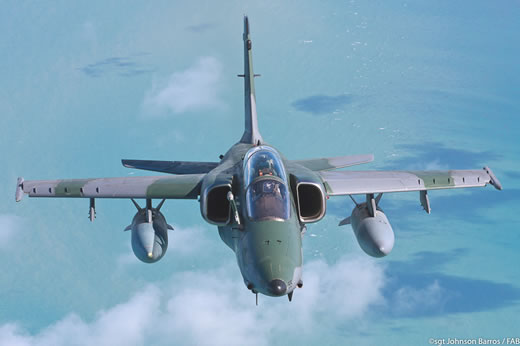
The first fully modernized AMX flewin early 2012. Photo: Sgt. Johnson Barros, FAB
The first fully modernized AMX flewin early 2012. Photo: Sgt. Johnson Barros, FAB
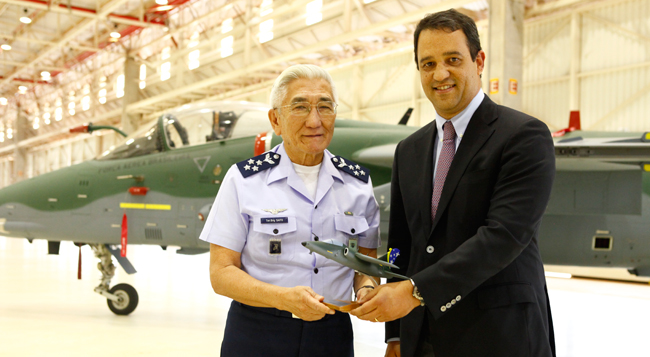
Embraer Defense & Security redelivered the first modernized A-1M (AMX) fighter jet to the Brazilian Air Force (FAB). The modernization of the A-1 (built during the 1980s under a Brazilian-Italian cooperation) include structural refurbishment extending the fighter’s operational life through 2025. The modernization was performed at Embraer’s industrial plant in Gavião Peixoto, in São Paulo. The A-1M program provides for refurbishing and modernizing 43 subsonic AMX jets, 16 of which are already at the Company’s facilities.
The A-1M fighter jet serves the FAB mainly in the ground attack role, performing air-to-ground attack, bombing, tactical air support and reconnaissance missions. “The A-1 fighter jets are fundamental elements for the defense of Brazil, including its territorial coastal waters. We have been very successful in using this aircraft on such highly complex operations as the Cruzex and Red Flag exercises. Its modernization presents a big gain in capability, along with adequate cost-benefit, and, once again, it shows the value of the Nation’s industry” Aeronautics Commander, Air Force General Juniti Saito commented.
It also includes a comprehensive avionics upgrade, upgrading the jet’s navigation, weaponry, oxygen generation, radar and electronic countermeasures (ECM) capabilities. The avionic upgrade will streamlining the A-1 with F-5M and A-29 Super Tucanos operating with the FAB. According to Embraer, such standardization assists with the adaptation period of the pilots, improved fleet management policy, better output in terms of flight hours, and reduced maintenance and operating costs. The program also includes the delivery of mission planning and debriefing stations, to be deployed at the squadron level, supporting training and improving pilot proficiency.
FAB (Brazilian Air Force ) Aeronautics Commander, General Juniti saito receives the first A-1M modernized jet fighter form Luiz Carlos Aguiar, President of Embraer Defense & Security
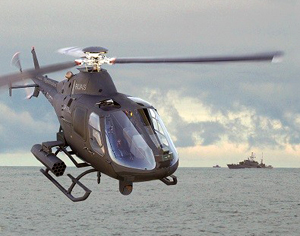
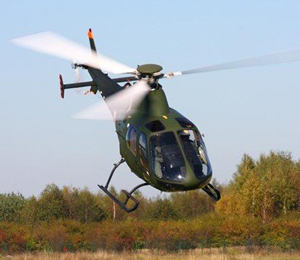
SW-4 SOLO Rotary UAS is derived from PZL-Świdnik SW-4 light utility helicopter. Photo: PZL-Świdnik.
SW-4 SOLO Rotary UAS is derived from PZL-Świdnik SW-4 light utility helicopter. Photo: PZL-Świdnik.
PZL-Świdnik, and Agusta-Westland have introduced the SW-4 SOLO Rotorcraft Unmanned Aerial System (RUAS) based on the PZL’s SW-4 light single engine helicopter. The unmanned ‘Optionally Piloted Helicopter’ (OPH) variant of the helicopter was displayed this week at the MSPO exhibition in Kielce, Poland. SOLO is based on a close collaboration between PZL-Świdnik and AgustaWestland.
The system will be used under the RWUAS (Rotary Wing Unmanned Air System) Capability Concept Demonstrator (CCD) programme, pursued by the Royal Navy, evaluating the utility of a conceptual multi-role UAV for the UK Royal Navy. A contract covering this evaluation has been awarded to AgustaWestland by the UK Ministry of Defence. The SW-4 SOLO is powered by a single
The SW-4 has entered operational service with the Polish Armed Forces in 2002. Photo: PZL-Świdnik[/caption]Allison 250C20R/2 turboshaft engine driving a three blade main rotor and two blade tail rotor. This engine delivers a maximum power of 335kW (450shp) (283kW/380shp max continuous rated.) The maximum takeoff weight is 1.8 tons (3,968 lbs).
AUS&R 2013 – The Unmanned Systems Live Demonstration – Israel – 26 November 2013
Designed for both unmanned and piloted operations, SW-4 SOLO would provide users with maximum operational flexibility, performing intelligence, surveillance and reconnaissance, missions as well as cargo re-supply at sea. In piloted configuration, the SW-4 can undertake a number of activities, including transportation of personnel, surveillance and intervention. It can be fitted with a comprehensive mission equipment package, including search, communications/intelligence systems and armament. As an optionally piloted platform, the helicopter can carry a pilot and four passengers, for utility transport and training. The SW-4 helicopter made its first flight in 1996 and was introduced into operational service with the Polish Armed Force in 2002. The SW-4 RUAS prototype was announced in 2010. The first prototype was displayed in public 2012 and was expected to fly in the piloted configuration in that year, moving to unmanned flight in 2013. However, until early September 2013 no announcements on such milestones have been released.
Israel’s missile defense organization (IMDO) and the U.S. Missile Defense Agency (MDA) completed today a successful flight test of the Silver Sparrow, the latest, most advanced version of the Sparrow target missile family. The test, conducted at the Israeli test range over the Eastern Mediterranean Sea was the first test flight of the new missile.
The missile was launched from an airborne platform on 9:15, after an ascent the missile entered the trajectory, in according with the test plan. Through its flight the Silver Sparrow was tracked by the Arrow Weapon System’s Super Green Pine radar, which transferred the information to the Citron Tree Battle Management Control System. According to the IMOD announcement, all the elements of the system performed according to their operational configuration.
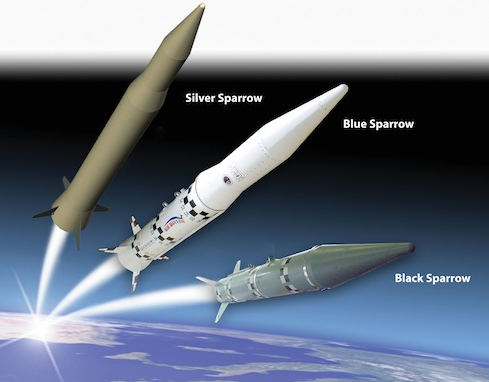
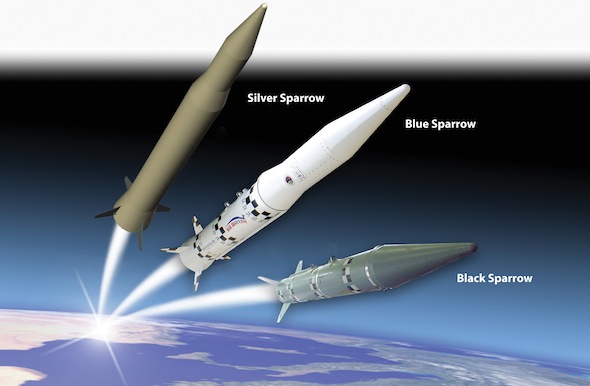
The Silver Sparrow developed by RAFAEL is an advanced version of the Sparrow air-launched ballistic target missile’. The Sparrow targets have a modular warhead section carrying different payloads such as inert, high explosive or water. The 27.5 (8.39 mw) long missile weighs over three tons and is designed to simulate Shihab 3 class missiles (Iranian ballistic missiles with 1,500-2,000 km range). The new target is an essential segment in the testing of the Arrow-3 exo-atmospheric interceptor.
The Silver Sparrow uses a single stage solid rocket propellant, and shares a common reentry vehicle with the mid-range Blue Sparrow. The Silver Sparrow is also considered as a candidate for air-launching of RAFAEL’s future LiteSat micro-satellite, providing Operationally Responsive Space capability supporting ad-hoc requirement for satellite imagery.
IMDO and the U.S. MDA officials conducted the flight test. The main contractor for the integration and development of the sparrow is Rafael end the main contractor of the arrow weapon system is MLM of the aerospace industries (IAI) in conjunction with Boeing.
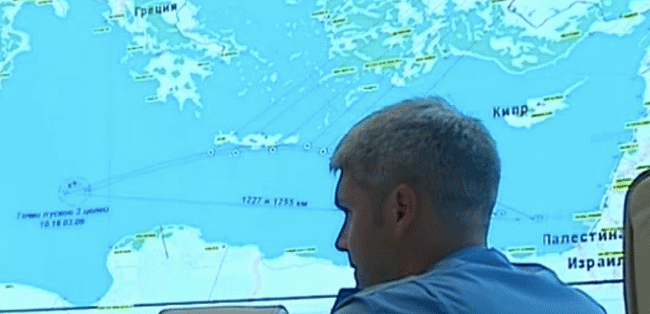
The Silver Sparrow test flight indicating the launch point west of Tel Aviv and impact point north of Benghazi, Libya, as recorded on the Russian missile defense command and control screens.The test was conducted at a time of high tension in the region, with Russian and NATO naval forces massing off the Syrian coast. An earlier report by Moscow has indicated the Russian sensors have detected two ballistic missiles launched from the same region of the Mediterranean sea. However, Russian sources in Damascus were quick to affirm that there was no evidence of a missile strike on Syria. The announcement revealed the fact that the Russians are providing early warning to the Syrians, about potentially threatening activities over the East Mediterranean.
The Blue Sparrow 2 target missile was employed in today’s test. Rafael is also developing the heavier (+3 ton) Silver Arrow target, designed for long-range exo-atmospheric intercept testing. Photo: Rafael
Lockheed Martin Skunk Works® and XTEND have achieved a major milestone in JADC2 by integrating the XOS operating system with the MDCX™ autonomy platform. This technical breakthrough enables a single operator to simultaneously command multiple drone classes, eliminating the friction of mission handoffs. From "marsupial" drone deployments to operating in GPS-denied environments, explore how this collaboration is abbreviating the data-to-decision timeline and redefining autonomous mission execution.
As traditional defense primes face mounting competition from agile “neoprimes” such as Anduril, Palantir and Helsing, the balance of innovation is shifting toward software-defined warfare and scalable, dual-use technologies, while global industry consolidation—marked by Boeing’s integration of Spirit AeroSystems and other strategic mergers—signals an intensified race to secure control over the defense technology value chain. Our Defense-Tech weekly report highlights these trends.
In early October 2025, a coordinated wave of unmanned aerial system (UAS) incursions—widely attributed to Russia—targeted critical infrastructure across at least ten European nations. The unprecedented campaign exposed the fragility of Europe’s air defenses...
Executive Summary
The past week (September 18-25, 2025) represents an inflection point where strategic defense concepts have transitioned from doctrine to tangible reality. An analysis of global events reveals four primary, interconnected trends shaping an...
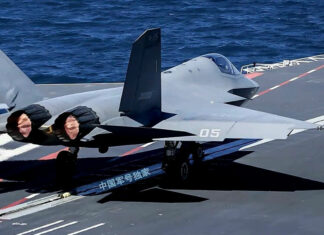
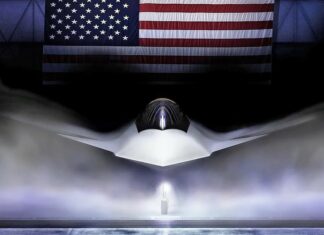
At the 2025 Air, Space & Cyber Conference, U.S. Air Force and Space Force leaders unveiled major updates on next-generation fighters, bombers, unmanned systems, and space initiatives, highlighting both rapid innovation and critical readiness challenges as the services race to outpace global competitors. A short version is available here, with a more detailed version for subscribers.
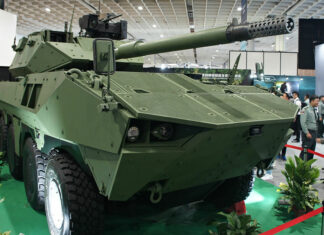
The Taipei Aerospace & Defense Technology Exhibition (TADTE) 2025 crystallized around four dominant strategic themes that collectively illustrate Taiwan's comprehensive approach to defense modernization amid escalating regional tensions. Based on a detailed report by Pleronix (available upon request). Includes a Podcast discussion on TADTE 2025's highlighting Taiwan's four strategic themes beyond the post's coverage.
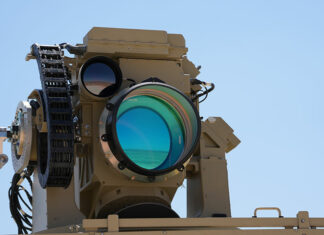
Israel’s Iron Beam 450 high-power laser system has completed final testing, marking a major leap in air defense. Developed by Rafael, it offers precise, cost-effective interception of rockets, UAVs, and mortars, and is set for IDF deployment by 2025.






 Sea Carrier, providing high speed surface transit. Photo: JFD[/caption]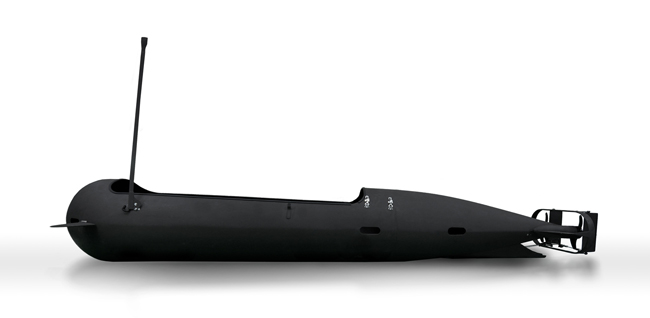



 Designed for both unmanned and piloted operations, SW-4 SOLO would provide users with maximum operational flexibility, performing intelligence, surveillance and reconnaissance, missions as well as cargo re-supply at sea. In piloted configuration, the SW-4 can undertake a number of activities, including transportation of personnel, surveillance and intervention. It can be fitted with a comprehensive mission equipment package, including search, communications/intelligence systems and armament. As an optionally piloted platform, the helicopter can carry a pilot and four passengers, for utility transport and training. The SW-4 helicopter made its first flight in 1996 and was introduced into operational service with the Polish Armed Force in 2002. The SW-4 RUAS prototype was announced in 2010. The first prototype was displayed in public 2012 and was expected to fly in the piloted configuration in that year, moving to unmanned flight in 2013. However, until early September 2013 no announcements on such milestones have been released.