
Wednesday, December 31, 2025
More
    Home Blog Page 187

    France, Russia Warming Defense Relations

    T-90MS offers an upgrade path for the Russian T-90 tank offering a balanced improvement in firepower, mobility and protection.
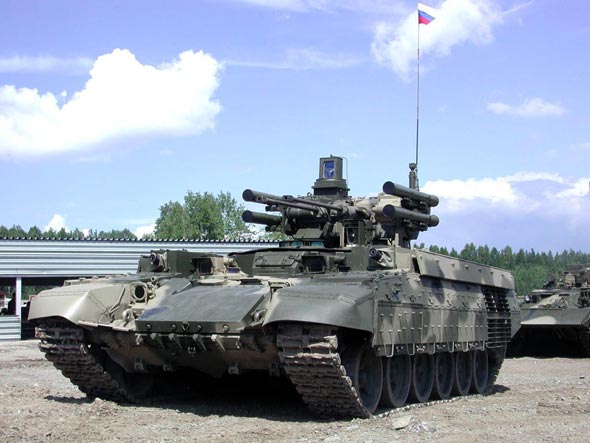
    BMPT

    With the warming relations between east and west, particularly France and Italy, the Russian display at Eurosatory is expected to be the largest ever. For the first time Russia is displaying the latest types of weapon systems, including the T-90S Main Battle Tank (MBT) upgrade, BMPT tank support combat vehicle nicknamed the ‘Terminator. The Russian display will also feature the Tigr light armored vehicle, mounting the all-new Kornet EM anti-tank/multi-purpose guided missile.


    “We have been participating in the Eurosatory exhibitions since 1996, but this year’s show is special. Russia has never brought such a number of full-scale new items. They are from the latest developments that clearly demonstrate a huge potential of the Russian defence industry”, – says Igor Sevastyanov, deputy director general of Rosoboronexport, JSC and head of the joint delegation of the Russian Technologies State Corporation and Rosoboronexport. He said that events such as Eurosatory provide the Russian arms exporters an important opportunity to seek new customers and industrial cooperation, where Moscow places special emphasis on the European market. “Many meetings are planned also with representatives of European companies. Special emphasis will be made on contacts with leading French defence manufacturers” Sevastyanov added.

    Defense-Update has already covered the T-90M at Defexpo two months ago. We plan to revisit this review with any new information expected to be available with this unprecedented European debut.
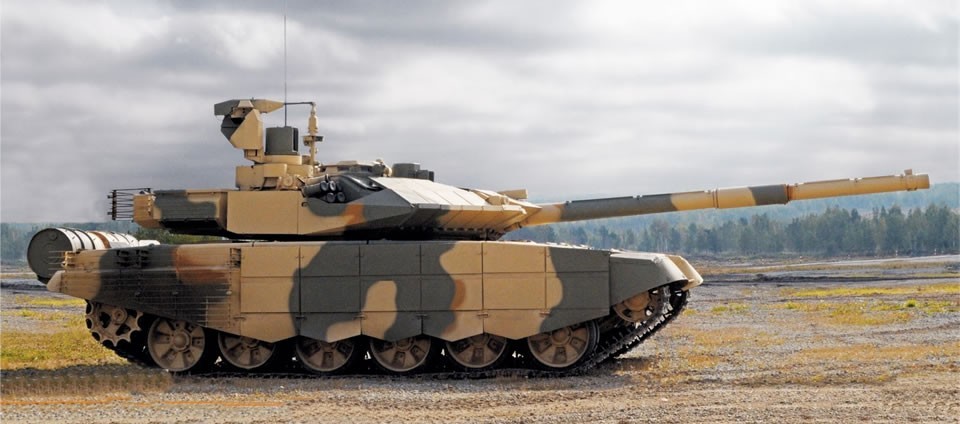
    T-90MS offers an upgrade path for the Russian T-90 tank offering a balanced improvement in firepower, mobility and protection.

    Military technical cooperation between Russia and France has been growing fast in recent years. “We are interested, first of all, in joint research and development. This kind of cooperation does not fall into the ‘buyer-seller’ category: it demands a wider cooperation to develop effective self-defence assets, including those for third countries” said Sevastyanov, “by combining our efforts we obtain a very strong synergistic effect. It is well seen, for example, in our projects with Thales, Safran and Sagem companies”, Igor Sevastyanov noted.

    The two countries established a special workgroup to expand Russian-French cooperation into the land forces equipment area. Its first meeting took place in January 2012, and the next one is scheduled for the end of June, just after Eurosatory show. Rosoboronexport is encouraging Russian developers and manufacturers to get involved in the workgroup activities to help define most prospective projects and ways of their implementation.

    The full edition of Eurosatory Show Live is available for only 4.95 Euros before the show. We recommend you download it and keep it accessible throughout the show on your mobile phone.
     

    The following articles outline some of the recent trends reflected at Eurosatory 2012

    • Renault :Renault Offers Multiple VAB Upgrades
    • Plasan: Plasan Introduces Enhanced FlexFence Capable of Defeating Multiple RPGs
    • Oshkosh: Oshkosh Defense Demonstrates MEDEVAC M-ATV
    • Rheinmetall: Rheinmetall Defence Introduces an Off-Road Pickup Truck
    • IAI’: IAI’s Green Rock, Black Granit Debut at Eurosatory 2012
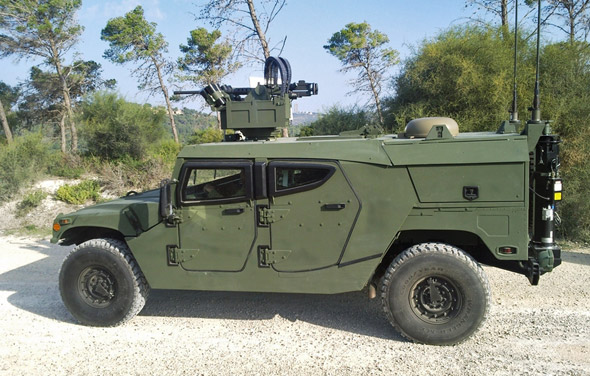
    Elsat2100 – Low profile SOTM Terminal

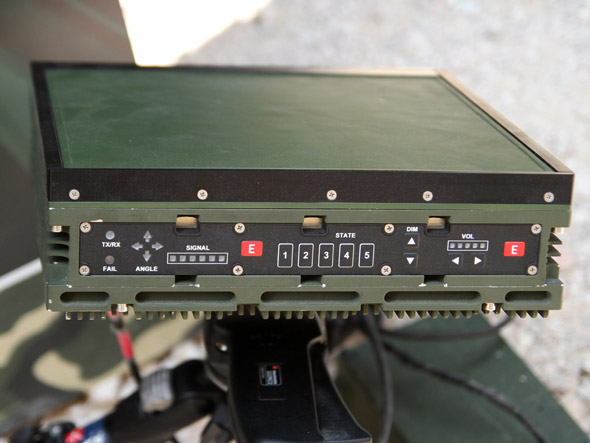
    Elbit Systems is introducing Elsat 2100 satellite communication on-the-Move (SOTM) solution, employing a low profile antenna and terminal transferring high data rate broadband over SATCOM. The 80cm diameter antenna uses a new planar antenna technology offering high performance and ruggedness levels meeting the harsh field conditions. The system can be installed on a flat roof area of any vehicle platform.


    The system integrates a Burst Mode Frequency Division Multiple Access (BM-FDMA) SatCom modem, a technology that allows extremely low visibility and optimal utilization on Ku band. The system performs automatic satellite acquisition, re-acquisition and tracking within its operational envelope without user intervention or configuration.


    The Big Wheels are Rolling Again at Eurosatory 2012

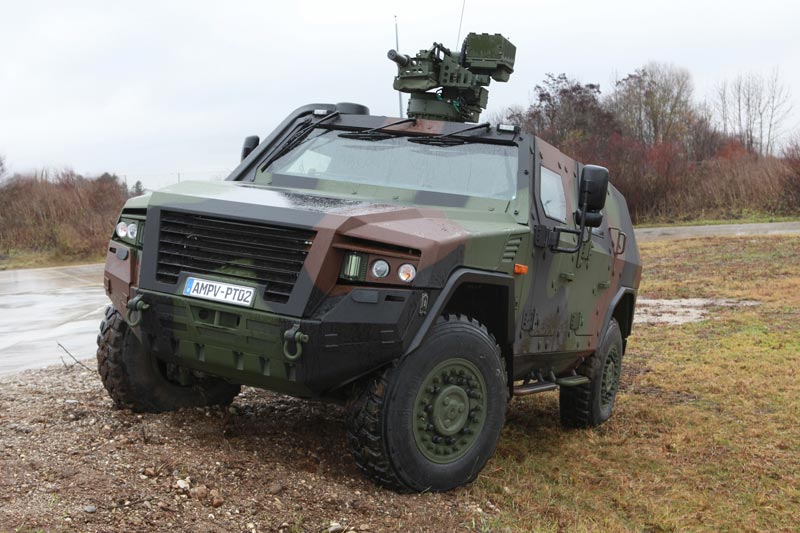
    KMW AMPV

    The trend toward wheeled armored fighting vehicles (AFV) continues, despite vehicles becoming ever heavier. The main drivers for the demand for wheeled AFVs is the more efficient road mobility offered by these vehicles, enabling the military to perform more freely in urban and civilized areas, where extensive use of tracked vehicles would practically destroy the road network. Moreover, advanced active defense systems becoming available enable manufacturers to maintain reasonable level of ballistic protection, while defeating chemical penetrators (HEAT charged RPGs, missiles and projectiles).

    Though current platforms are powered by conventional diesel propulsion, future AFVs are likely to employ hybrid electric propulsion, contributing to more versatile deployment, power generation and prolonged silent watch activities.

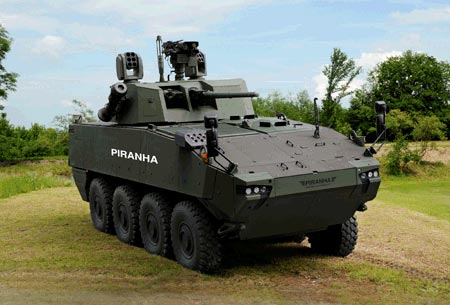
    The vehicles likely to be in the limelight at Eurosatory are the 8×8 Piranha 5 from General Dynamics Land Systems Europe, 4×4 RG-35 from BAE Systems and the 6×6 VBTP-MR 17-20 ton armored personnel carrier (APC) from Iveco Veículos de Defesa, selected by the Brazilian Army as its future armored vehicle. Iveco is also developing an 8×8 version called SuperAV, both are amphibious vehicles, likely to be viable competitor for the US Marine Corps Marine Personnel carrier (MPC). Another company seeking this opportunity is Finnish company Patria, which has teamed with Lockheed Martin to market the vehicle in the USA.

    General Dynamics Piranha 5

    Piranha 5 is latest member of the Swiss Piranha family. The vehicle on display has recently completed a successful trials series in Canada, as part of the Canadian Army evaluations of vehicles for the Canadian Combat Vehicle (CCV) program. The configuration on display includes the RLS LANCE two-man turret mounting the 30mm automatic cannon. The vehicle provides seating capacity for eight crew members in the rear of the vehicle and sufficient payload for additional material. According to GDELS, Piranha 5 provides the highest levels of survivability against conventional and asymmetric threats while having the capacity to fill all battlefield roles such as APC, electronic warfare, ambulance, reconnaissance, command vehicle, mortar carrier and even direct fire platform, fitted with gun turrets up to 120 mm calibre. It can be delivered in either high- or low-roof configurations with open architectures, with over 15 tons payload and 120 kW electrical power.

    Flexible Platform Configuration

    Wheeled AFVs are usually more flexible for ad-hoc reconfiguration, as reflected by EVASAN, the new casualty evacuation (CASEVAC) variant of the VBCI, developed by Nexter. The VBCI built by Nexter is currently being delivered to the French Army. The new variant will be unveiled at the Eurosatory 2012. This new version is outfitted to carry two or four wounded soldiers in different configurations, depending on the level of medical assistance required during transportation. It has attachments for carrying two stretchers, medic seats and medical equipment necessary for the CASEVAC mission. According to Nexter, a standard VBCI can be configured into a CASEVAC or an armored ambulance vehicle in less than four hours.

    EAGLE 6x6

    GDELS is displaying at Eurosatory an NBC Recce vehicle configured on the Piranha 3 platform. This vehicle is the first of 12 units ordered by the Swiss Army; The CBRN system was developed by Thales.

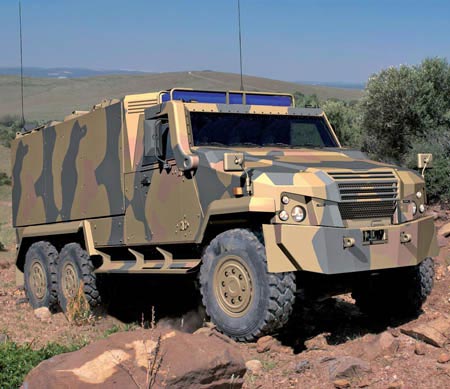
    GDELS Europe will unveil here the new Eagle 6×6, a growth version of the Eagle 4×4 multi-purpose vehicle. The EAGLE 6×6 was designed as a ‘compact’ off-road vehicle. The protected cabin (safety cell) with large internal volume is made of high-strength armored steel. A modular add-on armor made of steel or – for special requirements – made of composite material, offers very high protection against mines, IED and ballistic threats while always maintaining a high payload. The EAGLE 6×6 offers payloads of up to 6,000 kg and protected volumes of up to 16 cubic meters.

    One of the largest ‘big wheels’ in the market is BAE Systems’ RG-35. The company is positioning this vehicle between the classic Armored Personnel Carrier and the Mine Resistant Ambush Protected (MRAP). As such, it combines the high level of survivability of the RG31 mine protected vehicle with elements of the tactical mobility of the battle proven Ratel combat vehicle, gives you a new class cross-over combat vehicle (XCV) – the RG35 6×6. The 4×4 vehicle shown at Eurosatory 2012 was first configured as a reconnaissance variant, to address the Canadian TAPV requirement. It can be equipped with light and medium turrets, as well as indirect-fire weapons. BAE said the vehicle can easily be modified a number of ways to transport cargo, conduct routine patrols or be outfitted with cameras and other electronic surveillance missions.

    Rheinmetall will display here the Boxer armored transport vehicle in its Bundeswehr command post configuration, together with the protected Armored Multi Purpose Vehicle (AMPV) configured as a recce vehicle. It will be displayed with the Rheinmetall Electro-Optics Vingtaqs II, which combines electro-optical reconnaissance with a battlefield radar, is on show as well, mounted on the AMPV as a mobile reconnaissance solution.

    KMW AMPV

    The full edition of Eurosatory Show Live is available for only 4.95 Euros before the show. We recommend you download it and keep it accessible throughout the show on your mobile phone.


    The following articles outline some of the recent trends reflected at Eurosatory 2012

    • Renault :Renault Offers Multiple VAB Upgrades
    • Plasan: Plasan Introduces Enhanced FlexFence Capable of Defeating Multiple RPGs
    • Oshkosh: Oshkosh Defense Demonstrates MEDEVAC M-ATV
    • Rheinmetall: Rheinmetall Defence Introduces an Off-Road Pickup Truck
    • IAI’: IAI’s Green Rock, Black Granit Debut at Eurosatory 2012
    SATCOM Solutions at Eurosatory 2012

    As the demand for Satellite Communications (SATCOM) has increased in current operations around the world, military forces around the world are investing in fielding terminals, mobile and SATCOM On-The-Move (SOTM) capabilities as well as in portable systems. supporting forward command teams, fire controllers and special forces. In this issue Defense Update reviews some of the latest commercial SATCOM based systems available for the military user, offering exciting new applications supporting asymmetric warfare and operations in complex terrain.


    Previously relied on military communications satellites, military forces are expanding their use of commercial services, given the growing capacity available from many satellite operators. Eutelsat, the Paris based SATCOM operator operates 28 geostationary satellites in C, Ku and Ka-band, covering Europe, the Middle East, Africa and Central Asia, offering cross connectivity with the Americas. The network maintains three secure, redundant teleports in France and Italy. Iridium, a global SATCOM network is also widely used by the military, supporting on-demand long-range communications. The following briefs cover some of the latest SATCOM related applications unveiled at Eurosatory 2012.

    The full edition of Eurosatory Show Live is available for only 4.95 Euros before the show. We recommend you download it and keep it accessible throughout the show on your mobile phone.

    The following articles outline some of the recent trends reflected at Eurosatory 2012

    • Thales: JEM Gains SATCOM Access Via Software Upgrade
    • Exelis: GNOMAD – Taking SATCOM On The Move
    • Gilat SATCOM: Reaching Underground
    • Elta Systems: MANPACK SATCOM is designed for Special Ops
    • Elbit Systems: Elsat2100 – Low profile SOTM Terminal
    • L3 Linkabit: Standardizing WIN-T IP SATCOM Wavefor

    L3-Com Linkabit Standardizes WIN-T IP SATCOM Waveform

    L-3 Linkabit provides turnkey SATCOM On-The-Move solutions that enable mobile and halted forces to collaborate, access Global Information Grid (GIG) resources, and exchange voice, data and video in a tactical environment. The MPM-1000 modem product family, which, when combined with an antenna and tracking system, provides an off-the-shelf SATCOM On-The-Move solution for both military and commercial applications.


    The system’s core has been selected as the standard net-centric IP SATCOM Waveform for the for the new WIN-T theater-level communications grid, facilitating full mesh networking, supporting SATCOM On The Move (SOTM) applications. This solution employs the Network Centric Waveform (NCW) and an FSS-4000 series OTM antenna, supporting native Ethernet encapsulation, which makes it easy to configure military networks that require COMSEC, TCP accelerators and other IP networking devices.

    The system supports peer-to-peer communications between terminals, given that one terminal is employed as a network controller. The terminal is designed to conserving bandwidth, supporting ‘bandwidth on demand’, tailoring for dynamic missions. The system can receive up to four stations and transmit to two stations simultaneously. The system is designed to maintain Low Probability Of Intercept (LPI) and Exploitation, and its low latency meets the levels required for Voice Over IP applications. A typical application is the
    Prophet Spiral 1+ mobile SIGnals INTelligence (SIGINT) system mounted on a specially configured HMMWV. The system employs the TRM-1000 for the wideband non-line-of-sight communications linking over Wideband Global SATCOM (WGS) satellites.

    Xaver 100 Sensor Can See Through Walls (STTW)

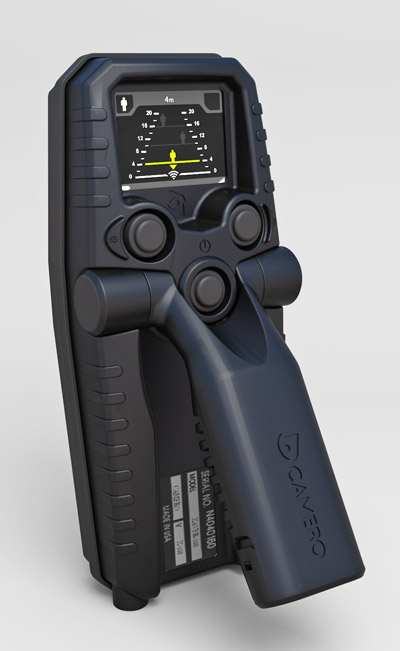
    Camero-Tech is launching the latest member of the Xaver Sense Through The Wall (STTW) radar, designed to assist assault teams and warfighters employed in urban operations to ‘see through walls’. The new Xaver 100 is an ultra-portable, handheld ‘presence-of-life’ detector providing military, law enforcement, and search & rescue personnel with critical information in real time by detecting the presence of life behind walls.


    Designed for use by tactical teams and first responders, the sensor provides instant situational awareness and target acquisition data, detecting human presence at distances up to 20m. The sensor can also be operated in stand-off mode, at a distance from the wall.

    Elta’s MANPACK SATCOM is designed for Special Ops

    A true man-portable system offered by Elta Systems is ELK-1895, a lightweight man-pack tactical SATCOM terminal, carried and operated by a single soldier. Developed with special-forces applications in mind, the terminal can be adapted for submarine transportation.

    ELK-1895 Man-Pack Tactical SATCOM Terminal. Photo: Noam Eshel, Defense-Update

    The tactical terminal supports any commercial geo-stationary Ku band satellites footprint, communicating with all network subscribers within the satellite footprint, (including Over-The-Horizon (OTH) and beyond Line of Sight (BLOS). It sends and receives voice, data and compressed video over a secured communication link. The terminal includes all elements in a single, compact module, including the transceiver, antenna, power amplifier and user interface. The terminal establishes a fast SATCOM link without revealing the unit’s geo-location. The system is preprogrammed, prior to mission, to automatically direct itself to available Ku-band Geo Communication Satellites.

    EXELIS GNOMAD – Taking SATCOM On The Move

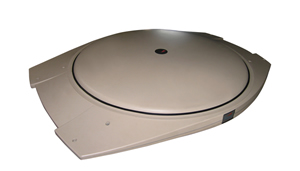
    CFPS Low Profile Antennae designed for the GNOMAD. Photo: ITT Exelis
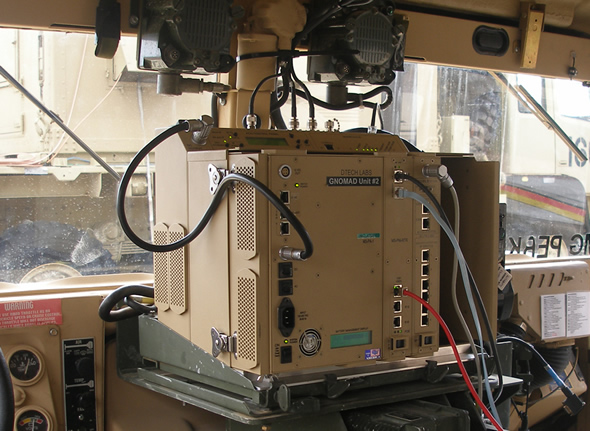
    The CFPS Baseband unit of the GNOMAD. Photo: ITT Exelis

    ITT Exelis is introducing GNOMAD, a mobile, on-the-move satellite communications (SATCOM) system, providing over the horizon, satellite communications for data and voice while on the move using a low profile broadband antenna and baseband solution which is modem and radio agnostic. The system was recently evaluated by the US Army under the Network Integration Exercise (NIE) 12.1 at White Sands Missile Range, N.M., The NIE is a series of semiannual evaluations designed to integrate and mature the Army’s tactical network so that it can provide soldiers, civilians and mission partners with the information they need in any environment.

    The system provides Global Ku-band SATCOM on-the-move, supplying a mobile network for an array of military and government agency vehicles. The system employs encryption devices currently in use by military and commercial users, supporting secure networks (SIPRNET, NIPRNET) as well as commercial internet, and client/server applications such as C2PC/Blue-Force Tracker, medical records and biometrics. The GNOMAD enables modern soldier radios to connect to IP networks, providing beyond-line-of-sight communications to radios such as AN/VRC-92, -104, and -110 as well as transferring Voice over Internet Protocol (VoIP) services where supported.

    CFPS Low Profile Antennae designed for the GNOMAD. Photo: ITT Exelis

    This will be the first appearance Exelis at Eurosatory, following its spin-off from ITT Corporation in October 2011. As a standalone company, Exelis is more agile in anticipating customers’ evolving needs and in providing affordable capabilities and ready-now, high-technology solutions to military, government and commercial customers around the world.

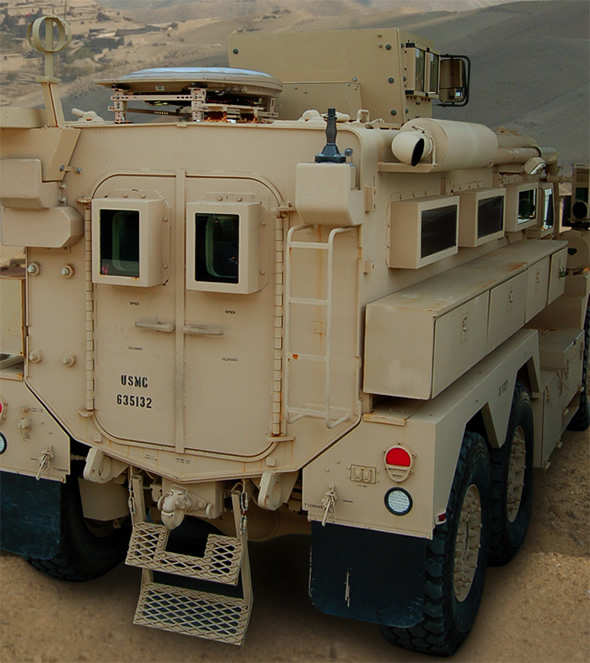
    The GNOMAD SATCOM global networking on the move unit, installed on a MRAP vehicle. Photo: ITT Exelis

    “A top priority for us is to proactively help our customers by identifying problems and providing affordable, innovative, mission-critical solutions.” said Bob Durbin, vice president of Exelis Government Relations ”We work closely with our customers and partners to address their evolving needs and today’s global security challenges.”

    The full edition of Eurosatory Show Live is available for only 4.95 Euros before the show. We recommend you download it and keep it accessible throughout the show on your mobile phone.


    Canada Selects Textron Systems for Tactical Armored patrol Vehicles (TAPV)

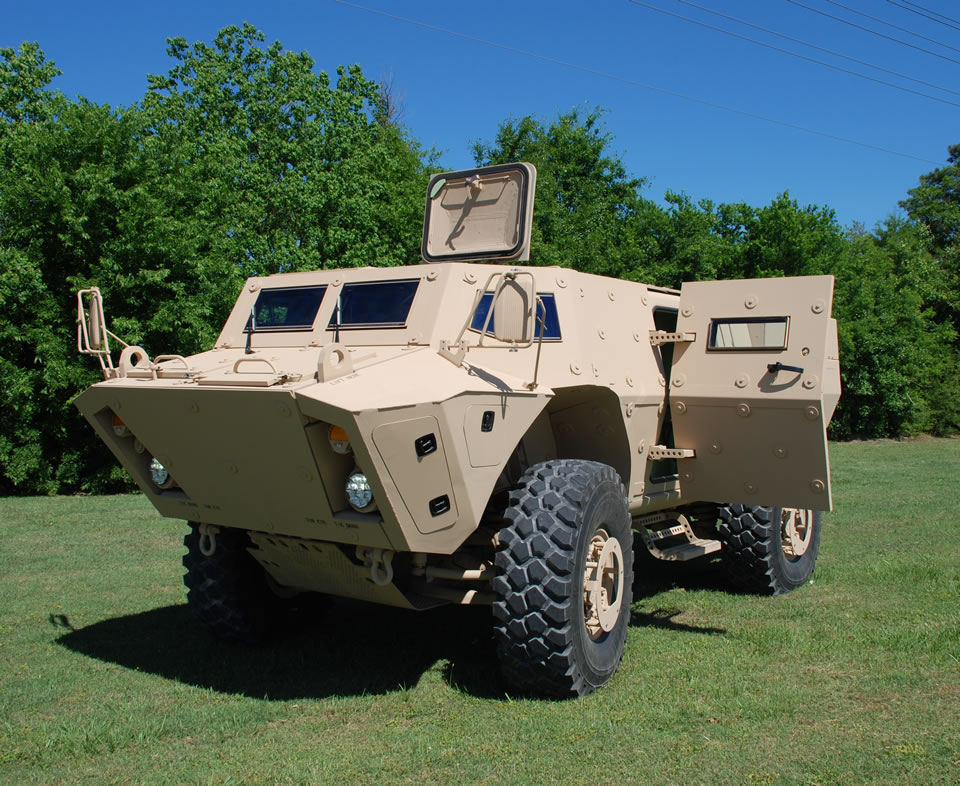
    The Canadian MOD Selected Textron Systems Canada to deliver the TAPV
    The Canadian MOD Selected Textron Systems Canada to deliver the TAPV

    Textron Systems Canada Inc has been selected by the Canadian government for the Canadian Forces Tactical Armoured Patrol Vehicle (TAPV) program. The contract provides that the Textron TAPV Team, led by Textron Systems Canada, together with Textron Marine & Land Systems and Rheinmetall Canada, will manufacture 500 vehicles, with an option for up to 100 more.
    The TAPV contract has a net value of $603.4 million CAD, with an additional five-year in-service support contract of $105.4 million CAD. The first vehicle is scheduled to be delivered to the Canadian Army in July 2014 and the last delivery is scheduled for March 2016.

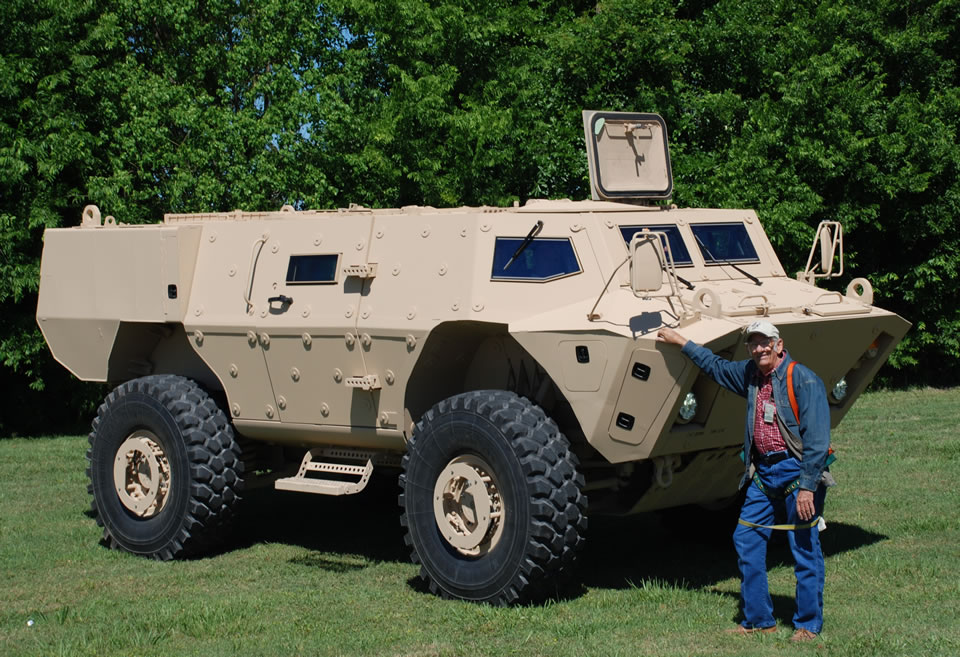
    The new Tactical Armored patrol Vehicles (TAPV) will enter production in 2014 and is expected to become operational by 2016, gradually replacing the RG-31 currently in service. The vehicle Textron Systems has offered is a ‘beefed up’ variant of the M-1117 ASV used by the U.S. Army


    “A vehicle like the TAPV will not only give us unmatched reconnaissance ability and manoeuvrability, whatever our mission and wherever we are sent, it will also provide the highest level of safety and protection to the men and women we assign to crew it,” Brig.-Gen. Christopher Thurrott, commander of Land Force Atlantic Area Said. Of the 500, about 200 will be used as reconnaissance vehicles, while the remainder will be personnel carriers. The TAPV can, however, be reconfigured for various roles.

    The TAPV is specifically designed to protect soldiers from land mines and improvised explosive devices (IEDs) — major causes of death for Canadian soldiers in Afghanistan.
    Major Carl Gendron, one of the experts who evaluated the four competing bids for the contract, said the TAPV is a tough vehicle.

    “We have learned many lessons through our combat operations in Afghanistan, one of which being the importance of armoured vehicles in protecting our soldiers from today’s threats in operations,” Gendron said. “It has sustained 10 kilograms of explosive under the wheels and eight under the hull. So it makes it extremely resilient to IEDs.”

    The Canadian Textron TAPV team includes Kongsberg Protech Systems Canada (London, ON) to deliver the dual-weapon Protector remote operated weapon station, Rheinmetall Canada (St. Jean sur Richelieu, P.Q.) and EODC – Engineering Office Deisenroth Canada (Ottawa, ON). As the program is ramped up Canadian companies including Michelin (Waterville, NS), General Kinetics (Brampton, ON), Evraz North America (Regina, SK), SED Systems (Saskatoon, SK), Ontario Drive and Gear (New Hamburg, ON), Mobile Climate Control (Vaughan, ON) and others, integrated into the vehicle’s supply chain.

    Neil Rutter, general manager of Textron Systems Canada, said the new vehicle has been in development for five years. He promised they would be delivered on-time. “We will deliver a vehicle that will provide the Canadian Army with an unmatched blend of protection, power, mobility and growth potential,” Rutter said. The vehicles are one component of $5-billion in upgrades to the army’s combat vehicles announced in 2009.

    Textron Systems TAPV

    ReconRobotics Debut: Throwbot XT Reconnaissance Robot

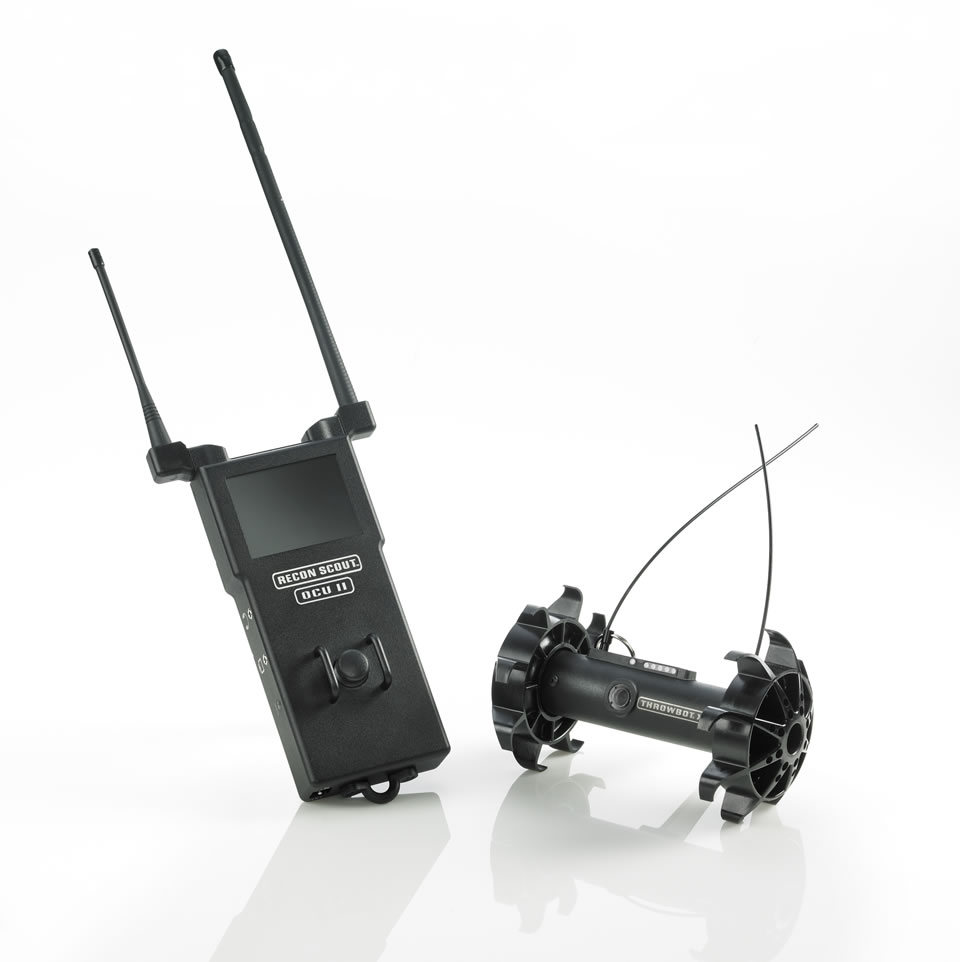
    ReconRobotics ThrowBot XT micro robot. Photo: recon Robotics
    ReconRobotics ThrowBot XT micro robot. Photo: recon Robotics

    ReconRobotics, Inc. is introducing the Throwbot® XT, an advanced throwable military and police robot at Eurosatory 2012. This new micro-robot provides both audio and video reconnaissance of dangerous environments. Military fire teams and SWAT personnel can quickly gain situational awareness during high-risk operations and surveillance missions using this robot.


    “Our objective with this product evolution was to dramatically increase the capabilities of our micro-robot without increasing its weight, and we accomplished that,” said Jean-Luc Panetta, Vice President of Product Management and Engineering. “We are very mindful of the soldier’s burden, and we believe that the new Throwbot XT is, pound-for-pound, the most versatile, robust, stealthy and easy-to-deploy robot system in the world.” The Throwbot XT is inherently water and dust resistant, weighs just 1.2lbs (540g), and can be thrown up to 120 feet (36m). It is also exceptionally quiet and is equipped with an infrared optical system that activates automatically when the ambient light is low, enabling the operator to see in complete darkness. Once deployed, the micro-robot can be directed by the operator to quietly move through a structure and transmit video and audio to the handheld Operator Control Unit II (OCU II).

    These stealth capabilities can be utilized to locate armed subjects, confirm the presence of hostages or innocent civilians, listen in on conversations, and reveal the layout of rooms – information that can save lives and increase the success of high-risk operations. Up to three robots can operate in the same environment at the same time without interference.

    In 2007, ReconRobotics introduced the Recon Scout robot and created an entirely new class of robots called tactical micro-robots. Unlike other military and law enforcement robots, which weighed 40 to 80lbs and were transported in a vehicle, Recon Scout robots were sublimely small and simple. Today, soldiers and SWAT personnel carry their Recon Scout robots in small packs or pockets and deploy them in under five seconds to gain lifesaving situational awareness and greater standoff distance. More than 3,700 of the company’s micro-robot systems are deployed by the U.S. military and allied friendly forces, and by nearly 500 police tactical teams and bomb squads, worldwide. Nearly 2,000 of these robots are currently deployed with U.S. Army and Marine Corps fire teams in Afghanistan for use in urban warfare and compound clearing operations. ReconRobotics has recently established its international headquarters in Lugano, Switzerland, signaling a significant advancement in the company’s three-year global expansion.

    The full edition of Eurosatory Show Live is available for only 4.95 Euros before the show. We recommend you download it and keep it accessible throughout the show on your mobile phone.


    Maxing IMU Performance into a Small Form Factor

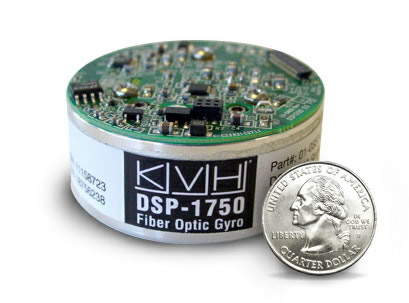
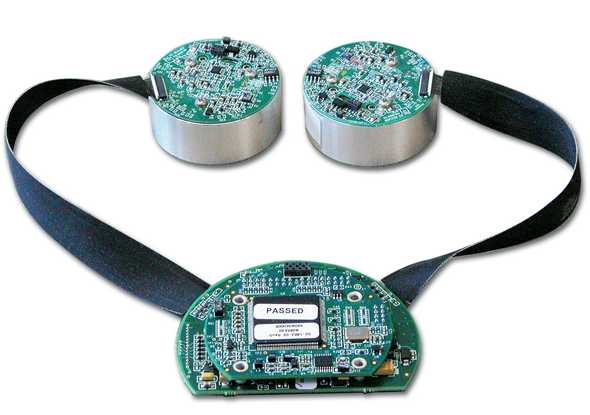
    KVH DSP-1750 Fiber Optical Gyro module
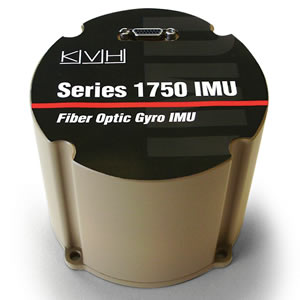
    Series 1570 IMU

    KVH is introducing the new Series 1750 Inertial measurement Unit (IMU) at Eurosatory. The module weighs less than 1.4 lbs. (<0.6 kg). The compact package and mounting features enable easy drop-in replacement to both enhance performance and reduce cost in retrofit applications., such as unmanned and autonomous systems. The Series 1750 IMU is the new flagship in a series of small, advanced navigation and stabilization systems under development at KVH, combining the company’s Fiber Optical Gyro (FOG), solid-state MEMS accelerometers and E•Core ThinFiber technology to create a commercial-off-the-shelf IMU offering high accuracy at very low noise.


    “System designers and integrators have been requesting a convenient, compact solution for applications ranging from stabilization and pointing of high-speed gimbals to autonomous vehicle control and navigation,” explains Jay Napoli, KVH’s vice president of FOG/OEM sales. “We’ve developed an IMU that is less costly and offers better performance than competing systems, while also offering an industry standard RS-422 interface along with user programmable data outputs, making it very easy to integrate into new or existing applications. Designed to withstand demanding environments with extreme stability. The device delivers excellent bias stability.

    The new system adds to KVH’s TACNAV the Fiber-Optical Gyro (FOG) based tactical navigation system product line, which has become an essential element of vehicular situational awareness systems, maintaining full functionality even in GPS-denied environments.

    A Series 1750 IMS comprising two FOG sensors coupled to a single procesor. Photo: KVH

    Taking SATCOM Underground

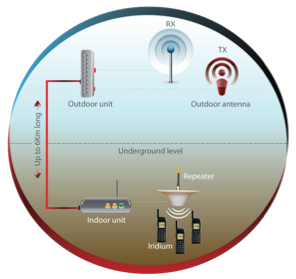
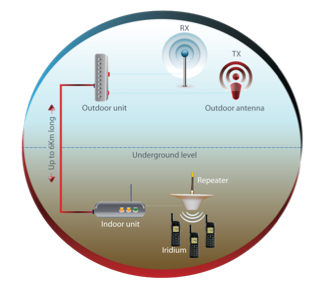
    GILAT SATCOM is introducing a unique satellite link providing a global link to users in deep underground, closed or remote facilities. The company offers a turnkey solution called Suricate, connecting the user via tactical radio link, acting as a dynamic relay system, connecting remote headquarters to forward units located inside buildings or even underground, anywhere in the world.


    The SATCOM antennas can be located up to 6 km from a structure, thus enabling the facility’s location to remain concealed. The solution – which is already operational – is ideal for military facilities, mines, high-security installations, expeditions to remote locations, skyscrapers, and maritime users.

    The system provides complete coverage for iridium (satellite) devices in underground and other closed facilities without the need for a sky view. Available in either wired or wireless configurations, the solution allows communication over iridium satellite phones – carrying up to three calls simultaneously per link – within secure surroundings such as military operation rooms, bunkers, etc. The system also provides iridium users with many of the benefits of optical fiber, including improved signal quality and ease of installation in addition to extending GPS signal indoors.

    Gilat is also introducing the Dynamic Relay System (DRS), an Iridium – Tactical Radio Solution that enables headquarters to monitor and break into a tactical network, regardless of the distance between them. The solution employs the DRS IP Mesh Radio network, which adapts to any tactical communication system, whatever the frequency range or modulation method. Equipping a network with DRS devices instantly provides tactical echelons with ad-hoc networking capabilities.

    The full edition of Defense-Update Eurosatory Show Live is available for only 4.95 Euros before the show. We recommend you download it and keep it accessible throughout the show on your mobile phone.

    The following articles outline some of the recent trends reflected at Eurosatory 2012

    • Thales: JEM Gains SATCOM Access Via Software Upgrade
    • Exelis: GNOMAD – Taking SATCOM On The Move ($)
    • Gilat SATCOM: Reaching Underground
    • Elta Systems: MANPACK SATCOM is designed for Special Ops ($)
    • Elbit Systems: Elsat2100 – Low profile SOTM Terminal ($)
    • L3 Linkabit: Standardizing WIN-T IP SATCOM Wavefor ($)

    JEM Gains SATCOM Access Via Software Upgrade

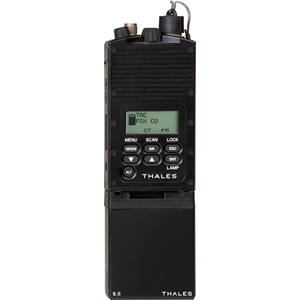
    AN/PRC-148 JEM

    Thales Communications Inc. (the US subsidiary of the Thales Group) is now certified to offer the Ultra High Frequency (UHF) SATCOM integrated Waveform (IW) with its AN/PRC-148 Joint Tactical Radio System (JTRS) Enhanced Multiband Inter/Intra Team Radio (MBITR), also known as ‘JEM’. SATCOM IW capability eliminates the need for warfighters to carry their existing heavy, manpack tactical radio systems, and enables each member of the team to deploy with a fully-interoperable, beyond line-of-sight (BLOS) capability. Users can now access SATCOM IW on their fielded AN/PRC-148 JEMs via software upgrade, producing minimal impact on deployed radios and requiring minimal operator intervention. The IW upgrade will provide both commanders and users with increased voice quality, higher data throughput, improved user HMI, and increased command and control capability on the battlefield, all in a smaller, lighter package.


    As the demand for SATCOM has increased in current operations around the world, SATCOM IW (MIL-STD-188-181C, 188-182B, and 188-183B) offers a significant increase in capacity over legacy Demand Assigned Multiple Access (DAMA) SATCOM. UHF SATCOM enables users to operate globally on-the-move and under both severe weather conditions and cluttered ground cover. SATCOM IW, developed by the U.S. Defense Information Systems Agency (DISA), doubles UHF SATCOM capacity of existing communications services employing Time Division Multiple Access (TDMA) methods. The use of Mixed Excitation Linear Predictive (MELP) voice encoding improves overall voice quality.

    SATCOM Integrated Waveform (IW) (MIL-STD-188-181C, 188-182B, and 188-183B) offers a significant increase in capacity over legacy Demand Assigned Multiple Access (DAMA) SATCOM. SATCOM IW, developed by the U.S. Defense Information Systems Agency (DISA), doubles UHF SATCOM capacity of existing communications services employing Time Division Multiple Access (TDMA) methods. The use of Mixed Excitation Linear Predictive (MELP) voice encoding improves overall voice quality. Additionally, SATCOM IW is faster and easier to set up through a more intuitive human-machine interface (HMI).
    The full edition of Eurosatory Show Live is available for only 4.95 Euros before the show. We recommend you download it and keep it accessible throughout the show on your mobile phone.


    A new software update transforms every AN/PRC-148 MBITR JTRS set (JEM) into a Satellite Communications system, supporting global reach. Photo: Thales CommunicationsAN/PRC-148 JEM

    Nuclear Sub USS Miami Repairs to Cost $400 to $500 Million

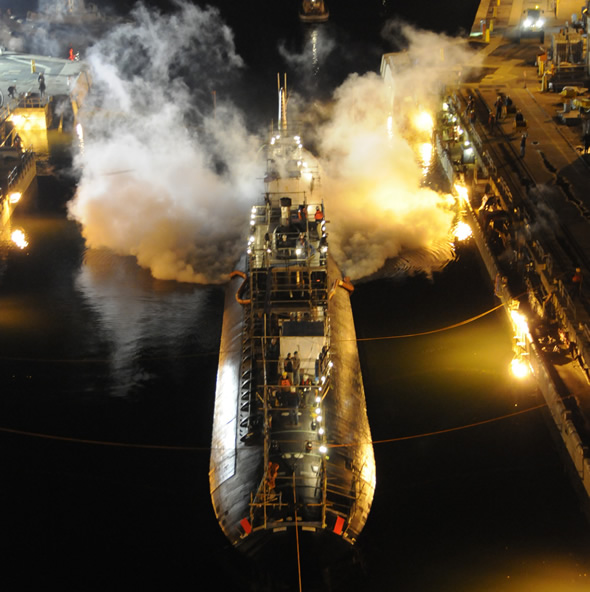
    The Los Angeles-class attack submarine USS Miami (SSN 755) enters dry dock to begin an engineered overhaul at Portsmouth Naval Shipyard. (U.S. Navy photo by: Jim Cleveland)

    Initial US Navy estimates place the cost of repairing the nuclear-powered USS Miami attack submarine, damaged in a 23 May dry dock fire, at between $400 and $500 million.  This appraisal was delivered to the US Congress in response to a congressional request and, Navy officials claim, is not a definitive cost projection but simply a preliminary estimate.

    Navy representatives were also quick to point out that the estimate of repair costs does not constitute a firm decision to rebuild the ship.  Foregoing repairs and scrapping the Miami may yet be determined to be the best option for the Navy.

    When built the Los Angeles-class Miami cost $900 million, less than half of the $2 billion it now costs to build a new Virginia-class boat.  The ship caught fire in Portsmouth Naval Shipyard while undergoing an extensive $200 million overhaul designed to keep her operational for another 10 years.


    Navy experts are continuing their inspection of the ship with a primary focus on the Miami’s hull.  Investigators are most concerned with determining if the ship’s steel hull is still seaworthy and capable of safely withstanding the immense stress of underwater operations to the same extent she was capable of performing before the fire.

    Investigators have so far determined that the fire may have been caused by a vacuum cleaner being used by shipyard workers to clean their work areas.  The vacuum cleaner was routinely stored in an unoccupied space.  The fire is reported to have almost completely gutted the fore compartments of the Miami, but Navy officials said their investigation is ongoing and no specific recommendations regarding the ship’s future can be rendered until they have completed a thorough evaluation and analysis of the extent of the ship’s damage.

    The compartments in the Miami that suffered damage include crew quarters, the torpedo room, and command and control spaces.  The fire raged for almost twelve hours and injured seven firefighters.  Miami’s nuclear reactor was not in operation at the time of the fire and the reactor spaces were sealed-off from danger almost as soon as the fire started.

    At the time of the fire, the Miami had been in dry dock for about two months on a scheduled 20-month life-extension overhaul to upgrade engineering equipment and enhance the ship’s operational capabilities.  Shipyards workers at the Portsmouth Naval Shipyard have returned to work to assist in clean-up operations and to lend a hand in damage assessment.

    Repair costs could have been dramatically higher than estimated since many critical pieces of high-tech and expensive equipment were removed before the overhaul operation began.  The fact that the stern of the ship escaped damage, particularly the reactor spaces, also contributed to lower repair estimates.

    During a recent visit to the Portsmouth Shipyard, congressional delegates from Maine expressed hopes that the Miami would be salvaged and rebuilt.  Senator Susan Collins, Maine Republican and a member of the Senate Armed Services Committee, indicated her hopes the Miami could be repaired in saying she was prepared “to work to help ensure the Navy has the necessary funds” to repair the ship.

    A member of the US House Armed Services Committee, Maine Democrat Representative Chellie Pingree, also expressed her optimism that “the Navy will be able to come up with the money” needed to repair the Miami.  Representative Pingree said, following her tour of the Miami, that shipyard workers gave her “every indication” in their comments “that they could fix the Miami.”

    Should Navy investigators determine the Miami cannot be salvaged, it would be a severe loss for the Navy’s submarine force.  The number of operational attack submarines is schedule to decline in the next few years as older boats are retired faster than they can be replaced.  The Navy’s latest budget request asked for funding for only nine of the newest Virginia-class boats instead of ten in the next five years, a construction schedule that has caused considerable ire among some congressional representatives.

    With most critical systems undamaged and the reactor and propulsion system unaffected, hopes are high that vital repairs can be completed and will add only an additional four- to six-month’s time to the Miami’s scheduled overhaul.  The Navy is anxious to provide Congress with cost estimates as quickly as possible with an eye towards including the costs into the Overseas Contingency Operations (OCO) portion of the pending defense budget.  The more quickly funding is approved for repairs, the more quickly the Miami can be placed back into operation.
    With the Miami laid up, the Navy will have to develop a plan to find some means of performing her scheduled deployments.  Should the Miami be scrapped, there is no immediate replacement available to perform her assigned missions.

    Other attack submarines could have their deployments lengthened to cover the absence of the Miami, but this represents only one practical option available to the Navy.  However, lengthening deployments is likely to exacerbate the level of stress submariners are routinely subjected to.  Longer deployments are likely to increase personnel problems, aggravate family situations, and could lead to additional maintenance costs for the remaining submarines in the fleet.

    The Navy does have other options available as well.  Low priority missions could be cancelled or maintenance schedules could be revised.  Naturally, all of these options come at a price and are by no means optimal.  Even if the Miami is repaired and returned to service, her return will be delayed and measures have to be implemented to account for this delay.

    If the Miami is scrapped, she would be the first Navy submarine and the very first nuclear-powered Navy ship ever decommissioned as a result of a shipyard accident.  From a defense perspective, repairing the Miami and returning her to service is a critical first choice for the Navy.

    Skunk Works and XTEND Simplify Multi-Drone Command

    0
    Lockheed Martin Skunk Works® and XTEND have achieved a major milestone in JADC2 by integrating the XOS operating system with the MDCX™ autonomy platform. This technical breakthrough enables a single operator to simultaneously command multiple drone classes, eliminating the friction of mission handoffs. From "marsupial" drone deployments to operating in GPS-denied environments, explore how this collaboration is abbreviating the data-to-decision timeline and redefining autonomous mission execution.

    From Ukraine to Taiwan: The Global Race to Dominate the New Defense Tech Frontier

    0
    As traditional defense primes face mounting competition from agile “neoprimes” such as Anduril, Palantir and Helsing, the balance of innovation is shifting toward software-defined warfare and scalable, dual-use technologies, while global industry consolidation—marked by Boeing’s integration of Spirit AeroSystems and other strategic mergers—signals an intensified race to secure control over the defense technology value chain. Our Defense-Tech weekly report highlights these trends.

    Europe’s “Drone Wall”

    0
    In early October 2025, a coordinated wave of unmanned aerial system (UAS) incursions—widely attributed to Russia—targeted critical infrastructure across at least ten European nations. The unprecedented campaign exposed the fragility of Europe’s air defenses...

    Weekly Defense Update & Global Security Assessment

    0
    Executive Summary The past week (September 18-25, 2025) represents an inflection point where strategic defense concepts have transitioned from doctrine to tangible reality. An analysis of global events reveals four primary, interconnected trends shaping an...

    U.S. Air and Space Forces Push Next-Gen Programs at the AS&C 2025 Conference and...

    0
    At the 2025 Air, Space & Cyber Conference, U.S. Air Force and Space Force leaders unveiled major updates on next-generation fighters, bombers, unmanned systems, and space initiatives, highlighting both rapid innovation and critical readiness challenges as the services race to outpace global competitors. A short version is available here, with a more detailed version for subscribers.

    TADTE 2025: Reflecting Taiwan’s Strategic Themes

    0
    The Taipei Aerospace & Defense Technology Exhibition (TADTE) 2025 crystallized around four dominant strategic themes that collectively illustrate Taiwan's comprehensive approach to defense modernization amid escalating regional tensions. Based on a detailed report by Pleronix (available upon request). Includes a Podcast discussion on TADTE 2025's highlighting Taiwan's four strategic themes beyond the post's coverage.

    Iron Beam 450 Completes Testing, Soon to Join With Operational Air Defense Units

    0
    Israel’s Iron Beam 450 high-power laser system has completed final testing, marking a major leap in air defense. Developed by Rafael, it offers precise, cost-effective interception of rockets, UAVs, and mortars, and is set for IDF deployment by 2025.