Friday, December 19, 2025
More
    Home Blog Page 39

    Croatia and Israel to Develop Robotic Vehicle for Operations in CBRNE Environment

    The MVF-5 robotic firefighting vehicle from DOK-ING. Under the new cooperation with IAI the two companies will offer a specialized, autonomous robot designed for operation in CBRNE emergencies. Photo: DOK-ING.

    Israel Aerospace Industries (IAI) has signed a collaboration agreement with robotics vehicle manufacturer DOK-ING D.O.O from Croatia, on the manufacturing, marketing and sales of robotic systems designed for high-risk operations in conditions affected by chemical, biological, radioactive explosive (CBRNE) materials. DOK-ING provides remotely controlled tracked vehicles for that have proved their worth in demining and firefighting applications, offering high mobility in complex terrain.

    The addition of autonomous capabilities will extend the platform’s capabilities for operations beyond line-of-sight, adding new capabilities to allow it to perform its tasks efficiently and without risking human lives. IAI will provide such advanced robotic functions featuring algorithms for autonomous movement, broadband communication and command and control system capabilities. The vehicles will be equipped with sensors suitable for detecting and classification of contaminants, including chemical, biological and radioactive radiation.

    Australia Extends Military Trucks Order

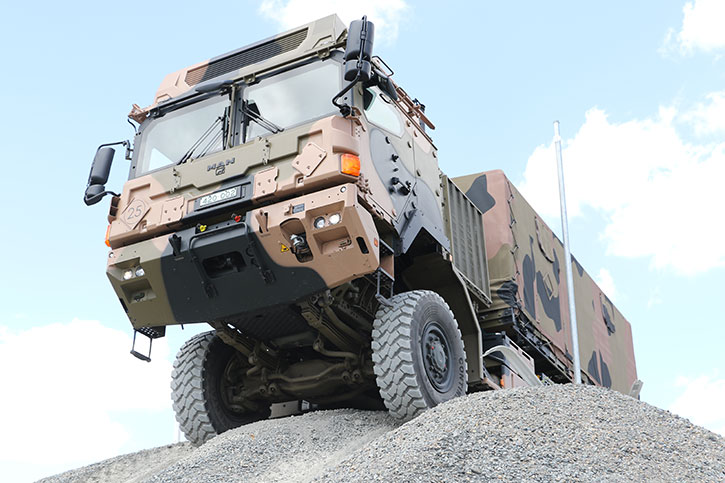
    The ADF is buying a thousand more trucks from RMMV, under an extension for the Land 121 Phase 3B program. Photo: RMMV Australia

    The Australian Defense Forces (ADF) is extending the current LAND 121 Phase 3B Project to run through 2024. Under the new program – Land 121 Phase 5B – the Australian subsidiary of German-based Rheinmetall Man Military Vehicles (RMMV) will supply more than a thousand logistical vehicles, and 800 payload modules and trailers, to the Australian Defense Forces (ADF) between 2019 and 2024 under a contract worth a total of A$1.4 billion.

    Under the LAND 121 Phase 3B program, RMMVA is currently delivering 2,536 protected and unprotected military logistic trucks, and 3,858 locally produced trailers and payload modules from its Brisbane-based integration facility. The new order will be an addition to that program.

    New Wheeled Tanks for the Italian Army

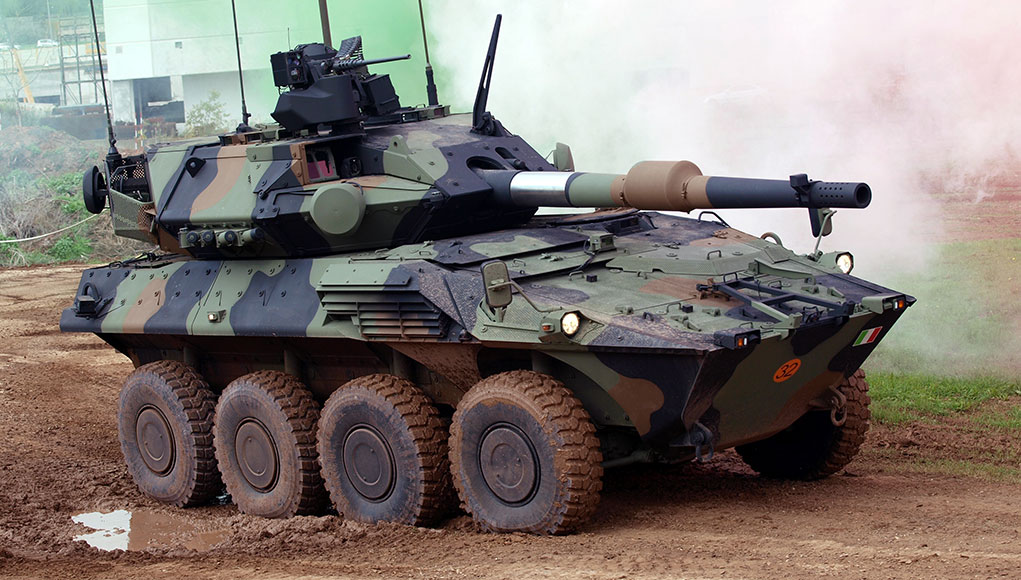
    Iveco has been awarded 159 million Euros for the first tranche of 10 Centauro II wheeled tanks. Photo: CIO

    The Italian MOD has ordered the first ten Centauro II wheeled tanks from Iveco-Oto Melara consortium (CIO). This award, worth 159 million Euro, that includes the procurement of vehicles, equipment, and logistics, is the first tranche of a planned procurement of 136 vehicles.

    Modernizing the Centauro vehicle fleet currently in service with the Italian Army, the “New Blindo Centauro”, as it is called by the Italian Army marks a major step forward compared to the previous Centauro I, in terms of power, observation capability, mobility, ergonomics, firing range, communication, and maximum crew protection.

    The new wheeled tank is a member of Iveco’s 8×8 family of vehicles used by the mechanized brigades of the Italian Army. Capable of operating in various scenarios, from national security missions to peace-keeping and support operations including all interventions involving the Italian Armed Forces.

    At a gross vehicle weight of 30 tonnes, Centauro II is equipped with a new Iveco Vector 8V EURO III powerpack delivering over 720hp, resulting in a combat power to weight ratio of 24 hp/t. Coupled to an automatic gearbox with 7 forward and 1 reverse gears, the vehicle uses an 8×8 H-drive architecture with hydro-pneumatic, independent suspension, three steering axles, and central tire pressure digitally controlled system (CTIS) the vehicle offers superior mobility over rough terrain. Centauro II can travel over 800 km on road, at a top speed of up to 105 km/h; three steerable axles enable turning circle radius of 9 meters while the all-wheel drive enable crossing a two-meter wide trench, moving a 60% gradient, and 30% slope at ease.


    Lance & Shield Ltd.

    As a marketing communications services provider specialized in the aerospace and defense sector, Lance & Shield Ltd. provides the marketing tools tailored for defense and HLS marketers seeking to reach a relevant and targeted audience through traditional and new media channels.

    Our services offer a one-stop shop for all your marketing needs – professional writers experienced in the aerospace, defense, and HLS sector, top quality design, animation and video production studio, on-site videographers, and market-leading direct marketing capabilities harnessing cutting-edge marketing technologies for the B2B sector, powered by Informa.

    Lance & Shield Ltd. is affiliated with some of the world’s leading publications and direct marketing digital services, maximizing your reach with defense and aerospace-related audience worldwide. You are invited to follow more than 20 leading defense companies in Israel that trust our services and expertise, to take your vision to new heights.

    For full information visit

    LANCEANDSHIELD.COM

    Address: P.O.B 2696
    Qadima 6092000, Israel

    Email: [email protected]

    Our services include:

    Content Creation

    • Professional Defense Writing
    • Native content
    • Press releases
    • Social networks
    • Blogs & posts
    • Whitepapers
    • Infographics
    • Websites
    • Brochures

    Marketing Insight

    • Systems analysis
    • Technical research
    • Company reports
    • Product reviews
    • Exhibition reports

    Advertising & Design

    • Print ads
    • Banner ads
    • Programmatic ads
    • Inbound marketing
    • Newsletters
    • Landing pages

    Digital Applications

    • Videography
    • Still photography
    • Aerial (drone) photography
    • Realistic modeling
    • Scenarios
    • AR/VR/MR
    • Infographic design
    • Postproduction
    • Company displays


    London Set to Develop a New Fighter for the 2030s

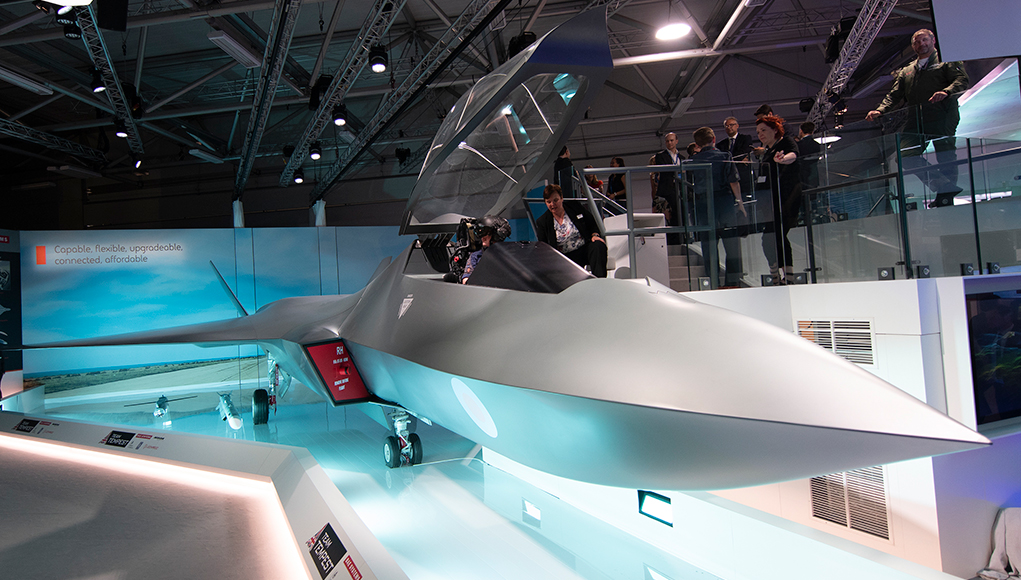
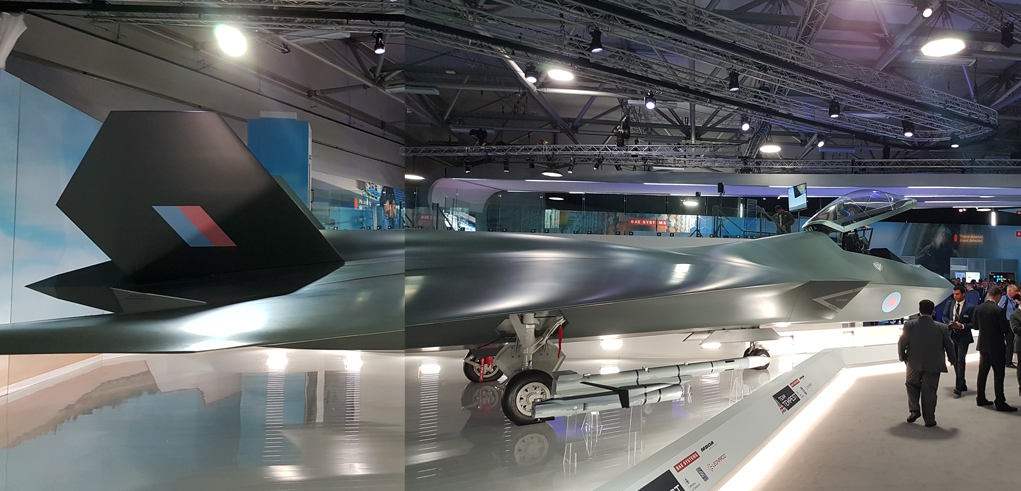
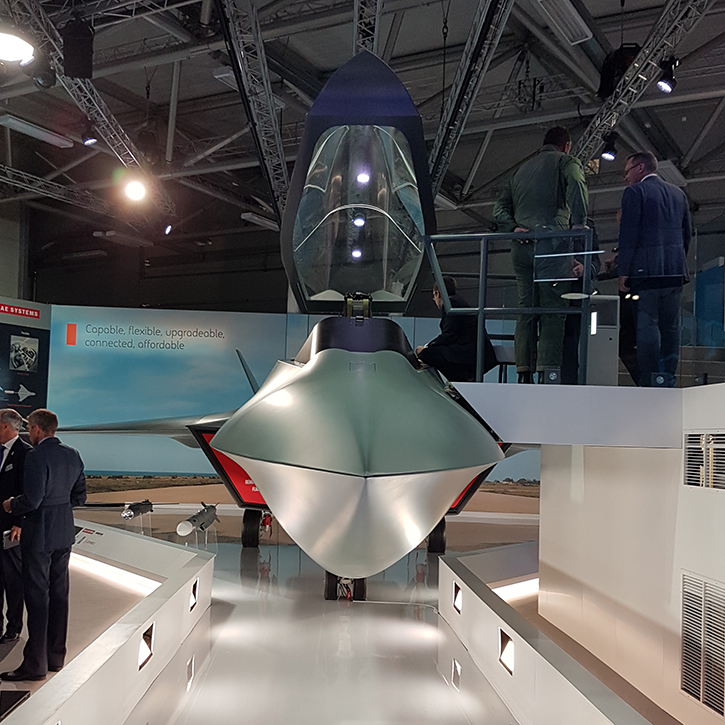
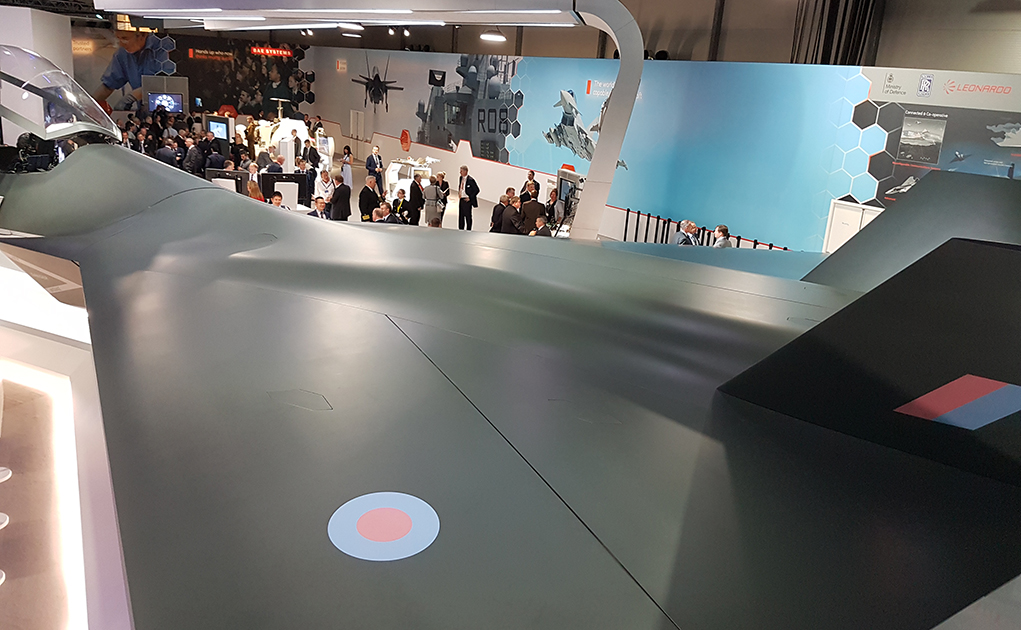
    Image of the concept model for the next generation jet fighter "Tempest", unveiled by Defence Secretary, Gavin Williamson announcing the new, national Combat Air Strategy at Farnborough International Air Show today. Photo: UK MOD, Crown Copyright

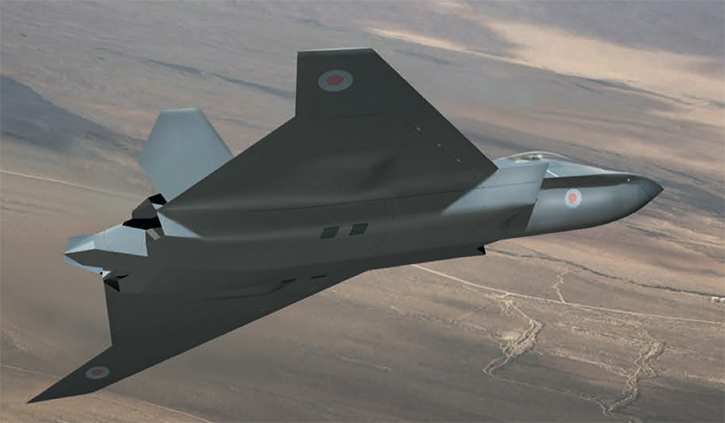
    UK Defense Secretary Gavin Williamson unveiled today a concept model of a brand new next-generation combat aircraft being developed exclusively in the UK. The Tempest, as the futuristic fighter plane is called, could be ready for operations with the Royal Air Force in less than two decades, as the first Typhoons begin to be phased out of service.

    The Tempest development is expected to complete in time to replace the first Typhoons phased out of the RAF by the mid 2030s. Illustration: MOD

    Considered as a fallout of the UK withdrawal from the European Union (Brexit), the announcement follows the stalled Anglo-French cooperation to develop a futuristic unmanned fighter plane under a strategic collaboration with Dassault. Those plans proved premature, as the technology required for fully unmanned combat air system has not matured yet. “Fully unmanned operation has not matured yet,” said Air Commodore L. S. Taylor, Assistant Chief of Staff, Capability Delivery Combat Air, and ISTAR at the RAF. “It is more likely that next generation platforms will be optionally piloted rather than unmanned”. With France and Britain going their ways, both turn to manned aircraft for their future programs. France is pursuing a similar program with Airbus.

    London’s decision to develop its own fighter doesn’t mean going alone all the way.
    MOD is to set up a dedicated team to deliver the combat air acquisition program and deliver a business case by the end of the year, to initiate discussions with potential international partners by next summer. Saab could be a candidate for such cooperation.

    Part of the justification for the huge investment is retaining the combat air sector currently responsible for a turnover in excess of £6bn a year that has made up over 80% of defense exports from the UK over the last ten years. Over 18,000 highly skilled jobs are involved.

    Currently, the concept aircraft has been put together exclusively by British firms including BAE Systems, Leonardo, MBDA, and Rolls-Royce. The four companies joined together with the RAF Rapid Capabilities Office to form ‘Team Tempest’ to pursue the opportunity.
    The team combines advanced capabilities across four key technology areas: advanced combat air systems and integration (BAE Systems); advanced power and propulsion systems (Rolls-Royce); advanced sensors, electronics and avionics (Leonardo) and advanced weapon systems (MBDA).

    Early decisions around how to acquire the Tempest will be taken by the end of 2020, followed by final investment decisions to be made in 2025. The aim is then for a next-generation platform to reach the operational capability by 2035.

    In 2015, as France and the UK committed to investing about €1.5 Billion in the development of future unmanned air vehicle demonstrator by 2025, their long-term goal was to field such capability by 2030. Each side would have supported its technology development and risk reduction studies. In the UK, it was Future Combat Air System Technology Initiative (FCAS-TI).

    Under the Tempest program, the British investment in FCAS-TI will exceed the entire amount allocated for the Anglo-French cooperation. Secretary Williamson confirmed the ongoing commitment to FCAS-TI would be more than £2bn of technology investment by 2025 (MOD and industry partners combined). The resources on the government side are likely to be drawn from the funds initially allocated for the FCAS in 2015, with industry filling the remaining amount.

    The introduction of the futuristic fighter plane coincided with the announcement of the U.K. new ‘Combat Air Strategy.’

    Currently, the concept aircraft has been put together exclusively by British firms including BAE Systems, Leonardo, MBDA, and Rolls-Royce. The four companies joined together with the RAF Rapid Capabilities Office to form ‘Team Tempest’ to pursue the opportunity.
    The team combines advanced capabilities across four key technology areas: advanced combat air systems and integration (BAE Systems); advanced power and propulsion systems (Rolls-Royce); advanced sensors, electronics and avionics (Leonardo) and advanced weapon systems (MBDA).

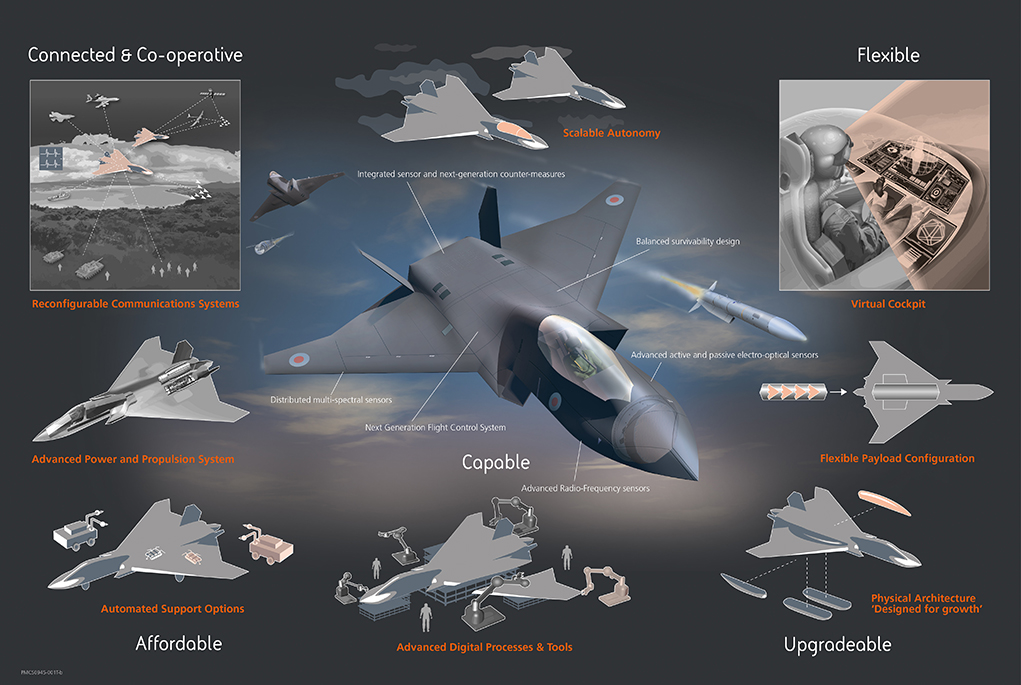
    While the concept fighter plane is in the early technology and concept evaluation, it will feature several advanced key capabilities to enable the platform to remain viable for decades. These include ‘physical design and reconfigurable, electronic cyber resilient open system architecture designed for growth’. An array of sensors and countermeasures will be employed, using distributed, multi-spectral passive and active electro-optical and RF systems.

    The weapons initially considered are the latest types of guided weapons such as the Meteor and SPEAR 3, the aircraft design will feature a modular bay that could carry different payloads and weapons, supporting kinetic, directed energy and non-kinetic effects. Other future armaments could include hypersonic air launches weapons, connected, cooperative and artificially intelligent weapons (smart swarms) and novel air/air weapons that could be employed in self-protection. With external weapon stations augmenting the main bay maintaining low observable capability but the platform will also enable the integration of laser weapons and new effectors contained in conformal, low-observable conformal weapon dispensers and payloads, more fuel will also be carried in conformal, low-observable fuel tanks.

    A virtual cockpit implementing cutting-edge displays and augmented / virtual reality that customizes displays and enable rapid upgrades. Scalable autonomy will enable the platform to evolve, from manned configuration utilizing decision aids to reduce the pilot workload to a formation of manned aircraft and optionally unmanned ’wingman’. Reconfigurable communications will enable the future aircraft to integrate into coalition fully and cooperative network, assuring high bandwidth links with other networked air assets, UAVs, maritime and ground forces.

    The Tempest will be a twin-engine aircraft, powered by advanced turbojet engines implementing advanced technologies to be developed by Rolls Royce. The new engine will be lighter, smaller and more powerful, compared to current turbofans. The engine will be surrounded by a network of tubes that function as an integrated heat management system, enabling the power plant to operate at higher temperatures. It will implement a lightweight, aerodynamically optimized fan with high distortion tolerance, lightweight parts made of advanced metal matrix and 3D printed ceramics that would enable temperature and power densities unavailable with past technology. An embedded starter generator will be able to generate more power at a lower weight, supporting all systems aboard.

    UK E-3D Replacement Opens Opportunities for BizJet-Based AEW

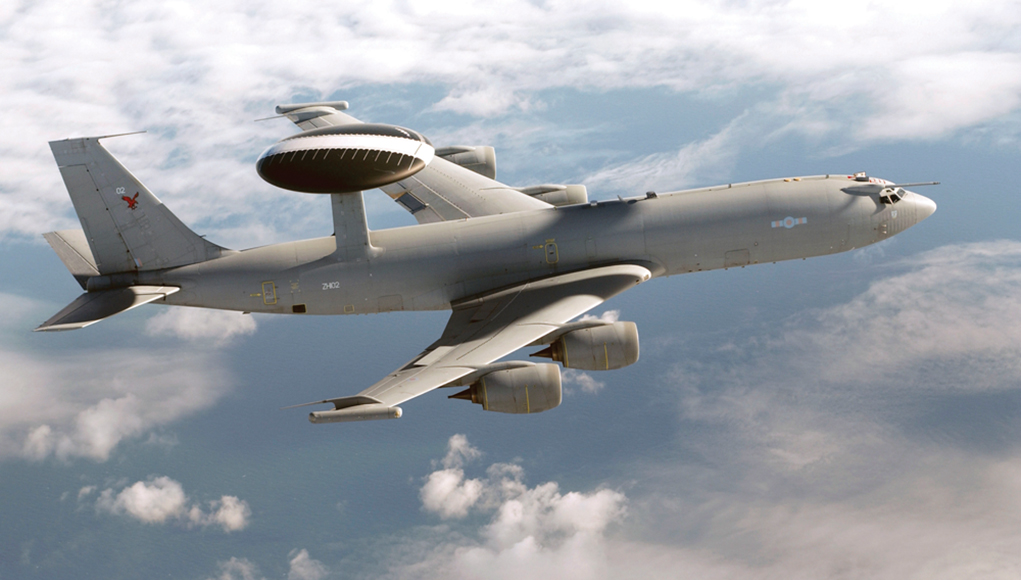
    E-3D Sentry AEW.Mk 1 is the RAF airborne early warning (AEW) and command and control aircraft. Equipped with a Northrop Grumman APY-2 radar installed in the large circular rotodome, installed on the Boeing 707-320 airliner platform. The E-3D aircraft differed from the US fleet in its powerplant, CFM56 engines. Photo: RAF

    The UK considers replacing the seven Boeing E-3D Sentry AEW.Mk 1 airborne warning and control (AWACS) aircraft currently in service. The E-7 aircraft, based on the Boeing 737 platform, is the forerunner for this replacement. Although the 2015 Strategic Defence and Security Review (SDSR) called for Sentry to remain in service until 2035, London plans to accelerate their replacement through via acquisition the U.S. Foreign Military Sales (FMS) G2G channel. Australia, South Korea, and Turkey currently operate the E-7.

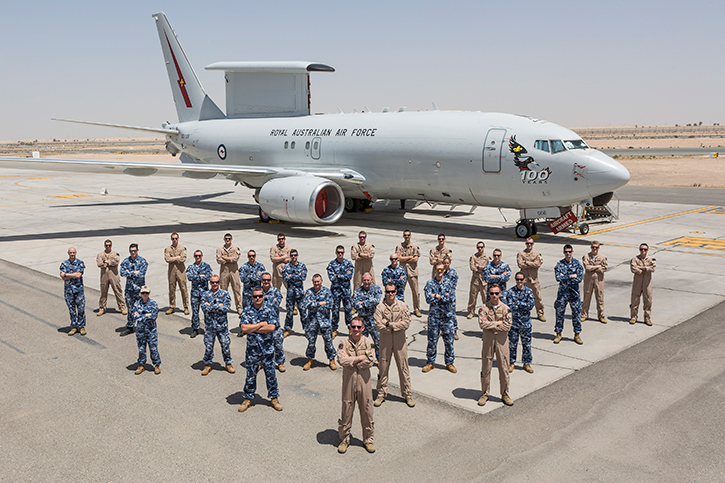
    Royal Australian Air Force personnel from the Air Task Group Task Element 630.1.2, Rotation 11, stand before an E-7A Wedgetail airborne command and control aircraft at the start of their deployment to the main logistics base in the Middle East Region. Photo: Australian defense

    British politicians headed by Parliamentary Defense Committee chairman Julian Lewis MP contest this plan, demanding an open competition that would allow MOD to consider other, more affordable alternatives. Among the systems that could be considered is the new Saab GlobalEye, utilizing the Canadian Global 6000 platform from Bombardier, and the Elta Systems CAEW, using the Gulfstream G550 platform, both are modern, highly efficient business jets configured with cutting-edge airborne early warning radars and supporting sensors.

    This opportunity opens the door for Israel Aerospace Industries to offer the ELW-2085 Conformal Airborne Early Warning and Control aircraft, Aviation Week reports. The platform features four sensors: radar, identification friend or foe, electronic support measures/electronic surveillance measures, and communication intelligence. A fusion technique cross-correlates data generated by all sensors and is combined with an automatically initiated active search, the company says.

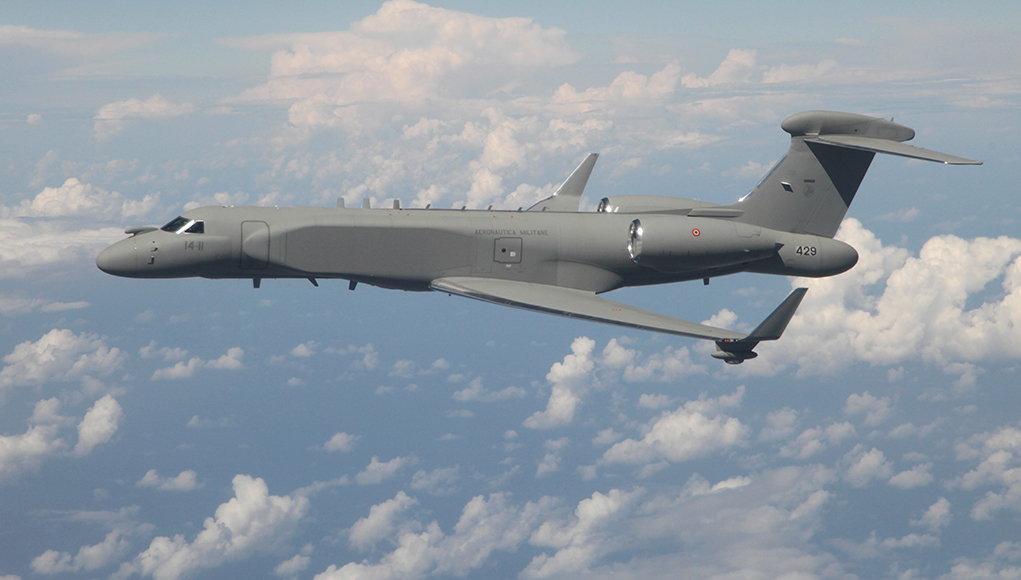
    IAI/Elta Systems CAEW is based on a highly modified Gulfstream G550 business jet. These aircraft are operational with the air forces of Israel, Singapore and Italy. Photo: IAI/IAF

    Planes such as the Gulfstream G550 are now rated as the platform of choice for special mission aircraft. Specially modified and equipped G550 platforms now include AEW&C, Intelligence, Surveillance and Reconnaissance (ISR), Signal Intelligence (SIGINT), Electronic Warfare (EW) and more. Such platforms offer many advantages over larger, legacy commercial airframes, such as the Boeing 707, 737, 767 and Airbus 320/330 class aircraft. IAI’s combat-proven Conformal Airborne Early Warning and Control (CAEW) aircraft have a proven record performing missions better than the bigger legacy AWACS, for longer durations, at a much lower cost.

    “Radar technologies and electronics have made quantum leaps since those days regarding weight, size, power, and performance,” Avishai Izhakian, Deputy General Manager, Airborne Systems, and Radars Division at ELTA Systems told Defense-Update. According to Izhakian, today’s radars are smaller, more efficient, more reliable and agile enabling missions to be carried out more effectively over a longer range, more effectively and efficiently.

    “Modern Active Electronic Beam Steering Arrays (AESA) render the distinctive rotodome redundant, introducing lighter more efficient, conformal configurations for radars, enabling the use of business jets for the AEW role,” Izhakian added. The fact that these modern radars are not reliant on the complexes of moving parts further reduce weight and improves performance. “By steering the radar beams electronically, rather than mechanically significantly faster update rates can be achieved, enabling the detection and tracking of modern threats such as fast cruise missiles and unmanned platforms,” Izhakian explained.

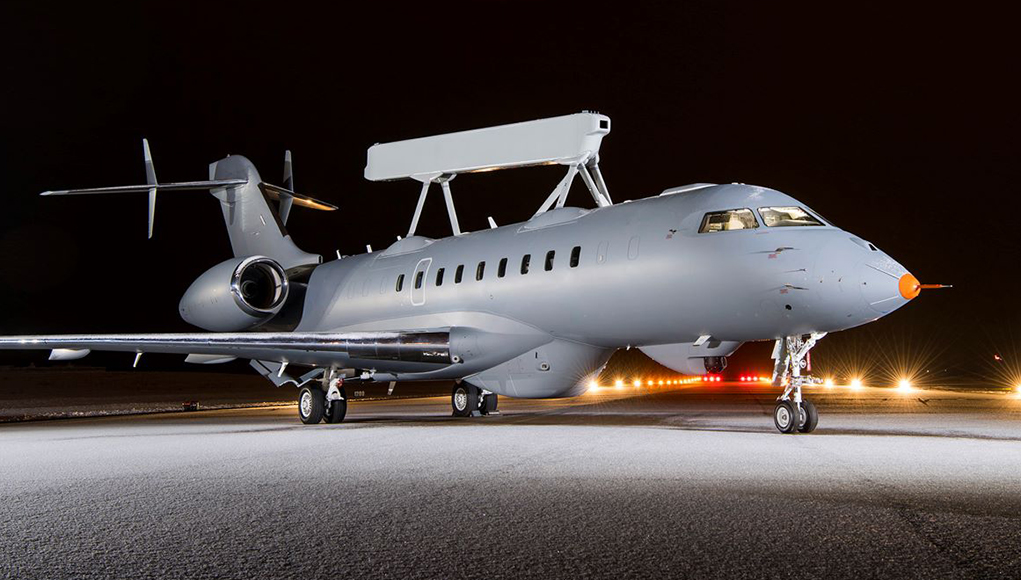
    Saab has integrated its Erieye aerial surveillance radar on the Bombardier Global 6000 business jet, recently selected for operation by the UAE air force. It is the latest variant using this radar. Earlier versions of the radar are also deployed on Embraer E-99/E-145 and Saab 340/2000. Photo: Saab.

    Based on an airframe designed for passenger comfort, operational efficiency, and reliability, the G550 CAEW offers a spacious cabin accommodating six multi-mission operating workstations, along with the power and cooling resources necessary to support all systems. An added benefit is the low cabin pressurization that is set to 5,000 ft., thus reducing operator fatigue on long missions.

    As a business jet platform, CAEW can land at any airport, even on short strips, and, return on station after a short ground cycle much faster than would take to perform in-flight refueling. The quick turnaround between missions, proven operational mission readiness of more than 90 percent, and low operating costs enables users to maintain 24/7 operations with smaller fleets. Analysis has shown that a small fleet of CAEW aircraft comfortably fulfills the missions carried out by much larger legacy fleets of E-3 Sentry or equivalent aircraft.

    The proven maturity, high performance, and operational efficiency position CAEW as a leading contender for the UK AWACS Recap program and other European Airborne Early Warning modernizations.


    CAEW – Business Jets Taking Control

    IAI/Elta Systems CAEW is based on a highly modified Gulfstream G550 business jet. These aircraft are operational with the air forces of Israel, Singapore and Italy. Photo: IAI/IAF

    IAI’s combat-proven Conformal Airborne Early Warning and Control (CAEW) aircraft have a proven record performing missions better than the bigger legacy AWACS, for longer durations, at a much lower cost.

    Since the invention of radars Air Forces have relied on strategic networks of radars, communications and command centers to plan, manage and coordinate air activity over theaters of operations in a friendly and contested airspace.

    The introduction of Airborne Early Warning (AEW) mechanical rotated radars in the 1960s made a dramatic change, extending AEW and control (AEW&C) over large airspace, covering terrain and ocean areas that were too extensive and complex for terrestrial based radar coverage. While technology has evolved since the days of those first “AWACS” (Airborne Warning and Control System) planes, the legacy platforms currently used for AEW&C systems are aging, inefficient and becoming too costly to operate.

    “Radar technologies and electronics have made quantum leaps since those days in terms of weight, size, power, and performance,” Avishai Izhakian, Deputy General Manager, Airborne Systems, and Radars Division at ELTA Systems told Defense-Update. According to Izhakian, today’s radars are smaller, more efficient, more reliable and agile enabling missions to be carried out more effectively over a longer range, more effectively and efficiently.

    “Modern Active Electronic Beam Steering Arrays (AESA) render the distinctive rotodome redundant, introducing lighter more efficient, conformal configurations for radars, enabling the use of business jets for the AEW role,” Izhakian added. The fact that these modern radars are not reliant on the complexes of moving parts further reduce weight and improves performance. “By steering the radar beams electronically, rather than mechanically significantly faster update rates can be achieved, enabling the detection and tracking of modern threats such as fast cruise missiles and unmanned platforms,” Izhakian explained.

    Planes such as the Gulfstream G550 are now rated as the platform of choice for special mission aircraft. Specially modified and equipped G550 platforms now include AEW&C, Intelligence, Surveillance and Reconnaissance (ISR), Signal Intelligence (SIGINT), Electronic Warfare (EW) and more.

    Such platforms offer many advantages over larger, legacy commercial airframes, such as the Boeing 707, 737, 767 and Airbus 320/330 class aircraft. A very successful example is G550 CAEW aircraft developed by Israel Aerospace Industries (IAI) subsidiary Elta Systems, using the company’s ELW-2085 AEW system. In this configuration, the G550 was modified extensively, adding ‘cheeks’ on the fuselage sides, a bulkier nose, and a tail radome, to accommodate four AESA radars. The latest generation of CAEW employs a new radar based on Gallium Nitride (GaN) technology that delivers higher power at higher efficiency, that contributes to improved detection and tracking performance.

    By collecting information across different spectral bands and domains, the CAEW provides a full 360o air situation picture, integrated with IFF ESM and Data Link data, covering all heights and terrains.

    Cleared for operations at a ceiling of 41,000 ft., rapid climb rate and high subsonic speed, the G550 CAEW is optimally positioned above civilian air traffic, can quickly reach the area of interest, and extend surveillance over the horizon up to 450 kilometers. Large fuel capacity and engine economy support missions up to 10 hours, without aerial refueling, operating all mission systems and with a full crew on board.

    Each CAEW uses multiple terminals that extend voice and data communications and wideband datalinks over Line of Sight (LOS) and satellite communications (SATCOM), allowing for additional operators on the ground to augment the airborne crew in real time.

    Onboard systems include radar, SIGINT, and communications suits developed in-house by the company, utilizing standard COTS computers and software. ELTA’s software-based systems allow maximum flexibility in operation and ease of adaptation to specific needs.

    Based on an airframe designed for passenger comfort, operational efficiency, and reliability, the G550 CAEW offers a spacious cabin accommodating six multi-mission operating workstations, along with the power and cooling resources necessary to support all systems. An added benefit is the low cabin pressurization that is set to 5,000 ft., thus reducing operator fatigue on long missions.

    As a business jet platform, CAEW can land at any airport, even on short strips, and, return on station after a short ground cycle much faster than would take to perform in-flight refueling. The quick turnaround between missions, proven operational mission readiness of more than 90 percent, and low operating costs enables users to maintain 24/7 operations with smaller fleets. Analysis has shown that a small fleet of CAEW aircraft comfortably fulfills the missions carried out by much larger legacy fleets of E-3 Sentry or equivalent aircraft.

    As a pioneer in this field, IAI/ELTA, has fielded such airborne systems with air forces in five continents. The CAEW has been in service since 2008 and is currently operational as a uniquely strategic asset with three air forces. The first entered service with the Israel Air Force in 2008 and the most recent NATO compliant version was delivered to the Italian Air Force since 2017.

    Interoperability is a major requirement for such strategic systems and involved close cooperation with the Leonardo Group as a subcontractor for NATO compliant communications and navigation equipment. With that delivery, the CAEW is now fully integrated and compatible with NATO standards and is ready to support other users in the European continent and abroad.

    The proven maturity, high performance, and operational efficiency position CAEW as a leading contender for the UK AWACS Recap program and other European Airborne Early Warning modernizations.
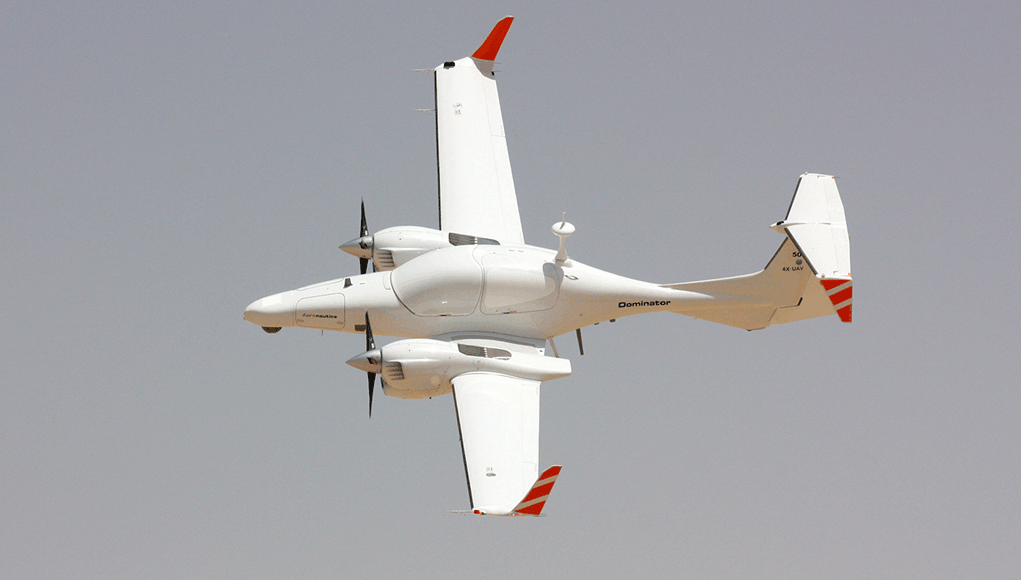
    Heavy Drones set to Roam the European Skies

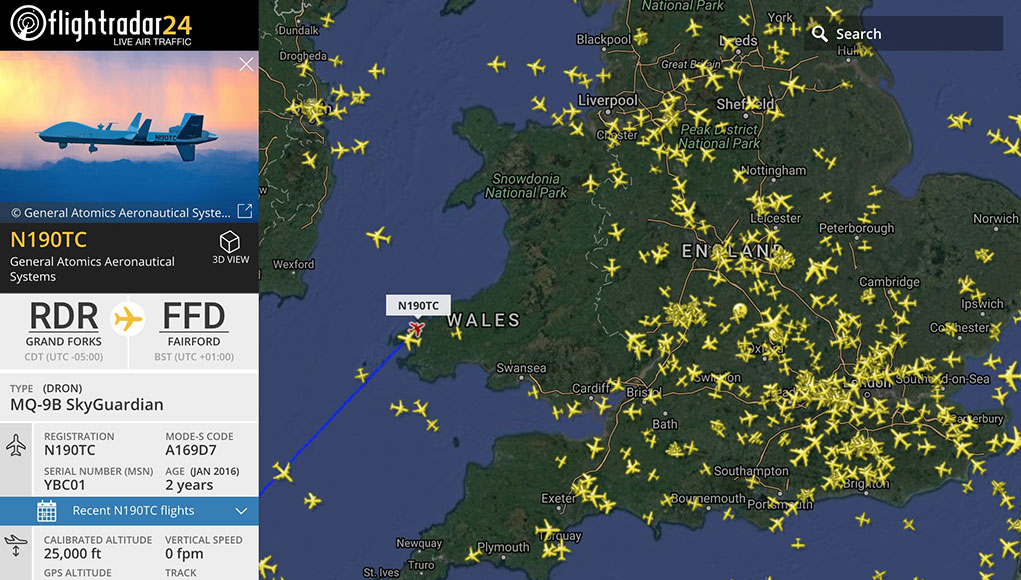
    SkyGuardian covered 3,760 nautical miles on direct flight from Grand Forks, North Dakota, USA to Fairford in Gloucestershire, England. This first cross-Atlantic flight for the type took 24 hours 2 minutes. Image: FlightRadar

    Two leading manufacturers of remotely piloted aircraft systems are nearing the goal of certifying unmanned aerial systems (UAV) for operation in the same airspace with manned aircraft, thus removing a major barrier to entry for drones that restricted the operation of large drones over the populated areas in Europe, Canada, and the USA. Elbit Systems of Israel and General Atomics Aeronautical Systems Inc. are the two forerunners in this field, followed by IAI and Northrop Grumman.

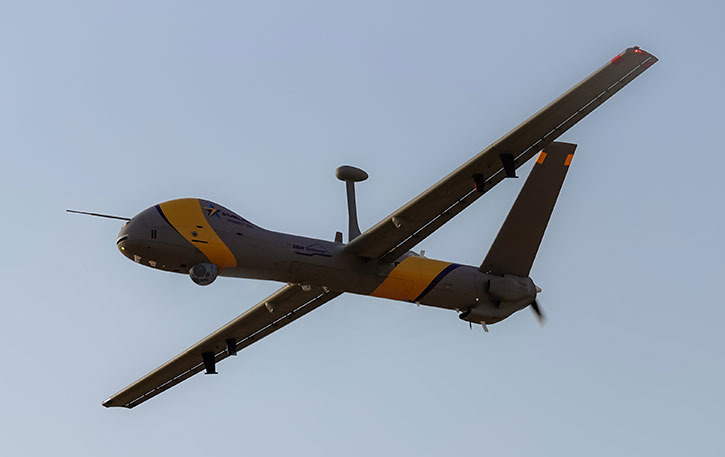
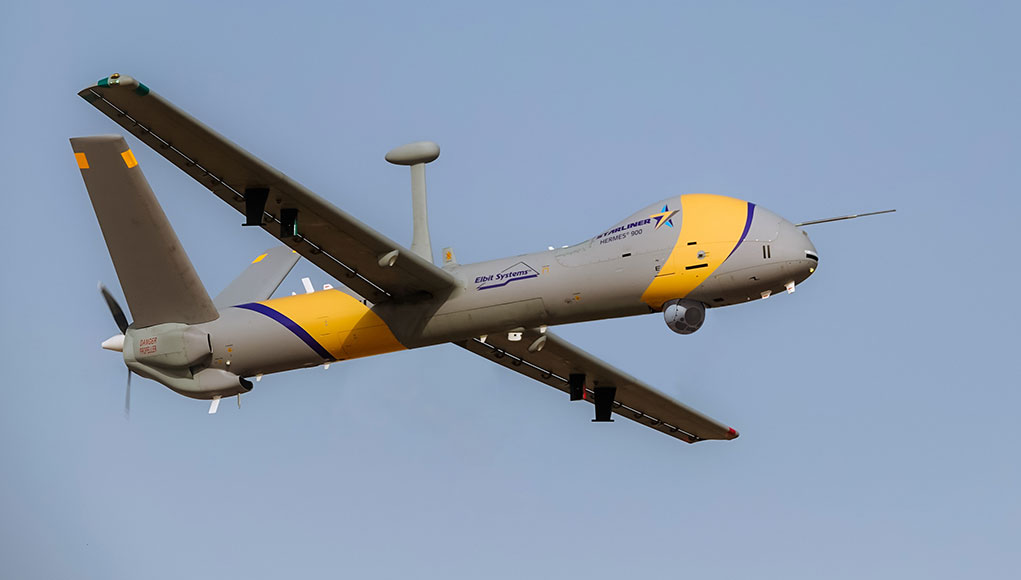
    Hermes 900 Starliner has a maximum takeoff weight of 1.6 tons. Carrying multiple payloads, it is seen here equipped with SPECTRO-IR multi-sensor EO payload. Note dual cameras on the leading edge providing stereo-view of the frontal sector. Photo: Elbit Systems

    Until recently nations that acquired such drones for Medium Altitude Long Endurance (MALE) missions could operate them primarily in the under-developed regions of the third world, where the majority of air traffic is conducted at high altitude, leaving the medium and low altitude an unregulated open space. MALE drones are regularly operated under special military permissions in Singapore, India, South Korea, across Central Asia and EuroAsia, parts of Latin America, Africa, Turkey, and the Middle East.

    In contrast, Europe, and North America or other nations operating under the International Civil Aviation Organization (ICAO) rules, are inaccessible for drones, except for few areas reserved for drone experimentation and training. Operation in such airspace with special permissions would require the implementation of “detect and avoid” anti-collision systems.

    Two new drones – the SkyGuardian from General Atomics ASI (GA-ASI) and StarLiner from Elbit Systems are positioned to complete a complex certification process by the European Aviation Safety Agency and UK Military Airworthiness Authority (MAA), to enable drone operators to fly within the dense European airspace, almost everywhere a manned aircraft can.

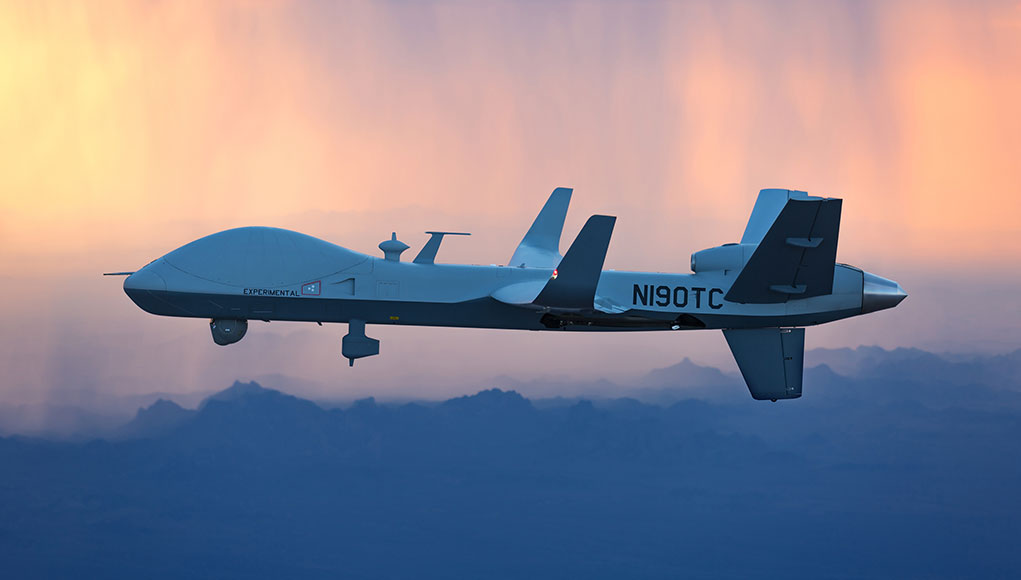
    SkyGuardian MQ-9B. Photo: GA-ASI

    On July 11, 2018 GA-ASI completed the first transatlantic crossing with the SkyGuardian MQ-9B unmanned aircraft, designed and built for the Royal Air Force ‘Protector RG MK1’ fleet. The RAF has been operating the MQ-9 Reaper for ten years, flying over 100,000 flight hours, but could not operate the drone over the British Isles since the drone could not be certified as a safe aerial vehicle.

    Both companies decided to tackle the problem head-on and test the authorities’ readiness to certify large drone platform counting on some European governments’ pressure to enable drone operations within the European airspace. Being ‘Certifiable’ means that all components, structures, avionics, software, procedures etc., are meeting civilian aviation standards. While such standards are mandatory for the design of every manned aircraft, they were completely ignored during the development of unmanned platforms.

    At present, ‘Certifiable’ provides customers with some assurance that their future drones will be allowed to operate in their national airspace, thus position military drone makers in an advantageous position vis-à-vis procurement programs in Europe and Canada, where tenders are expected to exclude, or at least recognize certification as a threshold for entries. It will also urge aviation authorities, setting the standards for future autonomous aviation.

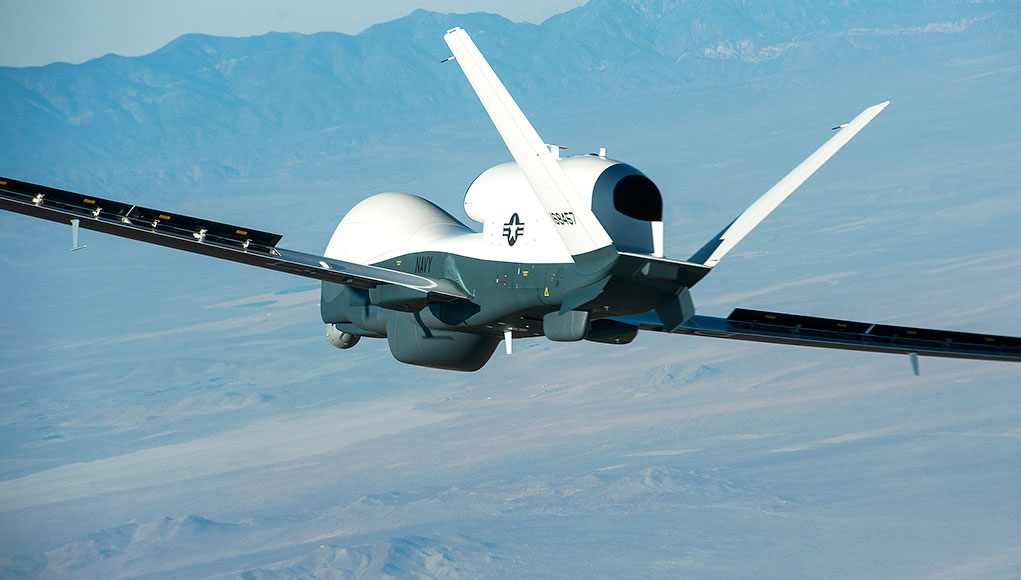
    MQ-4C Triton is already geared with the detect and avoid systems and is equipped wor all weather operation in icing conditions to qualify for airworthiness standards for flying on international civil airspace.

    Another drone that potentially meets the ICAO rules is the MQ-4C Triton High Altitude Long Endurance (HALE) drone from Northrop Grumman, the first drones of this class are now fielded with the US Navy and operate on maritime surveillance missions. Since those drones were fitted with anti-collision and de-icing systems to meet the requirements of the US Navy, to enable operations in the civil and international airspace, they could also be considered for operations over Europe. A German request to buy four such systems was approved in April 2018, has been approved, but an order for such systems is still pending.

    Subscribe to read the full article

    IAI Heron RPAS – Operations Update

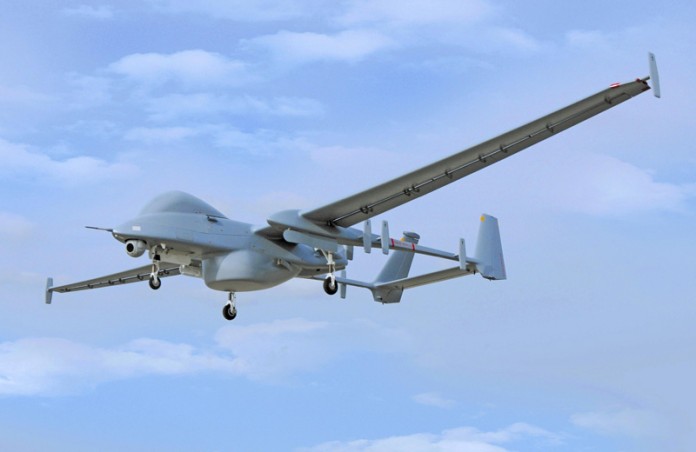
    IAI will supply three Heron I UAS to South Korea, as the first phase of a contract expected to be signed next year. Photo: IAI

    Subscribe to read more…


    Elbit Systems Hermes 900 StarLiner

    Hermes 900 StarLiner RPAS. (UAV) Photo: Elbit Systems

    Elbit Systems introduced today the Hermes 900 StarLiner – the largest and heaviest version of Hermes 900 family, designed to be fully compliant with NATO STANAG 4671, enabling the ‘StarLiner’ to be safely integrated into civilian airspace and fly in the same environment with manned aircraft. The 1.6-ton StarLiner recently completed a year-long flying schedule, performing Civil Aviation Authority certified flights in Masada National Park, Israel. Elbit Systems expects to receive approval from the European Aviation Safety Agency (EASA) for its own product in the coming months.

    These aircraft will be supplied to the Swiss Armed Forces Switzerland to fly in the Swiss National Airspace beginning in 2019.

    As part of the qualification process the StarLiner assumed new avionics including cooperative and non-cooperative Detect & Avoid Systems, Terrain Avoidance Warning, Automatic Take-off and Landing capability in near zero visibility, redundant broadband line-of-sight (LOS) and beyond line-of-sight (BLOS) data links and adverse weather capabilities that includes de-icing and direct lightning strike sustainment.

    These technological enhancements allow the aircraft to perform safely in visual flight rule (VRR) and instrument meteorological conditions, the drone uses a more powerful heavy fuel engine provides improved climb rate, extended endurance and a higher ceiling and maximum speed.

    Hermes 900 Starliner has a maximum takeoff weight of 1.6 tons. Carrying multiple payloads, it is seen here equipped with SPECTRO-IR multi-sensor EO payload. Note dual cameras on the leading edge providing stereo-view of the frontal sector. Photo: Elbit Systems

    Until now drones are operated over remote areas, flying in excluded airspace where civilian traffic is restricted due to the risks posed by the warfighting sides. But these drones are excluded from flying back at their home countries and are restricted to operate in specific zones where other aircraft are not allowed to enter. This segregation limits their operation and affects the quality of training and services troops could accept.

    One of the reasons for this segregation is the fact that drones were not certified by civil aviation boards, the governing authority regulating air traffic and safety standards. Since drones were developed as experimental platforms and later adapted to military uses, they lack the very basic standards meeting the civilian certification process. While this has nothing to do with the drone’s flight safety, until now, lack of standards compatibility precluded the consideration of certification of drones. Attempts to approach the problem using platforms based on general aviation aircraft and gliders have no solved the problem.

    Until now such operations were pursued under special authorizations enabling drones to operate with civilian traffic in certain routes, where the RPAS can operate from airports but when flying, their routes are separated from civilian traffic, (otherwise, manned aircraft are allowed to keep a certain distance from other aircraft).

    GA-ASI MQ-9B SkyGuardian

    SkyGuardian MQ-9B. Photo: GA-ASI

    To achieve airworthiness that meets NATO STANAG 4671 GA-ASI redesigned the MQ-9 platform from scratch, to enable the new ‘SkyGuardian’ to meet fully the UK Military Type Certificate for the time when Protector RG MK1 enters service by the mid-2020s. The RAF just announced its plan to assign the RPAS to 31 Squadron, that will phase out the Tornado GR4 by next year.

    The company has also designed a maritime version of the drone, designated ‘SeaGuardian’ but has not announced any orders for the new type. It is designed to support open-ocean and littoral surface surveillance. All three variants are designed to fly more than 40 hours with airspeeds up to 210 knots and reach altitudes of more than 40,000 feet. At a gross takeoff weight of 12,570 lbs (5,700 kg) it will carry 4,750lbs (2,159 kg) of external payload.

    The aircraft is equipped with an advanced Detect and Avoid (DAA) system, including space, weight, and power provisions to allow for the retrofitting of an airborne Due Regard Radar (DRR) to support operations in the non-cooperative airspace.

    GA-ASI developed the SkyGuardian as a private initiative the project has also received generous support from the British MOD, with a recent announcement of an $81M Foreign Military Sales contract by the US Air Force Life Cycle Management Center, that provides for integration and component level testing for UK specific enhancements. “MQ-9B represents the next generation of RPA system capabilities,” said Linden Blue, CEO, GA-ASI. “It has demonstrated new airborne endurance records (>48 hours) and automatic takeoffs and landings under SATCOM-only control. MQ-9B will also have our currently operational MQ-9 detect and avoid system (with collision-avoidance radar), which will support MQ-9B operations in civil airspace.”

    Fire Scout Completes Test Series at Sea, Operating with Manned Helicopters

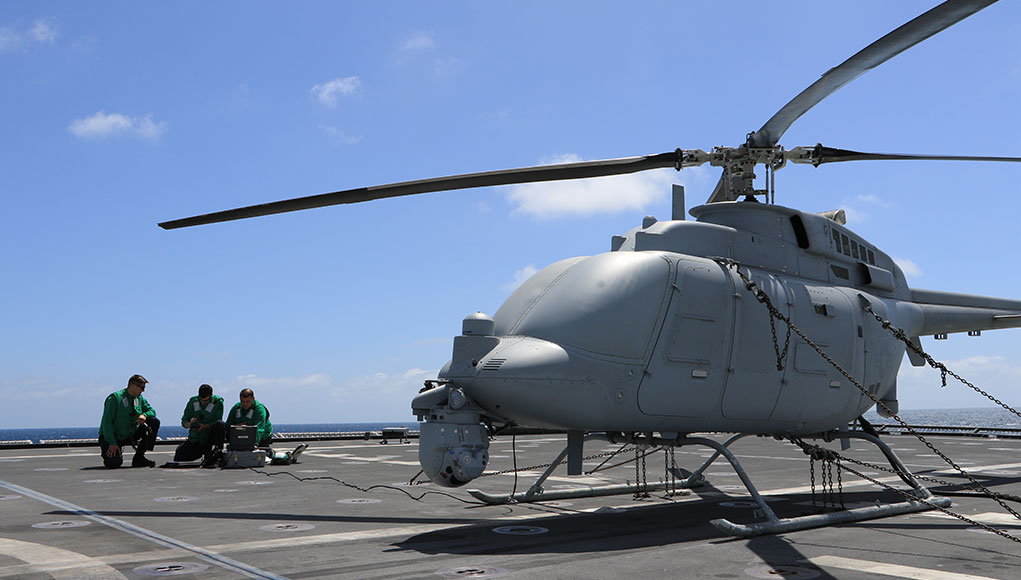
    An MQ-8C Fire Scout unmanned rotary-wing aircraft seen on the deck of USS Coronado Independence Class littoral combat ship (LCS) during the recent operational test and evaluation. (OT&E). Photo: US Navy, LCS Squadron I

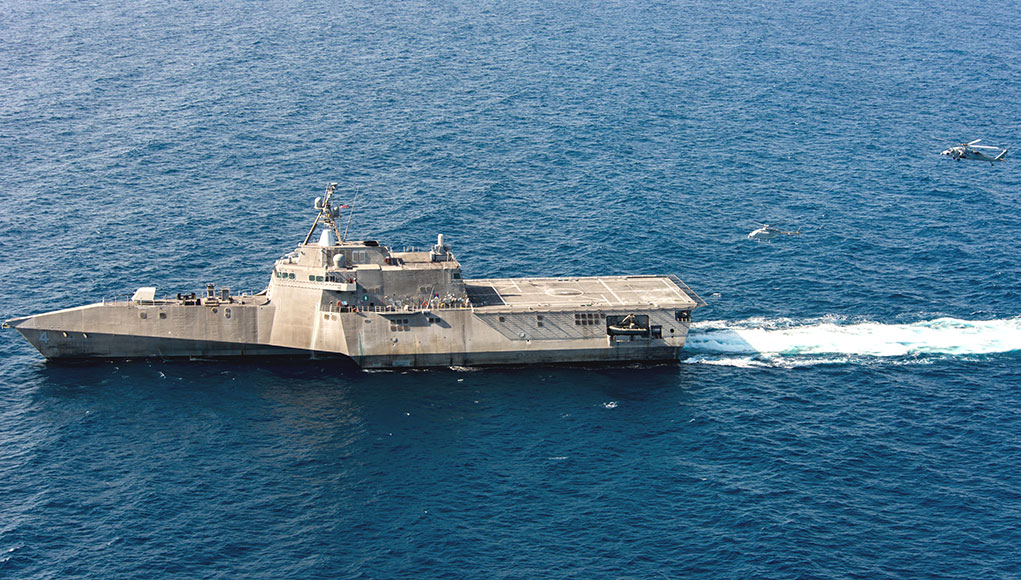
    USS Coronado (LCS 4) and Air Test and Evaluation Squadron 1 (VX-1) completed the first comprehensive Initial Operational Test and Evaluation (IOT&E) for the MQ-8C Fire Scout unmanned rotary wing platform on June 29, 2018. Results from this IOT&E will inform decision-makers on how best to integrate the Navy’s newest unmanned helicopter with littoral combat ships (LCS) and other platforms.

    The tests team developed and evaluated practices for simultaneously operating and maintaining both the MQ-8C Fire Scout and the MH-60S Seahawk, the two helicopters are seen here approaching the USS Coronado. Photo: US Navy by Jacob I. Allison.

    “The results, lessons learned, and recommendations reported on following this underway test period are absolutely invaluable to the future of the MQ-8C Fire Scout’s mission effectiveness and suitability to perform that mission,” said Lt. Cmdr. Seth Ervin, the lead for the VX-1 detachment aboard Coronado.

    During the tests, the Fire Scout performed several mission scenarios aboard Coronado off the coast of southern California. On these missions, the team conducted simulated engagements to evaluate Fire Scout’s role in target identification, intelligence gathering, and surface warfare operations, thus demonstrated the cohesion between the surface and aviation platforms.

    The testing also focused on developing practices for simultaneously operating and maintaining both the MQ-8C Fire Scout and the MH-60S Seahawk. Results confirmed that while it requires extensive planning and coordination across the ship, simultaneous operations can be conducted.

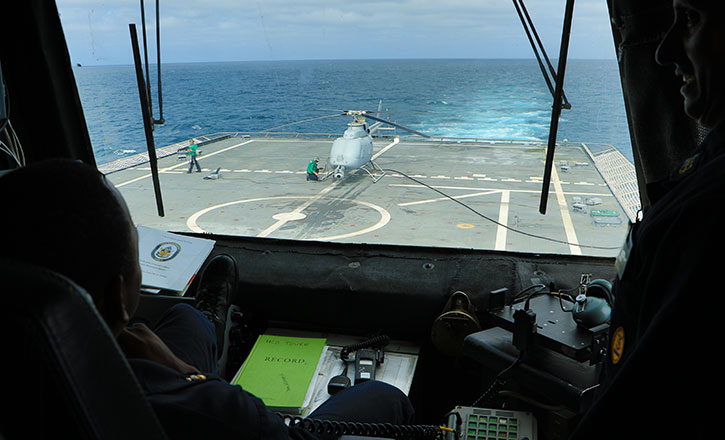
    Sailors aboard the Independence monitor flight operations from the helicopter control tower as maintainers prepare to launch the MQ-8C Fire Scout, the Navy’s newest unmanned helicopter. Photo: US Navy by Jalen Robinson.

    “It has been challenging and rewarding to be one of the first maintainers afforded the opportunity to take both aircraft aboard the ship. Working together, we made the overall product more functional and efficient for the fleet,” said Aviation Machinist’s Mate Second Class Salvatore Greene, a member of VX-1.

    These tests followed two previous milestones – the first ship-based flight of the MQ-8C Fire Scout occurred aboard USS Jason Dunham (DDG 109) in December 2014, and previous underway testing was also conducted with USS Montgomery (LCS 8) in April 2017. Pierside testing of the MQ-8C Fire Scout will continue onboard Coronado throughout mid-July with a focus on maintenance and cyber. Coronado is one of four designated LCS testing ships homeported in San Diego.

    Finland Stealth Boats to Get Israel’s Gabriel Advanced Naval Attack Missiles

    Hamina Class FAC in Finnish Navy service.

    Finland has selected Israel’s Advanced Naval Attack Missile to replace its current MTO85M system, a derivative of Swedish RBS15 that will reach the end of its life cycle in the 2020s. IAI’s Gabriel has beaten four other competitors evaluated by Finland’s MOD, including Kongsberg’s NSM, MBDA’s Exocet, Boeing’s Harpoon and Saab’s RBS15. The initial contract is worth EUR162 million, with an option worth EUR 193 million.

    IAI Gabriel 5 Advanced Naval Attack Missile is heading to Finland next year, replacing RBS15 on the Hamina-class missile boats and future Squadron 2020 corvettes. Image: IAI

    The selection of Israel’s Advanced Naval Attack Missile marks an important achievement for IAI, representing the first sale of such strategic system to a European Navy. Also known as Gabriel 5, the weapon is the latest member of a family of naval attack missiles developed by IAI. Little is known about the weapon, that is believed to be operational on Israel Navy missile boats and with some foreign navies.

    With a size roughly as the American Harpoon and French Exocet, the Israeli missile covers longer ranges and can complete its mission even in a highly restrictive environment. Using a modern and advanced active radar seeker and a sophisticated weapon control designed to overcome target selectivity problems, the system achieves very high operational effectiveness, particularly in littoral waters. As such it is optimized for operation in congested waters, and under heavy electronic warfare and against sophisticated countermeasures, typical of scenarios that might be encountered in the Baltic Sea. The missile has an estimated range of 200-400 km and, according to some reports, a version of the missile is equipped with a two-way datalink. According to the Finnish MOD, the missile will also be usable from vehicular platforms on land and against land targets.

    As an advanced attack missile, Gabriel 5 could penetrate the target’s protection, both soft- and hard-kill defenses. It was designed with sophisticated electronic counter-countermeasures (ECCM) dealing with chaff, advanced decoys, and active ECM. Gabriel 5 and Barak 8 were described as part of a combined, offensive and defensive system suite built by IAI’s Missiles and Space division for the Israeli navy and for export.

    The main selection criteria weighed the weapon’s performance along with acquisition costs and schedule, lifecycle costs and security of supply. Compatibility with existing infrastructure and defense system was also considered.

    The new missile will be installed on existing Hamina-class missile boats and the new Squadron 2020 vessels, the first will be launched in 2019. The Hamina is undergoing a midlife upgrade program lead by Patria. The SMM2020 will also be installed on a vehicle platform, introducing a first known coastal defense variant for the Gabriel. Deliveries will start in 2019 and continue through 2025. The Finnish Navy is expected to maintain the new missile in service for a period of 30 years. The purchase will include launchers, missiles, simulators, test equipment, spare parts, and training. The SSM2020 will be maintained in Finland.

    Raytheon, Dynetics are is Building 100kW Tactical Lasers for the US Army

    In February 2018 Lockheed Martin announced the production of a single-beam 60 kW laser for the Army High Energy Laser program. Image: Lockheed martin

    The Raytheon Company and Dynetics are both developing laser weapon prototypes that will utilize 100 kW class laser weapons. One of the prototypes will be tested by the Army in 2022.

    Each company received $10 million from the U.S. Army recently, to build a High Energy Laser Tactical Vehicle Demonstrator (HEL TVD) prototype based on the Army Oshkosh tactical FMTV truck. The winning contractor will be awarded a contract option to finish the design, build and integrate the laser weapon system onto an Army FMTV platform and conduct field testing at White Sands Missile Range in New Mexico.

    The science and technology demonstration program is part of the Army’s Indirect Fire Protection Capability (IFPC) Increment 2 Block 2 (IFPC 2-I Blk 2) initiative designed to defeat drones, rockets, artillery, and mortars (C-RAM/UAS).

    The Army’s Indirect Fire Protection Capability, Increment 2 — Intercept (IFPC Inc 2-I) is an acquisition program designed to provide a material solution to protect troops from cruise missiles, unmanned aerial systems (UAS), and rockets, artillery, and mortars (RAM). IFPC Inc 2-I has a Block 2 milestone decision in FY24 to add the counter-RAM capability to the program. To date, the program tested lasers at various intensities, from 2kW to 50 kW. In February this year, Lockheed Martin announced it completed the development of a single-beam 60 kW laser for the program. Lockheed Martin has teamed with Dynetics to mount a 100 kW laser on its HEL TVD. The laser uses Lockheed’s spectral beam-combined fiber laser that leverages know-how and experience gained from another vehicle-based laser – the Army’s Robust Electric Laser Initiative (RELI) program.

    Raytheon’s 100 kW laser will be based on multi-beam fiber-laser design. The next phase will test the system with 100kW lasers, deemed adequate to defeat C-RAM targets in a timely manner.

    Following the conclusion of the test and evaluation phase in early 2019 the Army plans to award a three-year system development, and demonstration contract estimated at $130 million, to build and integrate a weapon system. By the Fiscal year 2022, the HEL TVD will be demonstrated against a variety of targets, including lethal engagements.

    This capability is managed in parallel to the Interim Mobile-SHORAD (IM-SHORAD) that will equip the Stryker brigades beginning 2020, but the two programs could be merges sometime in the future as the Army considers adding HEL capability to IM-SHORAD in the future.

    The first mission is to protect U.S. and allied forces at fixed and semi-fixed bases. High energy lasers will complement conventional offensive and defensive weapons at a significantly lower cost per engagement than current systems. The high energy laser system represents very low operating costs, as it requires only fuel to complete its mission, with an average cost per kill of approximately $30. There is no ordnance logistics burden, as with conventional weapons.

    This 390 w. text is an excerpt of the 582-w. article; Subscribe to read the full version

    The HEL-TVD is designed as a self-contained unit that integrates multi-spectral targeting sensors, fiber-combined lasers, power and thermal sub-systems, all incorporated in a single package. Image: US Army SMDC

    Skunk Works and XTEND Simplify Multi-Drone Command

    0
    Lockheed Martin Skunk Works® and XTEND have achieved a major milestone in JADC2 by integrating the XOS operating system with the MDCX™ autonomy platform. This technical breakthrough enables a single operator to simultaneously command multiple drone classes, eliminating the friction of mission handoffs. From "marsupial" drone deployments to operating in GPS-denied environments, explore how this collaboration is abbreviating the data-to-decision timeline and redefining autonomous mission execution.

    From Ukraine to Taiwan: The Global Race to Dominate the New Defense Tech Frontier

    0
    As traditional defense primes face mounting competition from agile “neoprimes” such as Anduril, Palantir and Helsing, the balance of innovation is shifting toward software-defined warfare and scalable, dual-use technologies, while global industry consolidation—marked by Boeing’s integration of Spirit AeroSystems and other strategic mergers—signals an intensified race to secure control over the defense technology value chain. Our Defense-Tech weekly report highlights these trends.

    Europe’s “Drone Wall”

    0
    In early October 2025, a coordinated wave of unmanned aerial system (UAS) incursions—widely attributed to Russia—targeted critical infrastructure across at least ten European nations. The unprecedented campaign exposed the fragility of Europe’s air defenses...

    Weekly Defense Update & Global Security Assessment

    0
    Executive Summary The past week (September 18-25, 2025) represents an inflection point where strategic defense concepts have transitioned from doctrine to tangible reality. An analysis of global events reveals four primary, interconnected trends shaping an...

    U.S. Air and Space Forces Push Next-Gen Programs at the AS&C 2025 Conference and...

    0
    At the 2025 Air, Space & Cyber Conference, U.S. Air Force and Space Force leaders unveiled major updates on next-generation fighters, bombers, unmanned systems, and space initiatives, highlighting both rapid innovation and critical readiness challenges as the services race to outpace global competitors. A short version is available here, with a more detailed version for subscribers.

    TADTE 2025: Reflecting Taiwan’s Strategic Themes

    0
    The Taipei Aerospace & Defense Technology Exhibition (TADTE) 2025 crystallized around four dominant strategic themes that collectively illustrate Taiwan's comprehensive approach to defense modernization amid escalating regional tensions. Based on a detailed report by Pleronix (available upon request). Includes a Podcast discussion on TADTE 2025's highlighting Taiwan's four strategic themes beyond the post's coverage.

    Iron Beam 450 Completes Testing, Soon to Join With Operational Air Defense Units

    0
    Israel’s Iron Beam 450 high-power laser system has completed final testing, marking a major leap in air defense. Developed by Rafael, it offers precise, cost-effective interception of rockets, UAVs, and mortars, and is set for IDF deployment by 2025.