The US Army selected the Sig Sauer P320 pistol for the Modular Handgun System (MHS), replacing the service’s Beretta M9 pistol that has been in service for the past 30 years. The $580 million contract announced yesterday covers procurement over ten years, of an unspecified number of handguns. According to unconfirmed estimates, the Army is planning to buy 280,000 weapons, but the program could increase to about 500,000 with additional orders from the Department of Defense and other services. The Army also plans to buy approximately 7,000 compact versions of the new handgun. Deliveries are scheduled to begin in 2018.
The Army began working with the small arms industry on Modular Handgun System in early 2013, but the joint effort has been in the works for more than five years. The Army evaluated four weapons for the MHS, from Sig Sauer, Glock Inc., FN America and Beretta USA. The Army wanted a handgun system that will outperform the current M9 system, be modular and fit different hand sizes. A modular weapon means it is easier to replace broken parts, and the use of smaller grips are important as more women enter the military. As a modular system, the firearm can adapt to special assignments.
The Army held the MHS contest after pressure to replace aging weapons and concerns about the weight and reliability of the M9. The competition started in 2011 and received criticism for taking almost a decade to pick a winner. Beretta submitted the M9A3, an updated version of the M9, before the MHS competition to try to maintain its contract, but it was rejected. For the MHS competition Beretta submitted a new APX striker-fire pistol. The Army picked the P320 from Sig Sauer (M17) and ordered the full-size and compact pistols chambered for 9mm NATO rounds and excluded the other part options Sig Sauer offers the P320 model. The 10-year contract will run through 2027.
In addition to the pistol, entrants were required to submit a regular and a special-purpose round, which suggests the Army is considering using more powerful rounds. This would address complaints about the 9mm NATO being ineffective in combat. The infographic below summarizes the comparison between the two weapons is presented here courtesy of TacticalGear.com.
Russia’s air force will work with Turkey’s to conduct joint airstrikes targeting Islamic State militants in Northern Syria, the Russian military announced today.
Russian Defense Ministry official Lieutenant-General Sergei Rudskoi announced in a televised comment that twelve Russian planes and eight Turkish jets have carried out strikes on the town of al-Bab — roughly 40 kilometers northeast of Aleppo.
In recent weeks Turkish ground forces are engaged in combat operations against Daesh in the vicinity of Al-Bab. Coalition air forces have also targeted Daesh sites near the town in recent days, according to coaliton spokesman Colonel John Dorrian. These strikes followed Turkish criticism of insufficient U.S. support for its ground offensive.
“These strikes were the result of continued cooperation with Turkey, and we saw a window of opportunity where it was in our mutual interests to get those targets destroyed,” Dorrian said.
Coalition forces had struck four targets near al-Bab, where the US has supported Syrian Democratic Forces (SDF) and where Turkey has supported the Free Syrian Army (FSA) both fighting against a common foe, Daesh. On the other side, the Russians, are supporting the Syrian government forces, which are in conflict with SDF and FSA.
The joint Turkish-Russian operation conducted today was a major step that followed a memorandum of de-confliction signed between the two countries in Moscow last week.
The aircraft involved in the strikes on the Russian side included three four-aircraft formations of Su-24M, Su-25 strike fighters and Su-34 bombers. On the Turkish side the group included two formations of four F-16 and four F-4E Phantom 2000.
Russian sources said the combined air raid attacked 36 targets. Since there are no agreed protocols for air/air or air/ground cooperation between NATO and Russian air forces, it is not clear how the two forces coordinated these operations, if the attacks involved coordination with ground troops or were they restricted to air strikes in a ‘free play’ zone. According to Russian sources, based on the initial results, the joint effort has proved successful.
Rudskoi said it was the first time Russia and Turkey’s air forces had teamed up in this way.
Russia and Turkey had been on opposing sides of the nearly six-year Syrian conflict, with Moscow backing Syrian president Bashar Assad while Ankara supported the rebels. The lowest point was in 2015 after a Turkish F-16 shot down a Russian Su-24 killing one of the crewmembers.
But in recent months, particularly after the failed coup in Turkey, the two countries have worked together, and will broker peace talks later this month in Kazakhstan aimed at finding a political solution to the war.
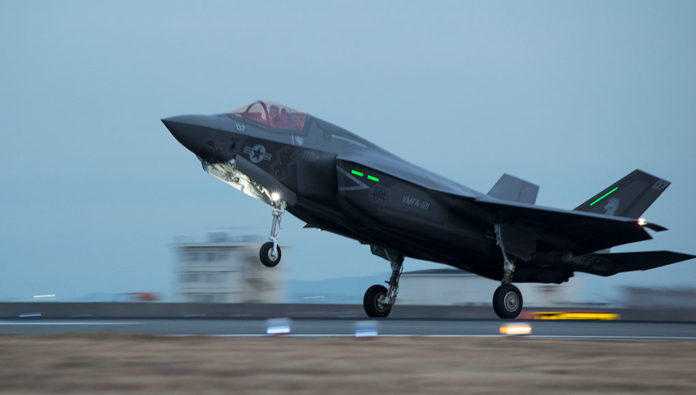
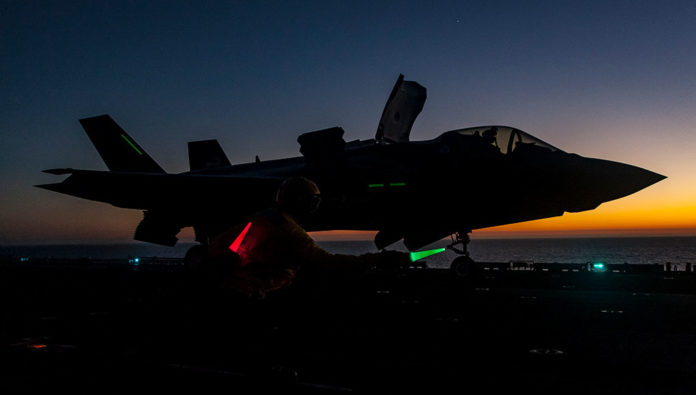
An F-35B Lightning II with Marine Fighter Attack Squadron (VMFA) 121, lands at Marine Corps Air Station Iwakuni, Japan, Jan. 18, 2017. Photo: U.S. Marine Corps, by Lance Cpl. Joseph Abrego
The first F-35B Lightning II aircraft, belonging to Marine Fighter Attack Squadron 121 (VFMA-121), arrived today at Marine Corps Air Station Iwakuni today (January 18, 2017) beginning the squadron’s permanent basing at the air station. VMFA-121 conducted a permanent change of station to MCAS Iwakuni, from MCAS Yuma, Ariz., and now belongs to Marine Aircraft Group 12, 1st Marine Aircraft Wing, III Marine Expeditionary Force positioned at this base.
“The arrival of the F-35B embodies our commitment to the defense of Japan and the regional-security of the Pacific,” said Maj. Gen. Russell Sanborn, the Commanding General of the 1st Marine Aircraft Wing. “We are bringing the most advanced technology to the Pacific to respond to the wide range of missions we take part in and provide greater support to our regional allies.”
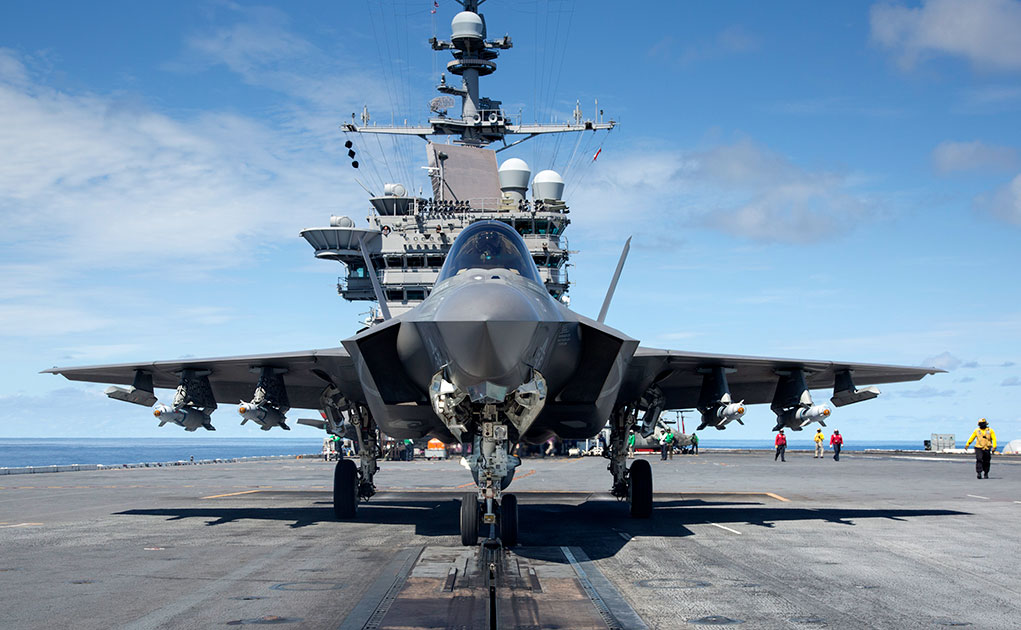
The F-35B represents the future of Marine Corps tactical aviation and incorporates the mission capabilities of the current Marine Corps platforms it is replacing—the AV-8B Harrier, F/A-18 Hornet, and EA-6B Prowler—within a single airframe. In addition to its short takeoff and vertical landing capability, the F-35B’s unique combination of stealth, cutting-edge radar, sensor technology, and electronic warfare systems bring all of the access and lethality capabilities of a fifth-generation fighter, a modern bomber, and an adverse-weather, all-threat environment air support platform.
Prior to arriving in Iwakuni, VMFA-121 was stationed with the 3rd Marine Aircraft Wing at MCAS Yuma, Arizona. During the squadron’s time in Arizona, the aircraft successfully
participated in numerous exercises and training events. “Our training in the U.S. has prepared us well for our mission here in Japan and we are very honored to have such a warm welcome,” said U.S. Marine Corps Lt. Col. J. T. Bardo, commanding officer of VMFA-121. “Our Marines and family members take great pride in being able to serve here and be part of the amazing community in Iwakuni, both on and around the air station.”
The F-35B that arrived in Japan today brings strategic agility, operational flexibility and tactical supremacy to III MEF with a mission radius greater than that of the F/A-18 Hornet and AV-8B Harrier II in support of the U.S. – Japan alliance. Photo: U.S. Marine Corps photo by Cpl. Donato Maffin
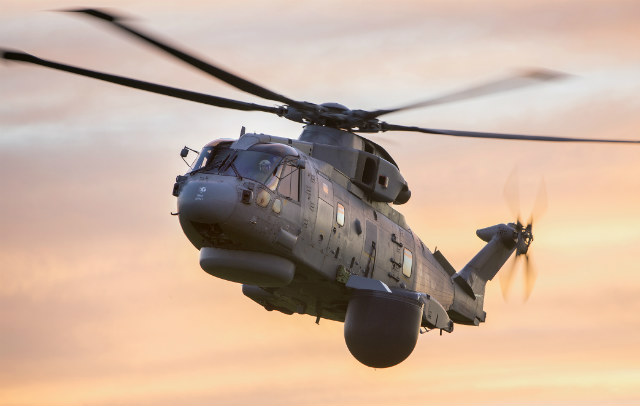
The UK has ordered 10 Crowsnest airborne radar systems for its fleet of AW101 Merlin HM.2 helicopters. Photo: Leonardo
The British Defence Minister Harriett Baldwin announced a £269M (US$327 million) deal for the procurement of 10 aerial surveillance systems to operate on the Royal Navy new Queen Elizabeth Class aircraft carriers. Initial deliveries are expected in 2018 with initial operational capability in 2020.
Lockheed Martin UK is the prime contractor for the Crowsnest project. The company will integrate airborne early warning radars and passive electronic support measures in the Merlin Mk2 helicopters provided by Leonardo that will also modify the Navy’s 30 AW101 Merlin HM.2 platforms to be able to carry the Crowsnet mission package.
Thales will provide the sensor suite solution for the system. With the new radar Crowsnet will replace the Seaking AEW7 that operated from the decks of the Royal Navy’s Invincible class aircraft carriers that were phased out of service in recent years. The system is an updated and improved version of the Cerberus tactical sensor suite, currently in service on the Sea King Mk7 helicopter.
The Merlin Mk2 Crowsnet will act as the eyes and ears for the Royal Navy’s ships, providing long range air, maritime and land detection and tracking capability. The Merlin Mk2 helicopters already perform a number of other roles for the Royal Navy, including anti submarine warfare, search and rescue.
The Corwsnet equipped helicopters will be based at RNAS Culdrose in Cornwall, UK and are expected to remain operational for at least 20 years.
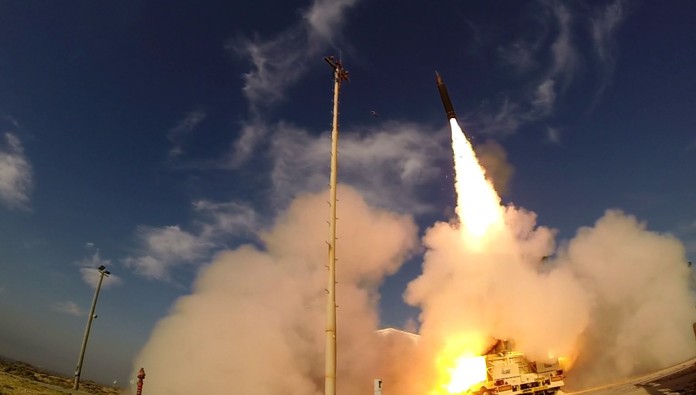
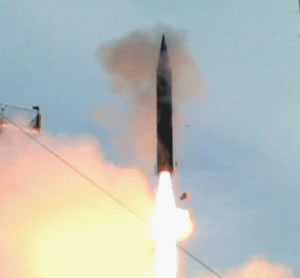
Arrow 3 interceptor missile launched from Palmachim missile test site on Israel's Mediterranean shore, December 10, 2015. Photo: IMOD
Israel enhanced today its nationwide multi-layered missile defense system with the delivery of the first batch of Arrow 3 interceptors to be inducted to the Arrow Weapon System (AWS) made by Israel Aerospace Industries (IAI/MLM). Arrow system is the upper-most tier in the Israeli strategic missile defense capability. Until now the AWS was comprised of Arrow-2 interceptors. The induction of Arrow-3 adds an exo-atmospheric capability.
The two types of missiles enable the missile defense operators to conduct more agile intercepts, particularly against missile salvos. The Arrow-3 hit-to-kill interceptor capabilities enable longer range, higher altitude (exo-atmospheric) and more precise ballistic missile engagements. The combined interception capabilities of the Arrow-2 and Arrow-3 will significantly reduce the possibilities of ballistic missiles ‘leakage’, when missiles that were not intercepted could hit the Jewish State.
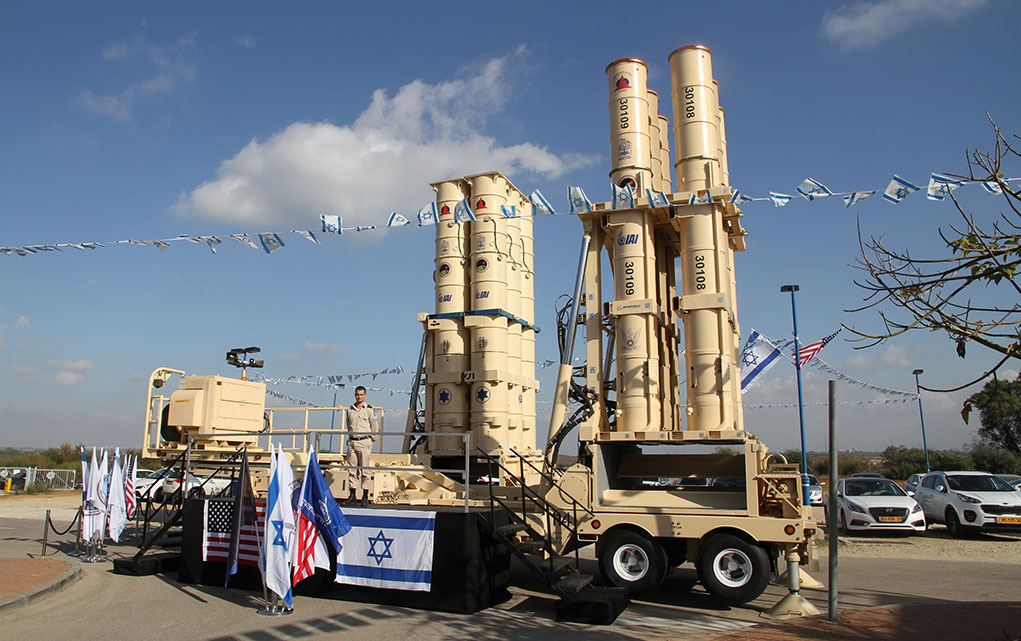
The first batch of operational Arrow-3 missiles was delivered today in a formal ceremony, where Israel’s Missile Defense Organization (IMDO), a division of the Israeli Ministry of Defense responsible for the development, procurement and support of the national missile defense systems, transferred the operational Arrow-3 interceptors to the Israeli Air Force (IAF) Air and Missile Defense Array.
The delivery took place about a year after the last successful intercept that proved the missile’s ability to detect, track and destroy ballistic missile targets in space. Arrow-3 test program began in 2013 and included several test flights that proved the system’s design and simulations. The program suffered a delay of several months due to a test failure in 2014. The final test flight, on December 10, 2015 was successful and proved the system’s maturity.
The first Arrow-3 interceptor was handed over to the Israel Air Force today, to join the Arrow-2 as the operational interceptors of the Arrow Weapon System (AWS). Photo: IMODArrow-3 launched on its first exoatmospheric test flight (February 2013). Photo: IMOD
The Arrow-3 development program, one of several joint programs between Israel and the United States associated with missile defense capabilities, was managed jointly by the U.S. Missile Defense Agency and IMDO. The U.S. contribution to the program is a key reason Israel has achieved this remarkable accomplishment at relatively short time. The prime contractor for the AWS is IAI/MLM, with Boeing the main U.S. subcontractor. During the integration process of the new interceptor, the weapons system components were fully upgraded.
The Golden Citron Battle Management Center made by Elbit Systems received significant new capabilities as well as the Advanced Green Pine radar detection array made by IAI/ELTA, which improved its ability to take on the increasingly growing threat.
As the threats continue to grow and new emerging threats surface, IMOD, IMDO and the U.S. are dedicated to the continued development and enhancement of the Israeli Ballistic Missile Defense elements and systems to provide the appropriate defense solutions. Undeniably, the Arrow Weapon System’s unique and expanding capabilities place Israel among the most advanced countries in the World in the ability to defense against ballistic missile threats.
Iraqi Sgt. Hussain Musa Kathum displays an ISIS drone he shot down in Anbar province. Photo Credit: Iraqi ministry of defence
Small drones used for surveillance, fire direction and attack are becoming a serious concern for coalition forces in Syria and Iraq. During the battle for Mosul, small armed remotely piloted aerial vehicles with grenades have been used by Daesh a number of times to harass Iraqi troops, with reports suggesting they have also been used to target civilian refugees.
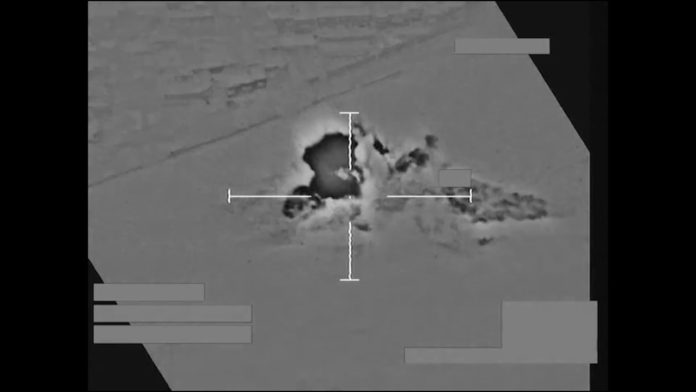
A building in the southern area of central Mosul was identified as being used as a base for these drones and their operators. On Thursday 12 January a pair of Royal Air Force Typhoons targeted the site, demolishing the building with two Paveway IV guided bombs.
Over south-east Mosul, a Reaper meanwhile flew overwatch for Iraqi troops as they cleared further Daesh positions. The Reaper’s crew were able to identify a number of terrorists armed with heavy and light machine-guns firing at the Iraqi forces, and conducted three successful attacks with Hellfire missiles which eliminated the threat posed.
The following day, two Tornados patrolled over northern Iraq, and were directed to a tunnel entrance which had been identified some 15 miles west of Kirkuk. Two Paveway IVs collapsed the entrance and set off secondary explosions from inside the tunnel. Reaper operations over Mosul continued, with aircraft spotting a group of terrorists as they loaded a heavy rocket into a truck. They and the vehicle were promptly struck by a Hellfire missile. The Reaper then provided surveillance support to two Coalition air strikes which destroyed a heavy machine-gun position and a bridge.
RAF Reapers have also been conducting armed reconnaissance patrols near Tall Afar, and on Saturday 14 January one of our aircraft responded to a report from another Coalition surveillance aircraft which had identified a pair of armed trucks concealed in vehicle sheds some 30 miles to the south-west of the town. Both vehicles were destroyed using Hellfire missiles.
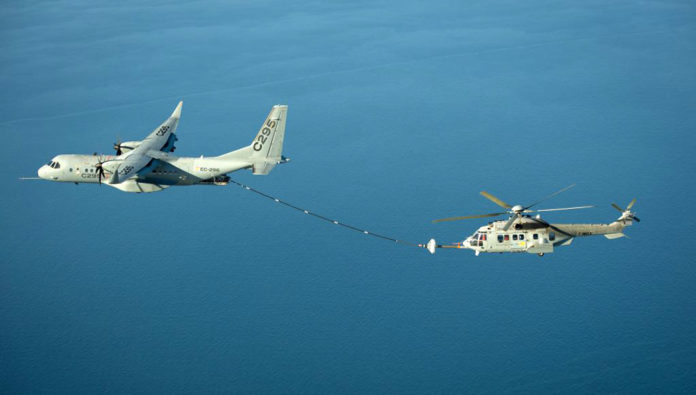
Airbus C295W Demonstrates Refueling Contacts With Helicopter. Photo: Airbus Defense & Space
Airbus Defence and Space continues testing of the aerial refueling capabilities of the C295W medium transport plane. Following a recent successful demonstration of buddy refueling between two C295 transports, Airbus Defense and Space followed with a refueling contact demonstration of a H225M Caracal helicopter from C295W.
The contact was executed at speeds of 105-115kt and both crews reported smooth and simple operation.
The system is now being offered to existing and prospective C295 operators. Possible applications include special operations and extending the range of search and rescue aircraft.
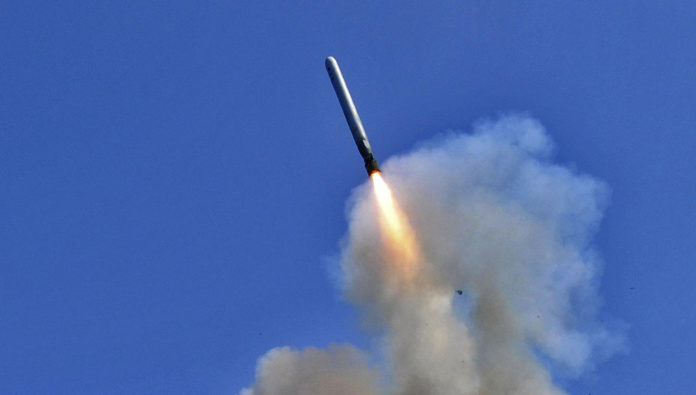
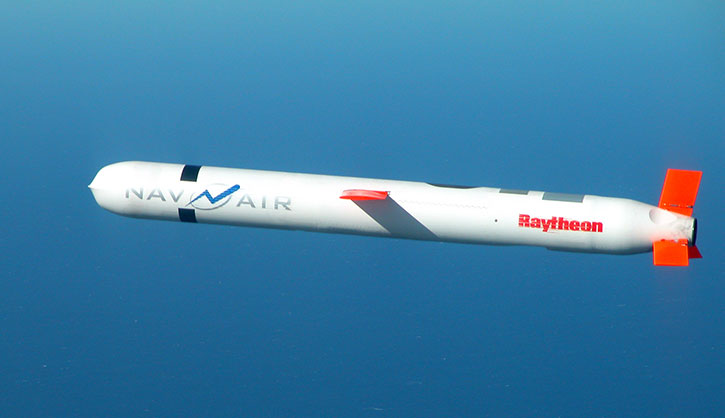
The Tomahawk cruise missile is a network-enabled weapon capable of in-flight retargeting and redirection. Photo: Raytheon
New capabilities introduced to the new batch of Block IV Tomahawk Land Attack Cruise Missiles (TLAM) are transforming the weapon of the 1980s into a smarter, more versatile 21st century weapon.
Recent updates now becoming standard in the system added network-enabled capabilities to the weapon, enabling in-flight retargeting capabilities. Impressed with the new capabilities the Navy is planning to deploy the retargetable, modernized land-attack Block IV weapon on board ships as a dual-mission ‘Maritime Strike Tomahawk’ (MST).
Fielding of MST is scheduled to begin this year (2017) as a quick reaction program, and include a production series of some 4,000 missiles. Tomahawk is used by U.S. and British forces to defeat integrated air defense systems and strike high-value, fixed and moving targets.
The new Block IV Tomahawk is the longest range weapon operated by the U.S. Navy from surface ships. The recent tests conducted by the U.S. Navy were part of the weapon’s evolution.
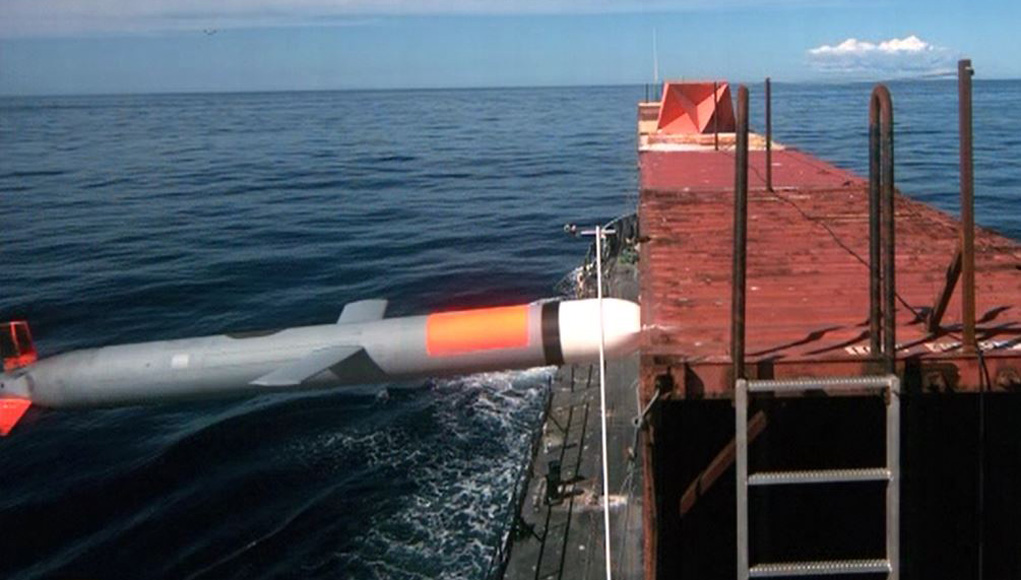
A synthetically guided Tomahawk cruise missile successfully hits a moving maritime target Jan. 27, 2016 after being launched from the USS Kidd (DDG-100) near San Nicolas Island in California. The missile altered its course toward the target after receiving position updates from surveillance aircraft. Photo: US NavyClick chart to enlarge infographic
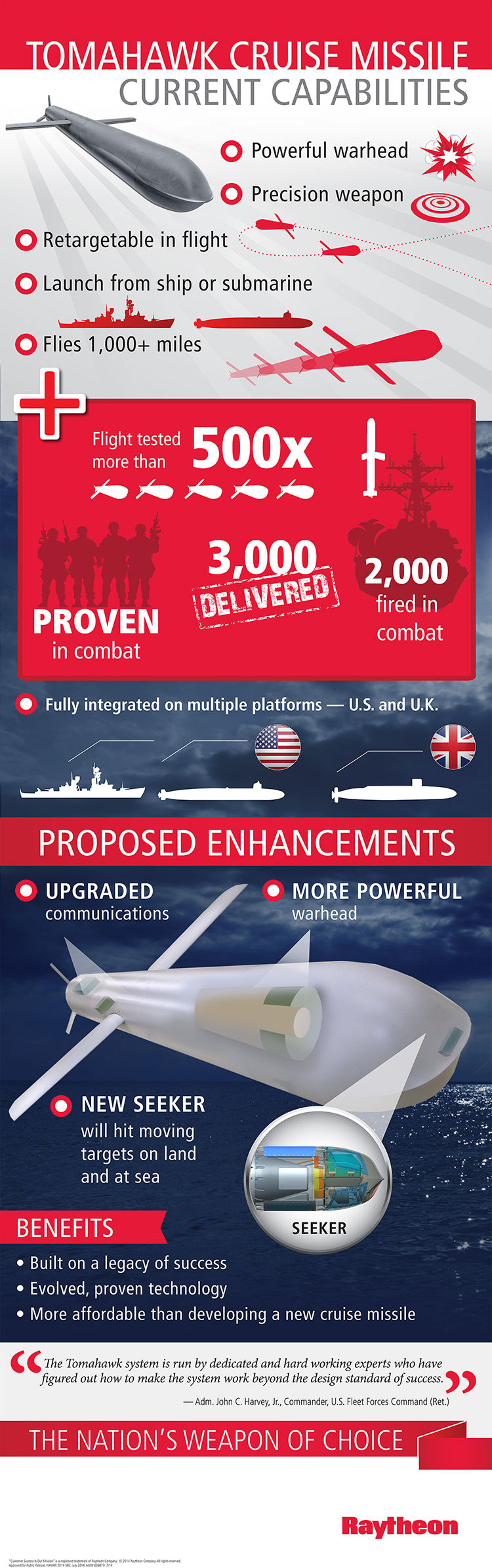
The new Block IV Tomahawk is the longest range weapon operated by the U.S. Navy from surface ships. The recent tests conducted by the U.S. Navy were part of the weapon’s evolution. From a weapon using GPS/INS – guidance to designed to hit targets beyond 1,000 miles with high precision, today’s Tomahawk can also receive course and target updates in flight, circle on command and even transmit photos of the target back to the command center, seconds before striking.
Optional new capabilities include the use passive RF seeker to track moving targets; enhanced lethality, employing the remaining fuel to create a thermobaric, fuel-air explosive effect is also planned.
Realizing the networked capability could also become a vulneraility, the shipboard, Tactical Tomahawk Weapon Control System (TTWCS) was exposed to cyber attacks to prove its imunity to such threats.
This ability to alter a Tomahawk missile’s mission in real-time is new, one of many enhancements Raytheon is building into this go-to weapon. “It’s unique in the country’s portfolio, in terms of its very long range and the fact that it’s deployed from ships and submarines,” said Dave Adams, Raytheon’s Tomahawk senior program director. “If you look at everywhere a ship or a sub can go with the range that we have, you literally can cover 90 percent of the world.”
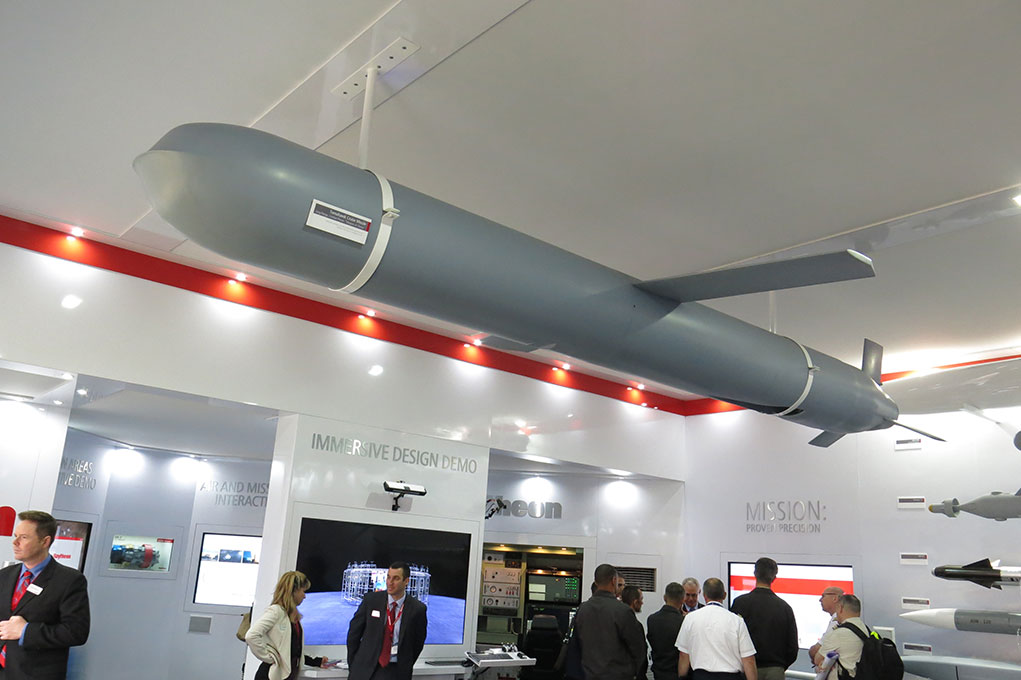
Tomahawk Block IV cruise missile displayed at Raytheon’s exhibit at the Paris Air Show 2015. Photo: Tamir Eshel, Defense-Update
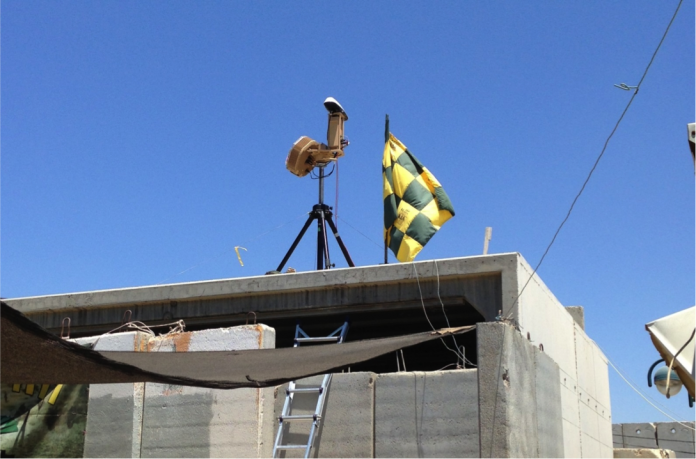
RADA's new MHR radar was deployed operationally during Israel's recent conflict with Gaza, during Operation Protective Edge.
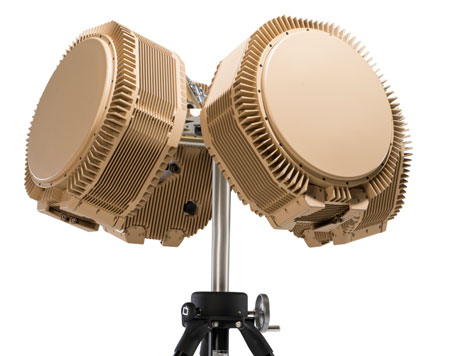
RADA Electronic Industries announced today its RPS-42 radar system has been selected by a country in the Far East to be used in the development and evaluation of High-Energy Laser (HEL) weapon system. The announcement follows the the selection of these Israel’s radar for similar programs in North America and Europe.
The RPS-42 is a member of the Multi-Mission Hemispheric Radar (MHR) family of tactical land radars used for force and border protection. Evolving tactical weapon system, directed energy weapons such as HEL are positioned to become the next generation of close-range air defense weapons, offering additional use against mortars, rockets and missiles as well as drones ground-based tactical weapon system. Compact, yet powerful and agile, the RPS-42 provides an excellent sensor for such applications, particularly in mobility and autonomy, enabling unique operation on the move capability for the weapon system.
The current order is the fourth application of MHR for HEL weapon systems. The MHR is currently integrated into the US Navy/Marine Corps GBAD HEL program, the Lockheed Martin Athena HEL program, and Boeing’s HEL-MD and Silent Strike programs.
“The high energy laser market is gradually being recognized as the weapon for the future, and we are very happy to be involved in a continuously growing number of such programs.” said Dov Sela, RADA president and CEO.
The RPS-42 radar has been selected to provide the primary sensor for four different High Energy Laser (HEL) weapon platforms. Photo RADA.
“There are about ten HEL development programs in the Western world; and we are currently involved in four such programs, as well as being in advanced discussions with additional four integrators in the Far East, Europe and the USA. This current order is the fourth order of MHR for HEL weapon systems, re-emphasizing the suitability and potential of the MHR to this application” Sela added.
Ground-Based tactical HEL systems are widely perceived today as the weapon of the future. This is because they are able to produce precise and tailored effects against multiple targets, they support ‘speed-of-light’ responsiveness and have deep magazines. These disruptive capabilities allow them to support a wide range of missions and create military technology ‘breakout’. Moreover, their significant lower cost per shot compared to expendable kinetic munitions, has the potential to change the economics of war. Typically, such weapons would be used against tactical, low-cost and short-range threats, which endanger the maneuver force, such as rockets, mortars (C-RAM mission) and UAVs (C-UAV mission).
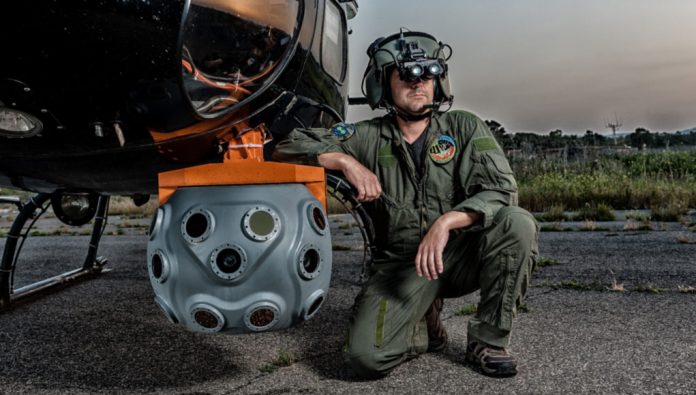
BrightNite is a multi-spectral end to end panoramic piloting solution that delivers the essential data directly to both eyes of the pilot, enabling intuitive flight in a head-up, eyes-out orientation in pitch dark and other DVE conditions. Photo: Elbit Systems
Elbit Systems received the first order for the new BrightNite vision system, a system designed to enhance helicopter pilot visibility and situational awareness in Degraded Visual Environment (DVE) flight conditions. The $17 million contract received from an unnamed NATO country will deliver an unspecified number of BrightNite multi spectral sensor and image processing systems to be integrated and installed on the customers’ helicopters.
BrightNite systems enable helicopter pilots to operate safely in more than 90% of the nights, including in DVE and adverse weather conditions limiting other helicopter operations. Elbit Systems will deliver be integrated in one of the helicopter types operated by the customer’s Air Force and installed on a number of platforms, over a period of 30 months. The new systems are expected to significantly increase the utilization of those helicopters both in training and operational use. According to company officials the recent order paves the way for more orders from other customers that expressed interest in BrightNite.
Low-flying helicopters are especially vulnerable to threats such as difficult terrain, enemy fire and obstacles in the flight path. Sorties must be performed both day and night and often carried out in DVE conditions, adding to the already heavy workload. Prior to BrightNite, flight crews have had to rely on night vision goggles (which have limited capabilities) to accomplish their mission. Factors like complete darkness, poor weather conditions, brownouts, whiteouts and sandstorms often limit the pilots’ Field of View (FOV) usingthese vision devices.
The BrightNite system developed by Elbit Systems adds a multi-spectral, multi-sensor array (fusing multiple day and night thermal cameras) installed in the helicopter’s nose, to obtain a panoramic picture arc in front of the pilot. This picture is displayed in real-time to the pilots using binocular display.
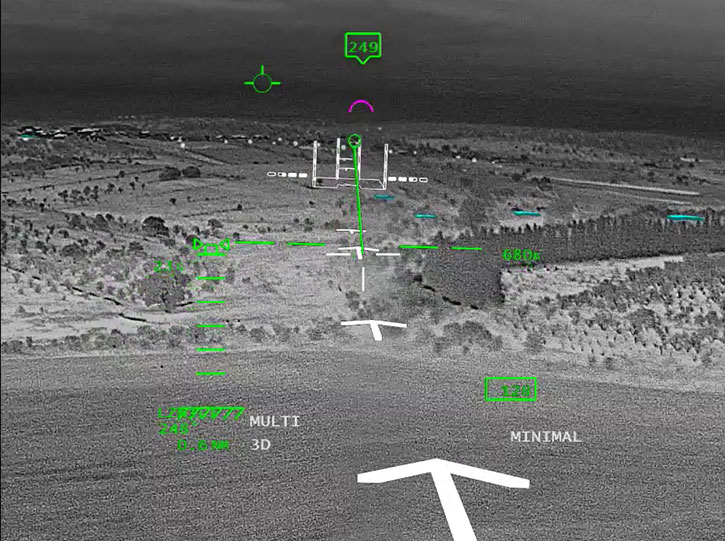
This piloting solution delivers the landscape scenery directly to both eyes of the pilot, added with 2D flight Symbology and 3D mission symbology layers superimposed on the outside terrain. With such a display BrightNite, enables intuitive head-up eyes-out orientation flight in pitch dark and other low visibility landing conditions, including Elbit Systems’ unique brownout symbology.
The current contract positions BrightNite as the first system enailing DVE flight conditions to conventional, light and utility helicopters, enuancing the operational capability of such platforms to the level obtained by advanced combat gunships and special operations platforms. The ability to safely fly low at night, and in adverse weather conditions will improve the operational availability, flight safety and survivability of military helicopters.
By projecting the outside world’s data on the pilot’s helmet – Brightnite enables helicopter pilots to fly in a Degraded Visual Environment (DVE), in adverse weather conditions and in more than 90% of the nights. Photo: Elbit Systems
Continued delays in the completion of the third and final developmental software block (Block 3f) of the F-35 is likely to push back the completion of the development phase of the new fighter, well into 2018 or even early 2019. But, according to the annual test and evaluation report published last week, the F-35 problems are worse than merely complex software. The scorecard the 5th generation fighter jet prepared by Michael J. Gilmore, the Director of Operational Test and Evaluation (DTO&E) at the Defense Department, uncovers scores of issues, some unveiled only recently; ussues that, according to Gilmore, cannot be resolved by the time the new fighter completes the System Development and Demonstration (SDD) phase and enters full rate production. According to the report, some of these issues could impede the combat effectiveness of hundreds of aircraft produced by that time.
Many of the findings concern availability and logistic aspects that are often used to criticize the trillion-dollar program. But the recent report raises some issues that cast doubt about the joint strike fighter’s ability to carry out its primary mission – leading the ‘first day’ attacks against enemy fighters, ground based air defense and command and control centers.
The DOD chief tester warns that if the F-35s are sent to combat today, they will not be able to fulfill their mission independently as designed. “F-35 aircraft will need support to locate and avoid modern threat ground radars, acquire targets, and engage formations of enemy fighter aircraft, due to unresolved performance deficiencies and limited weapons carriage available” Gilmore wrote.
The F-35C can carry weapons internally and externally. The wing is built with three hardpoints, two are designed to carry heavy weapons and the outer one is designed to catrry lighter, air/air missiles.
Summary
Many issues reported during the past 12 months raise questions about when the F-35 will achieve full combat capability, since the third software build – 3F is not likely to support all the deficiencies reported during the systems’ development and demonstration phase.
With 200 F-35 aircraft delivered, and more than 50 different software blocks and weapons to test, problems can be expected but it would be logical to expect reliability and readiness levels to increase. However, the in the past 12 months the mission capability level of the F-35 fleet actually dropped from a 2014 high and averaged 52 percent, below the modest goal of 60 percent, ten points below from the 62 percent all-time mark.
Since SDD will continue at least to the middle of 2018, and by then the program will have delivered hundreds of aircraft to the services in other than the 3F configuration, the depot modification program and its associated concurrency burden will be with the services for years to come.
Sensor fusion is one of the critical advantages offered by the sophisticated avionics and computing suite of the F-35. But sometimes this new and complex system confuses some of the tracks and displays multiple instances of objects, thus adding to the pilot workload. U.S. Marine Corps Photo by Lance Cpl. Dana Beesley
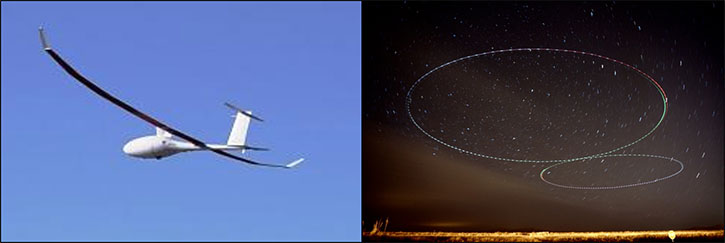
Vanilla Aircraft record setting diesel-powered VA001 drone. Photo: Vanilla Aircraft
A DARPA-backed small business effort broke boundaries for long-endurance flight this month by launching a uniquely designed, combustion-powered unmanned aircraft that stayed aloft for more than 48 hours. The propeller-driven VA001 built by Vanilla Aircraft of Falls Church, Virginia, is designed to carry a 30-pound (13.6 kg) payload at 15,000 feet (4.5 km) for up to 10 days without refueling. The flight was a step towards demonstrating the system’s objective performance of carrying a 30-pound payload for 10 days at an altitude of 15,000 feet. “This record-breaking flight demonstrated the feasibility of designing a low-cost UAV able to take off from one side of a continent, fly to the other, perform its duties for a week, and come back—all on the same tank of fuel,” Jean-Charles Ledé, DARPA program manager commented.
The VA001 started its historic flight on the morning of November 30, 2016 at New Mexico State University’s Unmanned Air Systems Flight Test Center near Las Cruces International Airport. After staying aloft for two days and two nights. VA001 made its first flight in early 2015 and in April 2016 performed a 25-hour flight at the same test range. The November flight was planned to test a 120-hour mission but was terminated several days ahead of schedule, due to predictions of unstable weather condition. The craft landed safely with more than half its fuel still onboard, suggesting it is capable of setting additional records for powered flight in its weight and power class and could ultimately offer significant new capabilities to ground forces and others.
The flight lasted for nearly 56 hours, where the plane flew at an altitude of 6,500 – 7,500 feet above sea level, averaging 57 knots (105 km/h) before landing on the afternoon of December 2. The airplane carried 20 pounds of actual and simulated payload and was a further step for the VA001 The payload included communications relay that operated continuously throughout the flight to demonstrate functionality out to the maximum range. The airplane also carried a multispectral imaging payload provided by NASA, as a demonstration of Earth science and agricultural remote sensing.
“The ability of a low-cost platform to provide persistent surveillance, battlefield pattern of life, or aerial mesh network relay, in a responsive and robust manner, and without forward basing, does not currently exist,” Vanilla co-founder and chief engineer Neil Boertlein explained.
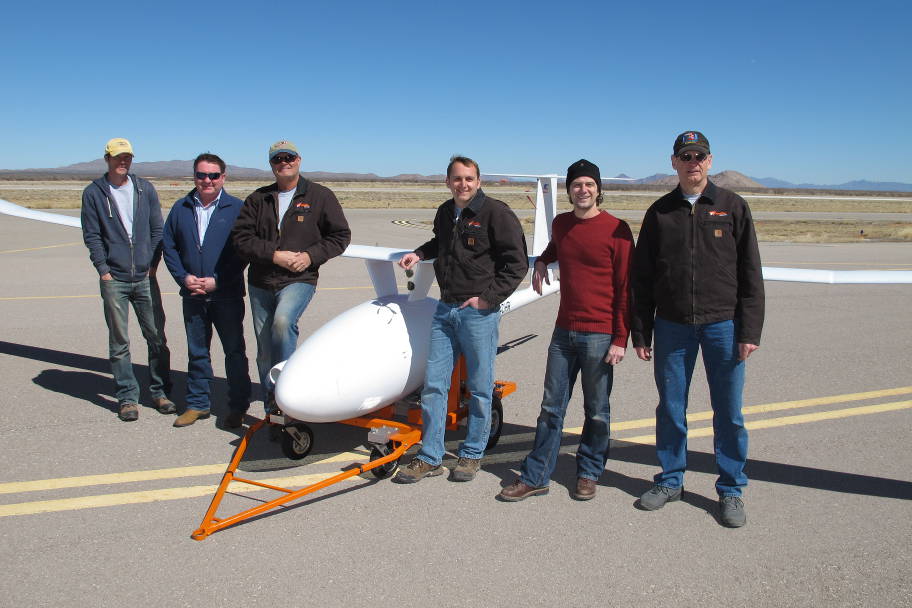
The Vanilla Aircraft team with the aircraft following the successful first flight Left to right: Daniel Hatfield, Peter Bale, Daryl Perkins, Jeremy Novara, Neil Boertlein and Phil Barnes. Photo: Vanilla Aircraft
Small unmanned aerial vehicles (UAVs) are an increasingly important means for military forces – especially small dismounted units – to bring extra communications or intelligence, surveillance, and reconnaissance (ISR) capabilities to the field. Current designs, however, offer relatively short range and flight endurance; additionally, their need for frequent refueling, specialized launch and recovery equipment, and regular maintenance often limit them to flying from fixed bases close to the front lines.
The VA001 has transformational potential, providing a scalable aerial system solution without increasing personnel or operating costs. This capability would help extend the footprint of small units by providing scalable, persistent UAV-based communications and ISR coverage without forward basing, thereby reducing personnel and operating costs.
“The VA001 would be a cost-effective option for widespread and regular low-level surveying. We could fill an extensive cost and payload-capability market gap between small electric and large military unmanned aircraft, which is perfect for many commercial applications,” says co-founder and program manager Jeremy Novara. Vanilla is currently exploring strategic partnerships and equity financing to expand into this market.A representative from the National Aeronautic Association—the organization that verifies and tracks flight-related world records—certified the flight as achieving the world duration record for combustion-powered UAVs in the 50 kg-500 kg subclass (FAI Class U-1.c Group 1). Moreover, the flight was the fourth-longest for any unmanned airplane and the 11th-longest for a plane of any type (manned or unmanned, solar or fuel-powered).
The flight was supported by the technology innovation investments of the Department of Defense’s Rapid Reaction Technology Office (RRTO) and DARPA-funded efforts through Naval Air System Command (NAVAIR).
Vanilla Aircraft VA001 performed long endurance flight spanning 56 hours on its record setting mission November 30 – December 2. Photo: Vanilla Aircraft
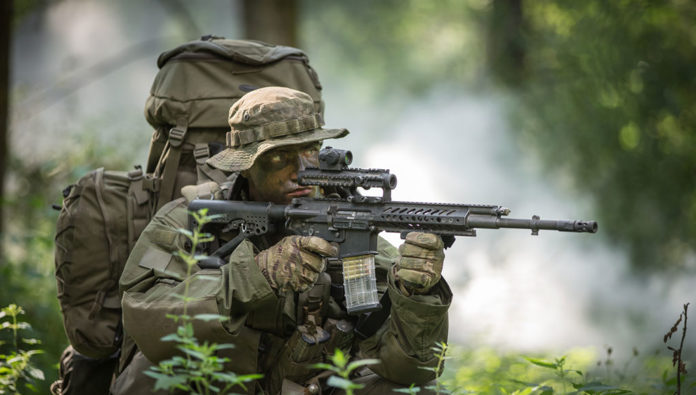
The long STANAG 4694 rail on the upper side of the monolithic housing makes it possible to mount a variety of different scopes, including night vision devices. (Photo: Rheinmetall/Steyr Mannlicher)
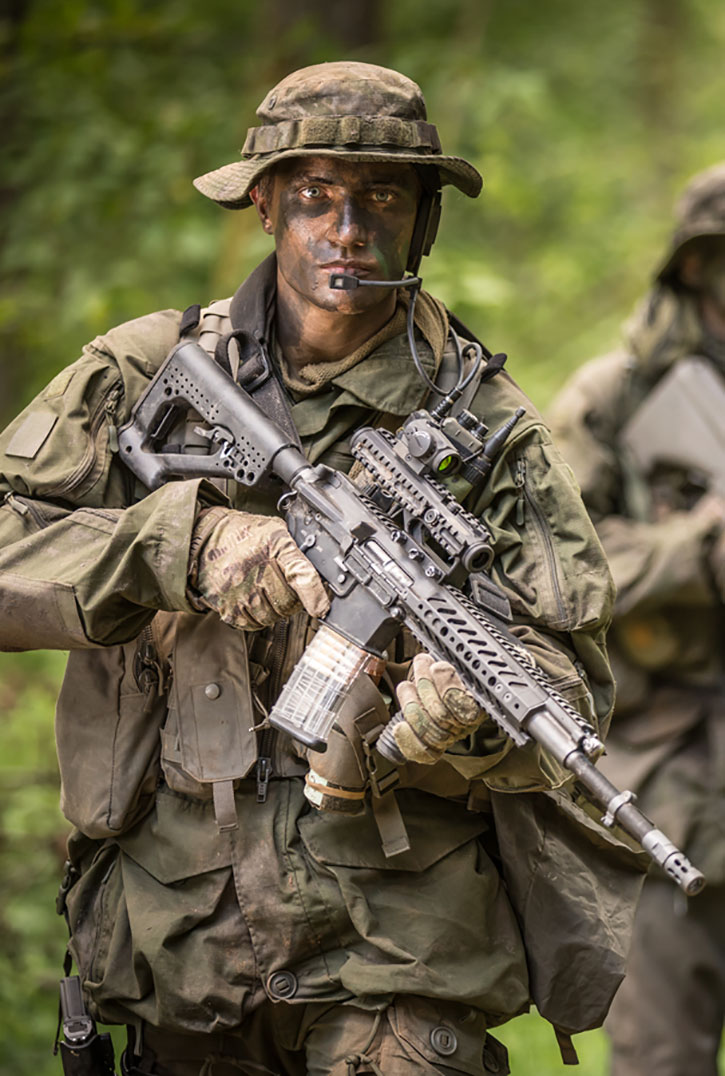
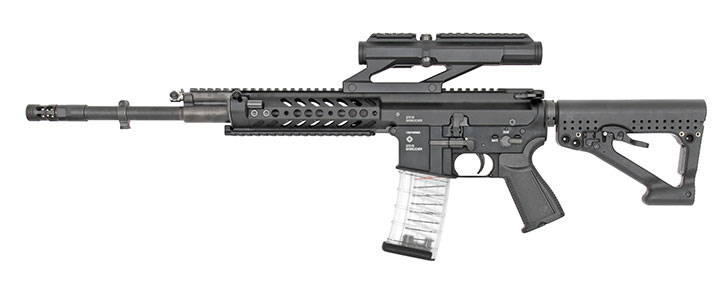
The German defense company Rheinmetall has teamed with Austrian arms manufacturer Steyr Mannlicher to manufacture and market the RS556 – a German version of the 5.56mm x 45 cal. modular assault rifle system based on Steyr’s STM556. The Austrian weapon was first unveiled in 2012. Eying the German market, Rheinmetall positions the new weapon as a candidate for the German “System Sturmgewehr Bundeswehr” – the planned replacement of the G36 – the standard German military assault rifle made by Heckler & Koch. This project is set to begin in 2019. Rheinmetall will offer the new assault rifle as a joint program, locally produced (made in Germany), with a German value-added share of 60%.
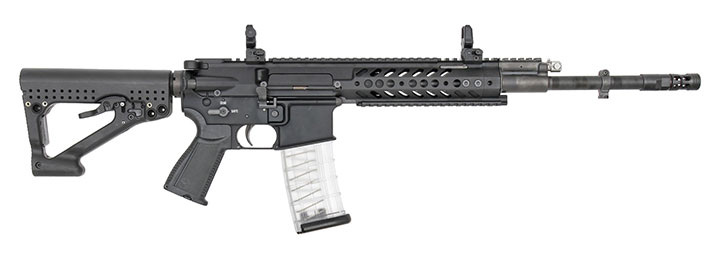
Featuring an adjustable short-stroke gas piston system and rotating bolt, the gas-operated RS556 is based on the tried-and-tested Steyr Mannlicher Universal Army Rifle (AUG). With a 16″ barrel (406 mm) and a fully loaded, 30-round magazine, the RS556 weighs around 4.2 kilograms, (just over 9 pounds.)
In a matter of seconds and without tools, the hammer-forged barrel can be easily exchanged. A number of standard barrel lengths are available (14.5″, 16″, 18″ and 20″); and, according to the company, customer-specific barrel and rifling lengths can be easily created. A special breech system with an emergency operation feature ensures that the weapon always functions reliably even under extreme operating conditions, e.g. in severely hot and cold environments.
Highly ergonomic and easy to handle, the RS556 can be readily adapted to individual equipment profiles. (Photo: Rheinmetall/Steyr Mannlicher)
The adjustable-length light-weight stock clicks into seven different positions, meaning that operators can adjust the RS556 to match their individual equipment profile in an optimum fashion.
The RS556 is compatible with Rheinmetall’s modular “Future Soldier – Expanded System” (IdZ-ES), and can also be integrated with other soldier systems. The weapon has multiple standard and optional NATO accessory rails with receiver systems designed per MIL-STD-1913, STANAG 2324 and STANAG 4694, enabling soldiers to fit their weapons with various optics, night observation devices, and laser light modules. A 40mm grenade launcher can also be mounted on the new assault rifle.
RS556 side view
Since entering service in 1997, the G36 became a favorite weapon in service with numerous military and law enforcement forces around the world. However, after experiencing overheating in extended firefights, the G36 proved unsuitable for long range engagement in hot conditions. After a thorough investigation that lasted three years, the German Ministry of Defense decided to phase out the G36 over these concerns. Heckler & Koch contested the decision claiming the German Defense Ministry did not provide clear specifics for the weapon.
German troops serving with the ISAF in Afghanistan were armed with G36 rifles. (Photo: Bundeswehr)
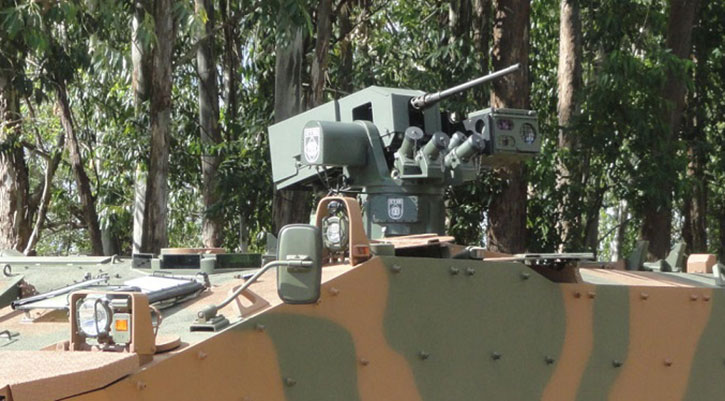
REMAX is a stabilized weapon station for 12.7/7.62 mm machine guns that was Specifically designed by Ares to meet Brazilian Army requirements as part of the VBTP program. The system have been successfully tested and fielded in Brazilian Army Guarani 6X6 vehicles. Photo: Elbit Systems
Ares, a Brazilian subsidiary of Elbit Systems will supply the Brazilian Armed Forces remotely Controled Weapon Stations (RCWS) over a period of five years supporting various armored vehicles programs.
The company Aeroespacial e Defesa S.A. (“Ares”) announced today the award of a framework contract from the Brazilian Ministry of Defense, in a total value of approximately $100 million, to supply 12.7/7.62 mm RCWS to the Brazilian Army. The RCWS, named REMAX, will be supplied over a five-year period. An initial production order, valued at approximately $7.5 million, has been received.
REMAX is a stabilized weapon station for 12.7/7.62 mm machine guns that was Specifically designed by Ares to meet Brazilian Army requirements as part of the VBTP program. The system have been successfully tested and fielded in Brazilian Army Guarani 6X6 vehicles. It will be used in armored vehicles and logistics vehicles utilized in combat for troop transport, border patrol and peace keeping missions. Some of the Brazilian VBTP vehicles are also armed with a larger weapon station mounting the 30mm automatic cannon.
As a major subcontractor to the Guarani program AEL was awarded in 2011 a framework contract valued at up to $260 million, to supply of UT30 BR 30 mm Unmanned Turrets to the Brazilian Army’s Land Forces. The contract calls for Elbit Systems’ UT30 BR to be installed onboard hundreds of Iveco 6×6 APCs. A year later, in 2012, the company was awarded $25 million order for the development and initial supply of REMAX weapon stations.
REMAX is a stabilized weapon station for 12.7/7.62 mm machine guns to be used in armored vehicles and logistics vehicles. Photo: Elbit Systems
Lockheed Martin Skunk Works® and XTEND have achieved a major milestone in JADC2 by integrating the XOS operating system with the MDCX™ autonomy platform. This technical breakthrough enables a single operator to simultaneously command multiple drone classes, eliminating the friction of mission handoffs. From "marsupial" drone deployments to operating in GPS-denied environments, explore how this collaboration is abbreviating the data-to-decision timeline and redefining autonomous mission execution.
As traditional defense primes face mounting competition from agile “neoprimes” such as Anduril, Palantir and Helsing, the balance of innovation is shifting toward software-defined warfare and scalable, dual-use technologies, while global industry consolidation—marked by Boeing’s integration of Spirit AeroSystems and other strategic mergers—signals an intensified race to secure control over the defense technology value chain. Our Defense-Tech weekly report highlights these trends.
In early October 2025, a coordinated wave of unmanned aerial system (UAS) incursions—widely attributed to Russia—targeted critical infrastructure across at least ten European nations. The unprecedented campaign exposed the fragility of Europe’s air defenses...
Executive Summary
The past week (September 18-25, 2025) represents an inflection point where strategic defense concepts have transitioned from doctrine to tangible reality. An analysis of global events reveals four primary, interconnected trends shaping an...
At the 2025 Air, Space & Cyber Conference, U.S. Air Force and Space Force leaders unveiled major updates on next-generation fighters, bombers, unmanned systems, and space initiatives, highlighting both rapid innovation and critical readiness challenges as the services race to outpace global competitors. A short version is available here, with a more detailed version for subscribers.
The Taipei Aerospace & Defense Technology Exhibition (TADTE) 2025 crystallized around four dominant strategic themes that collectively illustrate Taiwan's comprehensive approach to defense modernization amid escalating regional tensions. Based on a detailed report by Pleronix (available upon request). Includes a Podcast discussion on TADTE 2025's highlighting Taiwan's four strategic themes beyond the post's coverage.
Israel’s Iron Beam 450 high-power laser system has completed final testing, marking a major leap in air defense. Developed by Rafael, it offers precise, cost-effective interception of rockets, UAVs, and mortars, and is set for IDF deployment by 2025.