

Sunday, December 21, 2025
More
    Home Blog Page 62

    The Russian Carrier Admiral Kuznetsov Returns to the Mediterranean Sea

    Russian Navy aircraft carrier Admiral Kuznetsov.
    RUSSIAN NAVY AIRCRAFT CARRIER ADMIRAL KUZNETSOV

    The Russian navy is deploying its single aircraft carrier, Admiral Kuznetsov, to head the Russian flotilla in the Mediterranean Sea. It will be the first combat operation for a Russian or Soviet aircraft carrier.

    The Russian Navy’s permanent presence in the Mediterranean Sea began in 2013 and includes ten or more warships on average, deployed on a rotation basis from the Northern and Black Sea fleets.

    the Russian naval group in the eastern Mediterranean currently consisted of six warships and three or four support vessels at any one time. The force is supported from the main Russian Black Sea Fleet in Sevastopol, Crimea.

    Update October 15, 2016: Following the completion of refurbishement the task force left the port city of Severomorsk – the fleet now includes the aircraft carrier, battle cruiser Pyotr Veliky, destroyer Vice-Admiral Kulakov and anti-submarine ships. The Russian defence ministry also announced that Moscow was poised to transform its naval facility in the Syrian port city of Tartus into a permanent base. While en route to its main target – Daesh terrorists, the Kuznetsov is expected to join up with a nuclear submarine, as well as Tu-160 long-range strategic bombers, for anti-piracy and anti-terror exercises before arriving in Eastern Mediterranean where it will join the Russian forces supporting the Syrian regime. In fact, it will be the first combat operation for Admiral Kuznetsov.

    Kuznetsov regularly carries an air wing comprising Su-33 air superiority fighters and Ka-27/29 anti-submarine warfare helicopters. Although the Russian Navy planned to modernize the ship, and replace its Su-33 with modern MiG-29Ks, Kuznetsov remains today as it was when it was commissioned in the early 1980s, 34 years ago. To augment its ground attack capability on the current mission in Syria, the Kuznetsov air wing received four MiG-29K fighters that can carry precision guided weapons, while the Su-33 on board received a modernized weapon delivery system (SVP-24) designed to improve ground attack precision with unguided munitions.

    The vessel completed minor renovation in August 2015, where it remained for three months in dry dock at Roslyakovo in Kola Bay. This relatively short maintenance period involved cleaning and painting the vessel’s hull, repair of onboard electrical equipment, and a general service of the ship. Additional work was done when the ship was docked at Murmansk but did not include major refit as previously sought. Kuznetsov is a large ship – 305 meters in length, with maximum displacement of 58,000 tons, supporting an air wing of up to 40 fixed and rotary wing aircraft.

    The Kuznetsov was due to enter the dry dock in Sevmash in 2012, for an upgrade that would take five years, in which its 3M45 P-700 Granit (SS-N-19 Shipwreck) anti-ship cruise-missile launchers would be removed, clearing more hangar space for fixed wing aircraft. However, delays in the delivery of the Vikramaditya to India prevented such extended work. The upgrade would include the replacement of electronic systems and air defenses on board, replacing the 3K95 Kinzhal (SA-N-9 Gauntlet) missiles with SA-22 Greyhound (Pantsir S1) missiles. None of these upgrades have materialized to date and, apparently, she will remain in its current form until her retirement.
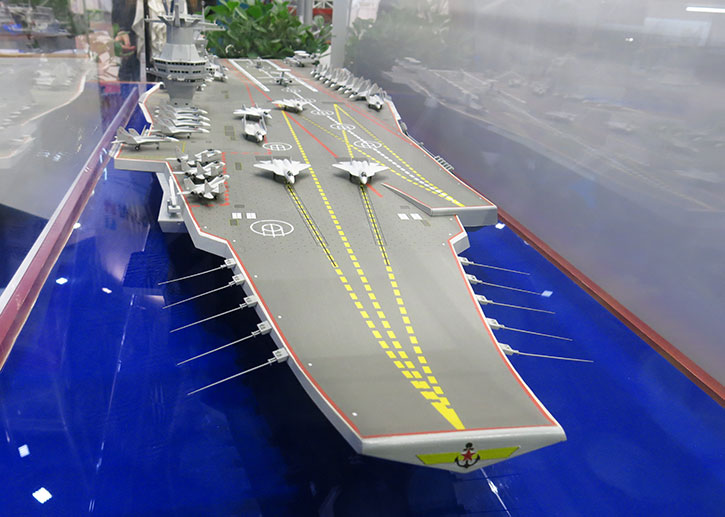
    This is an excerpt of a 1090 word article covering future Russian carrier trends, available to our subscribers.

    The future Russian 'Super-Carrier' Project 23000E will be sized to match the US Nimitz class. Photo: Tamir Eshel, Defense-Update
    The future Russian ‘Super-Carrier’ Project 23000E will be sized to match the US Nimitz class. Photo: Tamir Eshel, Defense-Update

    NATO also maintains a strong naval force in the Mediterranean, comprising naval elements of Italy, France and Spain, along with the US 6th Fleet. However, at present, only the French carrier R-91 Charles De Gaulle (CDG) is available to support the Mediterranean, (when sh is not deployed abroad). Since the U.S. decided to shift its focus on the Pacific Ocean there are no aircraft carriers permanently stationed in the Mediterranean Sea. Both French and US carriers are stationed in the Arabian and Indian Ocean, these include the CDG and CVN-75, USS Truman, currently positioned in the Arabian Gulf. Both are tasked with operation Inherent Resolve (the air war against Daesh in Iraq and Syria). At a length of 261 meters the CDG can is a medium size aircraft carrier with a displacement of 42,000 tons, designed to operate 24-40 aircraft. The Truman has a displacement of 100,000 tons; it is 330 m’ long and can operate an air wing comprising up to 90 fixed and rotary wing aircraft.

    Two carriers are home based at the atlantic ocean seaport of Norfolk Virginia are the USS Eisenhower (CVN 69) and USS Washington (CVN 73). Two carriers are currently undergoing maintenance at Norfolk – USS Lincoln (CVN 72) and USS Bush (CVN 77). NATO’s availability of aircraft carrier forces is expected to improve with the introduction of two Royal Navy QEII class carriers, along with their air group of 24 F-35B joint strike fighters, which will also augment the Italian Air group on board the Italian Navy Carrier Cavour, currently undergoing modifications to support up to 16 F-35B on board.
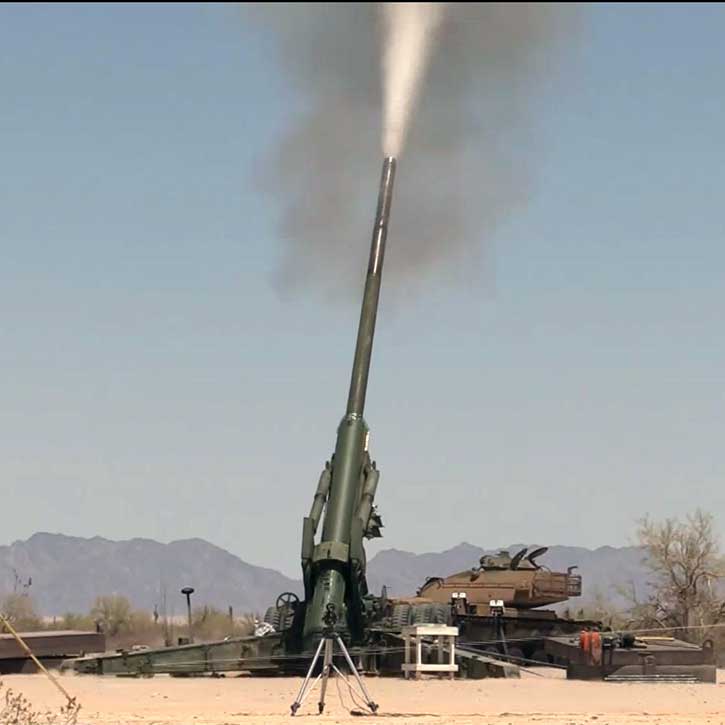
    US Army to Deploy Safer, Extended Range Rocket-Assisted Artillery Round

    U.S. Army Yuma Proving Ground is currently testing a variety of systems associated with the Extended Range Cannon Artillery (ERCA) project, including an XM1113 projectile that exceeded 60 kilometers in a May 2018 test fire. Photo: US Army.

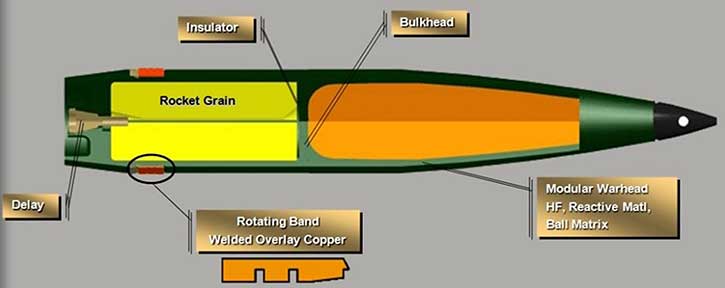
    The Army is restarting production of Rocket Assisted Projectiles (RAP) for 155mm artillery cannons, introducing a new, redesigned RAP that will extend 155mm 39 caliber gun range to more than 24 miles (40km). As an insensitive munition (IM) high explosive RAP, the new round will be safer and able to accommodate the Precision Guided Kit (PGK) M1156 fuze, providing near-precision strike capability. XM1113 will replace the aging M549A1 rounds produced in the 1970s and 1980s.


    XM1113 rocket assist projectile. Illustration: US Army

    The new artillery round achieves its extended range capabilities through increased thrust and a redesigned shell shape. “The XM1113 uses a large high-performance rocket motor that delivers nearly three times the amount of thrust when compared to the legacy M549A1 RAP,” said Ductri Nguyen, XM-1113 Integrated Product Team Lead. “Its exterior profile shape has also been streamlined for lower drag to achieve the 40-plus kilometers when fired from the existing fielded 39-caliber 155mm weapon systems.” The traditional high explosive, TNT, inside typical artillery rounds has also been replaced by Insensitive Munition Explosive, which is less volatile and reactive to outside stimuli, such as rocket-propelled grenades, improvised explosive devices, and extremely high temperatures. For instance, if a rocket grenade hits a convoy transporting the rounds, the rounds are less likely to detonate and explode.

    The XM1113 is currently planned for Limited Rate Initial Production in Fiscal Year 2022. and will be fielded to M777A2 and the future Extended Range Cannon Artillery 155mm 58 caliber gun.

    US Navy Retaliates in Yemen, Following Attacks on US Vessels

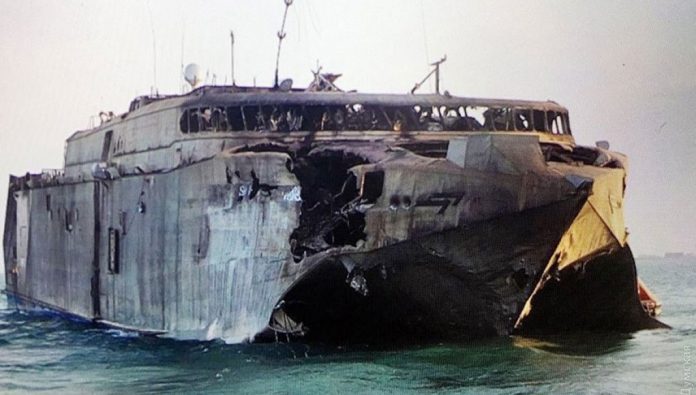
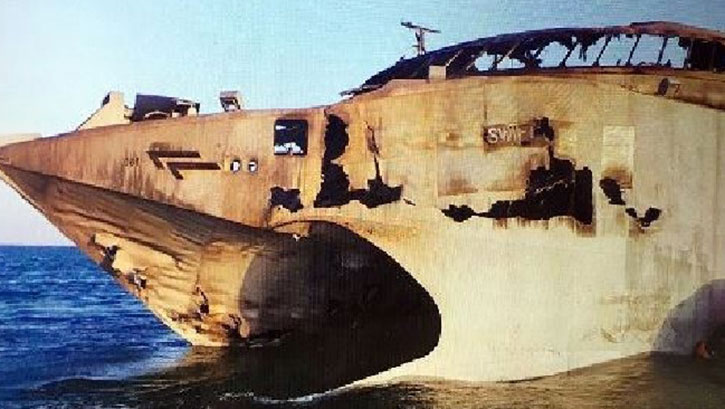
    Heavy damage caused to the Swift indicates effects of multi-EFP warhead used with the Chinese C-802 missile.
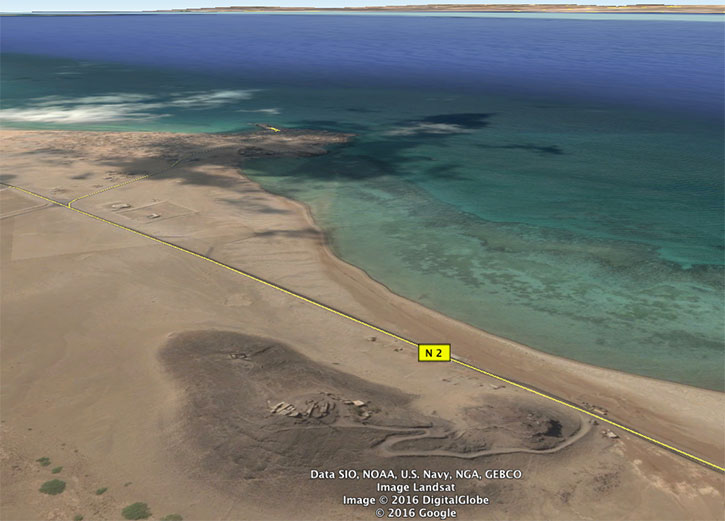
    One of the target was likely this hill, providing the site for military installation overlooking the Bab-el-Mandeb, waterway north of Dhubab. Photo: Google Earth
    One of the target was likely this hill, providing the site for military installation overlooking the Bab-el-Mandeb, waterway north of Dhubab. Photo: Google Earth

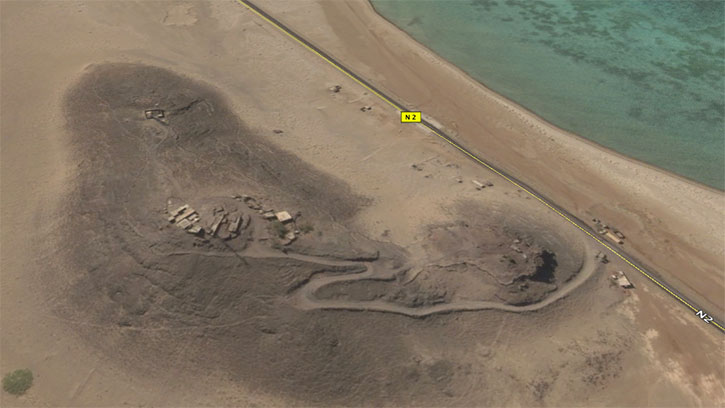
    A US Navy guided missile destroyer launched a salvo of Tomahawk cruise missiles against three Yemeni radar sites along the red sea shoreline, in response to recent attacks on U.S. ships in the region. The targets were in Dhubab, north of Bab-el-Mandeb and in Ras Isa, north of Mukha and Khoka, near the Red Sea port of Al Hudaydah. Both locations were involved in recent attacks on US naval ships.

    military_site_near_dhubab_725
    An aerial view of the target showing military installations and vehicle access road. Photo: Google earth.

    These radars are also thought to have been involved in the recent attack on merchant ships that operate in the area. Iran-backed Houthi forces that currently dominate Yemen’s Red Sea coast north of Bab-el-Mandeb have repeatedly threatened attacks against ships in their ‘territorial waters’.

    First attacks against Saudi vessels were first reported in October 2015 as Houthis claimed to damage or destroy two Saudi naval vessels, but such attacks were not confirmed since. A year later, on the night of October 2, 2016, the Houthi launched a missile that targeted the USA-flagged (ex-US Navy Catamaran) Swift, leased by the UAE to provide logistical support in the area. The devastating attack set the boat on fire. UAE sources did not reveal how many crew members were injured, nor whether there were any fatalities. The weapon that attacked the vessel was identified as the C-802 coastal anti-ship missile supplied to the Huthis by Iran.

    The UAE Ministry of Foreign Affairs and International Cooperation says that the ship was targeted by the Houthi and Saleh militias off the coast of Mocha, Yemen, when carrying assistance, wounded Yemenis, and passengers. The statement said that the crew of the ship comprises 24 civilians of six nationalities: 10 Indians, seven Ukrainians, four Egyptians, and three from Jordan, the Philippines, and Lithuania. The ministry said that the ship, which is unarmed and has no military protection, was passing through the Bab-al-Mandab Strait like any other civilian and commercial ship. It has been conducting routine trips to Aden for one year and all its crew members are civilians.

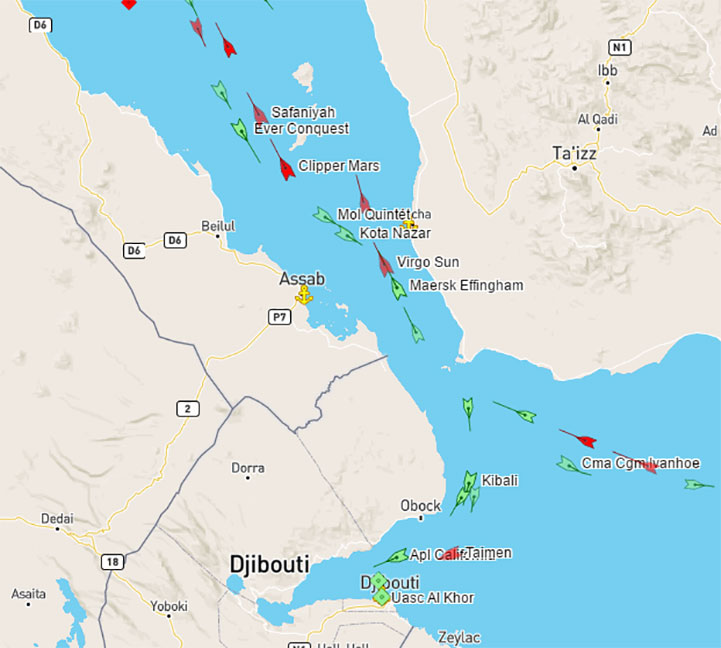
    Bab-el-Mandeb straits are dominated by Yemen and Eritrea, two unstable nations located along this strategic waterway.
    Bab-el-Mandeb straits are dominated by Yemen and Eritrea, two unstable nations located along this strategic waterway.

    In response, and as a measure to protect international shipping lane in the area, the US Navy deployed three ships to Bab-el-Mandeb – the guided-missile destroyers USS Nitze (DDG-94) and USS Mason (DDG-87) and the afloat forward staging base USS Ponce (AFSB(I)-15). The two destroyers are assigned to the Dwight D. Eisenhower carrier strike group operating in the region. The Ponce is supporting special operations in the area and is also equipped with an experimental laser designed to counter threats from small, fast boats and UAVs.

    swift_damage_725
    Heavy damage caused to the Swift indicates effects of multi-EFP warhead used with the Chinese C-802 missile. Source: UNSI.

    The appearance of the US ships did not deter the Houthis, as missile attacks were repeated on Sunday and Wednesday this week, this time directly targeting the US forces – the Mason and the Ponce. These attacks were also identified a C-802.

    The Mason launched three Standard Missile 2 (SM-2) and Evolved Sea-Sparrow Missile (ESSM) anti-air missiles against the first Houthi missiles, to protect itself and the nearby Ponce. This event was the first combat use of the ESSM. The Mason also employed electronic countermeasures and decoys against the incoming radar-guided missiles, including the Nulka off-board anti-ship missile decoys. Both Yemeni missiles struck the water at a distance from the defended ships, causing no damage.

    Four days after the first attack, the Houthis launched another attack against the Mason, with two more anti-ship missiles. This attack happened off the southern city of Al Hudaydah, at around 18:00 local time. The Mason fired defensive missile salvos against the incoming threats, which have brought down at least one of the incoming missile.

    The US response came hours later, with a barrage of Tomahawk Land Attack Missiles (TLAM) launched by USS Nitze (DDG-94) around 04:00 local time. “Initial assessments indicate that all three targets were destroyed,” the statement said. Pentagon sources reported that these radars were active during the previous attacks on ships in the red sea.

    Update: Missile attacks on the Mason continues on October 15th, few days after the US retaliation.

    The Pentagon refrained from addressing the cruise missile strikes as retaliatory or an act of deterrence and described the attacks authorized by President Barrack Obama it as ‘limited self-defense actions’ conducted to protect our personnel, our ships and our freedom of navigation in this important maritime passageway’ Pentagon spokesman Peter Cook said.

    The American attack triggered a quick reaction from Iranian, with the announcement of the dispatch of the ‘Iranian Navy 44th fleet’, comprised of the Saam class frigate Alvand (INS 71) and logistics combat vessel Bushehr (INS 422). While the mission is part of a routine deployment the Idranian maintains in the East Indian Ocean, the announcement came only few hours after the US attack is considered as an Iranian response to the military act.

    a. According to the Iranian news agency Tasnim, the vessels were sent to the Gulf of Aden and the Bab-el-Mandeb Strait on October 13, few hours following the US attack. However, the mission has been planned in advance, as part of a long-range patrol along the East African coast, from Somalia to South Africa. In previous missions, the Iranian flotilla patrolled the Red Sea and made port calls in Sudan. The Alvand is armed with four launchers of C-802 anti-ship while Bushehr has a large rear deck supporting helicopter operations.

    The Chinese C-802 anti-ship missile also known in Iran as ‘Noor’ was supplied to Iran by China. It is an offshoot from the French Exocet anti-ship weapon, improved by the Chinese. The weapon has already been delivered to several conflict areas, including Syria and Lebanon, where it was used against the Israel Navy Corvette INS Hanit in 2006. During this strike, the Hanit was damaged by one missile, while another hit and sunk the Cambodian-registered merchant ship MV. Moonlight about 50 km off the shore.

    Weaponized Mini-Drones Entering the Fight

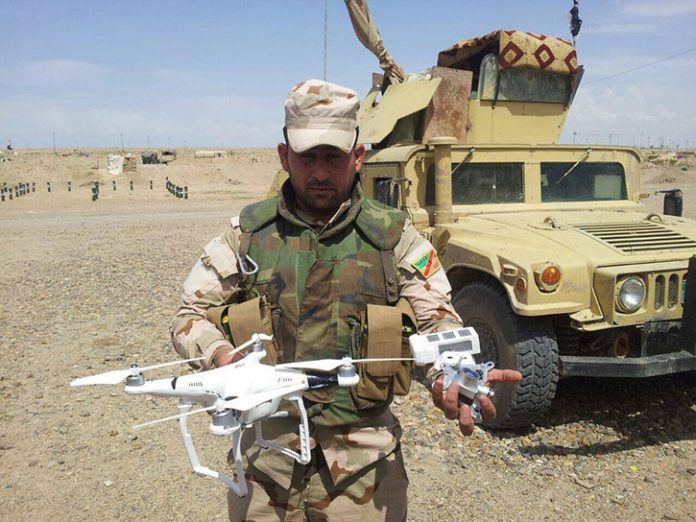
    Iraqi Sgt. Hussain Musa Kathum displays an ISIS drone he shot down in Anbar province. Photo Credit: Iraqi ministry of defence

    In recent years drone attacks have been used exclusively by US and other Western powers, but these weapons are increasingly used by all sides in conflicts, particularly in Iraq and Syria. Recent reports from the Middle East indicate that Jihadis are increasing the use of drone attacks after exploring the use of drone weapons for several years.

    Daesh (the Islamic State of Iraq and the Levant – ISIL) forces in the town of Mosul have used a drone to attack Kurdish forces fighting Daesh in the area of the largest Iraqi city still held by the Islamic group. The attack employed a small surveillance drone, rigged with a bomb to become a booby trap. The attack killed two Kurdish fighters and severely wounded two French special forces. The incident happened on October 2nd but was reported and confirmed by French sources today. The drone was sent by Daesh toward the Kurdish forces and was intercepted by the Kurdish and French forces on October 2 in the town of Duhok. As the soldiers were examining the UAV, it detonated.

    “It seems it was booby trapped,” Jabbar al-Yawar, secretary general of the autonomous Kurdish region’s defence ministry, told Reuters. It wasn’t clear if the drone was remote-controlled by an ISIL member or whether it had a timed bomb. According to French sources, Daesh has twice used weapons attached to surveillance drones to try and target the Iraqi army.

    According to US sources, Daesh fighters are using commercial drones to deliver explosive devices and to observe Coalition and ISF activity. Similar attempts to use drones were also recorded in Syria, and Gaza. The U.S. lead coalition forces are increasing force protection measures against such threats. “The Coalition takes this threat seriously and is implementing increased force protection measures and improved UAS [Unmanned Aerial Systems] counter-measures to protect Coalition forces and our partners on the ground to ensure that they are protected from the full spectrum of threats in the operating environment,” U.S. officials stated. The Pentagon is now exploring ways to thwart hostile drones, requesting $20 million from Congress to fight the emerging threat, the New York Times reported. The budget will be added to the Joint Improvised-Threat Defeat Organization (JIDO), to deal with IED and drone threats.

    US officials have cautioned that, although the Pentagon has devoted resources and energy into developing devices that can recognize and disable booby-trapped drones, neither the Peshmerga nor the Iraqi army, have access to the expensive equipment.

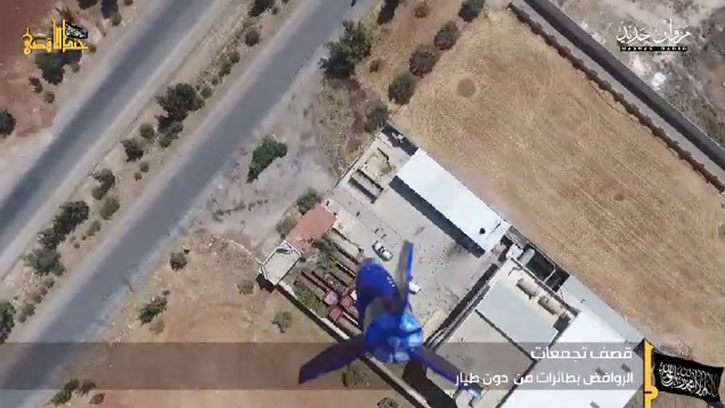
    Syrian barracks under attack by bombs dropped from a quadcopter of an unknown type.
    Syrian barracks under attack by bombs dropped from a quadcopter of an unknown type.
    Across the border in Syria, Al Qaeda offshoot Jund al-Aqsa have also reportedly developed weaponized drones. A video released by the rebels shows the UAV landing small bombs on Syrian military barracks. These weapons are too small and not precise enough to be militarily significant but could represent a new course for action in the region.

    The majority of these groups have access to drones available in the civilian market, weighing between 2.3 to 4.5kg, which can carry less than half a kilogram of payload – not enough to support a massive bomb or rocket. One such shipment was intercepted a few months ago on its way to Gaza. Iranian-backed Hizbollah is an exception, receiving most of its munitions – including its drones – from Iran.

    russian_weapon_drone_1_725
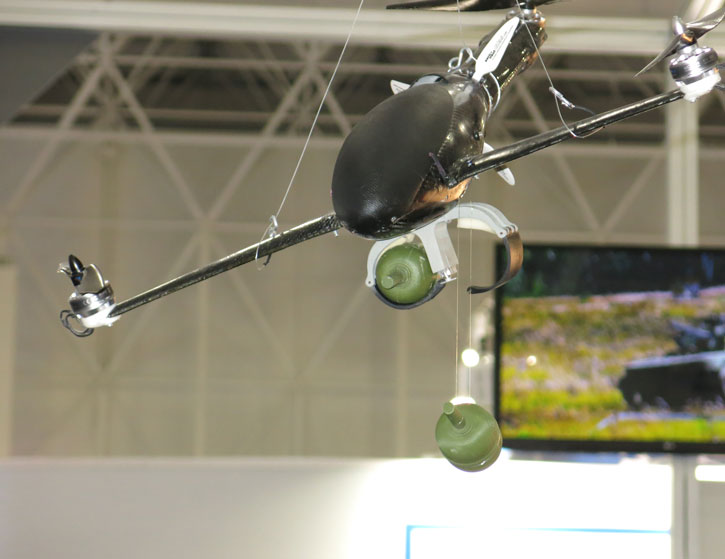
    The ‘Hawk’, a miniature three-rotor surveillance drone designed to carry a payload of 0.7 kg, including two hand grenades with a dedicated release and activation mechanism. Photo: Tamir Eshel, Defense-Update
    The proliferation of commercial mini-drones turned into weapons requires modern military forces to prepare for such threats. The measures being taken will be covered in a forthcoming article.

    Increasing Infantry Overmatch with Advanced Shoulder Fired Weapons

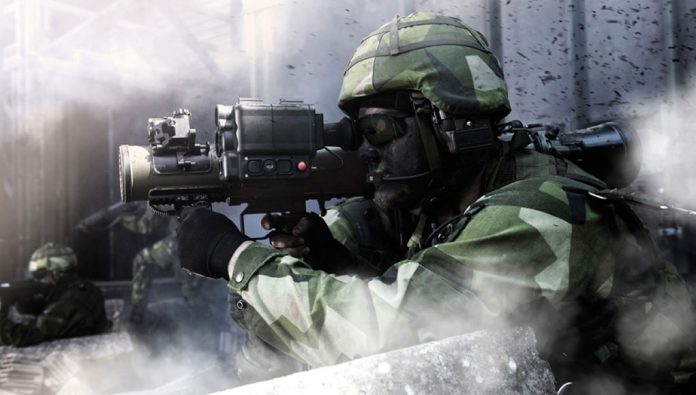
    Saab Company announced yesterday at the AUSA convention it is studying adding enhanced, precision-engagement capability for its shoulder-fired weapons. The Massive Overmatch Assault Round (MOAR) study is part the US Defense Advanced Research Projects Agency (DARPA’s) Broad Agency initiative seeking ‘Innovative Systems for Military Missions.’

    DARPA’s MOAR project explores new ways to increase the combat power of small vehicle mounted or dismounted units introducing a compact, multi-function precision engagement weapon that would evolve into a new category combining the lightweight and versatility of current shoulder fired weapons with the efficiency of larger, heavier and more expensive precision guided weapons. Such weapon would use rounds capable of defeating a wide range of threats – from dismounted personnel, hardened structures, moving vehicles, armor, to unmanned aerial systems – with traditional and non-traditional defeat mechanisms.

    The US military Army currently use a range of unguided infantry support weapons – from the 66mm diameter M72 LAW that produced by Nammo, that has both anti-tank and anti-structure versions, the 84mm M136 (AT4) from Saab that currently delivers only anti-tank effect and the new XM-29 from ATK, that shoots 25mm airburst munitions. SOCOM also operates the 84mm Carl Gustaf M3 from Saab’s while the Marine Corps use the 83mm Shoulder-launched Multipurpose Assault Weapon SMAW, also produced by Nammo.

    Elsewhere, shoulder-fired weapons are enhanced with capabilities such as intelligent sights, airburst, and precision effects. Examples for new multi-purpose weapons are the Israeli Spike SR, the Enforcer KFK from MBDA and Pike from Raytheon. The lightest and smallest weapon of its type, Pike is designed to fit standard 40mm grenade launchers.

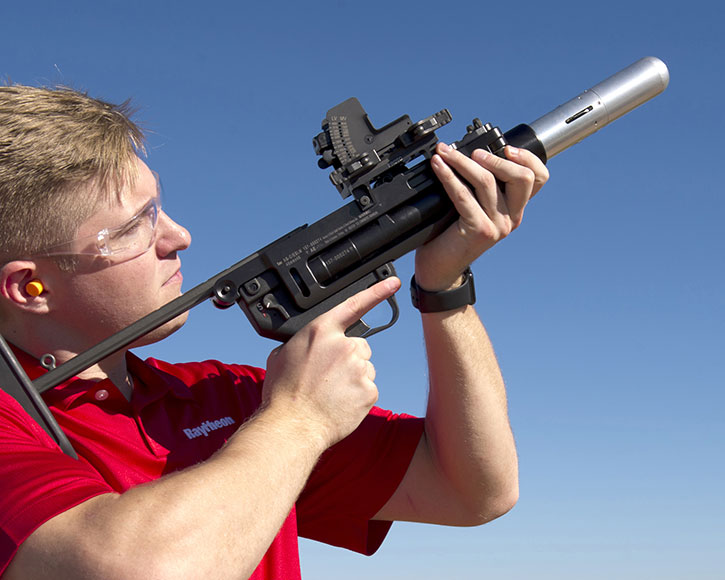
    The Pike 40-mm precision-guided munition is fired from a rifle-mounted grenade launcher and uses a digital, semi-active laser seeker to engage fixed and slow-moving, mid-range targets. Photo: Raytheon
    The Pike 40-mm precision-guided munition is fired from a grenade launcher such as this H&K AG-C EGLM or FN Mk13. It uses a digital, semi-active laser seeker to engage fixed and slow-moving, mid-range targets. Photo: Raytheon

    Saab is likely to be the first to offer such capabilities with available weapon systems. Under DARPA’s MOAR contract Saab’s Dynamics will analyze possible concepts and propose solutions, and highlight areas where future research is needed. Saab will conduct studies on its own Carl-Gustaf and AT4 shoulder-fired weapons, both of which are current U.S. Army Programs of Record in service with the U.S. Army.

    “Saab is investigating a possible solution: a precision-guided munition for shoulder-fired weapons that provides a long-range, high-precision, multi-target capability,” said Görgen Johansson, Head of Saab’s Dynamics business area. “Analyzing already-established platforms allows the research to remain focused on the munition itself,” he added. “Rather than developing a completely new solution, we are seeking to apply improved capabilities to existing systems – and that would translate to lower costs and faster availability.”

    “This research is crucial to improving the power of small military units. Today’s short-range weapons lack active guidance, while long-range weapons are extremely expensive, physically burdensome, and often require teams of operators that smaller units do not have.”

    Since the 2014 launch of Saab’s Carl-Gustaf M4 version, the company has already been investing its R&D money into new “smart” munitions to leverage the new system’s advanced capabilities.

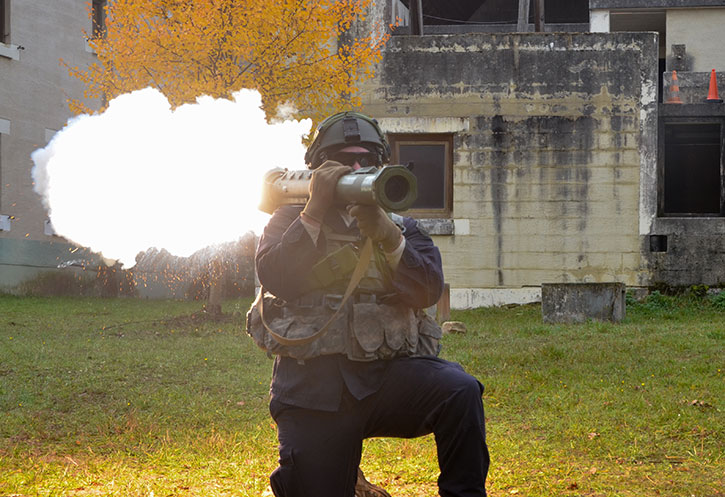
    Firing of a simulation round from an M136E1 AT4-CS confined space light anti-armor weapon (AT4) while conducting AT4 at the U.S. Army’s Joint Multinational Readiness Center in Hohenfels, Germany. Photo: US Army, by Carol A. Lehman.
    Firing of a simulation round from an M136E1 AT4-CS confined space light anti-armor weapon (AT4) while conducting AT4 at the U.S. Army’s Joint Multinational Readiness Center in Hohenfels, Germany. Photo: US Army, by Carol A. Lehman.

    Russia Plans to Deploy Anti-Satellite Airborne Laser Weapons

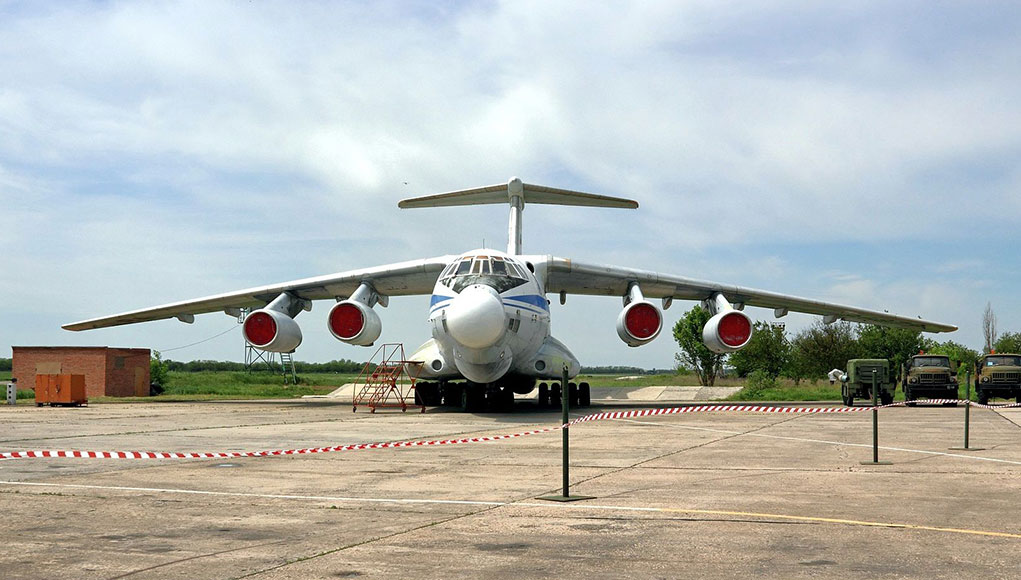
    Russia is preparing to renew flight testing of a high-power flying laser designed to operate as an anti-satellite weapon, the Tass news agency reported. Mounted on a modified Ilyushin Il-76MD-90E transport plane the airborne laser laboratory aircraft flew for its first test mission in August 19, 1981. Two aircraft were modified and equipped for the tests that ceased following the collapse of the Soviet Union. In 2009 the project was revived as the A-60SE, mounting the original 1LK222 laser. This laser weapon will likely be used to dazzle adversary satellites or burning through sensitive optics and sensors using intensive enery laser bursts. With an effective range of 1,500 km (930 miles) such a laser can target reconnaissance satellites orbiting at low earth orbit (LEO). The effect on target range to temporarily disrupt to disabling adversary reconnaissance or missile warning satellites. Some sources claim the program also aims to develope a more powerful laser, that will be able to defeat aircraft and missiles.

    The program discontinued in 2011 due to lack of funding but has apparently regained interest among Moscow’s strategists as it is considered as an asymmetrical response to looming space-based threats. Platforms suggested for the operational systems may be the original, refurbished A-60SE, newer Ilyushin-476 platforms, or the prospective strategic bomber PAK-DA.

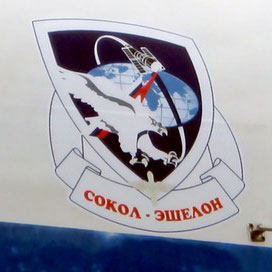
    The Russian laser weapon is not equivalent to the American anti-ballistic laser (ABL) developed and tested in the early 2000s. The United States developed a much more powerful chemical laser designated YAL-1. It was designed as an anti-missile proof of concept. YAL-1 demonstrated such capabilities in 2010, but the results were incolclusive and the project was scraped in 2011. According to some media sources the Russians could be considering a similar high power chemical laser for the ‘Sokol Eshelon’ (Falcon-Eshelon) program, developed by Voronezh-based Khimprom-Avtomatika corporation.

    The insignia on the Beriev A-60 depicts a lightning bolt striking the American Hubble Space Telescope. (Photo via: Iva Savickii-RovSpotters Team /RussianPlanes.NET)
    The insignia on the Beriev A-60 depicts a lightning bolt striking the American Hubble Space Telescope. (Photo via: Iva Savickii-RovSpotters Team /RussianPlanes.NET)

    The Russians designed their flying laser with more modest ambitions – to dazzle or burn reconnaissance satellites in low-earth orbit. The first Russian high-power laser weapon was developed in 1977 by the Institute of Atomic Energy, Kurchatov under the ‘Falcon-Eshelon’ program in the days of the Soviet Union. It was assembled on an IL76MD-90E transport plane designated ‘Beriev A-60’. This one of a kind aircraft received extensive modifications that included an extended nose section that mounted the targeting LIDAR laser beam director. The Megawatt class CO2 laser used a different assembly, lasing through a large retractable dorsal turret. This laser was developped especially for this flying lab, Other visible modifications include two large nacelles, installed along the lower fuselage – One housed the turbo generators used to power the laser, and another replaced the “chin” cabin, housing the targeting lidar’s APU. Two A-60 aircraft were built and used in the classified flight testing program that lasted through 1993 when the program was terminated.

    Following the collapse of the Soviet Union the ‘Falcon-Eshelon’ research program moved under the Almaz Antey concern, which continued to work on the laser program, alsthough without an airborne platform, all activities were limited to ground based tests. These activities were part of its strategic air defense systems.

    The Beriev A-60 on the flight line at Taganrog.
    The Beriev A-60 on the flight line at Taganrog.

    Nano Sensors Enhancing Warfighters’ Situational Awareness

    The miniaturization of electronic and electro-mechanical systems, including sensors, computers, and flight controls enable designers to create innovative ‘flying sensors.’ Sensors that can deploy autonomously or under human supervision to extend human perception – vision, hearing and situational awareness. Given the small dimensions of such platforms, they can be operated by a single person who carries several such pieces in their pouches.

    Although small drones – helicopters and multirotor – are commercially available for several years, they have yet to find their right place in the military. Limited payload weight and endurance, unreliable communications – particularly over the extended range or in urban terrain, and environment congested electronic interference and limited power on board, are all limiting factors for the military use of commercial systems.

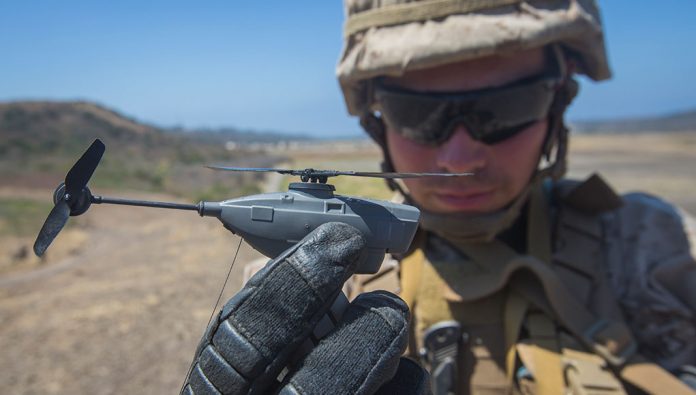
    Some small multirotor drones are designed specifically for military purposes. One example is the InstantEye Mk2 Gen3 developed by U.S. based company Physical Science Inc. (PSI.) This folding quadrotor vehicle is deployed in seconds, on missions that can be operator controlled or autonomous. InstantEye features three cameras – forward, angled, and downward, with multiple zoom levels. The center crosshairs provide the GPS location of the viewpoint when looking at the ground or the vehicle’s location when looking forward. Weighing 320 grams InstantEye can carry payloads of 450 g (with the 2Ah battery, or up to 300 grams with the 4 Ah battery that extends mission endurance beyond 30 minutes). Among the additional payloads, it can carry are infrared LED floodlight, GoPro HD or FLIR thermal cameras.
    The drone has an effective range of 600-1400 meters depending on terrain, with endurance exceeding 30 minutes. The ground control station uses the same batteries the drone uses and can run for two hours after a 30-minute recharge.

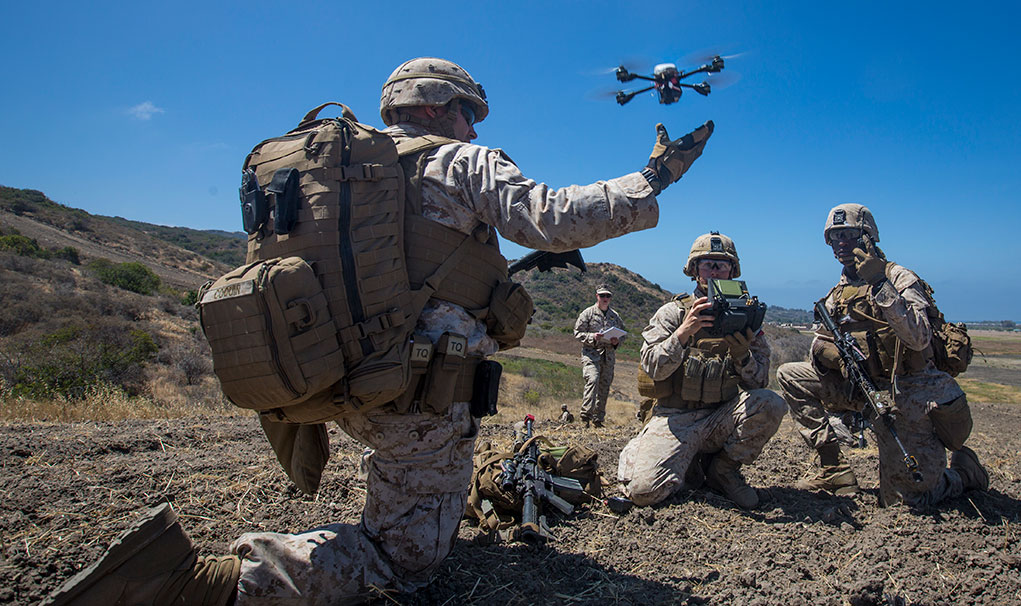
    U.S. Marine Lance Cpl. Benjamin Cartwright, an infantry Marine with Kilo Company, 3rd Battalion 5th Marine Regiment, launches the Instant Eye MK-2 Gen 3 unmanned aerial system during an exercise for Marine Corps Warfighting Laboratory's Marine Air-Ground Task Force Integrated Experiment at Camp Pendleton, CA. (U.S. Marine Corps photo by Pfc. Rhita Daniel)
    U.S. Marine Lance Cpl. Benjamin Cartwright, an infantry Marine with Kilo Company, 3rd Battalion 5th Marine Regiment, launches the Instant Eye MK-2 Gen 3 unmanned aerial system during an exercise for Marine Corps Warfighting Laboratory’s Marine Air-Ground Task Force Integrated Experiment at Camp Pendleton, CA. (U.S. Marine Corps photo by Pfc. Rhita Daniel)

    One of the development goals for PSI is to allow the drone to fly indoor, perform its mission and avoid obstacles. A dedicated payload for this capability will use multiple sonars and a wide angle forward-looking camera to detect large obstacles and avoid them – walls, furniture, and people. Downward and upward sonar maintain a safe vertical distance from the floor and ceiling and enable precise ranging for the monocular optical odometry. As sonar and vision can’t detect all obstacles, with 100% accuracy, all the time, the drone has to be prepared to survive collisions with objects (such as twigs, windows, or fast moving obstacles) and continue its mission. For this purpose, propeller shrouds are employed.
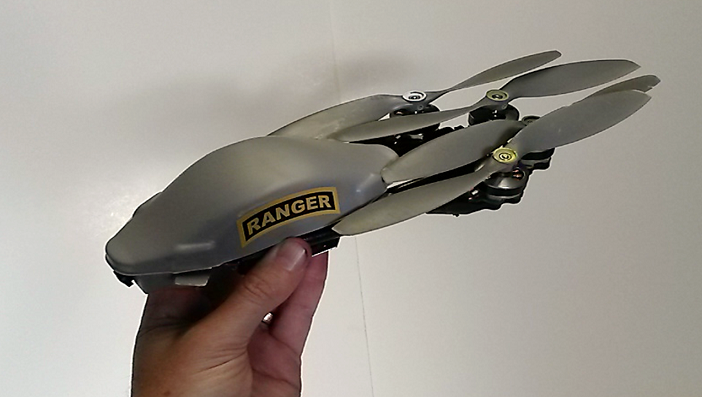
    A folded InstantEye bot can be stowed in a pouch and is unfolded into a ready-to-fly drone in 10 seconds. Photo: PSI.
    A folded InstantEye bot can be stowed in a pouch and is unfolded into a ready-to-fly drone in 10 seconds. Photo: PSI.

    PSI’s is also developing an indoor payload that will enable a swarm of InstantEye vehicles to enter, map, and return to the user – all without user intervention. Using Simultaneous Localization and Mapping (SLAM) algorithms these drones will allow warfighters to conduct autonomous mapping missions without line of site and radio link. This work is sponsored by the Office of the U.S. Secretary of Defense in conjunction with the Air Force Research Labs out of Eglin Air Force Base. Algorithms were designed in simulation, validated on existing hardware, and are currently being implemented into the InstantEye framework.

    PSI is currently designing a lighter and smaller version of the InstantEye, which uses folding arms to reduce stowage size. Unfolding the drone will take about 10 seconds. A smaller InstantEye is also in the making, with a vehicle weight of about 120 grams, stow in the size of a cargo pocket, and be aurally undetectable 50 feet away.

    British MOD to Invest £800 Million in Innovation

    The ministry of defense of the UK is planning to invest up to 800 million pounds in the next decade, encouraging innovation and ‘disruptive technologies’ delivering capabilities that will enable the military to cope better with changing environments. The new innovation initiative will be open to allies, industry partners, small and medium enterprises (SMEs), academics, and investors who will have the opportunity to introduce cutting edge innovation for the military. The commitment to innovation on a global stage will be on show in October at exercise Unmanned Warrior. More than forty companies from across the world will test their unmanned vehicles in a complex operational environment, off the UK coast.

    first funds to be disbursed in April 2017

    The MOD has committed up to 20% of its Science and Technology (S&T) Programme to Disruptive Capabilities (DisCap); these represent technologies with truly game-changing applications. DisCap funds high-risk research that challenges existing military and security strategy and tactics. These projects seek to provide an operational advantage and freedom of action, as well as delivering political and economic benefit from the UK being able to contribute world leading niche military capabilities.

    Such capabilities include future weapon systems that can reduce the UK’s dependence on high cost, complex munitions, new interventions to change the MOD’s approach to recruitment, deployment, and training as well as new autonomous systems to cope with complex environments. DisCap projects are funded across core themes, which evolve to maintain relevance with future operational needs. DisCap will be opening up to external S&T ideas through the Defence and Security Accelerator. This will be trialled in January 2017 and focus on a specific problem area aligned to one of the Defence Challenges.

    One of the tools for this innovation program will be the ‘Defence and Security Accelerator,’ an innovation hub to be set up by the MOD to accelerate ideas from conception through to application. The Accelerator will be a managed network which uses the knowledge, facilities, and skills of its partner research institutes and innovation centres to support suppliers’ journeys from concept to delivery and, crucially, works hand-in-hand with Government procurement bodies to pull novel solutions into service.

    The innovation ecosystem it builds will provide opportunities for customers and suppliers to work together in physical and virtual collaboration spaces; these will act as safe environments where stakeholders can identify, experiment, incubate and demonstrate novel ideas and solutions. It will bring together a unique set of stakeholders for each of its programmes to identify and overcome barriers to exploitation – whether they are technological, procurement, legal, regulatory or financial – and work with its ecosystem to spin solutions into Government for national security and out for prosperity. Key to the Accelerator’s success will be an ability to draw on potential solutions from outside of the traditional Defence and Security supplier base and, through its partner centres, exploit solutions in parallel sectors to help boost national prosperity. To begin this journey, MOD will build on the Centre for Defence Enterprise (CDE) model, which already has successful experience identifying novel solutions from Small and Medium Sized Enterprises and Academia, and look to move beyond technological solutions into services.

    The defence department will develop a series of challenges to stimulate research and development on the most promising innovation opportunities. The Department will seek solutions to important Defence and national security priorities through open engagement and partnerships with traditional and non-traditional suppliers, other government departments and key allies. The pilots will address ‘Accelerator Pilot Innovation Calls’ that will help test the mechanisms put in place for harnessing the cutting edge innovation that originates from outside of Government. The first set of pilots are in Autonomy; with a US/ UK collaboration on Assured Resupply logistics and ‘going the last mile’ and a challenge call with the Home Office on Hazardous Scene Assessment.

    The ministry promises to ’embed innovation throughout the Department’s organisation, workforce, process, and culture,’ and includes better integration of military concepts, emerging technologies and capability development. It also calls to adopt a new ‘culture that is innovative by instinct’, by incentivising and rewarding the innovative behaviours, such as risk taking across the enterprise. Another aspect of this new approach is the establishment of an ‘open innovation ecosystem’ that capitalises on innovative expertise at the MOD and other national security departments and builds effective, efficient and fertile partnerships with innovators in industry and academia, as well as with key allies and partners. Among the parameters this approach will measured with will be the ability to accelerate promising innovations from idea to solution.

    According to Defence Secretary Michael Fallon MOD has established an Innovation Fund of around £800 million over ten years, to provide the freedom to pursue and deliver innovative solutions. The Fund will take forward the best ideas, from inside and outside of Defence, in an open competitive process. Answers will be sought to address challenges based on Defence’s most pressing problems but with an open mind to other, unexpected opportunities. Furthermore, the Fund will not seek to favour particular areas of innovation (technological, procedural, etc.) but will seek to enable as broad a scope of innovative solutions as possible. The Fund will evolve rapidly over the next few years, with the understanding gained through its early operation being used to improve corporate approaches, innovation systems, and mechanisms to realise the innovative potential of an even broader range of Defence activities.

    The Innovation Fund will enable Defence to adopt an open and entrepreneurial approach to selection, funding and development. To fully exploit the potential of innovative ideas it will seek to embrace risk when appropriate. Risk taking should allow the Department to stay ahead of potential threats and better match the pace of agile and fast moving companies, increasing the chances of selecting and developing viable ideas.

    The mechanism for the Innovation Fund will continue to develop through consultation in Autumn 2016. The agreed process, which is expected to employ a ‘Pitch’ Panel alongside more traditional methods, and the first defined challenge, will be published in December 2016 and the Innovation Fund will be open for bids early in 2017. This will allow the best ideas to be selected in time for the first funds to be disbursed in April 2017.

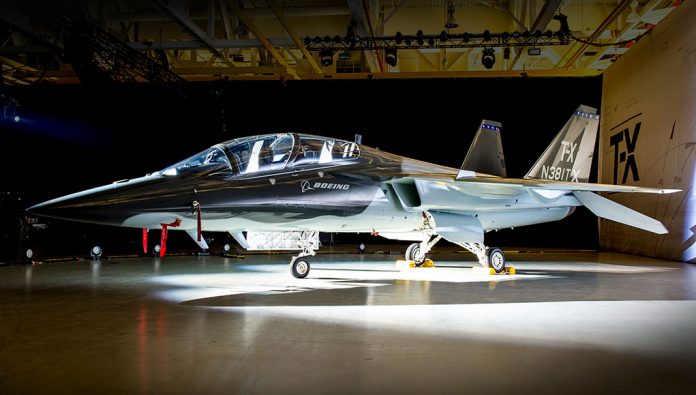
    Boeing Introduces its Brand New Candidate for the USAF T-X Trainer

    The Boeing and Saab T-X aircraft. Photo: Boeing.

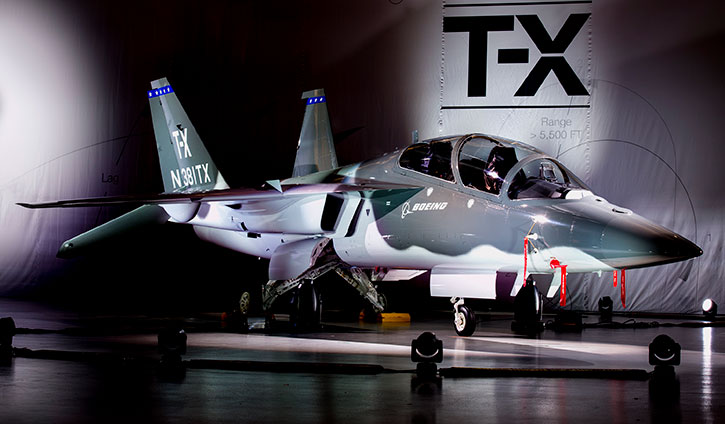
    The Boeing company [NYSE: BA] unveiled today the new jet trainer aircraft it has developed with Saab AB [Stockholm: SAABB]. The companies plan to offer the plane for the U.S. Air Forces’ future trainer aircraft; the tender will open this year, and the T-X contractor downselect phase is scheduled for 2017. Boeing T-X is an all-new advanced pilot training system designed specifically for the U.S. Air Force training mission.

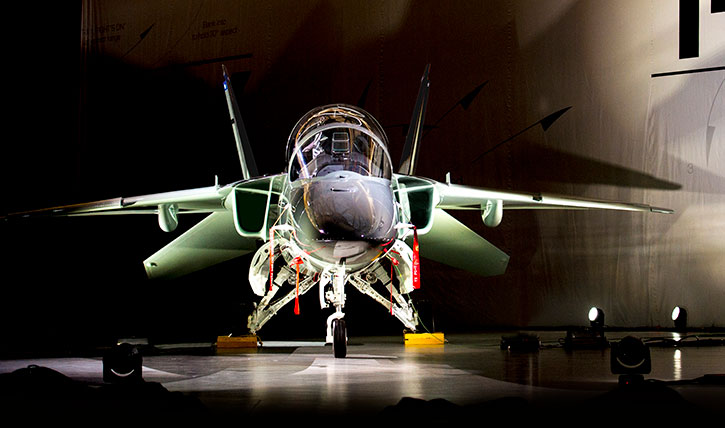
    The aircraft developed by Boeing and Saab uses a single General Electric GE404 engine, twin tails, stadium seating and an advanced cockpit with embedded training. It is designed to look, feel and perform like fighter aircraft. The twin-tail design offers improved stability and is visually similar to current and future fighters, to enhance training.

    According to Boeing, the twin tails provide improved control and inherent speed break functionality, furthermore, it is and safer during air refueling.’Stadium seating’ allows for ideal instructor positioning and visibility for flight instruction, from teaching basic traffic pattern operations to advanced visual air combat training. The seating arrangement is compliant with JPATS 1-7 to accommodate a wider range of individuals to train and instruct. Reconfigurable large area displays are used in the cockpit allow students and instructors a maximum range of training options.

    The twin-tail design offers improved stability and is visually similar to current and future fighters, to enhance training. Photo: Boeing
    The twin-tail design offers improved stability and is visually similar to current and future fighters, to enhance training. Photo: Boeing

    The companies built two production-level trainers that will be used for flight testing and to demonstrate the new aircraft’s performance, as well as the affordability, and maintainability advantages of their approach.

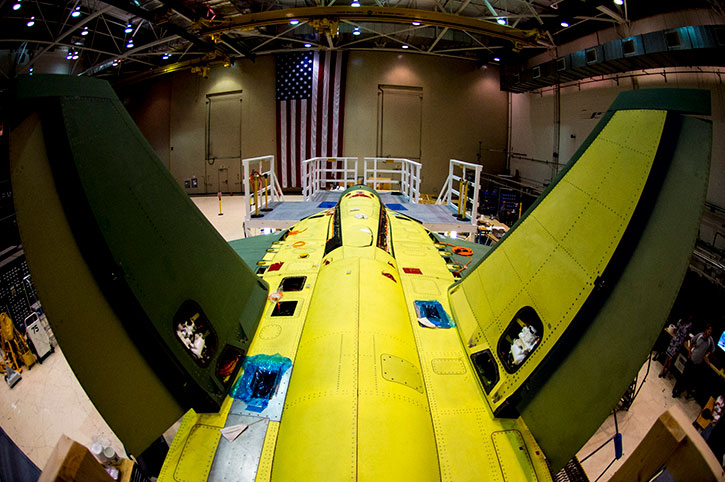
    The new platform represents an all-new aircraft designed specifically for the U.S. Air Force training mission. It takes advantage of the latest manufacturing technologies, tools, and techniques. According to Boeing statement, it is an advanced aircraft designed to evolve as technologies, missions and training need change. The design is claimed to be more affordable and flexible than older, existing aircraft. The companies employed much of the experienced learned through recent fighter programs such as Gripen and Super Hornet. Another aspect reducing life cycle cost is improved maintenance. The Boeing T-X design focuses on accessibility, with fewer and more common fasteners, and readiness of critical items like engine and seats. It is also designed around common U.S. Air Force ground equipment and uses established suppliers to reduce supply chain complexity.

    “Our T-X is real, ready and the right choice for training pilots for generations to come,” said Boeing Defense, Space & Security President, and CEO Leanne Caret.

    The US Air Forces’ T-X program includes new trainer aircraft, ground-based training, and support – designed together from the ground up. The U.S. Air Force Advanced Pilot Training System competition, commonly known as T-X, is designed to replace the T-38 trainer in use today. It will help train fighter and bomber pilots for generations to come.

    The second T-X prototype undergoing final assembly at Boeing St. Louis. Photo: Boeing
    The second T-X prototype undergoing final assembly at Boeing St. Louis. With fewer and more common fasteners the T-X designed around common U.S. Air Force ground equipment and uses established suppliers to reduce supply chain complexity. Photo: Boeing

    boeing-t-x-725

    Poland Wanted Cheaper Patriots –  Enter the SkySceptor

    The Polish Government announced it will formally request the Raytheon Company (NYSE: RTN) combat-proven Patriot Integrated Air and Missile Defense System from the United States government. Poland considers to buy eight Patriot air and missile defense systems in a deal with an estimated value of $5 Billion, to establish an independent air and missile defense system under the ‘Vistula’ strategic air defense program.

    When the deal comes through Poland will become the 14th NATO operator of the combat-proven Patriot system. 

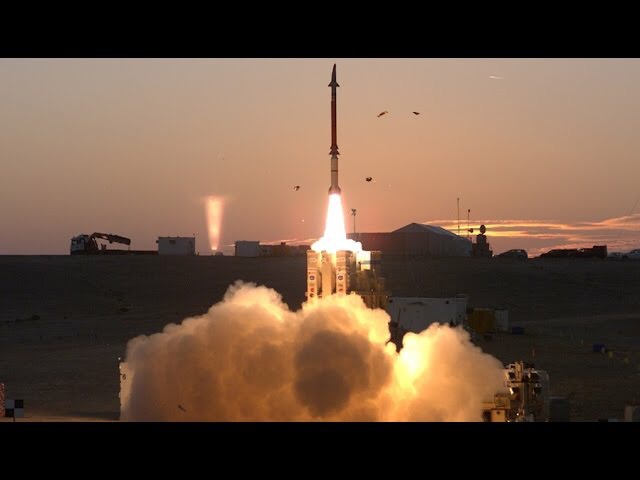
    But Poland’s Patriots will be different from other systems. Raytheon is offering the latest iteration of the Patriot family – SkyCeptor – a low-cost interceptor, based on the Stunner interceptor missile developed with Rafael for the Israeli David’s Sling weapon system. The missile and weapon system passed a successful acceptence test by the Israel Air Force last year and are currently in full-rate production.

    The Patriot system is comprised of integrated radar, launcher and command and control systems that protects against aircraft, drones and ballistic or cruise missiles.

    The SkyCeptor interceptor adds a highly advanced, hit-to-kill capability, developed to defeat short- to medium-range ballistic and cruise missiles and other advanced air defense threats. Raytheon unveiled the SkyCeptor interceptor yesterday during MSPO, an international defense industry exhibition in Poland.
    Raytheon is also developing a new radar for the Patriot system – a prototype mockup that was recently unveiled at the Farnborough Airshow in the UK uses two key technologies. The first is active electronically scanned array, which changes the way the radar searches the sky. The second technology is gallium nitride circuitry, which uses energy efficiently to amplify the radar’s high-power radio frequencies.

    Poland requested a low-cost interceptor option as part of the interest it expressed in acquiring the Patriot. According to Raytheon, Polish industry would co-develop and produce the system with Raytheon.

    “We’re redefining the price tag on what are traditionally very expensive missile defense capabilities,” said John Baird, vice president of Raytheon’s Poland programs. “SkyCeptor gives Poland a much more cost-effective option to take out the threat.”

    It will be the newest hit-to-kill weapon in the Patriot family, which includes the PAC-3 and PAC-3 MSE missiles, which destroy threats by the sheer force of collision. Also in the family is the GEM-T interceptor, which uses a blast fragmentation warhead to obliterate tactical and ballistic missiles or manned and unmanned aircraft. All four missiles can be fired from the same launcher.

    In the last phase of the ‘Vistula’ project source selection Poland evaluated the Patriot against the MEADS, proposed by Lockheed Martin and MBDA. MEADS uses a new radar and battle management system with the Patriot PAC-3 MSE interceptor variant developped by Lockheed Martin.

    “Missile defense is a complicated challenge because missiles [are] cheap and easy to create threats, but [it is] difficult and expensive to defend against them,” said Ralph Acaba, vice president of Raytheon Integrated Air and Missile Defense. “Missile defense systems need to become more cost-effective, and integration of SkyCeptor into Poland’s Patriot is a step in the right direction.”

    Unmanned Peacekeepers Over Africa

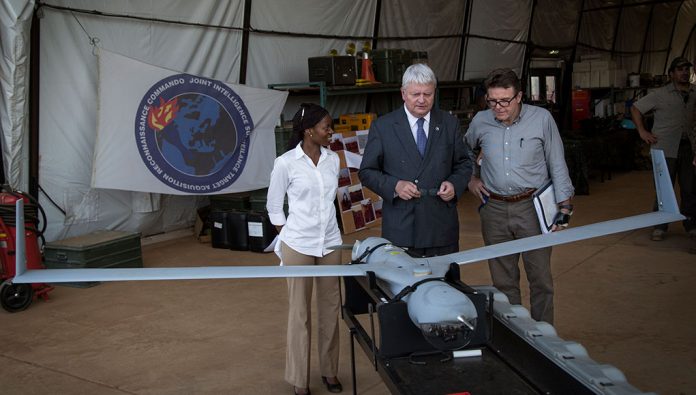
    UN Under-Secretary-General for Peacekeeping Operations Hervé Ladsous (center) is briefed about the Scan Eagle's activity. Photo: UN

    40 years after unmanned aerial vehicles (UAVs) entered into military service 20 years after such systems assumed combat operations with the US military and CIA, United Nations peacekeepers in Africa are elsewhere are expanding the use of drones to improve force protection and better secure the civilian communities in conflict areas. The use of drones is part of an undergoing ‘technological revolution’ Led by UN Under-Secretary-General for Peacekeeping Operations Hervé Ladsous, aimed to make peacekeeping more effective even at times of growing tension and funding constraints.

    The new trend has introduced multiple types of drones to UN missions in the Democratic Republic of Congo, Central African Republic, and Mali. Further missions are anticipated in Darfur, and South Sudan.

    Unlike many military drones, tasked with armed reconnaissance and target acquisition, the drones supporting the UN are primarily used for surveillance and situational awareness. According to Ladsous, UAVs do a better job of protecting civilians, because they provide real-time pictures of situations as they develop on the ground. “You can act more quickly and more decisively,” he said. Drones can save lives, by improving the peacekeepers’ security, by providing prior warnings on enemy ambush or attack, and, by staying on station for longer periods, increasing safety and confidence of citizens.

    rooivalk_drc_725
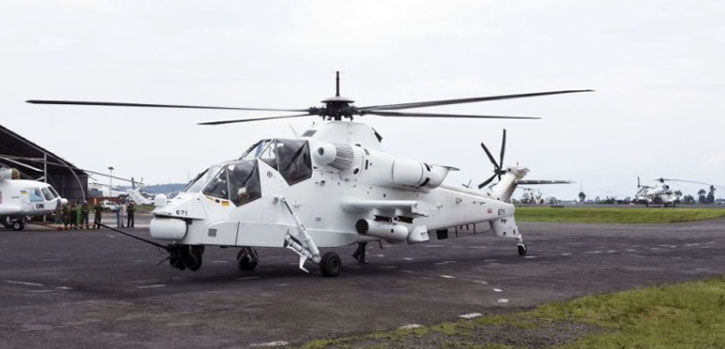
    While drones are reserved only for reconnaissance missions, manned attack helicopters are used for the forceful response. The UN deployed such assets along with drones, since 2012. South Africa deployed its Rooivalk attack helicopters to the Democratic Republic of Congo, in support of UN operations there. It was the first combat operation of the helicopter outside South African borders.
    UN_Mil_Mi-24P_DRC2015_1021
    Ukraine sent to the DRC some Mi-24P Hind combat support helicopters, to support MONUSCO operations in the country.

    While military operators of drones often tend to deploy such assets in weaponized configurations, Ladsous clearly states that his drones are operating strictly in surveillance missions. “We make it very clear that UAVs are for surveillance purposes only. They are unarmed and will remain unarmed because the fact that they are remote-controlled creates potential risks. We don’t want to go into that. Attack helicopters, of course, have very precise rules of engagement. They step in or fly in under specific circumstances and always under the direct control of the force commander. And we apply very rigorous procedures.”
    When a forceful response is required, the peacekeepers prefer to employ manned assets such as attack helicopters – assets that have joined the peacekeeping operations in DRC and Mali in recent years and used with the drones to enable quick response to evolving threats.

    un_aerostat_300
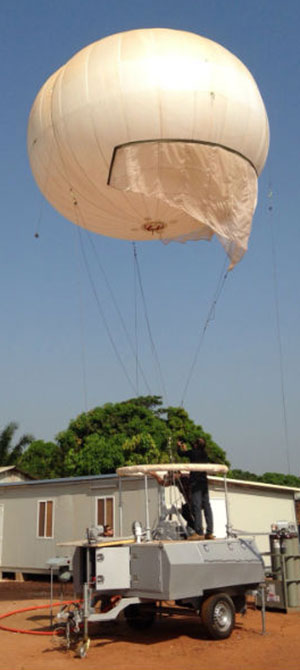
    Quick reaction tactical aerostats are deployed to improve force protection in UN forward bases in DRC and Mali.

    Drones and attack helicopters proved highly useful in DRC and Mali and are recommended to operate as a ‘package’ supporting other peacekeeping missions across Africa. Among attack helicopters supporting UN peacekeepers in Africa where Ukrainian Mil Mi-24P ‘Hind’ helicopters, South African Denel Rooivalk and Dutch Boeing AH-64 Apache, (that withdre

    hovermast_un_300
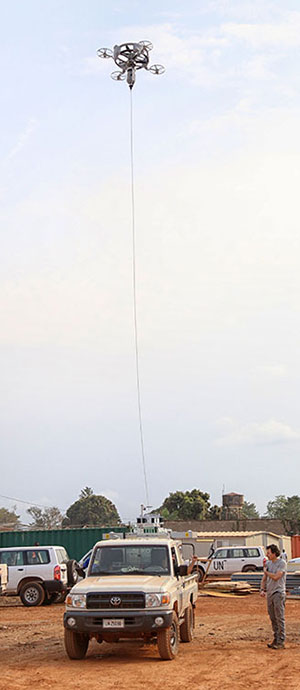
    A combination of drone and aerostat, tethered ‘Hovermast’ were also tested by UN peacekeepers in Africa.

    w after several months, following the loss of one of the Apaches in Mali). In Mali, such assets are supporting the ‘International Brigade’, a muscular ‘peace enforcer’ supporting the MINUSMA mission.

    “We get much better information about what is happening on the ground. We can see groups on the prowl. I saw some of the photos captured by the drones. In certain circumstances, we can recognize the faces. We now have a knowledge of what is happening on the ground and how to mitigate or to proactively intervene.”

    flaco_mi24p_725
    UN Peacekeeping forces are employing unmanned aerial systems such as this Selex ES Falco drone, strictly on reconnaissance missions. When forceful intervention is required, manned attack helicopters are deployed.

    Other systems deployed by the peacekeepers include surveillance aerostats, used for force protection. Such aerostats were recently deployed in the Central African Republic capital, Bangui. Such aerostats carry sensors, daylight, and thermal cameras. Aerostats are now deployed in northern Mali, soon to be augmented by counter-battery radars, to allow accurate and timely counterfire against mortar and rocket attacks that often harass the peacekeeper’s bases.

    Canada’s New Armored Cubs Gear Up at Gagetown

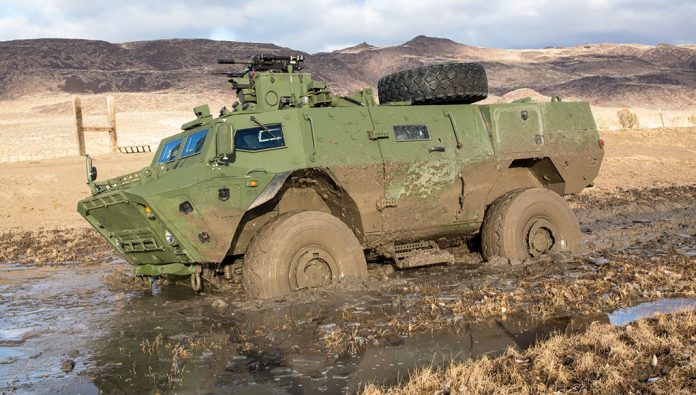
    TAPV undergoing rigorous field testing prior to delivery to the Canadian Forces in 2016. Photo; Textron Systems
    tapv_fileded_725
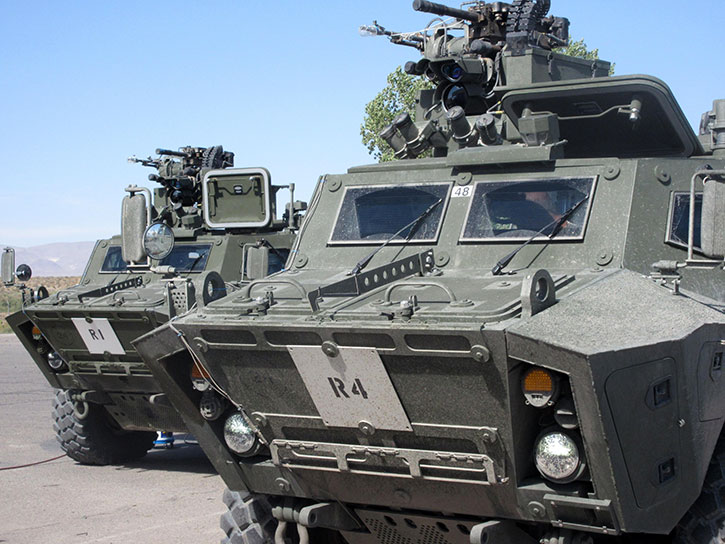
    TAPV arriving at Gagetown. Photo: Canadian MOD

    TAPV The Canadian Armed Forces (CAF) took delivery of the first six Tactical Armored Patrol Vehicles (TAPV) earlier in August. TAPV is a beefed-up variant of Textron Systems’ ‘Commando Elite’ 4×4 mine-protected armored vehicle, specially designed to address the Canada’s requirement for a replacement for the 8×8 Coyote armored recce vehicle and 4×4 RG-31 Mk3 Nyala armored utility vehicles.

    The new vehicle is more powerful and better protected than its predecessors; powered by a 365 hp Cummins QSL365 diesel engine and Allison Transmission 3200SP automatic transmission the 18.6-ton vehicle sustains a top road speed of 105 km/h, it’s internal fuel sustains an operational range of 644 km. Despite its weight TAPV is sized for air-mobility – Four TAPVs can be transported simultaneously by a CC-177 Globemaster III (The Canadian designation for the Boeing C-17), providing the strategic mobility supporting contingency operations far from the homeland.

    The vehicle has fully independent front and rear suspension. The wheels use Michelin 16.00R20 XZL tires with run flat inserts from Hutchinson. A spare tire is also carried on the rooftop.

    Each TAPV has an integral weapon station, enabling the crew to observe and fire without exposing themselves to enemy fire. The RWS selected by the Canadians is the Protector DRWS (Dual Remote Weapon Station) from Kongsberg Protech Systems The weapon station mounts two weapons – an FN Herstal 7.62mm C6 light machine gun, 40mm Heckler & Koch GMG automatic grenade launcher and smoke grenade launchers, used mainly for self-protection. The weapon station has an integral optronic system enabling the operator to see at distances of up to 10,000 meters. The vehicle also has front and rear cameras.

    The survivability system comprises a base armor and appliqué armor package designed by IBD Deisenroth Engineering and its local subsidiary EODC (Engineering Office Deisenroth Canada); the armor package shields troops from ballistics and roadside blasts (IED). Other survivability and protection features include laser warning system, wire cutter mounted in front and NBC protection system. The vehicle has four elevated mounts for antennae, providing reduced interference between multiple electronic emitters such as radios, datalinks, navigation systems, and jammers.

    The vehicle also has a climate control system and high capacity alternator keep the internal space cool, provides electricity to support onboard electronic systems and provide large power reserves for future electronics enhancements.

    The order includes 300 general utility variants and 200 recce vehicles. The only differences between variants are their internal design and certain pieces of equipment. The Reconnaissance variant will be fielded to armored reconnaissance squadrons, infantry reconnaissance platoons and the Royal Canadian Armored Corps School. The TAPV fleet will be distributed across multiple locations throughout Canada, supporting the 2nd, 3rd, 4th and 5th Canadian Divisions in combat, combat support and training roles.

    Other advanced systems include health and usage monitoring system, ensuring a high level of readiness and optimize lifecycle management.

    In 2012 Textron won the contract worth CA$603.4 to deliver 500 TAPVs, with options to supply 100 more. Textron Systems plans to deliver at least 30 vehicles per month to the Canadian Army with all vehicles scheduled to be delivered by December 2017. The 2nd Canadian Division will be the first formation to operate the TAPV, which will be part of a High Readiness Training Cycle culminating in Exercise MAPLE RESOLVE 2018. The Canadian Army expects to declare full operational capability by mid-2020 with a fleet of 500 vehicles, distributed to 24 units across seven bases.

    German Infantry Fighting Vehicles for Lithuania will get Israeli Turrets, Missiles

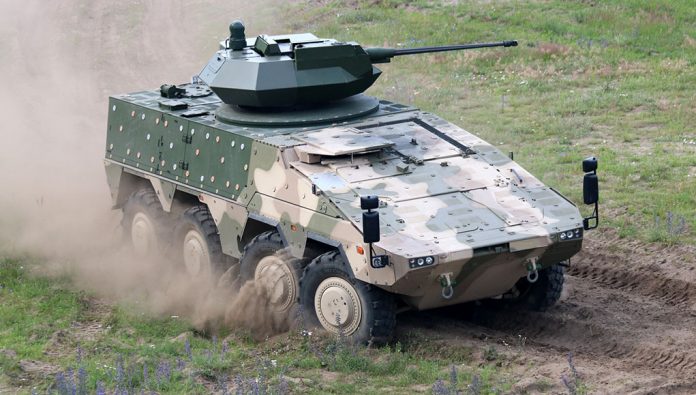
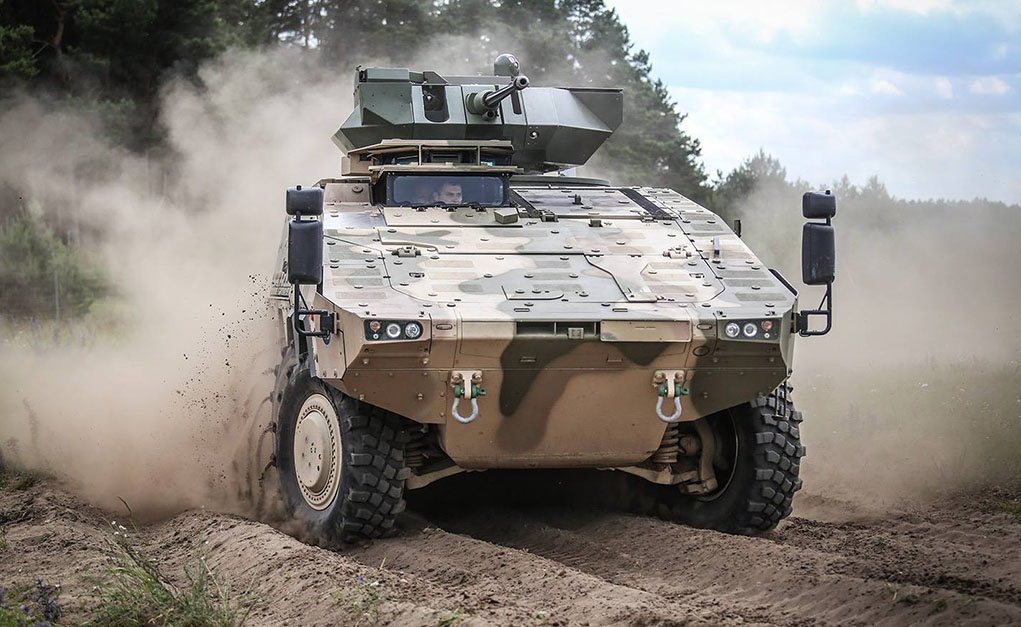
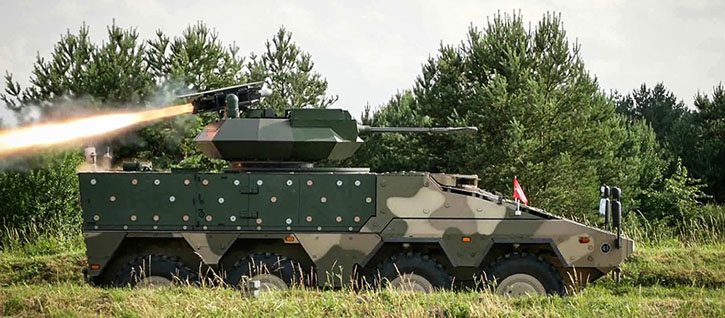
    Armored Lithuania confirmed this week its order for 88 Boxer 8x8 infantry fighting vehicles (IFV) armored vehicles signed with the German consortium ARTEC. The Lithuanian military will call this vehicle ‘Vilkas’, which means ‘wolf.' Note the applique armor modules and Samson MK II remote weapon stations, which are part of the mission module designed to meet the Lithuanian requirements. Photo: Lithuanian MOD
    boxer_marv_1021
    Lithuania evaluated some vehicles, the German Boxer was the one recommended by the MOD evaluation commission. Photo: Lithuanian MOD

    Armored Lithuania confirmed this week its order for 88 Boxer 8×8 infantry fighting vehicles (IFV) armored vehicles signed with the German consortium ARTEC. The Lithuanian military will call this vehicle ‘Vilkas’, which means ‘wolf.’

    The contract worth 390 million Euros (US$435 million) was signed on August 22. The vehicles will be produced by two German defense manufacturers – the KMW group and Rheinmetall Defense. The selection of the German vehicle was announced on December 11, 2015. Deliveries of the Boxer vehicles will commence by the second half of next year and will last through 2019. They will equip the ‘Iron Wolf’ mechanized brigade, and; possibly another infantry brigade to be formed in 2021. KMW will manufacture 53 vehicles, Rheinmetall will make the remaining 35.

    Powered by a 530 kW (720 HP) turbo-charged diesel engine, the Boxer has a top speed of over 100 km/h with a combat weight of 36.5 tons. The vehicle’s modular concept – consisting of driver cab and mission modules – results in outstanding flexibility and versatility.

    Lithuania evaluated some vehicles, including the Swiss MOWAG/Piranha, the AMV from Patria in Finland, the French VBCI offered by Nexter, Italian SuperAV from Iveco, and two Turkish designs – the 8×8 Arma from Otokar and PARS from FNSS. The German Boxer was the one recommended by the MOD evaluation commission but was also one of the most expensive – one of the reasons for the high cost was the turret, as the Germans offered the Lance turret which is a derivative of the turret already used in the German Puma Infantry Combat Vehicle.

    Based on the Lithuanian recommendation, an alternative turret was considered (and eventually accepted) – the Israeli Samson 30mm MK II remote weapon station turret made by RAFAEL. This turret is designed unmanned operation, it offers a low silhouette, and supports a unique reloading capability from inside the vehicle, enabling the crew to restock ammunition in the turret without being exposed. It is designed to mount main and secondary armaments, of Eastern and Western origins, including a 30/40 mm automatic cannon, 40 mm Automatic Grenade Launcher (AGL) and 7.62 mm coaxial machine gun. Additionally, the turret has space for anti-tank guided missiles, and smoke dischargers. In its basic configuration the Samson Mk II is unarmored, but can be applied with armor protection meeting STANAG levels 1-4.

    The turret has two dual-axis, gyro-stabilized, retractable, sights, and weapon mounting system, supporting independent operation for the commander and gunner, enabling ‘hunt-kill’ functionality for the crew. In addition to rapid traverse, the RWS supports very high elevation angles of up to 70 degrees – making it suitable for urban warfare.

    Lithuania becomes the third international operator of the Boxer. To date, only two nations opted to buy the vehicle – Germany and the Netherlands. Australia is also evaluating a version of the German 8×8 vehicle for its Land 400 Phase 3 armored scout program. The Bundeswehr already has 405 of these vehicles in its inventory, while the Dutch armed forces own a further 200. Operational experience gained in Afghanistan confirms the Boxer’s significant contribution to military sustainment and mobility.

    The Vilkas has the Israeli Samson Mk II remotely operated turret mounting the MK44 30mm automatic cannon, 7.62mm coaxial machine gun and two Spike LR guided missiles. Photo: Lithuanian MOD.
    The Vilkas has the Israeli Samson Mk II remotely operated turret mounting the MK44 30mm automatic cannon, 7.62mm coaxial machine gun and two Spike LR guided missiles. Photo: Lithuanian MOD.

    In addition to the formation of the Lithuanian Iron Wolf mechanized regiment with the Vilkas, neighboring Estonia has recently acquired 79 tracked Armored Infantry Fighting Vehicles (CV9035NL) from the Netherlands, and Norway and Latvia formed a mechanized regiment with 123 armored reconnaissance vehicles supplied from British Army surplus. The three nations are equipping their vehicles with anti-tank guided missiles, namely RAFAEL’s Spike LR (Lithuania and Latvia) and Javelins (Estonia).

    Located at Russia’s doorstep, the Baltic states are equipping with military hardware to beef up their defensive posture against possible escalation with Russia, or spillover of the conflict in neighboring Ukraine. For years NATO members refrained to supply the Baltic states with advanced weapons, to prevent escalations with the Russians. However, following the situation in Ukraine, the Baltic States European states are willing to assist and sell advanced military equipment while the Baltic states are increasing defense spending and cooperation within NATO.

    New Mini-Drone Provides ‘Eye in the Sky’ for Small Boats

    Rail launched from a ship deck or small boat, Skylark C is operated by two operators from a portable mission control unit. Photo: Elbit Systems

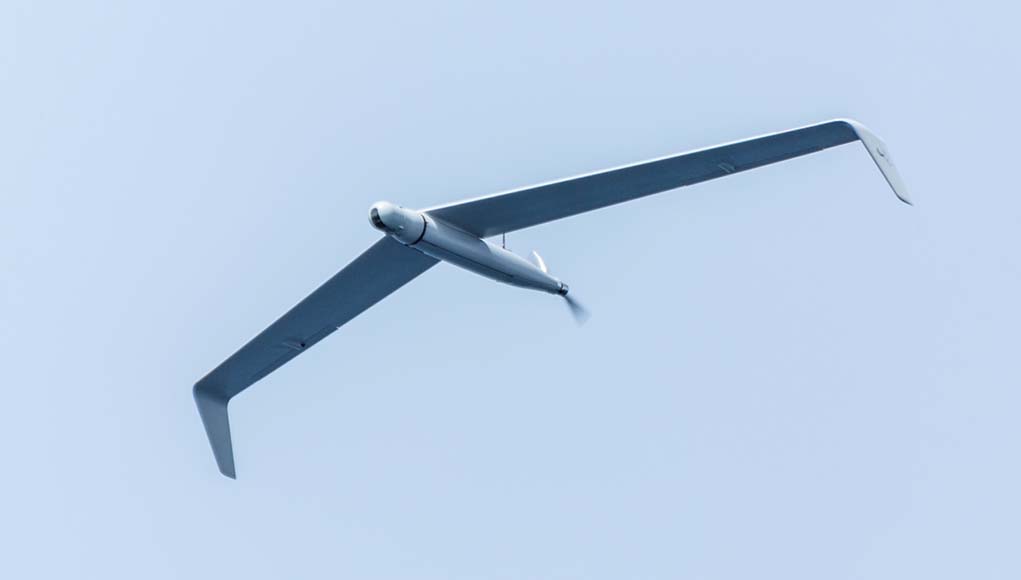
    Elbit Systems introduce today the Skylark C – the first naval member of its electrically powered mini-UAV family. Based on the operational and combat-proven Skylark I-LEX Mini UAS, the naval variant extends the Skylark reconnaissance and surveillance capabilities to the maritime domain. Inertial navigation system (INS) and a stabilized, electro-optical (EO) payload with a high-resolution thermal imager and color daylight camera that enables continuous day/night monitoring in diverse weather conditions. Designed with a ‘flying wing’ configuration Skylark C is heavier than Skylark I LEX but its larger energy sustains much longer mission endurance.

    Operated as an organic asset on naval platforms of all sizes, Skylark C provides the capabilities to inspect maritime activities from a safe distance and observe targets from a bird’s eye view. It performs reconnaissance over the sea and coastal areas and performs continuous covert surveillance, thus extending the vessel’s ISR capabilities in range, rate, and quality of information obtained.

    During the mission, high-quality day or night video is available in real time, captured via the stabilized EO/IR gimballed payload. The operators control the mission in ‘fly by camera’ mode, enabling intuitive operation and target tracking. Advanced image processing and functions supported by the system allow mission capabilities similar to larger drones.

    Designed with a ‘flying wing’ configuration Skylark C is heavier than Skylark I LEX but its larger energy sustains much longer mission endurance. (Photo: Elbit Systems)
    Designed with a ‘flying wing’ configuration Skylark C is heavier than Skylark I LEX but its larger energy sustains much longer mission endurance. (Photo: Elbit Systems)

    The main advantages of the new, miniature drone are its autonomous flight capability; silent electrical propulsion and small dimensions its low visual and acoustic signature that makes it, suitable for covert operations such as naval special operations, border security, anti-terrorism and anti-piracy operations.

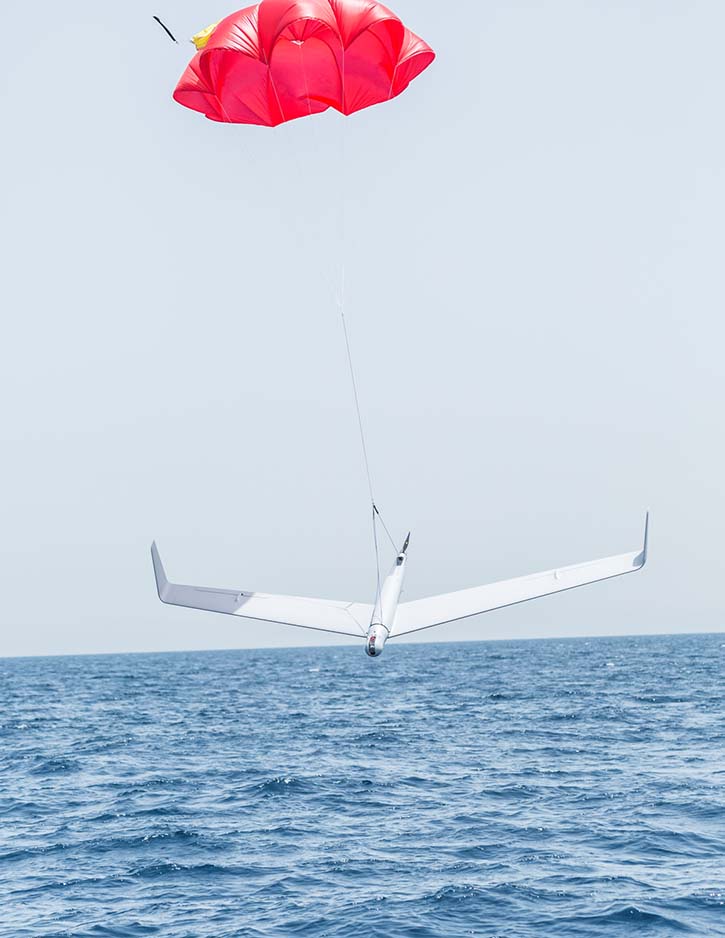
    The waterproof Skylark C can land on water using automatic, precision recovery on water capability. (Photo: Elbit Systems)
    The waterproof Skylark C can land on water using automatic, precision recovery on water capability. (Photo: Elbit Systems)

    Rail-launched from a ship deck or small boat the Skylark C is operated by two operators from a portable Mission Control Unit (MCU). A unique attribute of Skylark C is the automatic, accurate recovery on water capability, employing Point Water Recovery (PWR) feature. This function is particularly important for small patrol boats and special forces that cannot support net arresting systems or other auxiliary recovery apparatus employed with larger drones.

    At the end of the mission, the drone lands in the water, using parachute-based recovery to minimize impact. After landing the waterproof drone floats on water and retrieved by the operators. Mission preparation cycle, from retrieval to a new assignment, typically takes about 15 minutes.

    Skunk Works and XTEND Simplify Multi-Drone Command

    0
    Lockheed Martin Skunk Works® and XTEND have achieved a major milestone in JADC2 by integrating the XOS operating system with the MDCX™ autonomy platform. This technical breakthrough enables a single operator to simultaneously command multiple drone classes, eliminating the friction of mission handoffs. From "marsupial" drone deployments to operating in GPS-denied environments, explore how this collaboration is abbreviating the data-to-decision timeline and redefining autonomous mission execution.

    From Ukraine to Taiwan: The Global Race to Dominate the New Defense Tech Frontier

    0
    As traditional defense primes face mounting competition from agile “neoprimes” such as Anduril, Palantir and Helsing, the balance of innovation is shifting toward software-defined warfare and scalable, dual-use technologies, while global industry consolidation—marked by Boeing’s integration of Spirit AeroSystems and other strategic mergers—signals an intensified race to secure control over the defense technology value chain. Our Defense-Tech weekly report highlights these trends.

    Europe’s “Drone Wall”

    0
    In early October 2025, a coordinated wave of unmanned aerial system (UAS) incursions—widely attributed to Russia—targeted critical infrastructure across at least ten European nations. The unprecedented campaign exposed the fragility of Europe’s air defenses...

    Weekly Defense Update & Global Security Assessment

    0
    Executive Summary The past week (September 18-25, 2025) represents an inflection point where strategic defense concepts have transitioned from doctrine to tangible reality. An analysis of global events reveals four primary, interconnected trends shaping an...

    U.S. Air and Space Forces Push Next-Gen Programs at the AS&C 2025 Conference and...

    0
    At the 2025 Air, Space & Cyber Conference, U.S. Air Force and Space Force leaders unveiled major updates on next-generation fighters, bombers, unmanned systems, and space initiatives, highlighting both rapid innovation and critical readiness challenges as the services race to outpace global competitors. A short version is available here, with a more detailed version for subscribers.

    TADTE 2025: Reflecting Taiwan’s Strategic Themes

    0
    The Taipei Aerospace & Defense Technology Exhibition (TADTE) 2025 crystallized around four dominant strategic themes that collectively illustrate Taiwan's comprehensive approach to defense modernization amid escalating regional tensions. Based on a detailed report by Pleronix (available upon request). Includes a Podcast discussion on TADTE 2025's highlighting Taiwan's four strategic themes beyond the post's coverage.

    Iron Beam 450 Completes Testing, Soon to Join With Operational Air Defense Units

    0
    Israel’s Iron Beam 450 high-power laser system has completed final testing, marking a major leap in air defense. Developed by Rafael, it offers precise, cost-effective interception of rockets, UAVs, and mortars, and is set for IDF deployment by 2025.