Monday, December 22, 2025
More
    Home Blog Page 68

    New C-IED Jammer for the French Army

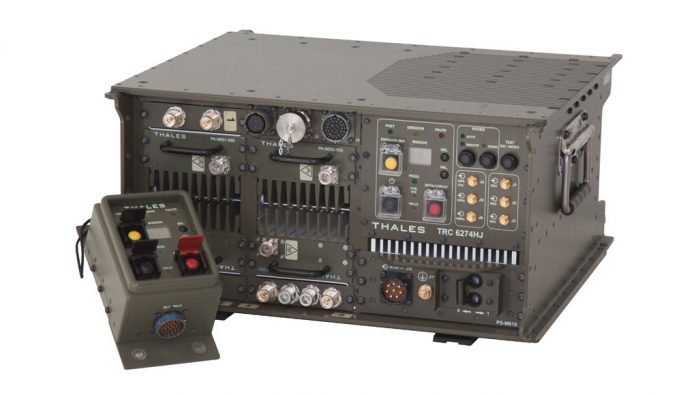
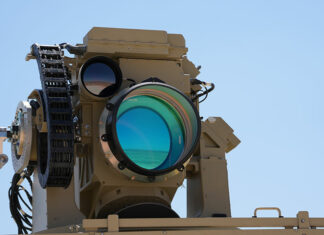
    ECLIPSE is built around a new-generation jammer that prevents improvised explosive devices from being detonated by remote control. Photo: Thales

    ECLIPSE, a new counter-IED system developed by Thales is soon to enter into service with the French armed forces. The ECLIPSE system recently completed qualification testing with the French Defense Procurement and Technology Agency (DGA), under the BARAGE (Brouilleurs anti-IED réactifs actifs goniométriques) program. The new system introduces advanced functions, such threat localization, enabling enhanced force protection, by neutralizing radio-controlled IEDs, one of the major threats faced by forces deployed in conflict zones today.

    ECLIPSE is built around a new-generation jammer that prevents improvised explosive devices from being detonated by remote control. The moment an IED is detected, ECLIPSE jams radio signals across a wide range of frequencies, without interfering with the radio communication systems used by friendly forces.

    A compact and modular system, ECLIPSE is designed to be integrated on board light or armoured vehicle. It is based on an open architecture that makes it possible to adding new functions to the system as threats evolve.

    ECLIPSE jammers are already in operation within the armed forces of several other countries and will equip a number of French Army vehicle types, including the future Griffon and Jaguar vehicles, being developed for the SCORPION programme.

    In addition to new systems, Thales maintain a significant proportion of the radio-controlled IED jammers already deployed by the French Army in foreign operations.

    Denmark Downselects F-35 to Replace its Aging F-16s

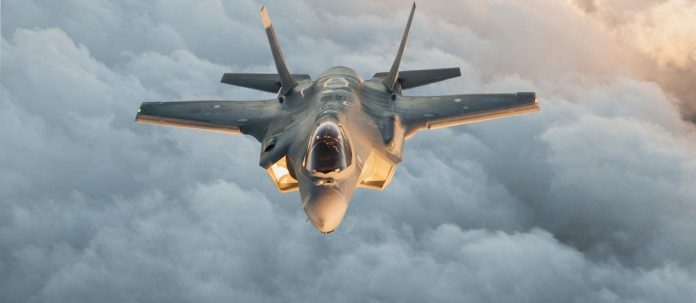
    The Danish Prime minister and defense minister Denmark confirmed today the Danish government recommendation to buy 27 F-35A Lightning II aircraft for the F-16A/B Fighter Replacement Program (FRP). The three competitors have submitted bids for 24, 30 and 36 aircraft to the Danish ministry of defense Project Office. Denmark had originally sought bids for up to 48 aircraft to replace the Danish Air Force’s aging F-16s, acquired in the 1980s. The program is expected to cost $4.5 billion.

    Although Denmark invested $291 million in becoming a partner in the JSF program, so far the aircraft was not selected for the Royal Danish Air Force. 

    Part of an ongoing process that began in 2005, the recent announcement reaffirms the Danish plan to buy the plane, following the downselection process through open competition. The next phase is an open debate in parliament, which should last approximately one month before Denmark officially approves its decision.

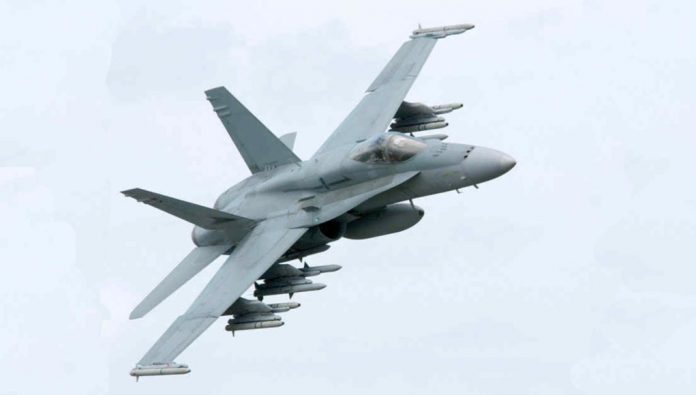
    The Joint Strike Fighter was evaluated by the Danes, against the Boeing F/A-18E/F Super Hornet and Eurofighter Typhoon.

    In order to provide the best possible basis for a political decision on the fighter aircraft type selection, the three candidates have been evaluated within four specific areas:

    Strategic aspects: the ability of the candidates to support or fulfill overarching Danish defense and security policy objectives, including the potential for cooperation with other countries.

    Military aspects: the ability of the candidates to successfully conduct fighter missions (mission effectiveness), the candidates’ survivability, opportunities for keeping the aircraft operational and technically relevant within its expected lifespan (future development) as well as the risks associated with each candidate that cannot be economically quantified (candidate risk).

    Economic aspects: the estimated life cycle costs of the candidates, including costs associated with procurement, ongoing operations and sustainment as well as quantifiable risks.

    Industrial aspects: the ability of the candidates to support significant Danish security interests through industrial cooperation with the Danish defense industry. The evaluations are based on an operational period of 30 years for the new fighter aircraft (2020-2049). Additionally, the evaluations have assumed a continuation of the current tasks and level of ambition of the Danish F-16 fighter capability to conduct national and international tasks within NATO collective defense tasks.
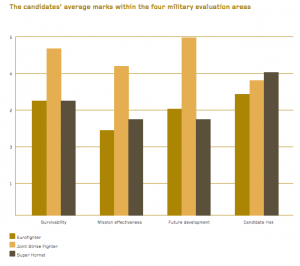
    Screen Shot 2016-05-12 at 1.56.42 PM

    The Danish MOD detailed the evaluation process in a recently published report, in which the recommendation for the F35 was unanimous. Following are excerpts from the study:

    The evaluation of military aspects comprises the subareas survivability, mission effectiveness, future development and candidate risk.

    The evaluation of survivability considers how well the fighter aircraft is capable of protecting itself against enemy weapon systems so as to minimize the risk of loss of aircraft or crew. The evaluation of mission effectiveness considers how well the fighter aircraft performs the task assigned. Altogether, survivability and mission effectiveness reflect the fighter’s military ability to perform tasks.

    Under survivability and mission effectiveness, the Joint Strike Fighter comes out better than the two other candidates. This is due to a number of circumstances, including for example the low radar signature of the aircraft as well as the application of advanced systems and sensors that enhance the pilot’s tactical overview and ensure the survival of the aircraft and efficient mission performance. In terms of survivability and mission effectiveness, the Super Hornet does slightly better than the Eurofighter.

    Future development evaluates the extent to which the fighter aircraft is expected to constitute a relevant operational and technically applicable fighter aircraft capability throughout the entire 30-year lifespan of the fighter aircraft, whereas the evaluation of candidate risk considers the risks that cannot be quantified economically. The economic costs that will incur provided the individual risk occurs were considered in the economic evaluation. This applies also to the costs associated with risk-mitigating measures.

    The New Fighter Program has carried out a large number of technical and operational analyses. Expert panels have subsequently given the candidates marks and ranked them on the basis of the analyses. Using the Delphi method within each of the four sub-areas, the experts fact that the experts have had the opportunity to rank the candidates evenly.

    The reasons are, among other things, that the aircraft is expected to be produced in a large number and that the contractual and development basis for keeping the aircraft technically and operationally relevant throughout its lifespan is present. With regard to the Eurofighter and the Super Hornet, the expert panel’s evaluation is that the candidates’ future development is at the same level.

    In relation to the sub-area of candidate risk, the Super Hornet has been assessed to carry the least risk of the three candidates even though the candidates in this area are almost equal. The reasons are, among other things, that already today the Super Hornet is used operationally by other countries, and that risks associated with, for example, the procurement and implementation of the aircraft are assessed to be low. The risks associated with the Joint Strike Fighter and the Eurofighter are assessed to be higher.
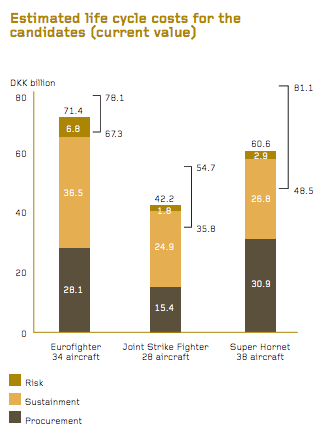
    Screen Shot 2016-05-12 at 1.57.53 PMEconomic aspectsThe economic evaluation compares the candidates’ estimated life cycle costs from calculations in the quantitative economic model. The life cycle costs cover costs linked to procurement, ongoing operations and sustainment as well as quantifiable risks over a period of 30 years.

    The estimated life cycle costs are lowest for the Joint Strike Fighter, second-lowest for the Super Hornet and the highest for the Eurofighter. The reason is primarily that the airframe of the Joint Strike Fighter is designed to be capable of flying 8,000 hours, whereas the Eurofighter and the Super Hornet are both designed to operate 6,000 hours.

    To perform the required portfolio of tasks over a period of 30 years, fewer Joint Strike Fighter airframes are therefore required compared to the Eurofighter or the Super Hornet. The calculations in the economic model have identified a need for 28 Joint Strike Fighter airframes, 34 Eurofighter airframes, and 38 Super Hornet airframes, respectively, to perform the same portfolio of tasks. Another reason is that the Super Hornet is a two-seat aircraft, which implies a greater need for flight instruction hours and training of crews than the Eurofighter and the Joint Strike Fighter.

    Furthermore, the Eurofighter has higher maintenance costs per flight hour than the Joint Strike Fighter and the Super Hornet. The procurement price per aircraft is the highest for the Eurofighter.


    New Brimstone Demonstrates Enhanced CAS Responsiveness

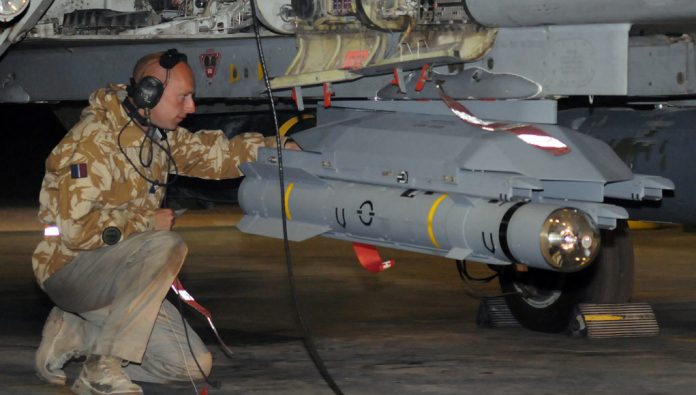
    Dual Mode Brimstone loading on a Tornado GR4 for operations over Iraq, 2008 Photo: RAF Via MBDA
    Brimstone-725
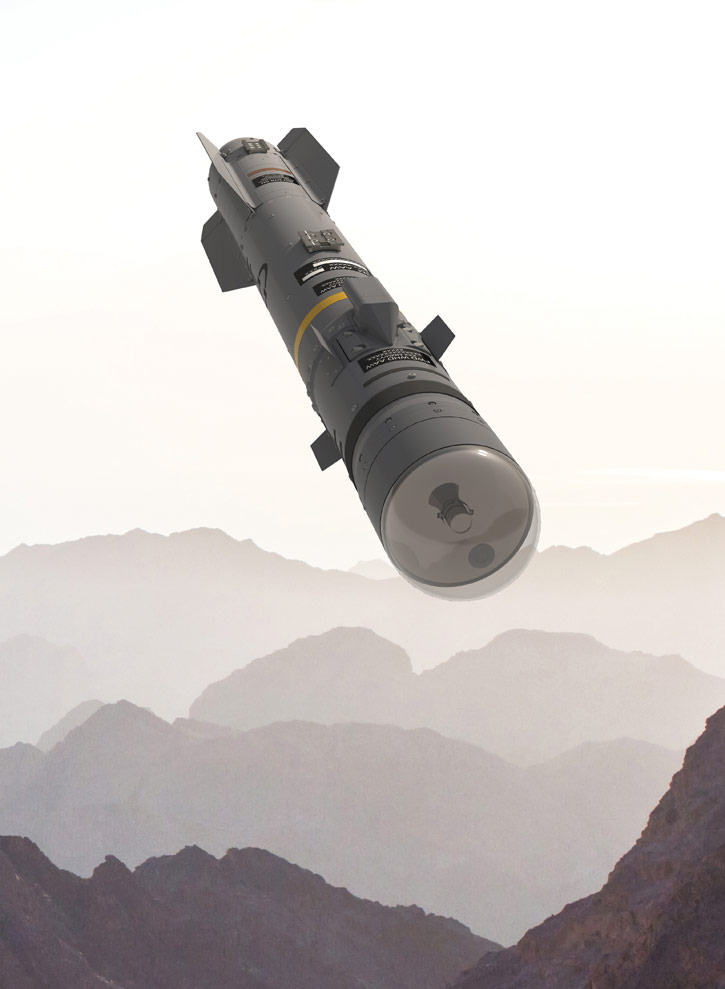
    MBDA’s Enhanced Brimstone has introduced a number of technical advances that incorporate the latest dual-mode seeker capability, an Insensitive Munition (IM) rocket motor and warhead, and a new and stronger airframe for increased air carriage robustness. Illustration: MBDA

    The Brimstone air-to-surface missile developed by MBDA has undertaken a challenging operational evaluation trials by the Royal Air Force (RAF) that confirm the performance of the weapon’s latest technical enhancements. The successful evaluation was achieved during February 2016 at China Lake in the USA as the culmination of a program to advance the operational edge this highly capable missile brings. Brimstone has a record of approximately 500 missile firings with a very high success rate since its entry into service.

    The operational evaluation trials involved 11 missile firings, including some at the edge of the weapon system’s performance envelope. During these tests, Brimstones were conducted against a variety of operational scenarios with precise hits on small, fast moving vehicles and static targets in complex positions. The trials included single missiles and salvo firings using laser, millimetric radar and dual-mode guidance, using ground-based, third party laser designation.

    The trials demonstrated the missile engagement envelope is significantly increased over the in-service missile, providing a 100% increase in stand-off range (based on MBDA modeling and release ranges of the in-service missile). Through the tests Brimstone demonstrated the significantly increased ability to engage targets at high off-bore sight angles, thus improving its capability to fire from a launch platform performing close air support (CAS) missions. These aircraft and UAVs are often flying pattern (‘wheel’) over the battlefield, and would be able to launch the Brimstone quickly, without the need to maneuver the platform to align with the target.

    Other new features of Brimstone also proven through the recent tests include the performance of the new warhead, against armored and non-armoured targets. This new warhead and propulsion system, conforming to Insensitive Munition (IM) requirements, to bring additional deployment benefits.

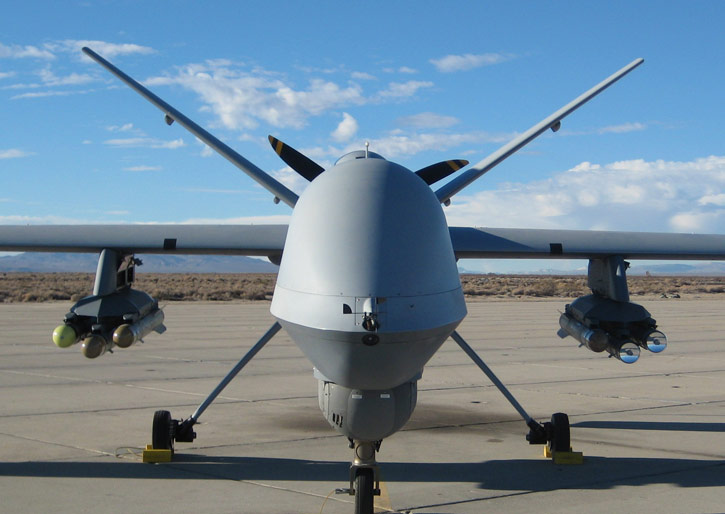
    The RAF’s Eurofighter Typhoon will benefit first from this enhanced capability, with an integration program underway for 2018. Separate activities are preparing the Brimstone for potential use on the UK’s Future Attack Helicopter and Protector (Certifiable Predator B) remotely-piloted aircraft system (RPAS).

    This article is an excerpt of the full 541 words feature available to subscribers

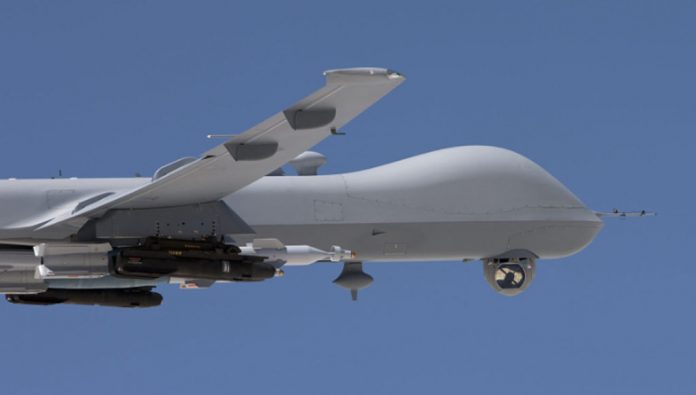
    The Protector (Certifiable MQ-9 Reaper) Remotely Piloted Aircraft will be able to carry six Enhanced Brimstone missiles. MBDA developed the Dual Mode Brimstone (DMB) seeker to meet a UK Urgent Operational Requirement (UOR) for a surgical-strike, low collateral damage missile that can operate under the most restrictive rules of engagement. Photo: MBDA
    The Protector (Certifiable MQ-9 Reaper) Remotely Piloted Aircraft will be able to carry six Enhanced Brimstone missiles. MBDA developed the Dual Mode Brimstone (DMB) seeker to meet a UK Urgent Operational Requirement (UOR) for a surgical-strike, low collateral damage missile that can operate under the most restrictive rules of engagement. Photo: MBDA

    Staring Night Vision Sensor Opens the Night for Helicopter Pilots

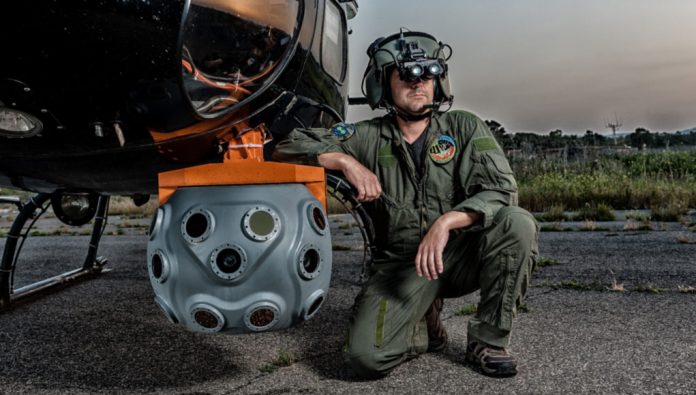
    BrightNite is a multi-spectral end to end panoramic piloting solution that delivers the essential data directly to both eyes of the pilot, enabling intuitive flight in a head-up, eyes-out orientation in pitch dark and other DVE conditions. Photo: Elbit Systems

    Elbit Systems successfully demonstrated the BrightNite system in a series of night flights. Britenite is a solution that enables utility helicopters to perform Degraded Visual Environment (DVE) missions successfully in more than 90% of the nights. The demonstration flights carried out in Israel and involved dozens of pilots from different nationalities and services.

    Subscribe to see Brightnite in action and more

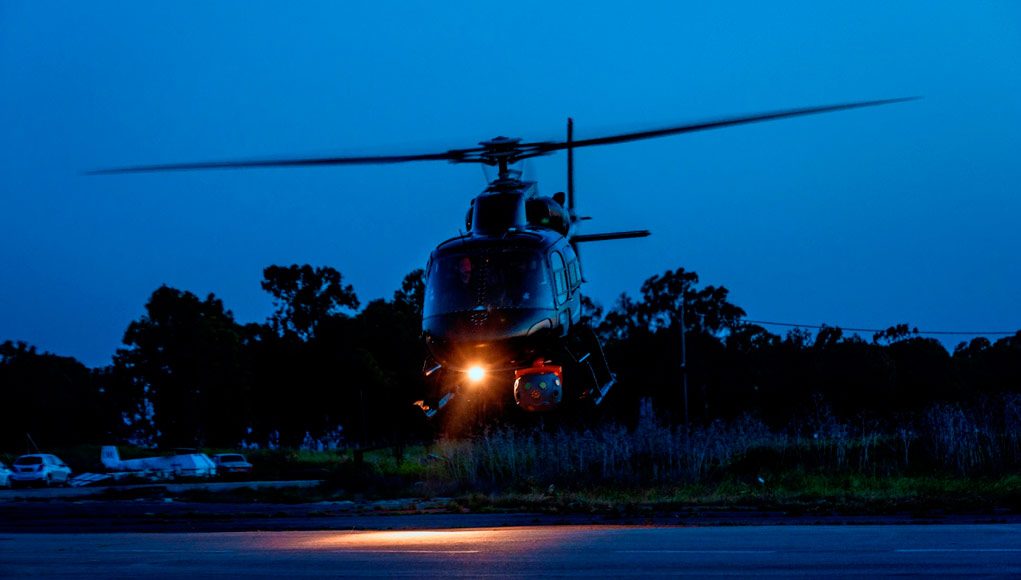
    The goal of this evaluation was to demonstrate the systems’ performance in DVE conditions, in moonless, pitch dark nights, in which flights are rarely executed. Installed onboard an Airbus Twin-Star helicopter for the demo, the BrightNite system provided the pilots with night-piloting capabilities similar and even exceeding to those of attack helicopters.

    Comprised of non-gimbaled uncooled FLIR and highly sensitive Complementary Metal-Oxide Semiconductor (CMOS) sensors the BrightNite DVE solution provides the pilot an intuitive image with the ultra-wide field of regard, projected through the pilot’s Helmet Mounted Display through the ANVIS/HUD.

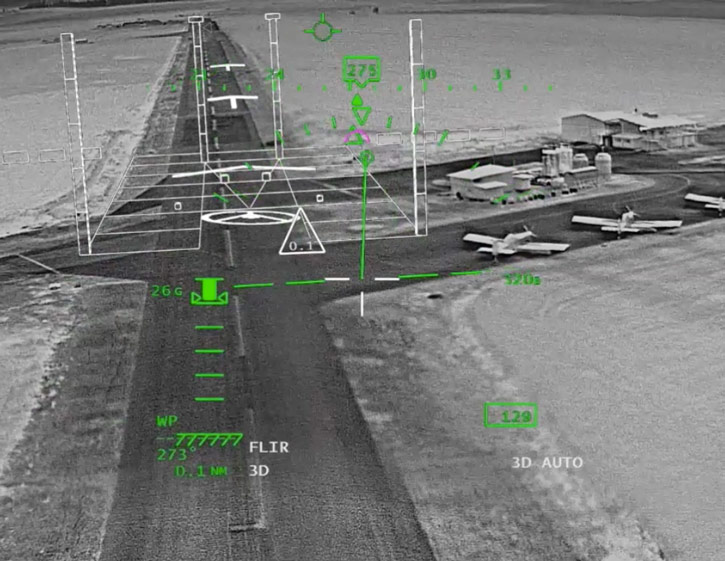
    BrightNite display in landing mode, showing the landing zone and clear descent path. Photo: Elbit Systems
    BrightNite display in landing mode, showing the landing zone and clear descent path. Photo: Elbit Systems

    Overlaid by a synthetic layer that follows the contours of the landscape, the display is combined with a third layer of mission conformal 3D symbology indicating various hazards, mission conformal symbology and tactical data.

    Using a single Britenite sensor and the ‘synthetic world’, multiple crew members can simultaneously scan different areas through the entire field of regard, safely sharing the mission workload and responsibilities, regardless of the night visibility conditions.

    In the sorties that took place during the demonstration flights, the feedback was extremely positive and the pilots emphasized the contribution of the system to flight. “The system is like magic, [it] literally opens any night to flight” one of the pilots commented.

    Elbit-Systems-BrightNite-1021
    BrightNite is a multi-spectral end to end panoramic piloting solution that delivers the essential data directly to both eyes of the pilot, enabling intuitive flight in a head-up, eyes-out orientation in pitch dark and other DVE conditions. Photo: Elbit Systems

    Lockheed Martin, Daewoo Team to Build New Multi-Mission Corvettes

    Seoul, South Korea: Lockheed Martin and Daewoo Shipbuilding & Marine Engineering (DSME) have signed a comprehensive teaming agreement to partner on the Multi-mission Combat Ship (MCS), which is based on a DSME hull design and intended for the corvette market.

    “DSME’s MCS hull design coupled with Lockheed Martin’s expertise in program and systems integration will allow the team to bring this capable ship to the international marketplace at an affordable price,” said Joe North, vice president of Littoral Ships and Systems at Lockheed Martin Mission System and Training. “Together, we bring not only the best experience, expertise and resources, but also the right dedication and focus to offer coalition navies a multi-mission corvette-sized ship designed to meet future threats.”

    “This Teaming Agreement on MCS and strategic cooperation will not only provide our customers with high capability vessels on time, but also further facilitate our two companies’ joint efforts in exploring opportunities on a global scale,” said Deog-Soo Kim, vice president and the head of the Naval & Special Ship Business Management Division at DSME. “Moreover, the Korean government is pursuing ‘New-Economic Growth Activation by Defense Industry’ as one of the state development agendas and this agreement is a good example of achieving the objective.”

    Both companies bring valuable experience and unique capabilities to the teaming arrangement. Lockheed Martin has a proven track record of developing and integrating complex systems into a wide variety of U.S. and international naval vessels. DSME is one of the world’s largest shipbuilders and has a rich history of producing highly capable naval vessels for the Republic of Korea and other international customers.

    Lockheed Martin and DSME are continuing to explore additional business opportunities in the international naval market where integrated, multi-mission corvettes will play a vital role in coastal protection as well as regional operations.

    AN/DAS-4: Sharper Eyes for the Reaper

    The U.S. Air Force has awarded Raytheon a first-lot production contract for the AN/DAS-4 EO/IR Turret, shown here deployed on the MQ-9 Reaper. Photo: Raytheon

    The U.S. Air Force awarded Raytheon a $90 million first-lot production contract for the next-generation Multi-Spectral Targeting System. The AN/DAS-4, the latest variant of the MTS family of sensors, incorporates greater fire control and target location accuracy technology delivering more accurate coordinates for higher precision weapon engagements.

    The new DAS-4 High Definition/Target Location Accuracy (HD/TLA) features incorporate several improvements including: four high definition cameras covering five spectral bands; a three-color diode pump laser designator/rangefinder; laser spot search and track capability; automated sensor and laser bore sight alignment; three mode target tracker; and built in provisions for future growth.

    “These next generation capabilities give our warfighters an unfair advantage through more effective assessment of threats and engagement of targets,” said Fred Darlington, vice president of Intelligence, Surveillance and Reconnaissance Systems at Raytheon’s Space and Airborne Systems.

    Combat-proven, with nearly three million operational flight hours, MTS sensors provide detailed intelligence data from the visual and infrared spectra. The new MTS variant allows mission commanders to use high definition data from an airborne tactical sensor to identify and engage targets with much greater accuracy, significantly improving overall mission effectiveness.

    Raytheon has delivered more than 3,000 MTS systems on a wide range of platforms, including: remotely piloted aircraft, helicopters and fixed-wing Aircraft. To date 44 variants of the MTS system were integrated on more than 20 rotary-wing, Unmanned Aerial System, and fixed-wing platforms – including the MH-60 Blackhawk, the C-130 Hercules, the MQ-9C Reaper, the MQ-1 Predator, and the MQ-1C Gray Eagle.

    Enhanced, Switchblade to Use Immune, Digital Datalink

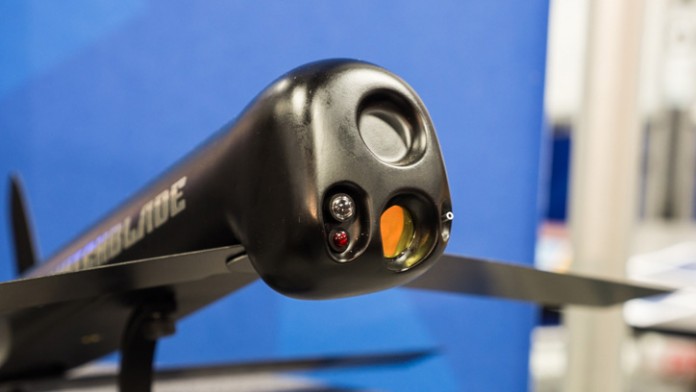
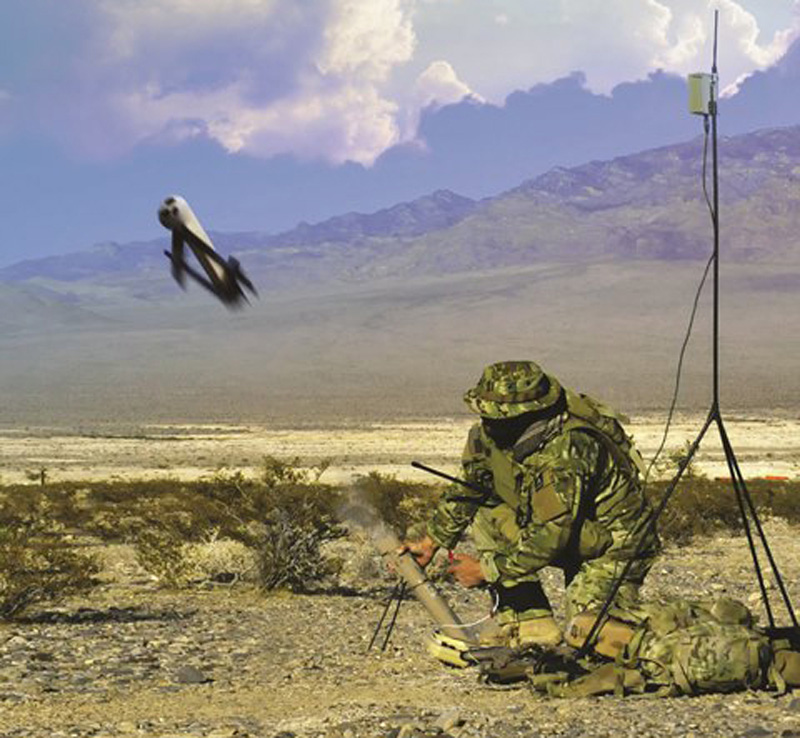
    Aerovironment is providing a new upgrade of the Switchblade, offering digital, secure datalink to enable the weapon to operate more safely, and reliably, without interference from other systems. Photo: Noam Eshel, Defense-Update

    AeroVironment and Orbital ATK announced the completion of development of a block upgrade for the Switchblade tactical missile system, improving the weapon’s datalink with a new, encrypted digital data-link. AeroVironment has teamed with Orbital ATK to produce the advanced warhead for the weapon.

    Designated SwitchBlade Block 10C, the improved tactical missile system that is already fielded by the US Army has received a Digital Data Link (DDL), to provide a stable and secure encrypted communication link which is less susceptible to interception and exploitation by the enemy. DDL also makes more efficient use of existing electromagnetic spectrum resources. “Switchblade Block 10C will increase the capabilities of the warfighter in the field through encrypted operation and improved Army-wide frequency de-confliction and management.” said Bill Nichols of the U.S. Army PEO Missiles and Space Close Combat Weapons Systems (CCWS) Program office, which also manages Switchblade.

    The DDL enables concurrent operation of multiple Switchblade systems in the same vicinity, without risking signal conflict. According to the developer, it can also extend operational range by using another DDL arbiter, such as AeroVironment’s Puma AE unmanned aircraft system (UAS). Further integration between the two systems is facilitated using automatic communication of mission plans from such unmanned aircraft system to a Switchblade, via Aerovironments’ ‘sensor to shooter’ operations.

    The Switchblade tactical missile system, developed and produced by AeroVironment, enables the infantry squad with increased lethality, reach and force protection through its rapid deployment, direct fire and collateral damage avoidance capabilities. Switchblade was first fielded in 2011 under a series of U.S. Army urgent needs requiring a portable weapons system capable of engaging targets beyond line of sight, in defilade, on rooftops, fleeting targets, those in concealed locations and in complex areas of operation requiring minimal collateral damage for the dismounted operator. Switchblade provides day and night operation, loitering capability and wave off to minimize collateral damage. Since the initial 2011 award, AeroVironment has produced more than 1,500 Switchblade missile bodies for various customers in both integrated warhead and training configurations.

    United States Army awards support services contract and option to AeroVironment for Switchblade Tactical Missile System
    United States Army awards support services contract and option to AeroVironment for Switchblade Tactical Missile System

    PyongYang Fails Three Tests of Musudan Intermediate Range ballistic Missiles

    North Korea failed yesterday twice in its attempt to launch a Musudan intermediate range ballistic missile (IRBM). In the past two weeks Pyongyang failed three attempts to demonstrate the missile’s capability, adding to the frustration of North Korea leadership.

    The first launch on April 14 ended few seconds after the rocket ignition in a ‘catastrophic failure’. Analysts expect North Korea could fire off more Musudan intermediate-range ballistic missiles (IRBM) in the near future, or test a nuclear device, following their string of failed launches.

    The two launches were spotted yesterday by South Korean and US missile tracking networks. “The missile, presumed to be a Musudan, was fired around 6:40 a.m. from the vicinity of Wonsan, few seconds after lift off the missile veered off course and crashed into the coastal area,” a South Korean source told Yonhap news agency. The military said the second missile launched by North Korea on Thursday did manage to go up several kilometers, staying in the air for about a minute before exploding. 12 hours later North Korea made another attempt, launching a third Musudan missile on 7:26 p.m.; again, the missile exploded in mid-air after launch.

    musudan_1021
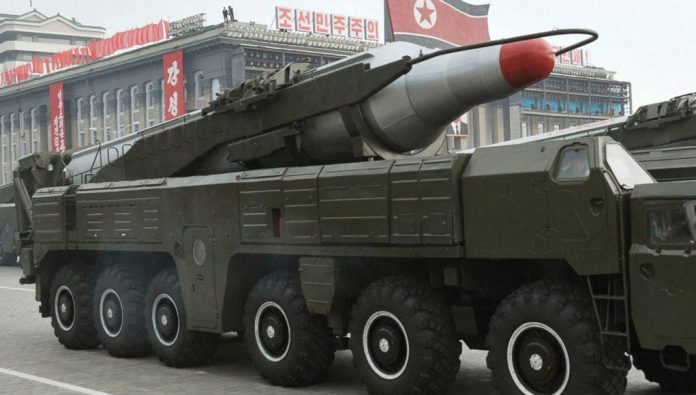
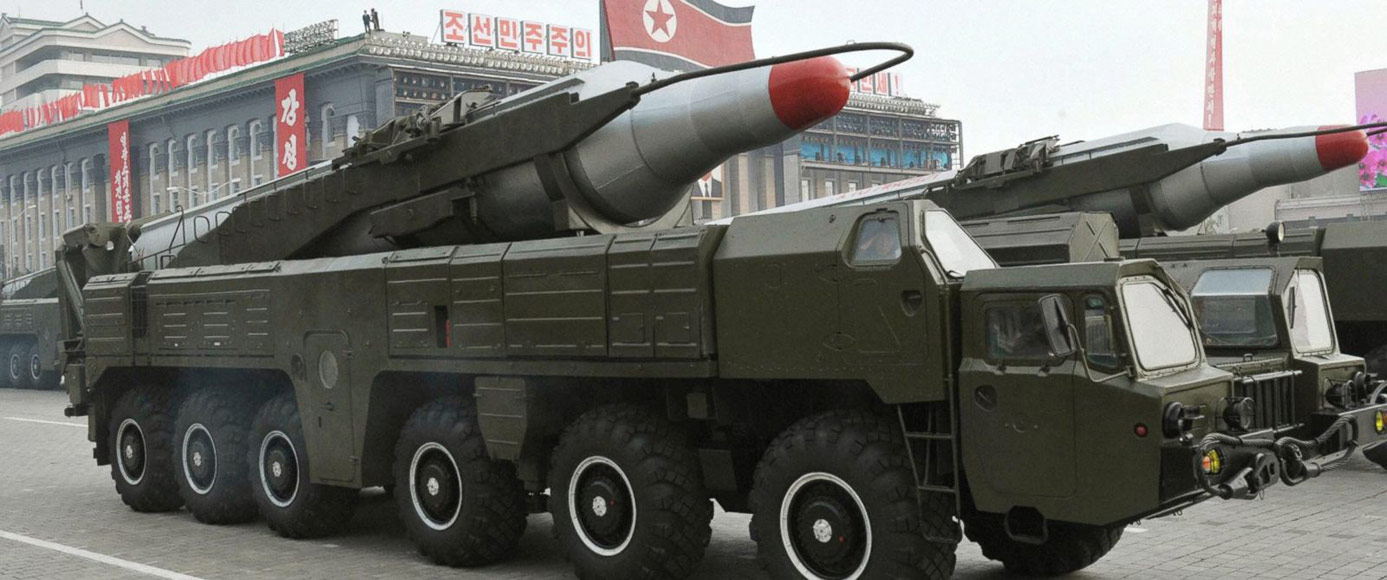
    The BM25 Musudan missile was first shown in public when 16 such missiles were displayed on the military parade in PyongYang in 2010

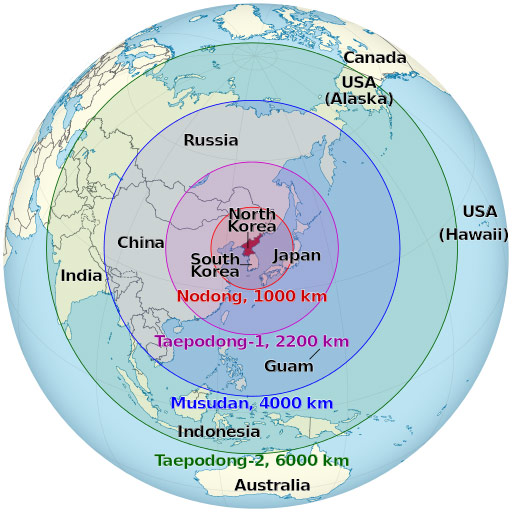
    North_Korean_missile_range512The BM25 Musudan missile was first shown in public when 16 such missiles were displayed on the military parade in PyongYang in 2010. Since then North Korea is believed to have deployed 50 such missiles, without testing the missile in flight. According to US diplomatic sources leaked via Wikileaks, North Korea also delivered 19 of the missiles to Iran, but Tehran has not displayed those missiles in public. According to US diplomatic sources Russia doubted the transfer of missiles at the time.

    These repeated failures represent the country’s first-ever test-firing of these longer range missiles and indicate the unreliability of Pyongyang’s untested IRBM capability. Musudan was unveiled in 2010, at the days of Un’s father Kim Jong-il and seem to be rushed into service by his son Kim Jong Un, to support his nuclear weapon ambition.

    With a payload lift of 1,000–1,250 kg and targeted range of 3,000-4,000 kilometers, Musudan is the only weapon that could potentially carry a nuclear warhead beyond the Korean Peninsula, to reach targets as far as Japan and Guam, where US military forces are stationed. A previous planned test of the Musudan missile was aborted in 2013.

    Prior to the April 14 launch two Musudan missile carriers were spotted near Wonsan on the North Korean east coast. The first missile that was fired on April 14, exploded a few seconds after liftoff, even before entering its flight phase, reportedly due to engine problems. The other one had since been on standby, before used for the first launch yesterday. It is not clear which launcher was used for the second (evening) test. “After the first missile launch ended in failure on April 15, we thought they might take some time to fix the defects, but they seem to have decided to go out of their way to attempt a second launch within a short period of time,” the official said.

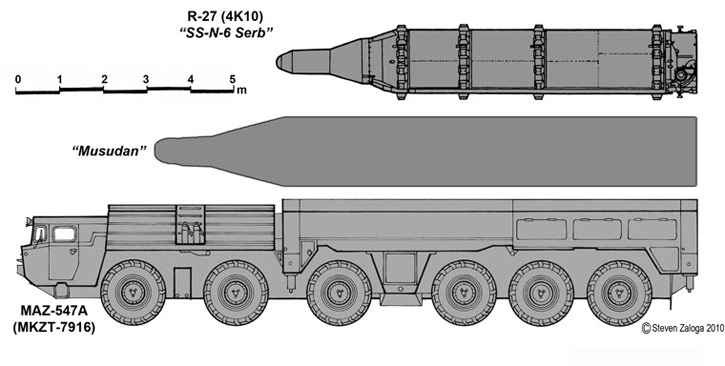
    Comparison between BM25 Musudan and Russian R27/SS-N-6 submarine launched ballistic missile. Illustration: Steven Zaloga
    Comparison between BM25 Musudan and Russian R27/SS-N-6 submarine launched ballistic missile. Illustration: Steven Zaloga

    Australia Cleared to Receive the Latest AMRAAM Missiles

    The Royal Australian Air force (RAAF) currently operates its Hornets and Super Hornets with AIM-120C-7 medium range, radar guided missiles for engagements beyond visual range (BVR), and AIM-132 ASRAAM infrared homing missiles in close-in short-range engagements.

    Australia is likely to become the first international user of Raytheon’s AIM-120D, the latest, extended range variant US Advanced Medium Range Air-to-Air Missile (AMRAAM). An Australian request for the new missiles was recently approved by the US State Department, the Defense Security Cooperation Agency (DSCA) notified Congress.

    The Australian Defence is planning to acquire 450 such missiles to equip the Royal Australian Air Force F/A-18 Hornet and Super Hornet and Growler aircraft as well as the F-35A. The acquisition could be worth US$1.22 billion. According to DSCA, the sale will provide the RAAF additional air-to-air intercept capability and increase interoperability with the U.S. Air Force.

    The Royal Australian Air force (RAAF) currently operates its Hornets and Super Hornets with AIM-120C-7 medium range, radar guided missiles for engagements beyond visual range (BVR), and AIM-132 ASRAAM infrared homing missiles in close-in short-range engagements. Australia plans to equip its future F-35A with the AIM-120D (BVR) and AIM-9X-II short-range air/air missiles.

    The AIM-120D is the newest air-to-air weapon in the U.S. arsenal that has significant capability improvements over previous AMRAAM versions, including increased range, GPS-aided navigation, two-way data link and improved kinematic performance. Although some of the 36 international AMRAAM operators have requested access to the new variant, Washington sofar refused the sale of the missile, considered a key ‘overmatch’ over potential opponents. “The AIM-120D represents a significant improvement in air-to-air weapons capabilities and the technologies it brings to the battlefield give U.S. warfighters an unmatched advantage in the air-to-air arena.” Explained Ron Krebs, AMRAAM program director for Raytheon Missile Systems.

    In long-range engagements AMRAAM heads for the target using inertial guidance (GPS was added to the D model) and receives updated target information via data link from the launch aircraft. It transitions to a self-guiding terminal mode when the target is within range of its own monopulse radar set. The AIM-120 also has a “home-on-jam” guidance mode to counter electronic jamming. Upon intercept an active-radar proximity fuze detonates the warhead to destroy the target. At closer ranges AMRAAM is able to guide itself using its own radar, freeing the launch aircraft to engage other targets.

    As the latest type of air/air missile in US inventory, AIM-120D has achieved initial operational service with US Navy F/A-18 in 2015. The US Air Force also plans to deploy the missile with F-16, F15, F-22 and F-35, following the completion of operational evaluation and testing.

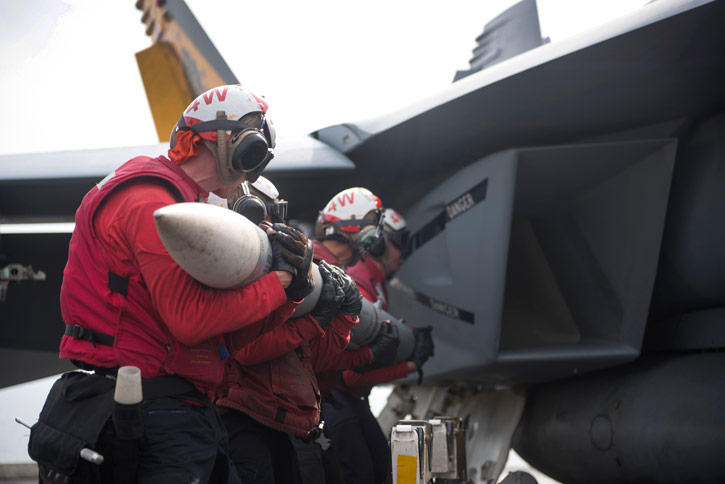
    Aviation Ordnancemen assigned to Strike Fighter Squadron (VFA) 25, upload an AIM-120 AMRAAM missile to an F/A-18E Super Hornet on the flight deck of aircraft carrier USS Harry S. Truman (CVN 75). Photo: US Navy by E. T. Miller
    Aviation Ordnancemen assigned to Strike Fighter Squadron (VFA) 25, upload an AIM-120 AMRAAM missile to an F/A-18E Super Hornet on the flight deck of aircraft carrier USS Harry S. Truman (CVN 75). Photo: US Navy by E. T. Miller

    Eight Groups to Research Futuristic Combat Vehicle Technologies for DARPA

    DARPA has awarded contracts for the Ground X-Vehicle Technology (GXV-T) program to eight organizations. The program seeks to develop groundbreaking technologies that would make future armored fighting vehicles significantly more mobile, effective, safe and affordable. Concept illustration: DARPA

    The US Defense Advanced Research Projects Agency (DARPA) has awarded technology research contracts to eight companies under the agency’s Ground X-Vehicle Technology (GXV-T) program, seeking to deliver crew/vehicle survivability through means other than traditional heavy passive armor solutions. DARPA expects these capabilities will be applicable to future ground combat vehicles, improving their combat efficiency and reduce cost.

    “We’re exploring a variety of potentially groundbreaking technologies, all of which are designed to improve vehicle mobility, vehicle survivability and crew safety and performance without piling on armor,” said Maj. Christopher Orlowski, DARPA GXV-T program manager.

    “DARPA’s performers for GXV-T are helping defy the ‘more armor equals better protection’ axiom that has constrained armored ground vehicle design for the past 100 years, and are paving the way toward innovative, disruptive vehicles for the 21st Century and beyond.” Orlowski added.

    The organizations awarded contracts under the GXV-T include:

    • Carnegie Mellon University (Pittsburgh, Pa.)
    • Honeywell International Inc. (Phoenix, Ariz.)
    • Leidos (San Diego, Calif.)
    • Pratt & Miller (New Hudson, Mich.)
    • QinetiQ Inc. (QinetiQ UK, Farnborough, United Kingdom)
    • Raytheon BBN (Cambridge, Mass.)
    • Southwest Research Institute (San Antonio, Tex.)
    • SRI International (Menlo Park, Calif.)
    DARPA's Ground X-Vehicle Technology (GXV-T) program is seeking a new and affordable combat mobility platform that will be able to access and move on 95% of terrains. Concept illustration: DARPA
    DARPA’s Ground X-Vehicle Technology (GXV-T) program is seeking a new and affordable combat mobility platform that will be able to access and move on 95% of terrains. Concept illustration: DARPA

    The programme’s technical goals aim to reduce the typical vehicle size and weight by 50 percent, double the speed, and halve the number of crew members needed to operate such combat vehicles.

    GXV-T is pursuing research in the following four technical areas:

    • Radically Enhanced Mobility—Ability to traverse diverse off-road terrain, including slopes and various elevations. Capabilities of interest include revolutionary wheel/track and suspension technologies that would enable greater terrain access and faster travel both on- and off-road compared to existing ground vehicles.
    • Survivability through Agility—Autonomously avoid incoming threats without harming occupants through technologies that enable, for example, agile motion and active repositioning of armor. Capabilities of interest include vertical and horizontal movement of armor to defeat incoming threats in real time.
    • Crew Augmentation—Improved physical and electronically assisted situational awareness for crew and passengers; semi-autonomous driver assistance and automation of key crew functions similar to capabilities found in modern commercial airplane cockpits. Capabilities of interest include high-resolution, 360-degree visualization of data from multiple onboard sensors and technologies to support closed-cockpit vehicle operations.
    • Signature Management—Reduction of detectable signatures, including visible, infrared (IR), acoustic and electromagnetic (EM). Capabilities of interest include improved ways to avoid detection and engagement by adversaries.

    These innovative technologies would be developed in 24 months with the intent to incorporate them into multiple classes of ground, tactical and support vehicles, following the successful completion of the program. The U.S. Army and U.S. Marine Corps have expressed interest in future GXV-T capabilities.

    DARPA has also launched a parallel program to enhance the infantry squad. The Squad X Experimentation (Squad X) program seeks to design, develop and validate system prototypes for combined-arms squads. The program combines off-the-shelf technologies and new capabilities under development through DARPA’s Squad X Core Technologies (SXCT) program, which was launched specifically to develop novel technologies that Squad X could integrate into user-friendly systems. Specifically, these technologies include precision engagement, non-kinetic engagement, squad sensing and squad autonomy. SXCT recently awarded Phase 1 contracts to nine organizations.

    DCNS Selected to Build 12 Shortfin Barracuda Stealth Submarines in Australia

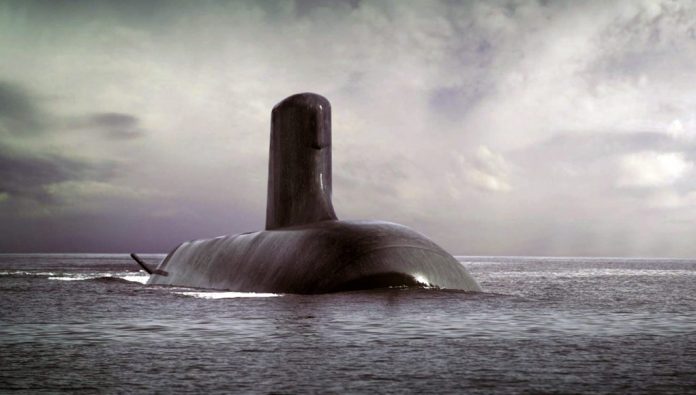
    The French DCNS designed 'Shortfin Barracuda' has been selected as the future submarine for the Australian Sea 1000 procurement program of 12 4,000 ton sea going submarines. Illustration: DCNS

    France has beaten Japan and Germany to win an Australian mega-deal to build a fleet of 12 new submarines in Australia, for the Australian Navy SEA 1000 program. The decision was formally announced by Australian Prime Minister Malcolm Turnbull today. The SEA 1000 program is the largest acquisition program in the history of Australian defense, representing an investment of around $50 billion. The submarines will replace the six Collins class submarines (Kockums’ Type 471 submarine) commissioned between 1996 and 2003. The lead ship of the Collins class is expected to retire by the early 2030s.

    The Australian Government’s requirements addressed by the new design are superior sensor performance, stealth characteristics and range and endurance similar to the current Collins Class submarine.

    Industry watchers had anticipated a decision to come later in the year, but Turnbull’s gamble on a July 2 general election sped up the process. The submarines selected for the Australian Navy are based on a diesel-electric version of the 4,200-tonne Barracuda nuclear-powered submarine designed by DCNS. The first Barracuda submarine is expected to be commissioned with the French Navy next year. Subject to discussions on commercial matters, the design of the Future Submarine with DCNS will begin this year.


    The variant offered by DCNS is a conventionally powered diesel-electric design of the submarine – named ‘Shortfin Barracuda Block 1A’, a version of the Barracuda specially designed for the Australian Navy. The boat has a length of 94 meters, and displacement of 4,000 tons (when submerged), 200 tons lighter than the French Barracuda. It is designed as a sea-going submarine for long range and long endurance.

    “The Shortfin Barracuda Block 1A, will be the recipient of France’s most sensitive and protected submarine technology and will be the most lethal conventional submarine ever contemplated.” DCNS announced. The boat’s hydroplanes will be retractable, to reduce drag and noise.

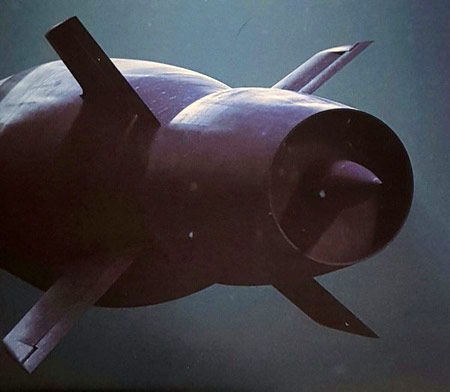
    DCNS's new 'Pump-jet' propulsion reduces its acoustic signature well below the level of contemporary propeller driven submarines. Illustration: DCNS
    DCNS’s new ‘Pump-jet’ propulsion reduces its acoustic signature well below the level of contemporary propeller driven submarines. Illustration: DCNS
    According to the designers, the boat will be powered by new ‘Pump jet’ propulsion, to further reduce the acoustic signature much further than conventional propeller technology. The new submarine will be offered with a ‘quiet sonar suite’ provided by Thales, considered be the best available ever for a submarine this size.

    The submarine is expected to be armed with advanced cruise missiles, anti-ship missiles and torpedoes, although the specific details have not been announced yet, as the selection of contractors for the submarine’s combat systems and weapons will be made at a later stage. The United States will be responsible for supplying integrated combat systems to the Future Submarines, as well as the submarine’s weapons. Raytheon, which provided the systems for the current Collins class and Lockheed Martin, providing such systems for the US Navy are the two likely competitors for the system.

    France is offering the Australian Government complete access to the stealth technologies utilised on board French nuclear-powered general-purpose attack submarines (SSNs) and ballistic missile submarines (SSBNs). “These technologies are the ‘crown jewels’ of French submarine design and have never been offered to any other country. The very nature of these stealth technologies and the decision to release them to the Australian Government is a significant demonstration of the strategic nature of this program for the French authorities.” DCNS commented.

    All 12 submarines will be built in Adelaide, Australia. The project would create more than 6,000 jobs in Australia and France, benefiting shipyards and industrial sites in Adelaide, Melbourne, Perth and Sydney Australia, and Lorient, Brest, Nantes and Cherbourg in France. Since the boats will be built in Australia, DCNS will share nearly US$9 million, less than a quarter of the contract amount estimated at $40 billion.

    Japan had offered to build Australia a variant of its 4,000 metric ton Soryu submarine. Japan’s government with its Mitsubishi Heavy Industries and Kawasaki Heavy Industries boat had been seen as early frontrunners for the contract. Such a deal would have cemented closer strategic and defense ties with two of Washington’s key Asia-Pacific allies, but risked antagonizing China, Australia’s top trading partner. Another strong contender was Germany’s ThyssenKrupp AG that proposed to scale up the 2,000-tonne Type 214 class submarine.

    The contract will have an impact on thousands of jobs in the shipbuilding industry in South Australia, where retaining votes in key electorates will be critical for the government’s chances of re-election. “The submarine project .. will see Australian workers building Australian submarines with Australian steel,” said Turnbull said.

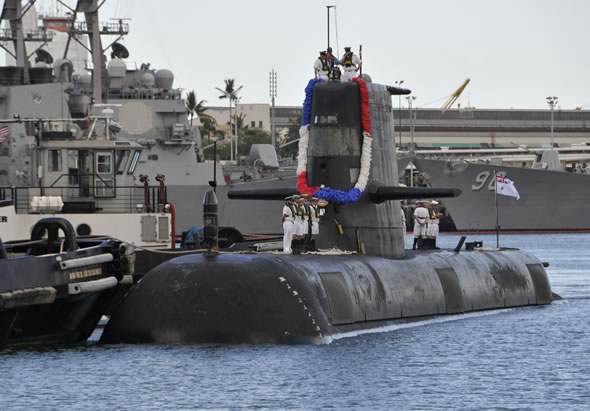
    Australian Navy Collins-class submarine HMAS Farncomb (SSG 74). US Navy photo by Daniel Barker
    Australian Navy Collins-class submarine HMAS Farncomb (SSG 74). US Navy photo by Daniel Barker

    Simorgh First Launch – an Iranian Success or Failure?

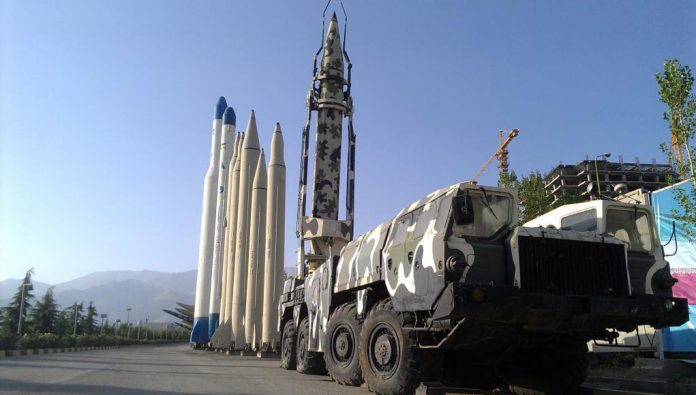
    A line up of Iran's ballistic missiles, from the clearly military weapons such as Shihab, to the white colored Safir and Simorgh 'satellite launchers', that could provide Tehran's with strike potential many thousands of miles from its borders.

    Iran conducted the first launch of the ‘Simorgh’ last week, Tehran’s largest satellite launch vehicle, and what the Pentagon views as a key element of its effort to build long-range missiles. Although Iran has not confirmed the test flight, both US and Russian sources reported the event, but the sources are not in agreement whether it was a success, part success or failure.

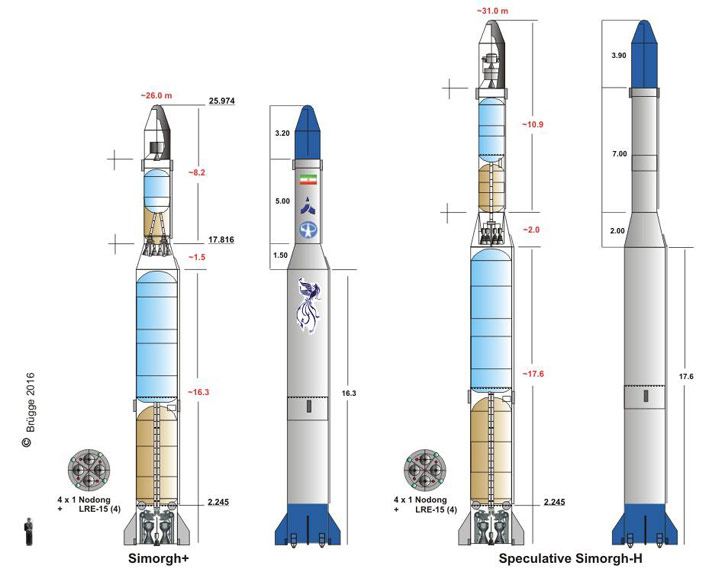
    Iran's Simorgh launcher is designed to lift a 100kg payload into orbit at 500 km. The design can be enhanced to lift up to 350 kg to this ordit. Illustration: Norbert Brügge
    Iran’s Simorgh launcher is designed to lift a 100kg payload into orbit at 500 km. The design can be enhanced to lift up to 350 kg to this ordit. Illustration: Norbert Brügge

    The Russian Ministry of Defence confirmed the launch event, as a ‘suborbital launch of unknown ballistic missile has been occurred at 09:33 UTC on April 19th”. The Russian source said that, according to preliminary data, the launch was successful, as the burned out rocket impacted in the southern part of Iran. US sources are more ambiguous; U.S. intelligence agencies described the event to be ‘partly successful’, as the payload did not reach orbit, said defense officials familiar with reports of the test. The missile was launched from the new Imam Khomeini Space Center (map).

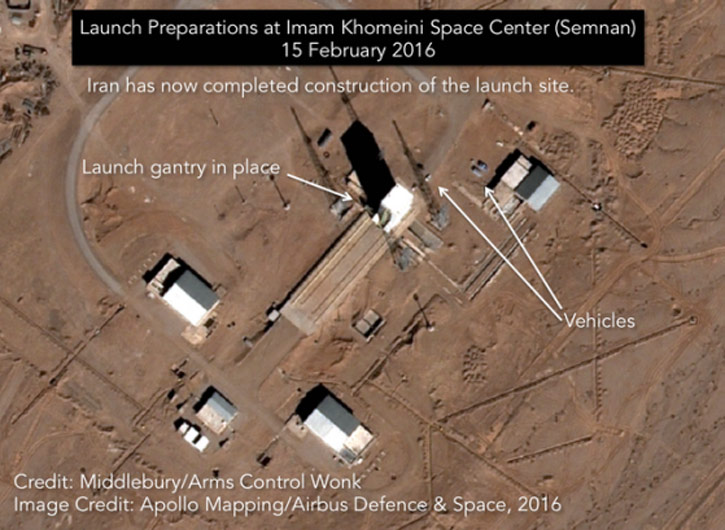
    khomeini_space_center_2016_simorgh_test725
    Launch preparations at Semnan, 15 february 2016. Photo: Apollo Mapping, Airbus Defence & Space

    “Strategic Command’s Joint Functional Component Command for Space, which tracks thousands of orbiting objects in space, did not monitor any new objects reaching orbit on Tuesday”, the command’s spokesman Lt. Col. Martin O’Donnell said. ‘It was either an unsuccessful launch, or a test of ‘third stage’, not meant to place a satellite in orbit, said a U.S. defense official familiar with reports of the test.’ (The Simorgh launcher has only two stages – T.E.)

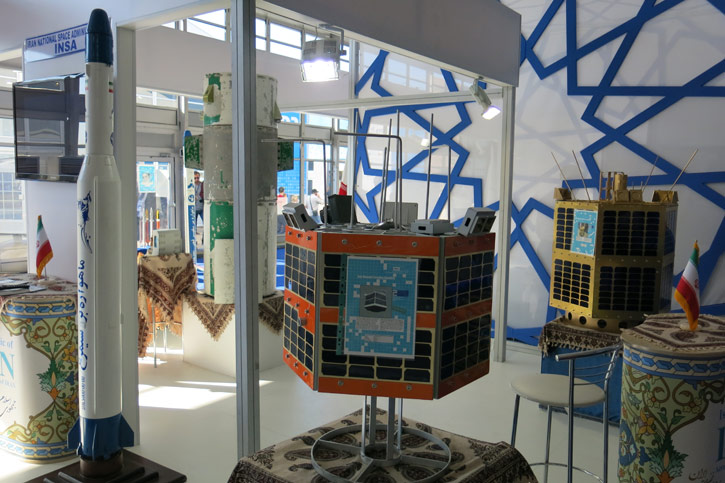
    Iran's Space Agency's display shows Simorgh (left), Fajr (center) and Toloo remote sensing satellites. Photo: Tamir Eshel, Defense-Update
    Iran’s Space Agency’s display shows Simorgh (left), Fajr (center) and Toloo remote sensing satellites. The Fajr, deployed by a Safir launcher, remained in orbit almost 24 days. Toloo, to be launched by Simorgh, is designed to remain on a mission in orbit for 1.5 years. Photo: Tamir Eshel, Defense-Update

    The large liquid-fueled rocket has been under close surveillance by U.S. satellites and other intelligence assets at a launch pad at Iran’s Semnan satellite launch center, located about 125 miles east of Tehran. The Simorgh launch had been anticipated since March and comes amid growing worries about Iran’s development of long-range missiles. The Simorgh also is assessed as having enough lift to carry a nuclear warhead, a throw-weight greater than the 100 kg payload capacity claimed by Iranian officials.

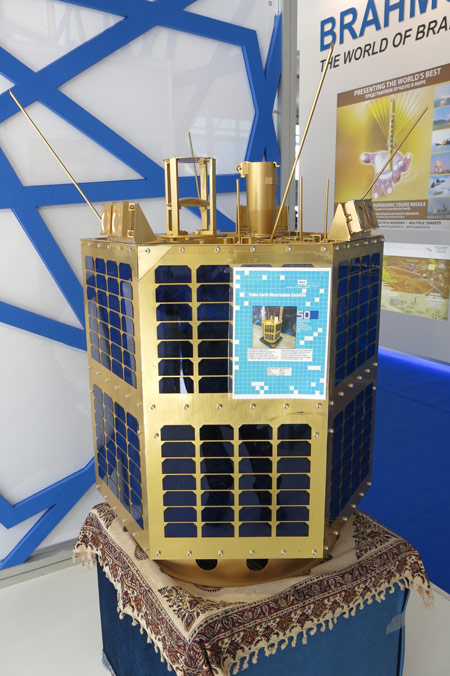
    Toloo is the first of a new generation, hexagonal shaped satellites designed for remote sensing and Signals Intelligence (SIGINT) reconnaissance, being built by Iran Electronics Industries (IEI). Photo: Tamir Eshel, Defense-Update.
    Toloo is the first of a new generation, hexagonal shaped satellites designed for remote sensing and Signals Intelligence (SIGINT) reconnaissance, being built by Iran Electronics Industries (IEI). Photo: Tamir Eshel, Defense-Update.

    According to Iran’s Space Agency officials, the first generation of the satellite carrier is capable of carrying communications and sensing satellites as heavy as 100 kg to orbits some 500 km above the earth. Head of Iran’s National Space Center Manouchehr Manteqi described last month the planned Simorgh test program having three phases – two test launches will be carried out in spring and late summer of 2017, and a third launch, planned for early 2017. The objective of the tests is to place Iran’s Toloo satellite in orbit.

    Toloo is the first of a new generation, hexagonal shaped satellites designed for remote sensing and Signals Intelligence (SIGINT) reconnaissance, being built by Iran Electronics Industries (IEI). Toloo has a base diameter of 86 cm and height of 100 cm. The EO payload will be able to acquire images of earth at a resolution of 50 meters. Unlike Iran’s first experimental satellites that remained in space for days, Toloo is expected to remain in orbit for 1.5 years. Another mission of Simorgh is to lift the 80kg Autsat scientific satellite to LEO. Autsat is designed for a mission lifespan of 3-5 years.

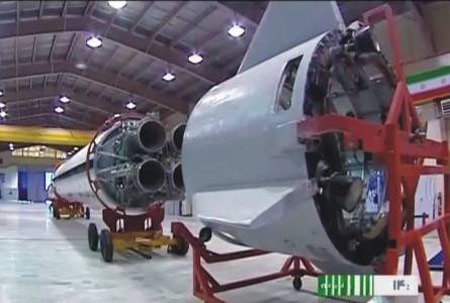
    simorgh_first_stage_450Simorgh, also known as Safir-2, is designed to be able to lift a payload of 350 kg to low earth orbit (LEO), using a 27 meter long, 2.5 meter wide launcher weighing 87 tons. The first stage has four main engines (likely North Korean Nodong engines, also used with the North Korean Unha satellite launcher), developing a lift off thrust of 130 tons, this thrust is four times more powerful than the Safir, which was used to lift Iran’s experimental satellites to orbit. Simorgh uses an extended upper stage of the Safir as a second stage.
    Simorgh is believed to be based on North Korean missile technology, used extensively in Iran’s medium-range Shahab-3 missiles. U.S. intelligence agencies believe North Korea supplied Iran with design data, stage separation technology, and booster equipment for the Simorgh and other rockets.

    North Korea launches a Ballistic Missile from a Submarine

    North Korea launched what appeared to be a ballistic missile from a submarine in the East Sea Saturday, the South Korean military said.

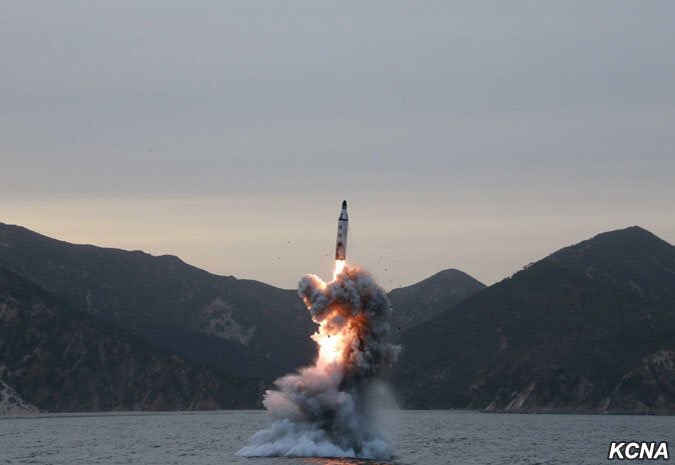
    According to the Korean Joint Chiefs of Staff (JCS) the projectile that it believes was a submarine-launched ballistic missile (SLBM) was launched around 6:30 p.m. (local time) from the 2,000-ton Sinpo-class submarine. The JCS added that the missile flew for only about 30 kilometers, well short of the minimum SLBM range of 300 km. South Korean news agency quoted a government official saying the missile was airborne for ‘couple of minutes’ (it is likely meant seconds) South Korea’s defence ministry said the missile, fired from a submarine in the Sea of Japan (East Sea), flew around 30 kilometres (18 miles) and that the test showed “certain technological progress” in the North’s SLBM capability.

    “It is believed… that the North would be able to deploy the SLBM weapon within three to four years, or even sooner if it dedicates all its resources on the project,” South Korea ministry spokesman Moon Sang-Gyun told reporters n Seoul.

    The K11 ballistic missile was launched from a North Korean Gonae class submarine. One of the boats of this class was damaged during a similar event last December. Photo: KCNA
    The K11 ballistic missile was launched from a North Korean Gonae class submarine. One of the boats of this class was damaged during a similar event last December. Photo: KCNA
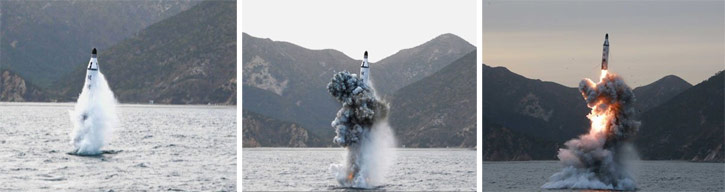
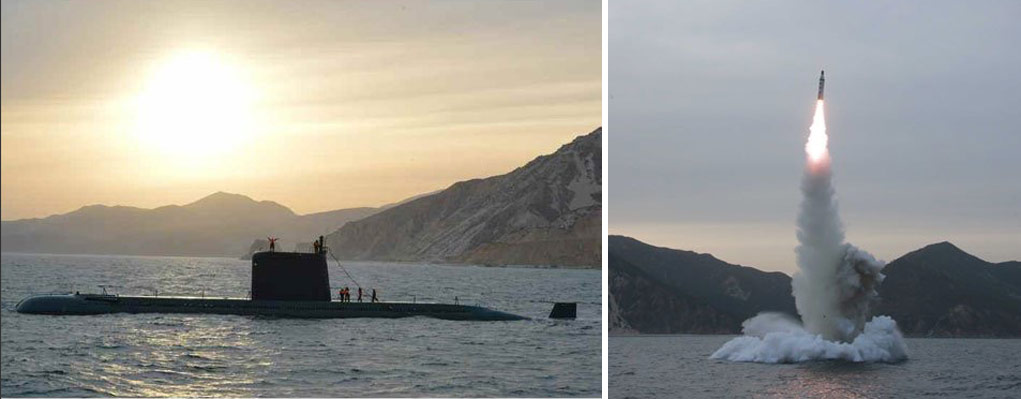
    Images of the K11 missile being ejected from the submarine launch tube, using ‘Cold Launch’ technique. Photo: Korean National TV
    Images of the K11 missile being ejected from the submarine launch tube, using ‘Cold Launch’ technique. Photo: Korean National TV

    The short flight range and duration does not necessarily indicate a test failure, but another step in the North Korean SLBM development. Pyongyang has already tested submarine launched missiles in 2015, as reflected by photos of leader Kim Jong Un watching the event.

    Experts say that an “ejection” test is usually conducted in the early stages of developing SLBM capabilities, and Pyongyang is believed to still be many years away from developing an SLBM. The North’s SLBM capability, if fully developed, would pose a serious threat because of its mobile nature. South Korea’s defence ministry said the missile, fired from a submarine in the Sea of Japan (East Sea), flew around 30 kilometres (18 miles) and that the test showed “certain technological progress” in the North’s SLBM capability.

    Following Saturday’s test the North Korean state TV published State TV also showed what it claimed were underwater images of the missile being ejected from the submarine, using ‘Cold Launch’ technique.

    Last month, a U.S. news report claimed that North Korea had conducted a ground test of an SLBM, the KN-11. The Washington Free Beacon said the test on March 16 involved an ejection test of the KN-11 from a canister at Sinpo shipyard on the North Eastern coast.

    A sequence of photos showing the K11 launch from the North Korean Gonae class submarine. Photo: KCNA
    A sequence of photos showing the K11 launch from the North Korean Gonae class submarine. Photo: KCNA

    IAI Develops C4 Apps for Israel’s F-35 ADIR

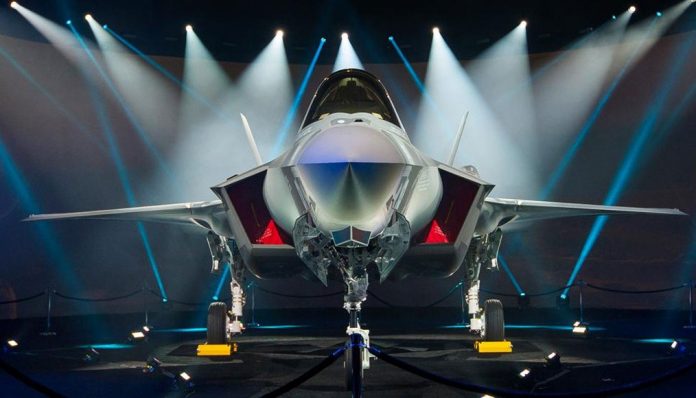
    Israel's first F-35, tail number 901 seen on the official rollout ceremony at Ft. Worth, June 22, 2016. Photo: Lockheed Martin

    With system definition, prototyping and testing phases completed, Israel Aerospace Industries’ (IAI) is now moving to production the Command, Control, Communications and Computing (C4) systems developed for the Adir – F-35I, Israel’s variant of the Fifth Generation Fighter F-35.

    The system developed exclusively for the F-35I by IAI’s LAHAV Division is part of IAI’s cutting edge ‘tactical C4 architecture‘ introducing different force multipliers in the modern, networked battle space. The induction of advanced systems of this type with the Israel Air Force (IAF) combat fleet will enable the IAF to manage better, and rapidly field networked applications that interface with core services over proprietary protocols developed especially for the IAF.

    Using generic communications infrastructure based on the latest Software Defined Radios (SDR), IAI new C4 system designed for the Adir will provide the backbone of the IAF future airborne communications network. This system will dramatically improve over legacy systems currently operating with the current fleet of 4th Generation aircraft (F-16, F-15).

    Based on open systems architecture the new system enables rapid software and hardware development cycles that will also provide more affordable modernization and support of systems over the platform’s life cycle as systems are required to meet rapidly changing operating environment.

    The integration of IAI’s C4 systems in the F-35I avionics program represents a significant milestone in the introduction of advanced, indigenous capabilities to the multinational F-35 program. Fully embedded into the aircraft integrated avionic system, IAI’s new C4 system provides the user the latest, most advanced processing capabilities with relative independence of the plane manufacturer.

    Part of the F-35I avionic system, the C4 system introduces a new level of freedom for the IAF, as it paves the way for additional advanced capabilities to be embedded in the F-35I in the future.

    “This cutting edge avionic system represents an ‘operational quantum leap’ in the ability of air power to conduct networked-centric air warfare,” said Benni Cohen, General Manager of LAHAV division. “It is part of a significant change that takes place once in a decade, which includes the upgrading of 4th Generation systems. This program will be critical to our national security as it represents a shift in air forces’ concepts of operations (CONOPS) and operational capabilities.”

    In the past decade, LAHAV Division is positioned as Israel Aerospace Industries’ center of excellence implementing network-centric warfare capabilities. The combat-proven systems developed by LAHAV are operational on combat aircraft and special mission platforms as well as in land-based systems of the Israel and foreign air forces.

    Skunk Works and XTEND Simplify Multi-Drone Command

    0
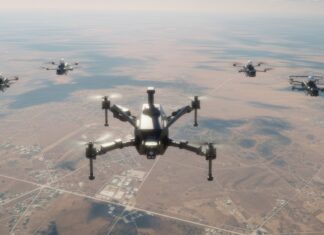
    Lockheed Martin Skunk Works® and XTEND have achieved a major milestone in JADC2 by integrating the XOS operating system with the MDCX™ autonomy platform. This technical breakthrough enables a single operator to simultaneously command multiple drone classes, eliminating the friction of mission handoffs. From "marsupial" drone deployments to operating in GPS-denied environments, explore how this collaboration is abbreviating the data-to-decision timeline and redefining autonomous mission execution.

    From Ukraine to Taiwan: The Global Race to Dominate the New Defense Tech Frontier

    0
    As traditional defense primes face mounting competition from agile “neoprimes” such as Anduril, Palantir and Helsing, the balance of innovation is shifting toward software-defined warfare and scalable, dual-use technologies, while global industry consolidation—marked by Boeing’s integration of Spirit AeroSystems and other strategic mergers—signals an intensified race to secure control over the defense technology value chain. Our Defense-Tech weekly report highlights these trends.

    Europe’s “Drone Wall”

    0
    In early October 2025, a coordinated wave of unmanned aerial system (UAS) incursions—widely attributed to Russia—targeted critical infrastructure across at least ten European nations. The unprecedented campaign exposed the fragility of Europe’s air defenses...

    Weekly Defense Update & Global Security Assessment

    0
    Executive Summary The past week (September 18-25, 2025) represents an inflection point where strategic defense concepts have transitioned from doctrine to tangible reality. An analysis of global events reveals four primary, interconnected trends shaping an...

    U.S. Air and Space Forces Push Next-Gen Programs at the AS&C 2025 Conference and...

    0
    At the 2025 Air, Space & Cyber Conference, U.S. Air Force and Space Force leaders unveiled major updates on next-generation fighters, bombers, unmanned systems, and space initiatives, highlighting both rapid innovation and critical readiness challenges as the services race to outpace global competitors. A short version is available here, with a more detailed version for subscribers.

    TADTE 2025: Reflecting Taiwan’s Strategic Themes

    0
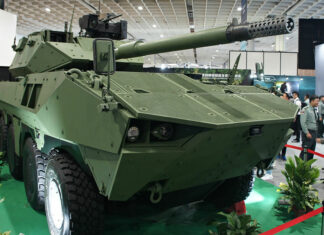
    The Taipei Aerospace & Defense Technology Exhibition (TADTE) 2025 crystallized around four dominant strategic themes that collectively illustrate Taiwan's comprehensive approach to defense modernization amid escalating regional tensions. Based on a detailed report by Pleronix (available upon request). Includes a Podcast discussion on TADTE 2025's highlighting Taiwan's four strategic themes beyond the post's coverage.

    Iron Beam 450 Completes Testing, Soon to Join With Operational Air Defense Units

    0
    Israel’s Iron Beam 450 high-power laser system has completed final testing, marking a major leap in air defense. Developed by Rafael, it offers precise, cost-effective interception of rockets, UAVs, and mortars, and is set for IDF deployment by 2025.