
Monday, December 22, 2025
More
    Home Blog Page 69

    US Army Tests Israel’s Tamir Interceptor with its new Multi-Mission Launcher

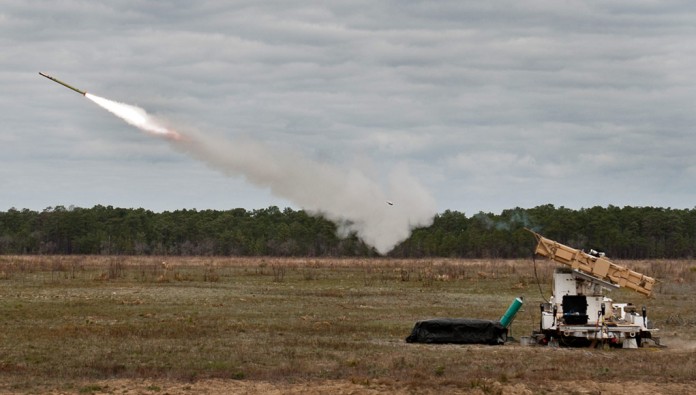
    RAFAEL Iron Dome's Tamir interceptor fired from the US Army new Multi-Mission Launcher, as part of the Army Indirect Fire Protection Capability (IFPC) evaluation of alternative effectors that can be used with the system. Photo: US Army/RAFAEL

    The Israeli Iron Dome missile system completed a successful test firing in the USA. The US Army completed a successful test of Tamir interceptor missile from the new Multi Mission Launcher (MML) developed under a US Army initiative. During the test the missile scored a hit at the target drone. RAFAEL and Raytheon plan to continue adapting the Iron Dome and Tamir interceptor missile to meet the requirements of the Indirect Fire Protection Capability (IFPC).

    Prior to the test RAFAEL and its US partner Raytheon made the necessary adaptations to fit the Tamir missile with the Army experimental launcher. According to Lt. Col. Michael Fitzgerald, IFPC Inc 2-I Product Manager, the test was part of the US Army evaluation of different alternative effectors – both domestic and international, and their use with the Army’s new MML.

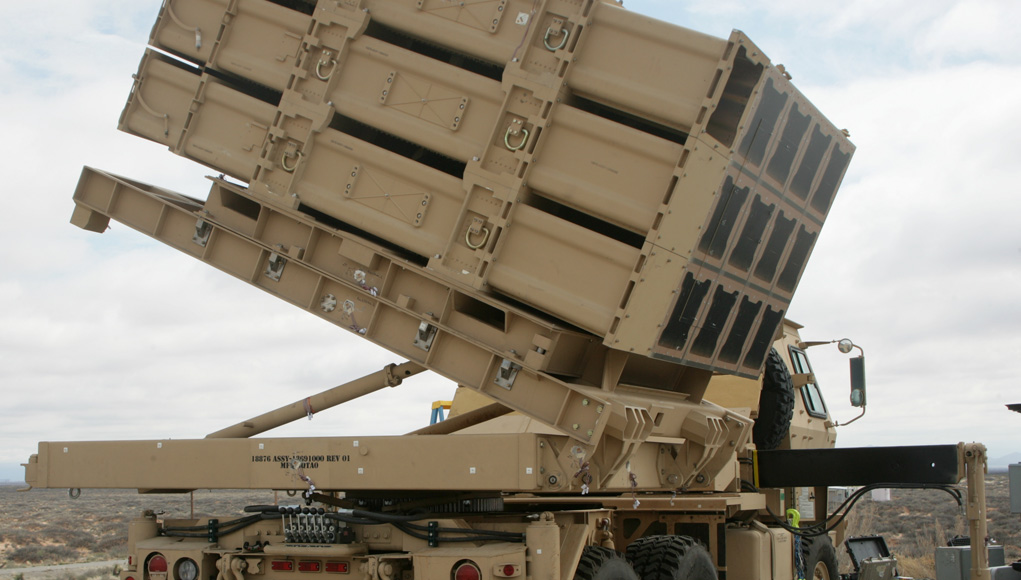
    The MML is an air-defense launcher being developed for the Indirect Fire Protection Capability Increment 2-Intercept program, to provide the U.S. Army 360 degree short-range air defense capability against cruise missiles, unmanned aerial systems, rockets, artillery, and mortars.
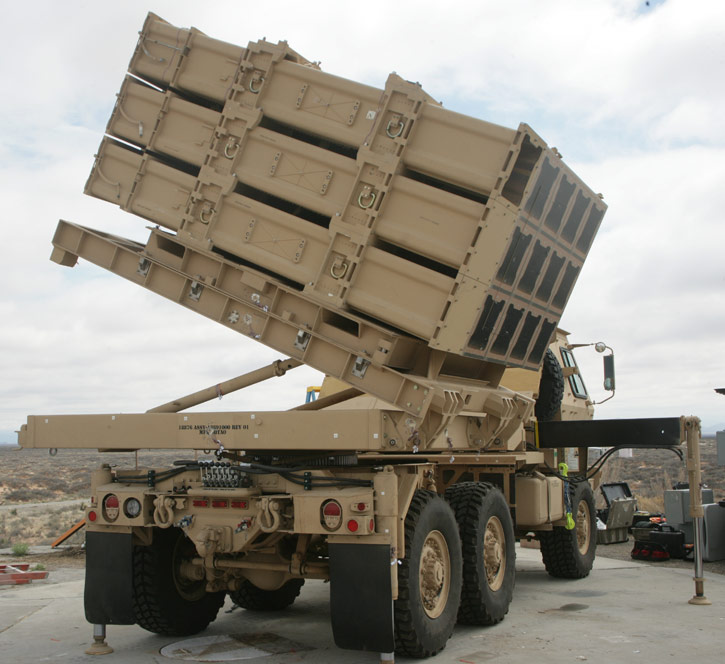
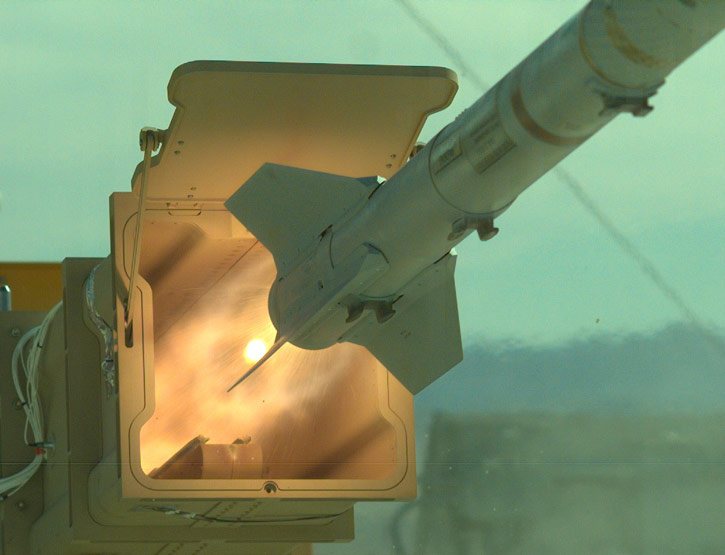
    The Army spent $119 million to build the MML prototypes. The cost of developing the system outside of the Army would have been about three times as much. Photo: US Army
    The Army spent $119 million to build the MML prototypes. The cost of developing the system outside of the Army would have been about three times as much. Photo: US Army
    Sidewinder AIM-9 missile fired from the canister of the new, multi-purpose launcher.
    Sidewinder AIM-9 missile fired from the canister of the new, multi-purpose launcher.

    The Army MML began Engineering Demonstration testing of different effectors at the White Sands Missile Range in New Mexico in March 2016, launching several types of missiles from the common launcher. Tests started with Raytheon’s Stinger and Lockheed Martin-Raytheon Hellfire–Longbow, continued with Sidewinder AIM-9X missiles and Lockheed Martin Miniature Hit-to-Kill (MHTK) micro-missiles. The test of RAFAEL’s Tamir is the first evaluation of a foreign missile associated with the IFPC Increment 2-I and MML.

    For these tests the MML is designed to fire a variety of different interceptor missiles, depending on the threat and is associated with Thales-Raytheon Improved Sentinel MPQ-64F1 radar. When fully deployed, the system will be fully integrated into the Integrated Air and Missile Defense Battle Command System (IBCS) to extend the Army’s “any sensor, best shooter” capability for short-range counter rocket, artillery, mortar and UAS (C- U RAM) defense for deployed forces.

    The launcher can rotate 360 degrees and elevate from 0-90 degrees. It consists of 15 tubes, each of which can hold either a single large interceptor or multiple smaller interceptors. Developed using an open systems architecture, the launcher will interface to the IBCS Engagement Operations Center to support and coordinate target engagements. . The Army plans to field the system to two active-duty and seven National Guard battalions beginning in 2019.

    In another recent test Lockheed Martin's Miniature Hit-To-Kill (MHTK) missile was fired from the MML. Photo: US Army
    In another recent test Lockheed Martin’s Miniature Hit-To-Kill (MHTK) missile was fired from the MML. Photo: US Army

    The Iron Dome has proved highly capable in actual combat, intercepting over 1500 ballistic rockets since its debut in 2011. It has since evolved to engage targets at longer range, as well as aircraft and UAVs. The Longbow Hellfire missile, originally designed as an air-to-ground tank-killing missile, has recently shown success in destroying Unmanned Aircraft Systems targets. Originally an air-to-air weapon, the Sidewinder AIM-9X is suitable for short-range air defense, and would be most suitable against aircraft and cruise missiles. Developed by Lockheed martin specifically for the IFPC program, MHTK offers maximum launcher loadout due to its small dimensions. It is the only weapon that does not use an explosive warhead, relying on kinetic effect of target impact.

    Two of the five intercepts were fully integrated shots, where the target was tracked, the engagement command was sent, the engagement was processed by the launcher and the interceptor was launched. Other launches physically tested the release of the weapon ejection from the system.

    IFPC Inc 2-I is a joint collaborative effort between the Army’s Program Executive Office for Missiles and Space’s Cruise Missile Defense Systems (CMDS) Project Office and the Army Aviation and Missile Research, Development, and Engineering Center (AMRDEC).
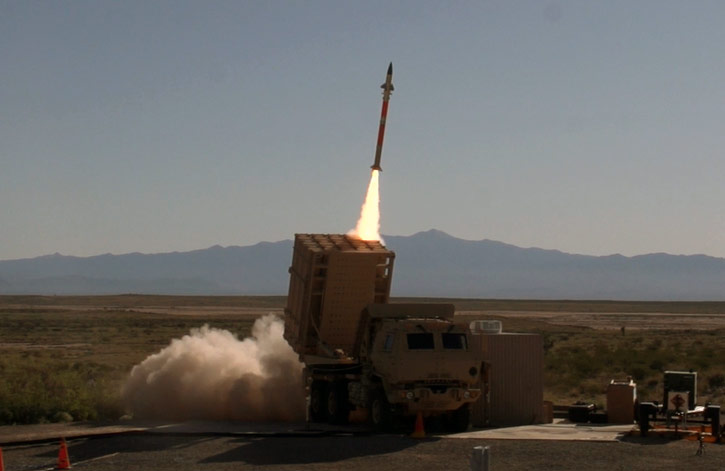

    Rafael's Tamir interceptor missile fired from the US Army's Multi-Mission Launcher (MML) at the White Sands Missile Range. Photo: US Army
    Rafael’s Tamir interceptor missile fired from the US Army’s Multi-Mission Launcher (MML) at the White Sands Missile Range. Photo: US Army

    Next Generation Jammer Opens a New Era of Electronic Attack

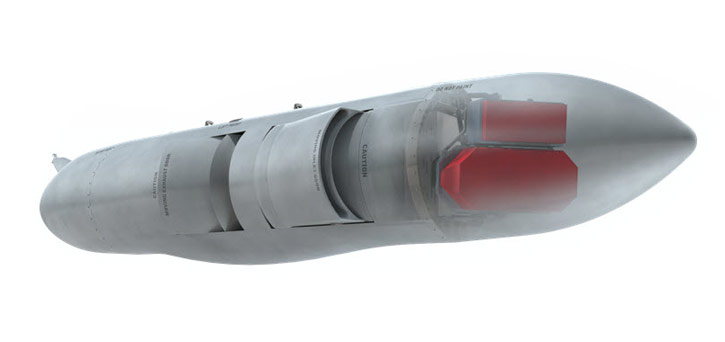
    The U.S. Navy has entered the final phase of development of the Next Generation Jammer (NGJ) pod that will replace the ALQ-99 that has been in use since the Vietnam War. The new electronic attack pod matches advanced electronic-attack technology developed by raytheon, that combines high-powered, agile, beam-jamming techniques with cutting-edge, solid-state electronics.

    Earlier this month the Navy awarded the Raytheon Company a sole source contract worth one billion US$ for Engineering and Manufacturing Development (EMD) of the baseline NGJ system. Under the contract Raytheon will deliver 15 Engineering Development Model pods for mission systems testing and qualification, and 14 aeromechanical pods to be used for for airworthiness certification, functionality tests and integration with other systems, and carriage on the host aircraft.

    The NGJ contract, awarded in the second quarter and announced on April 13th, also covers designing and delivering simulators and prime hardware to government labs and support for flight-testing and government system integration.

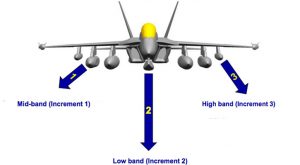
    The NGJ Critical Design Review is scheduled for early to mid-2017. The new pod will enter service toward the 2020s, fielded with the F/A-18G Growlers of the US Navy. The Navy plans to acquire 138 pod sets through the program. The Mid and High band pods will be identical, while the Increment 2 ‘Low Band’ will consist of a larger, centerline-mounted pod, containing the larger apertures and emitters handling low frequency signals.

    The AN/ALQ-99 Tactical Jamming System is currently integrated on the EA-18G GROWLER and EA-6B Prowler aircraft operated by the US Navy and Marine Corps. Both aircraft are currently in service, but only the F/A-18G is expected to be in service beyond the mid 2020s. Therefore, the new pod is developed exclusively for the Growler.

    While the ALQ-99 was integrated on EA-6B, EF-111 and F/A-18G, the Next Generation Jammer pod is designed exclusively for the F/A-18G Growler. Photo: Raytheon
    While the ALQ-99 was integrated on EA-6B, EF-111 and F/A-18G, the Next Generation Jammer pod is designed exclusively for the F/A-18G Growler. Such pods often use multiple AESA antennae facing fore and aft, covering a hemisphere of 360 degrees. Photo: Raytheon
    The Next generation Jammer is developed in three increments, the first will target the mid-band, the second will cover the low band and third - the high band.
    The Next generation Jammer is developed in three increments, the first will target the mid-band, the second will cover the low band and third – the high band.

    Although the NGJ will cover the same frequencies, it will better address current advanced and emerging threats alike, as well as the growing numbers of threats. Employing the latest digital, software-based and Active Electronically Scanned Array technologies, and Gallium Nitride (GaN) technology, NGJ will be able to dwell much higher power levels, directed simultaneously against many threats in different directions. NGJ will have the necessary power and digital techniques to counter increasingly advanced and sophisticated adversary electronic warfare search, surveillance, and targeting-radars and communications systems. The Navy expects to field the new pod by 2019, with initial operational capability expected by 2021.

    US Army Missile Test Demonstrates ‘Any Sensor, Best Shooter’ Capability

    In the complex air domain, today’s air and missile defenders are forced to deal with uncertain information, short timelines and high consequences for wrong decisions.

    By 2018 the US Army expects to field a new command-and-control (C2) system developed to deliver a single, unambiguous view of the battlespace. The Integrated (air and missile defense) Battle Command System (IBCS) developed and built by Northrop Grumman will significantly enhance aircraft and missile tracking, and improve the ability of combatant commanders and air defenders to make critical decisions within seconds.

    Part of the US Army Integrated Air and Missile Defense (IAMD) program develops an overarching system of systems capability that integrates all participating air defense components to provide total operational capabilities that individual element systems cannot achieve. In practical terms, IBCS efficiently manages the airspace defense by integrating all sensors to form a common air picture and harnessing all available effectors to assign the ‘best shooter’ to engage specific targets.

    ibcs_fmtv725
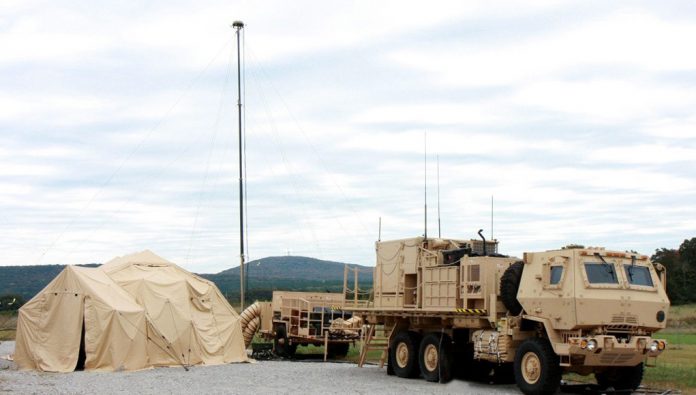
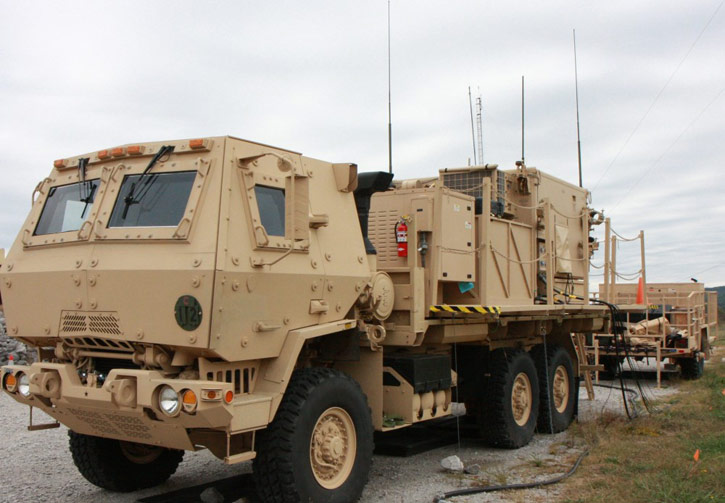
    IBCS EOC is configured as a modular, deployable system packed in shelters carried on FMTV medium trucks. A single shelter provides an environmentally conditioned work area for the battery staff to execute their mission command and fire control tasks.Photo: US Army

    This capability was demonstrated for the first time in April 8, 2016 as U.S. Army soldiers executed a successful dual engagement flight test in which IBCS was used to identify, track, engage and defeat ballistic and cruise missile targets. The test proved the system’s innovative concept of ‘any-sensor, best-shooter’ capability, as IBCS used tracking data from Sentinel and Patriot radars and provided the command and control for a Patriot Advanced Capability Three (PAC-3) interceptor to destroy a ballistic missile target and a PAC-2 interceptor to destroy a cruise missile target. The test validated the ability of IBCS to manage multiple threats, integrate data from different sensors to create a single integrated air picture, and select the most suitable effector from different missile types to defeat multiple, simultaneous threats.

    The Army plans to have the system operational (initial operational capability – IOC) by 2018, as Raytheon Improved Sentinel radars (MPQ-64), Patriot radar and Patriot missile launchers are connected to the IFCN and incorporate IBCS functionality at brigade headquarters. Future elements to be added to the system will include the Terminal High Altitude Air Defense (THAAD) missile defense batteries and Indirect Fire Protection Capability (IFPC) Counter Rocket Artillery and Missile (CRAM) and counter UAV (C-UAV) systems.

    This new architecture will enable extended range and non-line-of-sight engagements against all air threats, providing data to the most appropriate weapon, to successfully engage the target. Furthermore, it will mitigate coverage gaps as well as potentially reduce manpower, enhance training, and reduce operation and support costs.

    ibcs_displays725
    IBCS will replace seven legacy C2 systems to deliver a single integrated air picture and offer the flexibility to deploy smaller force packages. Photo: Northrop Grumman

    CICADA – Close-in Covert Autonomous Disposable Aircraft

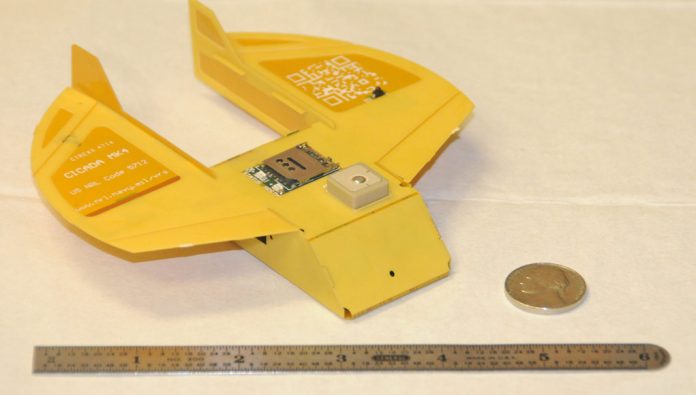
    CICADA Mk 4. Photo: NRL

    The US Naval Research Laboratory (NRL) is developing the Close-in Covert Autonomous Disposable Aircraft (CICADA) since 2006. Currently CICADA is a concept for a low-cost, GPS-guided, micro disposable air vehicle that can be deployed in large numbers to “seed” an area with miniature electronic payloads. These payloads could be interconnected to form an ad-hoc, self-configuring network. Communication nodes, sensors, or effectors can then be placed in a programmable geometric pattern in hostile territory without directly over-flying those regions or exposing human agents on the ground. Essentially a flying circuit board, CICADA has an extremely high packing factor and a very low per-unit cost. Eighteen vehicles can be contained in a six-inch cube.

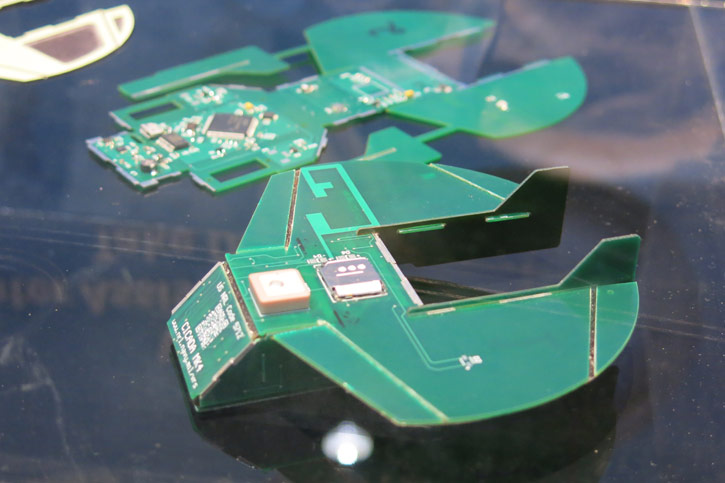
    The platform of the CICADA air vehicle uses the printed circuit it is assembled with as the aerodynamic surface and airframe. The actuators, sensors and components are mounted on board, and the entire structure is folded like an 'Origami' sculpture to make the air vehicle. Photo: Tamir Eshel, Defense-Update
    The platform of the CICADA air vehicle uses the printed circuit it is assembled with as the aerodynamic surface and airframe. The actuators, sensors and components are mounted on board, and the entire structure is folded like an ‘Origami’ sculpture to make the air vehicle. Photo: Tamir Eshel, Defense-Update

    CICADA gliders are designed as low-cost, GPS-guided disposable micro-air-vehicles that can be deployed in large numbers over an area of interest. Having no source of propulsion onboard, the small craft is released from another airborne platform at altitude. CICADA then glides to its destination. Its lack of a motor and small size makes it nearly undetectable in flight. The platform is inherently stable in glide and is designed for launch from manned or unmanned aircraft, balloons, or precision guided munitions. After deployment, CICADA glides to a waypoint, enters an orbit, and then descends within that orbit until it reaches the ground, typically landing with an average error of fifteen feet from the commanded orbit. Typical applications are meteorological, chemical, or biological measurements and signals intelligence (SIGINT) monitoring. Once on the ground, communication nodes with the monitoring platform are established.

    Pentagon Tests Air-Launched Micro Drone Developed by MIT Students

    William Roper, director of the Pentagon’s Strategic Capabilities Office, demonstrates micro-drones his office is testing through a program named Perdex. (Photo by Jahi Chikwendiu/The Washington Post)

    A micro-drone developed by students at MIT with support from the pentagon Strategic Capabilities Office (SCO) has been operationally evaluated by the US Air Force in simulated combat wargames held in Alaska in 2015. According to Dan Lamothe of the Washington Post, Over 100 micro drones were used during the Northern Edge exercise.

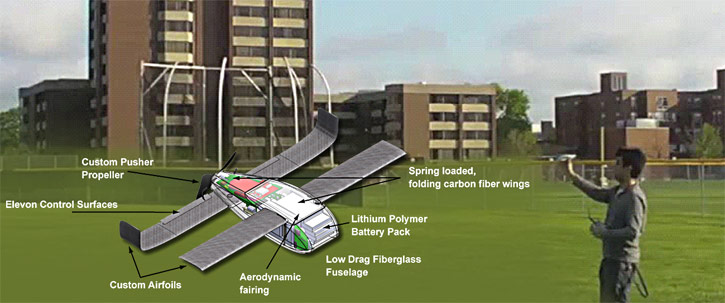
    The drone known as ‘Perdix’ has a low drag fiberglass fuselage, attached to spring loaded carbon fiber wings designed with custom airfoils. The rear wings have winglets and elevons for flight control. The drone uses a miniature electrical engine driving a custom pusher propeller to keep the drone airborne for the duration of the mission. The drone draws power for propulsion and on-board systems and sensors from a pack of lithium polymer batteries located in up front

    Developed by students in MIT since 2011, Perdix was tested in 2014 by the SCO. During these tests the drone was packed into a chaff tube and released from the F-16s chaff and flare dispenser on a high-speed pass from an F-16 at an altitude of 2,000 ft. over Alaska. Upon release the drone is slowed by a parachute and pulled from the chaff canister. Following a short descent its wings are folded and the drone initiates a loitering pattern, simulating an ISR mission.

    Perdix micro drone ejection from a flare dispenser. Photo: MIT
    Perdix micro drone ejection from a flare dispenser. Photo: MIT
    It also activates a communications link to coordinate its flight with other Perdix drones in the area, and link back to its operators. During the test that was part Exercise Northern Edge 2015 the Air Force simultaneously deployed dozens of Perdix drones from fighter jets, to test their operability as a ‘swarm’.

    The Perdix air launched micro drone uses miniature 3D printed micro-drones that are designed for high-speed ejection over the target area. Folded into a tube, Perdix fits into a standard flare canister carried by F-16, F-15 or F/A-18 fighter jets.

    The Perdix program evolved from a scientific project at MIT. In 2011 the MIT students at the school of engineering successfully designed, constructed, and flew ground and balloon-launched micro UAVs that supported airborne environmental monitoring. They also ejected the drone from flare ejectors. Photo: MIT
    The Perdix program evolved from a scientific project at MIT. In 2011 the MIT students at the school of engineering successfully designed, constructed, and flew ground and balloon-launched micro UAVs that supported airborne environmental monitoring. They also ejected the drone from flare ejectors. Photo: MIT

    DARPA’s Gremlin Pathfinders

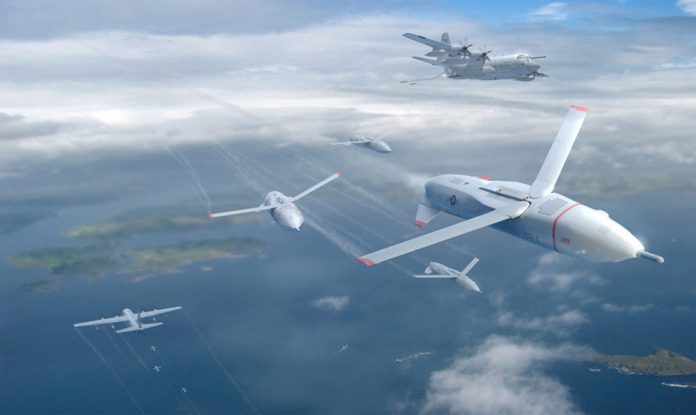
    The unmanned Gremlins would be deployed from support aircraft, and carry a mixture of mission payloads capable of generating a variety of effects. They will be operated in a distributed and coordinated manner, providing greater operational effectiveness and flexibility, compared with current, monolythic platforms. Artist concept: DARPA

    Unmanned aircraft systems (UAS) have become an essential support element, providing Intelligence, Surveillance and Reconnaissance prior, during and after air strikes. But current platforms are too slow and vulnerable to operate in contested airspace. The US Air Force and DARPA are looking at new concepts of operations that will enable unmanned platforms to support the future air component in all operational environments.

    One such concept is the use of air-launched UAS program is the Gremlins, a DARPA initiative to develop reusable a air launched Unmanned Aerial Systems (UAS). In March 2016 the agency awarded technology research contracts to four teams to explore different approaches, innovative technologies and systems enabling aircraft to launch volleys of low-cost, reusable UASs, and safely and reliably retrieve them in mid-air.

    Named for the imaginary, mischievous imps that became the good luck charms of many British pilots during World War II, the program envisions launching groups of UASs from existing large aircraft such as bombers or transport aircraft – as well as from fighters and other small, fixed-wing platforms – while those planes are out of range of adversary defenses. When the gremlins complete their mission, a C-130 transport aircraft would retrieve them in the air and carry them home, where ground crews would prepare them for their next use within 24 hours.

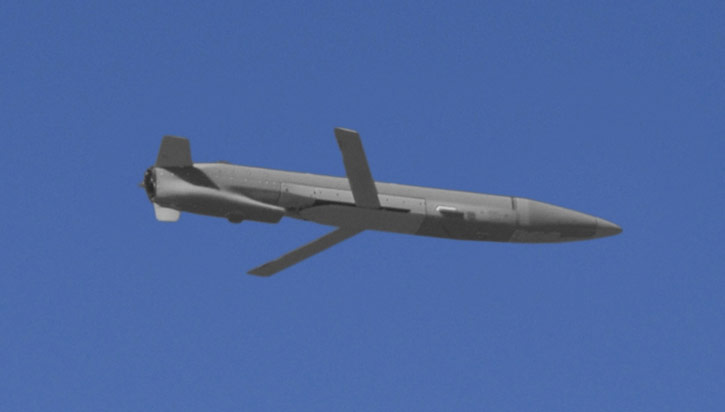
    MALD weighs less than 300 pounds and has a range of approximately 500 nautical miles.  Photo: Raytheon
    MALD weighs less than 300 pounds and has a range of approximately 500 nautical miles. Photo: Raytheon

    The Gremlins’ expected lifetime of about 20 uses could provide significant cost advantages over expendable systems by reducing payload and airframe costs and by having lower mission and maintenance costs than conventional platforms, which are designed to operate for decades.

    Phase 1 contracts have been awarded to four teams led by Composite Engineering, Inc., Dynetics, Inc., General Atomics Aeronautical Systems, Inc. (GA-ASI) and Lockheed Martin Corporation. The team effort will pave the way for a proof-of-concept flight demonstration that would validate an air recovery concept of multiple gremlins. The program plans to explore various technical areas, including the launch and recovery techniques, equipment and aircraft integration concepts. It will also look at low-cost, limited-life airframe designs that leverage existing technology and require only modest modifications to current aircraft. Other aspects of the program will study high-fidelity analysis, precision digital flight control, relative navigation and station keeping.

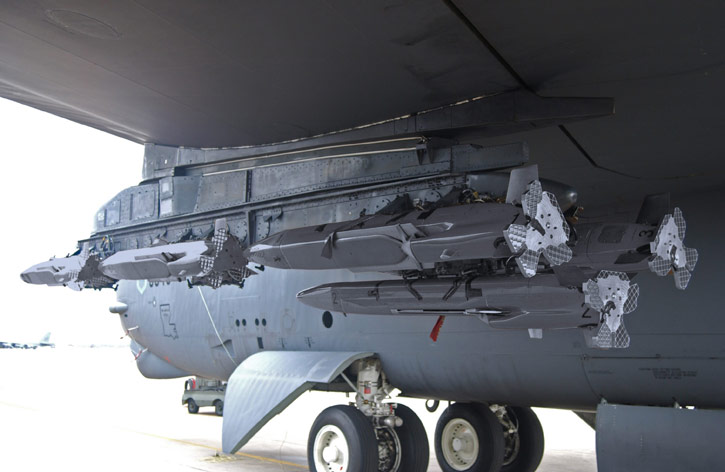
    The Miniature Air Launched Decoy (MALD) is an expendable air-launched decoy that looks like a  combat aircraft to enemy integrated air defense systems. MALDs are often launched in large groups, from aircraft such as this B-52H. Photo: Raytheon
    The Miniature Air Launched Decoy (MALD) is an expendable air-launched decoy that looks like a combat aircraft to enemy integrated air defense systems. MALDs are often launched in large groups, from aircraft such as this B-52H. Photo: Raytheon

    LOYAL WINGMAN – AVATAR

    Another ambitious project pursued by the Pentagon Strategic Capabilities Office (SCO) is ‘Avatar’, that pairs advanced, “fifth-generation” fighter jets like the F-22 Raptor and F-35 Lightning II Joint Strike Fighter with unmanned versions of fourth generation fighter jets such as the F-16 Fighting Falcon or F/A-18 Hornet.

    Previously known as the ‘Loyal Wingman’, the program will require unmanned fighters to act with enough autonomy that the pilot in the manned jet doesn’t have to direct them all the time.

    Other concepts call for the use of ‘arsenal planes’ supporting the advanced stealth fighters. The arsenal planes will be able to carry a variety of weapons operated by nearby stealth fighters that will remain illusive throughout the engagement. The Pentagon plans to build a prototype of such an unmanned ‘arsenal platform’ in 2017.

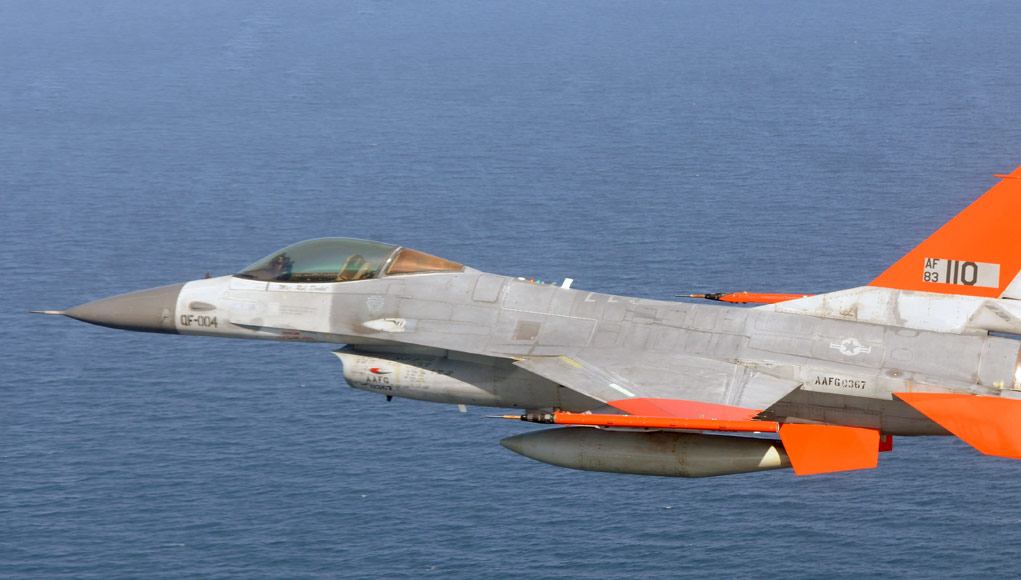
    The USAF is using unmanned QF-16s for target practice and training with live weapons. The QF-16 replaces the obsolete QF-4 Phantom drones. In the future, such platforms could also assume combat roles as 'avatars' or companions to manned aircraft. Photo: Boeing
    The USAF is using unmanned QF-16s for target practice and training with live weapons. The QF-16 replaces the obsolete QF-4 Phantom drones. In the future, such platforms could also be armed and assume combat roles as ‘avatars’ or companions to manned aircraft. Photo: Boeing

    AFSOC Gunships to Get Air-Launched UAVS for Operational Evaluation

    AC-130J Ghostrider will be equipped with air-launched UAV system enabling persistent surveillance over contested areas.

    While increasing the use of drones in reconnaissance and attack missions across the globe, the US military is seeking new unmanned systems that would extend the capabilities of manned platforms – in special operations, air and ground dominance or air combat.

    One of the most advanced applications is the use of air-launched drones to enable Air Force Special Operations Command (AFSOC) AC-130 aerial gunships and MQ-9 Reaper drones to operate in all weather conditions, particularly above the clouds.

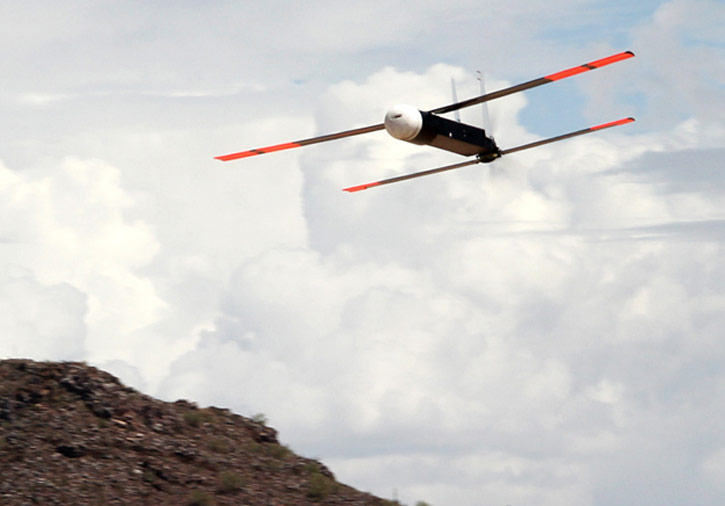
    The Tactical Off-Board Sensors (TOBS) uses unmanned aerial systems released from an aircraft flying at a high altitude, to provide close-in view of the target area, when flying under the cloud base. AFSOC currently utilizes Raytheon’s Coyote small UAV for the TOBS mission. The baseline system could be fielded this year for operational testing, followed by full-scale production of an objective system beginning in 2018. A full up production system could be fielded in 2019-2020 timeframe.

    “It’s a system off-the-shelf that’s already been developed,” said Bill Lane, AFSOC’s chief of strike and ISR requirements, “Contractors have already demonstrated it out of a common launch tube [like those on the AC-130]. It’s something that we could very quickly integrate on the airplane, train crews and try to learn from.”

    The Coyote, built by Raytheon is a compact drone that can be carried in a common launch tube (CLT) with wings and tail folded. The limitations on wingspan and battery size restrict the endurance and operating range of this specific drone. A future platform, designed to meet AFSOC objective performance is designed by Area I Inc. These platforms are expected to support high level of autonomy and improved sensors, compared to the technology available today. According to AFSOC requirements these drones should be able to operate with minimal user intervention, while providing the crew imagery and sensing as other on-board sensors do.

    While TOBS are designed to be retrievable on training or close air support missions, in operational use these systems will be disposable. The drones could also enable AFSOC to operate large platforms such as the AC-130J Ghostrider in non-permissive environments, where the TOBS could provide targeting for small diameter bombs, or other standoff precision guided munitions (SOPGM). These weapons will become part of the Ghostrider’s arsenal as it is fielded. AFSOC plans to convert 37 MC-130J aircraft into AC-130J, under a $2.4-billion program to grow the future fleet of operational gunships.

    A small UAV will enable the AC-130J to operate in bad weather conditions, deploying the UAVs like this Coyote under the cloud base, while the gunship remains above the clouds and away from the range of enemy air defense. Photo: Raytheon.
    A small UAV will enable the AC-130J to operate in bad weather conditions, deploying the UAVs like this Coyote under the cloud base, while the gunship remains above the clouds and away from the range of enemy air defense. Photo: Raytheon.
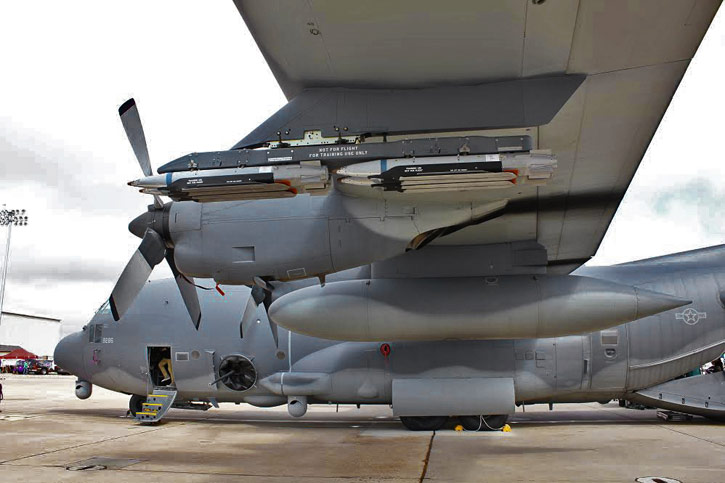
    AFSOC plans to equip its C-130 gunships with Small Diameter Bombs (SDB) carried underwing. These weapons will provide the aircraft the standoff engagement capability it currently lacks.
    AFSOC plans to equip its C-130 gunships with Small Diameter Bombs (SDB) carried underwing. These weapons will provide the aircraft the standoff engagement capability it currently lacks.

    While TOBS are designed as expendable drones, at a cost of $50,000 per unit, these drones are not spent lightly. Therefore, the Air Force is pursuing other, more affordable off-board sensors that could be used in swarms. Last year the US Navy have tested Coyote operation in swarm, under the Low Cost UAV Swarm Technology (LOCUST) demonstration.

    Two programs that have been publicized are CICADA, developed by the Naval Research Laboratory (NRL) and Perdix, developed by students at MIT with support from the pentagon Strategic Capabilities Office (SCO). Perdix has a low drag fiberglass fuselage, attached to spring loaded carbon fiber wings designed with custom airfoils. The rear wings have winglets and elevons for flight control. The drone uses a miniature electrical engine driving a custom pusher propeller to keep the drone airborne for the duration of the mission. The drone draws power for propulsion and on-board systems and sensors from a pack of lithium polymer batteries located in up front.

    The Coyote is already used as an air-launched expendable sensor with the US National Oceanic and Atmospheric Administration (NOAA) P-3 'Hurricane Chasers'.  (Photo: NOAA)
    The Coyote is already used as an air-launched expendable sensor with the US National Oceanic and Atmospheric Administration (NOAA) P-3 ‘Hurricane Chasers’. (Photo: NOAA)

    US Army, Marines to Test Israel’s Trophy APS (Again)

    The Marine Corps plans to buy or lease active protection systems (APS) for its M1 Abrams main battle tanks, Lt. Gen. Robert Walsh, deputy commandant of the Marine Corps for combat development and integration, told members of the Senate Armed Services subcommittee on seapower April 13, 2016 that are vulnerable to proliferating anti-tank guided missiles.

    Gen. Walsh said the marine Corps should approach vehicle protection as it does with aircraft protection. “As we started to get threats on our aircraft, fixed wing and helicopters, from infrared missiles, we quickly put on capabilities to defeat those type of missiles. Now we see the threat on the ground changing, becoming much more sophisticated. What we’ve continued to do is to put on more armor. We’ve got to start thinking of higher technology capability with vehicle protective systems (APS), which can defeat anti-tank guided missiles, RPGs, and top down threats we face, along with soft kill – this is what our aircraft has. We need the same technology for our vehicles.”

    “It can take us a long time to develop APS,” Walsh continued, saying that the Marines are following rapid prototyping approaches to gain better understanding of those capabilities. “We are going to buy or lease some trophy systems, put them on M1A1 tanks, take that, use that, see how it works.” Walsh said the Army do the same on Stryker and M1A2. “We’ve seen aircraft and helicopters get shot down in Afghanistan and Iraq, we’ll have the same problem on the ground if we don’t get up in front of that technology on the ground side also.” Walsh warned.

    This is an excerpt of the 800 word article. Subscribe to read the full version and get the extra photos.

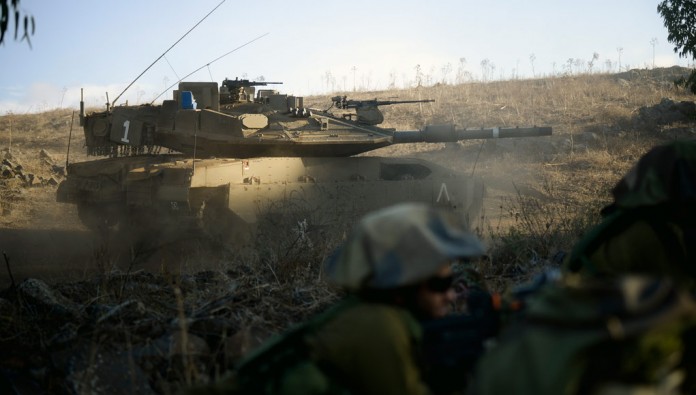
    Trophy is the only APS that has been proven in combat. Israeli Merkava tanks were outfitted with the system during the 2014 Gaza conflict where they successfully destroyed incoming missile threats in highly
    congested urban combat, Mike O’Leary, director of advanced concepts at DRS, told Defense Daily in a recent interview.

    The system incorporates both soft- and hard-kill missile countermeasures. Soft-kill systems either disguise a vehicle from an incoming threat or spoof or damage its homing ability by electronic means. Hard-kill systems provide a secondary level of protection that physically destroy incoming projectiles before they reach the vehicle and ideally before detonation.

    Trophy also automatically identifies the direction from which a missile was fired and directs offensive systems toward the threat, O’Leary said. All of those capabilities were demonstrated in actual combat in Gaza.

    First Russian S-300 Missiles Arrive in Iran

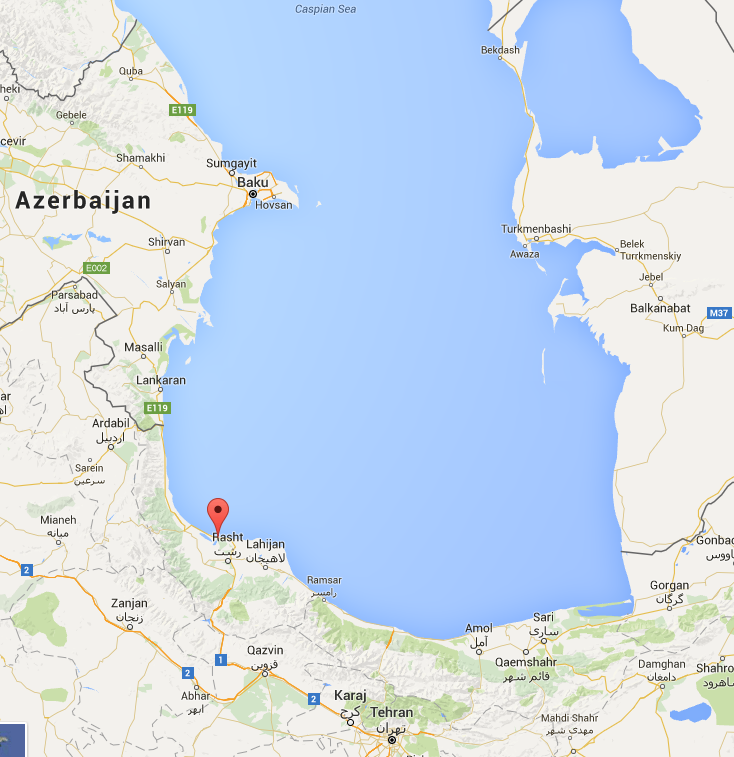
    The Russian S-300 missiles were spotted at Iran's Caspian sea port of Bandar Anzali.
    The Russian S-300 missiles were spotted at Iran’s Caspian sea port of Bandar Anzali.

    The camouflaged vehicles seen on these civilian transporters were spotted this week in Iran’s caspian Sea port of Bandar-e Anzali. These vehicles are likely the first S-300 missile systems delivered from Russia. Russian sources previously indicated that the delivery is imminent. Official Russian and Iranian sources later confirmed the delivery.

    Iran ordered the Russian missiles in 2007 but the deal was cancelled in 2010 as UN sanctions restricted arms sales to Iran. Following the P5+1 nuclear agreement with Tehran in 2015 Moscow resumed the contract and, few months later, approved the sale of the air defense missiles.

    According to Tass news agency, the S-300V4 variant, delivered to the Russian armed forces in 2014, can shoot down any medium-range missile in the world today, flies at five times the speed of sound and has a range of 400km (249 miles).

    Tata Power SED to Produce Active Protection Systems for Saab

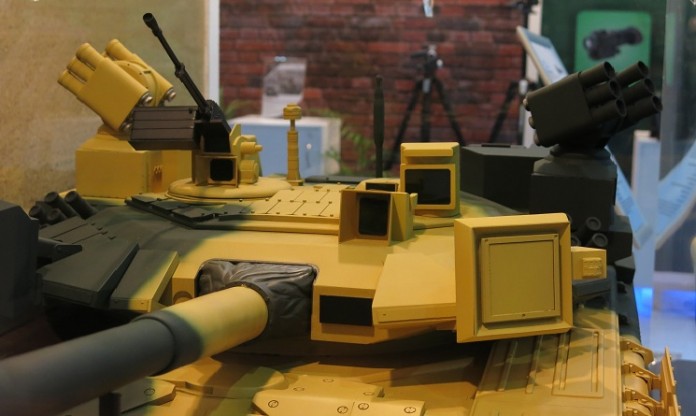
    At Defexpo 2016 TATA Power SED displayed a model of the LEDS 150 active protection system integrated on a T-90 tank, anticipating Indian Army interest in such solutions. Photo: Noam Eshel, Defense-Update

    The Swedish defense company Saab and Indian company Tata Power Strategic Engineering Division (Tata Power SED) have started the process of manufacturing Self-Protection Systems for Land-based Platforms, for the Indian market and for export to Saab’s global market.

    According to the company’s’ announcement, the partnership will also involve joint development of the next generation Self-Protection System. ‘The process of Transfer of Technology for production of initial orders for Saab’s global customers has already commenced at Tata Power SED.’s facility in Bangalore.’ Saab announced, Tata Power SED will eventually manufacture a large part of the system in India and also do final assembly. Tata will also be responsible for marketing the system in India.

    Land Electronic Defence System (LEDS) 50 MK2 is a subset of an integrated and modular, active defense system consisting of a Laser Warning Segment (LWS) and Effector Control Segment (OSCS). The solution provides combat personnel with vital situational awareness on laser threats and countermeasure availability and areas of coverage/protection offered under dynamic conditions, allowing manual or fully automatic responses against threats.

    At Defexpo 2016 Tata displayed a model of T-90 fitted with LEDS 150 active protection system, comprising radar sensors and traversable countermeasure dispensers designed to protect the tank from anti-tank missiles and RPGs.

    Given the long-term potential for self-protection systems for combat vehicles, both in India and abroad, we see this collaboration with Saab as an important milestone in boosting India’s capabilities in building defence systems.” said Rahul Chaudhry, CEO, Tata Power SED. “It is perfectly aligned with the actual essence of “Make In India” initiatives being implemented by the Indian government”.

    Multi-Mission Launcher Launch a Stinger Missile on First Test

    An FIM-92 Stinger missile is fired downrange from the Army's new Multi-Mission Launcher tube at an Eglin Air Force Base range March 23, 2016. The Air Force's 96th Test Wing hosted the Army's Cruise Missile Defense Systems Project Office and Raytheon to demonstrate the new launch platform's capabilities. Photo: USAF by Samuel King Jr.

    The U.S. Army successfully fired a Stinger missile from its newest launch platform last week. The test that took place at Eglin test range on March 23, 2016 was part of a demonstration of the Army’s new Indirect Fire Protection Capability Increment 2-Intercept (IFPC Inc 2-I) platform’s Multi-Mission Launcher (MML). The launcher consists of fifteen tubes, each of which can hold either a single large interceptor or multiple smaller interceptors. The recent test used single tube configured to carry the stinger.

    The IFPC Inc 2-I system is a mobile ground-based weapon system designed to defeat unmanned aircraft systems, cruise missiles, and rockets, artillery, and mortars.

    This new launcher is designed to fire a variety of different interceptor missiles, depending on the threat. Stinger, originally developed as a man-portable air defense infrared homing surface-to-air missile, has been adapted to fire from a wide variety of ground vehicles, such as the MML. The Army plans to test fire a variety missiles as part of an IFPC Inc 2-I Engineering Demonstration at White Sands Missile Range, N.M., in the coming weeks.

    The MML is mounted on a medium tactical vehicle. The launcher can rotate 360 degrees and elevate from 0-90 degrees. Developed using an open systems architecture, the launcher will interface to the IBCS Engagement Operations Center to support and coordinate target engagements.

    In addition to the MML, the IFPC Inc 2-I System will use the Integrated Air and Missile Defense Battle Command System (IBCS) for its command and control, a Sentinel radar, and existing interceptors to provide 360-degree protection with the ability to engage simultaneous threats arriving from different azimuths.

    The U.S. Army successfully fired three missiles to verify tube integrity and missile stack integration of the Multi-Mission Launcher using a Launch Demonstration Unit. Photo: US Army
    The U.S. Army successfully fired three missiles to verify tube integrity and missile stack integration of the Multi-Mission Launcher using a Launch Demonstration Unit. Photo: US Army

    Extended Range Modifications Could Double the Range of Current Howitzers

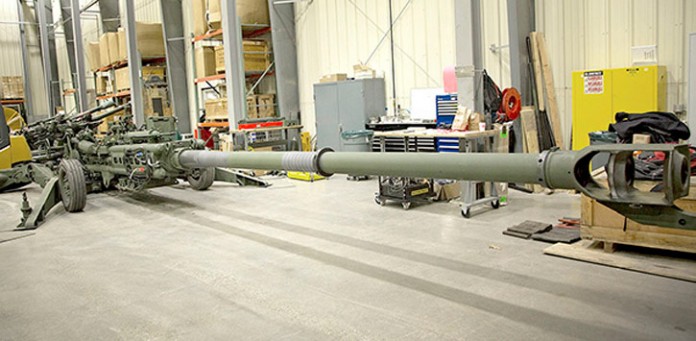
    The newly modified M777A2 howitzer has the potential to double the system's current artillery range. Benet Labs designed the tube and Picatinny designed all of the carriage modifications. Photo by Erin Usawicz.

    Picatinny Arsenal engineers have been working to create a longer, newly modified M777A2 howitzer that has the potential to double the range of current M777 artillery systems. Charged with developing technology to extend the range of all 155mm artillery, the Extended Range Cannon Artillery (ERCA) project is funded by science and technology office at the US Army Armament Research, Development and Engineering Center (ARDEC).

    The ERCA program evaluates the introduction of a longer barrel, developed for the XM907 Common Cannon Assembly Support system, as well as the XM1113 rocket assisted projectile and XM654 supercharge, an autoloader and new fire control system. The program is funded program by the Army and the Marine Corps.

    With nearly 1,000 pounds (453 kg) added to the system’s overall weight and an additional six feet (1.82 m’) of cannon tube, the demonstration is taking place to give the Soldiers and Marines more confidence that the gun will still meet all of its mobility requirements.

    The Army Program Manager Towed Artillery Systems, (PM-TAS) has already demonstrated a modified M777A2 Howitzer with an integration kit for the mass mock-up of the modified XM907 ERCA cannon at Yuma Proving Ground, Arizona. Follow-on mobility testing will be conducted at Aberdeen Proving Ground, Maryland, to document the changes in mobility from a standard M777A2, if any.

    After the ERCA program, the M777ER program is engaged in making sure that ERCA’s system is suitable for the M777 system.
    The final ERCA system will be demonstrated with an M109A7 system, which is the Paladin self-propelled howitzer.

    “The ERCA program is developing the cannon to give it more range. PM-TAS is doing the demonstration to the Marines to show how it would look, feel and move when integrated into the M777A2 carriage,” said David Bound, M777ER Lead, Artillery Concepts and Design Branch, which is part of ARDEC. At this stage the demonstration will not include firing the weapon, but will show how the gun responds when it travels and how it feels when the crew interacts with the controls. “Right now (the M777) can shoot about 30 kilometers, but once all of the upgrades are complete it will be able to shoot about 70 kilometers,” said Bound.

    “The visual prejudice we are up against is that it looks like it may tip over with all that extra cannon. We are trying to increase confidence that the M777 is an acceptable candidate for an extended range upgrade” said Bound. In efforts to ensure that the gun will meet all of its requirements, a mobility cannon tube was created.

    The mobility tube consists of an old 52-caliber tube that was modified to fit into an M777A2 at the weight of the XM907. Additionally, grooves were added to the exterior of the tube to allow Picatinny engineers to hang weights at different positions, enabling them to move the center of gravity of the weapon forward or rear.

    This cannon will allow the Army and the Marines to assess the impacts to the M777 and how it’s operated as the ERCA program optimizes the cannon design.

    “The weights allow the Center of Gravity to move and get to the point where we can start towing this around as the configuration of the tube changes as the ERCA figures out what they want to do because it’s in flux right now,” said Bound.

    “We are able to replicate how that tube reacts in the system using the different weight configurations. Then, we can hook this up to a truck so we can see what the users can expect from a human-factors point of view of how much harder it is to elevate, traverse back and forth, and what the trucks are going to see as they tow the system around,” said Bound.

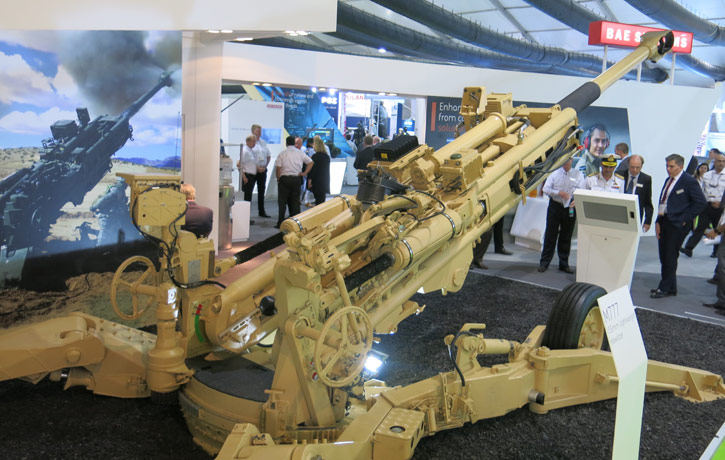
    This is the conventional M777 as displayed by BAE Systems this week at Defexpo 2016 in India. The cannon is one of few forerunners in a competition to sell towed artillery to India. BAE is teamed with Mahindra to carry out the production in India. Photo: Noam Eshel, Defense-Update
    This is the conventional M777 as displayed by BAE Systems this week at Defexpo 2016 in India. The cannon is one of few forerunners in a competition to sell towed artillery to India. BAE is teamed with Mahindra to carry out the production in India. Photo: Noam Eshel, Defense-Update

    Alpha Design to Assemble Hermes UAVs in India

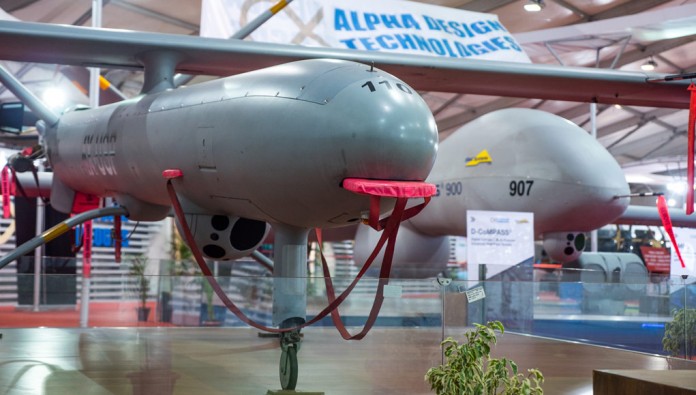
    Alpha Design, a long term partner of Elbit Systems, will enter the UAV business as a supplier, manufacturer and subcontractor for Elbit Systems' for the Hermes 900 and 450 line of UAVs, providing the airframe manufacturing and assembly for the drones. Photo: Noam Eshel, Defense-Update

    Elbit Systems and Alpha Design and Adani Aero Defense companies of India announced today (March 30, 2016) they are working towards an agreement to build Hermes 900 and Hermes 450 unmanned aerial vehicles (UAVs) in India, for domestic customers and for export. ‘The companies intend to create a tiered vendor base for supporting, indigenization and localisation requirements and seeks to set up a final assembly and integration line including maintenance, repair and overhaul (MRO) facilities” the announcement said.

    The two companies are likely to offer the Israeli UAV solution for the Indian Army requirement for tactical drones.

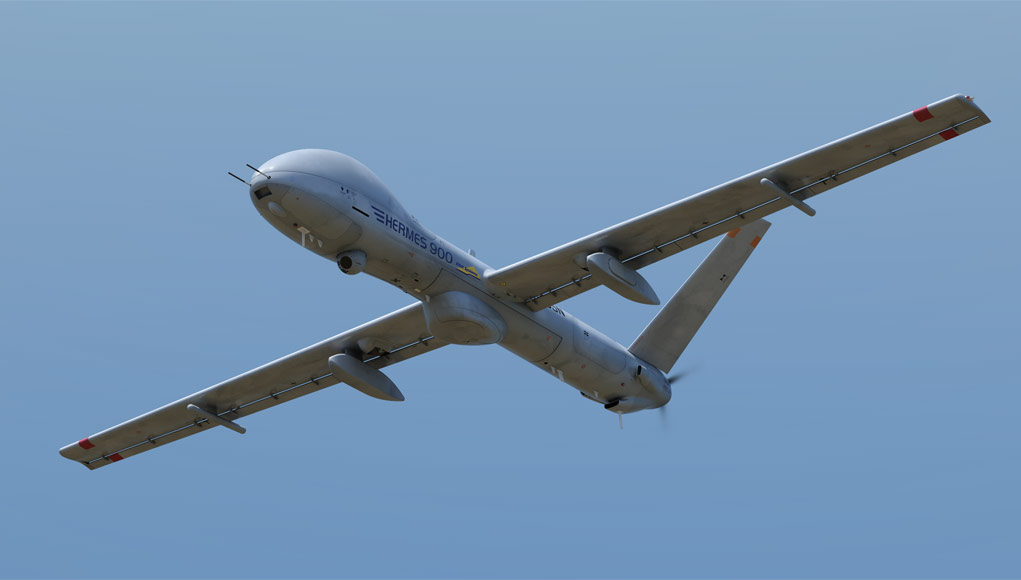
    Hermes 900 and Hermes 450 share many common attributes, both on the platform and ground operations and support infrastructure. The fleet of hermes drones has a track record of over 500,000 accumulated flight hours. Among the key capabilities offered by the Hermes 900 are longer endurance, flight altitude of 30,000 ft. and a large payload capacity (up to 350kg).

    A unique 2.5 meter long internal payload bay is provided, capable of accommodating up to 250 kg and allowing quick modular payload installation and replacement, as well as additional payload installation capacity including four hard points under the wings. The UAS includes innovative avionics and electronic systems, a low noise engine, as well as solutions that can be offered for sense and avoid capabilities and safe integration of the UAS into the relevant air space.
    This is a 237 word excerpt of the full article. Subscribe for more insight.

    Hermes 900 is a natural extension of the successful Hermes 450, which has a track record of over 500,000 accumulated flight hours. Among the key capabilities offered by the Hermes 900 are longer endurance, flight altitude of 30,000 ft. and a large payload capacity (up to 350kg). A unique 2.5 meter long internal payload bay is provided, capable of accommodating up to 250 kg and allowing quick modular payload installation and replacement, as well as additional payload installation capacity including four hard points under the wings. The UAS includes innovative avionics and electronic systems, a low noise engine, as well as solutions that can be offered for sense & avoid capabilities and safe integration of the UAS into the relevant air space. Photo: Elbit Systems
    Hermes 900 is a natural extension of the successful Hermes 450, which has a track record of over 500,000 accumulated flight hours. Among the key capabilities offered by the Hermes 900 are longer endurance, flight altitude of 30,000 ft. and a large payload capacity (up to 350kg). A unique 2.5 meter long internal payload bay is provided, capable of accommodating up to 250 kg and allowing quick modular payload installation and replacement, as well as additional payload installation capacity including four hard points under the wings. The UAS includes innovative avionics and electronic systems, a low noise engine, as well as solutions that can be offered for sense & avoid capabilities and safe integration of the UAS into the relevant air space. Photo: Elbit Systems

    DRDO Displays MRSAM Fire Unit at DEFEXPO

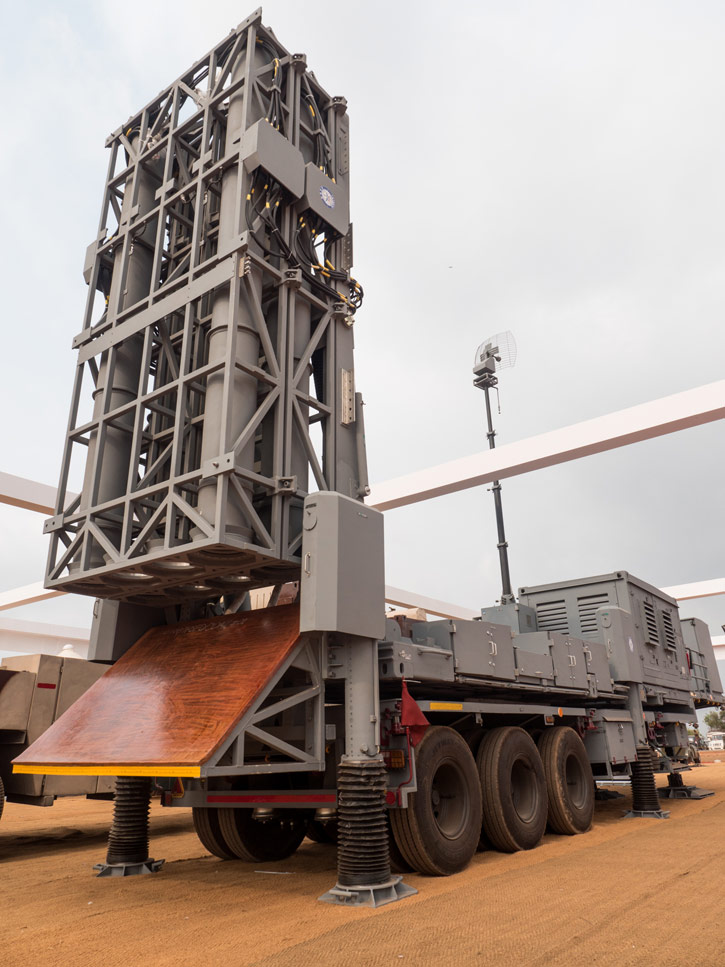
    MRSAM fire unit, unveiled at Defexpo 2016 by DRDO. Photo: Noam Eshel, Defense-Update
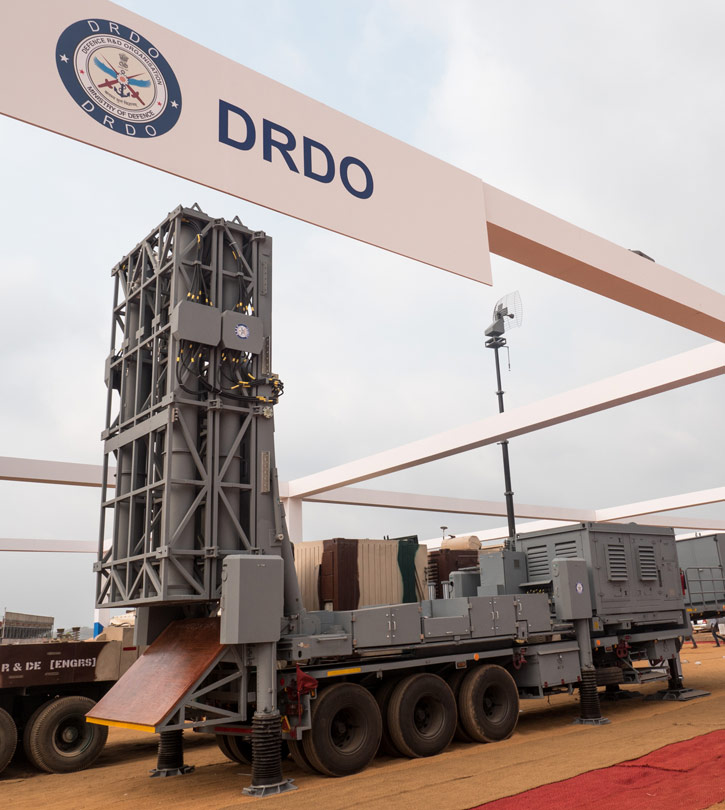
    DRDO unveiled the MRSAM fire unit at Defexpo 2016. Photo: Noam Eshel, Defense-Update
    DRDO unveiled the MRSAM fire unit at Defexpo 2016. Photo: Noam Eshel, Defense-Update

    The Indian Defense Research & Development Organization (DRDO) unveiled at Defexpo 2016 the fire unit of Medium Range Surface-to-Air (MRSAM) missile system, developed and manufactured for the Indian Air Force and Army. The development of this system, a land-based version of the Long-Range SAM (LRSAM) Barak-8 naval area defense system, was designed and developed by the DRDO and will be produced competitively by Larsen &Turbo and Tata Power SED, both private sector enterprises. The missiles, developed by Israel’s IAI and Rafael will be produced in India by Bharat Dynamics (BDL).

    Three fire units will comprise a battery, self supported with target acquisition and communications. The fire unit comprises two stacks of four Barak-8 missiles, for a total of eight launch tubes. Stacks are reloaded separately, for rapid replenishment. The IAF plans to buy 60 fire units, with the Army buying additional lots to fulfill its requirement for medium range air defense.

    India is also interested in acquiring the Russian S400 (SA-21 Triumf), which partly fulfills similar missions, although the operating methodology, range and capabilities of the Russian system are different from those offered by MRSAM. DRDO plans to test fire missiles from the new launcher for the first time in April, 2016.

    The MRSAM fire unit holds eight ready to launch missiles in two stacks. The missiles are fired vertically from their canister-launchers. To protect the fire unit assembly DRDO developed a unique thermally protected flame deflector that directs the rocket flames away from the trailer. This heat deflector can endure at least 60 launches, without damage. Photo: Noam Eshel, Defense-Update
    The MRSAM fire unit holds eight ready to launch missiles in two stacks. The missiles are fired vertically from their canister-launchers. To protect the fire unit assembly DRDO developed a unique thermally protected flame deflector that directs the rocket flames away from the trailer. This heat deflector can endure at least 60 launches, without damage. Photo: Noam Eshel, Defense-Update

    Skunk Works and XTEND Simplify Multi-Drone Command

    0
    Lockheed Martin Skunk Works® and XTEND have achieved a major milestone in JADC2 by integrating the XOS operating system with the MDCX™ autonomy platform. This technical breakthrough enables a single operator to simultaneously command multiple drone classes, eliminating the friction of mission handoffs. From "marsupial" drone deployments to operating in GPS-denied environments, explore how this collaboration is abbreviating the data-to-decision timeline and redefining autonomous mission execution.

    From Ukraine to Taiwan: The Global Race to Dominate the New Defense Tech Frontier

    0
    As traditional defense primes face mounting competition from agile “neoprimes” such as Anduril, Palantir and Helsing, the balance of innovation is shifting toward software-defined warfare and scalable, dual-use technologies, while global industry consolidation—marked by Boeing’s integration of Spirit AeroSystems and other strategic mergers—signals an intensified race to secure control over the defense technology value chain. Our Defense-Tech weekly report highlights these trends.

    Europe’s “Drone Wall”

    0
    In early October 2025, a coordinated wave of unmanned aerial system (UAS) incursions—widely attributed to Russia—targeted critical infrastructure across at least ten European nations. The unprecedented campaign exposed the fragility of Europe’s air defenses...

    Weekly Defense Update & Global Security Assessment

    0
    Executive Summary The past week (September 18-25, 2025) represents an inflection point where strategic defense concepts have transitioned from doctrine to tangible reality. An analysis of global events reveals four primary, interconnected trends shaping an...

    U.S. Air and Space Forces Push Next-Gen Programs at the AS&C 2025 Conference and...

    0
    At the 2025 Air, Space & Cyber Conference, U.S. Air Force and Space Force leaders unveiled major updates on next-generation fighters, bombers, unmanned systems, and space initiatives, highlighting both rapid innovation and critical readiness challenges as the services race to outpace global competitors. A short version is available here, with a more detailed version for subscribers.

    TADTE 2025: Reflecting Taiwan’s Strategic Themes

    0
    The Taipei Aerospace & Defense Technology Exhibition (TADTE) 2025 crystallized around four dominant strategic themes that collectively illustrate Taiwan's comprehensive approach to defense modernization amid escalating regional tensions. Based on a detailed report by Pleronix (available upon request). Includes a Podcast discussion on TADTE 2025's highlighting Taiwan's four strategic themes beyond the post's coverage.

    Iron Beam 450 Completes Testing, Soon to Join With Operational Air Defense Units

    0
    Israel’s Iron Beam 450 high-power laser system has completed final testing, marking a major leap in air defense. Developed by Rafael, it offers precise, cost-effective interception of rockets, UAVs, and mortars, and is set for IDF deployment by 2025.