Wednesday, December 24, 2025
More
    Home Blog Page 100

    Plasan unveils the Guarder – an armored carrier for SWAT teams

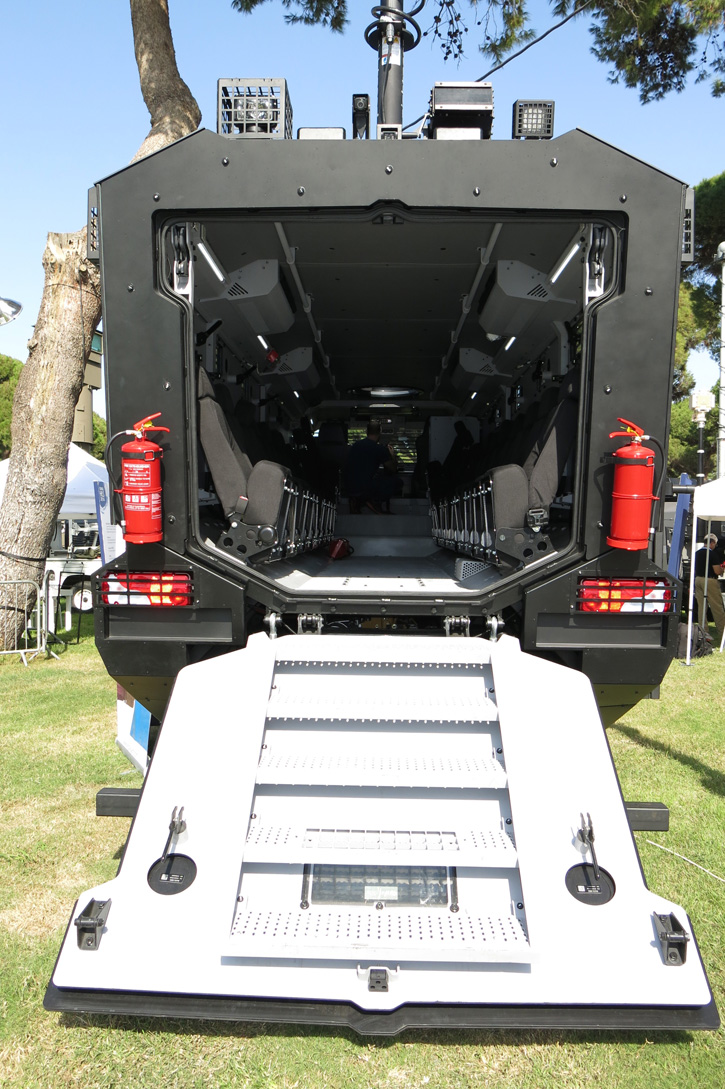
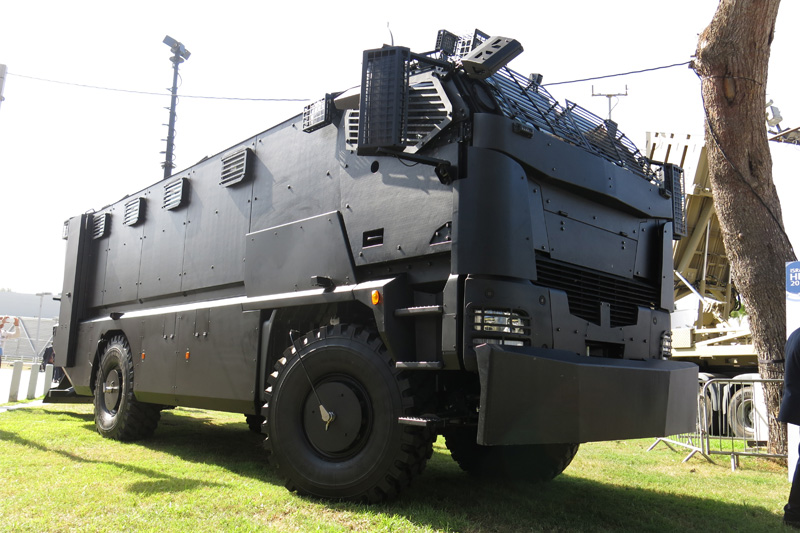
    Guarder from Plasan is a 22 ton armor protected vehicle designed for SWAT mobility. The Guarder can carry 22 troops, or be configured as a forward command post, enabling troops to operate in high risk areas. Photo: Tamir Eshel, Defense-Update
    guarder_725
    Guarder carries 22 troops seated on blast protected seats. Discharge is performed rapidly, using the combined ramp and stairs. Photo: Tamir Eshel, Defense-Update

    Plasan has presented today the first of six Guarder high performance armored vehicles ordered by the Sao Paolo police department. The order for the development and delivery of six vehicles for about $9.5 million was announced in June 2014. The vehicles will equip the special weapons and tactics team (SWAT) of Brazil’s largest city.

    The unique 4×4 vehicle has a combat weight of 22 tons, and curb weight of 18.5 tons. The maximum payload weight of 3,500 kg. The Guarder is based on a MAN truck chassis, fitted with a spacious protected capsule that can be configured to accommodate 22 troops in addition to the two men crew, a command post, medical facility etc.

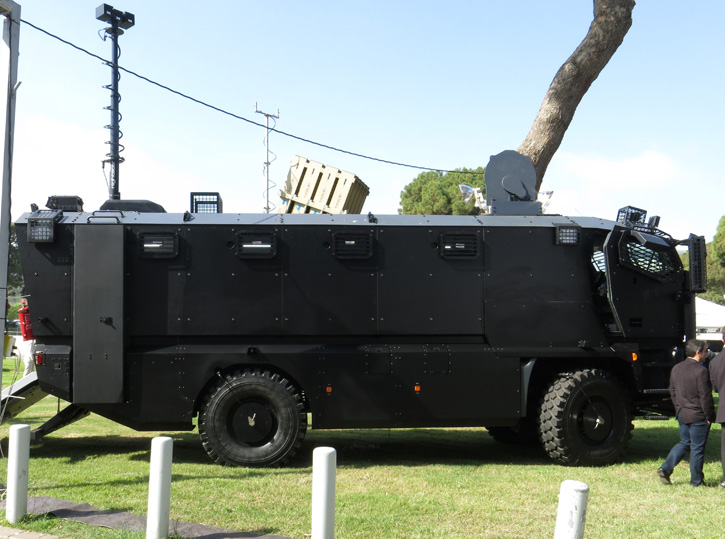
    The crew compartment has armor conforming to STANAG Level III with Level I protection for the floor. The vehicles are equipped with fire protection systems, chemical attack protection equipment and observation navigation and driving systems. The vehicle on display was also equipped with mast mounted cameras, for situational awareness.

    Maintaining high mobility over obstacles, Guarder can traverse 0.6 meter wide trenches, move on slopes up to 60 degrees and 25 degree side slopes, and ford water obstacles 0.6 meter deep and climb a step 0.6 meter high. Using hydraulic/electric assisted steering, the 8.75 meter long vehicle has a turn diameter is only 18 meters.

    Plasan has also won an order worth $7 million, to supply an integrated system to combat criminal organizations in Brazil, including four Sandcat armored vehicles with observation systems and detection and interception capabilities for the Federal Police in Brazil. These armored vehicles will be disguised as ordinary commercial vehicles. The Contract with the Police of Sao Paulo, totaling $ 7.5 million, will be undertaken together with Atech and will include command and control systems and quick response and rapid intervention capabilities.

    Guarder from Plasan is a 22 ton armor protected vehicle designed for SWAT mobility. The Guarder can carry 22 troops, or be configured as a forward command post, enabling troops to operate in high risk areas. Photo: Tamir Eshel, Defense-Update
    Guarder from Plasan is a 22 ton armor protected vehicle designed for SWAT mobility. The Guarder can carry 22 troops, or be configured as a forward command post, enabling troops to operate in high risk areas. Photo: Tamir Eshel, Defense-Update
    guarder_side725
    The Guarder vehicle on display was also equipped with mast mounted cameras, for situational awareness. Photo: Tamir Eshel, Defense-Update

    Elbit Systems unveils a new foliage penetrating radar

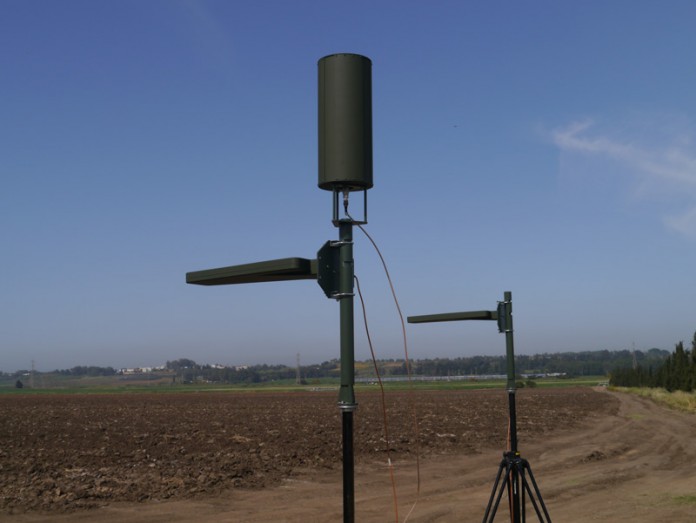
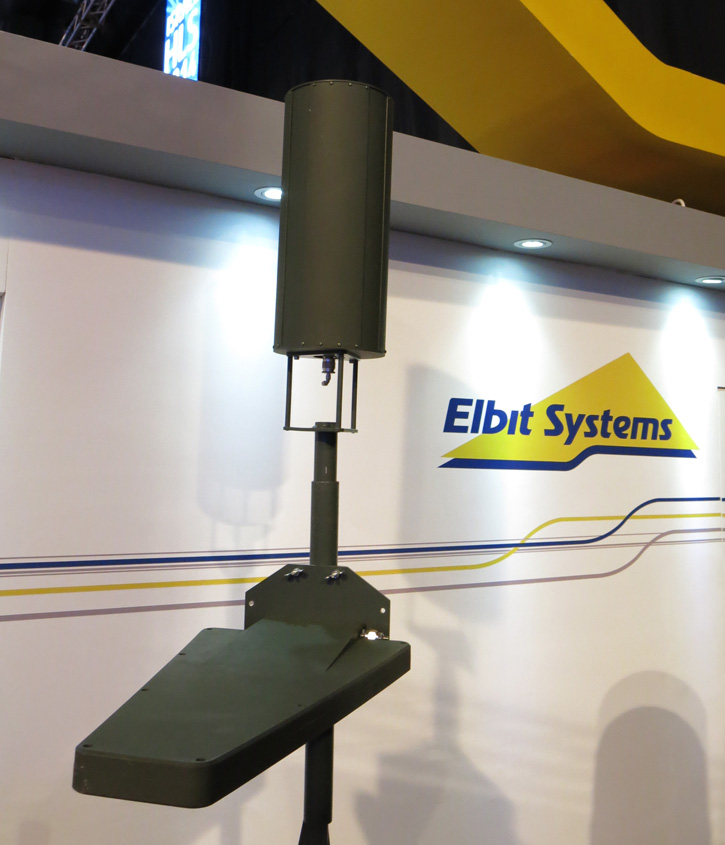
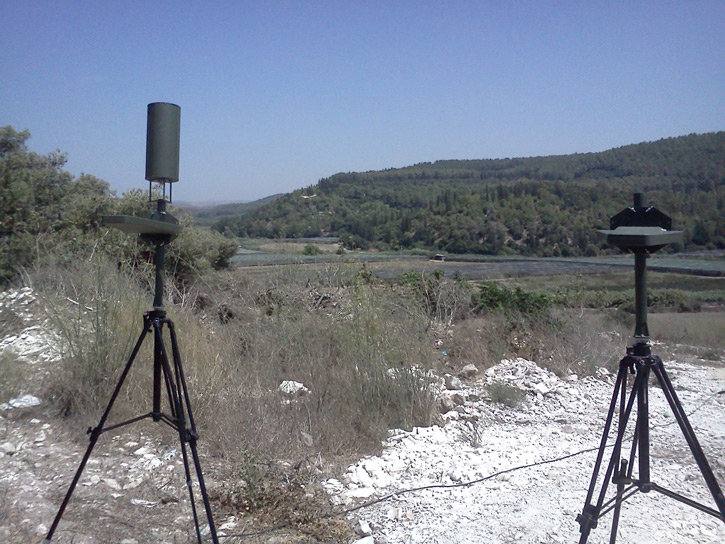
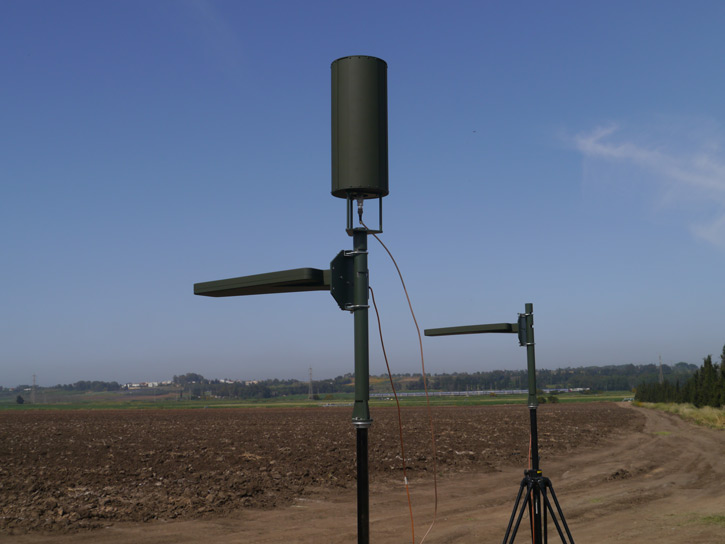
    FPR-10 radar system comprises three separate sensors, thta transmit and receive signals in the UHF band. The integration of all signals provides the foliage penetration effect. Photo: Tamir Eshel, Defense-Update
    FPR-10 radar system comprises three separate sensors, thta transmit and receive signals in the UHF band. The integration of all signals provides the foliage penetration effect. Photo: Tamir Eshel, Defense-Update
    FPR-10-map-showing-two-hostile-figures
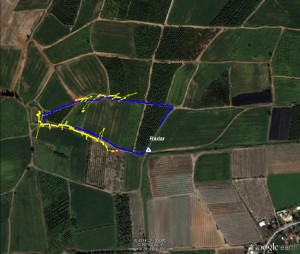
    Typical movement pattern of people walking the perimeter of an orchard, as tracked by the FPR-10. Photo: Elbit Systems

    Elbit Systems unveiled today a foliage penetrating radar that provides effective persistent surveillance through dense vegetation, forests and jungle. The non rotating radar is used in fixed or temporary installations, as part of perimeter or border protection systems.

    The radar, designated FPR-10 was developed by Elbit Systems’ EW and SIGINT division – Elisra. The system comprises three separate emitters, operating in the UHF band. Processing the sum of signals received from all sensors provide a clear view of targets moving through dense foliage, or behind such obstacles.

    The system can detect suspicious movements of vehicles and humans in and beyond foliage. Based on Ground Surveillance Radar (GSR) technology, the system provides extremely high resolution, covers a very wide range in azimuth and elevation and enables target separation, allowing determination of the number of targets in the radar arena.

    The system’s coverage is 45 degrees in azimuth by 20 degrees in elevation, at distances of few hundred meters to kilometers, depending on the altitude and type of environment.

    This system can simultaneously detect and track man-size targets targets moving in various motion patterns, including slow speed. Signal analysis also contribute to target classification, as well as rejection of false alarm caused by animal movements. Targets are marked on a digital map with coordinates and movement path, enabling operators to assess the situation before such targets would become a threat. According to the manufacturer, the system is designed to provide very high sensitivity with Low False Alarm Rate (FAR).

    FPR-10

    FPR-10-
    Elbit Systems unveiled today the FPR-10 foliage penetrating land-based radar. Photo: Elbit Systems

    Intercept test validates Barak 8 air defense system maturity

    barak-vert
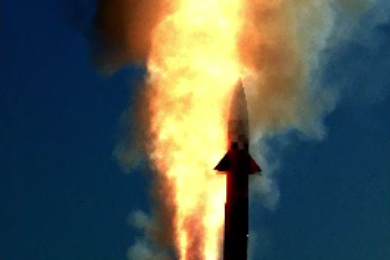
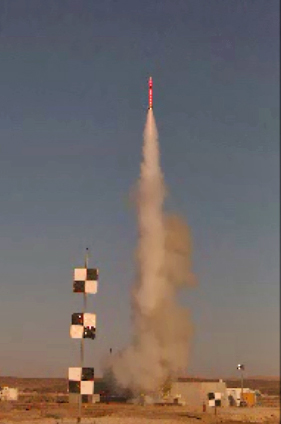
    Barak 8 missile launched from a test rig in the Negev, on one of the recent flights that tested the missile’s propulsion system. Today’s test evaluated the entire system’s performance – sensors, command and control, communications and intercept. Photo: IAI

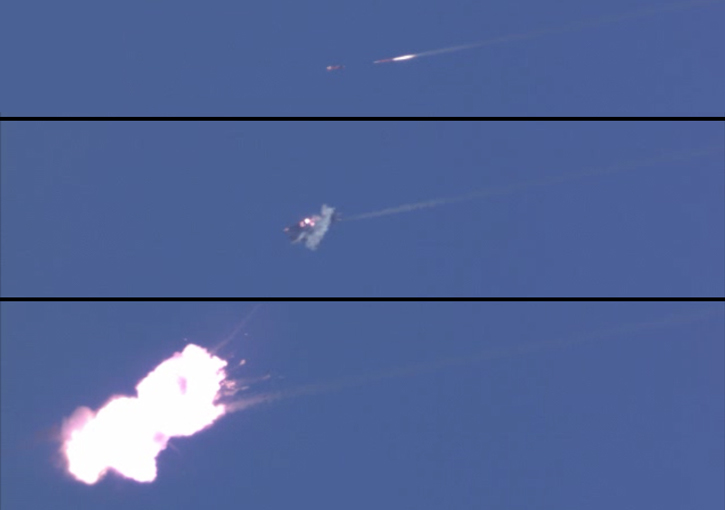
    Today at 07:20 (Israel time), Israel Aerospace Industries (IAI), in collaboration with the Israeli Ministry of Defense (IMOD), conducted the first successful flight test of the Barak-8 Air & Missile Defense System. On this test, held at the weapon test range in the Negev desert the system employed all the elements related to the naval and land-based variants of the system, including the phased array radar, battle management system, communications and the Barak-8 interceptor, which intercepted a manoeuvring air-breathing target representing an attacking combat aircraft.

    The successful test validated the entire system which has already undergone exhaustive partial testing and simulations. The flight test has been delayed for months due to late arrival of parts of the propulsion systems, which have been released by India in the past months. Senior Indian officials attended the test. “This is an important milestone in the cooperation between India and Israel and in the development of the Barak-8 advanced air defense system” Dr. Avinash Chander, Head of DRDO and Scientific adviser to the Indian defense minister.

    Barak 8 is also designed to defeat advanced threats such as the supersonic cruise missiles such as the Chinese CX-1 or Russian Yakhont

    “The Barak-8 project expresses a constructive cooperation between the Indian DRDO, the Israeli DDR&D and both countries’ Defense Forces; together they have all pushed forward this important program, overcoming technological challenges and earning achievements along the way.” Rear Admiral (Res.) Ophir Shoham, head of Israel’s Research and Development directorate added.

    barak-test

    Barak 8 provides high level of protection against a variety of aerial platforms and munitions including aircraft, helicopters, unmanned aircraft and sea-skimming missiles under all weather conditions. In addition to conventional sea skimming missiles, which fly in subsonic speed, Barak 8 is also designed to defeat advanced threats such as the supersonic cruise missiles such as the new CX-1 or Yakhont.

    IAI officials are confident that the system could become operational in few months

    Its interceptor is a missile developed by RAFAEL, in collaboration with India’s Defense Research and Development Organization (DRDO). Other key elements are the advanced phased array multi mission radar, two-way data link, and flexible command and control system enabling the system to be used as an area defense system, by integrating several fire units, sensors and command centers into an air defense ‘networked mesh’.

    kolkata-800v

    The system is scheduled to go through an accelerated testing campaign in the next years, which will include more verification tests, and launches at sea launches. Some of the tests are expected to take place in India. Although the missile testing have only started, IAI officials are confident that the system could become operational in few months, as most of the system’s elements have been thoroughly tested, some are already installed on surface ships in India and Israel.

    Barak 8 air defense systems have been marketed by IAI and DRDO for several years, and have orders worth several billion US$ from a number of countries on books. Apart from India and Israel, Azerbaijan reportedly became a customer for the system. IAI is offering the system as new installations on surface vessels, as well as an upgrading of existing Barak-1 systems, providing extended coverage, providing air defense of naval groups, rather than the point defense of the carrying vessel, provided by Barak-1. Barak-1 systems are currently operational with the Navies of India, Chile, Singapore and Israel.

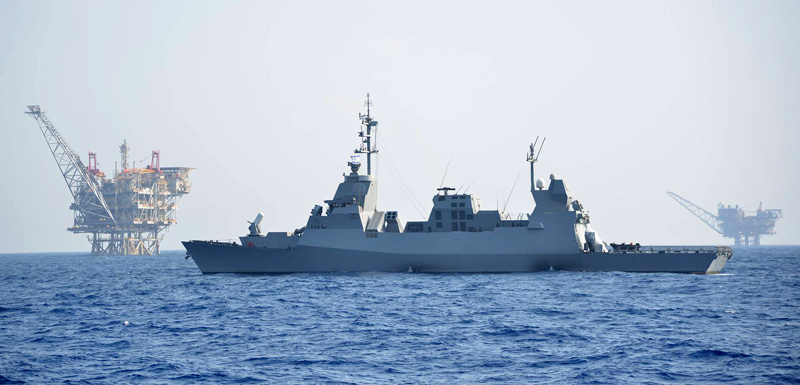
    The INS Lahav (Saar V class) corvette was upgraded with the MF-STAR ADIR phased array radar, providing the vessel a critical sensor for the defense of Israel's offshore gas drilling rigs located in the EEZ, at the range of Gaza rockets and Hezbollah Yakhont anti-ship missiles. The Navy has recently successfully practiced air defense against those thraets, using BARAK I missiles. Future weapons, such as Barak 8, C-DOME and David's Sling will provide more hermetic defense from such threats. Photo: Israel Navy
    The INS Lahav (Saar V class) corvette was upgraded with the MF-STAR ADIR phased array radar, providing the vessel a critical sensor for the defense of Israel’s offshore gas drilling rigs located in the EEZ, at the range of Gaza rockets and Hezbollah Yakhont anti-ship missiles. The Navy has recently successfully practiced air defense against those thraets, using BARAK I missiles. Future weapons, such as Barak 8, C-DOME and David’s Sling will provide more hermetic defense from such threats. Photo: Israel Navy

    System upgrades are key in Aegis destroyer’s success defeating ballistic, cruise missile raid on the recent test

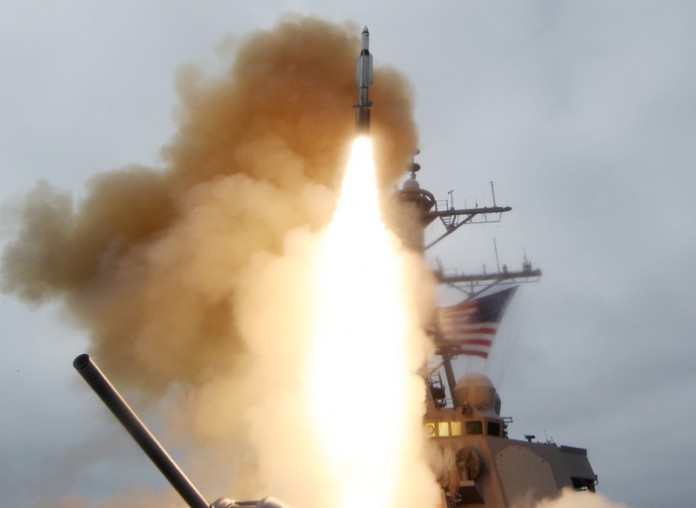
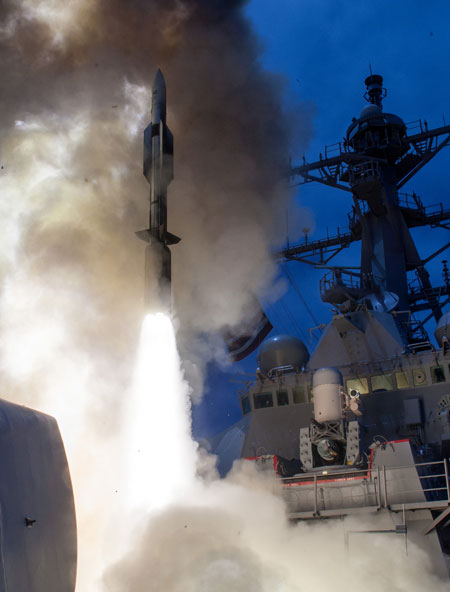
    The Arleigh-Burke class guided-missile destroyer USS John Paul Jones (DDG 53) launches a Standard Missile-6 (SM-6) during a live-fire test of the ship's aegis weapons system. Over the course of three days, the crew of John Paul Jones successfully engaged six targets, firing a total of five missiles that included four SM-6 models and one Standard Missile-2 (SM-2) model. Photo: US Navy
    The Arleigh-Burke class guided-missile destroyer USS John Paul Jones (DDG 53) launches a Standard Missile-6 (SM-6) during a live-fire test of the ship’s aegis weapons system. Over the course of three days, the crew of John Paul Jones successfully engaged six targets, firing a total of five missiles that included four SM-6 models and one Standard Missile-2 (SM-2) model. Photo: US Navy

    The US Navy Aegis missile destroyer USS John Paul Jones (DDG 53) successfully conducted a flight test yesterday, November 6, 2014 testing the Aegis Ballistic Missile Defense (BMD) system capability to defeat a synchronized raid by nearly simultaneous attacks of ballistic and cruise missiles. The test included three successful near-simultaneous target engagements over the Pacific Ocean.

    This scenario represents potential threats expected from countries such as China, North Korea and Iran, possessing anti-ship ballistic missiles (such as China’s Dong-Feng 21 – DF-21) and cruise missiles, capable of attacking naval forces at distances of hundreds of miles from shore.

    For this milestone test USS John Paul Jones was equipped with the Aegis Baseline (BL) 9.C1 (BMD 5.0 Capability Upgrade) Weapon System, enabling the Arleigh Burke guided missile destroyers to rapidly switch between BMD and the area air defense role – a capability that proved critical for the tests’ success. As part of the test group, two MQ-9 Reaper unmanned aerial vehicles assisted the intercept, providing target discrimination by airborne sensors.

    The key for successful intercepts such as this is simultaneous, multi-mode operation of the radar arrays, signal processors and combat information system, enabling users to monitor their surrounding with high level of confidence and engage multiple targets of different domains coming at the vessel from different trajectories, directions and speed.

    Subscribe to read the rest of this feature

    South Korea cancels BAE Systems’ KF-16 modernization contract

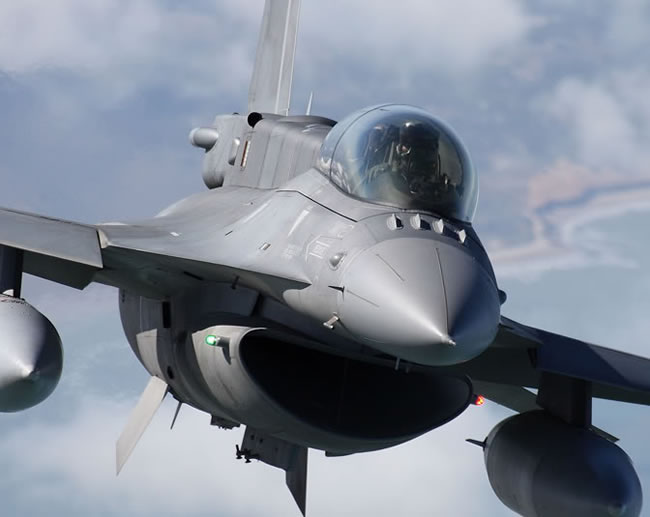
    An F-16D from Chilean Air Force Group 3 (FACh). Photo: Cruzex V, Natal

    The Government of the Republic of Korea officially requested yesterday to cancel the KF-16 upgrading contract with BAE Systems Technology Solutions & Service of the USA. The contract worth $138 million was the lead part in a longer upgrading program covering the modernization of 134 Republic of Korea Air Force KF-16s. The contract was managed by the US Air Force under the U.S. Foreign Military Sales (FMS) procurement.

    The reasons for the Korean decision was provided in the official statement announced by the US Defense Security Cooperation Agency (DSCA), but in recent weeks Seoul became highly critical about the program, as DAPA announced the contract could be cancelled, given BAE Systems demand for higher cost, above the agreed amount.

    Apparently, unexpected cost increases were caused by excessive fees the U.S. Air Force would charge for engineering packages needed for the project, which was done in competition to the Original Equipment Manufacturer (OEM) Lockheed Martin. Although the aircraft was developed for the Air Force, with USAF funding, the provision of engineering packages acquired by the Air Force were estimated to cost some 600 million above the original estimates. BAE itself under estimated its engineering costs for the upgrade by more than $193 million.

    A BAE spokesman said in a statement the company was “disappointed“ by the decision, and emphasized the work already being completed under Phase 1 of the contract.

    Lockheed Martin, which initially lost the contract to BAE, said it is ready to support its F-16 customers, including South Korea.

    Chinese J-31 Stealth in, Korean Aerobatic team out of Airshow China

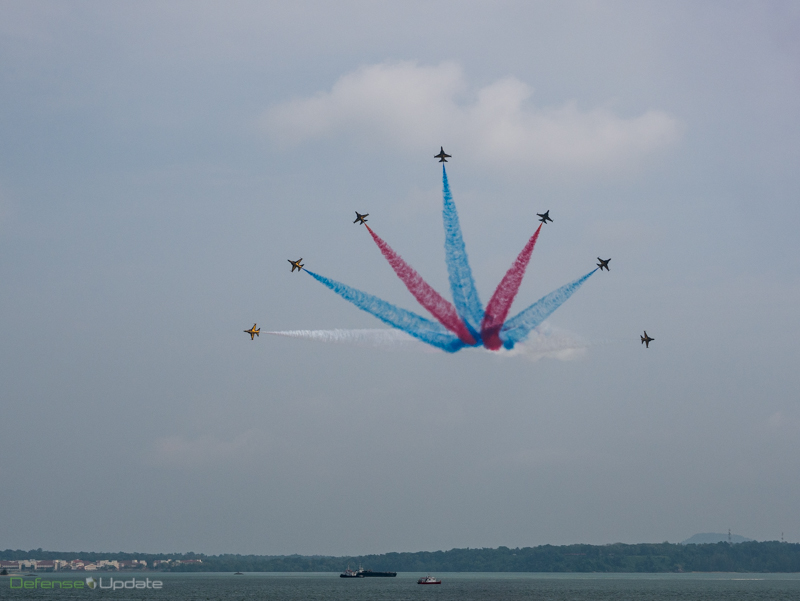
    The seven-aircraft Korean T50 display team, the "Black Eagles", fan out on the final maneouver of their impressive display at Singapore Airshow rehearsal on February 9th.
    The seven-aircraft Korean T50 display team, the “Black Eagles”, fan out on the final maneouver of their impressive display at Singapore Airshow rehearsal on February 9th. The team will not attend the Airshow China event taking place at Zhuhai next week, as planned. Photo: Noam Eshel, Defense-Update

    South Korea has cancelled its planned participation at the ‘Airshow China’ held next week at Zhuhai, near Hong Kong. Seoul was planning to participate with ‘Black Eagles’, the national aerobatic team flying the indigenous T-50 fighter/trainer. It was the first time that South Korea’s air force was invited to the Zhuhai air show, according to Chinese media. However, bowed under heavy pressure from Washington, Seoul notified China earlier this week that it canceled its participation. Regardless of the cancellation of the aerobatic team participation, ten Korean aerospace companies are exhibiting at the Chinese show.

    j31zhuhai
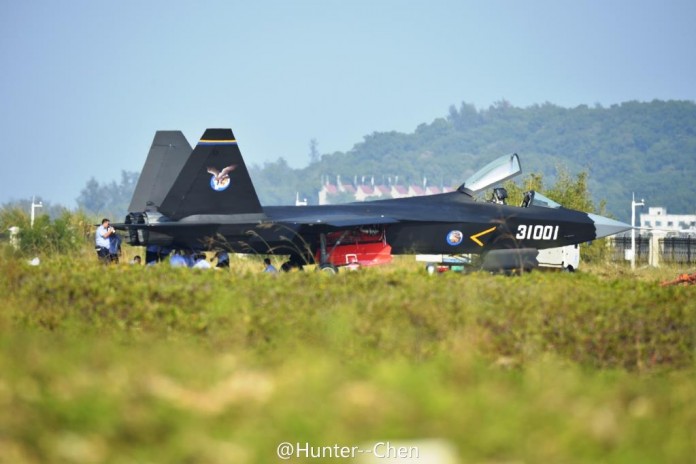
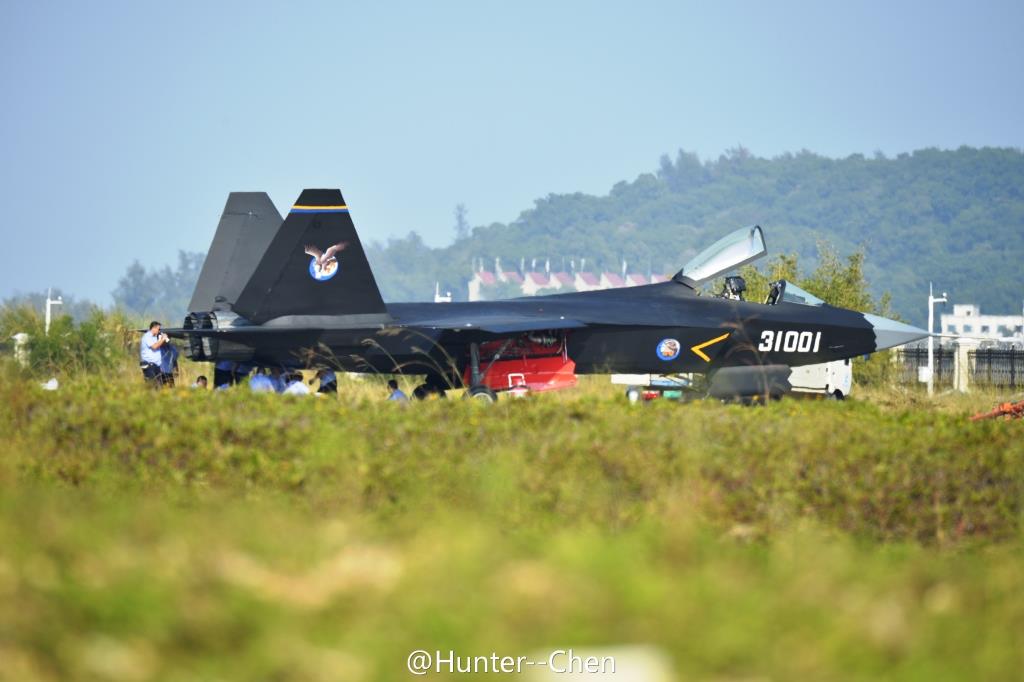
    The Korean absence is compensated by several new Chinese aircraft – the participation of J-31 ‘Falcon Hawk’ at the Airshow China is now confirmed, although not official, with the stealth fighters arrival at Zhuhai airport, where it is expected to be shown to visitors and hopefully perform on daily flight displays.

    The South Korean air force’s Black Eagles team, made up of eight T-50 light combat aircraft, was expected to be one of the star attractions at the 10th China International Aviation & Aerospace Exhibition in Zhuhai. “The decision was agreed between the US and South Korea because the T-50 jets include core US technologies and so are subject to regulations regarding arms export and international arms trade,” said an anonymous defense official in Seoul.

    A project funded by the South Korean government, the supersonic fighter T-50 jet is assembled by Korea Aerospace Industries, a local military aircraft and civilian airframe parts maker. It uses wings, in addition to flight control and avionics equipment, made by Lockheed Martin Corp. The reason for the cancellation was apparently prevention of ‘technology leakage’.

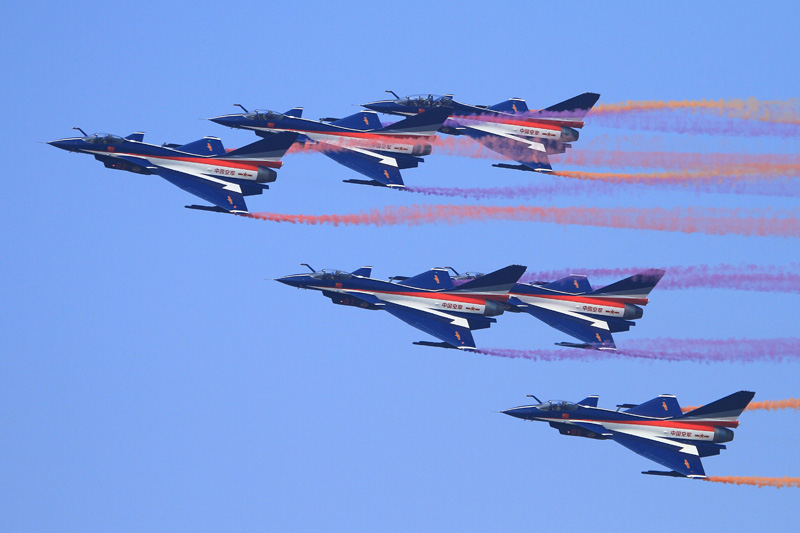
    The Chinese August 1 aerobatic team will perform at Zhuhai Airshow China, flying eight J-10 fighters.
    The Chinese August 1 aerobatic team will perform at Zhuhai Airshow China, flying seven J-10 fighters.

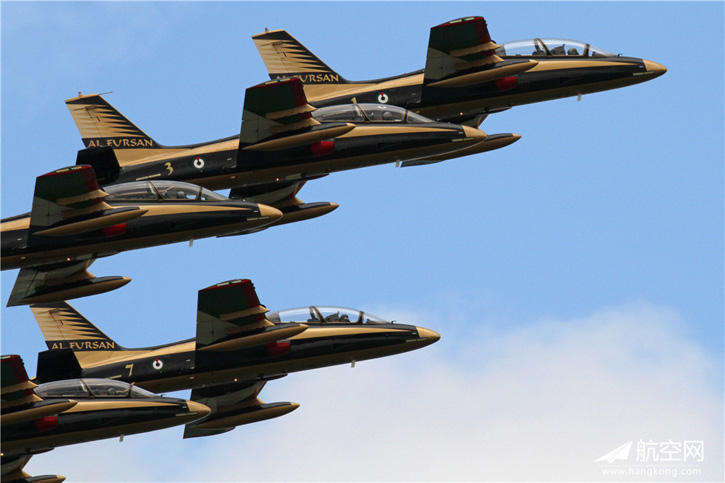
    Commemorating the 65th anniversary of the founding of the Chinese PLA Air Force, three aerobatic teams are participating at the airshow include the “August 1” Aerobatics Team of the Chinese PLA Air Force flying the J-10 fighter jets, the Knight Aerobatic Team of the Russian Air Force, flying Su-27s and the Al Fursan Team of the United Arab Emirates Air Force flying seven Aermacchi MB-339A jet trainers.

    Major performers will also include the Airbus A380, the Chinese built ARJ21-700 regional jet and the Bell 407GX – all will perform demonstration flights.

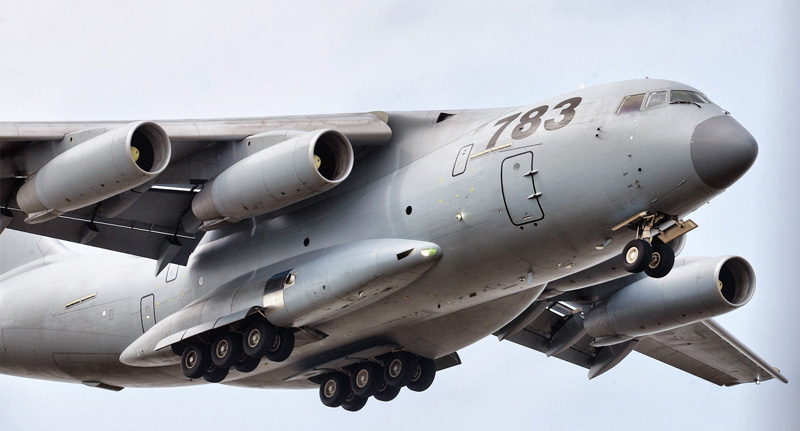
    China will be displaying its latest stealth fighter jet – J-31 (it is not yet confirmed is it will participate in flight displays or at the static line). The newest military transport, Xian Y-20 has also arrived at Zhuhai and will take part at the airshow.

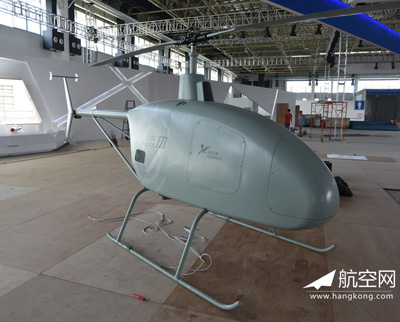
    Norinco is displaying the Sharp Eyes unmanned helicopter. Photo: Hangkong
    Norinco is displaying the Sharp Eyes unmanned helicopter. Photo: Hangkong

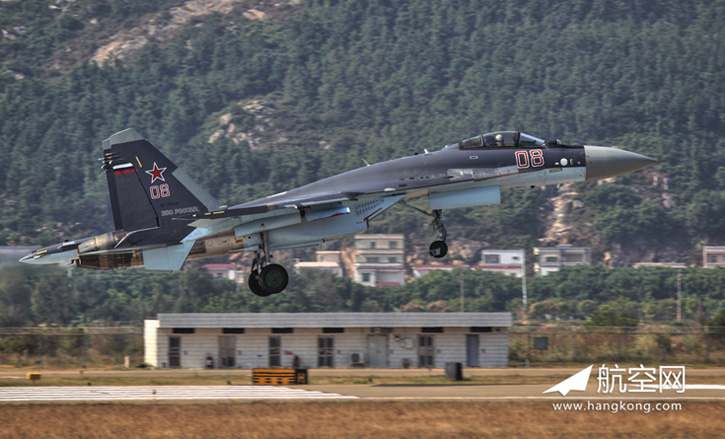
    Russia is sending the Sukhoi Su-35S, which will be displayed in flight and on the static park. Russia is negotiating the sale of 24 such fighters to China, as part of an arms transfer package worth over two billion US$. The negotiations that began in 2010 have got closer recently, as the two countries are brought together facing a growing pressure from the U.S. in the Pacific.

    The Aviation Industry Corporation of China (AVIC), one of the orgenizers of the air show, has prepared the military and civilian exhibition zones highlighting military aircraft, civilian aircraft, helicopters, unmanned aerial vehicle (UAV), general aviation aircraft, engines and airborne systems. The AVIC will send more than 30 aircraft to the show. Other participants are taking the opportunity to show military audience other military hardware including tanks, APCs, air defense systems, missiles and robotics.

    More than a hundred foreign delegates will attend this year’s show, which will feature more than 130 aircraft and 700 exhibitors from 41 countries and regions including China, the US, UK, Canada, Russia and France. The expo is expected to draw about 130,000 military and arms industry professionals from around the world, a rise of 18% from the previous year. About 2,000 reporters from more than 200 international media outlets are expected to be covering the event.

    China's newest transport plane, the Xian Y-20 - it is expected the jet transporter will be used initially for military transport and aerial refuelling.
    Another new face at Airshow China is the newest Chinese military transport plane, the Xian Y-20 – it is expected the jet transporter will be used initially for military transport and aerial refuelling.
    Su-35 touch down at Zhuhai airport, it will be participating in the flight display at Airshow China 2014. Photo: Hangkong
    Su-35 touch down at Zhuhai airport, it will be participating in the flight display at Airshow China 2014. Photo: Hangkong


    Al Fursan aerobatic team from the UAE will also participate with their MB399 trainers. Photo: Hangkong
    Al Fursan aerobatic team from the UAE will also participate with their MB-339A trainers. Photo: Hangkong

    Panthers to assume ASW role in Indonesia

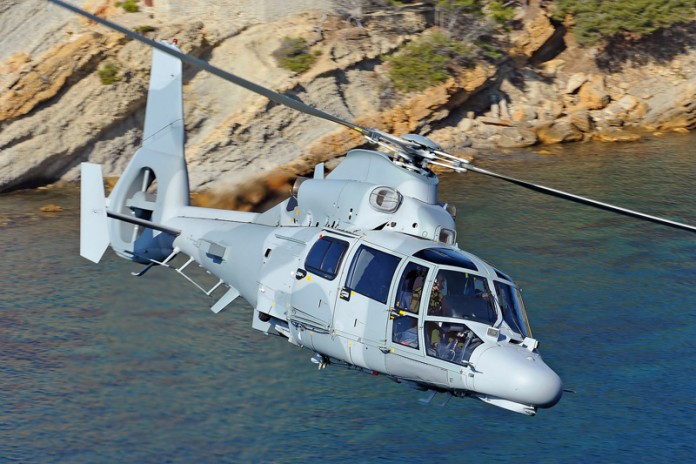
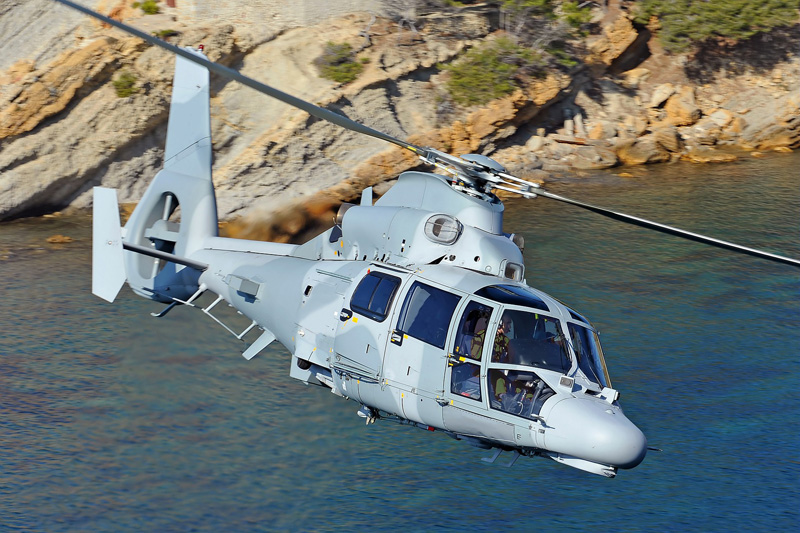
    Indonesia will receive 11 AS565MBe naval helicopters, to be configured for anti-submarine warfare missions, operating from ships and shore. Photo: Airbus Helicopters


    Indonesia will receive 11 AS565MBe naval helicopters, to be configured for anti-submarine warfare missions, operating from ships and shore. Photo: Airbus Helicopters
    Indonesia will receive 11 AS-565MBe naval helicopters, to be configured for anti-submarine warfare missions, operating from ships and shore. Photo: Airbus Helicopters

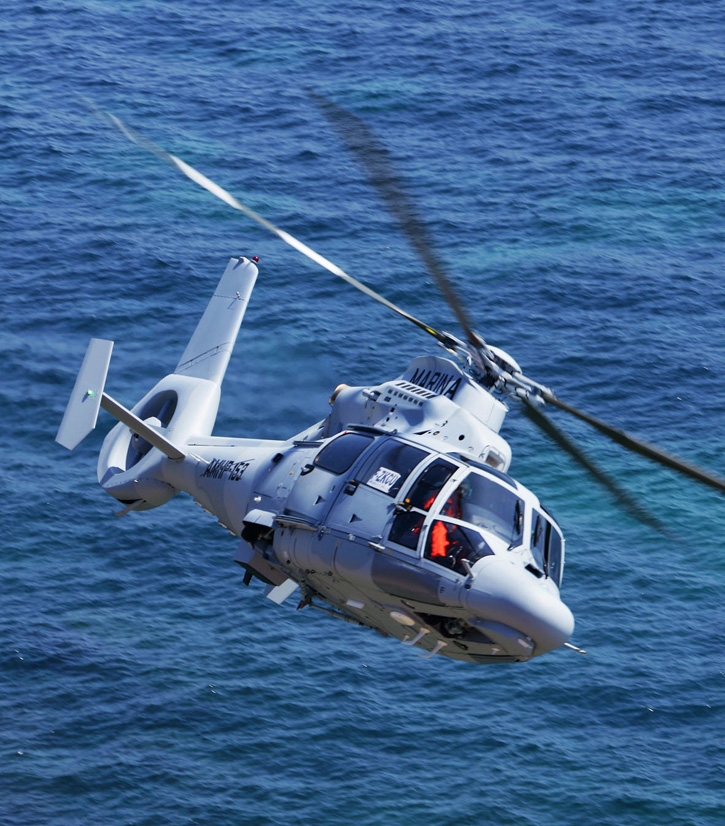
    Airbus Helicopters has been selected to provide 11 AS-565 MBe Panther helicopters for the Indonesian Navy, Airbus announced today. These rotorcraft will to be used for naval anti-submarine warfare (ASW) missions, supporting operations from land bases and ships. The helicopters are scheduled for delivery within three years to Indonesia, where they will be outfitted for their ASW mission, before delivery to the Indonesian Navy. The mission equipment include the Helicopter Long-Range Active Sonar (HELRAS) dipping sonar and torpedo launching system.

    Panther now becomes one of the world’s most capable light/medium anti-submarine warfare platforms, with an advanced ASW suite and the capability to operate from corvettes or small frigates

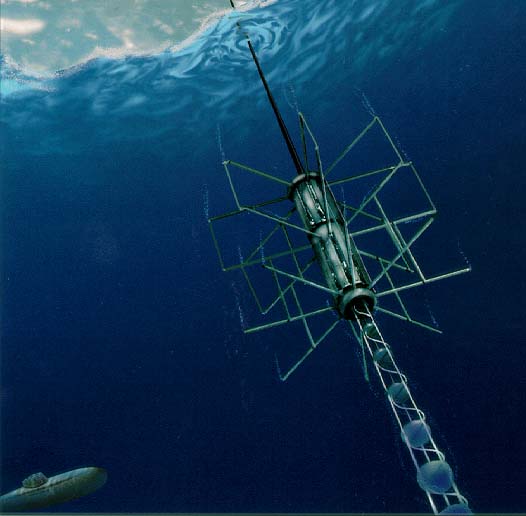
    HELRAS DS-100 produced by L-3 comprises a descending vertical transmit array of seven projector elements and a receive array of eight hydraulically driven arms that expand to a diameter of 2.6 meters when deployed. The total weight of the system is about 350 kg. The AS-565 is configured to carry the Raytheon Mk 46 or Whitehead A.244/S lightweight ASW torpedoes.

    HELRAS DS-100 dipping sonar. Photo: L-3 Systems.
    HELRAS DS-100 dipping sonar. Photo: L-3 Systems.

    The DS-100 is A 1.38 kHz version of the popular AQS-18A dipping sonar. The DS-100 is capable of operating at depths to 500 meters designed for long-range surveillance and underwater search. Using high resolution doppler processing and long shaped pulses, it can detect submarines even very low speed (near zero doppler signal). According to L-3, the DS-100 is also suited to redetection, target localization and weapon delivery against submarines at deep and shallow waters. The HELRAS is used with several types of helicopters, including the Italian Navy EH-101 and SH-3. A version of the system is also tailored for the ASW variant of the European NH-90.

    panther565mb725
    AS-565MBe is a navalized military variant of the French Panther. Photo: Airbus Helicopters

    “The Panther now becomes one of the world’s most capable light/medium anti-submarine warfare platforms, with an advanced ASW suite and the capability to operate from corvettes or small frigates,” said Philippe Monteux, Head of Region South East Asia & Pacific at Airbus Helicopters.

    He added that the Panther’s ASW capability would meet the naval requirements of other countries in the region.

    Although the Panther has been available for many years, the new contract represents its first penetration to the Asian market. The reason for its slow entry to market is probably the competition form the Chinese built variant – Harbin Z-9 which was based on the SA-565 civilian variant – Dauphin. Beyond the Chinese Army and Navy the Z-9 is operating with Cambodia, Laos and Pakistan.

    This order will add to the Indonesian Armed Forces’ fleet of Airbus Helicopters rotorcraft serving the Indonesian military, which currently operates the light EC120 Colibris for training; the Fennecs and BO-105 for light attack missions and the Pumas and Super Pumas operated by the Air Force. The Indonesian Air Force is expecting to receive the EC725 for combat search and rescue missions.

    PT Dirgantara, Airbus’ strategic industrial partner in Indonesia is also involved in other programs, including the C-295 military transport. The agreements were secured by PT Dirgantara Indonesia as a result of its long-standing cooperation and strategic alliance with Airbus Helicopters. The President of PT Dirgantara Indonesia, Budi Santoso explained, “This latest contract demonstrates the strength and efficiency of our commercial and industrial partnership with Airbus Helicopters. Together, we are able to identify and deliver the most modern and cost-effective solutions for the Indonesian Government and at the same time associate the significant involvement of the Indonesian industry.”

    F-35C Completes First Arrested Landing Aboard Aircraft Carrier

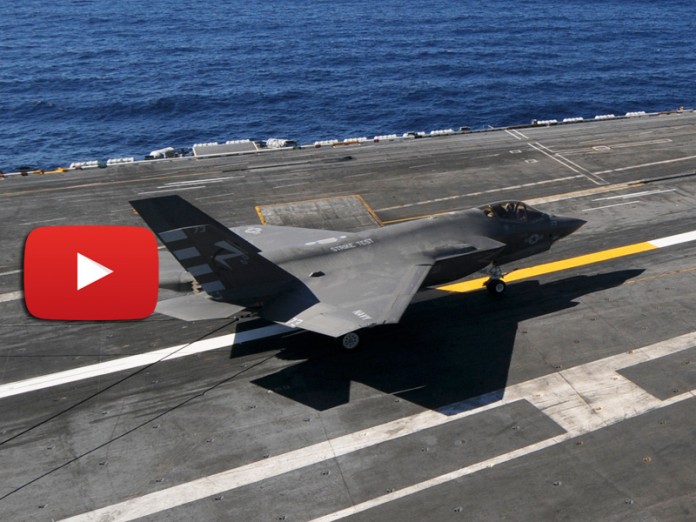
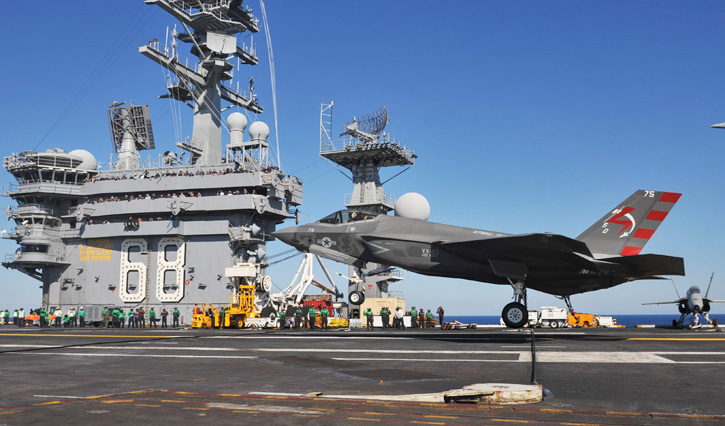
    An F-35C Lightening II carrier variant Joint Strike Fighter conducts it’s first arrested landing aboard the aircraft carrier USS Nimitz (CVN 68). Nimitz is underway conducting routine training exercises. (U.S. Navy photo by Kelly M. Agee)
    An F-35C Lightening II carrier variant Joint Strike Fighter conducts it’s first arrested landing aboard the aircraft carrier USS Nimitz (CVN 68). Nimitz is underway conducting routine training exercises. (U.S. Navy photo by Kelly M. Agee)

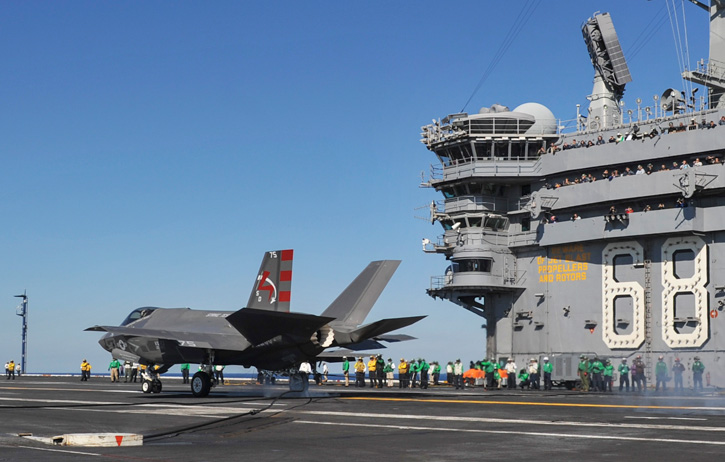
    The Navy made aviation history Nov. 3 as an F-35C Lightning II carrier variant Joint Strike Fighter conducted its first arrested landing aboard an aircraft carrier off the coast of San Diego. The arrested landing is part of initial at-sea Developmental Testing I (DT-I) for the F-35C, which commenced Nov. 3 and is expected to last two weeks.

    Navy test pilot Cmdr. Tony Wilson landed F-35C test aircraft CF-03 at 12:18 p.m. aboard USS Nimitz’s (CVN 68) flight deck.

    I’m very excited to see America’s newest aircraft on the flight deck of her oldest aircraft carrier, the USS Nimitz

    “Today is a landmark event in the development of the F-35C,” said Wilson, a Navy test pilot with Air Test and Evaluation Squadron (VX) 23. “It is the culmination of many years of hard work by a talented team of thousands. I’m very excited to see America’s newest aircraft on the flight deck of her oldest aircraft carrier, the USS Nimitz.”

    The successful recovery of the F-35C represents a step forward in the development of the Navy’s next generation fighter and reinforces Navy-industry partnership goals to deliver the operational aircraft to the fleet in 2018.

    Commander, Naval Air Forces, Vice Adm. David H. Buss, was aboard Nimitz to witness the milestone event. “We begin the integration of the next generation of warfighting capability into our carrier-based air wings,” said Buss. “This important milestone is yet another indicator of Naval Aviation’s ongoing evolution to meet future threats and remain central to our future Navy and National Defense Strategy.”

    By 2025, the Navy’s aircraft carrier-based air wings will consist of a mix of F-35C, F/A-18E/F Super Hornets, EA-18G Growlers electronic attack aircraft, E-2D Hawkeye battle management and control aircraft, MH-60R/S helicopters and Carrier Onboard Delivery logistics aircraft.

    DT-I is the first of three at-sea test phases planned for the F-35C. During DT-I, the test team from the F-35 Lightning II Pax River Integrated Test Force (ITF) has scheduled two F-35C test aircraft from Naval Air Station Patuxent River in Patuxent River, Maryland to perform a variety of operational maneuvers, including various catapult takeoffs and arrested landings. ITF flight test operations also encompass general maintenance and fit tests for the aircraft and support equipment, as well as simulated maintenance operations.

    As with the initial testing of any new aircraft, the goal is to collect environmental data through added instrumentation to measure the F-35C’s integration to flight deck operations and to further define the F-35C’s operating parameters aboard the aircraft carrier.

    The ITF test team will analyze data obtained during flight test operations, conduct a thorough assessment of how well the F-35C operated in the shipboard environment, and advise the Navy to make any adjustments necessary to ensure that the fifth-generation fighter is fully capable and ready to deploy to the fleet in 2018.

    “Our F-35 integrated test team has done an amazing job preparing for today. This will be one landing out of thousands more that will happen over the next few decades,” said Lt. Gen. Chris Bogdan, F-35 Program Executive Officer. “For months, we’ve been working with the Nimitz crew, Naval Air Forces, and our industry partners, Lockheed Martin and Pratt & Whitney, as well as their suppliers, to prepare and train for this event. We plan on learning a lot during this developmental test and will use that knowledge to make the naval variant of the F-35 an even more effective weapons platform.”

    A different video shows the impressive short take off performance of the F-35B Short Take Off and Vertical Landing capability, to be utilized by the US Marine Corps and Royal Navy for operations on board flat deck carriers that do not have catapults and arresting gear.

    The F-35C combines advanced stealth with fighter speed and agility, fused targeting, cutting-edge avionics, advanced jamming, network-enabled operations and advanced sustainment. With a broad wingspan, reinforced landing gear, ruggedized structures and durable coatings, the F-35C is designed to stand up to harsh shipboard conditions while delivering a lethal combination of fighter capabilities to the fleet.

    The F-35C will enhance the flexibility, power projection, and strike capabilities of carrier air wings and joint task forces and will complement the capabilities of the F/A-18E/F Super Hornet, which currently serves as the Navy’s premier strike fighter.

    An F-35C Lightening II carrier variant Joint Strike Fighter conducts it’s first arrested landing aboard the aircraft carrier USS Nimitz (CVN 68). (U.S. Navy photo by Kelly M. Agee)
    An F-35C Lightening II carrier variant Joint Strike Fighter conducts it’s first arrested landing aboard the aircraft carrier USS Nimitz (CVN 68). (U.S. Navy photo by Kelly M. Agee)

    Cyber Earthquake? Millions of websites compromised by serious Drupal infection

    drupliconhacked450As many as 12 million websites powered by the Drupal 7 open source content management platform may have been compromised by cyber attacks exploiting the system’s database management system. Since Drupal is widely used by major brands worldwide – news agencies, defense industry and government, including the White House websites,  security experts are concerned that its wide exposure that could lead to daisy-chain propagation of this cyber infection.

    ince Drupal is widely used by major brands worldwide, including news agencies, government and defense industry sites, security experts are concerned that its exposure that could lead to daisy-chain propagation of this cyber infection. Image: Drupal website
    Since Drupal is widely used by major brands worldwide, including news agencies, government and defense industry sites, security experts are concerned that its exposure that could lead to daisy-chain propagation of this cyber infection. There was no report that the white house website was compromised. The image is brought only for illustration purpose. Image: Drupal website

    The open source content management system developer Drupal identified the malware on October 15, and immediately provided an upgrade (7.32) and patch to block the vulnerability but apparently the cyber attack was faster and more decisive than 12 million users – However, two weeks later, Drupal added another warning to its users. Multiple exploits have been reported in the wild following the release of this security advisory, any Drupal 7 site which did not update within seven hours after the advisory was released should be considered as compromised”. Drupal said in an unprecedented announcement. “Attackers may have copied all data out of your site and could use it maliciously. There may be no trace of the attack.” the warning said.

    Finding your website ‘patched’ is not a relief either, Drupal warned. “If you find that your site is already patched but you didn’t do it, that can be a symptom that the site was compromised – some attacks have applied the patch as a way to guarantee they are the only attacker in control of the site.” The vulnerability made it possible for attackers to seize control of a server or use websites to infect unsuspecting users with malware.

    “Attackers may have copied all data out of your site and could use it maliciously. There may be no trace of the attack”

    For websites infected by the malware Drupal recommends to take drastic actions up to complete site restoration from sanitised, non infected backups on a new server. (guidance)

    Open systems and content management systems are becoming an increasingly popular target for cyber attacks. Some are targeting the content management system itself such as Drupal and WordPress, others target the infrastructure controlling the servers, such as the Unix open source operating system, which was targeted a month ago by the Shel Shock vulnerability, used to build botnets that can launch Distributed Denial of Service (DDoS) attacks as well as spread malware. Heartbleed, another malware targeting open systems was uncovered in April this year, targeting the open source security encryption service used for secure site access.

    “any Drupal 7 site which did not update within seven hours after the advisory was released should be considered as compromised”

    “This is a recipe for disaster,”Daniel Cid, chief technology officer and founder of website security firm Sucuri said in a blog post. “If it’s true and those websites are in fact compromised, they could be leveraged and daisy chained for a massive malware distribution campaign. Take that into consideration with the size and audience of brands and the impact grows exponentially.”

    Defense-Update is not operating on the Drupal system but has taken extremely harsh measures to protect its systems and secure its service, maintaining the information safety and security of our subscribers and visitors.

    Cyber Intelligence Report – November 1, 2014

    cyber_report

    ISRAEL

    Israel Defense Forces C4I command capabilities were great force during Protective Edge operation

    In the aftermath of Operation Protective Edge, more details have been revealed about the involvement of the C4I Corps. As Uzi Navon, Sales Senior Director at Oracle, explained from an outside perspective: “The ICT was a force multiplier and had a contribution for winning the battle… Through the operation the IDF had handled huge amounts of information, more than in the past. This trend will only expand using advanced tools to handle different types of information.” One of the units on this project was Mazpen (Military Systems for Commanded, Control, and Management). Mazpen is considered the biggest program in the IDF in regards to working in the field of data analysis. The head of the unit, Major S., spoke in the C4I site and explained the unit’s job in Protective Edge: “Most of our work in Protective Edge was to develop tools and that with them we could explore and develop the ability for commanders to observe data and get to simple conclusions and understanding of what is happening in the battlefield.” Another contribution from the C4I Corp emerged from the Head of the Core, Brigadier General Eyal Zingler: “In one of the events, a land force that was near the shore got assistance from a navy missile ship that was in the middle of the sea. They both were on the same command and control system, connecting with each other live. The infantry marked a target, and the missile ship hit it… Protective Edge reflects a decade of working for the fulfilment of IDF networking idea.”


    USA

    US hackers targeted White House

    It has been reported by US officials that hackers recently targeted the White House. The White House cyber security department detected abnormal cyber activity on the computer system of the Executive Office of the President (EOP) network. According to White House officials, this suspicious cyber activity was detected on an unclassified computer usually used by members of the EOP. Moreover, they declared: “Our computers and systems have not been damaged, though some elements of the unclassified network have been affected. The temporary outages and loss of connectivity that users have been experiencing is solely the result of measures we have taken to defend our networks.” For now, there is no official explanation about who the hackers are and from where they come. However, there is some strong suspicion the hackers are located in Russia. Russia is often listed as targeting the US in attempting to extract sensitive data. Even with a worldwide leading cyber security department exclusive to the White House, computer networks can become vulnerable when a state or a state sponsored group is behind the attack. During the past few years, the U.S. government has experienced several attacks targeting government information and military data in order to obtain strategic and economic advantages.

    Jewish temple in Florida targeted in worldwide pro-ISIS cyber-attack

    A few weeks ago, a local Jewish temple in Florida was hit by a cyber-attack. Temple Kol Ami Emanu-El’s website was hijacked with anti-Semitic messages, including the following: “Calls for the elimination of ‘America and allies” and “I love you ISIS.” The incident was originally considered a random attack by cyber pranksters. Lately, it has become clear the hack was part of a global attack targeting more than 200 sites reportedly conducted by a group of Arab teens. The group claiming responsibility for the attack is called Team System Dz. This cyber group participated in the electronic protests of #OpSaveGaza against Israel during Operation Protective Edge. They were able to gain access to websites through admin panel takeovers and deface web pages with anti-Israel content.


    RUSSIA

    Russia close to information security agreement with China

    Russia and China are very close to an agreement of cooperation in the field of information security. The new treaty is more ambitious than the previous resolution signed by Moscow and Washington in 2013. The contract will formulate general points of view of both parties regarding their use of information technology to undermine the sovereignty, social, economic, and political stability of the States. Recently, Russia signed an agreement with China dealing with large transactions in the telecommunications sphere, working with the Huawei Company regarding running an underwater communications lines project worth 2.5 billion roubles.


    MIDDLE-EAST

    ISIS closes different cyber platforms to avoid attacks

    Since US air strikes against ISIS began, ISIS has begun developing a new strategic outline to avoid detection from the US and other enemy countries and groups. Originally, ISIS encouraged the uploading of graphic videos; however, these videos actually have valuable intelligence material for the American National Security Agency, causing ISIS to begin dealing with leaks. An Arabic language manual distributed among ISIS fighters gave explicit instructions on how to remove metadata from content uploaded online. The manual notifies fighters not to tweet names or locations and to avoid identifiable pictures of individuals.


    CHINA and APAC

    China blames US for disrupted cybersecurity talks

    Discussions were held in Boston with State Councilor Yang Jiechi and US Secretary of State John Kerry, with cybersecurity as one of the topics. A statement published on China’s Ministry of Foreign Affairs website describes friction in the on-going cooperation: “Dialogue and cooperation between China and the US in the field of cybersecurity is faced with difficulty due to the wrong actions taken by the American side.” Yang was also quoted stating that the US should take proactive actions and create conditions in order to restart the dialogue and cooperation between the two countries. Most recently, the US Justice Department charged members of the People’s Liberation Army with stealing trade secrets from US companies.

    Azerbaijan and Lithuania discussing cyber cooperation

    Senior officials from both countries met for discussions when a delegation from Lithuania led by Minister of Transport and Communications of Lithuania Rimantas Sinkevicius was met by Azerbaijani Minister of Communications and High Technologies Ali Abbasov. Minister Ali Abbasov said there are good prospects for further expansion of relations between Azerbaijan and Lithuania. Minister Rimantas Sinkevicius said bilateral relations between the two countries are developing successfully. Speaking on the cooperation with Azerbaijan, Sinkevicius said he supported developing further joint activities in different fields, in particular cybersecurity, money transfers in the field of mail, and e-signature. He also stressed the importance of joint participation in Horizon 2020 – the EU’s Research and Innovation Program.


    AFRICA

    Cyber crooks masquerade as army generals

    The Nigerian Army has notified the general public of the activities of fraudsters using a fake social networking account and telephones numbers. The reported scam comes a few days after the Nigeria Senate passed a bill prohibiting cybercrime and other related offence into law. Following incessant online crimes in Nigeria, the Senate passed the Cyber Crime bill, which stipulates a seven-year jail term for any culprit found guilty of cyber crimes or internet fraud. The bill titled “A Bill for an Act to Provide for the Prohibition, Prevention, Detection, Response, Investigation, and Prosecution of Cybercrimes,” aims to punish interception of data, system interference, and misuse of devices.

    South Africa government announced new committee to combat cyber threats

    The cyber response committee has been established to coordinate and monitor the development of policies and strategies to fight cyber-crime. Police Minister Nkosinathi Nhleko says the cyber response committee has submitted policies that seek to strengthen the government’s ability to deal with cyber crime, including policies that propose a cyber security policy approach. Justice and Correctional Services Minister Michael Masutha has also encouraged the public to be more attentive to cyber criminals. Masutha says the government support efforts to strengthen legislation in the fight against cyber crime.


    EUROPE

    UK: Fifty per cent of population fall victim to cybercrime

    A recent report made by the Safe Online organisation revealed that half of the UK population has fallen victim to cyber criminality. The report, based on a sample population survey of 2000 users, revealed that cyber criminals have already targeted approximately 50% of the sample. The survey indicated that the attacks included money fraud, identity theft, hacking, online abuse, and viruses. Interrogated people added that besides the financial prejudice, they often felt marked by such an experience. However, the report also noted that 45% of victims of cybercrime are changing their behaviour immediately by creating stronger passwords, updating their antivirus software and operating systems, paying closer attention to their emails, and increasing the security level of their social network accounts. To perform these attacks, hackers use various techniques such as SQL and code injections, Trojan horses, worms, brute force attacks, etc. According to the UK National Fraud Intelligence Bureau, online fraud raked in £670m ($1125m) during the 2013-2014 period. Due to the large number of banks and financial institutions, the UK is an important hunting ground for any kind of cyber criminal. To counter these cyber threats, the UK private sector is constantly investing in cyber security and recruiting cyber specialists. Besides the private sector, the UK can also count on the National Crime Agency law enforcement, which includes a national cybercrime unit to counter national cyber threats.

    inss150About the Cyber Intelligence Report:

    This document was prepared by The Institute for National Security Studies (INSS) – Israel and The Cyber Security Forum Initiative (CSFI) – USA to create better cyber situational awareness (Cyber SA) of the nature and scope of threats and hazards to national security worldwide in the domains of cyberspace and open source intelligence. It is provided to Federal, State, Local, Tribal, Territorial and private sector officials to aid in the identification and development of appropriate actions, priorities, and follow-on measures. This product may contain U.S. person information that has been deemed necessary for the intended recipient to understand, assess, or act on the information provided. It should be handled in accordance with the recipient’s intelligence oversight and/or information handling procedures. Some content may be copyrighted. These materials, including copyrighted materials, are intended for “fair use” as permitted under Title 17, Section 107 of the United States Code (“The Copyright Law”). Use of copyrighted material for unauthorized purposes requires permission from the copyright owner. Any feedback regarding this report or requests for changes to the distribution list should be directed to the Open Source Enterprise via unclassified e-mail at: [email protected]. CSFI and the INSS would like to thank the Cyber Intelligence Analysts who worked on collecting and summarizing this report.


    Virgin Galactic rocket plane crash – pilot Killed

    spaceshiptwooct31725
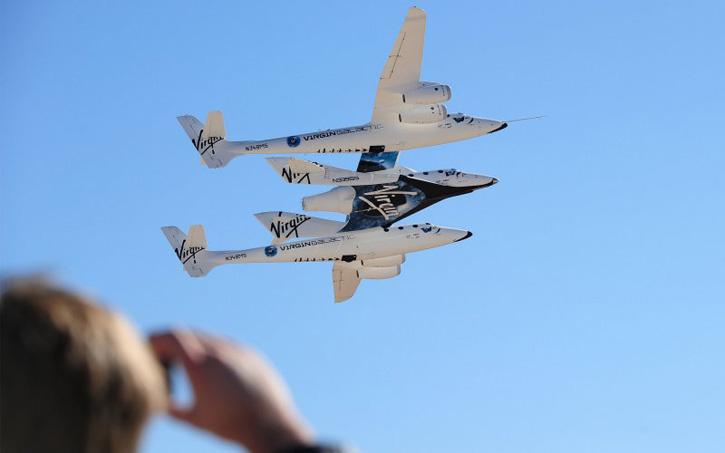
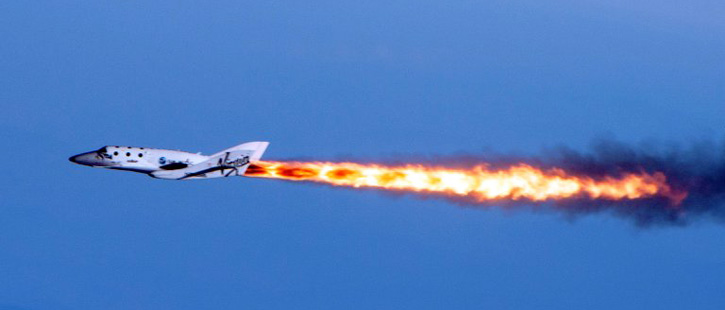
    WhiteKnightTwo carries SpaceShipTwo on one of its recent flights from Mojave.
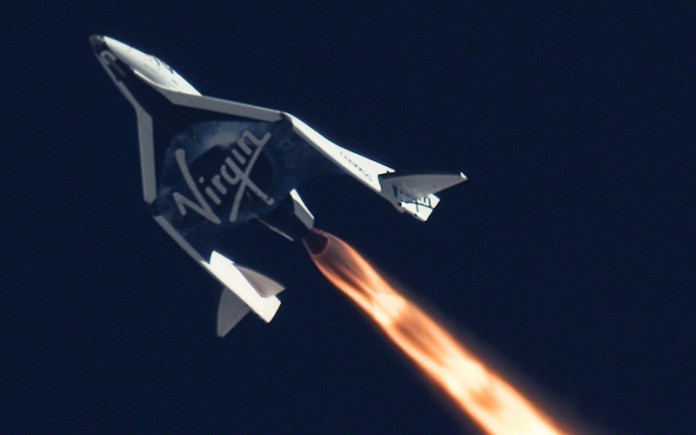
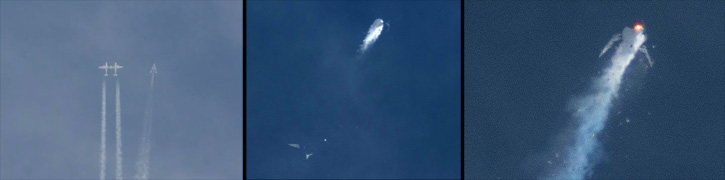
    Virgin Galactic SpaceShipTwo seen seconds before the mishape (left), as it separates from its mothership WhiteKnightTwo. Then, the SS2 is seen disintegrating in the air after the rocket engine blasted off.
    Virgin Galactic SpaceShipTwo seen seconds before the mishape (left), as it separates from its mothership WhiteKnightTwo. Then, the SS2 is seen disintegrating in the air after the rocket engine blasted off.
    The crash site near Mojave showing debris of the SS2. Photo: via Twitter
    The crash site near Mojave showing debris of the SS2. Photo: via Twitter

    Virgin Galactic’sVirgin’s partner Scaled Composites conducted a powered test flight of SpaceShip Two (SS2) today over California. On that flight the vehicle broke apart after the rocket motor ignited, the vehicle crashed near Mojave. One of the two test pilots on board was killed, the second apparently escaped and is seriously injured, authorities said. The spacecraft exploded at about 10:00 AM local time, shortly after the hybrid solid rocket motor was ignited, after the rocket plane separated from its ‘mothership’ – WhiteKnightTwo at an altitude of about 50,000 ft. Both vehicles were developed by Mojave-based Scaled Composites, Virgin’s development partner on this program.

    The cause of the fatal mishape is not  known yet but investigators have recovered SpaceShipTwo’s propellant tanks and engine intact, indicating there was no explosion. At this stage, human error isn’t ruled out as SpaceShipTwo’s rotating tail boom, a key safety feature for re-entering the atmosphere, rotated early – investigators found.

    Michael Alsbury, 39, has been identified as the co-pilot who died. Peter Siebold, the 43-year-old pilot riding in the right-hand seat, parachuted to the ground and was recovering at a nearby hospital, Scaled Composites said in a statement Reuters reported. Although the crew were equipped with parachutes, the pilot who was killed was found “still in seat,” AP reported. The other reportedly escaped and evacuated to a hospital. A day after the fatal accident Virgin Galactic founder Richard Barnson said the company will continue with its long running plans to become the world’s first spaceline (Aviation Week).

    The tandem plane took off from the Mojave Air and Space port carrying the SS2 rocket plane to its initial ascend into the edge of space. On that mission SS2 was flight testing its rocket engine with a new propellant for the first time. It was the first time the space ship flew in more than nine months and the test team was hopeful to get the ship higher and faster than ever before. “We’re going to be shooting for increased burn duration on the next flight, when we get there,” Virgin Galactic CEO George Whitesides told NBC back in May.

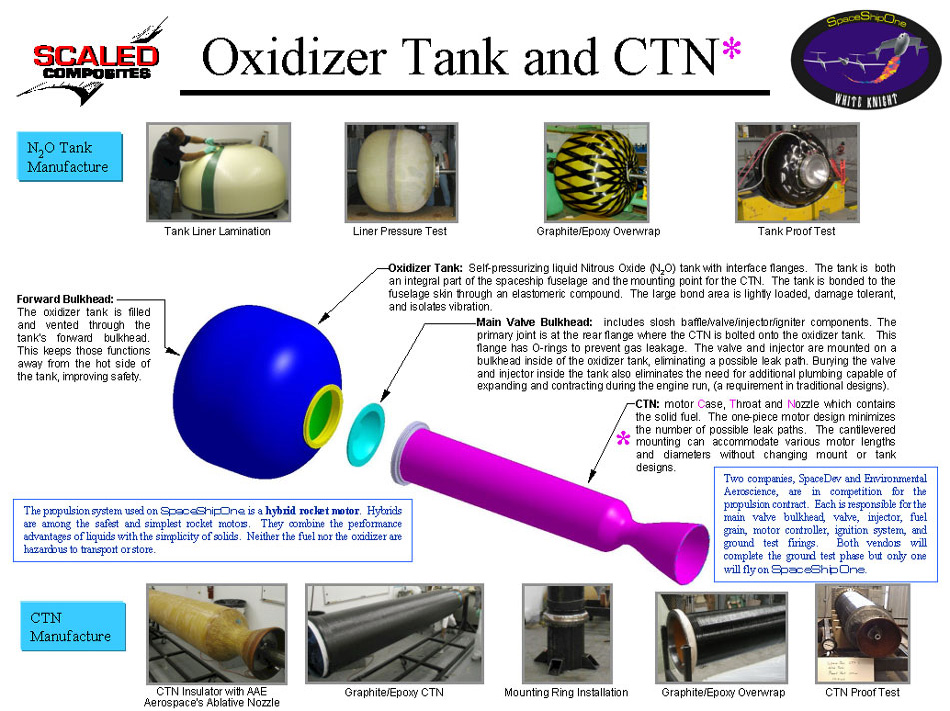
    The hybrid propulsion unit of SS2 was built by Sierra Nevada Corp. It is a scaled-up version of the motor that Sierra Nevada's SpaceDev subsidiary provided for SpaceShipOne - the SS2 predecessor that flew in 2004. It is powered by a combination non-toxic solid fuel and nitrous oxide.
    The hybrid propulsion unit of SS2 was built by Sierra Nevada Corp. It is a scaled-up version of the motor that Sierra Nevada’s SpaceDev subsidiary provided for SpaceShipOne – the SS2 predecessor that flew in 2004. It is powered by a combination non-toxic solid fuel and nitrous oxide.

    This mishape was not the first fatality experienced with this program. In 2007 the developers experienced an explosion of a similar rocket engine running on HTPB. The explosion happened as the engine was attached to a test bench, killing three engineers that observing the test too closely. Virgin Space Ship Enterprise, the first of the new class conducted its first powered flight on 29 April 2013.

    During that flight the engine burned for 16 seconds, taking the Enterprise from 47,000 ft to the height of 55,000 ft and speed of Mach 1.2. However, the rubber-based HTPB solid propellant experienced serious engine stability issues on firings longer than 20 seconds, thus required the use of alternative fuel. Oxidizer_Tank_and_CTNfullDuring the past months Virgin Galactic switched SpaceShipTwo’s propellant to a thermoplastic polyamid grain based fuel mixture, to increase engine performance, improve efficiency and stability. With the new rocket installed, SpaceShipTwo was expected to fly more than five times higher than it had ever flown before. Although the Polyamid grain propelled rocket was tested on the ground for several times, today’s flight was the first powered flight for the motor.

    Four weeks ago SpaceShipTwo made an unpowered, gliding flight in preparation for today’s powered flight. The recent flight was part of the flight testing program preparing SpaceShipTwo for future suborbital trips, taking adventurer passengers to the edge of outer space at an altitude of 62 miles (100 km, 328,000 ft). More than 700 customers have paid as much as $250,000 for a ride on the rocket plane. Commercial flights were to commence after the demonstration of the new motor on SpaceShipTwo.

    Virgin Galactic CEO George Whitesides announced in May 2014 the company is switching the rocket propulsion to thermoplastic polyamide, after the company has been testing HTPB propellant for several months. Whitesides said Virgin Galactic and its development partner, Scaled Composites have been testing both HTPB and the polyamide-based fuel grain for years. The hybrid rocket motor itself, and its oxidizer valve system, are produced by Sierra Nevada Corp. (SNC) for Scaled Composites. SNC is also producing a similar propulsion system for the ‘Dream Chaser’, an orbital crew vehicle SNC was offering to NASA.

    “Frankly, we had good performance from both of them, but as we look for the final range of test flights, we decided to go with the polyamide grain,” he told NBC. The polyamide plastic-based fuel showed better performance by several measures, including the capability to send SpaceShipTwo higher, he said.
    Today’s fatal mishape comes only three days after another privately funded space vehicle called ‘Antares’ rocket carrying the Cygnus, a reusable unmanned cargo spacecraft exploded on launch in Virginia.

    SpaceShipTwo has recently switched the rocket propellant to ______, from rubber based propellant that was less energetic.
    SpaceShipTwo has recently switched the rocket propellant to HTPB, from rubber based propellant that was less energetic.

    44 navies embark on the largest naval exercise spanning the Arabian Sea, Red Sea and the Persian Gulf

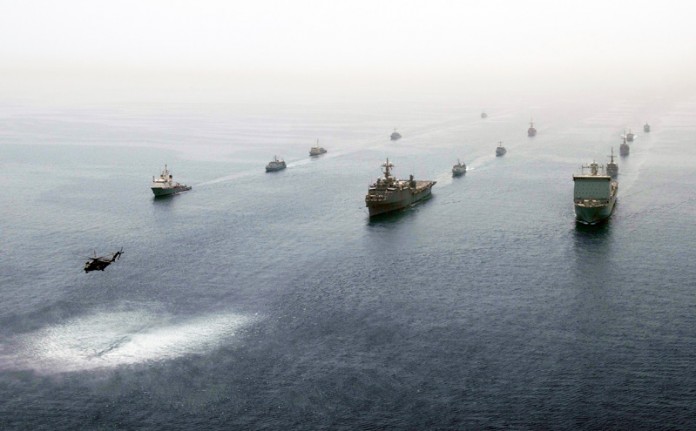
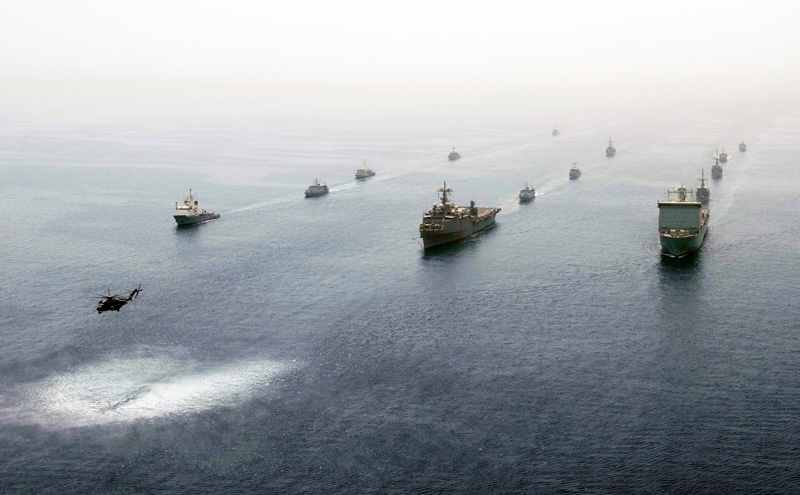
    Ships participating in International Mine Countermeasures Exercise (IMCMEX) 2013 in May 2013. This year IMCMEX 14 began November 30, and will continue through November 13. Navies from 44 nations are participating in this year's exercise, whose focus is to promote regional security through mine countermeasure operations. (U.S. Navy photo by Michael Sandberg)
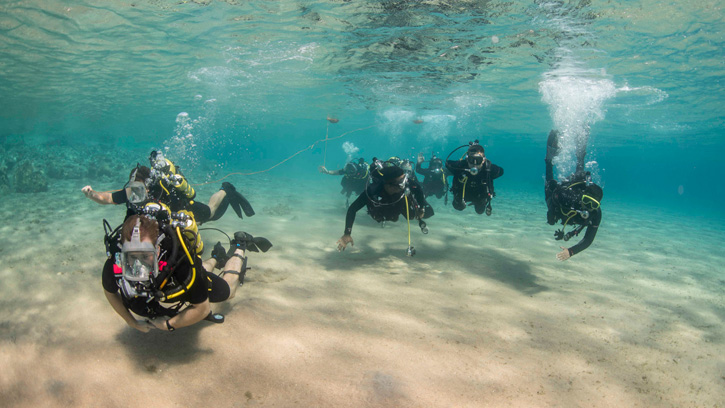
    Clearance divers from Fleet Diving Unit 3, assigned to Task Group 523.3, and divers from the Royal Naval Force of Jordan, conduct a search dive while participating in International Mine Countermeasures Exercise (IMCMEX). IMCMEX includes navies from 44 countries whose focus is to promote regional security through mine countermeasure operations in the U.S. 5th Fleet area of responsibility. (U.S. Navy photo by Daniel Rolston)
    Clearance divers from Fleet Diving Unit 3, assigned to Task Group 523.3, and divers from the Royal Naval Force of Jordan, conduct a search dive while participating in International Mine Countermeasures Exercise (IMCMEX). The exercise includes navies from 44 countries whose focus is to promote regional security through mine countermeasure operations in the U.S. 5th Fleet area of responsibility. (U.S. Navy photo by Daniel Rolston)

    The International Mine Countermeasures Exercise (IMCMEX), the largest naval exercise in the Middle East, involves 44 participating nations from six continents. The exercise began with the Maritime Infrastructure Protection Symposium in Manama, Bahrain, Oct. 27. The exercise is organized and led by U.S. Naval Forces Central Command (NAVCENT), part of the U.S. 5th Fleet, responsible for approximately 2.5 million square miles of area including the Arabian Gulf, Sea of Oman, Gulf of Aden, Red Sea and parts of the Indian Ocean and 20 countries.
    IMCMEX is an opportunity for more than 6,500 personnel from navies around the world to hone the intricate defensive techniques necessary to search for and dispose of mines, which represent a threat to all nations worldwide.

    In addition to mine warfare, IMCMEX 14 will include drills required to protect maritime infrastructure, such as harbors and oil rigs

    “I am delighted that we are hosting IMCMEX here in the Gulf,” said Commodore Keith Blount, Royal Navy, Combined Maritime Forces (CMF) deputy commander and IMCMEX lead. “Freedom of navigation on the high seas and in international straits is critical to keeping the global economy running smoothly. This exercise offers a unique opportunity for nations from across the world to work together to prove our capability to keep the sea lanes open for legitimate trade.”

    Subscribe to get the full content of this article

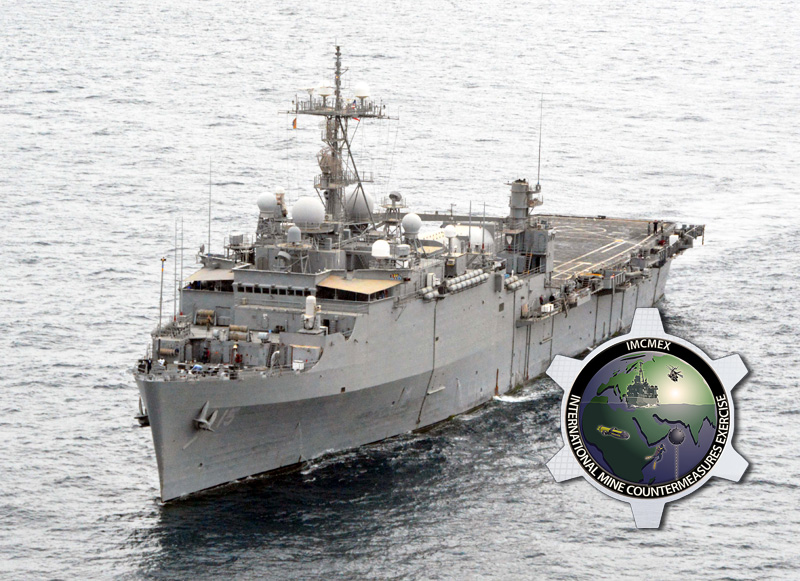
    The Afloat Forward Staging Base (Interim) USS Ponce (AFSB(I)15) transits the Arabian Gulf. Formerly designated as an amphibious transport dock ship (LPD), Ponce was recently converted and reclassified to fulfill a longstanding U.S. Central Command request for an Afloat Forward Staging Base to be forward deployed to the U.S. 5th Fleet area of responsibility. (U.S. Navy photo by Terah L. Mollise)
    The Afloat Forward Staging Base (Interim) USS Ponce (AFSB(I)15) transits the Arabian Gulf. Formerly designated as an amphibious transport dock ship (LPD), Ponce was recently converted and reclassified to fulfil a longstanding U.S. Central Command request for an Afloat Forward Staging Base to be forward deployed to the U.S. 5th Fleet area of responsibility. (U.S. Navy photo by Terah L. Mollise)

    The initial stages of IMCMEX will take place ashore, allowing participating nations to ensure they can communicate with each other, which is a challenge considering each nation has its own systems. Representatives will then have an opportunity to talk through and plan operations and maneuvers together. Once the task group sails, the ships will practice at-sea mine countermeasure operations as well as maritime infrastructure protection and maritime security operations.

    The exercise runs through Nov. 13 and will end with a chance to discuss best practices and lessons learned for future exercises.

    “This IMCMEX will continue in its focus on mine countermeasures,” said Blount. “However, it has been broadened to include opportunities for ships’ crews from around the world to conduct maritime security operations such as escorting and defending commercial shipping, as well as carrying out the drills required to protect maritime infrastructure, such as harbors and oil rigs. “The key for me is that this exercise demonstrates that the international community is capable and ready to work together in the spirit of cooperation and partnership,” he added.

    As an international task group cannot always rely on support from the shore, the International Mine Exercise Force will test the afloat staging base concept.

    Support will be provided afloat from the U.S. Navy’s Afloat Forward Staging Base (Interim) USS Ponce (AFSB(I) 15) and British Royal Fleet Auxiliary (RFA) amphibious assault vessel Cardigan Bay (L3009). Operations will include diving operations, small-boat exercises, unmanned underwater vehicle operations, port clearance tactics and will be coordinated with industry and commercial shipping.

    Ships participating in International Mine Countermeasures Exercise (IMCMEX) 2013 in May 2013. This year IMCMEX 14 began November 30, and will continue through November 13. Navies from 44 nations are participating in this year's exercise, whose focus is to promote regional security through mine countermeasure operations. (U.S. Navy photo by Michael Sandberg)
    Ships participating in International Mine Countermeasures Exercise (IMCMEX) 2013 in May 2013. This year IMCMEX 14 began November 27, and will continue through November 13. Navies from 44 nations are participating in this year’s exercise, whose focus is to promote regional security through mine countermeasure operations. (U.S. Navy photo by Michael Sandberg)


    Sikorsky pulls out of a $3.6 billion Polish helicopter tender

    Australia's first MH-60R Seahawk Romeo aircraft, complete with RAN kangaroo roundel aircraft markings, conducts its initial test flight at Sikorsky's production facility in Stratford, Connecticut, USA. Mid-Caption Project AIR 9000 Phase 8, the Seahawk Romeo helicopter program, reached a significant milestone on June 26, 2013. Carrying the tail number N48-001, Australia's first Seahawk Romeo completed its initial test flight at Sikorsky's production facility in Stratford, Connecticut, USA. The helicopter successfully passed a range of tests during the 1 hour and 20 minute sortie including controllability, engine performance, vibration analysis and navigation. A second sortie later that day completed the 'Contractor Flight Acceptance' phase. The helicopter will now be fitted with its highly capable mission systems and sensors at Lockheed Martin's facility in Owego, New York. The first two MH-60R helicopters are scheduled to be handed over to the Royal Australian Navy in December 2013.
    blackhawk
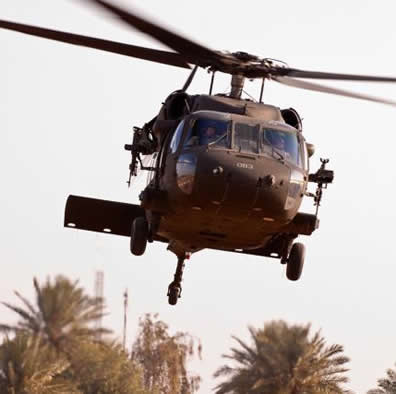
    Sikorsky announced it is withdrawing the SH-60 Blackhawk helicopter form bidding on a Polish helicopter tender over legal, technical and financial compliance issues

    The Consortium of Sikorsky Aircraft Corporation and PZL Mielec is withdrawing form a tender for utility helicopters requested by the Polish Ministry of Defense, unless terms of the procedure are amended, Sikorsky Aircraft and PZL Mielec announced today. Sikorsky said the Consortium is not opting out of the procurement but “It is impossible to submit an economically viable offer that would be 100% compliant with each and every requirement, including technical, legal and financial aspects.”

    The procurement of 70 multi-role helicopters for utility (48), search and rescue (16) and naval anti-submarine missions for the Polish air force and navy would cost about $3.6 billion (12 billion zloty). Sikorsky/Mielec was one of the contenders, its main competitor offering the SH-70i platform, locally produced in Poland. Airbus Defense & Space (formerly Eurocopter) is likely to offer the somewhat heavier EC725 Cougar, available in land and navalized versions. The Polish Swidnik SA, partnered with Anglo-Italian Agustawestland of the Italian Finmeccanica group could also offer the Italian group’s new AW-149. NH Industries, offering the NH-90 platform could also enter the fray now with Sikorsky out of the game.

    “The decision of the Consortium is not a negotiation tactic” Sikorsky said. “we strongly believe that the BLACK HAWK produced in Poland is the best solution for the Polish Armed Forces, fully satisfies its needs and increases the security of the Republic of Poland. The S-70i, produced at PZL Mielec, is the latest generation BLACK HAWK technology produced by Sikorsky.

    Israel cancels planned procurement of V-22 Tilt-Rotor aircraft

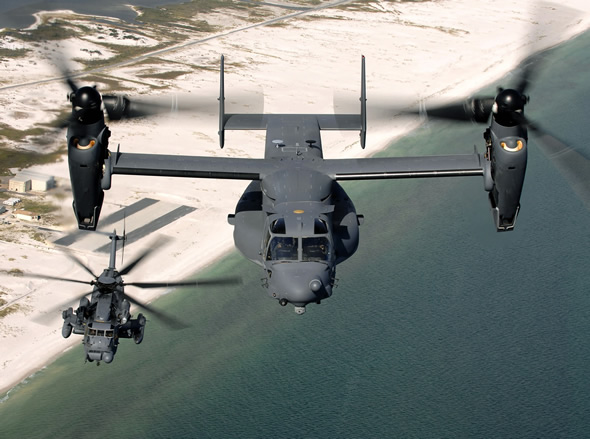
    The CV-22 Osprey will take over Air Force Special Operations Command helicopter missions when the MH-53 'Pave Low' (seen below) retires in October 2011. U.S. Air Force photo/Senior Airman Julianne Showalter
    The CV-22 Osprey will take over Air Force Special Operations Command helicopter missions when the MH-53 ‘Pave Low’ (seen below) retires in October 2011. U.S. Air Force photo/Senior Airman Julianne Showalter

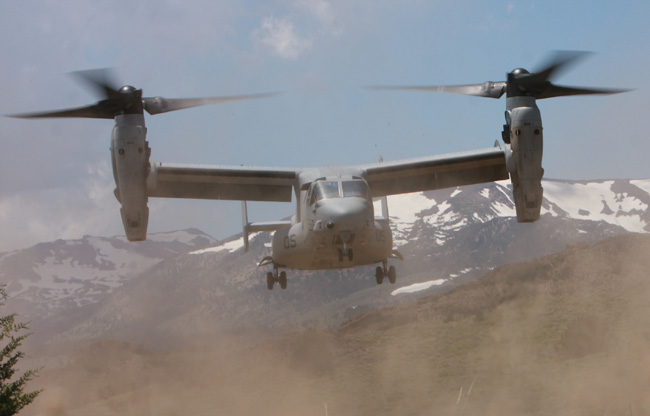
    Israel’s Ministry of Defense (IMOD) decided to cancel the planned procurement of six Bell/Boeing V-22 tilt rotor aircraft. Available funding will be allocated to the procurement of a second batch of F-35s fifth generation stealth fighters. The cancellation represented another abrupt change in Israel’s procurement plans, after the IMOD withdrew an international tended for four Offshore Patrol Boats weeks after distributing the $500 million tender to international shipbuilders.

    According to Israel’s daily newspaperIsrael Hayom, the decision was made over concerns of the costs associated with Operation Protective Edge. While opting to cancel the Osprey procurement Yaalon approved the purchase of a second flight squadron of F-35 stealth fighters.

    The US has offered the Osprey to Israel in April 2013, during the visit of US Defense secretary Chuck Hagel. With Israel positioned as the first international buyer of the tilt-rotor aircraft, the U.S. hoped for other customers to step in. At the time Israel had agreed to purchase six V-22s, but had not yet signed the contract.

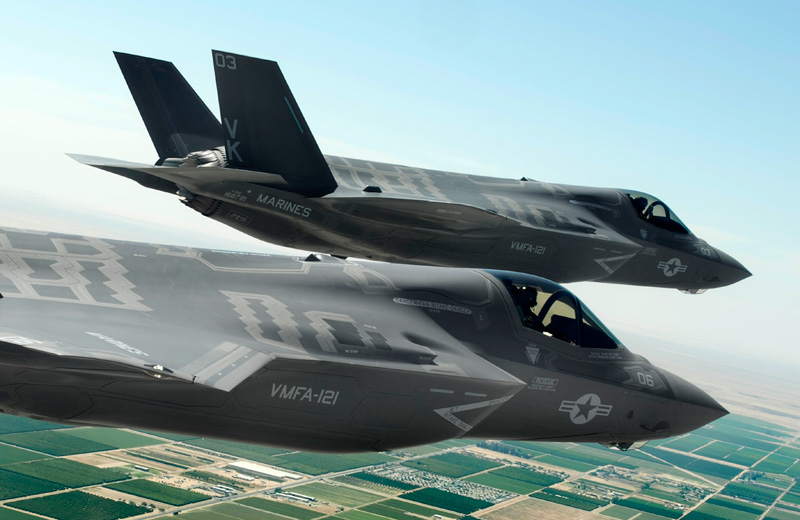
    Nixing the V-22 coincided with a decision to purchase a second flight squadron of F-35 stealth fighters. A vote approving this commitment was planned for yesterday at the Kneset,but was delayed to next week. The defense establishment believes that the committee, headed by Prime Minister Benjamin Netanyahu, will approve the acquisition of a new flight squadron.

    f35b_flying_formation

    Skunk Works and XTEND Simplify Multi-Drone Command

    0
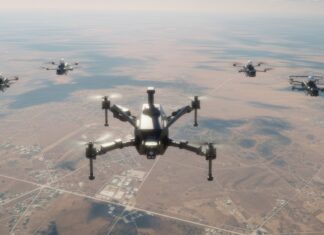
    Lockheed Martin Skunk Works® and XTEND have achieved a major milestone in JADC2 by integrating the XOS operating system with the MDCX™ autonomy platform. This technical breakthrough enables a single operator to simultaneously command multiple drone classes, eliminating the friction of mission handoffs. From "marsupial" drone deployments to operating in GPS-denied environments, explore how this collaboration is abbreviating the data-to-decision timeline and redefining autonomous mission execution.

    From Ukraine to Taiwan: The Global Race to Dominate the New Defense Tech Frontier

    0
    As traditional defense primes face mounting competition from agile “neoprimes” such as Anduril, Palantir and Helsing, the balance of innovation is shifting toward software-defined warfare and scalable, dual-use technologies, while global industry consolidation—marked by Boeing’s integration of Spirit AeroSystems and other strategic mergers—signals an intensified race to secure control over the defense technology value chain. Our Defense-Tech weekly report highlights these trends.

    Europe’s “Drone Wall”

    0
    In early October 2025, a coordinated wave of unmanned aerial system (UAS) incursions—widely attributed to Russia—targeted critical infrastructure across at least ten European nations. The unprecedented campaign exposed the fragility of Europe’s air defenses...

    Weekly Defense Update & Global Security Assessment

    0
    Executive Summary The past week (September 18-25, 2025) represents an inflection point where strategic defense concepts have transitioned from doctrine to tangible reality. An analysis of global events reveals four primary, interconnected trends shaping an...

    U.S. Air and Space Forces Push Next-Gen Programs at the AS&C 2025 Conference and...

    0
    At the 2025 Air, Space & Cyber Conference, U.S. Air Force and Space Force leaders unveiled major updates on next-generation fighters, bombers, unmanned systems, and space initiatives, highlighting both rapid innovation and critical readiness challenges as the services race to outpace global competitors. A short version is available here, with a more detailed version for subscribers.

    TADTE 2025: Reflecting Taiwan’s Strategic Themes

    0
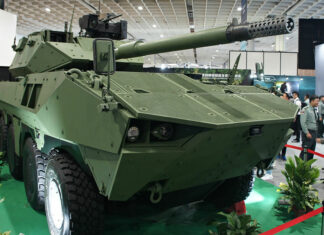
    The Taipei Aerospace & Defense Technology Exhibition (TADTE) 2025 crystallized around four dominant strategic themes that collectively illustrate Taiwan's comprehensive approach to defense modernization amid escalating regional tensions. Based on a detailed report by Pleronix (available upon request). Includes a Podcast discussion on TADTE 2025's highlighting Taiwan's four strategic themes beyond the post's coverage.

    Iron Beam 450 Completes Testing, Soon to Join With Operational Air Defense Units

    0
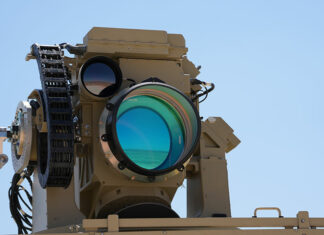
    Israel’s Iron Beam 450 high-power laser system has completed final testing, marking a major leap in air defense. Developed by Rafael, it offers precise, cost-effective interception of rockets, UAVs, and mortars, and is set for IDF deployment by 2025.