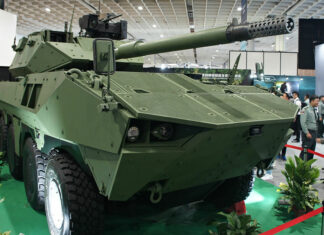


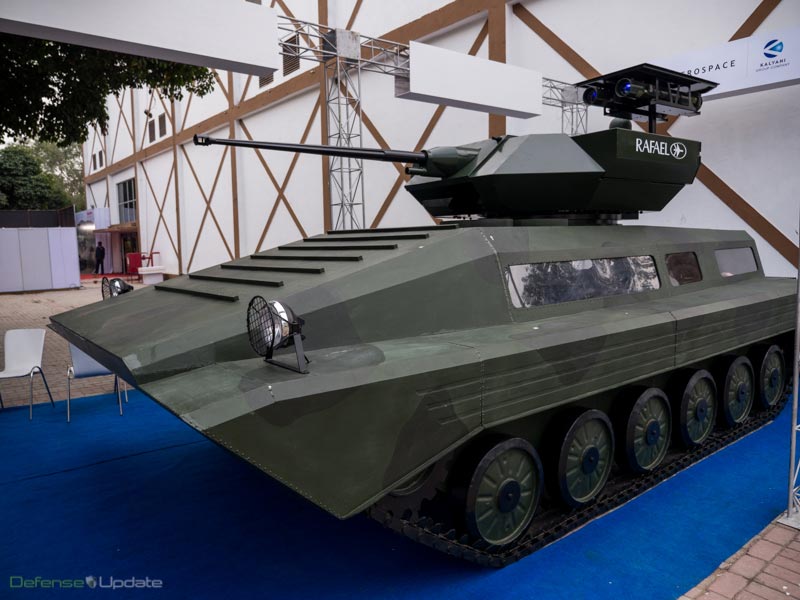

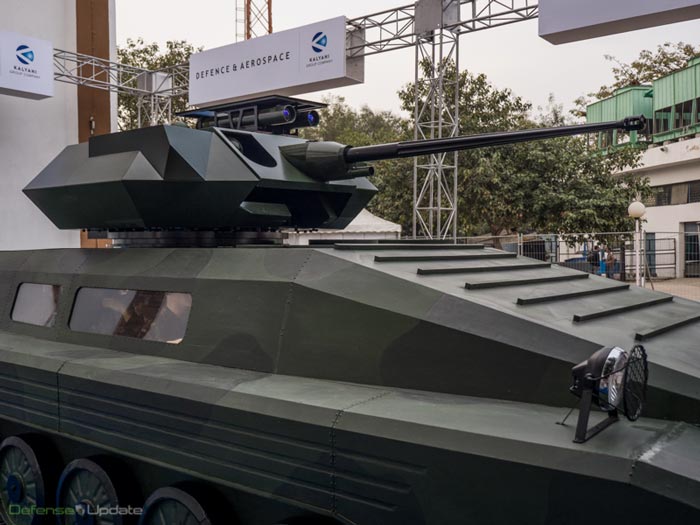
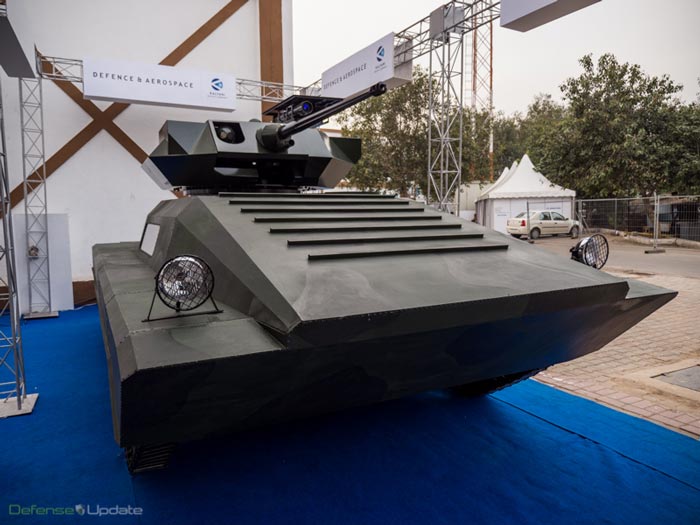

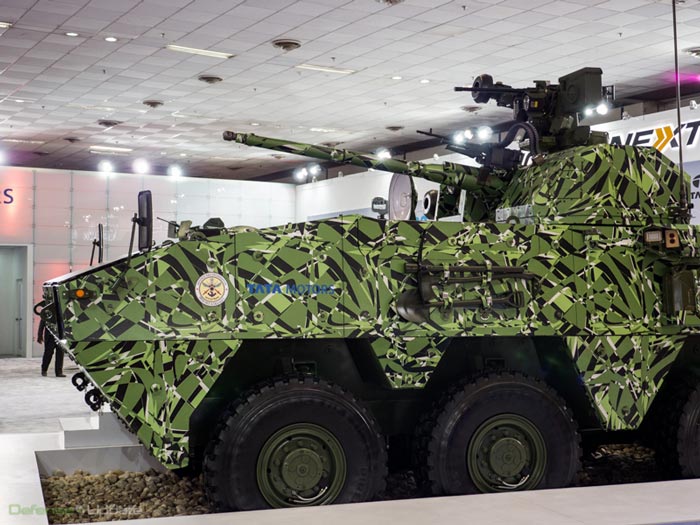
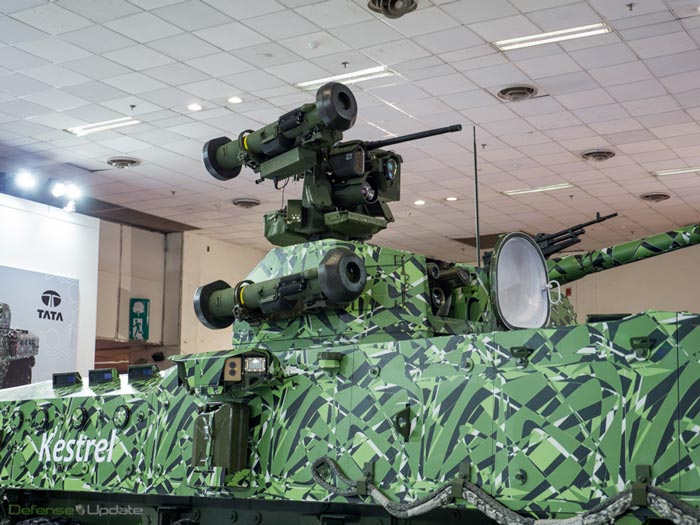
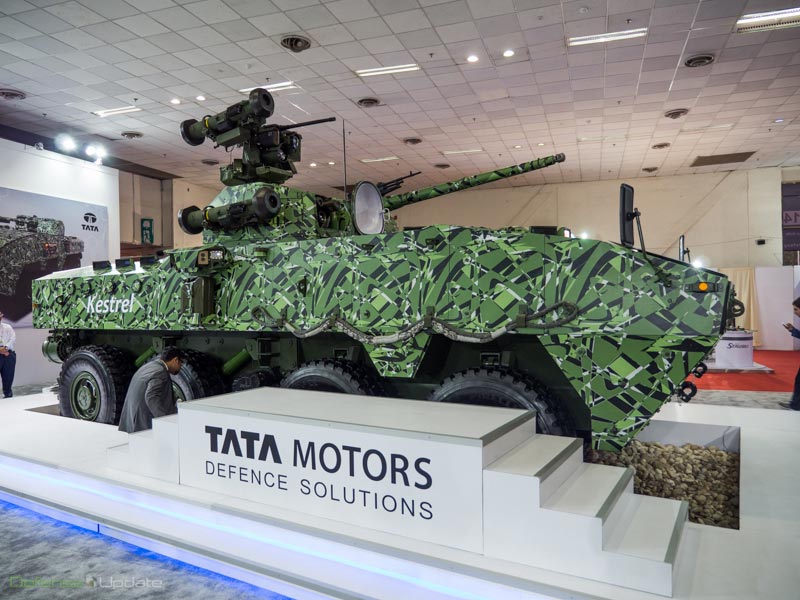
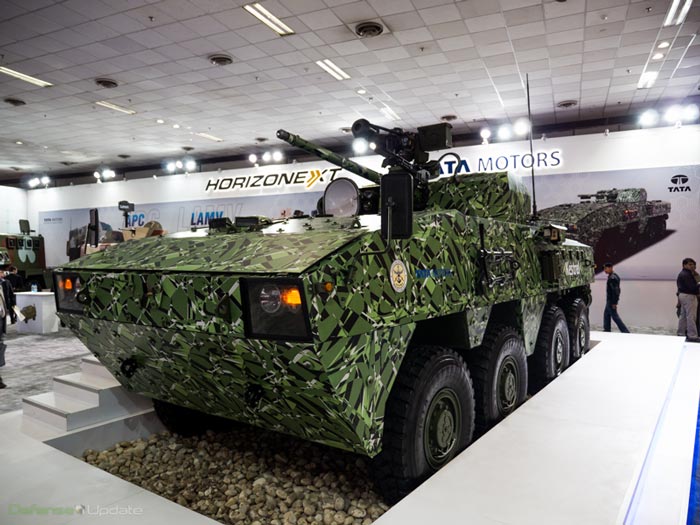
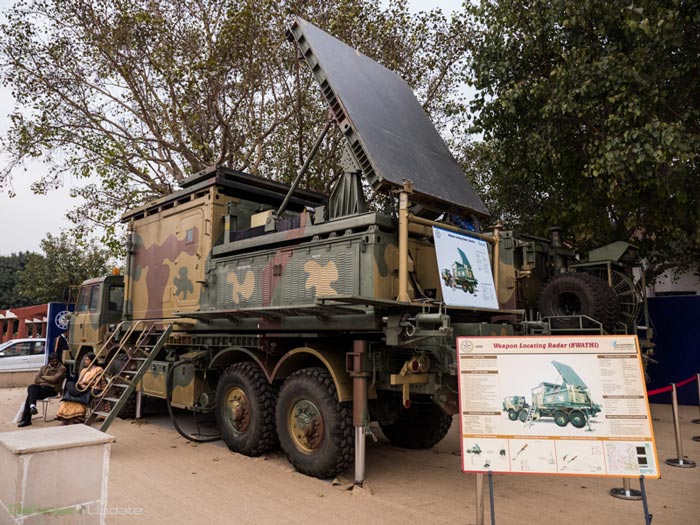
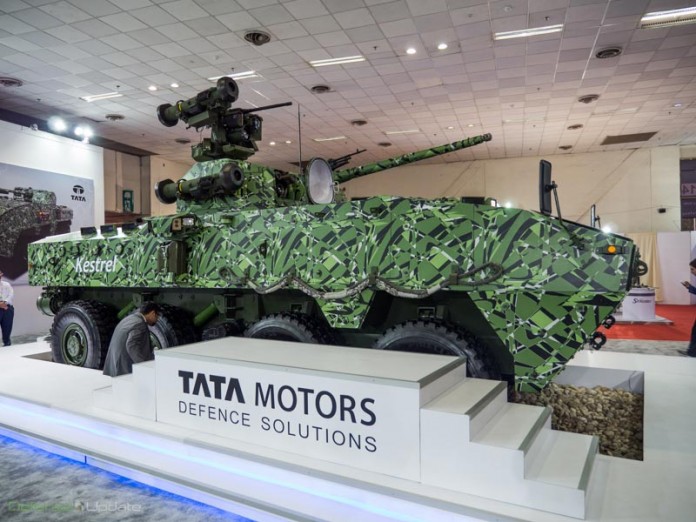
As part of TATA’S strategy to enhance the scope of its defense business Tata Motors HAS showcased the ‘Kestrel’, an 8×8 wheeled armored amphibious vehicle platform providing protected mobility and firepower to the troops.
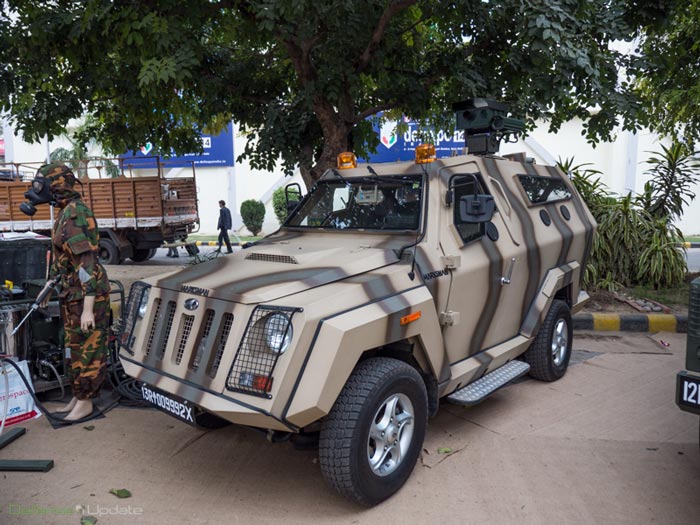
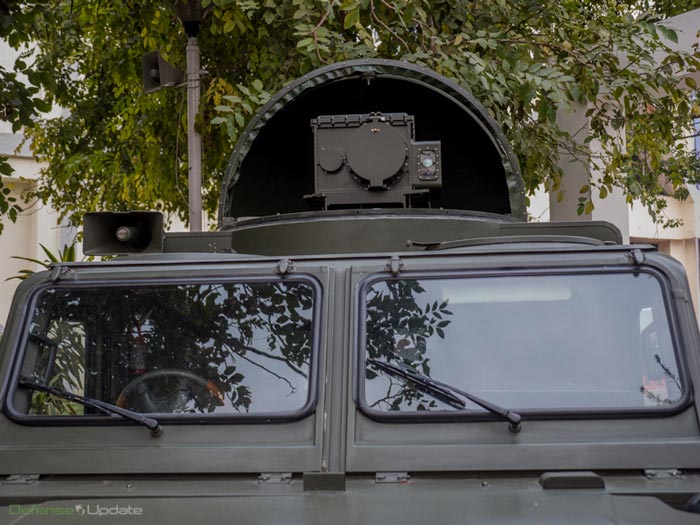
TAT Motors unveiled at Defexpo 2014 an 8×8 Amphibious Armored Fighting Vehicle and (AFV) and 4×4 Light Armoured High Mobility Vehicle (LAMV), functioning as a recon scout vehicle. The LAMV would be moving ahead of the armored columns providing scout and recce missions. The vehicle was designed by the Indian Defence Research and Development Organisation (DRDO). Supacat of the UK, an expert in tactical armored vehicles, has also provided vital reconnaissance, mobility, protection and firepower support.

Kestrel weighs 22.5-26 tons (according to configuration)and is powered by a 600HP diesel engine. It has a maximum capacity to carry 12 soldiers. It can carry up to 10 troops and a crew of two. The two front axles are steerable, giving the vehicle a 19 meter turn radius. All tires have runflat capability with central inflation (CTIS) as standard. The amphibious propulsion employs rear mounted waterjet which does not require preparation before entering into water.
The crew compartment is protected to Stanag I to Stanag IV level, depending on the application. The monocoque is comprised of welded armor steel hull with armor applique and inner composite spall liner. The protection modules can be replaced in the field, increasing or decreasing protection level per mission requirement. The belly has a blast guard withstanding blasts up to STANAG III level. The vehicle is equipped with NBC protection and filtering for uninterrupted operation under CBRN conditions.
Troop seats are equipped with energy attenuating mechanism, protecting the troops and crew-members from blast effect. The seats are arranged back to back, enabling the use of firing ports and opening hatches. The vehicle can travel at a speed of 100 km/h on land and 10 km/h in water.
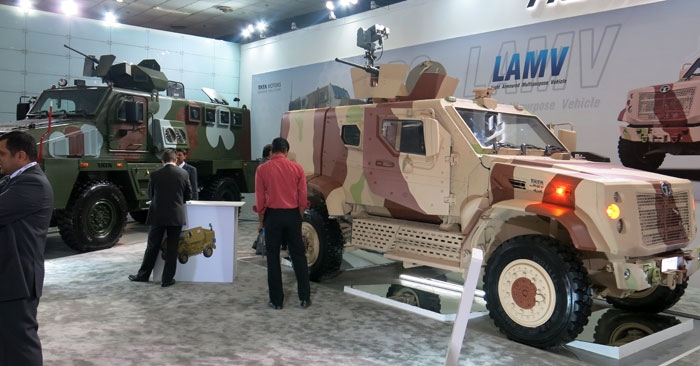
The LAMV uses a 4×4 platform designed for off-road mobility. The 8 ton gross vehicle weight (GVW) vehicle is powered by watercooled, turbocharged Intercooler BS IV diesel engine coupled to a automatic transmission, delivering high power-to-weight ratio for mountain terrains. LAMV uses independent suspension enabling better traverse over rough terrain. All tires have runflat capability with central inflation (CTIS) as standard. On road the vehicle can reach a to speed of up to 105 km/h. For its missions, LAMV can accommodate different weapon stations and payloads.
The LAMV is designed to carry payloads of up to 1.5 tons. It can accommodate different variety of armor, weapon stations and turrets as the application demands. It has an integrated blast and ballistic protection, including blast deflecting V-hull and an armor protected. The armored pod is tiltable sidewise, for better serviceability.It offers maximum survivability in high threat environments due to its ballistic hull design, special armor protection and high mobility. The basic protection level for ballistic and blast is STANAG II.
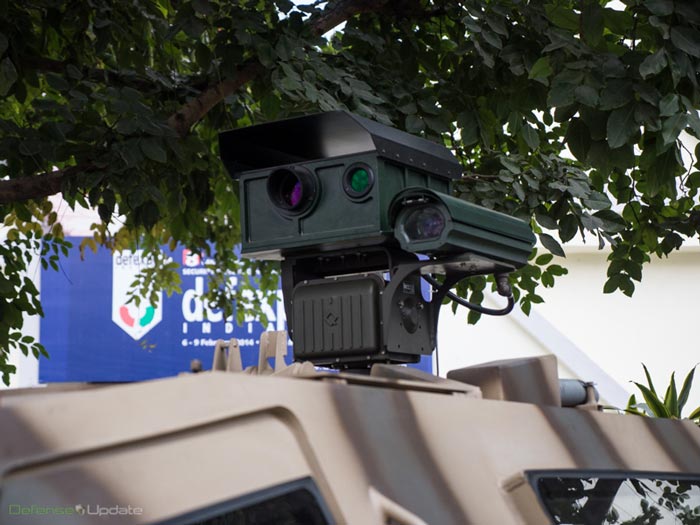
LAMV can carry four troops, accessing the vehicle through side doors on both sides. The vehicle can be configured with a weapon station and cameras, for security or armed scout missions. In the scout version the LAMV will carry four troops in addition to the two men crew. The fuel tanks are placed outside the crew compartment for additional safety.
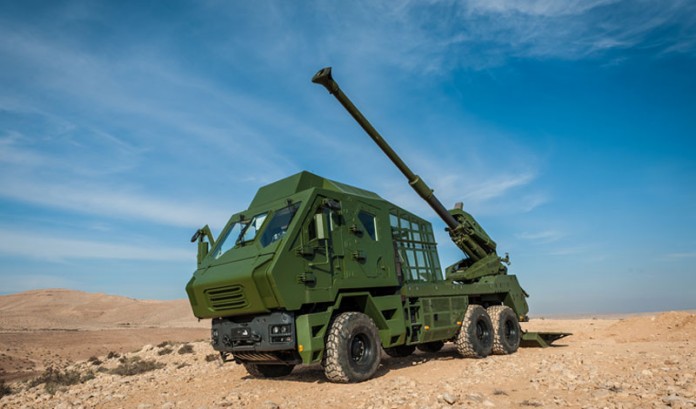
A new version of Elbit Systems’ Autonomous Truck Mounted howitzer System (ATMOS) 155 mm/39-calibre SP artillery system was developed for the Royal Thai Army (RTA), in cooperation with Thailand’s military industrial complex. A first unit comprising six CAESAR 155mm/52 caliber guns is currently in service. The ATMOS platform is designed to operate the 155mm/52 caliber tube, but in Thailand the Army opted for the 155mm/39 caliber howitzer using a 6×6 truck. The ATMOS has already been demonstrated implemented on 8×8 trucks, carrying 54 caliber guns.
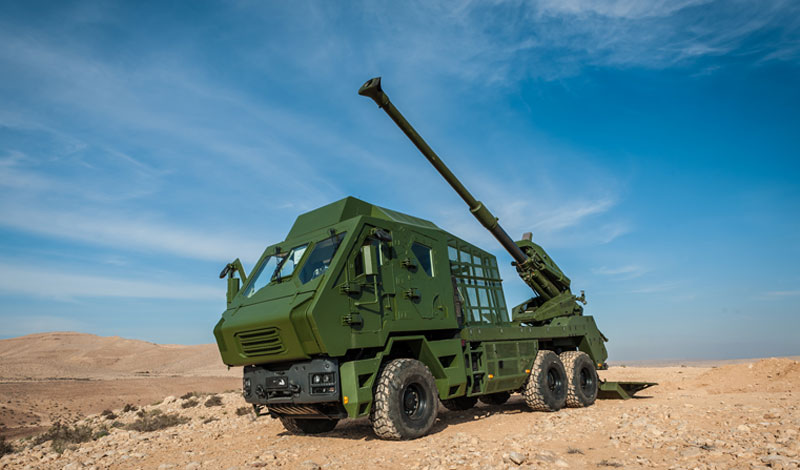
The prototype development has recently been completed in Israel and was demonstrated in firing series prior to delivery to the customer. Follow-on production systems will be built in Thailand. The current requirement is for six systems. The development has been underway since 2012.
The RTA currently operates a battery of six Nexter Systems CAESAR 155 mm/52-calibre (6×6) SP artillery systems and it had been expected that additional systems would be ordered to form a complete regiment of 18 weapons.
According to Jane’s Defense Weekly, the SPGs will be produced at the Thai Army Artillery and Mortar Production Division of the Royal Thai Army’s (RTA’s) Weapon Production Centre (WPC). The locally produced guns are expected to be delivered by the military factory in 2015.
In India, Elbit Systems and Bharat Forge are promoting the ATMOS to meet the Indian Army MGS requirement. The two companies are also collaborating in other artillery modernization programs in India, including the up-gunning of 130mm M46 to 155mm/45 Caliber. The program offers the Army operators improved logistics through the lifespan of the gun.The two partners are also pursuing the Indian 155mm/52 Autonomous Towed howitzer requirement offering the ATHOS towed gun system. As an autonomous weapon platform ATHOS integrates a highly sophisticated and accurate navigation and positioning system, comprising an inertial navigation system, global positioning and on-board firing computer offering maximum flexibility and efficiency. Automated ammunition loading system to accelerate firing series and minimize the exposure of the gun in the firing position.

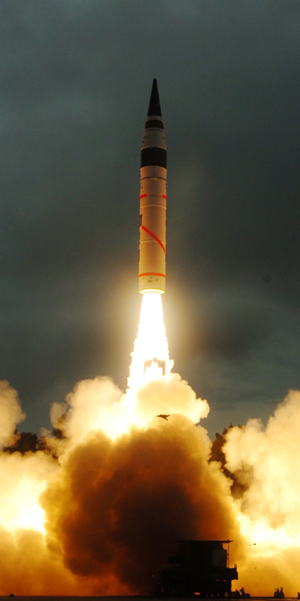
Positioned as one of the world’s top five military powers, but lacking the advanced technologies its military forces can truly trust in combat, India has become the largest buyer of military systems, seeking aircraft carriers, submarines, missiles and main battle tanks, and from communications equipment to electro-optics. Many of these systems are produced in India, as the government insists on many programs to include local production of complete systems. Others are indigenous systems – combat aircraft, main battle tanks, destroyers and aircraft carriers. But even those are not purely indigenous, as many systems on board are based on foreign equipment supplied from abroad.
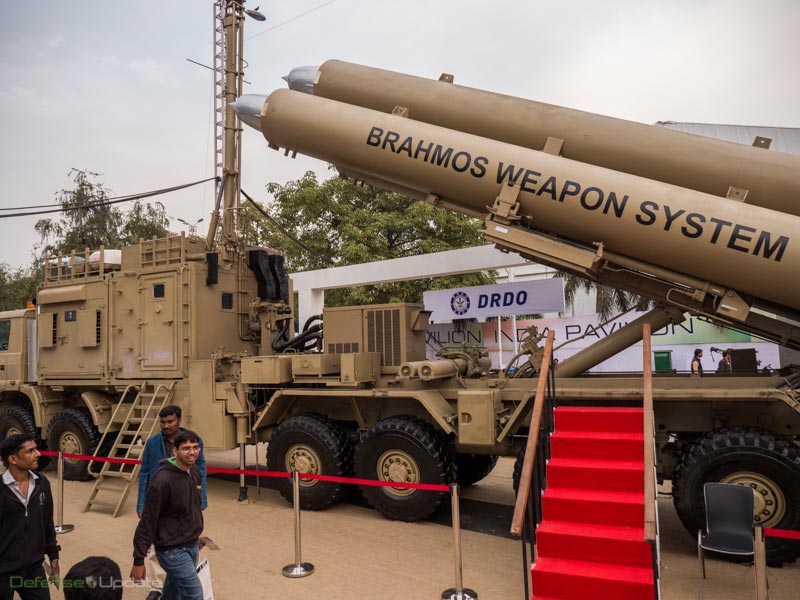
It is not wrong to buy foreign, for those who can afford it, it may be even more beneficial, as they can focus on those specific and sensitive systems they cannot obtain elsewhere. In India, these are the strategic weapons – the nuclear triad of ballistic missiles launched from land-mobile trailers, submarines or strike aircraft such as the jaguar and Su-30MKI. India must develop the complete infrastructure supporting those assets, including land and submarine launched ballistic missiles, cruise missiles, nation-wide command, control and networking infrastructure, that should be immune to electromagnetic pulse (EMP), the navigation systems required for the weapon’s guidance and more.
To sustain these developments India requires an advanced technical base far beyond nuclear sciences. For missile engineering it needs profound knowledge in materials engineering, energetics, rocket propulsion, thermal management, aerodynamics, and real-time computing for navigation and control, as well as comprehensive infrastructure in laboratories and test ranges. For the mobile launcher platforms, skills in automotive engineering, structural and mechanical design, and hydraulics are useful.
Despite their large scale and ambitious roadmap, strategic programs are requiring all those skills but are not sufficient to maintain all those positions over the lifetime of the programs. This is where other plans come to effect, sometime less ambitious, or inferior to foreign designs, but nevertheless important to develop and retain the positions, skills and knowhow of the talents that would be needed to develop, sustain and improve India’s strategic assets.
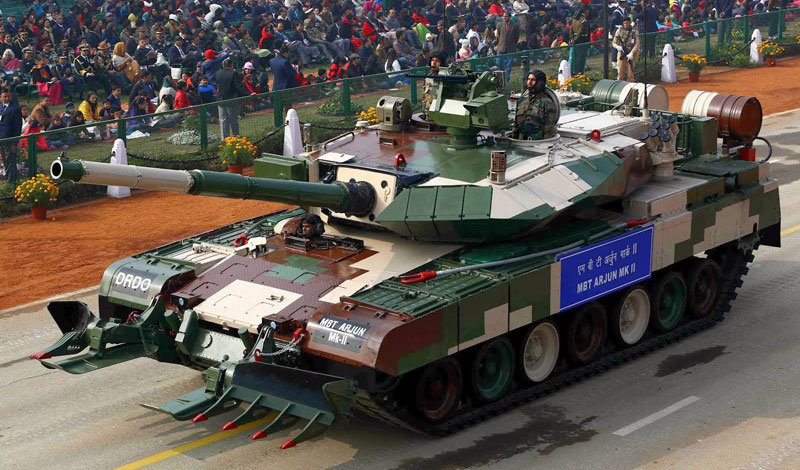
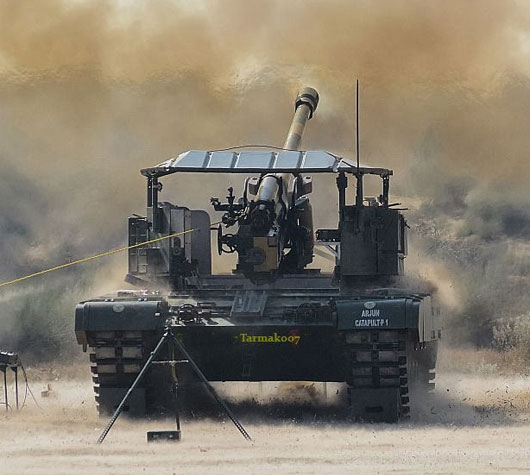
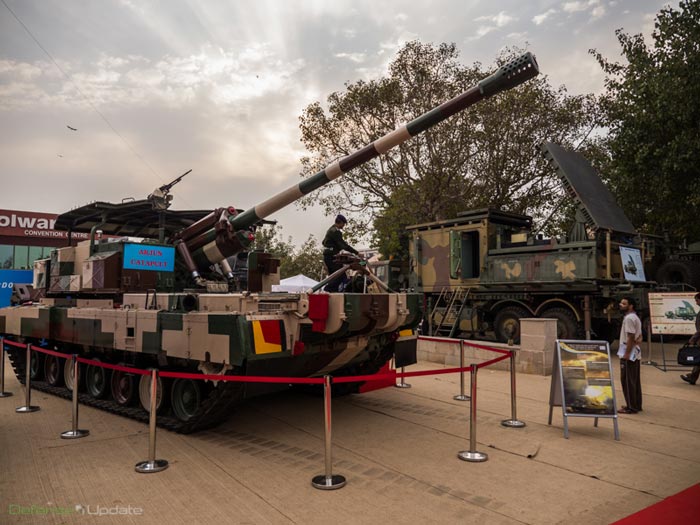
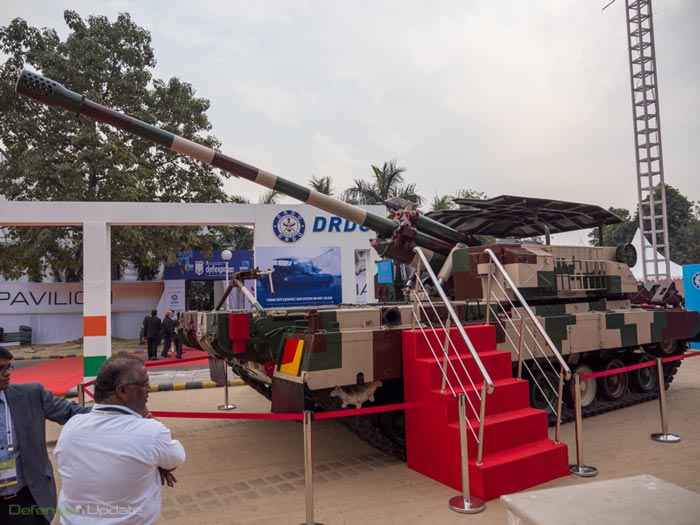
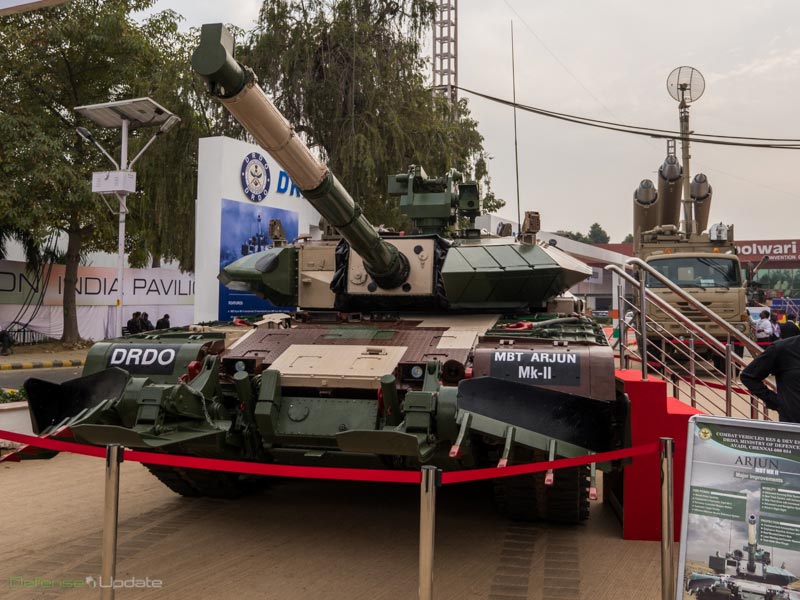
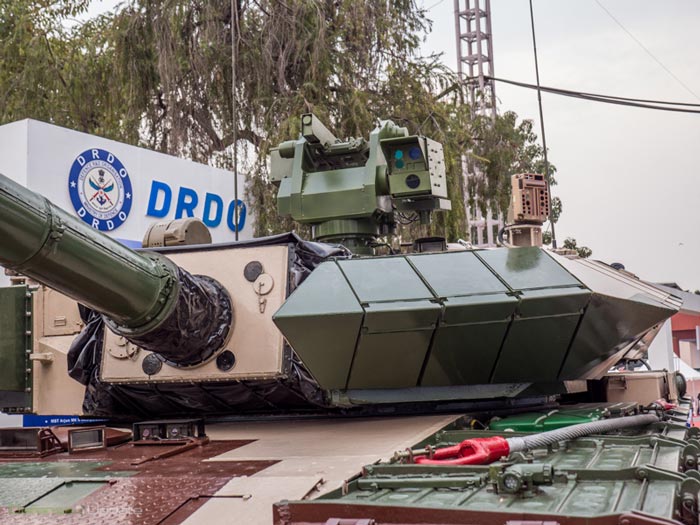
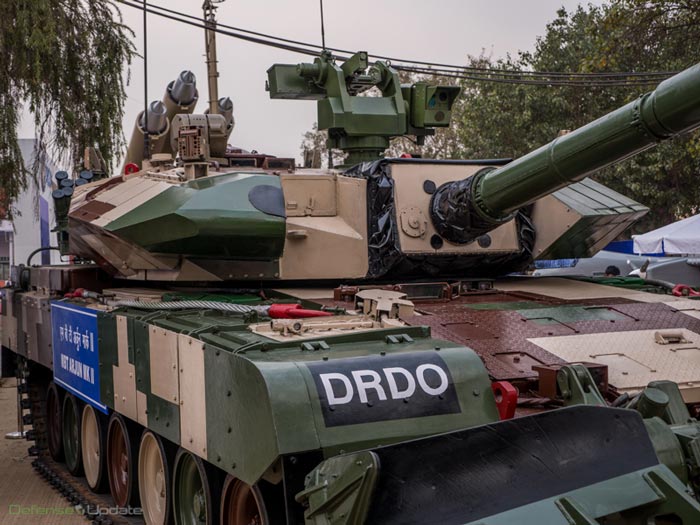
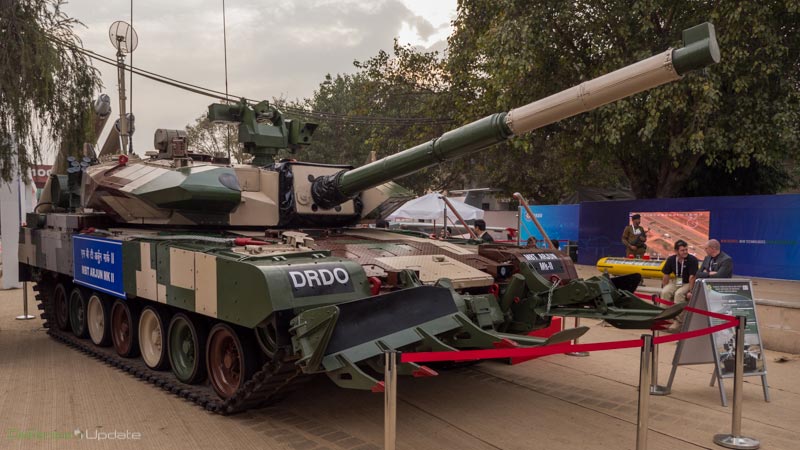
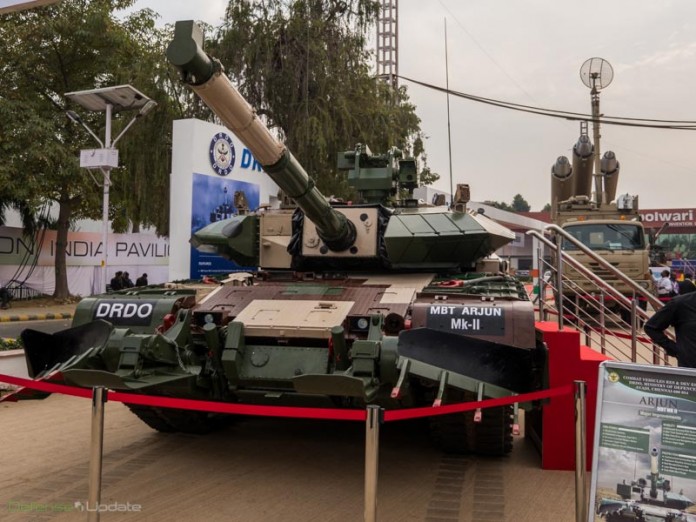
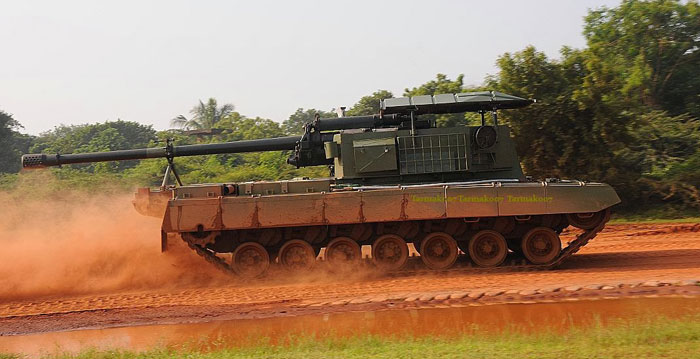
Among the new artillery pieces on show at Defexpo 2014 is a new Arjun Mk1 chassis matched with a Russian built M-46 130mm self propelled gun (SGP) system based. Known as ‘Arjun catapult’, the vehicle was developed by the Indian Combat Vehicle Research & Development establishment (CVRDE), a division of the Defense Research and Development Organization (DRDO). It will replace a similar system based on obsolete Vijayanta chassis, currently operating with two artillery regiments of the Indian Army.

The Arjun based SPG began field-testing in 2012. In March-April this year the Indian Army plans to carry out a major test involving both Army and contractor personnel. Based on the conclusion of these trials the Army plans to order 40 such guns to equip the two artillery regiments. “The catapult would fulfill the interim and immediate requirements of artillery, there by extending the life of 130 mm guns” CVRDE Director Dr P Sivakumar said; the project has been progressing rapidly, addressing urgent Army requirements, “first field development trials in November 2012, four moths after receiving the Army requirement.” Sivakumar added.
Side and front armored walls protect the gun compartment, providing the crew with armor protection of STANAG level II.
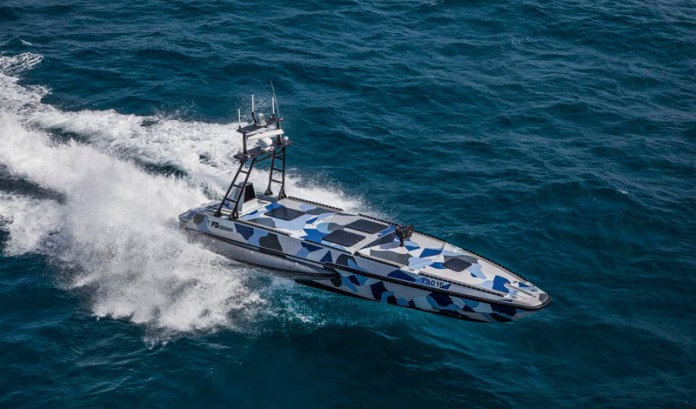
Israel Aerospace Industries (IAI) has developed an advanced, high-speed unmanned boat designed for maritime, homeland security (HLS) surface warfare applications.
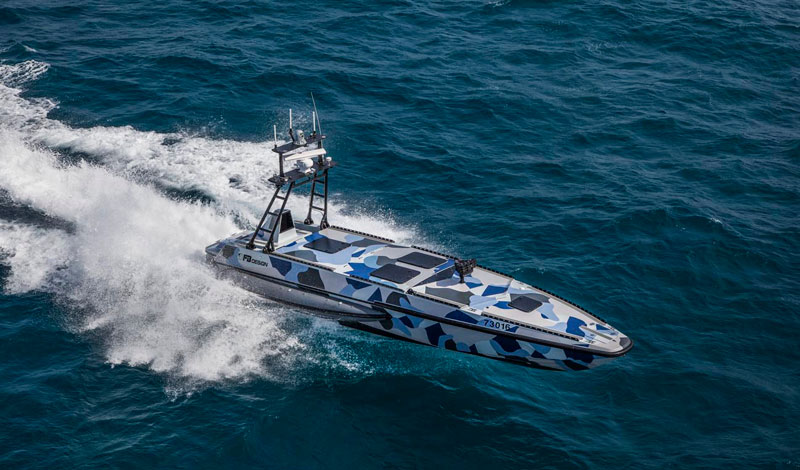
The new Unmanned Surface Vessel (USV) is called “Katana” unmanned combat marine system. As a multifunction vessel, Katana is compatible with various systems offered by IAI, and supports the totally integrated security solutions the company offers. The system’s dual operational mode allows for fully autonomous operation controlled via an advanced command and control station, as well as for a manned combat operational mode.
Katana supports a wide range of applications for HLS and the protection of exclusive economic zones (EEZ), including – harbor security, patrol of shallow coastal and territorial waters, surface and electronic warfare and offshore platform protection (plus oil rigs, pipelines, and more).
The unmanned vessel can assume different tasks including providing an early-warning situation picture, classifying, identifying and tracking targets, supporting operations at extended range. The high-speed vessel can also intercept selected targets if required.
Katana ‘s features include autonomous navigation, collision avoidance, advanced control system and more. The vessel is equipped with various payloads (including electro-optical), communication systems, radio (Line of Site, LOS, or NLOS), radar and weapon systems. The systems’ modular design allows high flexibility in configuration, operational planning and adaptation to user requirements. According to IAI, Katana can be integrated on customer furnished platforms or on new boats, as required.
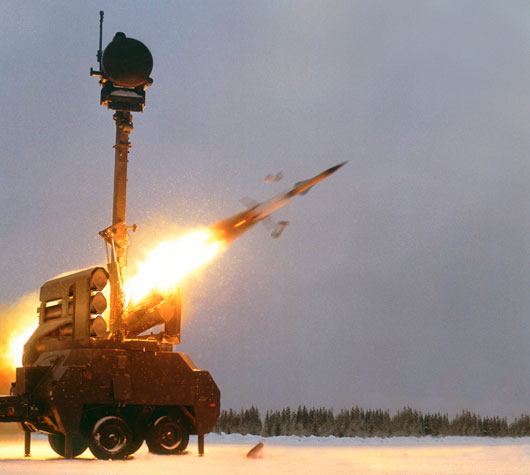
The Swedish defence and security company Saab Group and India’s transport specialist Ashok Leyland have joined forces to compete for the Indian Army Short Range Surface to Air Missile (SRSAM) air defence programme. Saab and Ashok Leyland are teaming to meet the SRSAM requirement with a new solution that combines the Saab BAMSE missile system with Ashok Leyland high-mobility vehicles.
Saab’s Head of Market Area India Lars-Olof Lindgren says, “the tie-up brings together two great engineering companies with front-end technologies that together could serve the Indian Army well. The BAMSE is a proven air defence missile system and the Ashok Leyland platform is a very suitable all-terrain vehicle. The need for mobility for air defence units is essential for flexible and optimal deployment. We are very happy to find a robust vehicle in Ashok Leyland’s product range that meets the requirements. We look forward to working closely with the company to deliver to the needs of the Indian Army.”
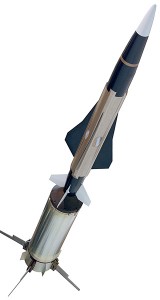
The Saab BAMSE SRSAM is an all-weather, all-target, air defence missile system that can be deployed to protect fixed and mobile assets. The BAMSE SRSAM is a purpose-built ground-based air defence missile and is the latest in a long line of successfully developed and deployed Saab missile systems.
Ashok Leyland will deliver high-mobility vehicles to transport the BAMSE SRSAM solution. All sub-units within the BAMSE SRSAM are being integrated with the Ashok Leyland Super Stallion 8×8, a high-mobility vehicle capable of operating in all types of terrain under all weather conditions.
Dr. V. Sumantran, Vice-Chairman of Ashok Leyland says: “we are pleased to announce this cooperation with Saab and together we are able to offer the Indian defence forces, state-of-the-art air defence systems based on proven technologies. Saab is a recognised technology leader and in the BAMSE Saab has a very advanced and capable system. Ashok Leyland has a proven track record of serving the mobility needs of the Indian armed forces for over three decades. Our Super-Stallion 8×8 platform will offer the best combination of performance and reliability”.
The complete SRSAM system includes the GIRAFFE AMB, a powerful 3D surveillance radar and command and control system intended for short and medium-range ground based air defence and the BAMSE MCC missile launcher with six ready-to-fire missiles.


February 1st, 2014
Cyber Park in Beer Sheba expanding
One of the biggest network companies, Cisco, will invest millions of dollars in the Israeli cyber industry through the JVP foundation, The Marker reported. This investment joins the announcement made by Lockheed Martin and EMC on opening a research center/cyber park in Beer Sheba (initial investment being one million dollars). The park will be called Cyber-Spark and will accommodate leading cyber industries, academic research, and the national cyber command. Another addition to the ever growing park will be made by IBM in cooperation with Ben Gurion University, who declared their intention to open a center for global excellence in the field of cyberspace. The rise of the cyber industry in Beer Sheba is meant to create a cyber hub in the middle of the South, as well as mixing economic and security growth by creating 15,000 jobs in a few years.
Israel’s Darknet and TOR dilemma
Last year, Edward Snowden turned over to The Guardian 58,000 classified U.S. government documents, and only a fraction of the files have been made public. To avoid detection, Snowden almost certainly relied on one very specific and powerful tool to cover his tracks – TOR. TOR, an acronym for “the onion router,” is software providing the closest thing to anonymity on the Internet. Engineered by the TOR Project, TOR has been adopted by both agitators for liberty and criminals, and many people who use TOR do so to browse the Darknet liberally. Many countries have faced questions on how to deal with Darknet, and an example occurred with two young men in Israel, standing trial for using Bitcoins to purchase drugs on the Darknet. The young men also used fake credit card numbers, which were bought through the Darknet. This criminal issue related to Darknet is one of several cases the Israel court has had to deal with in the past few months.
Changes in NSA and cyber security matters due to Snowden affair
General Keith Alexander, Director of the NSA, is stepping down and being replaced by U.S. Navy’s Cyber Security Chief, Michael S. Rogers. Since whistle-blower Edward Snowden revealed the intensity of U.S. spying on its citizens and allies, a call has been made for intelligence agencies to be more transparent and for them to uphold the law. The U.S. has faced many embarrassments and the need for explanation since the Edward Snowden affair. Yet because of the Snowden affair, policy decisions in cyber security have reached a stalemate as the U.S. has begun struggling to deal with the daily cyber-attacks from Russia and China. Plans and projects in the NSA have halted even though ideas could be effective, and decision makers in Congress explain: “[Snowden] slowed everything down.” However, opposing and pro-Snowden supporters insist the problem in U.S. and fighting terrorism was never lack of information but U.S. intelligence agencies not sharing data or informing the public. As it currently stands, the FBI, NSA, and DHS are denied to share classified cyberspace information with the civilian population. Since Snowden, the U.S. has faced growing criticism internationally, with foreign leaders disregarding Obama’s warnings regarding cyber affairs. The announcement of Rogers as Director of NSA comes a few days after the cyber hackers group Anonymous hacked and publicized email addresses of U.S. members of the Federal Bureau Investigation.
Microsoft has responded to breaches in its security when it announced plans to launch ‘Transparency Centers’ worldwide, enabling government customers to verify their Microsoft products. Microsoft has faced growing pressure and criticism over its involvement with U.S. spying after the revelations of Edward Snowden Prism, a top-secret program giving the NSA direct access to the systems of Google, Microsoft, and Facebook. Microsoft also faced the embarrassment of being hacked by the SEA through phishing attempts on Microsoft email accounts to steal information. Microsoft plans to expand encryption across its services to provide legal protection for customer’s data and government users. Plans to reveal the source code have remained unannounced.
Massive cyber-attacks hit major U.S. retail stores of high end Neiman Marcus. Neiman Marcus confirmed a data breach involving credit card theft from customers during the holiday shopping season, where hackers rooted payment information from customers. Neiman Marcus spokesperson, Ginger Reeder, stated the company is unaware of the cause or identification of the data breach, but they informed “federal law enforcement agencies and are working actively with the U.S. Secret Service, the payment brands, our credit card processor, a leading investigations, intelligence and risk management firm, and a leading forensic firm to investigate the situation.” Similar breaches affected Target on Black Friday, the biggest shopping day in the U.S. Senator Edward J. Markey (D-Mass) responded to the attack stating: “In the wake of the Target breach, customers, lawmakers, and consumer advocates have stepped up calls for Congress to set up guidelines on how merchants should protect consumer data…a need for clear, strong privacy and security standards across all industries.” Target has already responded with CEO Gregg Steinhafel proclaiming to improve Target’s understanding of consumer-based scams, including removing the malware the cyber criminals installed, hiring a team of data security to investigate occurrence, and working with law enforcement. Target is also preparing to announce an education campaign on accelerating the knowledge on technology and cyber security. Some believe other retail stores have been affected, causing a pattern in attacks heading towards larger widespread attacks. Chris Petersen, CTO of LogRythm remarked that this would entail extremely sophisticated malware software. At this time, these are just rumours circulating, and IntelCrawler contended the attacks on Target and Neiman Marcus were separate. Nevertheless, no national breach disclosure law exists, allowing many companies who may have been attacked to not publicize it.
Russian Maj. Gen. Yuri Kuznetsov was quoted by the national news agency RIA Novosti, stating a cyber-defense unit will be ready “to defend the Russian armed forces’ critical infrastructure from computer attacks” by 2017. The mission maintains to better protect the defense sector from cyber-attacks. Cyber-warfare has emerged and has become a national security threat in recent years to Russia. Websites used by Asian governments were targeted by the “Anonymous” cybercrime organization in 2013, and U.S. and Chinese officials have traded accusations about cyber espionage in recent years. RIA Novosti reports the Russian newspaper Vedomosti was knocked offline Thursday by a DDoS cyber-attack (denial-of-service), overwhelming servers with requests. Alexei Moshkov, Russia’s top cybercrime official, claimed cyber-attacks last year on Russian citizens combined cost around $28 million.
Hackers broke into Israeli defense ministry computers by sending phishing e-mails containing an advanced remote access Trojan called Xtreme Rat, Aviv Raff, CTO of Seculert Research Lab, blogged on January 27th. The e-mail appeared as if it was sent by the Israeli Security Agency enabling legitimacy, and the original target was Israeli Customs, according to TrendMicro. One of the 15 breached computers revealed to be Israeli Civil Administration of Judea and Samaria, which monitors entry and work permits into the West Bank from Israel. The Civil Administration made no comment in regards to an attack. Even though the attack was conducted from a server located within the U.S., similarities in code to past cyber-attacks conducted from a Hamas server on the Israeli Police, enhanced rumours the Palestinians were behind the cyber-attack. As of now, it is unclear if the hackers used or gained any information.
Saudi Arabia to launch National e-Security Center to Protect Government against Hackers
Saudi Arabia embarked on producing a national authority for information security called the National e-Security Center. The main goal will be to protect important networks against cyber-attacks. The decision came after numerous attacks were launched by both cybercriminals and hacktivist on the Saudi Arabian government websites. An example was when the Saudi Arabian Interior Ministry was breached with a DDoS attack, disrupting the website for several hours in May. The attack was traced back to various countries.
Iran unveils new cyber security products
Fars news agency reported Iran was unveiling 12 new Iranian technological products within the cyber field at a ceremony held and attended by Iranian Defense Minister Brigadier General Hossein Dehqan and Head of Iran’s Civil Defense Organization Brigadier General Gholam Reza Jalali. Among the products revealed was a cell phone providing secure communications, immune from tapping. Other products unveiled were a home-made, secure operating system, a indigenized navigation system, a telecommunications optical transmission system, Padvish anti-malware, a cyber threats recognition and identification system, a security operations center, a high-speed and high-capacity firewall, and a software firewall.
Iran has launched an indigenous cyber defense network cited as “Shahpad,” according to project manager Mohammad Naderi. The initial idea stemmed from missile defense shields used in different countries to prevent missile attacks. “Shahpad” is the outcome of several years of research. The system protects data, operates as a data manager, and is responsive to the safety needs of all organizations. According to Iranian news agency ISNA, whenever a threat against an organization is detected, the system informs other sensors using smart mechanisms for the exchange of intelligence. The system is capable of informing all sensitive and important agencies such as Security Operations Centers across the country, facilitating a swift reaction.
SEA attacks PayPal UK and eBay UK
The Syrian Electric Army (SEA) used a DDoS cyber-attack on PayPal UK and eBay UK, causing Twitter to shut down the SEA’s official Twitter handle. Both PayPal UK and eBay UK verified the attacks occurred, and they were resolved shortly afterwards; however, they made no mention of the crude defacement SEA had left on their webpages with messages: “Hacked by the Syrian Electronic Army. Long live Syria. F*ck the United States government.” SEA stated the cyber-attack occurred because of PayPal’s denial to allow Syrians to purchase products online and also assured no information had been gathered by the account, unlike previous cyber-attacks were it was documented the SEA had stolen law enforcement data from Microsoft.
China and APAC
Japan sending Self Defense Forces to U.S. for cyber training
The Japanese government will send members of its Self-Defense Forces (SDF) to receive specialized training in cyber defense with U.S. forces in a cooperative program to bolster Japan’s defense against cyber-attacks, sources said. The SDF members will learn from technologies and experiences of the more advanced U.S. forces in countering cyber-attacks. The project aims to improve the SDF’s cyber defense capabilities and to strengthen Japan-U.S. cooperation. Until today, the Japan-U.S. cooperation in the field of cyber-defense was limited to exchanging information; however, this project is expected to strengthen the collaboration between the two countries.
Europol smashed financial cyber-crime gang targeting UK citizens
The European cyber-crime agency EC3 of Europol was thanked after Polish police arrested five Bulgarian citizens accused of electronic payment card fraud targeting mainly UK citizens. The agency declared three hackers from the gang were caught, two of them were carrying out illegal electronic payment card transactions at automated cash machines (ATMs). One of them was receiving compromised card numbers online and encoding counterfeit plastic cards. The other two suspects were arrested in different hotels in Krakow on 22 January. Europol said the financial data involved came mainly from the U.K., but a spokesperson informed to online security magazine SCMagazineUK.com that they could not divulge about the UK card holders involved as “the investigation is still ongoing.” The European cybercrime center was created a year ago, and its role is to help to co-ordinate national police forces targeting cyber criminals all over Europe.
Germany: Increase of Cyber Attacks
A study conducted by the Federal Office for Information Security (BSI) in Germany recorded 2,000 to 3,000 attacks on the German government Internet domains per day. Some cyber-attacks are on such an advanced technical level, the alleged offenders are suspected to be intelligence services. Hundreds of thousands of computers in Germany are infiltrated and potentially could be operated for cyber-attacks through so-called bot networks by remote control, making computers used as tools for crime without the knowledge of the actual owner. Many German companies experience cyber-attacks; however, instead of reporting these offenses, companies conceal them to avoid damage control.
The Federal Criminal Police Office counted almost 64,000 cases of cyber-crime solely in Germany, raising concerns with security experts. According to the EU, more than a million people fall victim to cyber-attacks each day, ranging from hacked bank transfers to digital blackmail to dispersal of child pornography. At this point, the President of BSI Michael Hange expressed the relevance to sensitize and educate the public in IT security. The President of the Federal Academy for Security Politics Hans-Dieter Hermann spoke about a confidence crisis and how European states must realize their standards.
 About the Cyber Intelligence Report:
This document was prepared by The Institute for National Security Studies (INSS) – Israel and The Cyber Security Forum Initiative (CSFI) – USA to create better cyber situational awareness (Cyber SA) of the nature and scope of threats and hazards to national security worldwide in the domains of cyberspace and open source intelligence. It is provided to Federal, State, Local, Tribal, Territorial and private sector officials to aid in the identification and development of appropriate actions, priorities, and follow-on measures. This product may contain U.S. person information that has been deemed necessary for the intended recipient to understand, assess, or act on the information provided. It should be handled in accordance with the recipient’s intelligence oversight and/or information handling procedures. Some content may be copyrighted. These materials, including copyrighted materials, are intended for “fair use” as permitted under Title 17, Section 107 of the United States Code (“The Copyright Law”). Use of copyrighted material for unauthorized purposes requires permission from the copyright owner. Any feedback regarding this report or requests for changes to the distribution list should be directed to the Open Source Enterprise via unclassified e-mail at: [email protected]. CSFI and the INSS would like to thank the Cyber Intelligence Analysts who worked on collecting and summarizing this report.
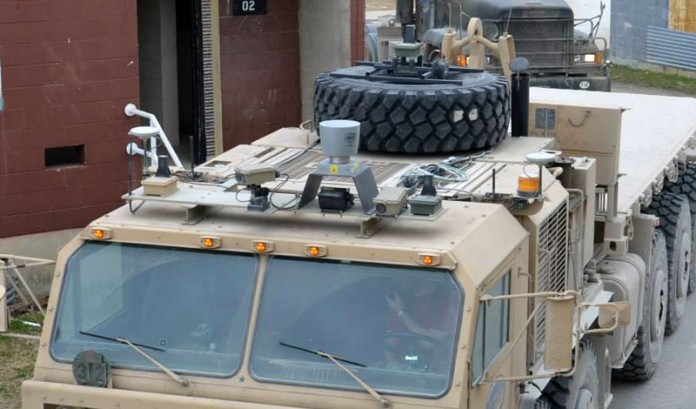
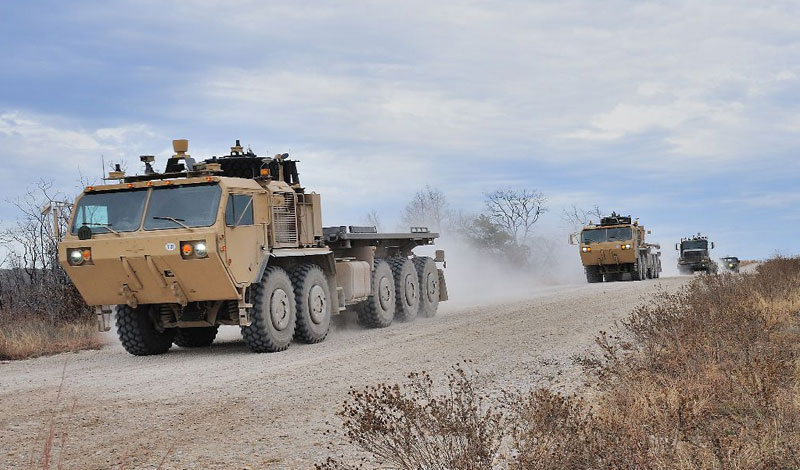
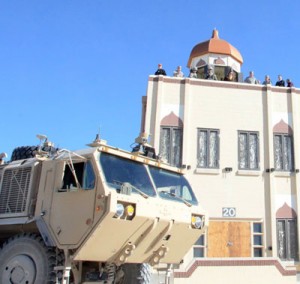
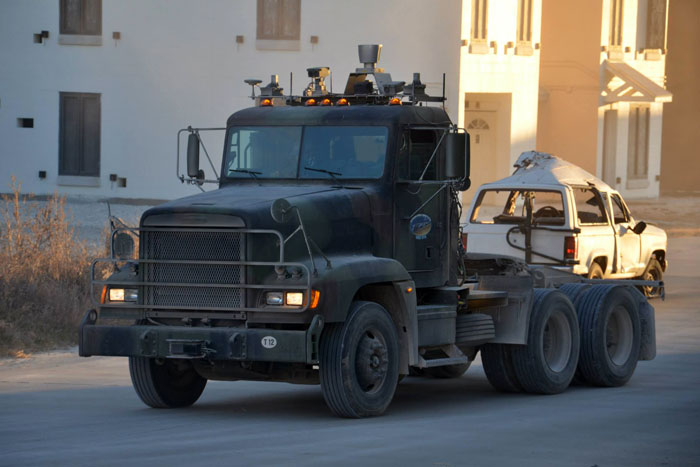
The U.S. Army Tank-Automotive Research, Development and Engineering Center (TARDEC) and Lockheed Martin have demonstrated the ability of fully autonomous convoys to operate in urban environments with multiple vehicles of different models. The demonstration earlier this month at Fort Hood, Texas, was part of the Army and Marine Corps’ Autonomous Mobility Appliqué System (AMAS) program, and marked the completion of the program’s Capabilities Advancement Demonstration (CAD).
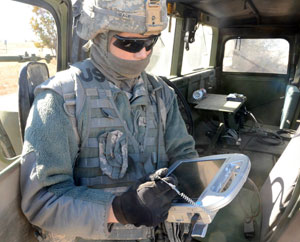
The test involved driverless tactical vehicles navigating hazards and obstacles such as road intersections, oncoming traffic, stalled and passing vehicles, pedestrians and traffic circles in both urban and rural test areas. “The AMAS CAD hardware and software performed exactly as designed, and dealt successfully with all of the real-world obstacles that a real-world convoy would encounter,” said David Simon, AMAS program manager for Lockheed Martin Missiles and Fire Control.
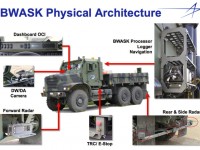 The AMAS hardware and software are designed to automate the driving task on current tactical vehicles. The Unmanned Mission Module part of AMAS, which includes a high performance LIDAR sensor, a second GPS receiver and additional algorithms, is installed as a kit and can be used on virtually any military vehicle. In the CAD demonstration, the kit was integrated onto the Army’s M915 trucks and the Palletized Loading System (PLS) vehicle.
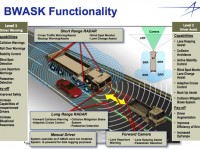
The automation system also known as By-Wire/Active Safety Kit (BWASK) is designed as a common, appliqué Autonomy kit that will contain the primary intelligence and autonomous decision making. This Autonomy kit will be common across all vehicle platforms, designed to function and inter-operate regardless of type of vehicle platform installed on. Each vehicle type will get a specific vehicle kit, tailored for the specific platform, it will control the physical actuation of a vehicle. For the demonstration program several representative vehicles were modified, including a Marine Corps 6×6 MTVR truck, an Army M-915 trailer and the multi-steering, six-axle PLS. The next phase of the demonstration, taking place later in 2014 will also include Family of Medium Tactical Vehicle (FMTV) trucks, Heavy Equipment Transporter (HET) and 4×4 RG-31 MRAP – the later will be able to demonstrate how the pathfinder vehicle could operate autonomously clearing the path with standard counter-IED mine roller.
 “It was very important that we had representation from the technology, acquisition and user bases, along with our industry partners, here at the CAD,” said TARDEC technical manager Bernard Theisen.
“We are very pleased with the results of the demonstration, because it adds substantial weight to the Army’s determination to get robotic systems into the hands of the warfighter.” Senior Army leaders representing the Army Materiel Command (AMC), the Army Capabilities Integration Center (ARCIC), the Combined Arms Support Command (CASCOM) and TARDEC were present to witness the demonstration.
The AMAS CAD was jointly funded by ARCIC and Lockheed Martin. While the AMAS JCTD is aimed at augmenting the safety and security of human drivers in a convoy mission, the CAD was aimed at completely removing the Soldier from the cab.

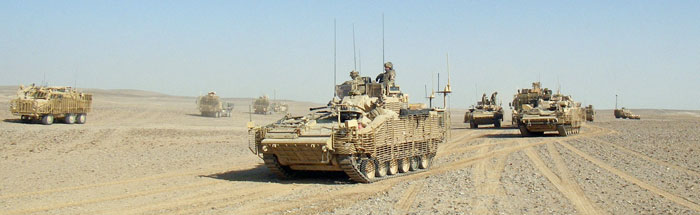
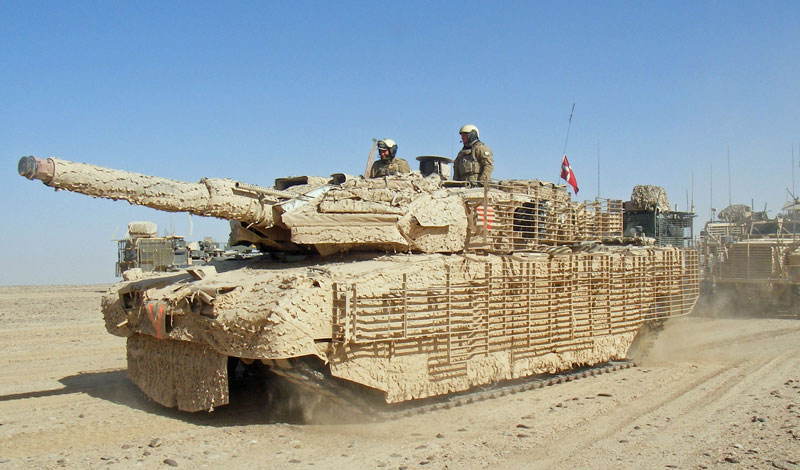
British, Estonian and Danish troops have provided a protective screen in the South Afghan desert to allow US forces to safely redeploy from bases in Northern Helmand, allowing an 180-vehicle convoy to travel 25 miles without attack. Soldiers from The Highlanders, 4th Battalion The Royal Regiment of Scotland (4 SCOTS) deployed with the multi-national Manoeuvre Battlegroup to create the safe route earlier in January 2014.
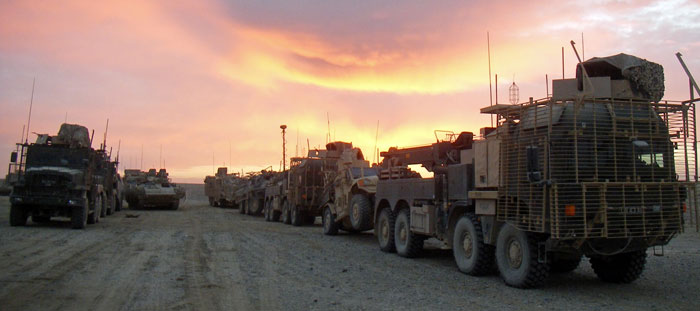
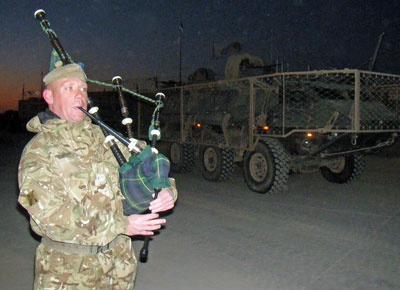
Leaving Gereshk to the bagpipe tune of Caber Feidh, played by Warrant Officer 2 (RQMS(T)) Andrew Lambert, the battlegroup moved north under blue skies and in biting temperatures. They remained out of camp for several days as the US prepared their departure from Forward Operating Bases Shukvani, Faizal and Eredvi. To keep the Battlegroup functioning over the prolonged operation it conducted rolling resupplies in the Dashte (desert). Captain Reg Gentry commanded these resupplies which have been rare on operations in the past decade.
The Manoeuvre Battlegroup, a formation of UK, Estonian and Danish troops including British soldiers from 3rd Battalion the Mercian Regiment (Staffords), is commanded by the Commanding Officer of The Highlanders, Lieutenant Colonel James Roddis MBE. He said: “On the final day of the operation 180 vehicles arranged in a three-mile long convoy moved from Shukvani to Bastion without incident. This is testament to the integrated coalition protection provided by the Afghan National Security Forces, ourselves and the Americans. “The excellent training provided in Canada at British Army Training Unit Suffield (BATUS) and the common understanding of planning procedures between ourselves and our US Partners meant that we were well prepared for the operation and coped with the cunning enemy and extreme cold.”
The operation will be of benefit to the UK later this year as Task Force Helmand prepares for the handover of Britain’s remaining bases in Helmand. Col Roddis said: “This operation provided us with an invaluable rehearsal for our own re-deployment. We will bring that confidence of having completed this operation to future manoeuvres.”
The Manoeuvre Battlegroup is the Task Force Helmand reserve and is able to operate in support of the Afghan National Security Forces (ANSF) on its flanks and to cover redeployment activities from the final bases in central Helmand.
The Highlanders, 4th Battalion The Royal Regiment of Scotland (4 SCOTS) is composed of five Companies. The Battalion is currently a Light Role Infantry Battalion, but is rerolling to become a Heavy Protected Mobility Battalion in April 2014. 4 SCOTS have previously deployed to Afghanistan in 2008 (Herrick 8) and 2011 (Herrick 14), as well as to Iraq on Operation Telic 12 in 2008.

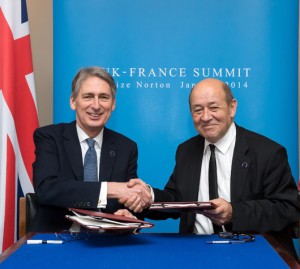
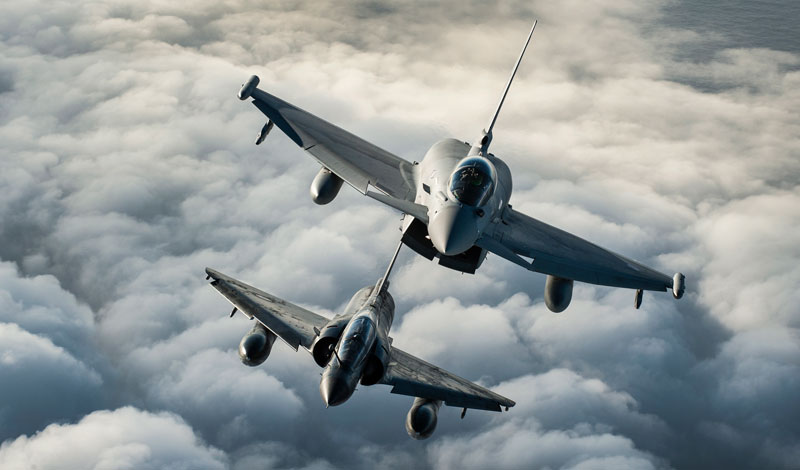
The UK and France have agreed to strengthen defence cooperation following a Summit at RAF Brize Norton today. A communiqué signed by the Prime Minister David Cameron and French President Francois Hollande sets out plans for closer ties between the two countries. “Britain and France are natural partners for Defence cooperation. We have made substantial progress since the Lancaster House Treaty was signed in 2010 and today we have committed ourselves to go further still.” British Defence Secretary Philip Hammond said, “The agreements we have reached at this Summit will improve the inter-operability of our forces, enhance our joint equipment procurement and build on our capacity to support security and stability in places such as Libya, Mali and the Central African Republic.”
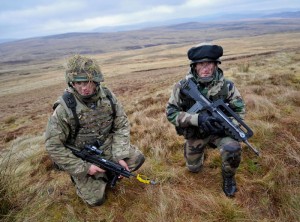
Building on the Lancaster House treaties signed in 2010, the agreements further the security and prosperity of the two nations through commitments to jointly invest in the procurement of defence equipment, the joint training of Armed Forces and the continued development of the Anglo French joint expeditionary force.
The two sides have signed today a statement of Intent for a Future Combat Air System which would launch a two year £120 million (€146 million) joint feasibility phase that will see British and French industries working together; Previous studies into this topic focused on various aspects of unmanned combat aircraft vehicles (UCAV), both the UK and France are currently studying similar systems under the British Taranis and European nEUROn programs. Since 2010 Dassault Aviation and BAE Systems have also worked on the Future Combat Air System Demonstration Programme Preparation Phase collaborative study. The two primes collaborated with several partners, including Safran, Rolls-Royce, Thales and Selex, to ensure the success of this ambitious technology research programme.
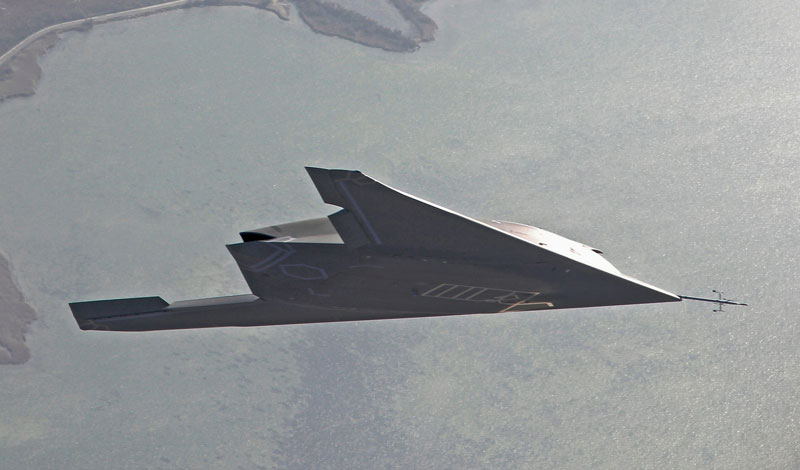
Rolls-Royce and Snecma (Safran) have also welcomed the decision, supporting continued studies into the next generation of UK and French combat aircraft engines. Rolls-Royce and Snecma will continue to explore propulsion system concepts and technologies as part of the Anglo French Future Combat Air Systems (FCAS) Demonstration Programme Preparation Phase contract. The program is conducted through their 50:50 Rolls-Royce Snecma Ltd joint venture, established in 2001.
Since the announcement of the studies in July 2012, Rolls-Royce and Snecma have agreed workshare on the programme based on the relative technological strengths of each company. Studies have focused on developing engine technologies that will be required to power the FCAS demonstrator and generate significant electrical power for the aircraft’s sensors and systems.
Other topics in the statement covered technical arrangements setting an exchange programme to provide RAF pilots and engineers with experience of operating the A400M ahead of the delivery of the UK’s first aircraft later this year; and for French pilots to gain flying experience on the RAF’s A330 Voyager aircraft;
The agreement also included a Memorandum of Understanding (MOU) confirming joint orders for a future helicopter launched Anti Surface Guided Weapon for both navies, for which some progress has already been underway within the framework the MBDA FASGW program.
Agreements have also been reached that will see:
Both countries also agreed to build on international peacekeeping missions carried out by their respective forces in Libya, Mali, and the Central African Republic.
Defence Secretary Philip Hammond and his counterpart Jean-Yves Le Drian agreed to continue the development of a Combined Joint Expeditionary Force capable of carrying out co-ordinated expeditionary military operations. The two nations also agreed joint efforts to tackle security issues in North and West Africa, in particular terrorism as well as drug and arms trafficking to achieve long term stability in the regions.
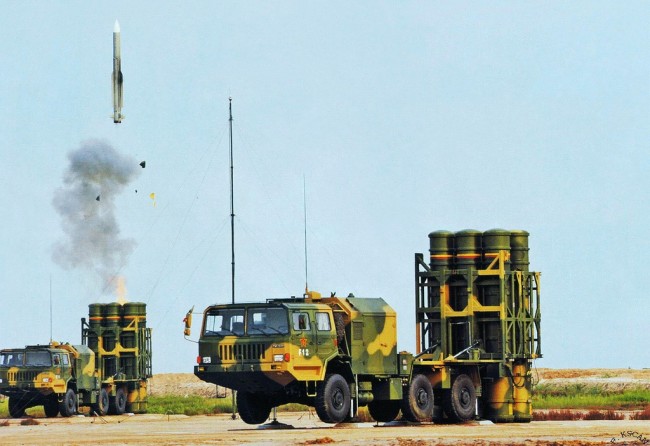
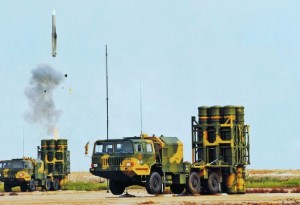
After selecting the Chinese FD-2000 missile defense system in September of 2013 Ankara back-pedalling this decision, under European and US pressure and re-opened the bid to enable companies from Europe and the USA to improve their bids. But the deadline for those offers was January 31, 2014 – and Ankara has not received the proposals it hoped for, enabling it to opt for what Turkey consider an ‘affordable NATO friendly’ option. The new deadline for rival bidding companies to submit their proposals is April 30, allowing U.S. company Raytheon Co and Lockheed Martin Corp and Italian-French team Eurosam SAMP/T to revise their offers and try to head off the Chinese company CPMIEC. The Chinese manufacturer has been on the U.S. State Department’s sanctions list since February 2013 due to non-proliferation concerns.
Following its announced decision Ankara entered negotiations with China’s Precision Machinery Import and Export Corp. (CPMIEC), to co-produce the FD-2000 anti-ballistic missile system. Officials from Eurosam and Raytheon are in contact with the SSM from time to time, but offers from any bidders will only be examined if contract negotiations with the Chinese company fail before April 30, a Turkish official familiar with the process told the Hürriyet Daily News. The issue is expected to be on the agenda of talks during President Abdullah Gül’s visit to Italy, the official also said.

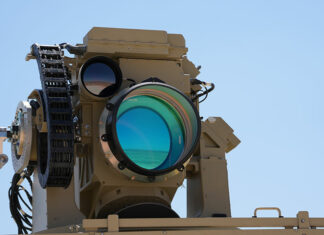
Lockheed Martin has demonstrated the feasibility of generating 30-kilowatt electric fiber laser, the highest power ever documented while retaining beam quality and electrical efficiency. The successful demonstration marks a significant milestone on the path to deploying a mission-relevant laser weapon system for a wide range of air, land and sea military platforms. “The high-energy laser serves as the heart of a laser weapon system,” said Dr. Johnson. “This 30-kilowatt milestone shows our commitment to producing the high beam quality and high power needed to address a variety of military ‘speed-of-light’ defensive operations.”
Prior laser weapon demonstrations in the industry showed target acquisition, tracking and destruction. However, these solutions were limited for tactical military use because their laser inefficiencies drove significant size, power and cooling needs not readily supported by key military ground and airborne platforms. The laser demonstrated by Lockheed Martin’s scientists combined multiple sources of high power lasers, into a single, near-perfect quality beam of light – all while using approximately 50 percent less electricity than alternative solid-state laser technologies. This unique process, called ‘Spectral Beam Combining‘, sends beams from multiple fiber laser modules, each with a unique wavelength, into a combiner that forms a single, powerful, high quality beam.
“Lockheed Martin has opened the aperture for high power, electrically driven laser systems suitable for military applications,” said Dr. Ray O. Johnson, senior vice president and chief technology officer of Lockheed Martin. “Advancements in available laser components, along with the maturity and quality of our innovative beam-combining technology, support our goal of providing lightweight and rugged laser weapon systems for use on military platforms such as aircraft, helicopters, ships and trucks.”
Lockheed Martin has specialized in directed energy laser weapon system development for the past 30 years and purchased Aculight in 2008 to further strengthen its offerings at every level – from expert advice and pioneering research to solid prototyping and flexible manufacturing.


Aleksandr Andreevich Panin, a Russian national pleaded guilty yesterday in an Atlanta federal courtroom to a conspiracy charge associated with his role as the primary developer and distributor of SpyEye, a bank fraud malware created specifically to facilitate online theft from financial institutions. SpyEye infected more than 1.4 million computers, obtaining victims’ financial and personally identifiable information stored on those computers and using it to transfer money out of victims’ bank accounts and into accounts controlled by criminals. He sold his malware to more than 150 ‘clients’ charging anywhere from $1,000 to $8,500 for various versions. CyberThreat reports.
In February 2011 the FBI seized a key SpyEye server located in Georgia, which lead the agents to buy a copy of the malware online, from Panin himself, few months later. This copy turned out to be very incriminating because that particular version contained the full suite of features designed to steal confidential financial information, make fraudulent online banking transactions, install keystroke loggers, and, in addition, initiate distributed denial of service (or DDoS) attacks from computers infected with malware. Panin was arrested in July 2013 while he was flying through Hartsfield-Jackson Atlanta International Airport.