Monday, December 29, 2025
More
    Home Blog Page 165

    China May be Preparing for Third Anti-Satellite (ASAT) Test In January

    China may be planning to conduct an anti-satellite (ASAT) test sometime this month, The Union of Concerned Scientists (UCS) claims in a recent post published by USC China Project Director Gregory Kulacki.

    “The first media report on these rumors appeared in October. China’s Ministry of Defense challenged the information in that report, but in November contacts in China told us an announcement about an upcoming ASAT test was circulated within the Chinese government.” Kulacki said, “We were unable to find a public statement confirming plans for a test in the Chinese media or on publicly accessible Chinese government websites. Then, just before Christmas, a high-ranking U.S. defense official told us that the Obama administration was very concerned about an imminent Chinese ASAT test.”

    If China does conduct another test, it is not clear what technology it would use or what it would target. There are different types of technologies that can be used to interfere with satellites, so a test would not necessarily destroy a satellite and create debris. Some reports suggest the test target may be a satellite orbiting at much higher altitude than in the 2007 test, possibly as high as the region where U.S., Russian and some Chinese navigational satellites orbit, approximately 12,000 miles (20,000 km) above the Earth. However, Kulacki notes that China may be wary of creating debris in a region where it could damage its own satellites.

    One hint that China is planning a test is the fact that it used its interceptor technology to destroy targets in space twice before—in 2007 and 2010—on January 11. The 2007 test destroyed a defunct Chinese satellite at an altitude of about 530 miles (850 kilometers (km)). China used the same technology for a missile defense test in 2010.

    China’s space program is still in the formative stages of its development. Both the United States and the former Soviet Union conducted equally high profile ASAT testing during comparable stages in the development of their space programs, and both eventually decided to stop destructive ASAT testing. Hopefully, China will eventually come to a similar conclusion. Beginning a meaningful bilateral dialog on space security between the United States and China could hasten the day.

    Kulacki argues that Obama administration should try to dissuade China from conducting the test, noting that the Bush administration did not try to stop the January 2007 test, which created a cloud of debris that will continue to threaten satellites for decades. Given there are no regular channels of communication between U.S. and Chinese space authorities, any Obama administration action would require high-level involvement by both the U.S. and Chinese governments.

    USMC Shop for Hand-Held Target Acquisition Devices

    Jenoptik's NYXUS BIRD-3 day/night target acquisition system. Photo: Jenoptik
    Jenoptik's NYXUS BIRD-3 day/night target acquisition system. Photo: Jenoptik
    Jenoptik’s NYXUS BIRD-3 day/night target acquisition system. Photo: Jenoptik

    In November 2012 the US Marine Corps has awarded development contracts worth $12 million to four companies to come up with hand-held integrated laser rangefinders (LRF) for the Common Laser Range Finder Integrated Capability (CLRF IC) system.

    The companies selected for this preliminary phase are Raytheon Co. EO Innovations business unit, Elbit Systems of America, Jenoptik Defense Inc. and BAE Systems OASYS. CLRF IC is expected to weigh no more than three pounds – light enough for one Marie infantryman to carry – it will provide improved integrated night-vision capability, internal selective availability anti-spoofing module (SAASM) GPS, and non-magnetic azimuth capability. The contracts span over 19 months. By summer 2014 the Marines plan to select one of the four systems and field the first units a year later. Overall, the corps plans to spend about $45 million in the acquisition of up to 2,200 light and medium weight systems.

    The MARS handheld target acquisition system from Elbit Systems.
    The MARS handheld target acquisition system. Photo: Elbit Systems.

    The new system will integrate different elements currently fielded with separate devices into a single, lightweight hand-held system. Some of the companies contracted for the development phase already have systems addressing most of the requirements – for example, Jenoptics’ NYXUS BIRD and Elbit Systems’ MARS system are already available, providing all the essential requirements. The current version of the MARS exceeds the CLRF IC weight threshold by about one pound. A similar laser designating system from Elbit Systems, the Serpent-M (JTAC LTD) has already entered service with the Marine Corps in 2011, supporting Joint Tactical Air Control (JTAC) teams offering markedly reduced weight of their gear.

    In a press release issued yesterday Jenoptik said it intends to use the ‘NYXUS BIRD’ as the baseline system for its CLRF IC offering. At a gross weight of 1.5 kg it meets the weight weight goal, and the current elements already comprise a day and night observation device aimed to combine a thermal imaging device, a range finder, GPS and a digital compass in a compact package. In addition to the direct view channel with seven-times magnification, an infrared channel is available to the user for observation during the night.

    Raytheon is offering the Phantom which is slightly overweight (3.6 pounds) both systems don’t yet have built-in LRF but both Raytheon and BAE have the knowhow to implement such solutions. BAE Systems has the popular StalkIR line of compact sights that also have to go through more extensive integration for the program.

    US Army to Evaluate Tactical Routers for Combat Vehicles

    The U.S. Army, through the System of Systems Integration (SoSI) Directorate, plans to evaluate the use of tactical routers on vehicles. Defense-Update reports. Such routers will enable multiple users and systems on board and nearby combat vehicles to access vehicular networks and distributed IP based services while maintaining high level of security.The U.S. Army, through the System of Systems Integration (SoSI) Directorate, plans to evaluate the use of tactical routers on vehicles. Such routers will enable multiple users and systems on board and nearby combat vehicles to access vehicular networks and distributed IP based services while maintaining high level of security.The systems will be tested as part of the upcoming Network Integration Experiment (NIE 14.1) scheduled for October 2013 at Fort Bliss, Texas and White Sands Missile Range, N.M.

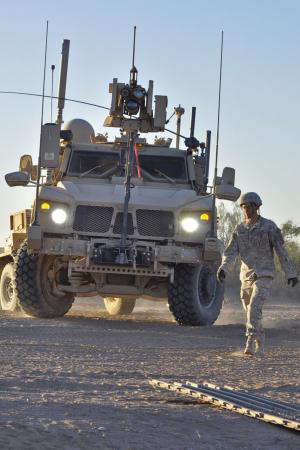
    Sgt. Daniel J. Hadley, a combat engineer in the Charlie Company, Special Troops Battalion, ground guides a Mine Resistant Ambush Protected vehicle to relocate the tactical operations center during the pilot week of Network Integration Evaluation 13.1, which took place in October-November 2012, at Fort Bliss, Texas, and White Sands Missile Range, N.M. (Photo credit: Sgt. Ida Irby, 24th Press Camp Headquarters)
    Vehicular routers will enable multiple users and systems on board combat vehicles to access vehicular networks and distributed IP based services while maintaining high level of security. Photo: Sgt. Ida Irby, US Army

    This marks the first RFP to support the NIE events. The Army has defined the tactical vehicular router as a capability gaps. SoSI also relies on Sources Sought notifications to target vendor solutions for broad capability gaps. “By executing two NIEs per year, the Army will conduct the first evaluation to assess broad industry capability gap solutions, and then use feedback to validate and refine requirements prior to additional targeted gap industry solicitation for participation in the second NIE,” said Colonel Robert Carpenter, director SoSI.

    The RFP will result in a NIE support contract award. After supporting the initial NIE cycle, the RFP is designed to allow Army Program Managers, through an Indefinite Delivery-Indefinite Quantity (ID-IQ) arrangement, to have opportunities to acquire additional capability, for both product and technical support from the supplier.

    Industry who respond to the RFP will provide Vehicle Tactical Routers and engineering/field service support for laboratory network integration and Laboratory Based Risk Reduction for the NIE activity. The RFP is anticipated to be a multiple (ID-IQ) task order contract with a base order with potential for future orders for production and related support.

    In addition to this specific RFP, the Army plans to issue a broad Sources Sought notice in early January 2013 to supplement NIE 14.1 assessments of: Brigade and Battalion Command Post Mobility, Operational Energy, Integrated Trouble Ticketing, Small Unit In-garrison Training, Aerial Layer Network Extension, Air Ground Network Architecture and Enterprise Wide Trouble Ticket Improvements.

    “NIE 14.1 will allow the Army to assess these broad gaps, and then provide lessons learned to target requirements as we enter NIE 14.2, which is planned to be the first Joint Service NIE construct,” said Carpenter.

    The Army is seeking only those solutions that address the specific identified gap, that are at the representative model or prototype system stage and that have been tested in a relevant environment.

    The semi-annual NIE is helping shape “agile” capability integration by assessing soldier provided and technical operational test data to influence not only how the Army procures capability, but also how integrated network capability requirements are validated and refined. NIEs also shape the ways the Army will field, train, sustain and continuously improve capability acquisition and life cycle management and provide a relevant operational test environment to meet mandatory Program of Record test requirements. Previous NIEs and laboratory assessments have helped inform requirements for this Request for Proposal release.

    Source: Defense-Update

    US Army Allocates Quarter Billion US$ for Small UAS

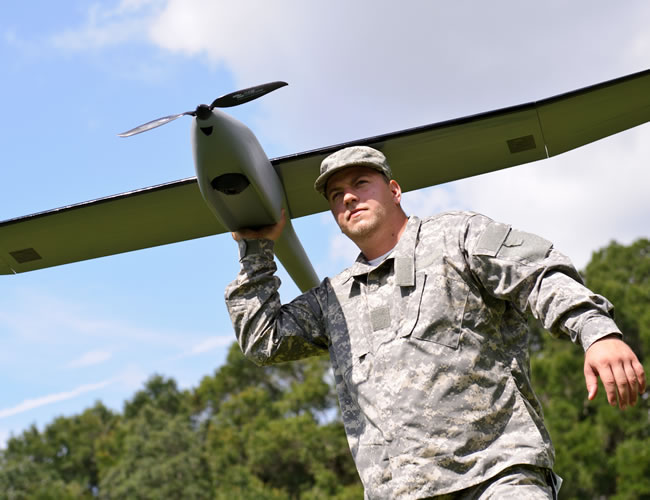
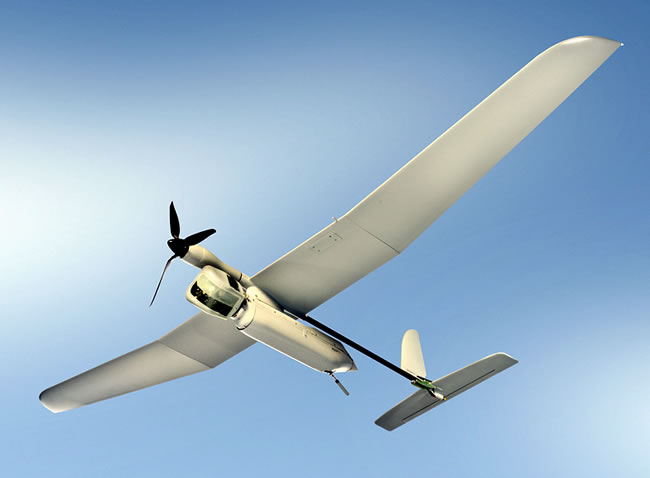
    The NOVA Block III UAS from `altavian is used by US Army Engineers to monitor aquatic habitats in Florida.
    The NOVA Block III UAS from `altavian is used by US Army Engineers to monitor aquatic habitats in Florida. Photo: Altavian
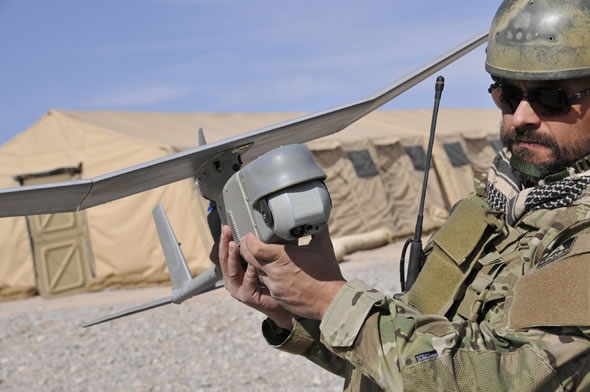
    RQ-11B Raven small UAS fitted with the Mantis gimballed EO Payload
    RQ-11B Raven small UAS fitted with the Mantis gimballed EO Payload. Photo: Aerovironment

    The US Army announced has awarded Indefinite Delivery/Indefinite Quantity contract (ID/IQ) to five manufacturers of small unmanned aerial systems (UAS) worth together up to $248 Million. The funding will cover deliveries of small UAS systems over the next five years. The funding will cover the Army’s own UAS, as well as some orders for other military branches, civilian government agencies and foreign countries.

    The beneficiaries are Aerovironment, of Monrovia, Calif., Altavian and Innovative Automation Technologies from Gainesville, Fla., Elbit Systems of America from Fort Worth, Texas and Lockheed Martin Corporation, Owego, N.Y.

    The Army awarded these shell contracts to all five companies that entered the bid to cap the future procurement, per specific requirements as defined by the Army. According to Aerovironment, the funding will enable the company to continue deliveries and support of RQ-11B Raven and RQ-20A Puma AE systems, as well as competing on medium- and long-range small unmanned aircraft systems.

    stalker_48h_laser_test
    Lockheed martin has recently demonstrated the Stalker performing a continuous 48 hour mission, utilising laser-beamed power. Photo: Laser Motive.

    “This new IDIQ contract provides for continued procurement of small UAS, reflecting the high value of this capability.” said Roy Minson, AeroVironment senior vice president and general manager of its Unmanned Aircraft Systems business segment. Lockheed martin will be able to offer the Stalker UAS for the Army, as well as to other services relying on Army procurement for their UAS needs.

    For Elbit Systems, the recent win is a major step forward in the US Small UAS market. In 2011, UAS Dynamics – a joint venture established between Elbit Systems and General Dynamics in 2009 lost the opportunity to sell its drones to the US Marine Corps, under the STUAS competition that was eventually won by Boeing/Insitu. Few months later General Dynamics divested its share in the company. The recent win is an important opportunity for Elbit Systems to regain its foothold in the North American market, particularly with the its Skylark 1LE Block II which was modified specifically for the US market.

    According to Elbit Systems of America President and CEO, Raanan Horowitz, Skylark I-LE Block II offers more mission flexibility, enabling the Skylark to fly higher without degradation of imagery.

    For IA-Tech and Altavian the Army contract opens new opportunities for growth. Altavian CEO John Perry, said he expects the Army to put out bids within the next few months, according to the Gainesville Sun. Perry said his company could triple its workforce if they wins substantial orders for its Nova Block III unmanned aircraft system. In August 2012 Altavian and ISR Group announced a teaming agreement, to expand Altavian’s marketing, operations and support to international markets and areas of operation. Sofar the company has been focusing on domestic operations.

    skylarkile
    Elbit Systems developed the enhanced version of its first generation Skylark, designated ‘Skylark 1LE’ to meet specific requirements defined by the US military services. Among these capabilities are increased payload capacity, allowing for more endurance and carriage of the M-STAMP multi-sensor payload. The Israeli Army has recently opted to upgrade its Skylark 1 systems with this new capability.

    Japan Planning Increase in Defense Spending

    Japan has decided to increase defense spending for the first time in eleven years, a move widely perceived to be in response to the growing military power of the People’s Republic of China (PRC) and the divisive territorial dispute over the sovereignty of the Senkaku/Diaoyutai Islands that have strained relations between the two nations throughout the past several years.

    Shinzo Abe, newly-installed prime minister, is known to support a more hawkish foreign policy stance than his predecessors and has vowed to pursue a more aggressive strategy in asserting Japan’s claims to the Senkaku Islands and the Takeshima Islands.  Chinese incursions into the waters surrounding the Senkaku Island group have escalated in recent months provoking repeated diplomatic protests from Tokyo, protests that are routinely rejected by Beijing.

    Republic of Korea (ROK) claims to the Dokdo/Takeshima Islands, also known as the Liancourt Rocks, have also aggravated relations between Seoul and Tokyo.  Although the ROK has physical possession of the islands and claims the islands as her own, Japan continues to stand behind its claims of sovereignty over the islands.

    For over a decade, Japanese politicians have managed to keep defense spending flat while continuing to keep the small Japanese Self-Defense Force (JSDF) well-equipped with modern weapons of US origin.  Unfortunately, the JSDF has no real-life combat experience and very limited training in offensive operations.  Combat training hasn’t been a priority concern since the end of World War Two.

    Initial indications are that the increase being requested is valued at approximately $1.15 billion.  This amount represents barely two percent of the total defense budget and is seen by many to be little more than a symbolic gesture to ease public concerns resulting from increasingly aggressive Chinese and South Korean incursions into the island groups claimed by Japan.

    Unnamed Japanese sources claim the additional money will be used to fund ongoing research into development of a new radar system and to cover anticipated increases in fuel and maintenance costs for surveillance/reconnaissance aircraft resulting from an increase in operational tempo.

    While the $1.15 billion increase is minimal, Japan’s defense expenditures average less than one percent of the nation’s Gross Domestic Product (GDP) allowing for a significant future margin of growth should the need arise.  Defense spending has been one constant throughout a decades-long downturn in economic growth and a dwindling domestic consumer market.

    News of the spending increase was announced just when the Japanese Foreign Ministry delivered a declaration to the Chinese ambassador protesting the appearance of Chinese naval vessels in the waters surrounding the Senkaku/Diaoyutai Islands.  Beijing was quick to reject the Japanese protest and later expressed extreme displeasure with the announcement of the defense spending increase.  Beijing refers to the Chinese air and maritime patrols in the disputed region “normal” as they still claim the region as their own.

    A330 MRTT Selected for India’s Next Aerial Refueling Platform

    Airbus Military has confirmed that it has been selected by the Government of India as the preferred bidder to supply its A330 MRTT Multi Role Tanker Transport to the Indian Air Force (IAF). The IAF plans to buy 12 additional tankers – six will apparently be the A330 and the remaining six could be either A330 or IL78 (which lost the current competition). Detailed negotiations will now begin which it is expected will lead to the award of a final production contract for an envisaged six aircraft in 2013.

    India´s selection of the A330 MRTT makes it the fifth nation to commit to the type following Australia, Saudi Arabia, the United Arab Emirates, and the UK, which have ordered a total of 28 aircraft. It was the second time India selected the A330 – the former tender in 2006 was cancelled after disagreement between the IAF and the Indian Finance Ministry.

    raafkc30arbs
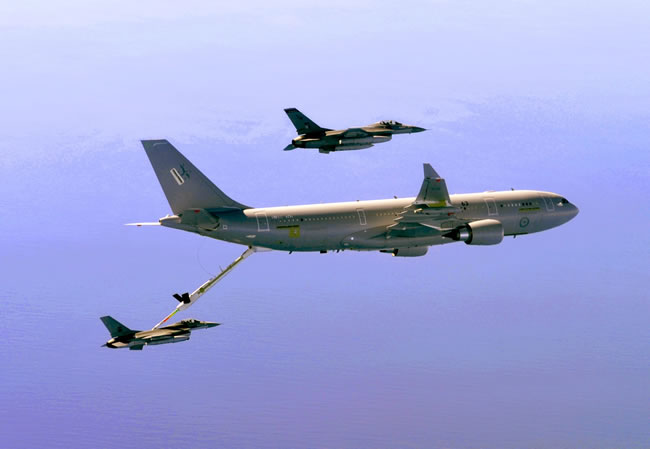
    The MRTT can be equipped with the aerial refuelling boom System (ARBS) developed by Airbus Military (seen above) or a pair of under-wing hose and drogue pods, plus an optional fuselage refueling unit, enabling simultaneous refueling of up to three fighter aircraft. Photo: Airbus Military

    The decision was formally announced this week, followed the unofficial announcement of Airbus as Lowest Bidder (L1) on the tender in November 2012. Although the base price of the competing IL78 was lower, the A330 proved to be more efficient and lower cost in terms of total life cycle support spending. According to the IAF, the twin-engine A330 outperforms the four-engine Russian IL-78, offering more economical high altitude cruising, which significantly lowers its operating cost. The estimated value of the A330 MRTT program  could exceed US$2 billion. The IAF evaluated the aircraft performance through extensive flight demonstrations in India, where the MRTT refuelled multiple types of IAF fighters and operated from the high-altitude IAF base at Leh.

    The A330 MRTT is provides a large and efficient platform for aerial refueling and military transport. Derived from the successful A330-200 airliner the aircraft has an internal fuel capacity of 111 tons (245,000 lb). The aircraft is offered with a choice of air-to-air refueling systems, including an advanced aerial refueling Boom System developed by Airbus Military and/or a pair of under-wing hose and drogue pods, plus an optional fuselage refueling unit, enabling simultaneous refueling of up to three fighter aircraft.

    The A330 MRTT can also be used as a pure transport aircraft, carrying 300 troops or a payload of up to 45 ton (99,000 lbs). It can also be converted to accommodate up to 130 stretchers for medical evacuation. The tankers will operate from the Panagarh Air Base in the eastern state of West Bengal, supporting Su-30MKI fighter jets, extending their operational range well beyond the Himalayas.

    kc30_pax
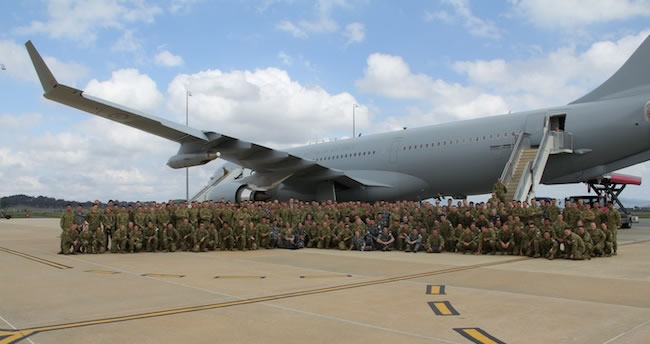
    In its secondary transport role the A330 MRTT can support disaster relief or military operations, carrying 45 tons of supplies, 300 troops or 130 stretchers on medical transport missions. Photo: Australian Defence

    Iron Dome – Beyond the Pillar of Defense

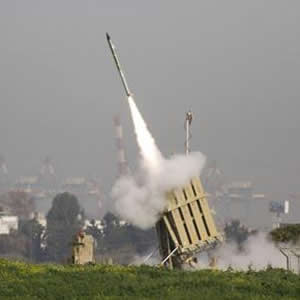
    RAFAEL Iron Dome anti-rocket system

    Israel launched Operation “Pillar of Defense” on November 14 2012, in order “to improve the security situation and deliver a painful blow to Hamas. The main reason for striking at Hamas was to weaken – if not to completely destroy – its ability to launch rockets at Israel’s civilian population.

    Rockets have been launched steadily from the Gaza Strip for some years, and Hamas began firing its homemade Qassam rockets even before the IDF withdrawal from Gaza in 2005. Since then there have been repeated cycles of calm with occasional rounds of escalation.

    In recent years, Hamas and the other organizations operating in the Gaza Strip have switched to using standard rockets smuggled into Gaza through a variety of routes. The inventory of rockets has gradually increased, and on the eve of Operation Pillar of Defense, it was estimated at some 15,000.

    Most of the rockets held by Hamas and the other organizations in Gaza are of military quality, 107-mm and 122mm Grad rockets. These rockets, of Soviet design, have been in use since the 1960s. They are manufactured in dozens of countries around the world (including most former members of the Warsaw Pact, as well as China, North Korea, Iran, and Egypt). The original 122mm Grad rocket has a range of some 20 kilometers; some of the recent versions of the Grad have an increased range, up to about 40 kilometers.

    The close relations between Hamas and Iran led to the possession of longer and more lethal Fajr-3 and Fajr-5 rockets. The Fajr-5 is an Iranian-made 333mm rocket with a range of about 75 kilometers. The organizations have recently aimed to achieve some self-sufficiency by producing their own rockets, as Israeli covert attacks on smuggling routes from Iran through Sudan and Sinai became more effective. As early as two years ago, for example, a rocket that struck Israel with a range of 21 kilometers was identified as a local imitation of a Grad. Further improvements in their indigenous capabilities was evident during Pillar of Defense, when Hamas boasted use of a homemade rocket called M-75, with a range of 75-80 kilometers, comparable to that of the Fajr-5.

    Israel’s defense doctrine for mitigating the threat posed by high-trajectory weapons is a multi-layered doctrine (“high-trajectory” is a broad term that includes a wide range of threats – from mortar and other artillery shells, through short-range rockets, long-range rockets, and various ballistic missiles). It comprises deterrence; attacks on the enemy’s launch abilities within its territory and active defense, which includes systems of multi anti- missile systems: Arrow 2 (operational) and Arrow 3 (under development), David’s Sling (to become operational 2014), intended to intercept longer-range rockets with a range of up to 200 kilometers, and the Iron Dome system.

    Iron Dome is a system for active defense against rockets with short ranges up to 70 kilometers as well as against artillery shells. Rafael Advanced Defense Systems developed it in cooperation with IAI/Elta Systems, which produces the radar, and mPrest, which is responsible for the command and control system. Iron Dome uses an interceptor missile to shoot down rockets. One of the important characteristics of the system is its ability to calculate the trajectory of the tracked rocket. It does not engage rockets predicted to fall in an open and unpopulated area. The system entered operational service in early 2011, and its first operational interception was of a rocket fired at Ashkelon on April 7, 2011. On the eve of Operation Pillar of Defense, there were four operational Iron Dome batteries in the IDF’s order of battle. A fifth battery that was scheduled to be deployed in January 2013 but was rushed into operational service during Pillar of Defense, and on November 17, it was deployed for defense the metropolitan area surrounding Tel-Aviv.

    During Operation Pillar of Defense, 1,506 rockets were fired at Israel. Of these, 152 were failed launches, 875 fell in unpopulated areas, and 421 were successfully shot down by the Iron Dome system, which achieved a success rate of 85 percent. Only 58 rockets fell in built-up areas with only six Israeli citizens were killed. The success of the Iron Dome system was given as the main factor that obviated the necessity to initiate an IDF ground operation in Gaza. As a result of the system’s success, a ministerial committee approved a budget of NIS 750 million to expand acquisition of the Iron Dome system, with the declared intention of eventually acquiring 13 batteries.

    There is no doubt that from a technological and operational-tactical point of view, the Iron Dome system achieved tremendous success. Iron Dome is a unique system, and it has no counterpart anywhere in the world. The very nature of its success tends to make people forget, or even worse, to automatically dismiss criticism of the concept underlying the weapon system. In the case of Iron Dome, the process of its development and acquisition was accompanied by considerable criticism on several levels: technological, operational-tactical, and conceptual strategy. There were claims that shorter-range incoming rockets were not intercepted and that the cost was too high and could not be sustained for an indefinite period. Defense analysts also advised that as the enemy will certainly try to counter Iron Dome, measures should be taken to develop sufficient means to intercept larger salvoes. Hamas already tried to fire simultaneous rockets, in salvos of over 10 rockets that were repeatedly intercepted by Iron Dome.

    The direct cost of using Iron Dome was estimated at about NIS 160 million. Although a substantial amount it represents modest expenditure of some 5 percent of the total cost of the operation. The system operated until the end of the hostilities. Given the absence of non-classified information, it cannot be estimated how long the interceptor supplies would have lasted, although Rafael worked round the clock to produce throughout the entire period and after. It can only be estimated that in future wars, the inventories of Iron Dome interceptors are likely to be an important operational factor and sufficient storage be kept available.

    On the strategic level, a salient argument was that the system gave decision makers the freedom to act judiciously, and in particular, that the system’s success made it unnecessary to launch a ground operation in the Gaza Strip.

    Questions for the Future

    When the dust settles and the feeling of euphoria over the system’s success during Operation Pillar of Defense subsides, it will be necessary to seriously examine several questions that remain unanswered. First, what should be protected? Iron Dome was deployed to defend the civilian population. This choice was justified because the civilian population was the target of the rocket attacks in the current round. However, under severe circumstances such as those predicted for a future conflict with Hezbollah, which is equipped with a much larger number of rockets, some of which are significantly more accurate than the rockets Hamas possesses, the question will arise whether to protect the civilian population or to divert resources towards protecting strategic and military assets.

    Second, how many batteries are needed? A rough estimate considers at least twenty batteries able to cover most of Israel’s territory. In order to reduce the unit cost export opportunities should become crucial. Countries like South Korea and Singapore have already expressed an interest in the system, and some military defense officials in the United States have called on the US Army to consider buying the Iron Dome system to support ground units such as those deployed in Afghanistan.

    In Operation Pillar of Defense Israel has just proven that its new Iron Dome system can repel Hamas’ short-range rockets and missiles. But the question remains whether those weapons can counter the more advanced missiles that Hezbollah and Iran can throw at Israel, which would surely overwhelm Iron Dome. That may be a reason why Israel, and the United States of America are already looking into the missile defense systems beyond Iron Dome, including ones that rely on directional high-energy solid-state lasers.


    Lockheed Martin Demonstrates High-Energy Laser C-RAM Application

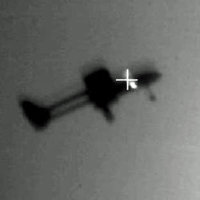
    Lockheed Martin's ADAM system demonstrates UAV tracking prior to laser engagement.
    Lockheed Martin’s ADAM system demonstrates UAV tracking prior to laser engagement. Photo: Lockheed Martin

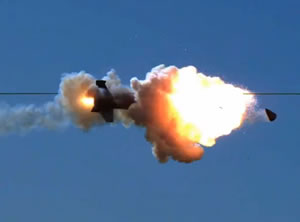
    The Lockheed Martin Area Defense Anti-munitions (ADAM) prototype laser weapon system successfully destroys a rocket target flying on a wire at a range of 1.6 kilometers on Dec. 10, 2012, replicating similar demonstrations conducted earlier this year. Defense-Update reports. Since August, the system has successfully engaged an unmanned aerial system target in flight at a range of approximately 1.5 kilometers (0.9 miles) and has destroyed four small-caliber rocket targets in simulated flight at a range of approximately 2 kilometers (1.2 miles). Acquisition, tracking and destruction of the target took approximately three seconds.

    Lockheed Martin’s Area Defense Anti-Munitions (ADAM) system is a laser weapon system that is designed to defeat close-in improvised rocket and unmanned aerial system (UAS) threats. The system is self-contained to conduct the full engagement sequence against rockets and accepts an initial external radar cue to engage UASs.  The system uses a 10-kilowatt fiber-laser developped by the company to provide the performance needed for these types of threats. The system precisely tracks targets in cluttered optical environments and has a tracking range of more than 5 kilometers (3.1 miles). It can as a standalone system and to engage unmanned aerial systems with an external radar cue.

    A sequence from a video showing an rocket destroyed by the ADAM laser weapon
    A sequence from a video showing an rocket destroyed by the ADAM laser weapon

    ADAM detects the threat and within seconds, locks on the target and establishes an aim point. When the system declares a valid aim point, it fires the laser on the target, long enough to negate the rocket or UAS. Lockheed Martin has successfully demonstrated the ADAM system in a series of tests against representative airborne targets in 2012.

    Lockheed Martin developed the ADAM system under independent research and development funding. The system is configured as a land-based transportable system.

    Source: Defense-Update

    Backfires for China?

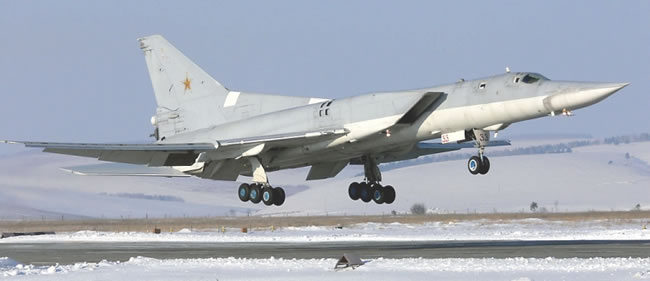
    Tu-22M3 Backfire C bombers are currently supporting the Russian Navy with long range maritime strike capability.
    Tu-22M3 Backfire C bombers are currently supporting the Russian Navy with long range maritime strike capability.

    According to unofficial news sources in China, Beijing may have rekindled its interest in acquiring Tu-22M3 long range supersonic bombers from Russia (NATO code name Backfire C). There has been no confirmation from Moscow or Beijing about such a deal being negotiated. According to the unconfirmed report China is interested in buying 36 such bombers, to be designated H-10.

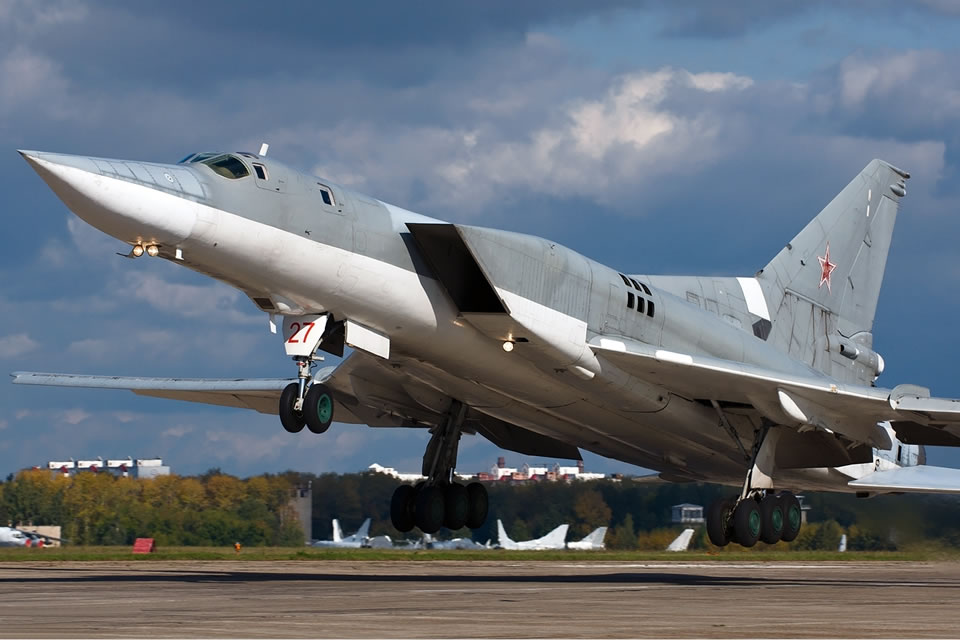
    Tu-22M3 Backfire C
    Tu-22M3 Backfire C

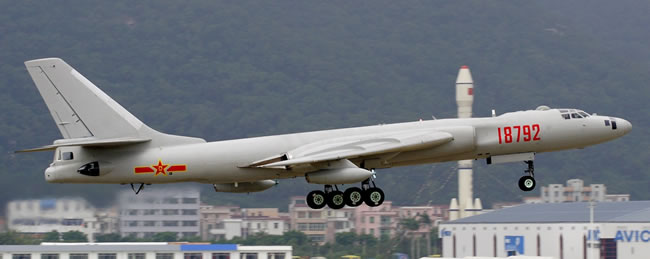
    They will be used for long-range maritime strike role and replace the H-6 (Chinese built version of the Tupolev Tu-16 bomber) which are considered obsolete.

    With an operational range of 6,800 km, the Tu-22M3 is capable of reaching the second island chain in the Pacific from the Chinese mainland. Beijing has overtly claimed sovereignty over the western Pacific, in a direct challenge to U.S. strategic policy. While the Tu-22M3 is a potent strike platform, U.S. or Russian standards do not consider it a modern aircraft, as it would be vulnerable to most air-defense assets employed with U.S. Carrier Air Group.

    Xian H-6 (Chinese built Tu-16) bomber flying aerial refuelling support missions for the People's Republic Army Air Force (PLAAF)
    Xian H-6 (Chinese built Tu-16) bomber flying aerial refuelling support missions for the People’s Republic Army Air Force (PLAAF).

    SAAB Integrates Surveillance Systems for Piaggio Aero MPA

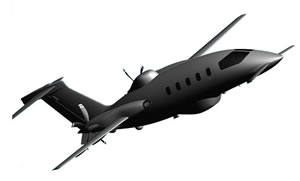
    The MPA is based on Piaggio P180 Avanti-II Thri-Plane design.
    A concept view of the new Piaggio Aero MPA - maiden flight of the first prototype is planned for 2014.
    A concept view of the new Piaggio Aero MPA – maiden flight of the first prototype is planned for 2014.

    The Saab group has signed a framework agreement with Italian Piaggio Aero Industries for the integration of surveillance systems in the Multirole Patrol Aircraft – a new surveillance aircraft based on Piaggio Aero’s business plane. The order is valued at Euro 15.5 million. Within the framework agreement Saab receives an initial order for the delivery and integration of the surveillance system MPA Mission System.

    The order comprises two MPA aircraft and requires Saab to integrate a package of advanced surveillance equipment comprising of sensors, radar, infra-red cameras and a mission system. Deliveries are scheduled for the period 2012 to 2015.

    The aircraft will be able to perform surveillance of broad areas for more than 6 hours at low altitude in coastal or offshore waters. The aircraft offers large, stand up cabin allowing spacious installation of mission equipment while providing maximum crew comfort for enhanced missions. It will be able to fly up to 41,000 feet, with endurance of 10 plus flight hours, cruise at a speed of 350 knots and fly at a maximum range of 3,300 nautical miles.
    The MPA is an evolution of the Piaggio Aero P.180 Avanti II platform, modified to meet land, coastal, maritime and offshore security requirements. The MPA’s main features are an enhanced airframe, increased maximum take-off weight, additional fuel tanks and a new aerodynamic configuration with a reinforced wing providing an increased surface and higher aspect ratio.

    An evolution of the P.180 Avanti’s patented Three-Lifting-Surface Configuration (3LSC), the modified aerodynamic configuration designed for special mission applications underwent extensive Reynolds low speed/high speed wind tunnel testing at ONERA, to validate design and performance. ‘During testing it demonstrated an 30% reduction of required power, in comparison to its nearest competitor’ – Piaggio communique said.

    Piaggio Aero launched the Piaggio Aero MPA at the Farnborough 2012 airshow, with the signature of a contract with Abu Dhabi Autonomous System Investments (ADASI). The contract covered the complete development of the MPA aircraft, including the roll out of two prototypes with first flight scheduled for 2014. “The newly designed Piaggio Aero MPA aircraft will allow us to enter the surveillance sector and diversify our business profile with the development of this new state of the art multirole platform” said Alberto Galassi, Piaggio Aero CEO.

    The MPA is based on the P.180 Avanti's patented Three-Lifting-Surface Configuration (3LSC)
    The MPA is based on the P.180 Avanti’s patented Three-Lifting-Surface Configuration (3LSC). Photo: Piaggio Aero


    Aero-India Show Live!

    Download our apps to receive on-site news, reports and photos!

    Download the ipad and iphone app from Appstore
    Download the ipad and iphone app from Appstore
    Download the iPhone and iPad apps from Apple Appstore
    Download the iPhone and iPad apps from Apple Appstore

    Defense-Update Airshow-Live Introduces India's Leading Aerospace Companies at Aero-India 2013
    Defense-Update Airshow-Live Introduces India’s Leading Aerospace Companies at Aero-India 2013

    Reflecting the rapid growth of India’s civil aviation, defense and aerospace market, Aero-India 2013 taking place at the Indian Air Force Station Yelahanka, near Banguluru (Bangalore) in Southern India from 6th to 10th February 2013 is the largest-ever air show in the country. The biennial event is organized by the Ministry of Defense, and managed by the confederation of Indian Industry (CII).

    This year Defense Update is teaming with India’s leading aerospace magazine VAYU, to publish an online and mobile news report offering live coverage of Aero-India 2013. Vayu is an official media partner of Aero India.

    As always, our reporting will provide an objective, first hand impressions of the show, outlining the main topics, news and reviewing new products, companies, and other highlights related to India’s aerospace market and the main aerospace programs unfolding in India today.

    Please refer to our live report or specific posts available at our top news page. You may also subscribe to get the news via email, through our free subscription form.

    Subscribe now to Receive Airshow-Live!

    While we focus on the Indian market, our aim is to balance our reporting with input from different sources, following the local Indian market, and closely watching the growing interest by French manufacturers, companies from Russia and Israel, which provide the largest defense exporters here; Germany and the U.S. are also growing powers that we plan to cover. We encourage companies to email us with relevant news to [email protected], or suggest coverage via the comment section attached to each post.

    Vayu Aerospace is a supporting media partner of Aero-India 2013
    Vayu Aerospace is a supporting media partner of Aero-India 2013
    Vayu is publishing three on-site Show Editions distributed on site throughout the airshow.

    The first Aero India event was launched in 1996, and has been covered by Defense-Update since 2005. While focusing on the Indian market, Aero India has become one of the most important aerospace and defense fairs in Asia. The show will provide an important platform for government organizations, public sector enterprises (PSU) and private sector companies from India to interface directly with hundreds of leading aerospace and defense companies from around the globe, seeking to develop their business in the Indian subcontinent.

    Aero India is a showcase of the latest equipment developed in India – from the major platforms developed indigenously at the country’s research and development centers, through enterprises focused on local production, maintenance and support, manufacturing of aero-structures, avionics, electronics, electro-mechanics, electro-optical systems, as well as information systems for the fast growing aerospace market.

    Over 50% of the 592 exhibitors participating at Aero India 2009 were foreign companies, representing 25 countries. In 2011 the participation is expected to increase, although no official numbers were published yet. Foreign and local exhibitors will be grouped in national and industry pavilions.

    Defense Update will continue to update this preview of Aero-India 2013, highlighting the main themes, participating aircraft, review of national pavilions and presenting selected exhibitors. Our report will continue on-site through the week of the show, provided as part of Defense-Update news blog. If you are using a mobile phone, you may also check http://m.defense-update.com for an ultra-fast, mobile-phone optimized experience.
    Stay tuned for more information on Asia’s Premier Airshow.

    Click Here To View Aero India 2011 Photo Review!

    In addition to listing Indian private and public sector groups, our aerospace company guide also lists foreign companies that operate in the Indian aerospace and defense market

    Defense-Update Airshow Live! introduces: India’s Aerospace Companies – In addition to the known names of India’s major aerospace manufacturers, are numerous privarte sector companies, which are setting the stage for the rapid growth of the Indian Aerospace market. At Aero India 2013 you will be able to get to know some of the names we are introducing to you here. Aircraft and aerostructures builders, subsystems and parts manufacturers, designers, OEMs, Electronic Systems developers and manufacturers, service providers and more.

    The following list was published for Aero-India 2011 and will remain online through December 2012. To secure your placement for the next two years, including Aero-India 2013, Act Now! Take advantage while the Early Bird rate is still available.


    Add your company – Act Now!


    Indian Aerospace Companies at Aero India

      Israeli aerospace companies at Aero-India 2013

        French aerospace companies at Aero-India 2013

        German aerospace companies at Aero-India 2013

        Aerospace companies from the USA at Aero-India 2013


        To add your company – Act Now!

        US Air Force Halts Afghan C-27A Deal

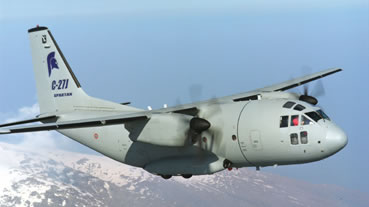
        U.S. Air Force officials have decided not to renew a contract with Italian aircraft manufacturer Alenia North America to support and induct the small, Italian-made C-27A transport aircraft into the Afghan Air Force. This is the second U.S. blow aimed at the Italian aircraft manufacturer, after the termination of acquisition of C-27J Spartan by the US Air Force. According to the Air Force, Alenia failed to generate a sufficient number of operational aircraft for effective Afghan Air Force airlift capability. Aviation Week reports.

        In 2008, the U.S. paid $314 million for the purchase of 20 former Italian Air Force G.222s — designated the C-27A by the Air Force — to give to the fledging Afghan National Army Air Corps, later the Afghan Air Force, an independent tactical transport capability to replace Soviet-era Antonov An-32s.

        However, their introduction to service has been far from smooth. Only 16 of the aircraft have been delivered to Afghanistan, with four remaining in Italy. Despite a deployed team of contractors, the aircraft struggled with serviceability issues and have been grounded twice — once in December 2011 on airworthiness grounds, and again in March 2012 because of safety issues that delayed the training of Afghan personnel.

        Northrop Grumman to Skip Paris, Lockheed Martin Holds Ground

        After skipping Farnborough in 2012 Northrop Grumman will also be absent from the Paris Air Show this year. The company said it prefers to invest its marketing efforts in growing markets in the Oceania and the Middle East. According to Reuters, Northrop’s move is part of its overall drive to reduce costs as the U.S. defense industry girds for tighter budgets after a decade of sharp growth.

        Northrop, one of the five biggest U.S. defense contractors, also skipped the Farnborough international air show outside London last year, calling the move part of its drive to cut costs and prepare for leaner times in the global defense market. Weapons makers generally spend around $4 to $5 million to participate in a big air show.

        Lockheed Martin Corp has also scaled back its spending on air shows in recent years, reducing the number of executives it sends and relying more on local employees. But the No. 1 Pentagon supplier still plans to participate in the Paris show this year, said spokeswoman Jennifer Whitlow. “We continue to look for ways to reduce our costs, but we do think the air show is an important opportunity to talk with our customers about their national security needs,” she said.

        Waiving Gripen Lease Option, Bulgaria Looks for Portuguese F-16s

        After being one of the prospects for European fighter manufacturers in recent years Bulgaria has recently decided to but used F-16s from Portuguese Air Force surplus to equip its air force, thus delaying a major investment in its air force. Press reports criticizing the decision claim the Bulgarian MOD will pay Sofia will  over 470 million for the nine F-15 Block 15 fighters, an amount that sounds unrealistic, yet following the example set by the Government of Taiwan, it could be possible, if those planes will be equipped with the new systems the Taiwanese Falcons will get.

        Skunk Works and XTEND Simplify Multi-Drone Command

        0
        Lockheed Martin Skunk Works® and XTEND have achieved a major milestone in JADC2 by integrating the XOS operating system with the MDCX™ autonomy platform. This technical breakthrough enables a single operator to simultaneously command multiple drone classes, eliminating the friction of mission handoffs. From "marsupial" drone deployments to operating in GPS-denied environments, explore how this collaboration is abbreviating the data-to-decision timeline and redefining autonomous mission execution.

        From Ukraine to Taiwan: The Global Race to Dominate the New Defense Tech Frontier

        0
        As traditional defense primes face mounting competition from agile “neoprimes” such as Anduril, Palantir and Helsing, the balance of innovation is shifting toward software-defined warfare and scalable, dual-use technologies, while global industry consolidation—marked by Boeing’s integration of Spirit AeroSystems and other strategic mergers—signals an intensified race to secure control over the defense technology value chain. Our Defense-Tech weekly report highlights these trends.

        Europe’s “Drone Wall”

        0
        In early October 2025, a coordinated wave of unmanned aerial system (UAS) incursions—widely attributed to Russia—targeted critical infrastructure across at least ten European nations. The unprecedented campaign exposed the fragility of Europe’s air defenses...

        Weekly Defense Update & Global Security Assessment

        0
        Executive Summary The past week (September 18-25, 2025) represents an inflection point where strategic defense concepts have transitioned from doctrine to tangible reality. An analysis of global events reveals four primary, interconnected trends shaping an...

        U.S. Air and Space Forces Push Next-Gen Programs at the AS&C 2025 Conference and...

        0
        At the 2025 Air, Space & Cyber Conference, U.S. Air Force and Space Force leaders unveiled major updates on next-generation fighters, bombers, unmanned systems, and space initiatives, highlighting both rapid innovation and critical readiness challenges as the services race to outpace global competitors. A short version is available here, with a more detailed version for subscribers.

        TADTE 2025: Reflecting Taiwan’s Strategic Themes

        0
        The Taipei Aerospace & Defense Technology Exhibition (TADTE) 2025 crystallized around four dominant strategic themes that collectively illustrate Taiwan's comprehensive approach to defense modernization amid escalating regional tensions. Based on a detailed report by Pleronix (available upon request). Includes a Podcast discussion on TADTE 2025's highlighting Taiwan's four strategic themes beyond the post's coverage.

        Iron Beam 450 Completes Testing, Soon to Join With Operational Air Defense Units

        0
        Israel’s Iron Beam 450 high-power laser system has completed final testing, marking a major leap in air defense. Developed by Rafael, it offers precise, cost-effective interception of rockets, UAVs, and mortars, and is set for IDF deployment by 2025.