Monday, December 29, 2025
More
    Home Blog Page 166

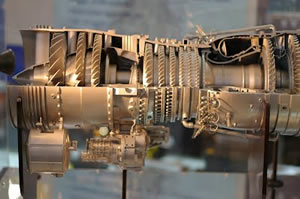
    India in Search for a Foreign Engine Maker to Improve Kaveri Program


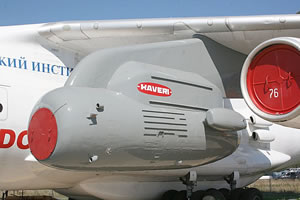
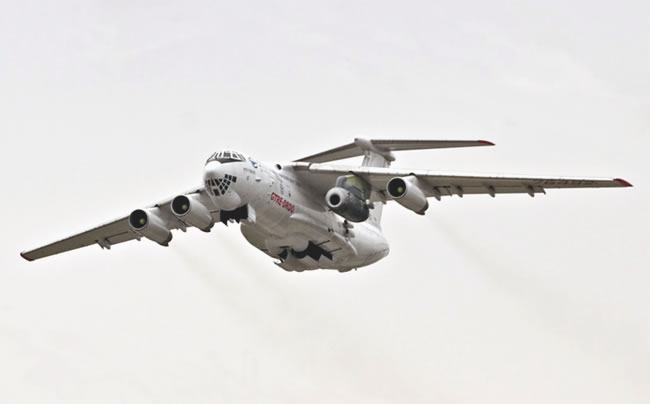
    The Indian Kaveri jet engine was tested in Russia on a modified IL-76 platform.
    The Indian Kaveri jet engine was tested in Russia on a modified IL-76 platform.

    The Indian Ministry of Defence (MoD) is planning to attract an international partner for the development of the troubled Kaveri jet engine program, through an international, open tender, after the joint program with French engine maker Snecma failed to deliver the expected results. Under the planned bid, major global aero engine manufacturers will compete in a global tender to partner the Gas Turbine Research Establishment (GTRE) — the Bangalore-based DRDO engine laboratory — in refining the Kaveri engine to the level where it can power the Advanced Medium Combat Aircraft (AMCA), an indigenous, fifth-generation fighter that is on the MoD’s long-term horizon.

    “We are abandoning the plan for co-development with Snecma. We still need an overseas partner. But it will not be Snecma on a single-vendor basis. We will select our partner through competitive bidding,” says Dr CP Ramnarayanan, director, GTRE told the Business Standard. “To develop a more powerful Kaveri engine quickly and to become self-reliant in engine design, we need a foreign partner which can bring in core technologies. Otherwise the next cycle of engine development could take another 15-20 years,” Ramnarayan said. Requests for Proposals (RfP) will be issued to engine makers worldwide.

    After years of development, the Kaveri jet engine still delivers significantly less power than what a modern fighter requires. In 27 flight-test performed last year at the Gromov Flight Research Institute (GFRI) in Russia, the Kaveri’s maximum thrust (termed “wet thrust”) was measured at 70.4 KiloNewtons (KN). High-performance fighters like the Tejas or the AMCA need engines that generate at least 90 KN of thrust.

    Since its first run in 1996 nine Kaveri engines built. Although, due to the delays in development and insufficient thrust, Kaveri is not destined for the Tejas Indigenous Fighter Aircraft, it is being considered as the powerplant for India’s first Unmanned Strike Air Vehicle (USAV) also under development at the DRDO.

    Among the challenges faced by the developers are the manufacturing of super-alloys and fabrication of parts for the engine’s hot section core, at temperatures of 1600 degrees.

    The Kaveri engine tested on an Il-76 testbed in Russia developed insufficient power levels.
    The Kaveri engine tested on an Il-76 testbed in Russia developed insufficient power levels.

    Taiwan To Upgrade Half F-CK-1 of its Fleet By Year’s End

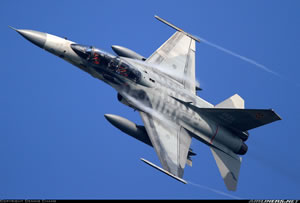
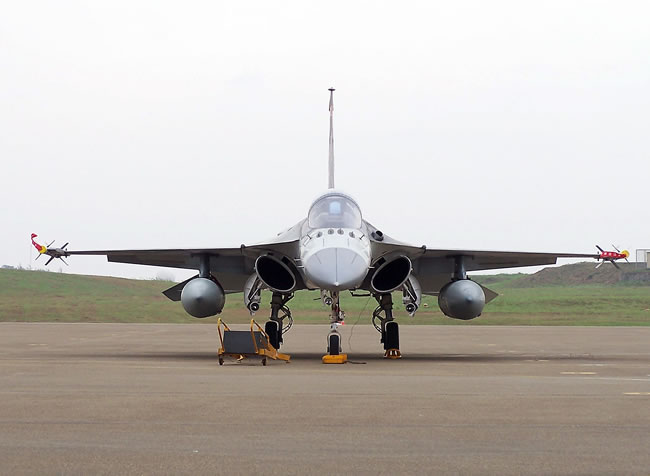
    ADIC F-CK-1A
    ADIC F-CK-1A

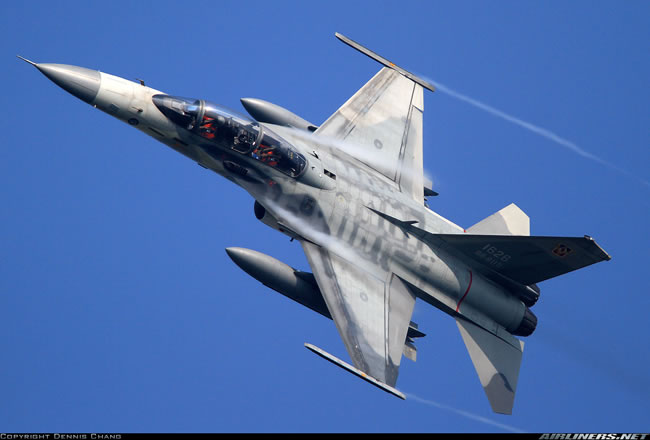
    By year’s end Taiwan plans to complete modernizing about half of the fleet of its locally built ‘Indigenous Defense Fighter’ (IDF). The upgrade will enable the Taiwan Air Force to maintain the aircraft in service through 2030. About half of Taiwan’s 127 aircraft fleet will be completed by the end of 2013, Air Force officials told the Parliament in Taipei. The upgrade package includes an enhanced radar, avionics and improved electronic warfare (EW) systems. Taiwan deployed the IDFs in 1992 and the upgrade, which kicked off in 2009. This four-year phase includes 71 F-CK-1 A/B aircraft to be upgraded into F-CK-1 C/D at a cost of half-billion US$. The remaining aircraft will be upgraded through the program’s second phase, to be concluded by 2017.

    The IDF jet fighter project was designed and built by the Aerospace Industrial Development Corporation (AIDC), after the US refused to sell modern fighters to Taiwan. The aircraft was developed with assistance from American defense corporations. It entered active service with the Republic of China Air Force in 1994, and all 130 production aircraft had been manufactured by 1999. In 2012 the United States last year agreed to equip Taiwan’s 146 F-16 A/B jets with new technologies in a $5.85 billion deal.

    Taiwan is planning to complete the first phase of the modernization of the FC-K1 Indiegous Defence Fighter by year's end. A two-seat derivative is also used for lead-in training for fighter pilots. Photo: Dennis Chang
    Taiwan is planning to complete the first phase of the modernization of the F-CK-1A/B Indigoes Defence Fighter into C/D by year’s end. Seen here is the two-seat ‘B’, eventually upgraded into the F-CK-1D model. Photo: Dennis Chang/Airlines.net

    Israel’s New Jet Trainer Could Cost More Than $60 Million per plane, over 20 Years

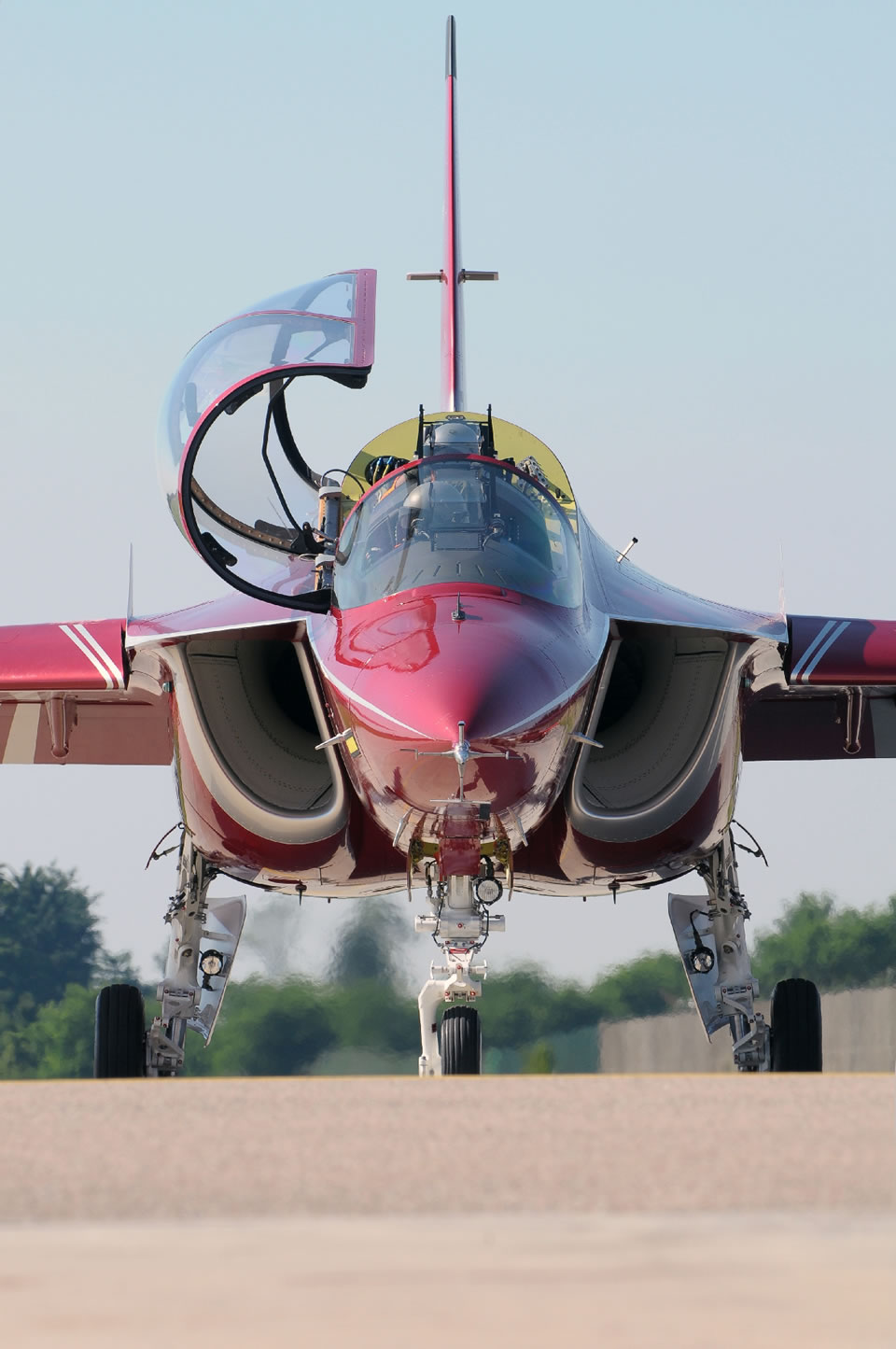
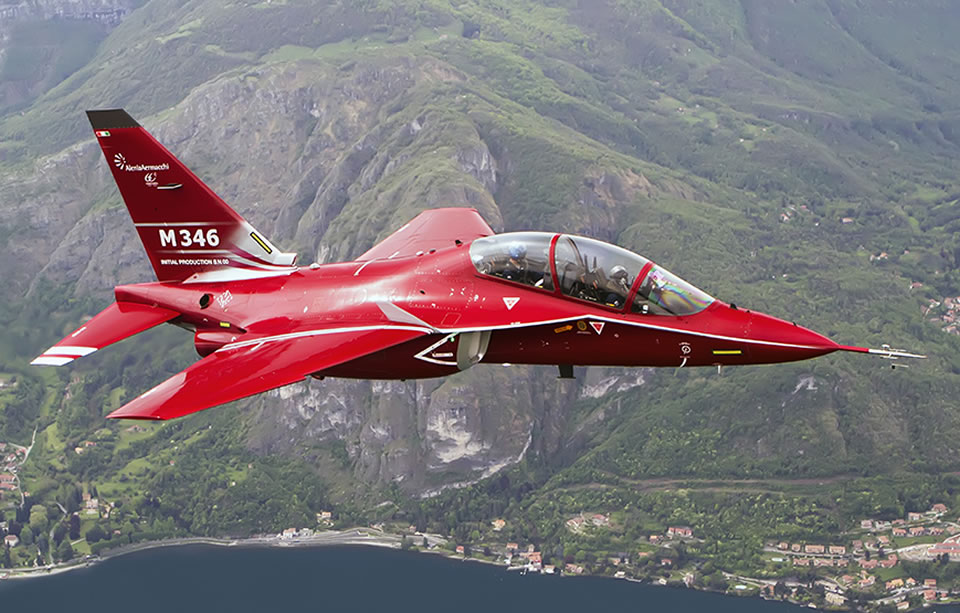
    Alenia Aermacchi M 346 Master (Photo: Alenia Aermacchi)

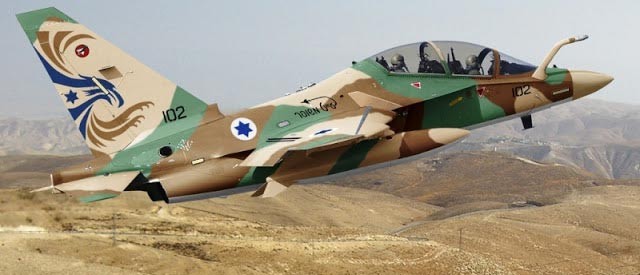
    This is how the M346I could look like in two years. The aircraft will probably receive a local name, rather than 'improved Eagle' used on this artist concept.
    This is how the M346I could look like in two years. The aircraft will probably receive a local name, rather than ‘improved Eagle’ used on this artist concept.
    While Lockheed Martin is bashed over the escalating cost of its F-35, the life cycle costs of other fighter planes have often been  overlooked, as customers and primes alike focus on the initial procurement cost rather than ‘cost of ownership’ of such planes. The procurement of 30 M346 jet trainers by the Israel’s Ministry of Defense (IMOD) was regarded as an example of well managed and relatively transparent acquisition program, since most of its elements are run by publicly traded companies in Italy, the US and Israel.

    In July 2012 the IMOD has reached an agreement on a multi-year maintenance and support framework supporting the Israel air force (IAF) next generation jet trainers. The total project is budgeted at $603 million over 20 years. To provide this support Israel’s two largest defense contractors – Israel Aerospace Industries (IAI) and Elbit Systems – established a joint venture called ‘TOR Advanced Training’. Adding the procurement costs of airframes and engines, the aircraft full life cycle cost is expected to almost triple the amount previously quoted during the program was first introduced in July 2012.

    The contract will be signed in the coming weeks, following the finalization of financing procedures. In order to meet the project’s tight schedule, IMOD has released an interim purchase order and financing covering approximately $27 million to Elbit Systems, to launch the logistical center and maintenance infrastructure for the new aircraft over the next three years. The full cost of this setup is expected to cost $110 million. In early January, 2013 Elbit Systems awarded the M346 manufacturer Alenia Aermacchi $140 million for its part of the aircraft service and support contract. According to the Italian company, the CLS services, which include supply, maintenance and overhaul of spare parts for 30 Israeli M-346.

    IAI and Elbit Systems will split the remaining amount, to be paid by the MOD based on the flight hours operated by the air force. Elbit Systems said it expects its share to amount to $310 million over the period of 20 years. According to IMOD data the cost per flight hour will be similar to the cost currently paid to IAI for the maintenance of the A-4N/TA-4N Skyhawk used for advanced training.

    How much the Israeli M346 really cost? Defense-Update walks you through the financial maze of the tripartite trainer deal. More information on the program projected life cycle cost is included in the Full Version of this article, available via our Premium Subscription.

    IAI will prepare to provide line and depot maintenance to support the fleet in Israel while Elbit Systems will provide logistical support for the fleet and simulators.

     With the cost of engines and support program figured in, the IMOD expects to spend about $2.2 billion for its new trainers over the next 20 years – more than tripling each aircraft ‘out of factory’ cost, from nearly $20 to $65 million, reflecting the total ‘cost of ownership’ of these aircraft. This cost is rated at about the third of the cost of a modern F-35 stealth fighter.

    The IMOD direct payments for the 30 aircraft will be spread over a period of 10 years – more then two four year planning programs, therefore limiting the impact on the domestic defense budget to around $60 million on an annual basis. The engines are likely to be covered by the US military aid to Israel, leaving the Israelis to bear roughly $25 million annually ‘out of their pocket’ for operations and support. This cost corresponds to the average amount required to maintain the current TA-4N Skyhawk trainers that will be phased out. Over the 20 years ‘life cycle’, Israel expects to pay about $60 million to own each of these Italian Masters.

    M-346 Master – advanced jet trainer. Photo: Alenia Aermacchi

    Despite French Pressure, HAL Remains India’s Lead Integrator for the Rafale

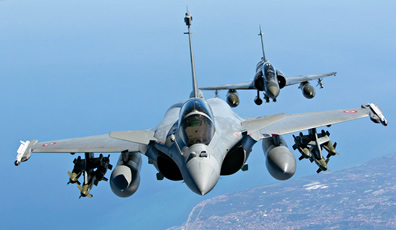
    A French Air Force Rafale carries six AASM guided weapons on a mission over Libya. Photo: French Air Force

    The Indian defense ministry has decided to remain firm on having Hindustan Aeronautics Ltd (HAL) as the lead integrator for producing 108 medium multirole combat aircraft (MMRCA) in India. In its decision, the Indian ministry waived concerns raised by program’s prime contractor, the French Dassault Aviation company, about the feasibility of HAL ramping up production in India, to assemble 108 of the 126 aircraft to be ordered under the MMRCA program. To be able to meet the IAF requirement for fighter planes, Dassault suggested to have more substantial part of the program.

    The French company had told the ministry that if it is given the overall responsibility for the project, it should be given the freedom to decide on the proportion of work to be done by HAL and private companies in the program. If the government had given a major role to the French firm in producing the aircraft in the country, it would have assigned a major share of work to an Indian defence company. Soon after Dassault was declared as the lowest bidder for the MMRCA deal it signed a MoU with a Reliance Industries Ltd. company for working together in the security sector. It is currently negotiating the deal with the defence ministry and the IAF.

    According to The Times of India, the ministry’s stand in this regard has come after French firm Dassault asked it to define the role of HAL in the project. ‘If any company other than HAL is designated as the integrator, it would be deviation from the tender issued for the project and as per the defence procurement procedure, it will have to be approved by the defence acquisition council,’ defence ministry sources told the Times. In view of this, the ministry has decided that it will stick to the clauses of the tender issued in 2007, they said. The ministry is expected to convey its decision on the issue to the company during the negotiations on the deal beginning next week.

    Extended Endurance Could Get C295AEW Back on the Indonesian Radar

    In July 2012 the C295 maritime patrol aircraft was first demonstrated in a potential armed configuration, flying with an instrumented Marte MK2/S anti-ship missile under its left wing.
    In July 2012 the C295 maritime patrol aircraft was first demonstrated in a potential armed configuration, flying with an instrumented Marte MK2/S anti-ship missile under its left wing. Photo: Airbus Military

    Airbus Military has begun flight-testing a modification to add winglets to the C295 medium transport and surveillance aircraft – one of a series of product developments underway on the market-leading type.

    By increasing the lift-drag ratio the winglets are expected to improve performance in the takeoff, climb and cruise phases of the flight. For the C295 these extensions would contribute to hot and high runway performance, increased range and endurance, and reduced fuel consumption – driving lower operating costs.

    The first flight of the wingletted Airborne Early Warning (AEW) configured aircraft took place in Spain on 21 December. Data from the flight test program will help evaluate the potential benefit and feasibility to incorporate winglets into the C295 design.

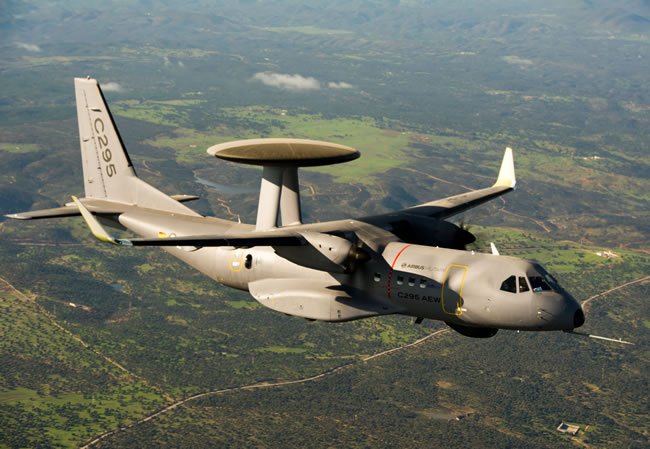
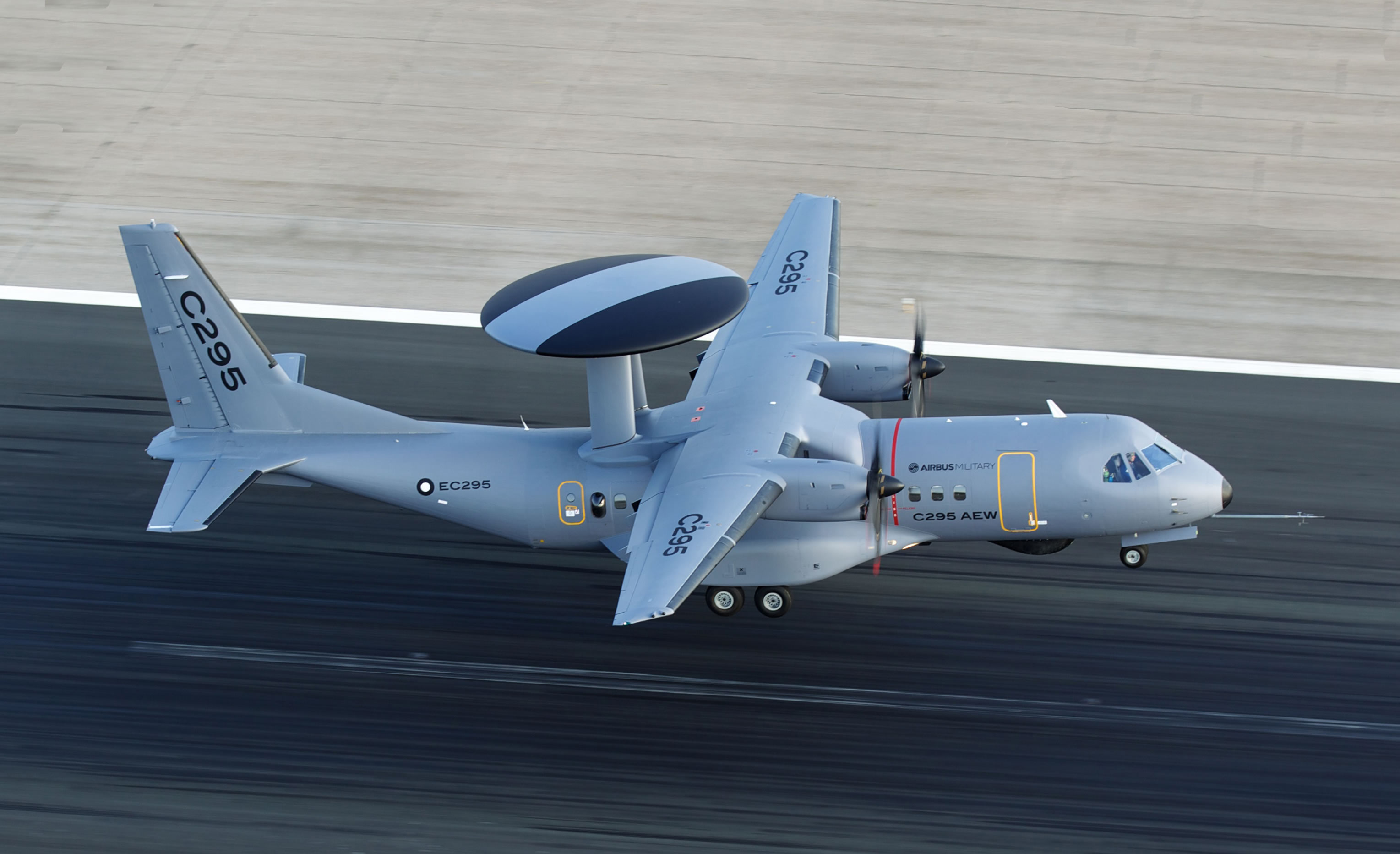
    Promoting the choice of C295 for the Indonesian AEW mission Airbus Military has painted the C295AEW prototype with the TNI-AU colors. Photo: Airbus Military
    Promoting the choice of C295 for the Indonesian AEW mission Airbus Military has painted the C295AEW prototype with the TNI-AU colors. Photo: Airbus Military

    Extending the mission endurance of this aircraft is considered a critical requirement for Airbus Military, in order to meet the Indonesian Air Force requirement for Airborne Early Warning aircraft. Indonesia is already shopping for such aircraft, and, according to Air Force Chief of Staff ACM Imam Sufaat, larger platforms would be required for the country’s AEW mission, particularly in terms of endurance. It is expected that the improvements gained by those winglets would be sufficient to get the C295 into the game. The Indonesian market is considered a strategic market for the aircraft. In early 2012 Indonesia placed an order for nine C295 aircraft, the first delivered by the end of last year. Airbus Military is also helping its local partner PT Dirgantara Indonesia (PT DI) to modernize its manufacturing facilities to enable local assembly of these planes.

    Few months earlier Airbus Military and missile developer MBDA performed flight demonstration of an armed C295 maritime patrol aircraft, carrying an instrumented Marte MK2/S anti-ship inert missile installed under the left wing. The flight was the first of a series of trials planned in a joint Airbus Military – MBDA collaboration to validate the aerodynamic integration of Marte on the C295. Subsequent flights will include handling qualities tests and aircraft flight performance tests. The C295 will be the first fixed-wing aircraft configuration for the missile. Marte Mk2/S is already integrated on the AW-101 and the NFH-90 naval helicopters.

    The MBDA Marte MK2/S missile is a fire-and-forget, all-weather, medium-range sea-skimming anti-ship weapon system, equipped with inertial mid-course guidance and radar homing terminal guidance, and capable of destroying small vessels and heavily damaging major vessels. The missile has a weight of 310 Kg and is 3.85 m long. In the anti-submarine warfare (ASW) role, the C295 is already in-service carrying the MK46 torpedo.

    c295aew_wg4
    The new winglets are expected to improve the C295 performance and mission endurance, thus meeting the Indonesian Air Force requirement for Airborne Early Warning aircraft. Photo: Airbus Military

    U.N. Report Estimates the Death Toll in Syria Has Exceeded 60,000

    syrian_deaths_2012An exhaustive analysis carried out by data specialists on behalf of the UN Human Rights Office has led to the compilation of a list of 59,648 individuals reported killed in Syria between 15 March 2011 and 30 November 2012, UN High Commissioner for Human Rights Navi Pillay said on Wednesday in Geneva, Switzerland.

    The death toll estimated by the U.N. is a third more than the figure of 45,000 given by activists opposed to the regime of President Bashar Assad. This report is the first independent assessment by an acclaimed international body that estimates the death toll in Syria higher than the rebel’s claims. It comes as activists report that a Syrian warplane blasted a gas station near Damascus on Wednesday, killing and wounding dozens of people and igniting a huge fire in what could be one of the bloodiest attacks in weeks during the 22-month conflict. According to the London-based Syrian Network for Human Rights 36,332 Syrian citizens were killed during 2012 – an average of 101 citizens killed every day or four every hour.

    “Given there has been no let-up in the conflict since the end of November, we can assume that more than 60,000 people have been killed by the beginning of 2013,” Pillay said. “The number of casualties is much higher than we expected, and is truly shocking.”

    The analysts noted that 60,000 is likely to be an underestimate of the actual number of deaths. The preliminary analysis, which took five months to complete, was conducted using a combined list of 147,349 reported killings, fully identified by the first and last name of the victim, as well as the date and location of the death. By removing duplicates they arrived at a list of 59,648 individuals killed between the start of the uprising on March 15, 2011, and Nov. 30, 2012.

    The data, which didn’t distinguish among soldiers, rebels and civilians, also show that the killing in Syria has accelerated. During the summer of 2011, shortly after the uprising against Assad began, the monthly death toll stood at around 1,000. A year later, an average of 5,000 were killed each month, the U.N. said. Most of the killings occurred in Homs, followed by rural Damascus, Idlib, Aleppo, Daraa and Hama. At least three quarters of the victims were male.

    “While many details remain unclear, there can be no justification for the massive scale of the killing highlighted by this analysis,” the High Commissioner said. “Unless there is a quick resolution to the conflict, I fear thousands more will die or suffer terrible injuries as a result of those who harbour the obstinate belief that something can be achieved by more bloodshed, more torture and more mindless destruction. Those people carrying out these serious crimes should understand that they will one day be brought to justice. The case against them will only be strengthened by adding more crimes to those already committed.”

    “The failure of the international community, in particular the Security Council, to take concrete actions to stop the blood-letting, shames us all,” Pillay said. “For almost two years now, my staff and the staff of the independent Commission of Inquiry have been interviewing Syrians inside and outside the country, listening to their stories and gathering evidence. We have been repeatedly asked: ‘Where is the international community? Why aren’t you acting to stop this slaughter?’ We have no satisfactory answer to those questions. Collectively, we have fiddled at the edges while Syria burns.”

    A Year After US Withdrawal – Iraq is Officially Fighting a Domestic War

    While violence in Syria is escalating, Iraq is not standing still and while the domestic war there has calmed down in 2012, data released on January 1, 2013 showed the country is still embroiled in ‘low intensity war’, waged by Suni-Shiite insurgents. The report comes after the first full year since American forces completed their withdrawal in December 2011. The monthly death toll was near 2012’s low of 136 set in October but in recent weeks escalated violence and attacks reaffirmed the war is still on.

    Data released by Iraq’s ministries of health, interior and defense said 2,174 people were killed throughout 2012, sharply lower than in previous years, particularly compared to the height of the country’s brutal sectarian war from 2005 to 2008 when tens of thousands were killed. But Britain-based monitor group Iraq Body Count put the overall death toll at 4,471, more than double the official figures, though the last three months of 2012 represented a record low. “2012 has been more consistent with an entrenched conflict than with any transformation in the security situation for Iraqis in the first year since the formal withdrawal of US troops,” the monitor group said.

    Since the US troops withdrawal in December 2011, a small contingent of around 150 soldiers remains as part of a bilateral agreement to help train and supply Iraq’s security forces. Baghdad’s police and military are widely agreed to be largely able to maintain internal security, but are not expected to be fully capable of defending Iraq’s borders, airspace and waters until 2020.

    Japan Looking At Procuring Controversial V-22 Osprey

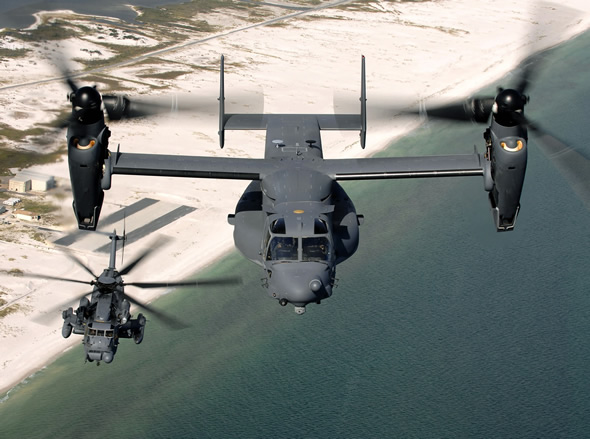
    The CV-22 Osprey will take over Air Force Special Operations Command helicopter missions when the MH-53 'Pave Low' (seen below) retires in October 2011. U.S. Air Force photo/Senior Airman Julianne Showalter

    Japan’s Kyodo News Service has published a report that the Japanese Ministry of Defense (MoD) Fiscal Year 2013 budget submission will include a request for funding to pay for a study to determine if the V-22 Osprey tiltrotor aircraft can be successfully incorporated into future Japanese Self-Defense Force (JSDF) operations.

    Adding the Osprey to the JSDF’s warfighting inventory was first proposed in October 2012 by ousted Prime Minister Noda’s administration.  Then Minister of Defense Satoshi Morimoto initiated the proposal when he instructed his staff to develop a feasibility study to determine if the Osprey was a cost-effective means of enhancing Japan’s defense capabilities.

    Mass public demonstrations protesting deployment of twelve US Marine Corps MV-22B Ospreys to Okinawa plagued the Noda administration throughout 2012 further widening a long-term rift between the national government and Okinawan residents.  Anti-American groups in Okinawa have been organizing demonstrations for many years in an effort to force Tokyo to reduce the American military presence in the islands.

    With the installation of the decidedly hawkish Shinzo Abe as Prime Minister, the prospect of the JSDF actually procuring the Osprey becomes more probable.  Mr. Abe is known to support an increase in defense spending and is also expected to pursue a change to the Japanese constitution to remove or revise Article 9, the so-called “renouncement of war” clause.

    With unprecedented growth in the warfighting capabilities of the People’s Republic of China (PRC) in recent years and an on-going territorial dispute that escalated into a worrisome diplomatic and economic headache for Japan, the new Abe administration is likely to embark upon a defense build-up while also encouraging the spread of nationalistic sentiment throughout the general public.

    Government support in favor of procuring the Osprey has been steadily growing since October as officials begin to realize that the aircraft would be of tremendous assistance in humanitarian missions as well as in military applications.  These officials also realize that it takes time to take delivery of the aircraft, organize trained ground crews, and certify air crews to operate the aircraft.

    Cost will be a major determinant in any decision to acquire new hardware, but the realization that Japan’s defense posture is lagging behind China’s ever growing warfighting capability is likely to be a strong inducement favoring a significant increase in defense spending.

    Japan’s combat aviation assets are in need of upgrading and many of the aircraft now serving are obviously outclassed by China’s growing inventory of fourth- and fifth-generation aircraft.  With North Korea’s advances in rocketry, it’s also obvious that Japan’s existing missile defense capabilities are inadequate to meet an aggressive attack by determined enemy.

    Prime Minister Abe’s new administration has a multitude of problems to deal with, not the least of which is ensuring the nation has the means of defending itself and protecting the sovereignty of territories she claims as her own.

    Global Hawk Gains Traction in Asia

    Japan plans to acquire three Northrop Grumman RQ-4 Global Hawk, to bolster its offshore surveillance capability over the disputed areas in the East China Sea.

    The Japanese government has embarked on a plan to acquire the Global Hawk a high-altitude, long-distance (HALE) unmanned surveillance and reconnaissance aircraft from the United States. Tokyo expects the new drone will enhance its surveillance capabilities particularly against potential threats from China and North Korea. The plan is to be incorporated into a review of the fiscal 2011-2016 Mid-Term Defense Program to be conducted by the administration of Prime Minister Shinzo Abe. Ultimately, Japan plans to develop an indigenous HALE drone, and would be using the Global Hawk as an introduction to the field of unmanned operations, gaining familiarity with drone operations.

    Under the current five-year plan, formulated under the Democratic Party of Japan, the introduction of unmanned surveillance and reconnaissance aircraft was labeled a matter for long-term study. The Abe Cabinet, however, appears willing to adopt a speedier time frame for studying the advisability of equipping the SDF with unmanned spy drones, apparently in response to pressure from LDP lawmakers. Proponents point to the increase in incidents involving Chinese government vessels and aircraft around the Senkakus islands, some of which have infringed on Japanese waters and airspace.

    Japan is looking to obtain from one to three Global Hawks by fiscal 2015. The Japanese and U.S. governments agreed in August to study the possibility of having U.S. drones fly surveillance flights over waters surrounding Japan. If the SDF were to acquire the drone, the surveillance areas would be broadened significantly due to information sharing with the U.S. military, which would further strengthen the Japan-U.S. alliance, according to the sources.

    Seoul’s interest in the Global Hawk has also rekindled, driving the US Defense Security Cooperation Agency (DSCA) to submit a request for Congress approval to transfer up to four RQ-4 Block 30 (I) systems to South Korea, at an estimated cost of $1.2 billion. The drones will be configured to the International version , and will be shipped with the Enhanced Integrated Sensor Suite (EISS), comprising EO/Infrared, Synthetic Aperture Radar and Ground Moving Target (SAR/GMTI) sensors.

    Under the current agreements with the US, by 2015 Seoul will assume the responsibility for surveillance and intelligence gathering over the peninsula and the current sale is planned to equip the Korean forces with the capability currently provided by the US Air Force drones and U-2R manned aircraft.

    Seoul has been considering to buy the Global Hawk for years, but due to what was presented as rising costs, the plan was shelved in 2011, as the procurement cost escalated from $379 million to about $800 million. It remains to be seen what the Korean reaction to the DSCA estimate of $1.2 billion (total program cost).

    Remotely Controlled Flail Assists Counter-IED, Demining Missions

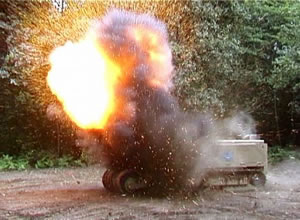
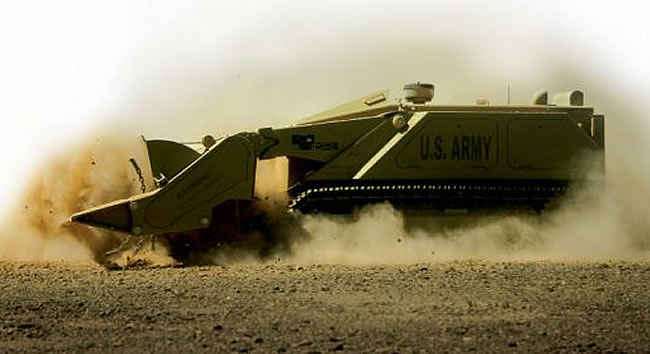
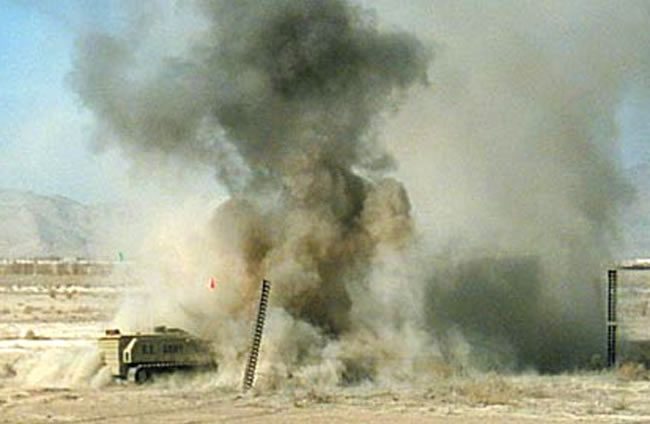
    MV4 flail robot demonstrates the destruction of UXO
    M160 MV4 Robot
    The M160 MV4 flail robot built by the Croatian company DOK-ING is operating in route clearing activities in Afghanistan. Photo: DOK-ING.

    The US Army has been using the M160 remotely controlled flail robot built by the Croatian company DOK-ING in Afghanistan for route clearance missions. The Croatian built MV4 remotely controlled tracked mine clearance system has already demonstrated its ability to battle improvised explosive devices (IEDs) and Un-Exploded Ordnance (UXO) in Afghanistan and other war zones like Iraq, Nicaragua and Srilanka. By using the new robot, soldiers can clear routes without putting themselves in danger. Fielding of the M160 MV4 has been a priority of C-IED specialized ‘Task Force Rampant’ for some time now, said Command Sgt. Maj. Leonard Meeks of TF Rampant. The task force is engaged in developing and implementing techniques, tactics and procedures utilizing new technologies and capabilities for route clearing, combating IEDs in Afghanistan.

    The M160 MV4 employs a ‘flail’ system, comprising a rotating shaft with 34 rotating chain hammers attached to disturb the surface of the ground in an attempt to detonate or unearth deadly mines and unexploded ordnance. The flailing action is designed to establish a safe path of travel for dismounted troops in the area. The system is effective in destroying anti-personnel mines on all types of terrain, soil and vegetation. The five-ton MV4 robot is produced by the Dok-Ing Company in Croatia. The company has already deployed more than 100 vehicles in demining operations throughout the world. Apart from the US Army in Afghanistan, MV4 vehicles are also operating in support of demining and route clearing operations with the military forces of Sweden, Iraq, Nicaragua and Sri-Lanka.

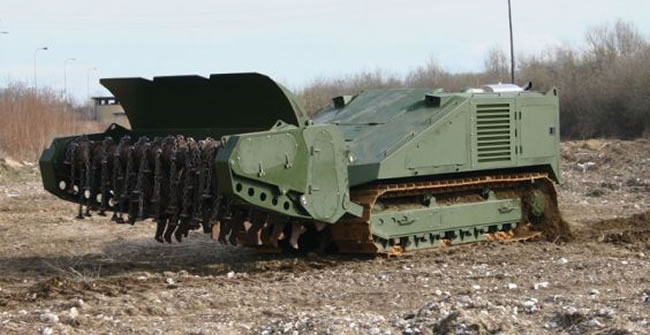
    The vehicle uses robust frame, with the engine and vital components protected by steel plates to be survive all types of anti-tank mine. Due to its small dimensions the MV4 can be employed in confined spaces, such as house yards, orchards, wooded areas, riverbanks and other types of terrain, which are not accessible to larger machines. MV4 can be fitted with a variety of tool attachments including flails, used as the standard counter-mine tool. Other attachments include tiller, roller, dozer blade or gripper. The different tools are used to destroy even the smallest anti-personnel blast pressure mines and the most dangerous types of bouncing fragmentation mines. The remotely controlled vehicle can clear up to 2,200 square meters per hour when used in continuous mode. The company also produces the MV-10, a larger, heavier system designated to clear anti-tank mines.

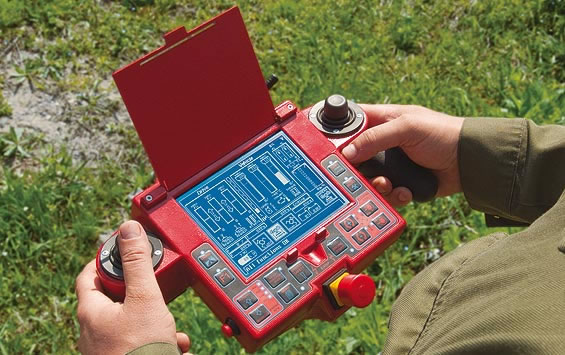
    MV-10 remote control
    The remote control unit developed for the MV4 and the larger vehicle MV-10. Photo: DOK-ING

    The M160 MV4 is the first of its kind here and is the latest addition to the Mobilization Training Center, the route clearance training program at Fort Bliss. The first detachment from the First Army Division West’s 5th Armored Brigade’s “Task Force Rampant,” recently trained with the new vehicle at Ft. Bliss, as part of their preparation for deployment to Afghanistan. “Having this equipment available to train our reserve-component forces during their pre-mobilization training will allow these units to arrive in their forward-deployed theaters with a unique and critical skill set,” said Lt. Col. Aaron Dorf, Task Force Rampant commander.

    The two-day training event included familiarization training, instruction of field maintenance and basic driving and maneuvering control skills. Following the proficiency training phase, operators were taught how to negotiate obstacles and conducted a practice run over 3,100 meter long test lane. Key to effective flailing was the ability to employ the M160 MV4 using a variable tool speed, the correct downward pressure and gear. Prior to entering the unclear area, soldiers must perform a soil test to check the effectiveness of the settings, and then adjust as necessary.

    M160 MV4 robot negotiating a minefield in Afghanistan
    M160 MV4 robot negotiating a minefield in Afghanistan
    The larger MV-10 is designed to destroy anti-personnel and anti-tank mines. Photo: DOK-ING
    The larger MV-10 is designed to destroy anti-personnel and anti-tank mines. Photo: DOK-ING

    Autonomous ASW: The Predator Becoming a Prey

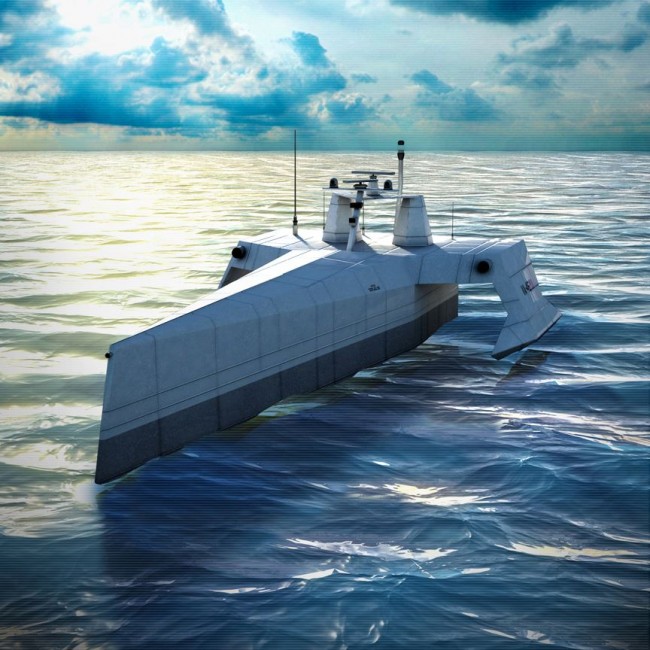
    SAIC Concept for the ACTUV was selected by DARPA for the autonomous ASW demonstration program.
    SAIC Concept for the ACTUV was selected by DARPA for the autonomous ASW demonstration program. Artist concept: SAIC
    ACTUV will be equipped with multiple sensors enabling the high probability of detection and persistent tracking of any type of submarine, even the ultra-quiet diesel-electric subs.
    ACTUV will be equipped with multiple sensors enabling the high probability of detection and persistent tracking of any type of submarine, even the ultra-quiet diesel-electric subs. Artist concept: DARPA

    The number of diesel-electric submarines that could challenge US naval forces is growing throughout the world. The need to offset the risk posed by such small and quiet subs, particularly at the littorals and narrow strait is becoming critical.

    “Our goal is to transition an operational game-changer to the Navy’” said Defense Advanced Research Projects Agency (DARPA’s) Anti-Submarine Warfare Continuous Trail Unmanned Vehicle (ACTUV) Program Manager Scott Littlefield, “This should create an asymmetry to our advantage, negating a challenging submarine threat at one-tenth their cost of building subs.”

    US defense contractor Science Applications International Corporation (SAIC) is developing a new concept for unmanned surface vessel that will be able to locate and track submarines deep under the water, at levels of precision, persistence and flexibility far beyond those available by manned surface ships operating anti-submarine warfare. Such capabilities could become particularly important as the US Naval missions are focused toward littorals in the Hormuz Straits, the Persian Gulf, South China Sea, East Africa, the Mediterranean and the Caribbean Sea.

    In August 2012 DARPA awarded SAIC $58 million for the development of a prototype Anti-Submarine Warfare Continuous Trail Unmanned Vehicle (ACTUV) to be ready for at-sea operational testing by mid 2015. SAIC was one of several companies developing conceptual designs for the new vessel. The agency selected the wave piercing Trimaran design for the prototype. According to SAIC, this design will be able to perform continuous missions lasting up to three months at sea, operating autonomously, or semi-autonomously.

    The vessel is designed to operate fully autonomously, providing a forward deployed and rapid-responsive ‘node’ in the global maritime surveillance network. This network will be shared by manned and unmanned assets such as naval forces, P-8A Poseidon aircraft and RQ-4C Triton (BAMS) drones. The ACTUV will be capable of ‘sprinting’ rapidly to arrive as soon as possible in the area of operation, quickly establish track of quiet diesel-electric submarines and shadow such targets overtly for months, over thousands of kilometers, with minimal human input.

    The Predator Becoming the Prey

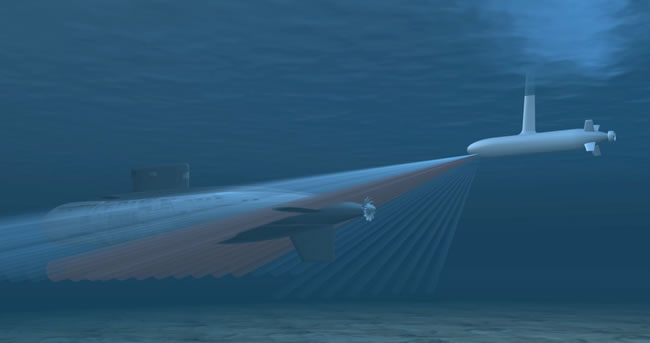
    To establish the initial detection ACTUVs could rely on its own sensors or more likely on sonobuoys dropped by maritime surveillance aircraft, drones or ships. Effectively covering a wide area, these sonobuoys will provide the initial indication on the presence of a suspected target. Forward deployed near designated areas of operation. With ACTUV arriving at area, the unmanned vessels will deploy the long-range acquisition mid-frequency active-passive sonar carried in the two side pods, to verify the presence of submarines, and assess the ‘area of uncertainty’ (AOU) affected by the threat, limiting surface ships movement in that area. Follow-through with two higher frequency sonars located in the main hull, are used to improve tracking precision and mission reliability. Once in close proximity to the target, total field magnetometer arrays are used to provide additional information about target activity. Once continuous track is established, very high frequency sonar is used to paint an ‘acoustic image’ of the target, thus identify and classify it as a specific submarine. Once the AOU has been determined and the threat positively identified, thus verifying the AOU boundaries, the rest of the area would be safe passage, the ACTUV will shadow the suspected submarine, keeping it at risk, vulnerable to attack if it moves offensively against friendly forces.

    The ultra high frequency sonar will enable the ACTUV to 'paint' an acoustic image of the submarine.
    The ultra high frequency sonar will enable the ACTUV to ‘paint’ an acoustic image of the submarine. Artist concept: DARPA

    ACTUV is designed to outperform and out-endure conventionally powered diesel-electric submarines, (including those using Air Independent Propulsion – AIP), even when they are remaining quiet or try to evade the shadowing vessel, thus keeping them at risk until they return to their home bases.

    In fact, ACTUV performs the role of a number of manned ASW surface vessels currently used to defend carrier battle groups or other flotillas from submarine threats. Their autonomous operation will enables the Navy to commit manned platforms to offensive operations and other support roles, requiring human support, leaving the ASW mission for the unmanned platform.

    The award will see SAIC provide a final design and production plan for the ACTUV prototype in phase two, construction of the prototype is scheduled to be completed in phase three, and government testing in phase four demonstrate an experimental vessel capable of independently deploying under sparse remote supervisory control, to achieve ‘a game-changing ASW operational capability, with the ultimate objective to facilitate rapid transition of that capability to the navy in response to critical operational demand’.

    Ultimate Autonomy

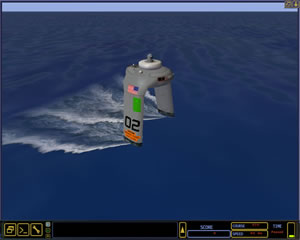
    DARPA integrated a conceptual ACTUV and its tactics simulator into the 'Dangerous Water' strategy game to assess potential operating tactics employed by gamers.
    DARPA integrated a conceptual ACTUV and its tactics simulator into the ‘Dangerous Water’ strategy game to assess potential operating tactics employed by gamers.

    “This surface platform is conceived from concept to field demonstration under the premise that a human is never intended to step aboard at any point in its operating cycle. “ Program Manager Scott Littlefield said. “As a result, a new design paradigm emerges with reduced constraints on conventional naval architecture elements such as layout, accessibility, crew support systems, reserve buoyancy and dynamic stability.”  The objective is to generate a vessel design that exceeds state-of-the art platform performance to provide complete propulsive overmatch against diesel electric submarines at a fraction of their size and cost.” The advanced level of autonomy will enable independently deploying systems to operate on missions spanning thousands of miles in range and months of endurance, under a sparse remote supervisory control model. “Such missions require autonomous compliance with maritime laws and conventions for safe navigation, autonomous system management for operational reliability, and autonomous interactions with an intelligent adversary.” Littlefield added.  In fact, the only time a sailor will be required to be present on board will be to start the vessel and help guiding it out of port. On-board computers will control the rest of the mission. To assess the strategy and tactics necessary for controlling the vessel at sea, while avoiding other vehicles and obstacles, DARPA developed a strategy game called ‘Dangerous Waters’. The agency has integrated the ACTUVs tactics simulator into the game, as part of the toolkit available for gamers. The agency planned to select the best tactics developed by the gamers and build them into the ACTUV prototype.

    DARPA scientists believe the core platform and autonomy technologies developed under the ACTUV program will be extendable to underpin a wide range of missions and configurations for future unmanned naval vessels.

    Pete Mikhalevsky, SAIC senior vice president and operations manager, said: ‘Drawing on SAIC’s technical depth in marine hydrodynamics, ship design, sensors, and advanced autonomy, we’re confident that the SAIC team will meet or exceed DARPA’s requirements for ACTUV, a revolutionary autonomous maritime vessel.

    SAIC Concept for the ACTUV was selected by DARPA for the autonomous ASW demonstration program.
    SAIC Concept for the ACTUV was selected by DARPA for the autonomous ASW demonstration program. Artist concept: SAIC

    LS3 Robot Prepares for Testing with the Marine Corps

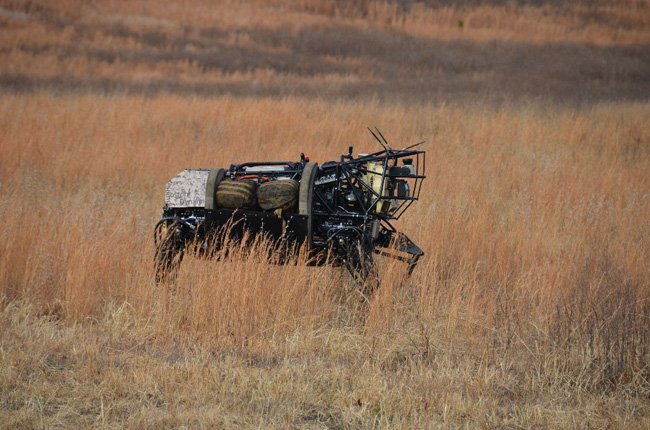
    Legged Squad Support System (LS3). Photo: DARPA
     Legged Squad Support System (LS3). Photo: DARPA
    Legged Squad Support System (LS3). Photo: DARPA

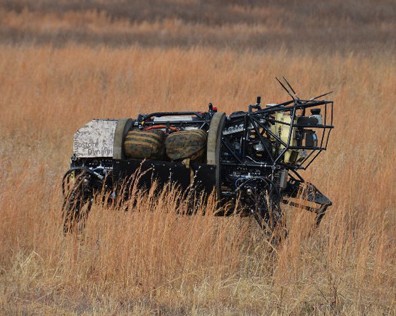
    DARPA’s Legged Squad Support System (LS3) four-legged robot is preparing for the planned tests that will evaluate the performance of the four-legged robot as an integral member of a marine combat squad. Defense-Update reports. Toward this critical evaluation the LS3 is undergoing field evaluations at Ft. Picket, to assess the robot’s control, stability and maneuverability, including testing how the robot process “Leader Follow” decision making. Other aspects being tested are ‘obeying’ to verbal command, tits capability to recover from a roll, exact foot placement over rough terrain, and the ability to maneuver in an urban environment. The robot will be able to offload up to 400 pounds off the warfighter’s loads, currently carries in backpacks.  To perform its mission without interruption to the squad’s operation the robot should be able to follow squad members through rugged terrain and interact with the troops in a natural way, similar to a trained animal with its handler. The robot could also be able to manoeuvre at night and serve as a mobile auxiliary power source to the squad, so troops can recharge batteries for radios and handheld devices while on patrol.

    The December testing at Fort Pickett is the first in a series of planned demonstrations that will test the robot’s capabilities across different environments as development continues through the first half of 2014. LS3 is developed by Boston Dynamics under a DARPA funded program. View the tests Video

    Source: Defense-Update

    MOD Releases Funds for More Astute Class Submarines

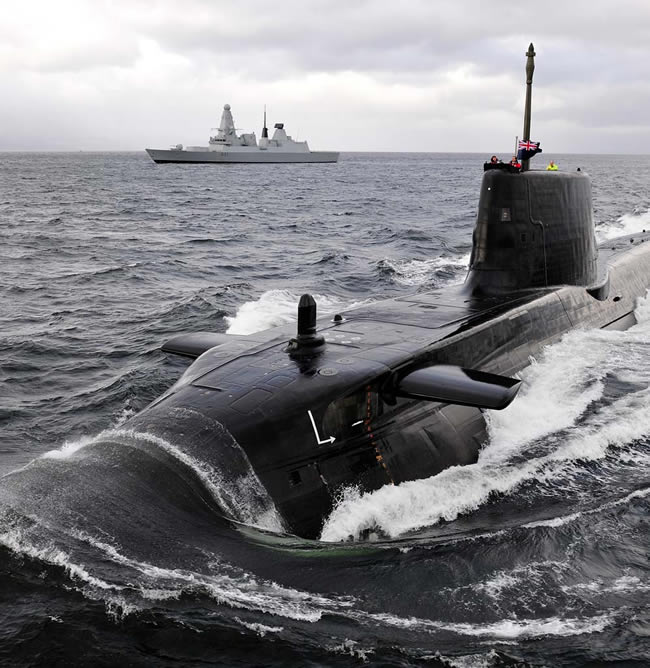
    HMS Astute seen along HMS Dauntless on one of her recent missions. Photo: MOD
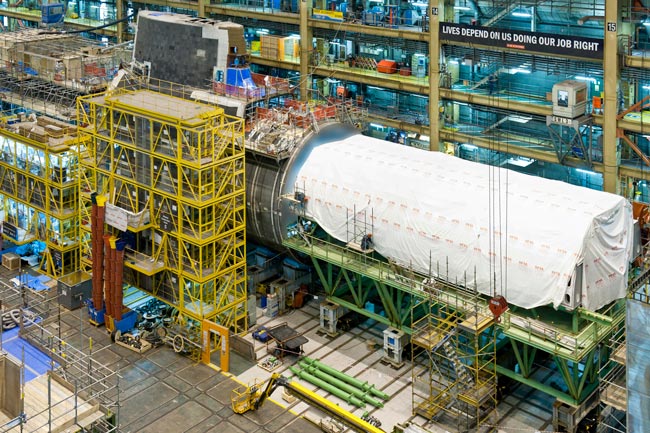
    Fourth Astute class submarine, Audacious, under construction in the Devonshire Dock Hall
    Fourth Astute class submarine, Audacious, under construction in the Devonshire Dock Hall. Photo: BAE Systems

    The UK MOD has committed £2.7 billion for continued work on the Royal Navy future attack submarines. The programme, which has been beset by difficulties since it was commissioned in 1997, is expected to cost up to £10bn for a seven-submarine fleet that is already years late.

    The lead submarine of this new class, HMS Astute had suffered technical problems that raised questions about the performance and reliability of the boat. Last November, the Guardian revealed that during sea trials, HMS Astute, the lead ship of this new class, has been unable to reach its intended top speed. Other problems that have affected the boat in recent months include:

    • Flooding during a routine dive that led to Astute performing an emergency surfacing.
    • Corrosion even though the boat is essentially new.
    • The replacement or moving of computer circuit boards because they did not meet safety standards.
    • Concern over the instruments monitoring the nuclear reactor because the wrong type of lead was used.
    • Questions being raised about the quality and installation of other pieces of equipment.
    • Concern reported among some crew members about the Astute’s pioneering periscope, that does not allow officers to look at the surface “live”.

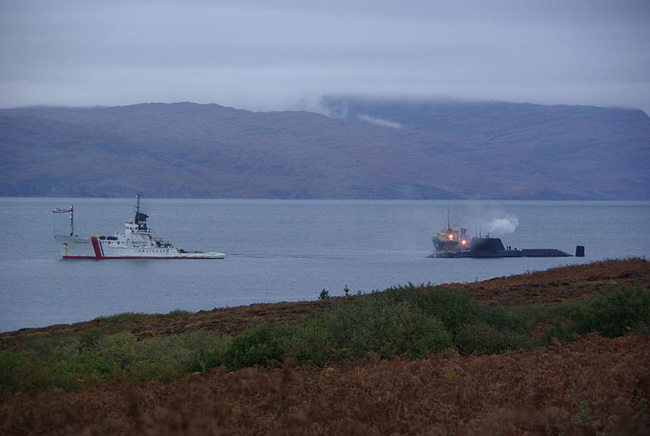
    On Friday, October 22, 2010, Tug boats moved in to assist HMS Astute after it ran aground in shallow water off the Isle of Skye, Scotland. The sub ran into trouble near the Isle of Skye during a routine maneuver that included dropping some sailors ashore, according to reports. During the operation to tow Astute clear, there was a collision between the rescue tug and the submarine, which resulted in damage to her starboard foreplane. The submarine returned under her own power to Faslane, where the damage incurred in the grounding and afterwards was described as “minor”.

    HMS_Astute_Anglian_Prince_Skye
    Astute aground with the emergency tow vessel Anglian Prince

    According to the new contract announced last week, MOD awarded BAE Systems a contract worth £1.2bn for Audacious, the fourth submarine in the Astute class. The full contract covers the design, build, test and commissioning programme. First steel was cut in 2007 and Audacious is at an advanced stage of construction at BAE Systems’ site in Barrow-in-Furness, Cumbria.

    HMS Astute seen along HMS Dauntless on one of her recent missions. Photo: MOD
    HMS Astute seen along HMS Dauntless on one of her recent missions. Photo: MOD

    The MoD also confirmed that a further £1.5bn has been committed to the Astute programme for the remaining three submarines in the class, which includes early build work on boat 5 HMS Anson, whose keel was laid in October 2011.

    Planning for Audacious began in 2007 and her keel was laid at Barrow in March 2009, according to the Royal Navy website. The submarine will benefit from improvements identified during building of HMS Astute (commissioned 27 August 2010), HMS Ambush (currently on sea trials, launched at 5 January 2011) and HMS Artful (keel laid down 11 March 2005). Three more submarines are planned in the future, orders had been made for 2; HMS Anson (under construction, ordered March 2010, keel laid down 13 October 2011), HMS Agamemnon (ordered March 2010) and HMS Ajax (confirmed but not yet ordered).

    US Congress Sends President 2013 Defense Authorization Bill

    The United States Congress finalized a defense authorization bill for 2013 and forwarded it to President Obama for signature following an 18 December House and Senate conference to hammer out differences.  The approved 2013 National Defense Authorization Act (NDAA) provides the Department of Defense (DoD) with a spending threshold of $633 billion for 2013.

    The White House has threatened a veto in response to included provisions related to the detention of terrorist suspects.  President Obama has expressed his displeasure with a budget provision that limits for one year the president’s authority to move terrorist suspects from the detention center at Guantanamo Bay, Cuba to other locations.  This provision mirrors existing law and has drawn strong opposition from the president.  With an overwhelming vote in favor of the bill in both houses, it is unknown if the president will exercise his veto power.

    While the NDAA sets spending limits and authorizes spending for specific DoD programs, the bill does not appropriate the money needed to translate such authorization into reality.  Separate legislation must be passed by Congress to provide the actual dollars needed to execute provisions of the NDAA.

    Should sequestration, automatic across-the-board government spending cuts, go into effect, domestic spending in 2013 would be reduced by 8.2 percent and military accounts would be slashed by 9.4 percent.  These budget reductions, with a few notable exceptions, would apply to all government programs.  Under the terms of sequestration, the DoD would be hit with cuts totaling $500 billion over the next decade and between $55 and $63 billion in 2013 alone, reductions US Secretary of Defense Leon Panetta has called devastating and a real danger to national security.

    As of New Year’s Day, the US Senate approved a compromise bill that would delay sequestration for an additional two months.  The tentative agreement still requires concurrence from representatives of the House and does not remove the threat of sequestration becoming effective at the end of the two-month extension period.

    The finalized bill sets the DoD’s base budget at $527.7 billion which is $1.7 billion more than the president requested, but represents a reduction of $29 billion from current spending levels.  Much of the $29 billion cut is related to the dwindling military presence in Afghanistan and Iraq.  Included in the bill is $17 billion to fund nuclear and defense programs administered by the Department of Energy (DoE) and $88.5 billion to cover war costs related to the war in Afghanistan.

    Secretary Panetta, in recent weeks, has been vocal in his opposition to some provisions of the bill.  Mr. Panetta has publicly complained that Congress included funding for projects the DoD no longer wished to continue, money he wanted to reprogram to other initiatives he considered vital.  Funding for some programs – tanks, armored vehicle upgrades, and the RQ-4 Global Hawk Block 30 unmanned aircraft – was not requested by the Pentagon and is not in line with defense planning.  Mr. Panetta claims that as much as $74 billion in funding was diverted to fund programs the military does not need, does not want, and previously scheduled for termination.

    In response to recent events, the bill authorizes funding to train and deploy 1,000 additional US Marines to embassies and consulates around the world, provides $480 million of funding for joint US-Israeli missile defense projects including $211 million for the highly-successful Iron Dome system, and removes Congressional restrictions on the military’s spending on alternative fuels provided other government agencies concerned share in the funding.

    Iran was not forgotten in the final version submitted for signature.  Provisions of the bill will strengthen sanctions against Iran and target Iranian shipbuilding, seaports, shipping operations, the energy industry, government-sponsored broadcasting, and provides for the imposition of severe penalties on those who engage in the trade of precious metals with Iran.

    The spending bill authorizes the Pentagon to negotiate multiyear procurement contracts for several high-visibility weapon systems including CH-47 helicopters for the Army, DDG-51 destroyers for the Navy, and V-22 Osprey tiltrotor aircraft.  Under the compromise agreement, the number of Virginia-class submarines and DDG-51 destroyers authorized for purchase under multiyear contracts was increased from nine to ten for both programs.

    Funding was also restored for three Ticonderoga-class guided missile cruisers the Navy previously slated for retirement as legislators determined each ship could continue to serve for another decade or longer.

    In an effort to inject some civility into the Army-Air Force dispute over the DoD’s plan to discontinue operation of the Air Force’s fleet of Alenia C-27J medium-lift transport aircraft, Congress mandated that the Air Force will be required to maintain 32 additional medium-lift transports to satisfy Army lift requirements.  Wording in the proposed legislation leaves the final decision to the discretion of the Air Force to determine if the additional aircraft will be Alenia C-27Js or Lockheed Martin C-130Js.

    Another provision included in the ADAA would stop the scheduled retirement of 26 Lockheed C-5A Galaxy heavy-lift transports until such time as the DoD completes a comprehensive assessment of air mobility needs.

    Contrary to the wishes of President Obama and the Pentagon, the bill eliminated a final $400.9 million payment requested to complete development of the Medium Extended Air Defense System (MEADS), a joint venture with Germany and Italy that has long been hampered by cost increases and technical problems.  A Lockheed Martin project that has been in development for a decade and has so far cost $4 billion has had little success drumming up legislative support.

    White House officials claim that termination costs are likely to exceed the cost of completing the system and that a premature termination of the project would create ill will among American allies.

    The ADAA also eases some restrictions imposed on the export of satellites in older legislation in hopes of assisting US manufacturers compete more favorably in the global satellite market, a business sector once dominated by the United States that has declined precipitously in the past 15 years.

    Additional wording in the bill related to the East China Sea island disputes between China and Japan and weapon’s sales to Taiwan has managed to draw severe criticism from the People’s Republic of China (PRC).  Non-binding sections of the bill were included as “sense of Congress” clauses as a means of expressing Congressional intent.

    Section 1281 of the legislation states that Congress believes “the president should take steps to address Taiwan’s shortfall in fighter aircraft, whether through the sale of F-16 C/D aircraft or other aircraft of similar capability.”

    Section 1286 voices the Congressional stance that while the United States should not adopt a formal position regarding the sovereignty of the Diaoyu Islands, the government should acknowledge the fact that Japan does exercise administrative control over the islands.

    As should be expected, these two non-binding sections of the bill incited the Chinese to issue loud protests that the United States was intervening in matters of concern only to those nations in the region.


    premium test

    The purpose of this page is to test part of our new premium service for subscribers. Stay tuned for more.

    Skunk Works and XTEND Simplify Multi-Drone Command

    0
    Lockheed Martin Skunk Works® and XTEND have achieved a major milestone in JADC2 by integrating the XOS operating system with the MDCX™ autonomy platform. This technical breakthrough enables a single operator to simultaneously command multiple drone classes, eliminating the friction of mission handoffs. From "marsupial" drone deployments to operating in GPS-denied environments, explore how this collaboration is abbreviating the data-to-decision timeline and redefining autonomous mission execution.

    From Ukraine to Taiwan: The Global Race to Dominate the New Defense Tech Frontier

    0
    As traditional defense primes face mounting competition from agile “neoprimes” such as Anduril, Palantir and Helsing, the balance of innovation is shifting toward software-defined warfare and scalable, dual-use technologies, while global industry consolidation—marked by Boeing’s integration of Spirit AeroSystems and other strategic mergers—signals an intensified race to secure control over the defense technology value chain. Our Defense-Tech weekly report highlights these trends.
    Europe’s “Drone Wall”

    0
    In early October 2025, a coordinated wave of unmanned aerial system (UAS) incursions—widely attributed to Russia—targeted critical infrastructure across at least ten European nations. The unprecedented campaign exposed the fragility of Europe’s air defenses...

    Weekly Defense Update & Global Security Assessment

    0
    Executive Summary The past week (September 18-25, 2025) represents an inflection point where strategic defense concepts have transitioned from doctrine to tangible reality. An analysis of global events reveals four primary, interconnected trends shaping an...

    U.S. Air and Space Forces Push Next-Gen Programs at the AS&C 2025 Conference and...

    0
    At the 2025 Air, Space & Cyber Conference, U.S. Air Force and Space Force leaders unveiled major updates on next-generation fighters, bombers, unmanned systems, and space initiatives, highlighting both rapid innovation and critical readiness challenges as the services race to outpace global competitors. A short version is available here, with a more detailed version for subscribers.

    TADTE 2025: Reflecting Taiwan’s Strategic Themes

    0
    The Taipei Aerospace & Defense Technology Exhibition (TADTE) 2025 crystallized around four dominant strategic themes that collectively illustrate Taiwan's comprehensive approach to defense modernization amid escalating regional tensions. Based on a detailed report by Pleronix (available upon request). Includes a Podcast discussion on TADTE 2025's highlighting Taiwan's four strategic themes beyond the post's coverage.

    Iron Beam 450 Completes Testing, Soon to Join With Operational Air Defense Units

    0
    Israel’s Iron Beam 450 high-power laser system has completed final testing, marking a major leap in air defense. Developed by Rafael, it offers precise, cost-effective interception of rockets, UAVs, and mortars, and is set for IDF deployment by 2025.