Tuesday, December 30, 2025
More
    Home Blog Page 178

    Indonesia Receives Four A-29 Super Tocanos

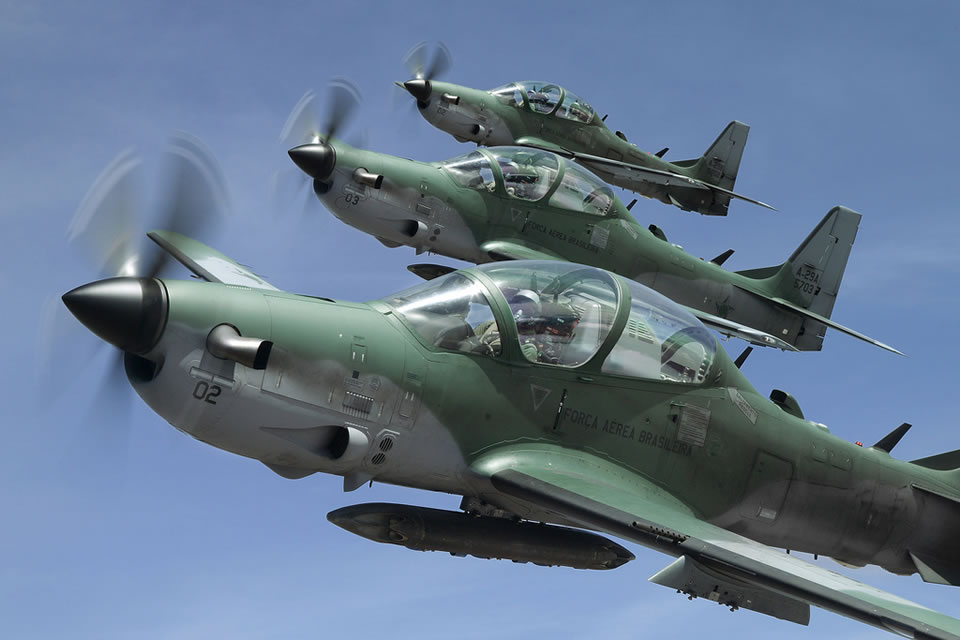
    Embraer delivered today to the Indonesian Air Force the first four A-29 Super Tucano aircraft. The photo shows the same model aircraft, in service with the Brazilian Air Force (FAB)
    Embraer delivered today to the Indonesian Air Force the first four A-29 Super Tucano aircraft. The photo shows the same model aircraft, in service with the Brazilian Air Force (FAB)

    Embraer Defense and Security has today delivered four light attack and tactical training A-29 Super Tucano aircraft to Indonesia’s Air Force at a ceremony held in its facility in Gavião Peixoto, São Paulo, Brazil. Indonesia is the first operator of Super Tucano in the Asia-Pacific region.

    These four A-29 Super Tucano are from the initial batch of eight aircraft purchased by the Indonesian Air Force (IAF) in 2010. The IAF has since ordered a second batch of eight Super Tucanos as part of their equipment modernization exercise, bringing the total number of orders to 16 aircraft. The Super Tucano was chosen by the Indonesian Defense Forces to replace a fleet of OV-10 Broncos as part of their equipment modernization exercise for years 2009 – 2014.


    To date the Super Tucano has been selected by ten clients on three continents and is in operation with six air forces, successfully carrying out advanced training, border patrol, light attack, and counter-insurgency missions. The 160 Super Tucano airplanes delivered by Embraer performed more than 157,000 flight hours, of which 23,000 combat hours performed in combat missions, primarily in Latin America. The aircraft offers the flexibility to perform a broad range of missions including light attack, surveillance, air-to-air interception and counter insurgence. The aircraft makes excellent use of the most recent electronic, optical, infra-red and laser technologies, as well as secure radio communications with data-link, and an unparalleled weaponry capability, making it highly reliable and at a top-level cost/benefit ratio for a wide range of military missions, even operating from unpaved runways.

    Elbit Systems Upgrades U.S. Bound Skylark 1LE

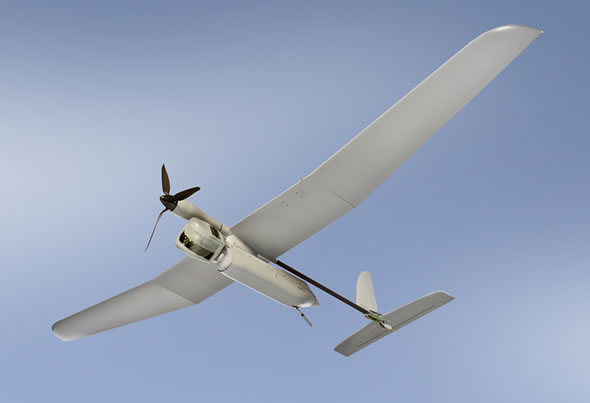
    Elbit Systems is unveiling the Skylark 1LE Block II today at AUVSI 2012 in Las Vegas. Photo: Elbit Systems
    Elbit Systems is unveiling the Skylark 1LE Block II today at AUVSI 2012 in Las Vegas. Photo: Elbit Systems

    Elbit Systems is introducing the latest version of the Skylark small UAV, evolved from the operational experience gained from extensive use of the Skylark I-LE with coalition forces in Afghanistan and Israel Defense Forces. The new Skylark I-LE Block II extends operational range up to 15 km, maintains approximately 3 hours of endurance. The new vehicle is optimized to perform in harsh environments such as high altitudes and gusting winds.

    According to Malcolm Quon, Vice President of UAS Dynamics, LLC, a wholly owned subsidiary of Elbit Systems of America, Block II configuration uses a new engine and power system, as well as the highest performance Day/Night payload in Tier I SUAS class, providing the Skylark Block II more mission flexibility, enabling to fly higher without degradation of imagery.


    Offering uniquely low acoustic signature and high resolution stabilized imagery in day and night Skylark has been operated with Special Forces for several years. Quon added the legacy Skylark systems have already accumulated over 25,000 operational flight hours. UAS Dynamics Systems is building Skylark systems destined for U.S. customers in Texas.

    Following Successful Trial Series, RADA Plans to Ship New Radars This Year

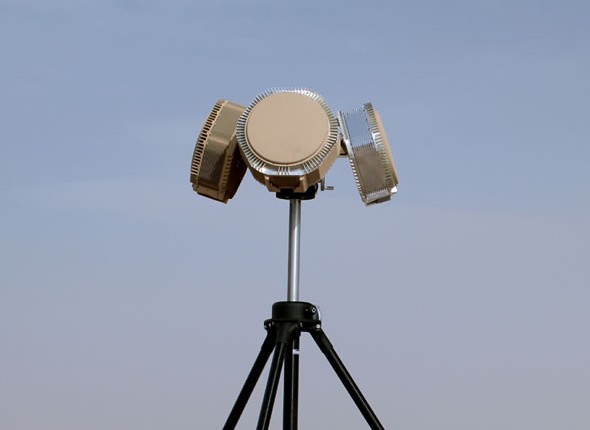
    RADA's MHR radar is a software defined radar that can be configured to different missions, including fire alerting, border protection and tactical air surveillance.
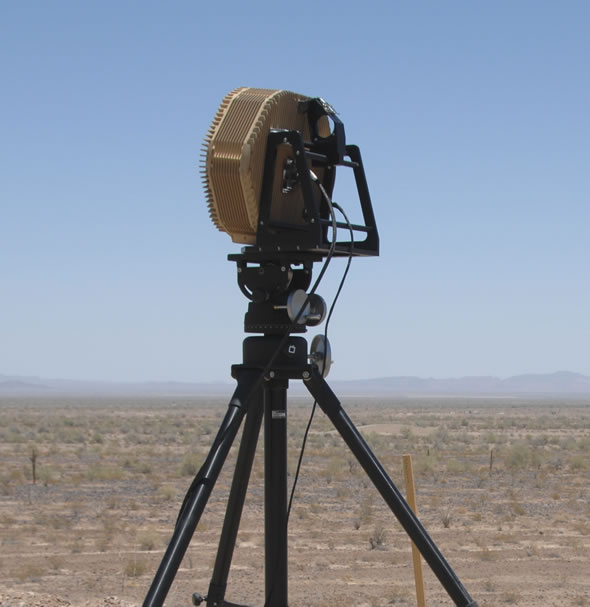
    RADA’s MHR radar has been undergoing field testing since May 2012. Initial deliveries are expected before year’s end. Photo: RADA.

    Israel’s defense electronics company RADA reported yesterday on the successful testing campaign of its new family of radars. Among the systems being tested are the company’s Multi-Mission Hemispheric Radar (MHR) and the Compact Hemispheric Radar (CHR), both systems are undergoing field trials and demonstrations in Israel and abroad, with production-standard demonstrations in Israel and abroad. According to company officials the demonstrations have started in May 2012 and are expected to continue till the end of the year.

    RADA has developed two radar hardware platforms: the Compact Hemispheric Radar (CHR), which is tailored to combat vehicles and short-range protection applications; and the Multi-mission Hemispheric Radar (MHR), which is tailored to force and border protection applications. Both are configured as tactical, compact and mobile systems operating in the S Band frequency range and employ active electronically scanned array (AESA) plannar antennae technology employing agile scanning modes, with track while scan functionality, supporting the war-fighters and provide them with real-time threat alerts.

    This Active Protection System (APS) application of RADA’s RPS-10 radar has been integrated by IMI as part of its Bright Arrow solution for the Armored Sherpa Light Armored personnel carrier displayed by Renault Trucks at Eurosatory 2012. Photo: Tamir Eshel, Defense-Update.

    This is an abstract version of the article. To get our analysis, please  subscribe to one of our Premium Levels. 

    The Human Aspect of Unmanned Surface Vehicles

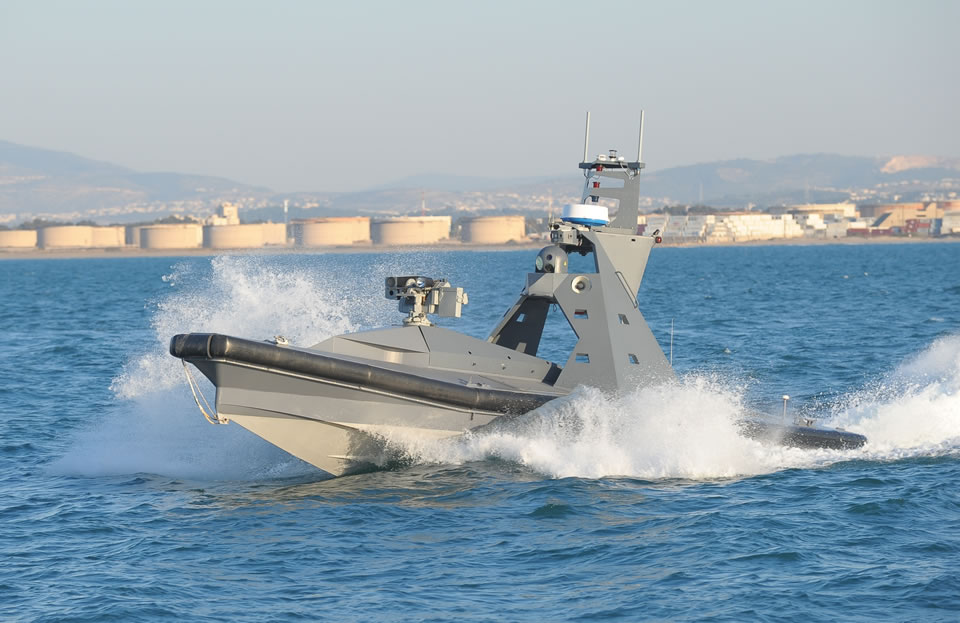
    Rafael has developed two versions of Protector USVs. The nine meter version is currently operational while the later 11 meter version is undergoing seat trials. Photo: RAFAEL
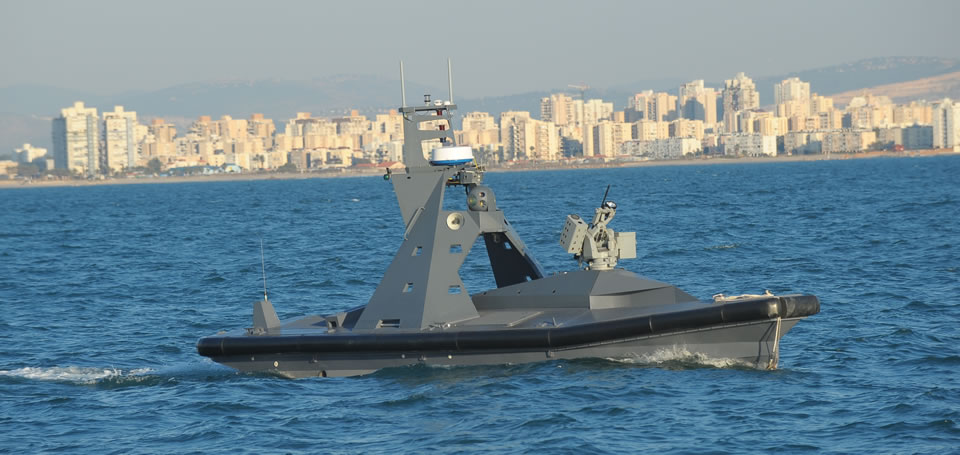
    RAFAEL’s 11m Protector. Photo: RAFAEL

    Developing Future Generations of Operators

    In many historical cases, and specifically throughout the history of warfare, the introduction of new technologies changed not only the methods and tactics in which assets were being used, but also affected the profile of the soldiers and sailors operating them. Recently, a growing number of Unmanned Surface Vehicles (USVs) have been developed, and some are already deployed operationally by a number of navies. A lesson which can be learnt from the field of Unmanned Aerial Vehicles (UAVs), in which extensive operational experience has been gathered in the last two decades, is that operating a UAV is not as similar to flying a manned plane as was previously believed. In this article we wish to elaborate on the effects of technology on the operators of USVs.


    One of the main differences between a UAV and a USV can be located in a basic difference between the concepts of operating airplanes and ships. This difference focuses on what is called “Situational Awareness”. Traditionally, airplanes are controlled by radar stations that provide the pilot with information about the surrounding area and the tactical picture. The air traffic controller oversees the mission using powerful aerial radar which enables him to understand the tactical picture better than the pilot, who is equipped with only a short range radar. The information from the air traffic controller is essential due to the fact that the pilot can only observe the tactical picture generated in short range (which is almost insignificant in relation to the speed at which the plane moves through the battlefield).

    Ships however, have always been more independent. In the modern era ships are continuously working to formalize and decipher the tactical picture surrounding them on the surface of the sea, underneath it and in the air. In addition, maritime radars are inefficient over long ranges. Consequentially, with the shore line disappearing behind the horizon, sailors have to trust themselves and not relay on ground based radar stations.

    Traditionally, navies are in charge of performing missions of military nature in the sea. This activity includes missions of Defensive nature such as safeguarding the state’s shores, enforcing law regulations at sea and securing sail routes. Missions of Offensive nature include attacking enemy vessels, imposing maritime blockade, projecting force in distant theaters, leading and assisting amphibious operations, intelligence gathering, assaulting shore based targets etc. A further classification of naval operation is Low Intensity and Traditional Warfare. Low intensity operation usually takes place close to the shore line using small maneuverable patrol boats or special forces and is aimed to cope with terror activities, infiltrators, illegal fishing, trafficking and smuggling. Traditional naval warfare takes place on the high seas, among large vessels such as frigates, destroyers, aircraft carriers and submarines. There are obviously many cases when large vessels are used as floating command centers in operations in which naval assets of all classes and sizes take part.
    Remotely Controlling a Ship

    Rafael has developed two versions of Protector USVs. The nine meter version is currently operational while the later 11 meter version is undergoing seat trials. Photo: RAFAEL

    A USV is a maritime platform (ship or submarine) which operates independently (autonomously) or controlled by a remote operator (i.e. an operator who is not stationed on the platform). Presently, operational USVs are controlled remotely from a control station located on shore or in the Combat Information Center (CIC) of a large command ship. USVs today are operated manually (i.e. being constantly observed by an operator) or in a semi-autonomous fashion (able to conduct simple tasks without the need for continuous supervision, as sailing in a predefined route and remaining in a certain location). The next generation of USVs is expected to have fully autonomous capabilities and will be capable of performing complex tasks independently.

    Operating USVs is usually divided into two main functions – Boat and Payload. In principle, this division is similar to the divided responsibilities of a pilot and a weapons operator in fighter jets and attack helicopters. While Boat includes maneuvering and navigation as well as establishing the tactical picture around the USV, the payload function is responsible for operating the different devices mounted on the platform. These devices can include electronic warfare equipment, weapon systems, observation devices and intelligence gathering payloads.

    The Boat console in the USV’s control station provides the operator with information necessary for controlling the platform. The Boat system is required to produce a situational awareness picture and provide the ability to remotely control the USV’s boat systems. The situational awareness system includes a display of the USV’s location and the arena (C²I), a video image of the surrounding area, a radar image, information from identification systems of various types (such as AIS) and other such abilities. The Boat system operator, the USV’s skipper in a sense, is responsible for the maneuvering of the USV and operating the USV’s Boat systems (such as the navigation equipment, flood pumps, fire extinguishing systems and the engines).

    While the skipper performs the continuous operating of the USV, operating the payload is conducted from a separate console. Like the Boat console, the Payload console displays the status of the payload systems (direction of the weapon, video picture from a camera pod, sensor information etc.). The payload console provides remote control of these onboard systems. One of the differences between the two consoles is that the Boat console is usually generic to the type of the USV while the payload console and software can change according to the equipment installed on the platform and the nature of the mission: weapon payload for patrol, sonar for anti-submarine missions, cameras for intelligence gathering etc.

    Can Any Naval Officer Command a USV?

    In order to successfully operate maritime platforms, trained crews and their commanding officers are required to possess a range of technological capacities on top of their personal ones as fighters and sailors. A naval officer is required to introduce high personal abilities and technological together with profound understanding of the systems in his command. These skills are of utmost importance for two main reasons: firstly, navies assimilate advanced technologies in a fast pace due to the changing demands of the maritime battlefield. Secondly, as was previously discussed, a ship is an independent unit which does not have access to high level maintenance crews at sea. An officer has got to understand the technology at his disposal and to know how to fix and/or replace the systems he operates in case no help from external professional maintenance teams is available.

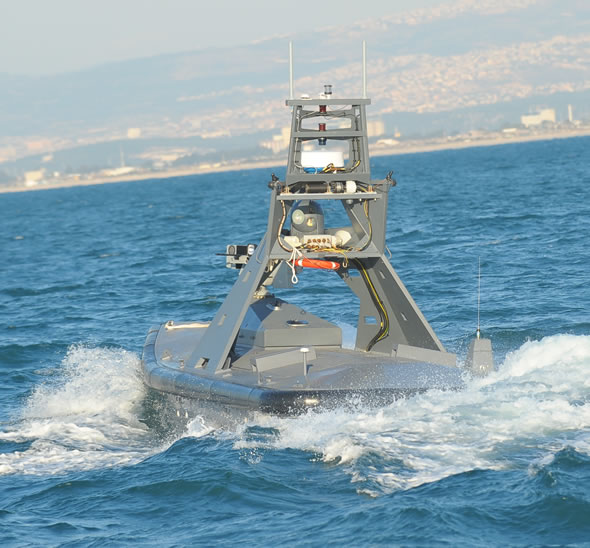
    RAFAEL’s 11m’ Protector USV. Photo: RAFAEL

    In modern vessels, a large portion of the naval officers’ activity is devoted to managing control rooms of various types. From theses control rooms the officers supervise the sailors who are responsible for different systems aboard the vessel. The officer is expected to understand the duties of the sailors under his command and to synchronize their work in order to operate the vessel. For example, the Tactical officer who is responsible for constructing the ship’s situational awareness, commands sailors who analyze and form the tactical situation picture which is presented to the ship’s captain. In order to provide the most accurate picture, the Tactical officer is required to coordinate the activity of sailors who operate radars, electronic detection systems, C²I computer operators, sonar etc. While forming the tactical picture, the officer is expected to understand the responsibilities of other officers onboard and the effect of his work on theirs. Following the previous example, after forming the tactical picture, the tactical officer is required to grasp the implications of the tactical situation on the ship regarding subjects such as maneuvering, weapons and countermeasures, all of which are under the responsibility of other officers (e.g. bridge officer, weapon’s officer and the EW officer).

    Are the same professional skills relevant also for operation of USVs? Furthermore, should an officer operating a USV need to have the ability to function under fire? Does he need to set a personal example to the sailors under his command the way an officer on a manned platform is required to?

    USVs will be integrated into existing naval array of missions and manpower. As was previously mentioned, changes in technology have always affected the characteristics of the men behind the machines. After analyzing the traditional missions of navies, the skills required from naval officers and the main functions of USVs, it is possible to start thinking about the dilemmas of operating USVs within the existing naval framework. It is worth asking what will be the characteristics of the new naval officer who will command such platforms, which changes will occur compared to the image of the traditional naval officer and what will be the meaning of command when the commander will no longer be present on board the platform.

    Sensing the Virtual Deck

    The operational envelope of a USV is different from that of an ordinary ship for a number of reasons. First reason is lack of information by comparison with manned platforms. Despite attempts by its developers, a USV operator does not receive all the data an ordinary skipper receives but only measurable information since only measurable data picked up by devices is sent through the air from the USV to the control station. A USV operator who is not alert enough can cause damage to the platform just because he is not exposed to the same acceleration forces that are imposed on the USV itself. Lacking this sensual information, the USV operator might decide to aim the USV sailing into high waves and increase speed, unaware of the physical implication of such a command. Giving a similar command, a manned platform’s officer will immediately realize (himself being rattled all over the command bridge) the necessity of changing course or reducing speed. In similar conditions, the USV operator will continue sitting comfortably in his chair. It is possible to circumnavigate this problem by automatic alarms and warnings, but too many of these can harm the mission and neutralize the advantages of the unmanned platform. Therefore, it is essential that USV operators will understand the sea conditions and their implications on the platform’s behavior.

    Operating in harsh weather is only one example of many which illustrate the dilemmas connected to remotely controlling maritime platforms. The same argument is true of sailing at night, sailing according to radar picture alone (in case of fog or bad visibility) and sailing close to shore or other vessels etc. These dilemmas originate from the problematic distance between the operator and the platform, as is the case with USVs.

    The USV operator is required to operate the platform using only sensor data, as a pilot flying “Instrument Flight” (flying an airplane without using visual information). The USV operator is observing a video image of the surrounding area but most of the maneuvering is conducted according to radar image and relative movement calculations (a process of extrapolating the direction and speed of a vessel in the real world from the radar image). These abilities are critical for operating and controlling a USV in an operational scenario.

    Generally speaking, the USV operator is supposed to understand the tactical situation beyond the numerical data being displayed. He must be able to comprehend the implications of the maneuvers which he demands from the platform in the real situation at sea. The operator uses the information in the control station to imagine that he is onboard the USV, while understanding that this information is lacking. He therefore must fill in the gaps in the data by translating the numerical information to familiar physical sensations such as feeling the wind blowing on the face when the ship speeds up. After this translation the numerical data can be acted upon in order to control the USV. Experience can compensate for this lack of sensual data: an experienced operator can skip this stage of translating raw data into imagined physical sensations and use the numerical data as is. A USV operator’s training programs needs to address such issues through exercises and simulations.

    Understanding the differences between manned platform and remotely controlled ones raises questions about the character of USVs operators. These questions are relevant to the training of operators as well as the basic personal characteristics required from the candidate. There is direct link between technological developments, the abilities required from the operator and the data that the system is required to provide in order to enable efficient control of the platform. As systems become more autonomous, human operators with different skills and different types of training will be required.

    Maritime navigation is a prime example for the necessary changes in training. Today many hours are dedicated to teach naval officers how to navigate at sea by using many different methods. Are the same skills required from the USV operator? The new operational approach for USVs, which regards technology as the only means of navigation (and not the main one as in manned platforms), makes traditional training in this field unnecessary, or at least not essential.

    Similarly, another question is of the necessity of command abilities from a USV operator. Naval manpower departments invest time and resources to locate candidates who have got command skills and train these candidates in order to further develop their basic abilities. Not being exposed to fire and managing only small crews, is the USV officer required to possess the same command abilities as a traditional naval officer? Is the leadership required from a USV’s operator similar to this of an officer in a ship’s combat information center? How does this new kind of command relate to the classical military command of an Infantry officer in the field?

    Yet another dilemma rises when comparing to the world of maritime missile warfare: In the past, missile firing logic was based on human intervention, with the operator in charge the missile’s flight all the way to the target. Therefore, operators were required to have good eye-hand coordination and function well under pressure. Today, the automation of missiles requires precise pre-launch route planning but less intervention while the missile is in the air. It is reasonable to assume that a similar process will take place in the USV world in the future, i.e. operators will have to be skilled in strategic thinking and planning because most of their duty will be to plan an autonomous mission and not necessarily controlling the USV in real time.

    It is well known that the sailors operating manned submarines can function well in closed and claustrophobia initiating environments. Do remotely controlled submarine operators need these same abilities? Is it wise to train them within the same organizations that train submariners? A thorough job requirement analyses may theoretically find similarities between remote submarine operation and seemingly unrelated fields. It is possible that departments within the navy other than submarine command, which specialize in training personnel for these similar duties (such as ground station radar operators school for example) are more suitable to train these “remote submariners”. Moreover, it is possible that the function most similar to that of a remote submariner will not be found even within the Navy. Research might imply that the skills required from remote submariner are similar to those required from air force flight simulation operators so that the knowledge of how to train them already exists. More investigation into this question is still needed.
    Summary

    About the author: Elad Gilat is the USV Program Manager at Puzzle Projects.

    The operational departments within the Navy are required to understand the implications of operational deployment of USVs and conduct the necessary changes in all aspects of command, control and mission performing. Similarly, manpower departments responsible for the recruiting and training of sailors and officers need information which will assist them to get ready for these changes.

    Future sailors and naval officers will have to become accustomed to new technologies at a growing pace, and embrace new skills while they progress in their naval careers. Planning for many years in advance, manpower departments need established research data which will point out the directions of USV anticipated technological development. This will support preparing to future changes in manpower recruiting and training. In addition, such researches will provide insights into the skills required for operating future systems and encourage a much needed synergy between human-machine interface engineering and human skills development.

    Asia Pacific Defense-Update #3

    Issue #3 of the Asia-Pacific Defense Update is now available. This electronic newsletter edition is distributed to subscribers only via email (and is available online in PDF format.) To receive the report please subscribe at the following link.


    You can obtain this week’s edition only for a single payment of $9.95 using this link.

    India Relaxes Offset Guidelines, Sets 20% penalty on Failure to Fulfill Obligations

    Amid growing criticism of its unrealistic demands for buyback, India has relaxed its offset guidelines to enable foreign vendors to fulfill their obligations in timely manner by including Technology Transfer and R&D in their offsets. New Delhi also imposed a 20% penalty on vendors failing to fulfill their offset obligations within the prescribed timeframe, as set by the Defense Department procurement procedure.

    Foreign contractors obliged to source billions in the Indian defense and aerospace market have complained that India’s defense industrial base is incapable of absorbing the huge offsets in pipeline. Moreover, companies required to transfer technology to the Indian market insisted such transfer will be recognized as offset or, will be controlled by subsidiaries owned by foreign companies. The Indians ruled out both demands. In 2011 MoD liberalized its offsets policy to include investments in the country’s civil aerospace, homeland security and training sectors in addition to military industries. Now, the transfer of technology has also been included in the plan.


    At a recent meeting India’s Defense Acquisition Council has revised India’s Defense offset Guidelines  (DOG), which came into effect in August 1, 2012.  The new guidelines better differentiate between co-production and co-development, to encourage foreign companies to transfer technology and manufacturing capabilities to Indian companies (except for local subsidiaries). The new guidelines also encourage foreign companies to work with Indian small and medium enterprises, by offering an x1.5 factor on such contracts. The new guidelines also recognize foreign contracts for Research and Development (R&D) services as eligible for offset discharge. This new concession is likely to open the door for substantial outsourcing work related to aerospace defense programs, currently provided by many Indian enterprises. The new regulation will also recognize work with government owned enterprises as eligible offset deals.

    Overall, the Transfer of Technology (TOT) can now amount to 10% of the value of buyback by the OEM during the period of the offset contract, given it is provided without restrictions, without license fee, to a non-affiliated Indian company.

    This is an abstract version of the article. To get our analysis, please  subscribe to one of our Premium Levels. 

    New Offerings, New Opportunities, New Rules

    Why Blocking?

    Dear Reader,

    defense-update_2
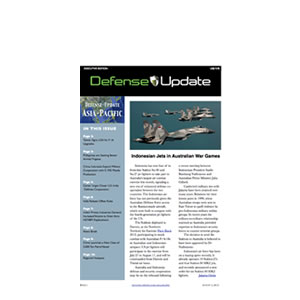
    The coverpage of issue #1 – Published January 2004

    On January 2004, almost ten years ago, Defense Update published the first digital defense magazine edition. Back then, on our 25th year in defense publishing, it was time for change. And now, after a decade, it’s time to change again.

    Introducing Member Services

    Since 1978 Defense-Update has been trusted by defense professional like you to provide balanced, unbiased, unduplicated and trustworthy information, easily accessible at an affordable cost. Since 2004 we have been offering this information online free of charge, and open to all.

    defense-update
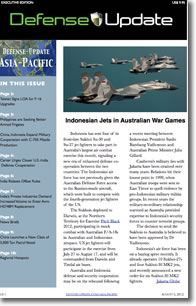
    Defense-Update cover page – Published November 2013

    In 2012 we have expanded our focus to include more features, wider news coverage, deeper analysis, and rich multimedia content – all made available to subscribers through Defense-Update Member Services. Toward 2014, we turn to our readers to continue and support us in expanding this service by joining Defense-Update Member Services program.

    Subscription provides members an access to all Defense-Update editorial content and distribution means published by Defense-Update including:

    • Receive daily news alerts via email
    • Receive weekly news summary via email
    • Access premium content
    • Access advanced search services (New!)
    • Comment on Defense-Update forums
    • Access selected presentations from Defense-Update Online Events (New!)
    • Subscribers will also be able to attend Defense-Update Online Events live, at a special discount rate (New!)

    Our commitment:

    With subscriptions priced $7.95/month, we are confident this small fee will help maintain Defense-Update growth. With your support we promise to keep up the dedication which has brought us here, to maintain the highest quality, depth of coverage and platform innovation.

    If you are following Defense-Update for some time, you may have noticed some of these changes in recent months. Some are completed, others are still ‘work in progress’.

    Here is a partial list of what we have already done:

    2010 – 2012: Move to a Content Management System
    We completed this strategic move in June 2012, after 18 months of work. We moved all content, including photos, articles and indices to the new system, offering better availability and discovery of all available content. This vast resource containing thousands of articles necessitated the use of dedicated servers, for which we have scouted globally. We insisted to use only the best, most secure solutions, realizing our customers’ need for security and peace of mind. Comparing the performance in 2010 to our current speed, you will appreciate the boost, which has been achieved at significant expenses and full dedication of our technical team.

    2010-2011: Launching Mobile Services
    When we evaluated the new platform, more than two years ago, we based our decision on how friendly the end product will be to mobile devices and smartphones. Today, Defense-Update is fully optimized for mobile devices, and we see constant growth in the access of smartphones and tablets. It seems we have made the right choice to adapt to your change.

    2010-2012: On-Site Event Coverage
    The use of an advanced publishing platform enabled our editorial team, photographers and reporters to respond quickly from defense exhibitions, conferences and events, in near-real-time. While we do not intend to sacrifice quality for speed, the ability to provide on-site support on selected events enabled us to stay ahead of the curve in some of the world’s leading events including Eurosatory, Farnborough, Paris Air-Show, Aero India, AUVSI, AUSA, DSEI and the Singapore Air-Show. We intend to continue and advance these services to the benefit of our readers and supporters.

    2011: Improving Article and Photo Indexing
    We implemented different search solutions, enabling readers to search content by images and by search words, in both new and legacy websites. We also implemented indexing systems to automatically update lists of content, enabling you to find content easily and quickly.


    To request a sample, please send us an email.


    Yours sincerely

    Tamir Eshel
    Editor & Publisher
    Defense-Update.com

    Elbit Wins a Third Latin-American Order for Hermes 900

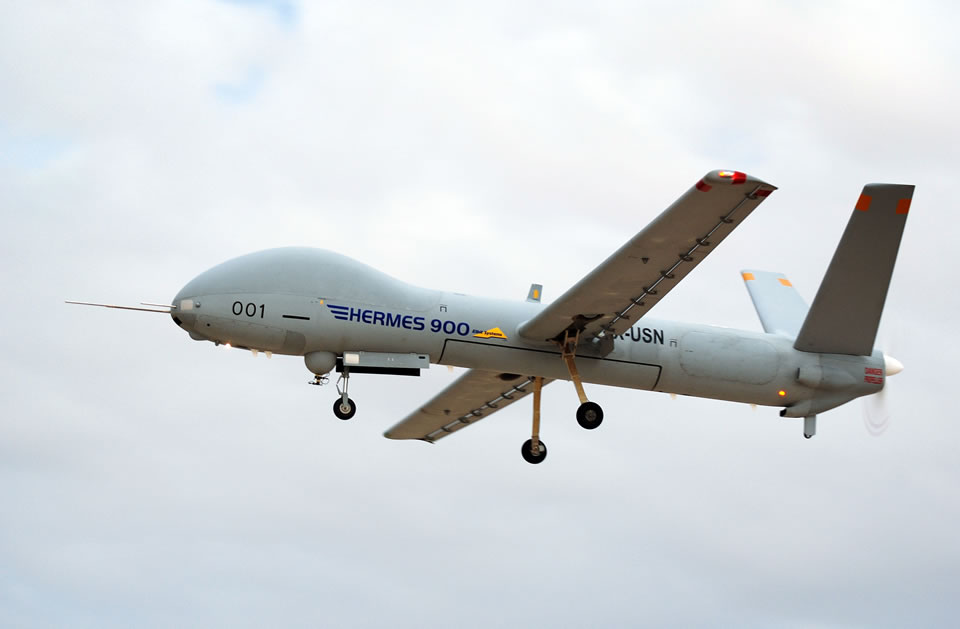
    5th Win for Elbit Systems' Hermes 900. Photo: Elbit Systems
    Hermes 450 prepared for a mission. Photo: Elbit Systems

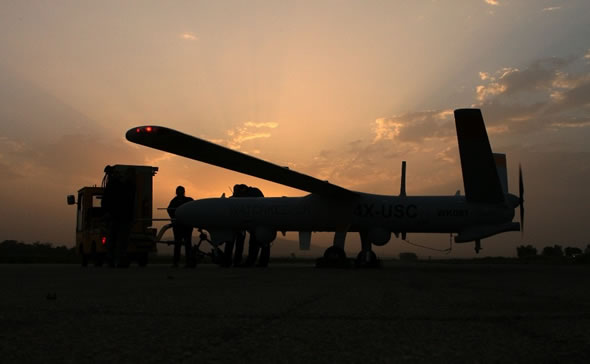
    Elbit Systems has won a new contract worth tens of millions of US$ to supply a new Latin American customer  with a mixed fleet of unmanned aerial vehicles including the Hermes 900 and Hermes 450 Unmanned Aircraft Systems (UAS). The company is expected to deliver the systems by 2014. Since


    launching the Hermes 900 the company has won five orders for this large drone – three in Latin America, one in Asia. Sofar Chile and Mexico have both opted to buy Hermes 900, with Brazil focusing on the Hermes 450.

    This is an abstract version of the article. To get our analysis, please  subscribe to one of our Premium Levels.

    “The unique capability of joint operation with the Hermes 450 offers seamless integration for existing users, further enhancing operational flexibility and cost effectiveness and eliminating the need for additional infrastructure or special training programs”. Elad Aharonson, Elbit Systems UAS Division General Manager commented, adding: “Hermes 900 is well positioned as a world-leading UAS, suitable for a wide variety of missions, from intelligence gathering, to perimeter and security missions.”

    5th Win for Elbit Systems’ Hermes 900. Photo: Elbit Systems

    Puzzle Projects

    The author of this article in Lior Netzer, Founder and CEO of Puzzle Projects, specializing in operational engineering for security and infrastructure technological projects.

    Puzzle Projects specializes in providing operational engineering services for security and infrastructure technological projects.

    In the field of USV, Puzzle Projects is the operational expert for the USV (Unmanned Surface Vessels) project at one of Israel’s leading defense industry companies.

    During the course of the project, our staff has accumulated hundreds of operational hours with the vessel both on shore and at sea.

    Puzzle Projects oversees and supervises its projects from day one right through to successful conclusion. Puzzle Projects has all of the capabilities and characteristics needed to ensure the completion of projects in the most successful manner, by utilizing a unique methodology developed by the company, to ensure achievement of client goals to their complete satisfaction.

    • Project Documentation
    • Surveys and research
    • Management and Supervision
    • Prototype development
    • Testing and evaluation procedures
    • ILS & Technical Documentation
    • After Sales Service
    • Naval Consulting

    Training programs – Puzzle Projects develops and implements training programs both in Israel and abroad.  Our clients include some of the largest companies in Israel such as Ness Technologies and Rafael.  The company has built up much experience in naval and military instruction and training with some of the world’s largest military establishments such as the US Navy, the Australian Navy and many others.

    Puzzle Projects has successfully completed dozens of highly complex projects to the complete satisfaction of its clients.   We in Puzzle believe that succeeding in any large scale project demands the highest possible standards, standards that are the mainstay of our work and of our business ethics.

    CMS Systems:  Puzzle Projects has taken on the responsibility for characterizing the system that will, in the future, control all military action by Israeli warships and in particular, command vessels that are required to perform numerous sensitive and complex operations covering a wide range of expertise and for extended periods of time.  Puzzle Projects, for whom naval warfare is part of its DNA, has taken upon itself to assist the Israeli Navy in this process and has composed a detailed, comprehensive and precise document that characterizes the CMS system down to the finest detail.

    Unique methodologies developed by Puzzle Projects, a highly experienced team and a deep understanding of the client’s needs, enable us to work with our clients in dozens of leading edge technology projects – from inception to successful implementation. The company is certified for ISO 9001:2008 by SII (The Standards Institution of Israel).


    Contact details:
    Puzzle Projects
    phone: 972-4-6399161
    Fax: 972-4-6399157
    e.mail: [email protected]
    157 Yaffo Rd., Beit Amot, Haifa 35251 Israel.

    Defense Exhibitions – April – June 2013

    Electronic Warfare 2013

    March 18-20, 2013 – Alexandria, VA, USA


    LIMA 2013 – International Maritime & Aerospace Exhibition
    March 26-30, 2013 – Langkawi, Malaysia

    For more events taking place in before April 2013 – Click Here


    Global Security Asia 2013 April 2-4, 2013 – Suntec Exhibition & Convention Center, Singapore


    LAAD 2013 April 9-12, 2013 – Riocentro, Rio De Janeiro, Brazil


    Army Aviation Association of America (Quad-A) Expo April 10-13, 2013 – Ft. Worth, TX


    Offshore Patrol & Security 2013 April 23-25, 2013 – Old Dockyard, Portsmouth,UK View event page on Defense-Update

    The Offshore Patrol & Security 2013 conference and exhibition has been running annually for four years. This event attracts an audience consisting of the most senior and influential naval personnel from every major nation. The delegation will be discussing the very latest issues surrounding all aspects of maritime security including counter-piracy, port protection, economic zone protection and enforcement along with recent technological innovations. High on the agenda at next year’s meeting will be the continued operations off the coast of Somalia, a topic which has repeatedly been seen in the news over recent months and years. A focus on counter-piracy and counter terrorism in the Middle East and Asia Pacific regions will also be of the upmost priority. Defense Update is proud to be a sponsor of this event.


    Counter Terror Expo 2013 April 24-25, 2013 – Olympia Expo Center, London, UK


    Forensics Europe Expo 2013 April 24-25, 2013 – Olympia Expo Center, London, UK


    Warrior Expo West 2013 April 24-25, 2013 – San Diego Convention Center, San Diego, CA


    SPIE Defense & Security 2013 April 29 – May 5, 2013 – Baltimore Convention Center, Baltimore, MD


    IDEF 2013 International Defense Industry Fair May 7-10, 2013 – Tuyap Expo Center, Istanbul, Turkey


    IMDEX Asia 2013 14-16/5 – Changi Exhibition Centre, Singapore


    SOFIC 2013 May 14-16, 2013  – Tampa Convention center, Tampa, FL


    Heli Russia 2013 May 16-18, 2013 – Crocus Expo Center, Moscow, Russia


    IFSEC 2013 13-16 may, NEC Birmingham, UK


    SITDEF 2013 15-19 May, Army HQ, Boulevard Ave., San Borja, Lima Peru


    ITEC 2013 22-24 may, Fiera Roma, Rome, Italy


    IDET 2013 22-24 May, Brno Exhibition Centre, Brno, Czech Republic


    CYPNAVAL 2013 28-29 May, Nicosia, Cyprus


    CYPSEC 2013 28-29 May, Nicosia, Cyprus


    Soldier Technology Europe 2013June 3-5, 2013 – Olympia Expo Center, London, UK


    ISDEF 2013 4-6 June, 2013 ISDEF brings together leading international companies from the Defence, and HLS industry, as well as government and military officials, foreign delegations and key figures from the market.  In 2013 ISDEF is expecting 150 exhibitors from all over the world and 10,000 guests from 70 countries, making ISDEF an attractive international summit for defense, business and cooperation. ISDEF highlights a broad range of technologies, from innovative sensors and gadgets developed by new startups, to well established, combat proven systems deployed by defense and security forces around the world. Defense Update is proud to be a sponsor of this event. The event also hosts several seminars, including:


    cbrne_il

     Non-Conventional Threat (NCT) CBRNe Israel: 4-6 June, 2013 Tel Aviv, Israel – NCT is coming to Israel! Asia’s number one CBRNe event is joining the Israeli Defence Exhibition (ISDEF) for the first international CBRNe Conference and Exhibition in Israel. CBRNe Israel 2013 will bring together experts, end users, policy makers, industry and procurement staff to discuss this most important threat to Israeli and international cities, infrastructure and people. The event takes place concurrently with ISDEF 2013.


    UDT Europe 2013 18-20 June, Hamburg, Germany Europe’s leading undersea defence and security conference and exhibition, UDT has reached new heights in 2012 where UDT 2012 in Alicante Spain attracted visitors from around the world, including many nations with growing maritime security needs. In the strongest ever representation of Asian countries, a broad spectrum of visitors from senior officers to engineering and scientific subject matter experts from China, Hong Kong, India, Japan, South Korea and Singapore. Now in its 25th year, UDT is the only dedicated undersea defence technology conference and exhibition, bringing together naval procurement specialists, defence scientists and key technology providers for discussion, networking and the examination of new technology. The event, which is staged in Europe and Asia, covers the entire spectrum of undersea defence and security technology and the emphasis is very much on preparing for the future by identifying today the factors that are shaping the future of undersea security.  Defense Update is proud to be a sponsor of this event.


    Paris Air Show 2013 June 17-23, 2013 – Le Bourget Airport, Paris, France June 21-23 – Open to the Public


    Israel Security & Defense Week 2013 25-27/6 Exhibition Grounds, Tel Aviv, Israel


    IMDS 2013 26-30/6 St. Petersburg, Russia


    For events taking place after June 2013 – Click Here

    Defense Exhibitions – July – September 2013

    For Events taking place before July 2013 – Click Here


    israsia2013 NCT: ISR Asia 2013 –  July 1 -4, 2013 – Kuala Lumpur, Malaysia

    This inaugural Intelligence, Surveillance and Reconnaissance (ISR) event is organised by NCT in full partnership with the Malaysian Government. ISR Asia 2013 will be a fully comprehensive four day event including training workshops, two days of conference and exhibition and an exclusive site-visit to the Malaysian Remote Sensing Agency. Attend and network with heads of regional defence and civil organisations, senior Malaysian, Asian and International military representatives, and leading industry figures. Topics under discussion will include the application of ISR in counter insurgency and counter terrorism; maritime surveillance; border control; military satellite communications and remote sensing; humanitarian and disaster relief; geospatial intelligence; the role of UAS in ISR operations; interoperability challenges and transforming information into intelligence.

    Defense Update is proud to be a Media Sponsor of NCT:ISR Asia 2013


    Warrior Expo East 2013 – July, 11-12 – 2013 – Virginia Beach Convention Center, Virginia Beach, VA


    AUVSI 2013 – August, 12-15 – 2013 – Walter E. Washington Convention Center, Washington, DC


    MAKS 2013 International Air & Space Salon – August, 27 – September 1 – 2013, Sukhovsky, LII Gromov, Russia


    MSPO 2013

    2-5 September, 2013 – Kielce, Poland


    US/Canada Border Conference – September 10-11, 2013 –  Cobo Center, Detroit, MI

    US/Canada Border Conference, a major conference and exhibition focused on advancing the “Beyond the Border” declaration.
    Defense Update is proud to be a sponsor of this event.


    DSEI 2013
    September 10-13, 2013 – ExCel Exhibition Center, London, UK

    DSEI is the largest fully integrated defence and security show in the world, featuring Air, Naval, Land and Security show content. Based in ExCeL, DSEI is held at the London every two years, provides unrivalled access to key markets across the globe. In April 2012 DSEI has won the ‘Best Trade Show’ category of the prestigious Exhibition News Awards. DSEI  2011 attracted more than 28,000 visitors from 121 countries. The internationality of the event was demonstrated by the presence of exhibitors from 46 countries, including 30 national pavilions. Defense Update is proud to be a sponsor of DSEI 2013.


    Modern Day Marine 2013 – September 24-26, 2013


    cbrne_asia NCT: CBRNE Asia 2013 –  September 24-27, 2013 – Kuala Lumpur, Malaysia

    Building on the highly successful 2012 conference, exhibition and CBRN demonstration, NCT: CBRNe Asia 2013, will expand its scope by including focused interactive training-workshops, live product demonstrations and the NCT CBRNe Awards. Event partner is the National Defence University of Maylasia.
    Defense Update is proud to be a Media Sponsor of CBRNe Asia 2013


    rae150RAE 2013
    September 25-28, 2013 – 9th Russia Arms Expo, Nizhny Tagil, Russia

    As the Russian premier military technology event, RAE 2013 is promoting Russian military equipment, arms and ammunition to both domestic and foreign markets. This event brings together all major stakeholders in the field of global military cooperation to review and discuss cutting-edge military equipment. With the Russian openning to international cooperation and import of defense hardware, RAE 2013 is also expanding the range of foreign partners, demonstrating the latest achievements of the Russian and foreign manufacturers, and developing business contacts between producers and buyers of the military equipment, weapons and ammunition from around the world. Defense Update is proud to be a Media Sponsor of RAE 2013

    • The largest international exhibition of military products held under the patronage of the Government of the Russian Federation
    • Intensive conference programme
    • Unique opportunities for demonstration of combat and operational capabilities of the military equipment
    • Over 400 exhibitors from 50 countries

    Expomil 2013
    September 26-29, 2013 – Romexpo Exposition Center, Bucharest, Romania


    For events taking place after September 2013 – Click Here


    Defense Exhibitions – October-December 2013

    For events taking place Before October 2013 – Click Here


     GEOINT 2013
    October 10-13, 2013 – Tampa Convention Center, Tampa, FL. USA


     Unmanned Vehicles Israel Defense (UVID)
    October 10, 2013 – Avenue Convention Center, Airport City, Israel


     AUSA 2013
    October 21-23, 2013 – Walter E. Washington Convention Center, Washington, DC


    Marine Week
    October 23-26, 2013 – Busan, Republic of Korea


     ADEX 2013 – Seoul International Aerospace & Defense Expo
    October 29 – November 3, 2013 – INTEX Seoul, Republic of Korea
    October 26-27 – Public Air Show – Cheongju Airport


     Defense & Security 2013

    November 4-7, 2013 – IMPACT Expo center, Bangkok, Thailand


    NCT: IED Asia 2013 –  November 12-15, 2013 – Bangkok, Thailand

    The second edition of Asia’s leading Counter IED event, the Non-Conventional Threat: Counter IED Asia 2013, will take place on 12th – 15th November 2013, in Bangkok, Thailand. Building on the highly successful 2012 conference and exhibition, NCT: C-IED Asia 2013, will expand its scope by including focused interactive training-workshops and a live capability demonstration day led by the Royal Thai Army.
    Defense Update is proud to be a Media Sponsor of IED Asia 2013.


     Dubai Airshow 2013

    November 17-20, 2013 – Dubai Worl Central (DWC), Jebel Ali, Dubai


     MilCom 2013
    November 18-20, 2013 – San Diego, CA, USA


     Milipol 2013
    November 19-23, 2013 – Parc des Expositions, Paris Nord, Villerpinte, France


    AUSR_300x250 AUS&R Autonomous Unmanned Systems & Robotics Conference
    November 26, 2013 – Israel

    As one of the world’s leading technological drivers of unmanned systems and robotics, Israel provides a hub for technological innovation, technical knowhow and practical, operational experience. The upcoming  Autonomous Unmanned Systems & Robotics conference will provide an opportunity for local and international experts in the field, for networking and exchange of ideas. The conference topics will cover Autonomous Systems & Robotics, focusing on operational, applicative and the human dimension. Defense-Update is proud to be a Founding Member of AUS&R 2013.


     INDESEC 2013
    December 2-4, 2013 – New Delhi, India


     I/ITSEC 2013
    2-5 December, Orlando FL, USA


     BRIDEX 2013 – Darussalam International Defense Exhibition – 3-7/December, conference center, Brunei


    Gulf Defense & Aerospace Expo 2013
    December 10-12, 2013 – Kuwait International Fair, Kuwait City, Kuwait

    Defense Exhibitions & Events – January – March 2013

    For events taking place in 2012 – Click Here


    AUSA ILW Army Aviation Symposium

    January 9-11, 2013 – National Harbor, MD


    Armoured Vehicles Survivability

    January 16-17, 2013 – Le Meridien, Munich, germany

    Armoured Vehicle Survivability is a specialist event for survivability experts within the armoured vehicles market place. Featuring senior level speakers from armed forces and vehicle manufacturers this conference debates the latest developments in survivability and their success in operations. The exhibition showcases survivability technology and provides a perfect platform to meet suppliers and new customers. All serving military officers can attend free of charge. Make sure you’re in attendance to be at the cutting edge of armoured vehicle survivability. Defense Update is proud to be a sponsor of this event.http://imrmedia.in/events/index.html


    Night Vision India 2013 – January 16-17, 2013 – New Delhi, India

    February 6-11, 2013 – Bangalore, India



    DGI Europe

    January 21-23, 2013 – QE II Conference centre, Westminster, London, UK

    The DGI Conference & Exhibition brings together heads of defence geospatial intelligence, remote sensing, GIS data & mapping, satellite imagery and analysis within the military, governmental, and geo intelligence sectors. It attracts professionals who are responsible for using, and integrating, geo based capabilities in their operations and organizations. Attended by over 800 Geo professionals, DGI is where the geospatial intelligence community comes together.

    New in 2013 will be the lessons learnt from Afghanistan, a conference stream focused on discussing and debating the experiences in Afghanistan, looking at the future of nation rebuilding and reconstructions. Special focus on applying lessons learnt in the region. Other highlights are  the Big Data and Human Geography streams, North American focus and more. Defense Update is proud to be a sponsor of this event.


    SOLIC Conference & Exhibition 2013

    January 28-30, 2013 – Marriott Wardman Park Hotel, Washington DC


    Soldier Technology USA 2013

    January 28-31, 2013 – Marriott Gateway, Crystal City


    Soldier Technology is the annual soldier systems meeting where government and industry align needs of soldiers, marines, special operators and the squad to future investments in capability and equipment development to benefit the end user. Defense Update is proud to be a sponsor of this event.

    Over the course of 4 days the audience of 550 government and industry delegates will learn about the latest modernization spending plans from over 30 separate command offices from the US Army and US Marine Corps, more than 10 government agencies from allied nations and 20 or more international industry organizations. Defense Update is proud to be a sponsor of this event.


    The Eighth Annual International Ilan Ramon Space Conference

    January 29 – 31, 2013 – Herzliya, Israel


    International Armoured Vehicles 2013

    February 5-8, 2013 – Farnborough, UK

    View event page on Defense-Update

    The International Armoured Vehicles conference and exhibition (IAVs) offers a unique combination of high-level briefings from senior international military; technical sessions from key experts in C-IEDs, Future Armouring, Simulation, Weapons Stations Integration and Situational Awareness; and a high-impact, focussed exhibition hall dedicated to the armoured vehicles community. last year alone, the event gathered 600+ conference attendees and over 2,000 visitors to the exhibition.  This year’s event introduces a special Industry Day, a second G6 Panel – focusing on International Markets, new specialised streams and a “Ride and Drive” at the Long Valley Test Track for test track exhibitors. Defense Update is proud to be a sponsor of this event.


    Aero India 2013 – Airshow Live – Special Coverage by Defense Update and Vayu

    February 6-11, 2013 – Bangalore, India


    Marine West 2013
    February 13-14, 2013 – Marine Corps Base Camp Pendleton, CA


    IDEX 2013
    February 17-21, 2013 – ADNEC, Abu Dhabi, UAE


    NAVDEX 2013
    February 17-21, 2013 – ADNEC, ABu Dhabi, UAE


    Underwater Defence and Security 2013

    February 26 – 27, 2013 – Portsmouth, UK


    Underwater Defence & Security is an international conference and exhibition dedicated to the subsea defence and security market. The conference attracts an international array of delegates from navies, coast guards, maritime police and civilian authorities who are all tasked with ensuring the defence of our subsea environment. The exhibition operates alongside the conference and acts as a customer centric platform to showcase the latest developments in technology and capabilities. Underwater Defence & Security is an ideal way to network with industry peers and is held each year at the Royal Navy Dockyard, Portsmouth, UK. Defense Update is proud to be a sponsor of this event.


    AUSA Winter Conference & Exhibition
    February 20-22, 2013 – Broward County Convention Center , Ft. Lauderdale, FL


    Fourth International Missile Defense (BMD) Conference and Exhibition
    February 26, 2013 – Dan Panorama, Tel-Aviv, Israel


    Israel, in particular, faces an increasing ballistic missile threat, ranging from short-range missiles and artillery rockets, to long-range missiles, capable of carrying and launching unconventional warheads, threatening primarily its civilian population.

    The aim of the fourth conference and exhibition, is to provide the opportunity for technical and policy representatives to meet, exchange views and information and explore opportunities for cooperation to improve missile defense capabilities. Defense Update is proud to be a sponsor of this event.


    Avalon 2013 Australian International Airshow
    February 26 – March 1, 2013 – Geelong Airport, Victoria, Australia
    March 1-3, 2013 – Open to the Public


    Heli Expo 2013
    March 5-7 – Las Vegas, Nevada


    Directed Energy Systems 2013
    March 5-7 – London, UK

    Military & Aviation 2013
    March 5, 2013 – Airport City, Israel

    This annual event comprising a conference and exhibition focuses on advanced military and aerospace technologies, from Israel and abroad. The event is attended by executives and technical officials from Israel’s defense industries, and includes briefings by leading military officials and and industry experts. Defense Update is proud to be a sponsor of this event.


    Border Security Expo 2013
    March 12-13 – Phoenix, AZ, USA

     Thousands of federal, state, and local law enforcement and industry professionals will converge in Phoenix, at Border Security Expo, the world’s largest show and conference focused on issues confronting borders. The 2013 event will feature:

    • A world renowned conference featuring 50 speakers
    • Awards presentations & memorial ceremonies
    • Exhibition featuring over 200+ of the latest products and  innovations
    • Networking opportunities during and after the expo

    From education to implementation, Border Security Expo 2013 is the most effective and productive way to gain knowledge of important trends, network and learn from your peers, and evaluate products and services. Defense Update is proud to be a sponsor of this event.


    Electronic Warfare 2013
    March 18-20, 2013 – Alexandria, VA, USA


    LIMA 2013 – International Maritime & Aerospace Exhibition
    March 26-30, 2013 – Langkawi, Malaysia


    For Events taking place after March 2013 – Click Here

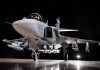
    BAE Systems Wins Contract to Upgrade South Korean KF-16 Fighters (Abstract)

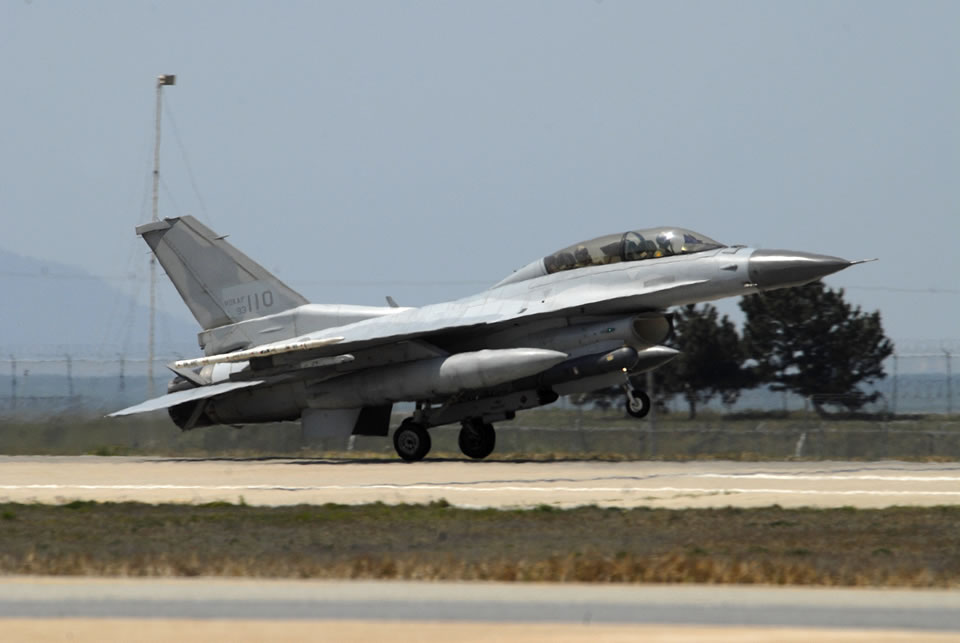
    RoKAF F-16B landing at Kunsan AFB, South Korea. Photo: US Air Force
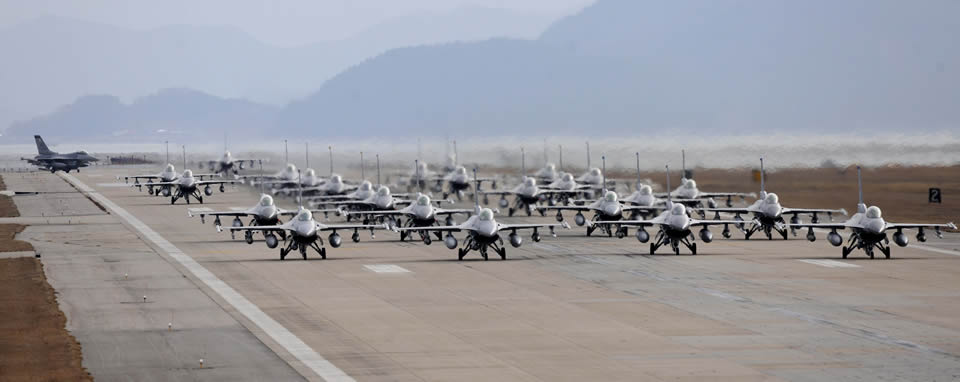
    RoKAF and USAF F-16s at Kunsan AFB, Korea perform an ‘Elephant Walk’ mobilization exercise. March 2012. Photo: USAF

    British defense firm BAE Systems Incorporated has been selected as the prime integrator to provide critical upgrades for South Korea’s KF-16 fighter jets. The multi-year contract is valued at an estimated $1.1 billion based on a bid submitted to South Korea’s Defense Acquisition and Procurement Agency (DAPA) by BAE’s United States’ branch office in December. The contract will be processed through the US government’s Foreign Military Sales (FMS) program.

    DAPA’s approach to contracting for the KF-16 upgrades is unorthodox. Prime integration bids were submitted to DAPA in December and now, with a bidder finally selected, DAPA will submit a formal Letter of Request (LoR) to the United States to request the US government negotiate a contract with BAE through the FMS program.

    In this way, DAPA expects to lock-in performance and service guarantees while keeping contract costs to an absolute minimum. A formal LoR will be delivered to the United States in August and DAPA anticipates finalizing the contract later this year.

    The director of BAE’s South Korean office, Joe McCabe, said that the most attractive feature of BAE’s bid was flexibility in the transfer of technology. (End of abstract, if you are a premium subscriber, please continue to full article)

    To article is part of Defense Update new Premium Content.

    To read the full article, please subscribe as:

    Member

    Subscriber

    Skunk Works and XTEND Simplify Multi-Drone Command

    0
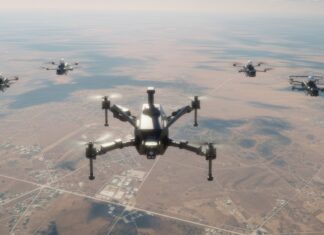
    Lockheed Martin Skunk Works® and XTEND have achieved a major milestone in JADC2 by integrating the XOS operating system with the MDCX™ autonomy platform. This technical breakthrough enables a single operator to simultaneously command multiple drone classes, eliminating the friction of mission handoffs. From "marsupial" drone deployments to operating in GPS-denied environments, explore how this collaboration is abbreviating the data-to-decision timeline and redefining autonomous mission execution.

    From Ukraine to Taiwan: The Global Race to Dominate the New Defense Tech Frontier

    0
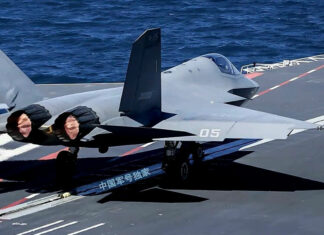
    As traditional defense primes face mounting competition from agile “neoprimes” such as Anduril, Palantir and Helsing, the balance of innovation is shifting toward software-defined warfare and scalable, dual-use technologies, while global industry consolidation—marked by Boeing’s integration of Spirit AeroSystems and other strategic mergers—signals an intensified race to secure control over the defense technology value chain. Our Defense-Tech weekly report highlights these trends.

    Europe’s “Drone Wall”

    0
    In early October 2025, a coordinated wave of unmanned aerial system (UAS) incursions—widely attributed to Russia—targeted critical infrastructure across at least ten European nations. The unprecedented campaign exposed the fragility of Europe’s air defenses...

    Weekly Defense Update & Global Security Assessment

    0
    Executive Summary The past week (September 18-25, 2025) represents an inflection point where strategic defense concepts have transitioned from doctrine to tangible reality. An analysis of global events reveals four primary, interconnected trends shaping an...

    U.S. Air and Space Forces Push Next-Gen Programs at the AS&C 2025 Conference and...

    0
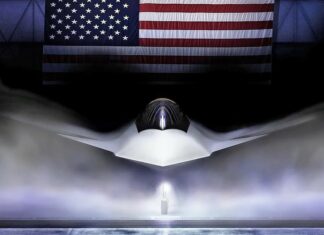
    At the 2025 Air, Space & Cyber Conference, U.S. Air Force and Space Force leaders unveiled major updates on next-generation fighters, bombers, unmanned systems, and space initiatives, highlighting both rapid innovation and critical readiness challenges as the services race to outpace global competitors. A short version is available here, with a more detailed version for subscribers.

    TADTE 2025: Reflecting Taiwan’s Strategic Themes

    0
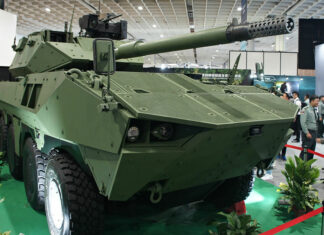
    The Taipei Aerospace & Defense Technology Exhibition (TADTE) 2025 crystallized around four dominant strategic themes that collectively illustrate Taiwan's comprehensive approach to defense modernization amid escalating regional tensions. Based on a detailed report by Pleronix (available upon request). Includes a Podcast discussion on TADTE 2025's highlighting Taiwan's four strategic themes beyond the post's coverage.

    Iron Beam 450 Completes Testing, Soon to Join With Operational Air Defense Units

    0
    Israel’s Iron Beam 450 high-power laser system has completed final testing, marking a major leap in air defense. Developed by Rafael, it offers precise, cost-effective interception of rockets, UAVs, and mortars, and is set for IDF deployment by 2025.