
Tuesday, December 23, 2025
More
    Home Blog Page 82

    Everyone Relax, Israel Can Live With Iran Deal

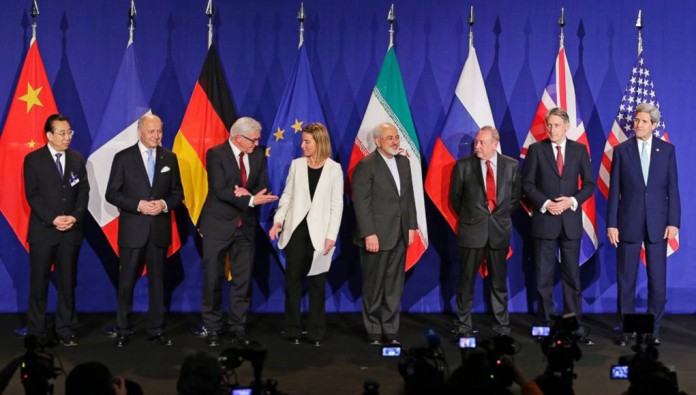
    World leaders meet following an announcement on the Iran nuclear talks, April 2. Photo: Thomas Trutschel, Getty Images.

    The Iranian deal concluded in Vienna on Tuesday 14 July 2015 has become fait accompli. In order to live with its results over the coming years, to prevent serious implications, extreme intelligence has to be implemented in order to prevent Iranian deception in its covert nuclear program. Israel has legitimate concerns and President Obama himself has recognized this, even while asserting that a better alternative to the Joint Comprehensive Plan of Action (JCPA) was not proposed by Netanyahu, or, for that matter by anyone else.

    Therefore issues of substance and form assume critical importance. Although Israel is confronted with new challenges, resulting from this deal, an in-depth study of the 159 pages of the Vienna agreement reveal that, although acute dangers will certainly exist over the years, there are also important issues of substance included, which, if monitored carefully by expert elements, can offer a safer outlook, than existed so far by the conduct of this hostile Islamic state.

    However, while Netanyahu deserves credit for stubbornly putting the nuclear issue on the global agenda, significantly contributing to the intensified sanctions on Iran, the prime minister erred dangerously, when he did not hesitate to hook up with the Republican Party in its campaign against U.S. President Barack Obama and condemn the entire deal. There were even reports in the Israeli media, comparing the Vienna agreement with the notorious pre-WW2 Munich accord, even some going so far as warning that the Jewish State was facing toward a new Holocaust! Such attitude is not only counterproductive, in a situation created with world-wide consent, but under realistic circumstances, complete political nonsense. It will only foster Israel’s diplomatic isolation that already exists, resulting by Netanyahu’s irresponsible conduct, primarily deteriorating US- Israel relations.

    The crude assault on U.S. President Barack Obama, who is accused, by Israeli right-wing politicians of “selling out Israel,” can certainly be chalked up by Tehran leaders as an important achievement, only further contributing to the loss of Israel’s staunch strategic ally.

    The State of Israel, which sees itself, justifiably, as the primary target of the Iranian threat, is entitled to view the agreement with suspicion and distrust. Just as it exposed an important part of Iran’s nuclear program, it must continue to monitor Iran’s behavior and warn of any violation of the deal. Although Israel was not a partner to the negotiations, it should not give up the role of watchdog that it has taken upon itself. At the same time however, it must give a fair chance to Iran and the world powers to try and inaugurate a new path in their mutual relations.

    The world’s leading countries reached a long negotiated deal with Iran on Tuesday July 14. It will likely lead eventually to the Islamic Republic becoming a nuclear power. However, Israel can live with a nuclear Iran, because it is by far the strongest country in the region. The Tehran leaders realize that trying to implement their verbal threats against the Jewish State would lead to sheer suicide.
    Former prime minister and IDF chief of staff, Ehud Barak arrived at a television studio on Tuesday evening to provide the Israelis with some sobriety.
    iranDeal_graphics_4_dealorNoDeal

    It was like a breath of fresh air on a humid day.“The agreement gives legitimacy to Iran to become a nuclear threshold state,” Barak said. “It allows [the Iranians] to subsidize terror and removes them from the noose of sanctions. It is fair to say that it will allow Iran to follow North Korea to become a nuclear power.” However, while he said it was legitimate for Israeli politicians to go to the US to explain why the deal was problematic for Israel, he cautioned against interfering in American politics and said positive relations with the White House must be restored. He added that there was room to take advantage of the nuclear deal to set a new regional security order.

    “We need to define, together with America, what a smoking gun is, and what is an Iranian violation,” he said. “You don’t need to be a security expert to understand that the deal changes the security situation. You need the US to reevaluate the situation and maintain and develop the military option.”
    Iran already has the know-how and infrastructure to manufacture nuclear bombs, which on paper, will grow at a rate of a few bombs every year. Over the last few years Israel has attempted to delay or revert this ability through both covert and overt means, but to little effect. Even the military option would not change the current situation completely; it would only delay the Iranian nuclear program by two years at most, military experts claim.

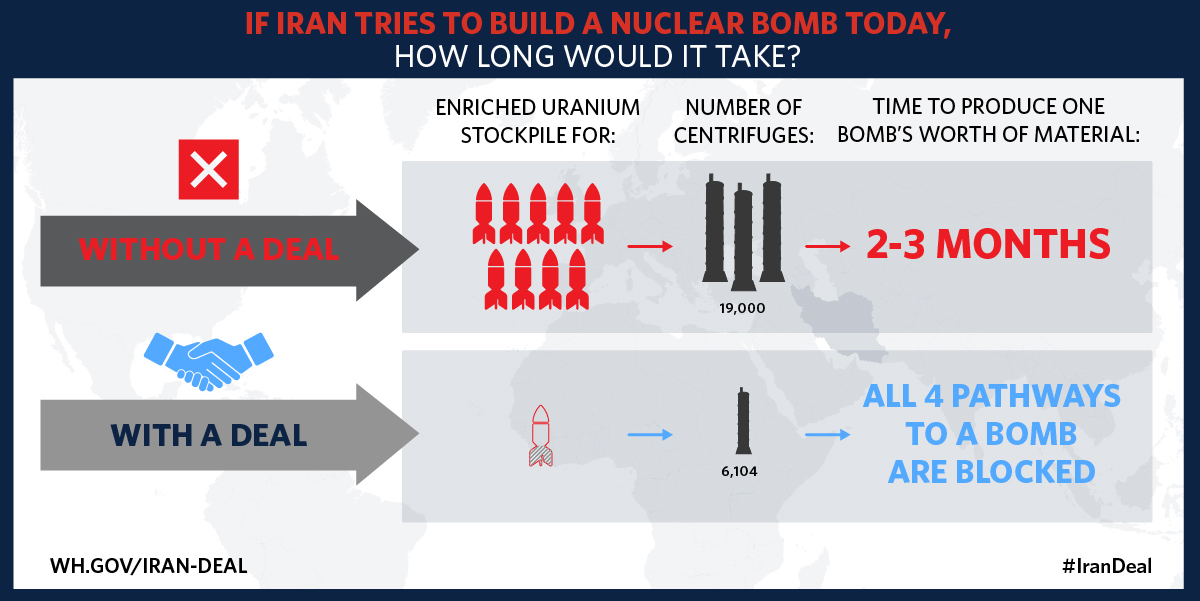
    So what has changed? The agreement that was signed between the powers and Iran delays the Iranian nuclear program by 15 years at least, and maybe more. Accord ing to the agreement, Iran’s current facilities will be forced to change: the underground facility at Fordow will not split uranium at all; the reactor at Arak, which is the most feared due to it’s ability to manufacture a plutonium bomb which can be put onto a missile, will be redesigned so that it becomes impossible to enrich military grade plutonium there. The deal was written by leading nuclear experts and blocks every path known to build a nuclear bomb. The Iranians may be celebrating, but they have in fact swallowed a very bitter pill. All it remains is to constantly monitor the Iranian scene to prevent any deviation from the agreement over the coming years. Israeli intelligence cooperating with the western powers and primarily the US is of primary importance and this requires immediate restoring the excellent mutual relations which existed at the highest level without delay.

    In analyzing all the details of the agreement it can be seen that Iran has committed not to attain nuclear weapons, by any path available to them, and cannot enrich uranium above the lowest level or 3.67%. Iran must also ship abroad all of its current uranium stockpiles above 300 kilograms, which is not enough to manufacture even half of one weapon. Additionally, the number of uranium enrichment centrifuges will drop to 5,060 (at Natanz), all of which will be of the older and less efficient type. These are vital points which cannot be overlooked.

    The fact that Israel failed to thwart the agreement and even failed to influence its content is a total failure. But Netanyahu is immune to failures: In his extreme political world, there are only two options – either he wins, or he is a victim. He won the elections; but in the agreement with Iran he is a victim. Instead of giving the Israelis a realistic account of what happened, he is informing them that a new holocaust is on the way. What will the Israelis do with the portions of intimidation he is making them sniff? Netanyahu is acting like a person convinced that this is a battle over Israel’s actual existence. He is wrong: Israel will continue to exist. Israel is strong and very far from facing another Holocaust.

    Key points of the deal (for full document click here):

    • Iran will reduce its uranium enrichment capacity by two-thirds. This will involve stopping the use of its underground facility at Fordow for enriching uranium.
    • Iran’s stockpile of low enriched uranium will be reduced by 95%, to 300 kg. This will be done either by diluting the enriched uranium or shipping it out of the country.
    • The core of the heavy water reactor in Arak will be removed, and it will be redesigned so that it will not produce significant amounts of plutonium.
    • Iran will allow UN inspectors to enter sites, including military sites, when the inspectors have grounds to believe undeclared nuclear activity is being carried out there. It can object but a multinational commission can override any objections by majority vote. After that, Iran will have three days to comply. Inspectors will only come from countries with diplomatic relations with Iran – therefore, they will not include Americans.
    • Once the International Atomic Energy Agency (IAEA) has verified that Iran has taken steps to scale back its program, UN, US and EU sanctions on Iran will be lifted.
    • Restrictions on trade in conventional weapons will last another five years.
    • Restrictions on trade in ballistic missile technology will last another eight years.
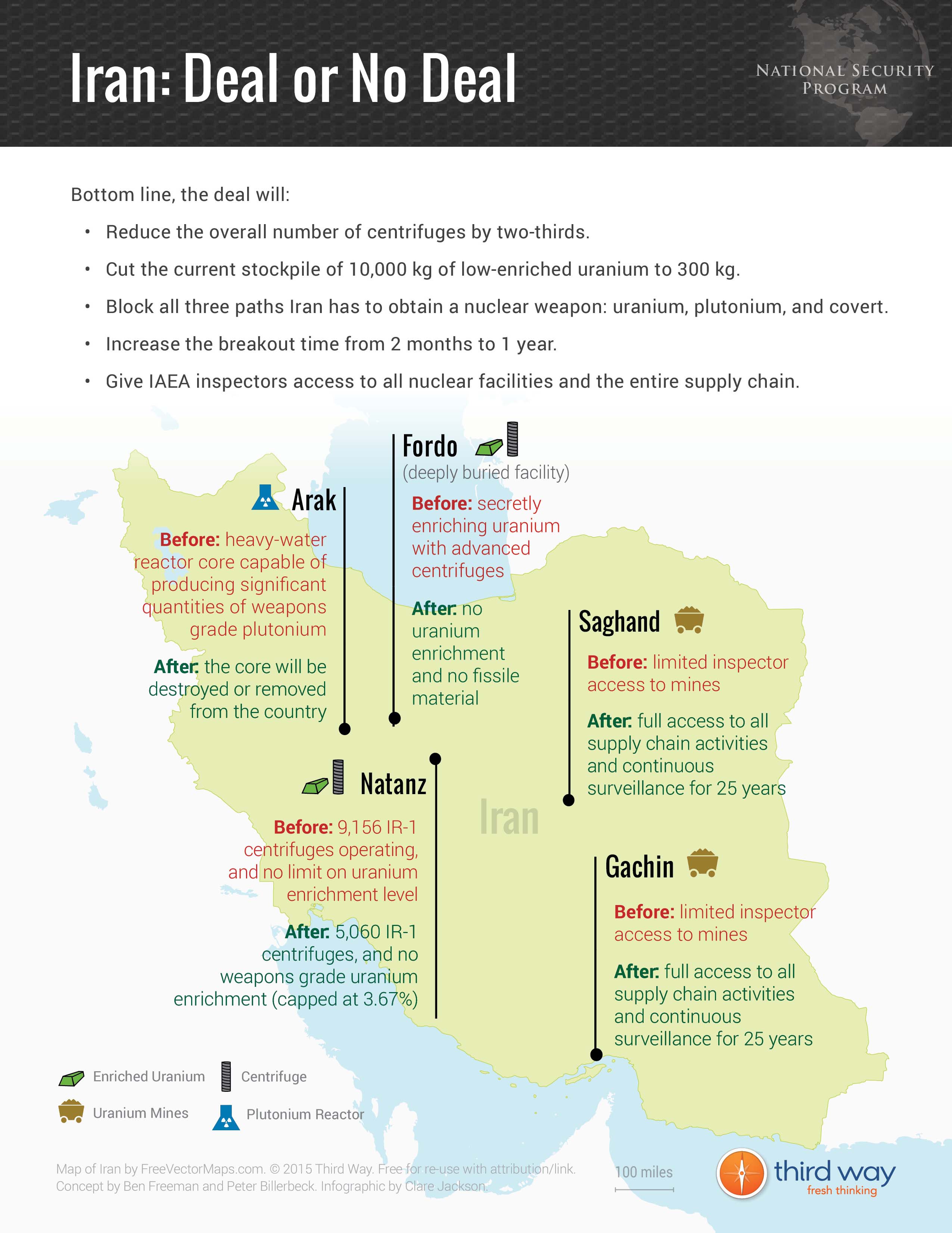
    Iran-Deal_or_No_Deal

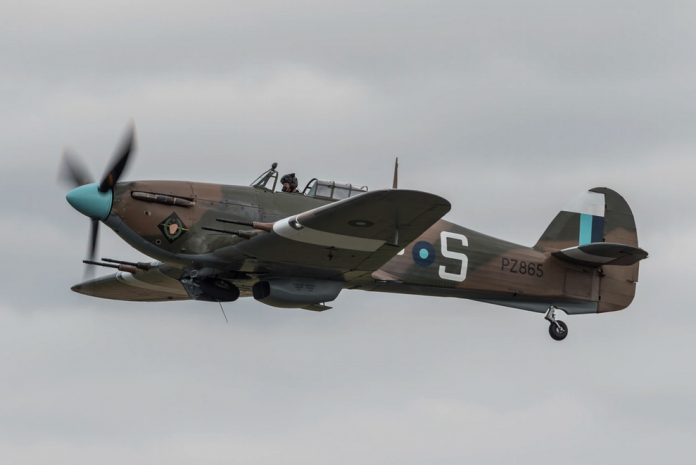
    RIAT – First Impressions


    RIAT 2015 – FRIDAY by BAE Systems on Exposure

    Outlook On Syria’s War – A strategic Analysis

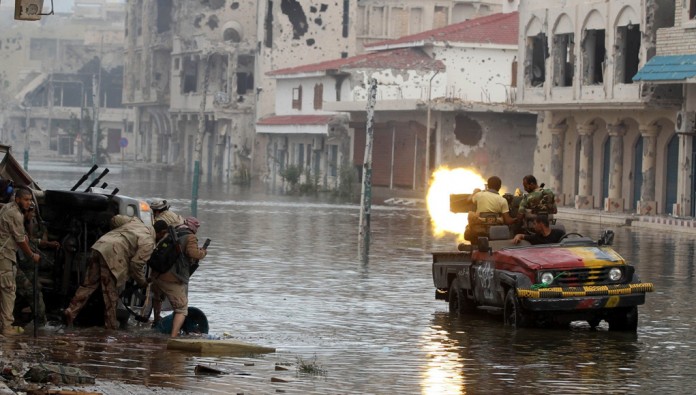
    urban_combat_syriaThe battlefield of the Syrian civil war has changed dramatically from September 2014 to July 2015.
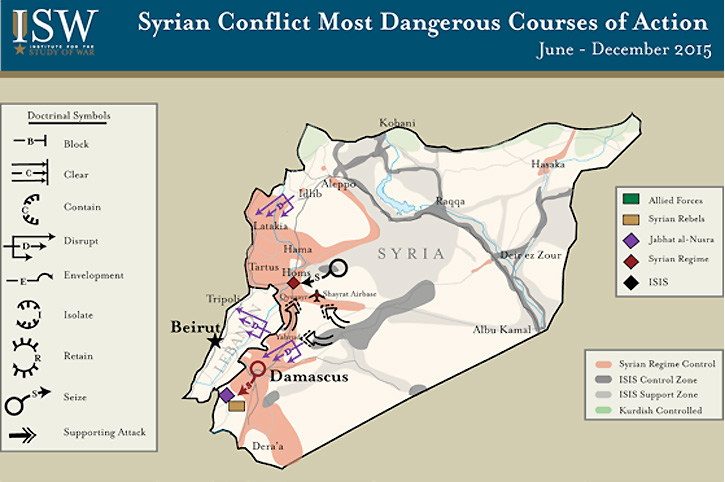
    Taken as a whole, Assad’s military campaign has largely succeeded only in generating further disorder. The strategy of defensive protraction adopted by the Assad regime resulted in a grueling and destructive stalemate across most of the battlefields of Syria through 2014 and into 2015. Extremist groups have established their own momentum in Syria that will likely affect the course of the Syrian war in the next six months. The Islamic State of Iraq and al-Sham (ISIS) seized the regime stronghold of Palmyra in the central Syrian desert on May 20, 2015, positioning ISIS at the entrance to Syria’s central corridor.

    ISIS is likely to capitalize on this gain to launch follow-on operations to penetrate core regime-held terrain such as Homs or Hama cities, with intended consequences for both the Syrian regime and Syrian opposition forces. Meanwhile, Syrian al-Qaeda affiliate Jabhat al-Nusra (JN) is on the rise on several fronts in western Syria and is increasing its gains, together with ISIS in central Syria to achieve aggregate, although unsynchronized effects against the Assad regime.

    syrian_analysis062015725

    Check ISW for an updated report on the situation in Syria

    If sustained, such gains could potentially cause the regime to centralize its efforts to defend key positions in Damascus, Homs, Hama, and the Alawite coast. The regime is likely to use new reinforcements from the Iranian al Quds force and Hezbollah, to consolidate the defense of its core terrain and to undertake limited offensive action to establish buffer zones that provide defense-in-depth against future attacks. The regime will likely prioritize blocking JN and rebel forces in southwestern Idlib Province in order to protect the strategic Alawite heartland of the coastal Latakia Province. The regime will likely also secure the Syrian capital of Damascus and possibly clear it of rebel, JN, and ISIS presence. Regime consolidation in Latakia and Damascus Provinces will likely facilitate victory by rebel forces in Aleppo and Dera’a.

    syria_yarmouk_camp1021Syrian rebel forces, backed by ISIS and JN are likely to launch major offensives that could alter the trajectory of the Syrian war in the next six months. For example it is expected that JN and rebel forces are likely to launch a major operation to seize control of Dera’a City in southern Syria, close to the Jordanian border. Which could endanger the Hashemite Kingdom, already largely penetrated by ISIS cells and scores of refugees from Syria and Iraq, welcome candidates to join the Islamic State.
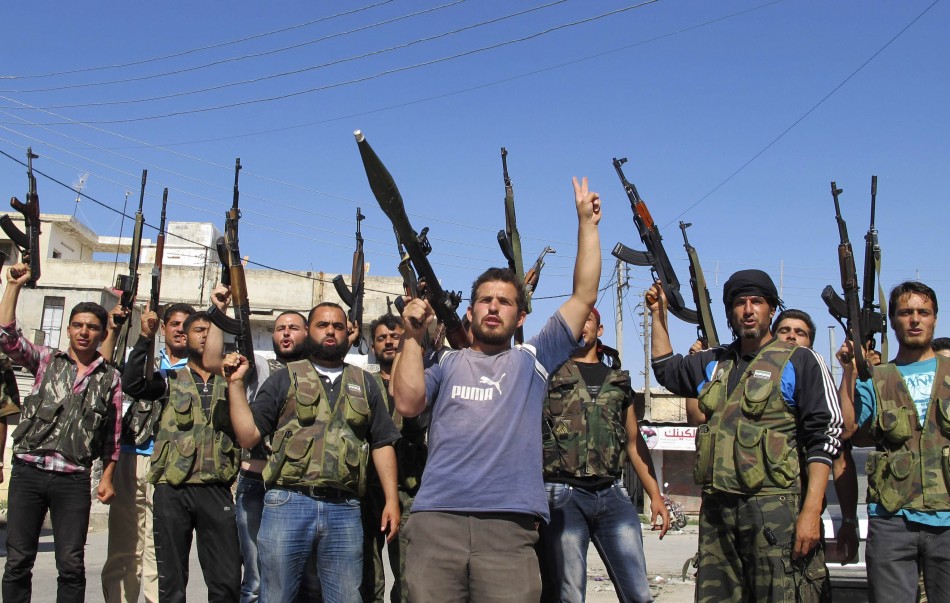

    The Syrian regime will most likely attempt to launch limited offensive operations in order to disrupt current opposition momentum, reestablish defensible perimeters around its core terrain, and deny anti-Assad forces opportunities to open new battlefronts within previously-secure regime-held provinces. The first likely target of a counterattack by the regime is Jisr al-Shughour City, which lies at the seam between Idlib and Aleppo Provinces.

    The fall of Jisr al-Shughour could enable anti-Assad forces to penetrate into the coastal Alawite stronghold of Latakia Province and it is therefore crucial for the regime to eliminate this staging area in order to defend Latakia and the strategic Tartous port. The regime will also likely launch an offensive to clear the rebel-held outskirts of Damascus City. An indicator for this course of action occurred on June 3, 2015, with reports that over 7,000 Iraqi Shi’a militia and Iranian IRGC fighters have arrived in Damascus.

    JN’s most dangerous course of action in the next six months is to launch major spectacular attacks against pro-regime forces, partly encircled in the North and South, in order to undercut the regime’s support base and to exploit the growing vulnerabilities of the pro-regime alliance that includes Iran and Hezbollah. An escalating campaign of JN spectacular attacks would be highly dangerous because it would likely provoke sectarian reprisals by Hezbollah against Syrian refugee communities in Lebanon that could ignite sectarian tensions and spark widespread violence in the country.

    Meanwhile, the expected offensives by ISIS targeting the Syrian central corridor over the next six months could possibly play into JN’s own campaign. Regardless of whether JN and ISIS cooperate or compete, gains made by ISIS against the regime in the central corridor could accelerate the military campaign that JN intends.

    A new front could also develop on Israel’s northern border. Multiple indicators of Iranian interest in gaining a foothold along the Golan Heights occurred in early 2015. An Israeli airstrike in northern Quneitra Province in January 2015 killed IRGC-QF Brigadier General Ali Allahdadi, prominent Hezbollah commander Jihad Mughniyeh, and four other senior Hezbollah officials.

    The present status quo in Syria will likely allow jihadist groups such as al-Qaeda and ISIS to gain considerable influence and power while providing increasing incentives for Iran and Saudi Arabia to escalate their current regional standoff in Syria.

    The likely evolution of the war in the next six months will exacerbate these trends, as ISIS will continue to gain more territory within the Syria’s interior, though Syrian Kurds are currently threatening ISIS along the Syrian-Turkish border. In the worst case, dangerous courses of action chosen by multiple actors could produce a highly unstable outcome that escalates a spiraling war between global jihadist elements and regional actors.

    syria-civil-war


    FBI Investigation Leads to the Crackdown on the Criminal Forum Darkode

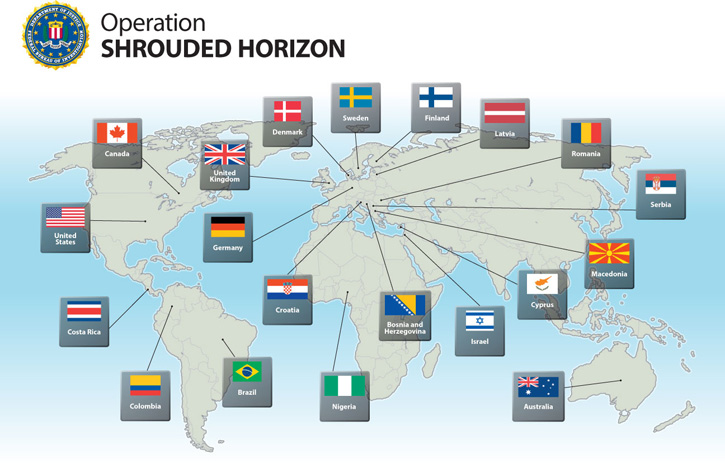
    The U.S. Department of Justice and the FBI announced yesterday the results of Operation Shrouded Horizon, a multi-agency investigation into the Darkode forum that spanned over 20 countries worldwide. Among those results were charges, arrests, and searches involving 70 Darkode members and associates around the world; U.S. indictments against 12 individuals associated with the forum, including its administrator; the serving of several search warrants in the U.S.; and the Bureau’s seizure of Darkode’s domain and servers.

    “Of the roughly 800 criminal Internet forums worldwide, Darkode represented one of the gravest threats to the integrity of data on computers in the United States and around the world and was the most sophisticated English-speaking forum for criminal computer hackers in the world,” said U.S. Attorney David J. Hickton. “Through this operation, we have dismantled a cyber hornets’ nest of criminal hackers which was believed by many, including the hackers themselves, to be impenetrable.”

    During the investigation, the Bureau focused primarily on the Darkode members responsible for developing, distributing, facilitating, and supporting the most egregious and complex cyber criminal schemes targeting victims and financial systems around the world, including in the United States.

    Darkode was, in effect, a one-stop, high-volume shopping venue for some of the world’s most prolific cyber criminals. This underground, password-protected, online forum was a meeting place for those interested in buying, selling, and trading malware, botnets, stolen personally identifiable information, credit card information, hacked server credentials, and other pieces of data and software that facilitated complex cyber crimes all over the globe.

    Yesterday, the U.S. Department of Justice and the FBI — with the assistance of our partners in 19 countries around the world — announced the results of Operation Shrouded Horizon, a multi-agency investigation into the Darkode forum. Among those results were charges, arrests, and searches involving 70 Darkode members and associates around the world; U.S. indictments against 12 individuals associated with the forum, including its administrator; the serving of several search warrants in the U.S.; and the Bureau’s seizure of Darkode’s domain and servers.
    Yesterday, the U.S. Department of Justice and the FBI — with the assistance of our partners in 19 countries around the world — announced the results of Operation Shrouded Horizon, a multi-agency investigation into the Darkode forum. Among those results were charges, arrests, and searches involving 70 Darkode members and associates around the world; U.S. indictments against 12 individuals associated with the forum, including its administrator; the serving of several search warrants in the U.S.; and the Bureau’s seizure of Darkode’s domain and servers.

    The Darkode forum, which had between 250-300 members, operated very carefully — not just anyone could join. Ever fearful of compromise by law enforcement, Darkode administrators made sure prospective members were heavily vetted.

    Similar to practices used by the Mafia, a potential candidate for forum membership had to be sponsored by an existing member and sent a formal invitation to join. In response, the candidate had to post an online introduction—basically, a resume—highlighting the individual’s past criminal activity, particular cyber skills, and potential contributions to the forum. The forum’s active members decided whether to approve applications.

    Once in the forum, members—in addition to buying and selling criminal cyber products and services—used it to exchange ideas, knowledge, and advice on any number of cyber-related fraud schemes and other illegal activities. It was almost like a think tank for cyber criminals.

    The takedown of the forum and the charges are the result of the FBI’s infiltration, as part of Operation Shrouded Horizon, of the Darkode’s membership. The investigation of the Darkode forum is ongoing. “Law enforcement infiltrated a closed criminal forum—no easy task—to obtain the intelligence and evidence needed to identity and prosecute these criminals.” the FBI said, “This action paid off with a treasure trove of information that ultimately led to the dismantlement of the forum and law enforcement actions against dozens of its worst criminal members around the world.”

    Air Force Addresses Shortage of Pilots for Unmanned Aircraft

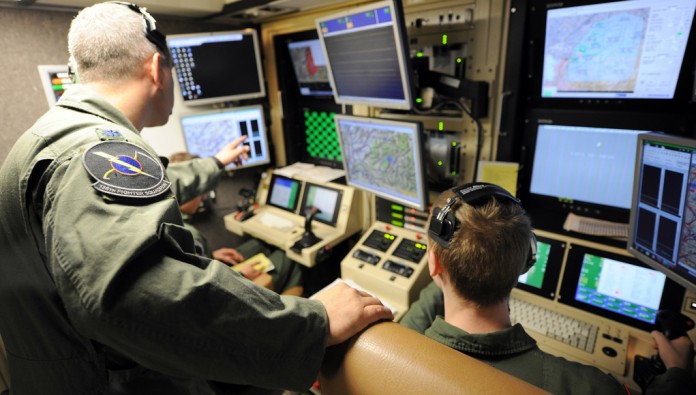
    In response to a critical shortage of remotely piloted aircraft (RPA) pilots, the U.S. Air Force is investing more than $100 million to buy more ground control stations, simulators and contract instructors. The service will be placing some newly minted pilots in RPA squadrons beginning in August and is offering bonuses of up to $15,000 per year for RPA pilots, beginning in fiscal year 2016.

    The high demand for RPA missions and the shortage of air crews to support those missions are subjecting RPA pilots to excessive workload. “On average, an MQ-1 Predator and MQ-9 Reaper pilot flies up to 900 hours per year,” said Secretary of the Air Force Deborah Lee James. “In comparison, fighter pilots fly an average of 250 hours. Due to the demand for services, the MQ-1/9 enterprise is the second largest in the regular Air Force behind only C-17 (Globemaster III) pilots.”

    In an effort to increase the number of personnel available to support RPA missions the Air Force increased the use of Guard and Reserve Airmen, as well as contractors. In parallel, the Pentagon agreed to reduce the number of required combat air patrols from 65 to 60 by October. Air Force leaders are currently working reprogramming actions within the DOD and Congress to reallocate funding to critical areas like the RPA program.

    The $100 million is part of the omnibus and subject to congressional approval. The omnibus is a tool available to move funds to areas identified as critical mission need areas. Initiatives include buying six next-generation ground control stations, more training simulators and associated facilities, improved software tools, and accelerating the development of automatic takeoff and landing capability.

    As part of the get-well plan about 80 Undergraduate Pilot Training (UPT) graduates over the next 12 months will be assigned to RPA positions for one assignment tour to help alleviate growing pressure on overtaxed RPA crews. This addresses a constant demand for real-time ISR in support of combatant commander needs. Those UPT graduates selected will be trained to operate MQ-1B or MQ-9 RPAs. The UPT pipeline will be used for one year, while the RPA-unique training pipeline increases from approximately 190 to 300 RPA pilot graduates per year. The last time the Air Force placed a UPT graduate directly into the RPA career field was 2011. According to Air Force Chief of Staff Gen. Mark A. Welsh III, those selected for RPA duties will serve one tour and then be placed in manned aircraft if desired after completion of that tour. “This will help the Air Force achieve a healthy steady state for the RPA enterprise as soon as possible.” Welsh explained

    Jade Helm 15 – 2 Month Long SpecOps Exercise Starts Today

    usasoc_logo425The U.S. military is launching ‘Operation Jade Helm 15’ today, a large scale exercise taking place over several states. The Special Operations Command (USASOC) will supply the vast majority of the roughly 1,200 personnel participating in the joint exercise, along with units from the Navy, Marines and the Air Force. The exercise will span over two months, from July 15 through September 15.
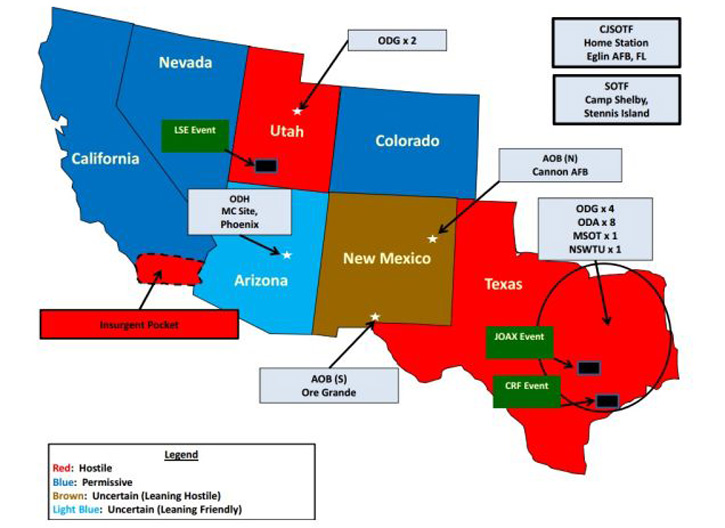

    While the Pentagon and USASOC regard Jade Helm 15 as one of many military exercises taking place in the USA and abroad, Jade Helm 15 has created much criticism among citizens, concerned that the exercise is part of a major intelligence gathering activity against US citizens. “This overall training exercise is designed to ensure that Army special operations forces are trained, equipped and organized to meet future threats,” USASOC spokesman Lt. Col. Mark Lastoria said, adding that criticism among journalists ‘has died down.’ However, Journalists are not permitted to embed in the operation. “the scope and scale and complex nature of the training exercise,” Lastoria said.

    While multi-state training exercises such as these are not unique to the military, the size and scope of Jade Helm sets this one apart. “To stay ahead of the environmental challenges faced overseas, Jade Helm will take place across seven states.” USASOCsaid. However, Army Special Operations Forces (ARSOF) will only train in five states: Texas, Arizona, New Mexico, Utah and Colorado. The diverse terrain in these states replicates areas Special Operations Soldiers regularly find themselves operating in overseas.

    “We periodically conducts training exercises such as these to practice core special warfare tasks, which help protect the nation against foreign enemies” USASOC announced. The exercise will take place across seven states and primarily occur on pre-coordinated private property and military installations.

    The training will take place in the following locations:
    • Arizona: National Guard Training Centers and at an Army Reserve Center
    • Florida: Eglin Air Force Base
    • Louisiana: Camp Beauregard
    • Mississippi: Camp Shelby, Naval Research Laboratory ˗ Stennis Space Center, and U.S. Navy Seabee Base at Gulfport/Biloxi
    • New Mexico: Cannon Air Force Base, and tentatively in Otero County
    • Texas: Camps Bullis and Swift, and in Bastrop, Burleson, Brazos, Edwards, Howard, Hudspeth, Kimble, Martin, Marion, Real, Schleicher and Tom Green Counties
    • Utah: Carbon and Emery Counties

    Exercise jade helm 15 - Operations map
    Exercise jade helm 15 – Operations map

    Vikramaditya Growing Air-Defense Teeth

    INS Vikramaditya at sea

    The Indian Navy completed refitting its new aircraft carrier INS Vikramaditya with Barak-1 air defense systems and associated radars, preparing the new carrier for operational service. The carrier was acquired from Russia and commissioned into service in November 2013 without self protection systems.

    The Vikramaditya is equipped with an Israeli Barak-1 point defence missile system and Russian made AK-630 close-in weapon system, ‘borrowed’ from a to-be-decommissioned Godavari-class ship. According to Vice-Admiral P. Murugesan, Vice-Chief of the Naval Staff the carrier was originally scheduled to receive the Barak-8 long-range surface-to-air missile (LRSAM) system developed jointly with Israel, but the new system has yet to be inducted to service, pending final acceptance tests on the Kolkata Class destroyer.

    Russian Tu95 Bomber Crashes in Russian Far-East

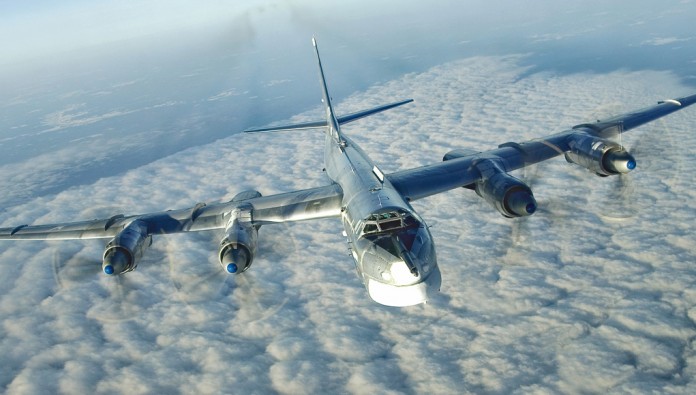
    A Russian Tu-95 (NATO Reporting name ‘Bear’) crashed today in the Russian Far East region of Khabarovsk, while flying on a training mission. The aircraft was unarmed and all seven crew members abandoned the aircraft before it went down, the Russian Defense Ministry said.

    “According to preliminary data, after the aircraft commander reported an emergency situation [aboard the plane] the flight commander ordered the crew to leave the aircraft on parachutes,” the ministry said. Russian media sources attributed the malfunction to the aircraft fuel pumps. The ministry said in the statement the crash had probably been caused by a malfunction, although other causes were not ruled out. The Bear crashed about 80 kilometers from Khabarovsk, on the pacific coast, on 9:50 a.m. local time. “Pilots aboard another plane flying in that area reported seeing open parachutes of the Tu-95 crew,” the statement continued.

    The Tupolev Tu-95 (NATO reporting name Bear) is a four-engine turboprop-powered strategic bomber and missile platform in service with the Russian Air Force since 1957.

    The Russian Air Force has a string of six mishaps involving its warplanes since June Spuntik reporte. Another Tu-95 crashed July 6, on takeoff from the Ukrainka airfield in the Amur region of the Russian Far East.

    Improved Transparent Armor  for M-ATV

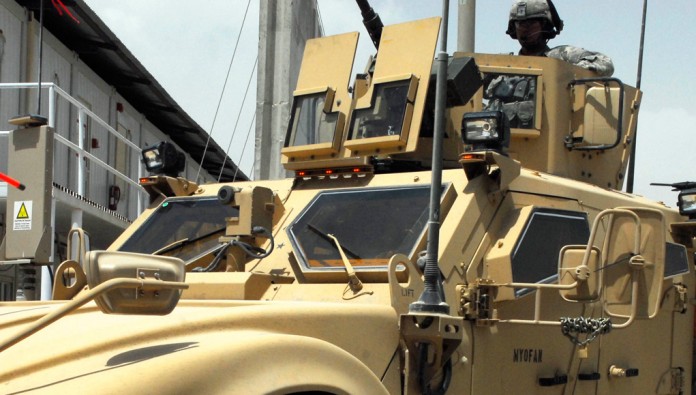
    M-ATV stationed at Camp Nathan Smith, Kandahar City, Afghanistan. Photo: US Army by Casey Collier.
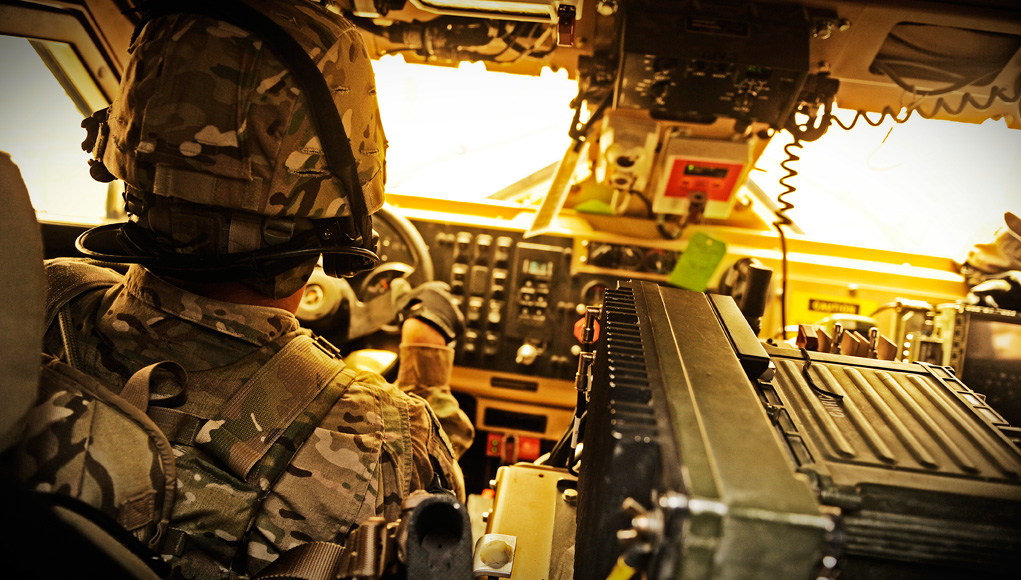
    A backseat view of an M-ATV Photo: US Army photo by Ryan Crane.
    A backseat view of an M-ATV Photo: US Army photo by Ryan Crane.

    OSG  (Oran Safety Glass) has introduced a new, lighter and more cost effective, high-performance transparent armor solution for the MRAP All Terrain Vehicle (M-ATV) used by US military forces and several international military forces.

    The new transparent armor has been designed and tested to meet the ATPD-2352 transparent armor standards. As the new transparent armor solution meets or exceeds program requirements, it has been source-approved by the US Army’s TACOM Life Cycle Management Command, OSG announced. OSG has been supplying high-quality transparent armor to the U.S. military for more than a decade.

    Over the past year, Israel based OSG has been awarded several additional significant contracts for M-ATV Transparent Armor parts. The M-ATV was designed to provide the same level of protection as the previous larger and heavier MRAPs but with improved mobility. More than 9,000 -M-ATVs have been delivered to the U.S. Army, U.S. Marine Corps, U.S. Air Force and U.S. Special Operations Command since July 2009.

    After hard negotiation, historic Iran nuclear deal reached

    World leaders meet following an announcement on the Iran nuclear talks, April 2. Photo: Thomas Trutschel, Getty Images.

    After 18 days of intense and often fractious negotiation, world powers and Iran struck a landmark deal Tuesday to curb Iran’s nuclear program in exchange for billions of dollars in relief from international sanctions – an agreement designed to avert the threat of a nuclear-armed Iran and another U.S. military intervention in the Muslim world. AP Reports

    The accord will keep Iran from producing enough material for a nuclear weapon for at least 10 years and impose new provisions for inspections of Iranian facilities, including military sites (although such access isn’t guaranteed and could be delayed)

    Diplomats said Iran agreed to the continuation of a U.N. arms embargo on the country for up to five more years, though it could end earlier if the International Atomic Energy Agency definitively clears Iran of any current work on nuclear weapons. A similar condition was put on U.N. restrictions on the transfer of ballistic missile technology to Tehran, which could last for up to eight more years.

    Israeli Airlines to Carry Missile Countermeasures on Domestic Flights

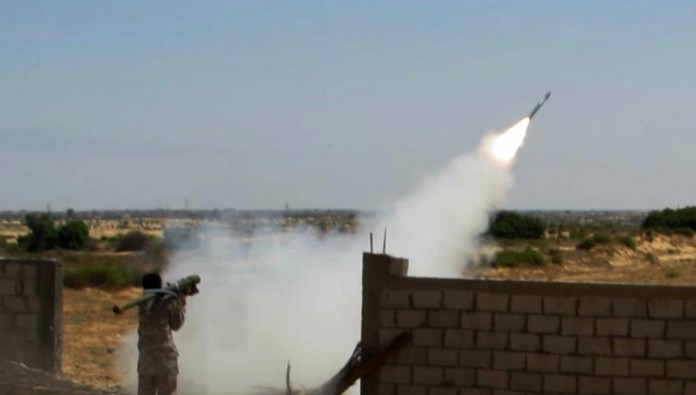
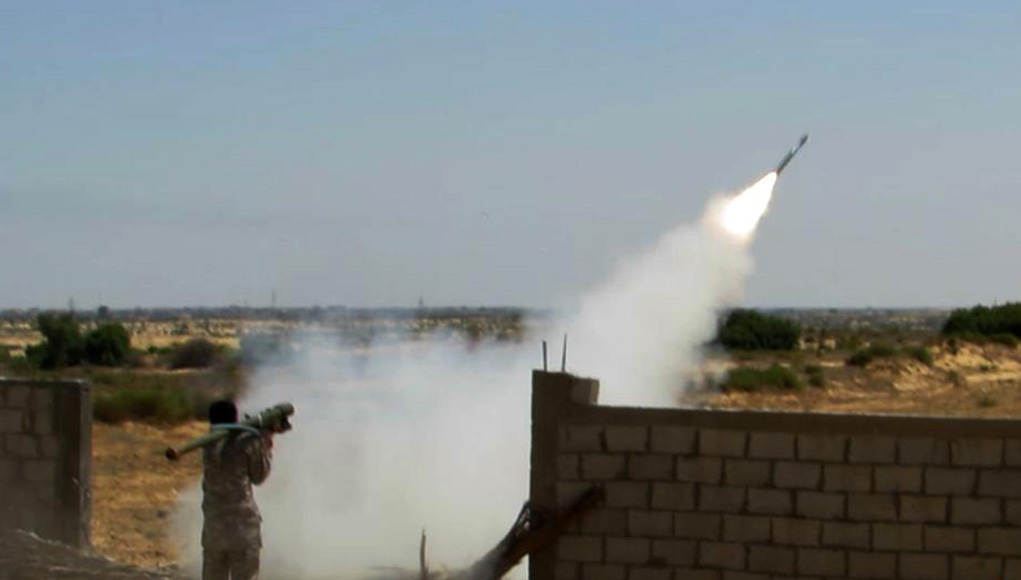
    Terrorist firing MANPADS against Egyptian military helicopters in Sheikh Zuweid, northern Sinai, of the Islamic State (ISIS). The terrorist groups in Sinai having MANPADS in their possession, present a high risk to commercial airlines flying in the region.
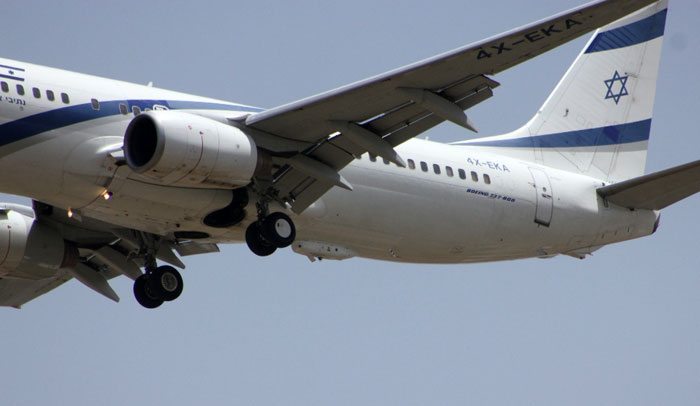
    A C-MUSIC system has already been installed on one of ElAl Boeing 737-800 aircraft for testing. The system has also went through extensive testing phase installed on an Israel Air Force Boeing 707 flying tanker. Photo: Elbit Systems
    A C-MUSIC system has already been installed on one of ElAl Boeing 737-800 aircraft for testing. The system has also went through extensive testing phase installed on an Israel Air Force Boeing 707 flying tanker. Photo: Elbit Systems
    Terrorist firing MANPADS against Egyptian military helicopters in Sheikh Zuweid, northern Sinai, of the Islamic State (ISIS). The terrorist groups in Sinai having MANPADS in their possession,  present a high risk to commercial airlines flying in the region.
    Terrorist firing MANPADS against Egyptian military helicopters in Sheikh Zuweid, northern Sinai, of the Islamic State (ISIS). The terrorist groups in Sinai having MANPADS in their possession, present a high risk to commercial airlines flying in the region.

    Missile defense systems have reportedly been installed on Israeli commercial flights servicing the southern city of Eilat. The system, developed by Elbit Systems has been approved for service on commercial airliners last year and has been selectively deployed on international flights to destinations deemed ‘high risk’ by Israel’s security services.

    According to news reports in Israel, the Israeli defense establishment gave the order to deploy the SkyShield missile defense systems to Arkia and Israir flights to Eilat two weeks ago, after an Islamic State-affiliated group carried out a major offensive against the Egyptian military in the Sinai. Egyptian Islamic groups affiliated with the Islamic State have released video clips showing firing of Man Portable Air Defense Missile Systems (MANPADS) in Northern Sinai.

    Arkia B757 landing in Eilat city airport. Photo: Rozenberg Igor
    Arkia B757 landing in Eilat city airport. Photo: Rozenberg Igor

    Eilat is served by two airports – the local city airport located adjacent to the city’s tourist center and the civilian annex of the military airfield in Ouvda, supporting the larger carriers.

    The Israelis are concerned that terrorist groups operating in the Sinai Peninsula may try to attack planes flying near the border between Israel and Egypt en route to and from Eilat.

    The SkyShield is based on Elbit Systems’ C-MUSIC podded DIRCM system that combines a missile approach warning and laser countermeasure system to defeat heat-seeking ground-to-air missiles. The system is a derivatives of the MUSIC system deployed on a wide range of military and VIP aircraft.

    Israel Expands Iron Dome Air-Defense Capabilities

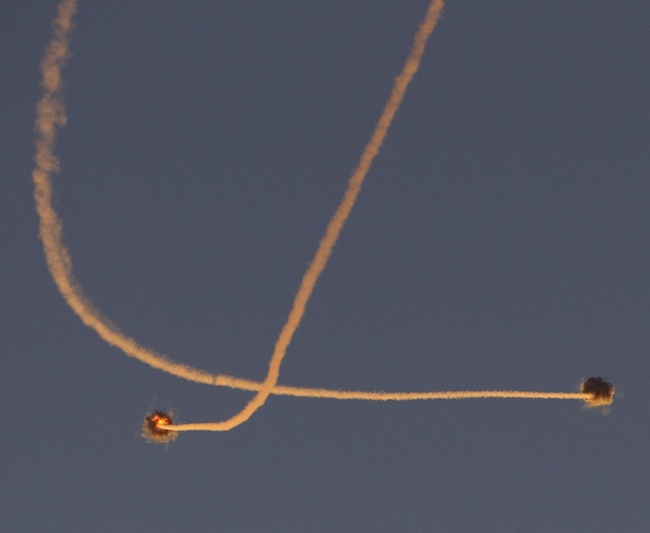
    Smoke trails from two Iron Dome interceptors defeating Grad rockets launched from Gaza at Sderot. November 15, 2012. REUTERS/Ronen Zvulun
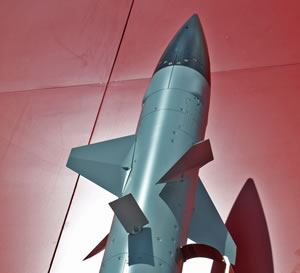
    Iron Dome's Tamir interceptor missile - now proven for VSHORAD and C-UAS application. Photo: Defense-Update
    Iron Dome’s Tamir interceptor missile – now proven for VSHORAD and C-UAS application. Photo: Defense-Update

    Israel has expanded the effective envelope of its Iron Dome Counter-Rocket, Artillery and Mortar (C-RAM) defense system. In a recent test series the system’s air defense capabilities against aerial vehicles other than rockets, was demonstrated. Iron Dome was originally designed to intercept short- and medium-range rockets, but, since its first deployment in 2011, its operational envelope has been enhanced to face growing threats. The need to engage aerial targets such as UAVs is currently recognized, with the growing use of UAVs by all sides in asymmetric warfare.

    “This test series was designed to expand the Iron-Dome’s capabilities against an ever growing spectrum of threats. The successful test will upgrade the operational capabilities of the Iron-Dome system” the IMOD announcement said.

    Through the recent test series Iron Dome performed as a Very SHort Range Air Defense (VSHORAD) asset, utilizing its radar to detect and track targets representing manned and unmanned aircraft. The system’s Tamir interceptors repeatedly killed the targets at high and low altitude, in look-up and look-down engagements, and in proximity as well as direct hits. According to the system’s designer RAFAEL, one of the highlights of the recent test series was the intercept of several targets representing unmanned aerial systems (UAS). Such vehicles are elusive targets for conventional air defense systems, which are designed to engage high-speed targets. Iron Dome proved it is fully capable of engaging such threats over a wide speeds and altitudes envelope.

    The recent tests validated Iron Dome’s capabilities as a fully-integrated VSHORAD asset, providing a high level of protection for point targets as well as deployed forces, offering C-RAM, C-UAV and air-defense capabilities.

    Shahed 129
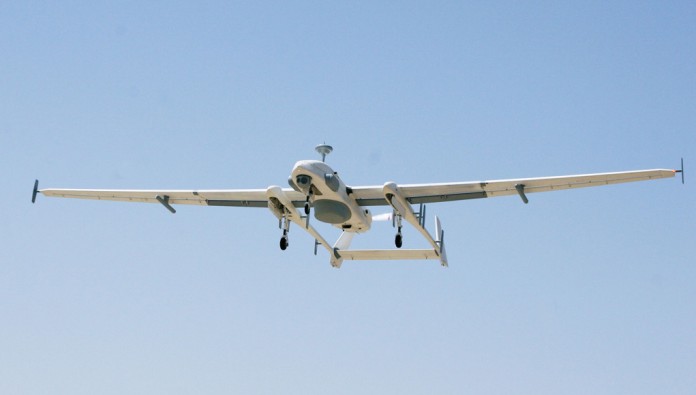
    The Iranian Shahed 129 if flight, seems very similar to the Israeli Hermes 450.

    While the system’s ability to kill aerial vehicles has been proven, its integration with Israel’s anti-aircraft assets has yet to be determined, as, to date, Iron Dome has been tasked exclusively against ballistic targets. Enabling the system to act as a VSHORAD system will require further integration to enable the system to share the same ‘air picture’ as the MIM-104 Patriot missiles and IAF fighter aircraft get. Once this is achieved, Iron Dome is expected to provide the Israel Air Force with a more economical interceptor against enemy drones. So far, Patriot Advanced Capability (PAC-2) interceptors were used against suspected UAV targets over the Golan and above the Gaza strip. On other instances in 2006 and 2012 F-16s were scrambled to intercept Hezbollah and Iranian drones, the most recent, likely to be Shahed 129 was shot down over Israel after a long pursuit.

    IAI, Thales Integrate a New Datalink in Heron UAS

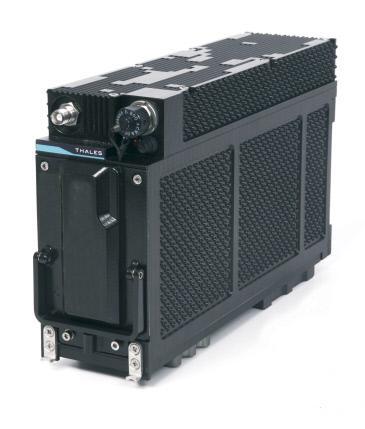
    TMA-6000 wideband datalink. Photo: Thales
    TMA-6000 wideband datalink. Photo: Thales

    Israel Aerospace Industries (IAI) and Thales have conducted risk reduction flight tests for the integration of Thales and Elisra’s NATO STANAG 7085 data link on board the Heron Medium-Altitude Long-Endurance unmanned aerial
    vehicle (MALE UAV).

    Through a joint effort between IAI and Thales, Thales’s TMA6000 data link terminal was integrated with Elbit Systems’ Elisra Radio Frequency Modules and antennas, on board the Heron UAS system and successfully demonstrated in flight in Israel.

    During the flight test, both infrared and daylight videos were transmitted in real time to the ground control station, and the sensors were controlled in real time from the ground.

    Supporting data throughput capability up to 137 Mb/s the Ku-band TMA 6000 datalink complies with NATO STANdard Agreement (STANAG) 7085 – the waveform standard for real-time transmission of videos, images and other Intelligence Surveillance Reconnaissance (ISR) data from on-board sensors to dedicated ISR stations. This compliance ensures NATO interoperability and guaranties radio frequency authorisation in full alignment with the International Telecommunications Union (ITU) regulation, as well as high resistance to jamming and interception.

    The Heron is a MALE UAV developed by Israel Aerospace Industries is operated by more than 15 nations worldwide including several NATO members – Canada, France, Germany and Turkey.

    Thales also offers its datalink on the WK450 Watchkeeper UAV it has delivered to the British Army.

    IDF Establishes a New Commando Brigade

    The IDF is grouping four special-operations units into a newly established ‘commando brigade.’ The four units include Maglan, specializing in deep operations; Duvdevan, specializing in undercover operations in the West Bank; Egoz, specializing in counter-guerilla warfare oriented toward the Lebanese front; and Rimon, specializing in desert operations.

    Three special-operations units – the GHQ unit (Unit 269 Matkal), the naval Commandos, (No. 13 Flotilla) and Shaldag (the Air Forces’ special-operations unit 5101) will continue to operate independently.

    In recent years most of these units operated extensively, in peacetime and during wide-scale combat operations, under brigade or regional commands, with each unit applying its particular specialization. Grouping them together in a brigade framework will enable the IDF to optimize their effectiveness and enhance support for their special needs. The four units are expected to retain their regional and operational specializations, while maintaining unique special operations capabilities as an inherent asset of the No. 98 (Reserve) Division – the only division in the IDF which specializes in amphibious, air-mobile and deep-battle capabilities, employing indirect firepower and maneuver.

    Lt. General Gadi Eizenkot, IDF Chief of Staff, assigned Col. David Zeini to command the new brigade

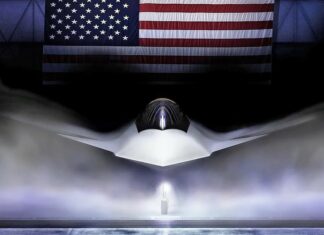
    Skunk Works and XTEND Simplify Multi-Drone Command

    0
    Lockheed Martin Skunk Works® and XTEND have achieved a major milestone in JADC2 by integrating the XOS operating system with the MDCX™ autonomy platform. This technical breakthrough enables a single operator to simultaneously command multiple drone classes, eliminating the friction of mission handoffs. From "marsupial" drone deployments to operating in GPS-denied environments, explore how this collaboration is abbreviating the data-to-decision timeline and redefining autonomous mission execution.

    From Ukraine to Taiwan: The Global Race to Dominate the New Defense Tech Frontier

    0
    As traditional defense primes face mounting competition from agile “neoprimes” such as Anduril, Palantir and Helsing, the balance of innovation is shifting toward software-defined warfare and scalable, dual-use technologies, while global industry consolidation—marked by Boeing’s integration of Spirit AeroSystems and other strategic mergers—signals an intensified race to secure control over the defense technology value chain. Our Defense-Tech weekly report highlights these trends.

    Europe’s “Drone Wall”

    0
    In early October 2025, a coordinated wave of unmanned aerial system (UAS) incursions—widely attributed to Russia—targeted critical infrastructure across at least ten European nations. The unprecedented campaign exposed the fragility of Europe’s air defenses...

    Weekly Defense Update & Global Security Assessment

    0
    Executive Summary The past week (September 18-25, 2025) represents an inflection point where strategic defense concepts have transitioned from doctrine to tangible reality. An analysis of global events reveals four primary, interconnected trends shaping an...

    U.S. Air and Space Forces Push Next-Gen Programs at the AS&C 2025 Conference and...

    0
    At the 2025 Air, Space & Cyber Conference, U.S. Air Force and Space Force leaders unveiled major updates on next-generation fighters, bombers, unmanned systems, and space initiatives, highlighting both rapid innovation and critical readiness challenges as the services race to outpace global competitors. A short version is available here, with a more detailed version for subscribers.

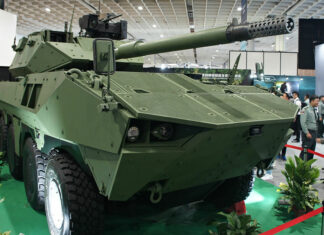
    TADTE 2025: Reflecting Taiwan’s Strategic Themes

    0
    The Taipei Aerospace & Defense Technology Exhibition (TADTE) 2025 crystallized around four dominant strategic themes that collectively illustrate Taiwan's comprehensive approach to defense modernization amid escalating regional tensions. Based on a detailed report by Pleronix (available upon request). Includes a Podcast discussion on TADTE 2025's highlighting Taiwan's four strategic themes beyond the post's coverage.

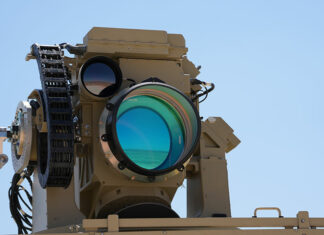
    Iron Beam 450 Completes Testing, Soon to Join With Operational Air Defense Units

    0
    Israel’s Iron Beam 450 high-power laser system has completed final testing, marking a major leap in air defense. Developed by Rafael, it offers precise, cost-effective interception of rockets, UAVs, and mortars, and is set for IDF deployment by 2025.