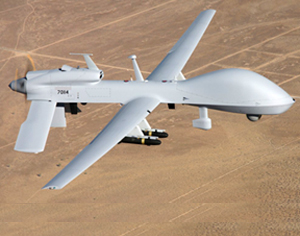
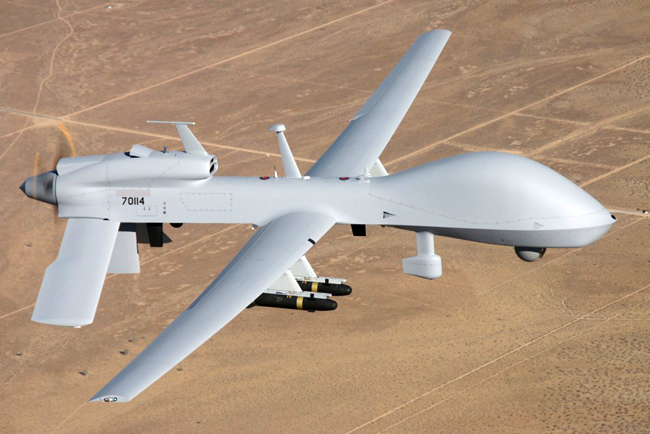
An enhanced version of the Gray eagle has performed the first flight recently. External fuel now supports up to 23 additional hours on recce missions, while the use of Heavy Fuel Engine provides for more payload capacity and higher reliability in field use. Photo: General Atomics
An enhanced version of the MQ-1C version of General Atomics’ Predator Remotely Piloted Aircraft (RPA) took to the air July 26, 2013 at the company’s El Mirage Flight Operations Facility in Palmdale, Calif. It was the first flight of the U.S. Army’s Improved Gray Eagle (IGE), a next-generation derivative of the combat-proven Block 1 Gray Eagle Unmanned Aircraft System (UAS) that has accumulated over 70,000 flight hours since 2008.
IGE is a capability enhancement over the Block 1 Gray Eagle configuration and was designed for increased endurance, with 23 additional hours for reconnaissance missions. The aircraft’s payload capacity features 50-plus percent more payload carriage than Gray Eagle, while also offering 50 percent more fuel capacity via its deep belly fuselage. An upgraded centerline hardpoint supports integration of a 500 pound optional external fuel tank or 360 degree sensor payload–over twice the capability of the current Gray Eagle.
AUS&R 2013 – The Unmanned Systems Live Demonstration – Israel – 26 November 2013
“Improved Gray Eagle will provide a game-changing capability, adding more endurance, more payload carriage, with increased reliability for our Army customer”, said Frank W. Pace, president, Aircraft Systems Group, GA-ASI. Part of these capabilities derive from the introduction of IGE’s additional space, combined with an improved Heavy Fuel Engine (HFE), provides growth capability for an improved airworthiness design, with the potential of incorporating lightning protection, damage tolerance, and Traffic Collision Avoidance System (TCAS) features.
The Gray Eagle performs long-endurance surveillance, communications relay, and weapons delivery missions with double the weapons capacity of the combat-proven Predator. Featuring a HFE for increased supportability in the field, the aircraft is also equipped with triple redundant avionics, redundant flight controls/ surfaces, and Electro-optical/Infrared (EO/IR) and Synthetic Aperture Radar (SAR) payloads.
Gray Eagle is currently operational with two RPA platoons operating Block 1 aircraft. The Defense Acquisition Board approved the Gray Eagle’s full-rate production on June 14, 2013. The Army expects to buy 49 additional systems over the next five years, these systems will be assigned to every Active Component Division Headquarters, supporting Combat Aviation Brigades, and subordinate Brigade Combat Teams.
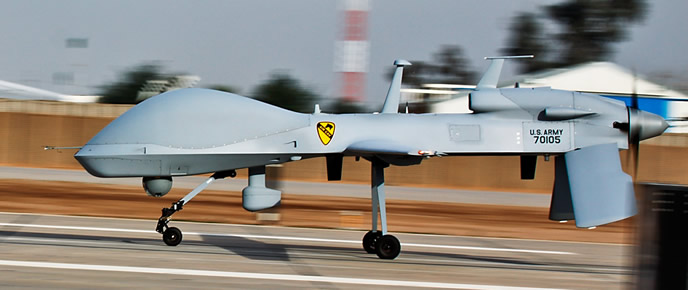
After completing a 24-hour mission, an MQ-1C Sky Warrior aircraft from Quick Reaction Capability 1 makes a landing at Camp Taji, Iraq. Photo: Sgt. Travis Zielinski, 1st ACB, 1st Cav. Div., USD-C, U.S. Army
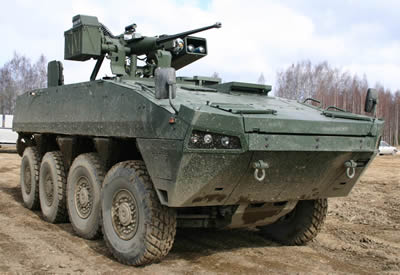
The Patria Advanced Modular armored Vehicle fitted with the Rafael Samson 30mm remotely operated weapon station. Photo: Patria
Rafael Advanced Defense Systems ltd, developer of highly advanced weapon systems for the IDF and the defense establishment, has recently undergone reorganization. One of the changes has been the long awaited establishment of the new Land & Naval Systems Division, which will develop and produce, among others, weapon platforms, armored vehicle defense systems, shoulder-launched systems and naval defense systems. In addition, the division will develop defense systems for strategic maritime installations and infrastructure, an area which Rafael considers highly important in terms of research and marketing, especially considering the company’s existing capabilities.
The new division has already assumed responsibility of several lines of business, including the Samson remotely operated weapon stations and MATADOR unguided man-portable rocket systems, in addition to the comprehensive ballistic protection activities that also includes reactive armor and the Trophy family of active protection systems. Another line of business, the Spike family of multi-purpose guided systems has yet to be transferred under the new division’s responsibility. This division will be responsible for the Systems Integrated Security (SIS) solutions for Critical Asset and Infrastructure on land and at sea.
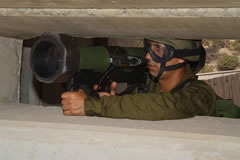
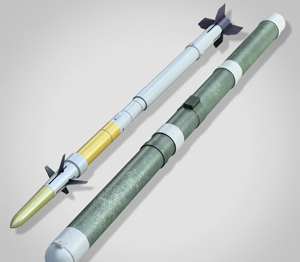
The MATADOR unguided man-portable multi-purpose rocket system
“We will use Rafael’s many capabilities to meet the demands of modern warfare, including quickly identifying targets and hitting them – and only them” Giora Katz, head of the new Rafael Land Division told I-HLS in a recent interview.
Katz, senior executive VP at Rafael and head of the new Land Systems division, said that the nature of warfare has changed and weapon systems must change as well. “Heavy armored vehicles no longer play a central role. Real time information from multiple sensors is of the utmost importance, and it must be organized for efficient use by force commanders.” According to Katz, Rafael has highly advanced capabilities in the sphere of connectivity, and the company intends to integrate this into the new systems it develops.
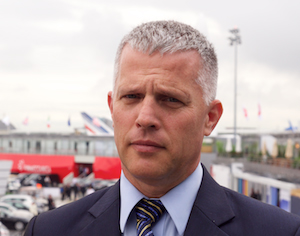
Giora Katz, RAFAEL Executive VP and Head of the Land & Naval Division
“The new division will offer solutions for a variety of operational challenges. Many clients are interested in complete solutions, not in separate systems.” The new division head said that today there is a gray area between purely military issues and those considered homeland defense, meaning protecting against terror and utilizing cyber-warfare against installations. “We are converting many technologies originally used for military purposes to homeland defense, and by doing that we gain an advantage over many of our competitors.” Katz said that Rafael is also active in the field of cyber defense, but refused to elaborate.
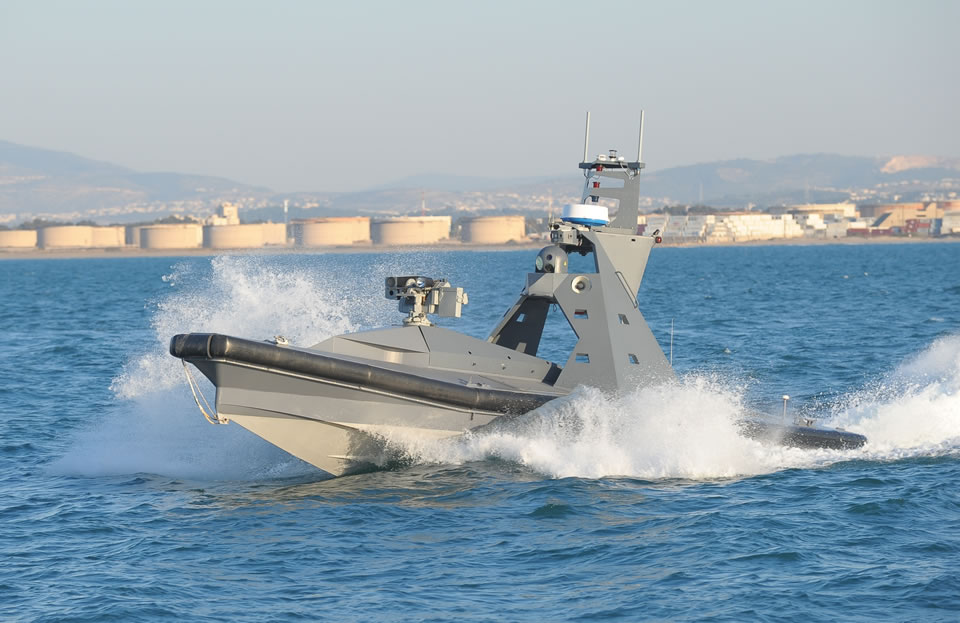
The new division will be in charge of all Rafael’s activities having to do with land systems, and will utilize all of Rafael’s advanced technologies developed over the years. The division will also develop unmanned vehicles, such as the “Protector” boat already in use in Israel and several other nations. Unmanned naval vehicles are expected to play an important role in the protections of underwater natural gas and oil reserves, such as the ones found in Israeli waters. Source: www.i-hls.com
Rafael has developed two versions of Protector USVs. The nine meter version is currently operational while the later 11 meter version is undergoing seat trials. RAFAEL is proposing the use of Protector USVs for use with security measures of the new offshore oil and gas facilities established in the Eastern Mediterranean sea. Photo: RAFAEL
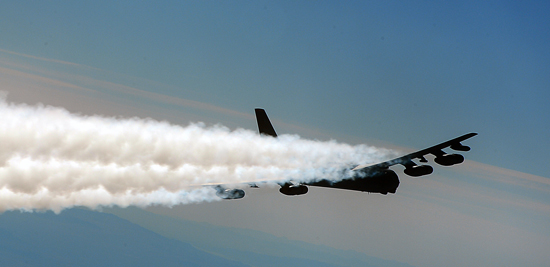
A B-52H Stratofortress assigned to the 20th Bomb Squadron, Barksdale Air Force Base, La., flies toward an objective during a Red Flag exercise at Nellis Air Force Base, Nev., Jan. 31, 2013. The B-52 was America’s first long-range, swept-wing heavy bomber. The B-52 has a 185-foot wingspan, a length of more than 160 feet and a gross weight of more than 480,000 pounds. It has been given the nickname BUFF, short for Big Ugly Fat Fellow. (U.S. Air Force photo/Staff Sgt. Vernon Young Jr.)
The existing bomber force cannot cope with new challenges indefinitely. As countries like China pursue anti-access strategies and more agile air defenses become available to potential adversaries, the U.S. must recapitalize its aging bomber fleet. Failure to do so could eventually result in major military setbacks, since future enemies will doubtless attack the joint force where it is weakest. Defense analyst Lauren B. Thompson comments in a recent report published by the Lexington Group. .
Bombers have played a vital role in recent conflicts. From the Balkans to Afghanistan to Iraq to Libya, the Air Force’s fleet of long range, heavy bombers has proven highly useful in defeating diverse adversaries. Bombers typically deliver a disproportionate share of the munitions expended in air campaigns, and the advent of precision-guided weapons has enabled them to hit many targets in a single flight — day or night, in good weather or bad.
Heavy bombers are uniquely versatile and cost-effective. The defining features of heavy bombers are long reach and large payloads. These features have allowed them to adapt to changing threat conditions in a way that smaller tactical aircraft — manned or unmanned — could not. For instance, the B-52 bomber debuted as a high-flying nuclear bomber, but later became a low-level penetrator, then a conventional bomber, and today a mixed-use strike aircraft that can launch cruise missiles.
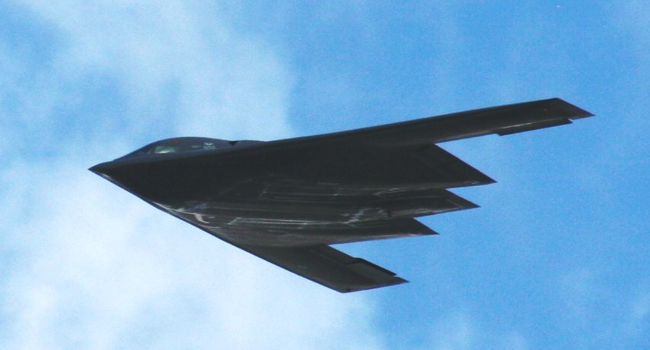
The newest planes in the U.S. heavy bomber fleet were designed over 30 years ago. The current bomber force is capable but aging. The heavy bomber force includes 76 B-52 Stratofortresses averaging 50 years of age, 63 B-1 Lancers averaging 28 years, and 20 B-2 Spirits averaging 20 years. Each of the bombers can deliver a mixed payload of precision munitions to an unrefueled range of 6,000 miles or greater. The B-52 is the only standoff cruise missile carrier in the fleet, the B-1 is the only supersonic bomber, and the B-2 is the only stealthy bomber. All three are facing age-related issues.
The world has changed in fundamental ways since they were first conceived. The Soviet Union has fallen and China has risen. The information revolution has transformed commerce and culture. Old technologies of mass destruction have spread to new nations, and new technologies have empowered extremists of every stripe. In sum, virtually every feature of the threat environment has changed since America last commenced development of a new bomber. At some point, it will no longer be feasible to deter and/or defeat emerging threats with combat systems designed for another time.
Although America has encountered unexpected threats in this new age, it continues to enjoy global air dominance. Non-traditional enemies such as the Taliban have lacked the means to challenge U.S. forces in the air, or at sea, or in conventional combat on land, and so have resorted to asymmetric strategies. The legacy bomber fleet and tactical aircraft in the joint inventory have proven highly adaptable to the demands imposed by new kinds of warfare, mainly because there was so little that irregular adversaries could do to deny access to their airspace. As a result, military planners have been under greater pressure to upgrade ground combat systems than their counterparts in the air.
As the long-range bomber force ages, it will gradually come to present an opportunity for rising powers or movements that think they can carve out sanctuaries by denying U.S. air power access to those areas. If they can force U.S. aircraft carriers to remain far away and hold at risk the nearby land bases used by U.S. military aircraft, then the bomber force becomes the sole impediment to their plans short of America launching ballistic missiles. Ballistic missiles will seldom be a cost-effective, proportionate or even credible response to the threats America faces.
Thus, developing a Long Range Strike Bomber that can gradually take over the most demanding missions of America’s fading Cold War bomber force is an indispensable step in preserving the nation’s security through mid-century. A new bomber will strengthen nuclear deterrence by allowing U.S. leaders to hold at risk the most valued assets of aggressor nations with a strike system that can be quickly recalled or retargeted as conditions dictate. A new bomber will enable the joint force to deliver tailored effects against a wide array of conventional threats at distances beyond the reach of tactical air power, in circumstances where reliance on standoff munitions would be either unaffordable or simply unexecutable.
Most importantly, though, a new bomber would be a hedge against the uncertainty military planners face during a period of unprecedented change in human civilization. Having failed to anticipate most of the major threat developments over the last hundred years, it would be foolish indeed for U.S. leaders to think they have a better grasp of the future now that every facet of human experience is subject to simultaneous change. What they can know, though, is that being able to reach anywhere on earth with survivable, versatile air power will continue to be a crucial feature of U.S. military capability. Failure to preserve that capability by developing the Long Range Strike Bomber could have fatal consequences for U.S. warfighters, and many other Americans.
Efforts to buy a new bomber have been repeatedly delayed. When the Cold War ended, the defense department terminated production of the B-2 and ceased development of new bombers for the first time since the 1920s. Plans to pursue a next-generation bomber were delayed by changing threat conditions and the appearance of new technologies that could bolster the performance of aging planes. As a result, the U.S. has not developed a new heavy bomber in three decades.
The Air Force has plans to develop a new bomber. The Air Force has budgeted $6 billion for development of a Long Range Strike Bomber (LRS-B) between 2013 and 2017. The service says it will buy 80-100 aircraft at an average cost of $550 million each, with initial operational capability in 2025. Although details are secret, experts predict the new bomber will be able to operate autonomously in hostile airspace, carrying a mixed payload of precision munitions over intercontinental distances.
Existing strike capabilities must be upgraded as a new bomber is developed. It will take 20 years to develop, produce and deploy LRS-B. During that time, the Air Force must continue sustaining legacy strike aircraft to deter aggression and defeat aggressors. Each of the bombers in the current fleet requires upgrades to enhance connectivity with other friendly forces, expand the range of munitions that can be delivered, and cope with age-related maladies such as metal corrosion.
Failure to develop a new bomber could have fatal consequences.
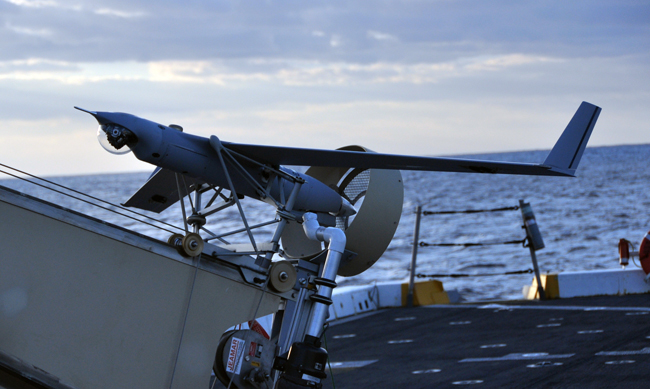
ScanEagle drones have been deployed from naval vessels for several years, they were initially developed to assist fishing boats at the open sea. Later the drones were also adapted to provide the military with Intelligence, Surveillance and Reconnaissance services, under commercial outsourcing. The Scaneagle is seen here on the deck of an amphibious landing ship. The drone’s first deployment aboard USS San Antonio is planned for summer 2013. Photo: US Navy
A major energy company plans to fly the ScanEagle off the Alaska coast in international waters starting in August. Plans for the initial ship-launched flights include surveys of ocean ice floes and migrating whales in Arctic oil exploration areas.
The release of two ‘restricted category type certificates’ to a pair of unmanned aircraft systems (UAS) represents a milestone that will lead to the first approved commercial UAS operations later this summer, the U.S. Federal Aviation Administration (FAA) announced. Certificates were issued to two types of unmanned systems – the Scan-Eagle built by inSitu and X200 and AeroVironment’s PUMA AE. Issuing the type certificates is an important step toward the FAA’s goal of integrating UAS into the nation’s airspace. These flights will also meet requirements in the FAA Modernization and Reform Act of 2012 that define Arctic operational areas and include a mandate to increase Arctic UAS commercial operations.
Both are categorized as ‘small UAS’, weighing less than 25 kilograms (55 pounds). Each is about 1.37 meter long (4.5 feet), with wingspans of ten and 2.75 meter (9 feet). The PUMA is expected to support emergency response crews for oil spill monitoring and wildlife surveillance over the Beaufort Sea.
The major advantage of having type-certificated UAS models available is that they can be used commercially. The ScanEagle and PUMA received Restricted Category type certificates that permit aerial surveillance. Until now, obtaining an experimental airworthiness certificate – which specifically excludes commercial operations – was the only way the private sector could operate UAS in the nation’s airspace.
The South Korean defense ministry submitted to the parliament a 214.5 trillion won (US$192.6 billion) budget request for the 2014-2018 fiscal year period. The budget was submitted for deliberation on Thursday, as Parliament discussed the Seoul’s planned missile and missile defense programs, facing North Korea’s nuclear and missile weapons threat. The budget plan needs parliamentary approval before being implemented by the government in fiscal year 2014, which begins on Jan. 1.
13.7 percent of the budget (US$63 billion) will be used to establish a missile shield, and deterrence capability that will consist on ballistic and cruise missiles. This network will be augmented by surveillance and early warning satellites and high-altitude, long-endurance (HALE) drones (Global Hawk) – all to be procured in the next five years, Seoul’s Yonhap news agency reports.
Seoul has been developing its indigenous missile shield since 2006. This system, called the Korea Air and Missile Defense (KAMD) was relying on Raytheon’s Patriot PAC2 air-defense missiles received from the US and germany and two Green-Pine long-range early warning radars acquired from Israel. The budget draft also includes the additional purchase of PAC-2 missile interceptors and upgrading the current system to PAC-3 to deter North Korean missiles.
A model of David’s Sling. The missile could be configured to fit the Patriot launcher. (See premium content for details)The activation of a new Air and Missile Defense Cell (AMD-Cell) was planned for this month, after few months delay. This command and control center will support the entire KAMD enterprise. The AMD-Cell will integrate early warning and target tracks from multiple sources, including US Early Warning Satellites (DSP), SPY-1 naval radars deployed on the KDX-III AEGIS destroyers and the new, land-based Green Pine delivered by israel.
AUS&R 2013 – The Unmanned Systems Live Demonstration – Israel – 26 November 2013
After Pyongyang successfully launched a long-range rocket last December and conducted its third nuclear test in February, Seoul has been speeding up to establish a pre-emptive missile destruction system, so-called “Kill Chain,” to detect and strike North Korea’s missile and nuclear facilities. The Kill Chain is designed to detect signs of impending missiles or nuclear attacks from the communist country and launch pre-emptive strikes to eliminate the threat by using its advanced cruise and ballistic missiles to support its present missile defense system.
North Korea is believed to have over 1,000 missiles with varying capabilities as well as multiple launchers that can shoot rockets, putting South Korea well within its missile range.
The budget plan comes as the South Korean military is seeking to enhance its warfare capability to deter North Korean aggression before it takes back its wartime operational control from Washington in December 2015.
Under the proposed structure, if a transition is completed as scheduled, the South Korean military will play a leading role, and American forces will offer support during a potential wartime situation, fighting side by side with their Korean allies.
“The government is pushing for major weapons procurement programs by securing an appropriate level of defense budget,” Ju Chul-ki, the senior presidential secretary for foreign affairs and security, said in a Seoul defense forum on Thursday. “We are putting efforts to procure weapons to establish the Kill Chain to pre-emptively detect and strike North Korean missiles, and to establish the KAMD, which is capable of intercepting the enemy’s missiles,”
In addition, each branch of the military is seeking to beef up its weapon systems against growing threats posed by North Korea.
The Army aims to procure the next-generation K-2 battle tank to replace aging K-1 and U.S.-built M48 tanks, and buy large combat helicopters in the next five years.
The Navy plans to build 5,000-ton destroyers, 1,800-ton submarines and landing platform ships to cope with rising tensions in Northeast Asia, in face of the ongoing territorial disputes between China and Japan.
The Air Force plans to purchase 60 next-generation fighter jets to replace its aging fleet of F-4s and F-5s starting from 2017 as well as large carriers and aerial refueling aircraft to extend the range of its F-15K and KF-16 combat jets.
The military also plans to adopt the Green Pine early warning and field guided rockets to deter provocations by North Korea.
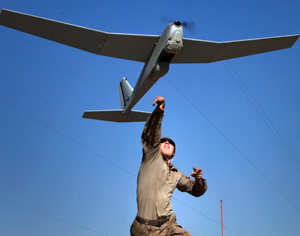
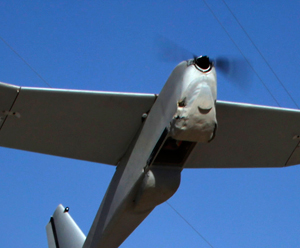
Puma AE carries both an electro-optical (EO) and infrared (IR) camera on a lightweight mechanical gimbaled payload carried in a recessed position for takeoff and landing.
This ‘Restricted category’ certification marks the first time the FAA has approved a hand-launched unmanned aircraft system for commercial missions.
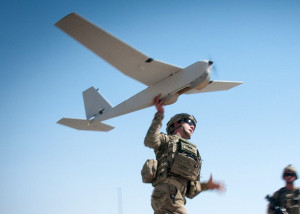
The U.S. federal Aviation Authority (FAA) certified the Puma AE Small Unmanned Aircraft System (SUAS) built by AeroVironment Inc. as a “Restricted Category” aerial vehicle, approving the small drone for commercial missions, supporting oil spill monitoring and ocean surveys, in the North Slope region of the Arctic. AeroVironment expects Puma AE to be deployed later this summer to support emergency response crews for oil spill monitoring and wildlife observation off the coast of the Beaufort Sea in the Arctic Circle.
“We believe initial operations in the Arctic can lead to long-term broad adoption for similar applications elsewhere in the United States and throughout the world” Tim Conver, AeroVironment chairman and chief executive officer said. The FAA stated in its announcement that previous military acceptance of the Puma AE design allowed the FAA to issue the Restricted Category type certificate.
AUS&R 2013 – The Unmanned Systems Live Demonstration – Israel – 26 November 2013
“Aerial observation missions can now be safely accomplished in hazardous Arctic locations, which will reduce the risk of manned aviation in an efficient, cost-effective and environmentally friendly manner” Conver added. Prior to this Restricted Category type certificate being issued, it was not possible to operate an unmanned aircraft system in the national airspace for commercial operations. Although a potential user could obtain an experimental airworthiness certificate, the certificate specifically excluded and did not authorize the use of an unmanned aircraft system for commercial operations.
“This certificate represents an aviation milestone that could not have happened without the FAA’s vision and leadership,”
Researchers and other entities now will be able to perform aerial observation at significantly lower operational costs compared to manned aircraft. Puma AE also gives personnel the ability to immediately obtain and analyze aerial monitoring data because they will be able to hand launch Puma AE whenever needed, giving them a new option to traditional methods, such as manned aircraft, support ships and satellites.
The 13-pound Puma AE unmanned aircraft system does not require any infrastructure, such as runways, launching pads, or recovery devices. It is man-portable and can be assembled in minutes, hand-launched and recovered on sea or land.
The Puma AE (All Environment) is a small Unmanned Aircraft System (UAS) designed for land based and maritime operations. The UAV is operated at a range of 15 km from the controller and stay airborne for 2 hours using battery power.
“Because Puma is a very quiet aircraft and battery operated it can monitor critical natural wildlife habitats at low altitudes without disturbing the animals or adversely affecting pristine environments,” said Roy Minson, AeroVironment senior vice president and general manager of the company’s Unmanned Aircraft Systems business segment. “Puma also is very flexible and easy to use because operators can take it anywhere without needing to haul any infrastructure, such as a launcher or recovery device, on the missions. This is especially important for oceangoing vessels, since installing new infrastructure can be a long and costly process.”
Wasp AE (designated RQ-20A) is in production for the US military and foreign customers. In January 2013 the US Army awarded Aerovironment, along with five other producers of small UAS, a $248 million contract providing a framework for future orders.
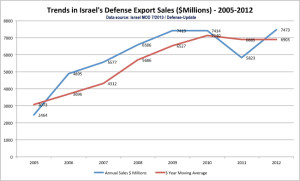
Brig. general (Ret) Shmaya Avieli, the head of Defense Exports Directorate (SIBAT) at Israel’s Ministry reported today that Israel’s defense exports in 2012 reached an all time record, totaled at US$7.473 billion. This peak came after a much lower year in 2011, as SIBAT’s reported $5.823 billion in export sales. According to Avieli, the results for 2012 were surprising, particularly due to the economical pressure and reduced demand for military hardware in recent years. (The financial reports released by the top three defense companies did not show such an increase, nor were they indicating the trough experienced in 2011.)
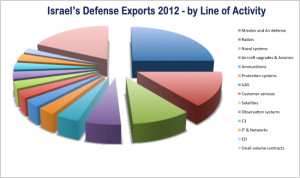
Breakdown of Israel’s defense export by area of activity (subscribe for the full analysis)
The peak in 2012 and the low total in 2011 have similar causes – ‘mega deals’ that increase or reduce the annual total in significant numbers. In 2011 the lower level was attributed to a delay in the signature of a mega deal in Central Asia that was eventually listed in 2012, which also included another mega deal with the Italian government. When calculated by three-year floating average, the trend clearly shows a consistent growth trend from 2005 to date.
According to Avieli the dramatic growth experienced since 2008 was attributed to large-scale acquisition of military hardware by the coalition partners, preparing their forces to meet evolving threats in Iraq and Afghanistan. “We are now entering a challenging era, where the reduction in acquisition budgets that derive from the withdrawal from these theaters and from budgetary constraints is a challenging trend” Avieli explained. He hope that the drop in 2011 will remain ‘an isolated episode’, “We are working hard to prevent repeating such episode but we can not guarantee this will be the case” Avieli said.
Breakdown of Israel’s defense export by area of activity (subscribe for the full analysis)
In 2012 Israel exported missile systems at a gross value worth over US$1.6 billion – the largest segment in the export pie. The main driver in this segment was Rafael Advanced Defense Systems, selling Spyder air defense systems, Spike multi-purpose guided missiles and SPICE air/ground guided weapons. Other contributors to this segment include the Israel Aerospace Industries (IAI’s) Harop. Another strong segment was the export of over a billion dollars worth of radars – attributed exclusively to IAI’s subsidiary Elta Systems. Among these radars were two Conformal Early Warning Radar (CAEW) systems sold to Italy, and significant numbers of Multi-Mission Radar derivatives, produced for a number of countries. Additional radars are also included in high profile systems such as Barak 8 and Spyder, listed for export under missile systems.
AUS&R 2013 – The Unmanned Systems Live Demonstration – Israel – 26 November 2013
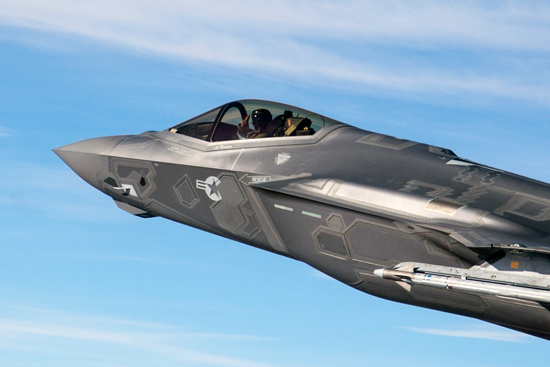
The F-35 can carry two AIM-9X missiles on the outboard stations. With extended range, and LOAL support, the fighter will be able to carry a balanced mix of passive and actively guided weapons. Photo: Lockheed Martin
The US Navy is hoping to increase the range of the Raytheon AIM-9X air/air missile by some 60% over current Sidewinder variants. The Navy seek this enhanced capability particularly for the Lockheed Martin F-35 Joint Strike Fighter, the Naval Air Systems Command (NAVAIR) says. The new weapon is scheduled to become operational in 2022.
To achieve the extended range the new AIM-9X Block III will be equipped with a new rocket motor providing increased rocket motor performance and improved missile power management. NAVAIR says. The new weapon will also use an insensitive munitions warhead, providing better safety on board aircraft carriers. The new missile will leverage the current Block II’s guidance unit and electronics-including the missile’s AMRAAM-derived datalink. The F-35 is currently cleared to carry two AIM-9X underwing, along with four AIM-120Ds are carried internally. When fielded, the fighters are likely be carrying Block II missiles internally, which can acquire targets after being launched, (lock On After Launch – LOAL), therefore enabling carrying the missiles inside the weapons bay.
According to NAVAIR, the current Block II AIM-9X already overlaps some of the range capability of the more powerful Raytheon AIM-120D AMRAAM, and this overlap is expected to increase with the future Block III, providing the F-35 pilot the flexibility to employ both radar guided or passive homing missiles in Beyond Visual Rang (BVR) engagments, NAVAIR says.
“The need for that added flexibility arises from the proliferation of advanced digital radio frequency memory (DRFM) jammers that many potential adversaries are adding to their fighter fleets.” Dave Majumdar, of FlightGlobal commented. “DRFM jammers have the potential to blind the AMRAAM’s onboard radar, which makes the AIM-9X’s passive imaging infra-red guidance system a useful alternative means to defeat those threats. While a completely new missile would have been ideal, the Pentagon is faced with era of declining budgets and has to take into account the price tag of any new weapon.”
While the Pentagon needs the new Sidewinder to be a supplemental BVR weapon for situations where friendly fighters are faced with electronic attacks that degrade with radar-guided weapons, it will not compromise on the AIM-9X’s close in performance. “The requirement and design call for the same WVR [within visual range]/HOBS [high off-boresight] capabilities as those found in the AIM-9X Block II,” NAVAIR says.
The Block III is currently scheduled to enter into its engineering and manufacturing development phase in 2016, NAVAIR says. Subsequently, it will go into developmental testing in 2018 with operational tests starting in 2020. If all goes well, an initial operational capability date is expected in 2022. “The Block III development schedule follows the increased number of Joint Strike Fighter aircraft entering service,” NAVAIR says.
The AIM-9X features a fifth generation staring focal plane array IR seeker with a high off-boresight capability. AIM-9X is an advanced IR missile. It is mounted on a highly maneuverable (thrust vectored) airframe, along with digital guidance and IR signal processing that results in enhanced acquisition ranges, greatly improved infrared counter-countermeasures capability, and extremely high off-boresight engagement zones for unprecedented first shot/first kill air-to-air performance.
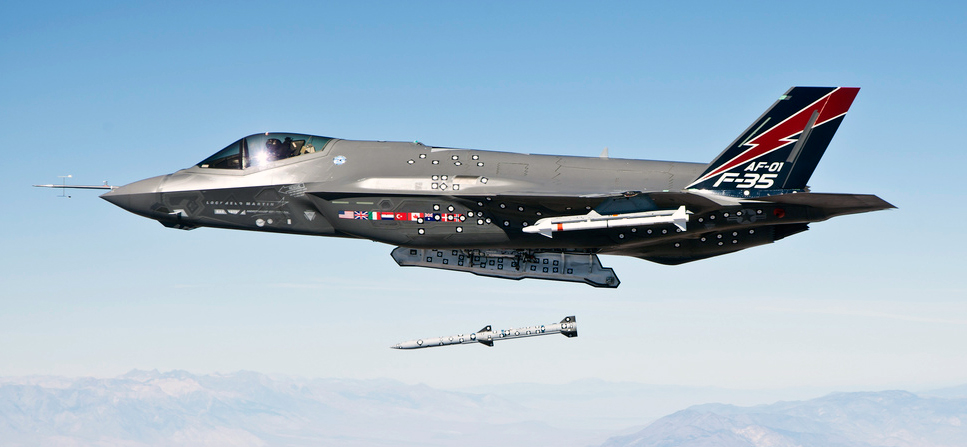
F-35 carry out a weapon separation test, dropping an AIM-120D. An AIM-9X dummy is carried underwing. Photo: Lockheed Martin
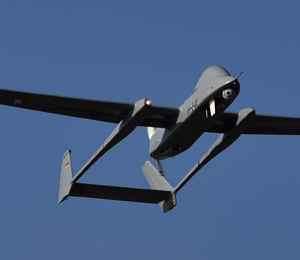
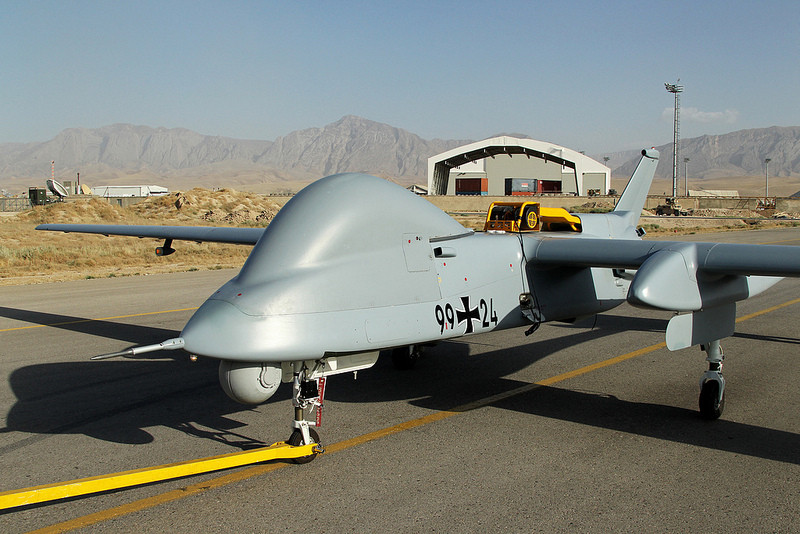
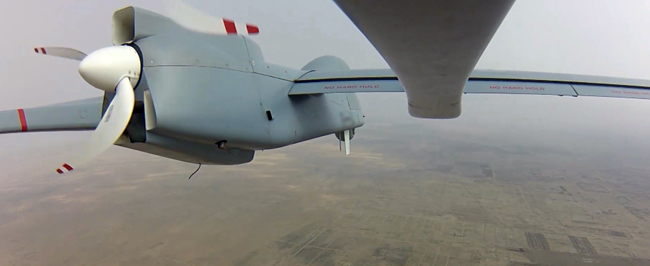
Luftwaffe German Air Force-Heron 1 UAS supporting NATo from Mazer a Sherif, Afghanistan
At the beginning of July, the German Heron 1 UAS logged its 15,000th operational flight hour. The three systems, which are operated by Cassidian subsidiary Airborne Solutions on behalf of the German Air Force – the Luftwaffe, are stationed in Mazar-e-Sharif in north Afghanistan where they are serviced by an experienced team of engineers, pilots and UAS specialists.
Manufactured by the Israeli company IAI, Heron 1 is a medium altitude long endurance (Male) UAS for the respective theatre of operation. The aircraft has a wingspan of 17 metres and a maximum mission endurance of over 24 hours. Its tasks include detecting booby traps from the air, accompanying convoys and patrols, assisting forces in combat situations, reconnoitring and surveilling routes, establishing movement profiles and long-term monitoring, supporting situation assessments, and protecting property and military camps.
The Heron 1 unmanned reconnaissance system’s sensors deliver useful information round the clock for preparing and carrying out military operations. The integrated satellite datalink thereby enables the Bundeswehr and its Nato partners to monitor the entire northern half of Afghanistan, whose surface area of more than 300,000m2 almost equals the size of the Federal Republic of Germany. Heron thus makes a meanwhile invaluable contribution to protecting soldiers and the civilian population in the theatre of operations.
The unmanned reconnaissance system’s availability for monitoring ongoing operations from the air via real-time video has in the meantime become an essential criterion for carrying out operations. The Heron 1’s acceptance and unrestricted operational readiness is ensured by an on-site maintenance team from Cassidian, which guarantees the three aircraft and two ground segments’ readiness 24/7. So far, Heron 1 has logged more than 1,300 flights in Afghanistan.
Thomas Reinartz, Managing Director of Cassidian Airborne Solutions, emphasised: “With this system the Luftwaffe is performing leading services in comparison to other nations. The positive system and mission experience thus gained by the Luftwaffe and industry will be incorporated into future UAS use.”
Heron 1 is deployed by the Bundeswehr in a so-called operator model, on a leasing basis. Cassidian subsidiary Cassidian Airborne Solutions, headquartered in Bremen, is responsible for all maintenance work and ensures that the UAS are available to the Bundeswehr at a moment’s notice. The contract also provides for the take-offs and landings in Mazar-e-Sharif to be controlled by Cassidian “pilots”, after which the aircraft are handed over in the air to Bundeswehr personnel. The Bundeswehr is thus able to dedicate its full attention to completing its mission, as staff are not burdened with auxiliary tasks (take-off, landing, maintenance and repair).
Today, there are many remotely operated submarines that handle important tasks, such as checking underwater pipelines, mapping underwater minefields, searching for locations to place communication cables, and finding sunken vessels. These marine vessels, however, are limited by effective communication cables and require frequent human-operator contact. Israel’s Ben-Gurion University is developing a more accurate and effective autonomous, intelligent, underwater vessel that will revolutionize these and other tasks by thinking for itself. I-HLS Reports.
A team of eighteen students from Ben-Gurion University of the Negev has designed and developed an intelligent, autonomous submarine called the Hydro Camel, the first of its kind in Israel. Several members of the BGU Hydro Camel submarine team are competing in the 16th Annual RoboSub Competition being held this week in San Diego. The competition is sponsored by the U.S. Office of Naval Research and the Association of Unmanned Vehicles International (AUVSI) Foundation.
This year’s competition features thirty-six national and international collegiate and high school teams. The goal is to advance the Autonomous Underwater Vehicle (AUVs) development by challenging a new generation of engineers to perform realistic missions in an underwater environment.
AUS&R 2013 – The Unmanned Systems Live Demonstration – Israel – 26 November 2013
“There is a need for an autonomous submarine that is equipped with an intelligent navigation system whose functions include mission planning, obstacle avoidance and decision-making that are as good as a human operator,” says Prof. Hugo Guterman, head of the BGU Laboratory of Autonomous Robotics. “After the competition, we plan to further develop the submarine to its optimum capabilities, which we hope will place the State of Israel at the forefront in developing tools for marine autonomy,” says team Hydro Camel member Guy Kagan, who will be competing in San Diego.
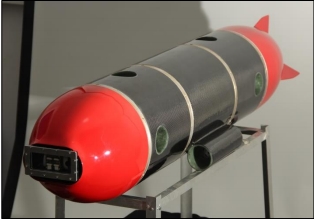
A SolidWorks model of the 2013 HydroCamel vehicle
The cylindrical, carbon fiber Hydro Camel sub measures some five feet (1.5 m), weighs 84 lbs. (38 kg) and is divided into five main cells. The four side cells, filled with water, contain six thrusters, a robotic arm, torpedoes, batteries, and cameras. The central cell houses the electrical system, main computer and all electrical components.
Today, there are many remotely operated submarines that handle important tasks, such as checking underwater pipelines, mapping underwater minefields, searching for locations to place communication cables, and searching for sunken vessels. These marine vessels, however, are limited by effective communication cables and require frequent human-operator contact. “BGU is developing a more accurate and effective autonomous, independently thinking underwater vessel that would revolutionize these and other tasks,” explains Boris Braginsky, another BGU team member competing in San Diego.
Russia’s Izhmash arms factory, manufacturer of the legendary Kalashnikov assault rifle, has won a 13 billion ruble (about $400 million) Defense Ministry tender for Vikhr-1 antitank missiles. The order represents one of the “largest state orders in recent years.” Russian news agency Novosti reports. Vikhr is a laser-guided anti-tank missile, used by Russia’s Ka-50 and Ka-52 attack helicopters and Su-25 ground-attack aircraft.
Izhmash is to deliver the Vikhr-1 long-range, supersonic antiarmor missiles by the end of 2015, company CEO Konstantin Busygin said. Izhmash has asked the Russian government for financial assistance to complete its merger with gun-maker Izhmekh, under the Kalashnikov brand. The two companies, both based in the city of Izhevsk, have been experiencing financial difficulties and a sharp drop in production output in recnt years. The Vikhr-1 contract will enable Izhmash to tackle almost all of its financial problems, Busygin said in late May, adding its current debt stands at 3 billion rubles.
Two Russian based arms manufacturers, Izhmash and Izhevsk announced plans to merge under the Kalashnikov brand, the two companies, both based in the city of Izhevsk, have been experiencing financial difficulties and a sharp drop in production output in recent years. izhmash has asked the Russian government for financial assistance to complete the planned merger.
The two enterprises will become the new Kalashnikov Corporation, first proposed by Deputy Prime Minister Dmitry Rogozin, who oversees the Russian defense industry. It is due to be registered in time for Russia’s Arms Makers’ Day, September 19.
Izhmash, which produces over 70 types of weaponry, including firearms, aircraft guns, precision artillery rounds, as well as a variety of sporting and hunting weapons, previously said it expected to sign 14.2 billion rubles worth of contracts for precision-guided weapons, without specifying the timeframe. Izhmash has been manufacturing Kalashnikovs since the world-famous assault rifle first went into series production in 1949, while Izhmekh is best known for producing Makarov and Yarygin pistols, according to the companies.
U.S. drone attacks on in North-East Pakistan, south of the Afghan border, are one of the sour points between Islamabad and Washington. According to the Pakistan’s Tribune Express, Prime Minister Nawaz Sharif recently withdrew a planned request for the transfer of US drone technology to Pakistan. The reason behind this turn was ‘legal implications’, of drone attacks aginst tribal areas in North-east Pakistan.
The Pakistani government was planning to request the acquisition of U.S. drones, a formal request was due during the upcoming visit of US Secretary of State John Kerry. However, Islamabad decided to hold its request to emphasize its stand to end the impasse over the controversial drone campaig. “The foreign office strongly believes that acquiring drone technology would weaken Pakistan’s case against the illegal use of unmanned aerial vehicles.” The Tribune reported.
“The foreign office has conveyed its position to the government on the issue. It is now up to them to take the final decision,” an official in Islamabad said. “Killing people without due process of law through drones is illegal. If Pakistan acquires this technology, should it kill people without due process as well?” he said.
The government of Prime Minister Nawaz Sharif publicly condemns drone attacks and has urged the US to stop such unilateral strikes. However, in a recent background briefing, one senior government official told journalists that Islamabad would seek drone technology from the US to deal with the terror threat.
The official recalled that when the head of the UN team investigating the civilian impact of drone use travelled to Pakistan in March this year, Islamabad sought a ban on the unilateral use of drones against sovereign countries. He said Pakistan was engaged in efforts to create consensus for declaring drone use in counter-terrorism operations illegal. UN special rapporteur on human rights and counter-terrorism Ben Emerson is due to present his report on the legality of drone use before the annual session of world body in September. Pakistan expects that the final UN report will help develop consensus against use of drones as weapons.
AUS&R 2013 – The Unmanned Systems Live Demonstration – Israel – 26 November 2013
A recent survey conducted by Washington-based Pew Research Center revealed that the US policy of drone use in places such as Pakistan, Yemen and Somalia is facing broad opposition around the world. The survey conducted on the issue in 39 countries, found that more than half of the respondents in 31 of these countries disapproved of US drone attacks against extremist groups. The report noted that in most of the nations polled, there continues to be extensive opposition to the American drone campaign against extremist leaders and organizations.
An interactive presentation of US drone attacks in Pakistan, 2004-2013. Source: Pitch Interactive.
Israel’s defense company ‘RAFAEL Advanced Defense Systems’ announced today a sweeping reorganization to its operating units, realigning the company along three main cross-functional domains – The main change is the formation of the Land Systems Division, responsible for a number of activities that were previously diversified under different authorities. The new division will manage the company’s remote weapon stations lines, MATADOR shoulder launched weapons, ballistic, reactive and active protection systems, and naval systems. Subscribe – for more insight.
The division will also be responsible for the new security integrated systems (HLS) for the protection of infrastructure in land and naval environments. Giora Katz was nominated to lead the new division division.
Also part of the reorganization, two new directorates formed under the company’s Missile and Network Warfare Division will sharpen the company’s focus on growth areas. The air dominance directorate, lead by Yossi Druker, will focus on air and missile defense, offering land based rocket, air and missile defense systems as well as air-to-air missiles for jet fighters. The air systems directorate, headed by Yuval Miller will now supervise intelligence, surveillance target acquisition and reconnaissance (ISTAR), networking and communications as well as air-to-ground strike weapons, offering complete operational solutions ‘sensor-to-shooter’ based on in-house systems.
In addition, RAFAEL is also establishing the Research, development and Engineering division lead by Tuvia Ronen, to manage all R&D activities of the company, thus making these intellectual properties available and accessible throughout the organization.
View Defense-Update VideoReport featuring Yuval Miller briefing Defense-Update about the company’s new SPICE 250 guided weapon.
Lockheed Martin Skunk Works® and XTEND have achieved a major milestone in JADC2 by integrating the XOS operating system with the MDCX™ autonomy platform. This technical breakthrough enables a single operator to simultaneously command multiple drone classes, eliminating the friction of mission handoffs. From "marsupial" drone deployments to operating in GPS-denied environments, explore how this collaboration is abbreviating the data-to-decision timeline and redefining autonomous mission execution.
As traditional defense primes face mounting competition from agile “neoprimes” such as Anduril, Palantir and Helsing, the balance of innovation is shifting toward software-defined warfare and scalable, dual-use technologies, while global industry consolidation—marked by Boeing’s integration of Spirit AeroSystems and other strategic mergers—signals an intensified race to secure control over the defense technology value chain. Our Defense-Tech weekly report highlights these trends.
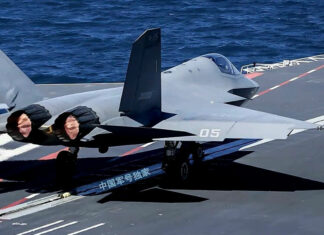
In early October 2025, a coordinated wave of unmanned aerial system (UAS) incursions—widely attributed to Russia—targeted critical infrastructure across at least ten European nations. The unprecedented campaign exposed the fragility of Europe’s air defenses...
Executive Summary
The past week (September 18-25, 2025) represents an inflection point where strategic defense concepts have transitioned from doctrine to tangible reality. An analysis of global events reveals four primary, interconnected trends shaping an...
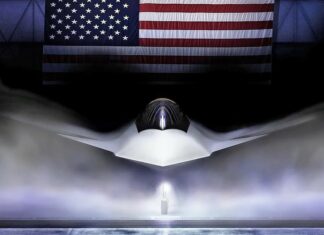
At the 2025 Air, Space & Cyber Conference, U.S. Air Force and Space Force leaders unveiled major updates on next-generation fighters, bombers, unmanned systems, and space initiatives, highlighting both rapid innovation and critical readiness challenges as the services race to outpace global competitors. A short version is available here, with a more detailed version for subscribers.
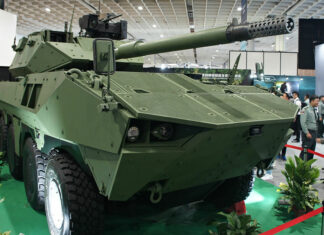
The Taipei Aerospace & Defense Technology Exhibition (TADTE) 2025 crystallized around four dominant strategic themes that collectively illustrate Taiwan's comprehensive approach to defense modernization amid escalating regional tensions. Based on a detailed report by Pleronix (available upon request). Includes a Podcast discussion on TADTE 2025's highlighting Taiwan's four strategic themes beyond the post's coverage.
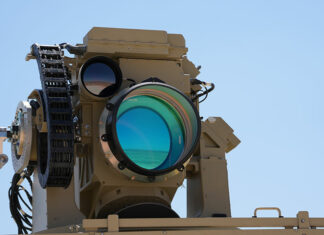
Israel’s Iron Beam 450 high-power laser system has completed final testing, marking a major leap in air defense. Developed by Rafael, it offers precise, cost-effective interception of rockets, UAVs, and mortars, and is set for IDF deployment by 2025.