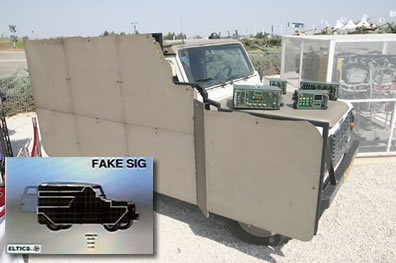
Eltics has modified a Land Rover Defender vehicle installing multiple Black Fox panels and the signature management system (modules are shown on the hood). The system can eliminate the entire vehicle from the view of thermal sensors, or be used to depict a fake image, 'converting' the tank to look like a Jeep, and vice versa. Photos: Noam Eshel, defense Update
Eltics has released a new video showing unique thermal signature shaping, employing the ‘Black Fox‘. The video was presented at the armored vehicles survivability conference in Munich in January 2012. Apparently, the Black Fox has the capability to act as a cloak, being able to conceal large vehicles, causing them to blend with the background or mimik much smaller, less distinctive objects or vehicles. The same system can also enhance and shape the thermal signature of small vehicles to look much larger, for example, a Land Rover can look like the tank, as viewed in this clip. (Only as the vehicle turns, it shows its true identity since it has only one side of stealth panels, as the picture below shows.
This new capability opens interesting possibilities in the art of military deception. Based on such capabilities, a small force using a few HMMWV equipped as ‘deceptors’ can create an illusion of force concentration grouping at a certain location.
At night, these vehicles can move in company march formations, blowing up their signature to look like a tank company. In daylight, vehicles can move back and forth, as utility vehicles. With several such carefully orchestrated demonstrations, a full battalion or even a brigade could move into the area, parking inflatable decoys to look like a staging area while the true force remains at a different location. Such deployments could cause the enemy to concentrate its forces to counter the perceived threat, leaving other areas uncovered and prone to attack.
Eltics has modified a Land Rover Defender vehicle installing multiple Black Fox panels and the signature management system (modules are shown on the hood). The system can eliminate the entire vehicle from the view of thermal sensors, or be used to depict a fake image, 'converting' the tank to look like a Jeep, and vice versa. Photos: Noam Eshel, defense Update
Eltics has unveiled the Black Fox in May 2010, following the application for patents for their innovative concept. By late 2011 the company was awarded recognition for two of its claims. Almost a year later the Swedish subsidiary of BAE Systems also presented a similar development called ADAPTIV. Eltics has claimed BAE has violated its patent and, at present, this claim is being examined by both sides.Eltics continued to develop the active stealth technology and is currently in the process of the third round of funding, which, for the first time, is likely to involve both domestic and international investors. The company has recently added a ‘thermal stealth window’ for the ‘Black Fox’, this transparent surface can be used as a periscope or windshield, while maintaining the same stealth qualities as opaque ‘Black Fox’ panels.
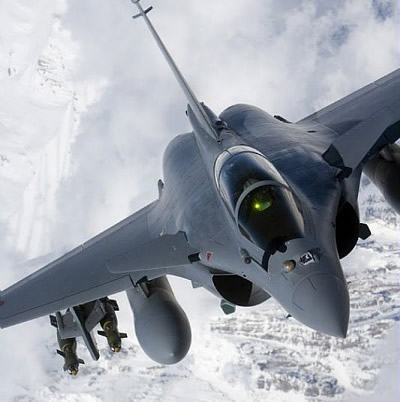
Rafale - India's Choice for the MMRCAPhoto: Dassault Aviation
Rafale - India's Choice for the MMRCA. Photo: Dassault Aviation
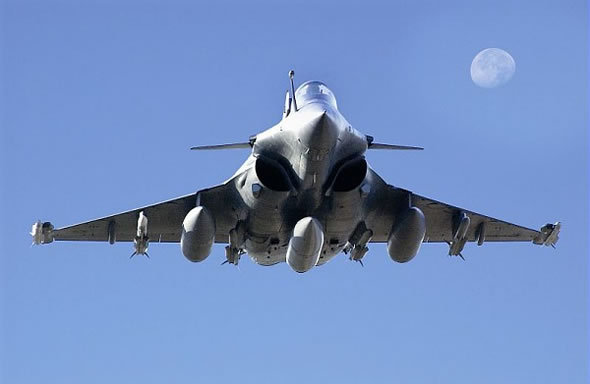
After prolonged cost analysis of two competing offers from the four-nation European industry consortium Eurofighter and French company Dassault, the French offer was determined the ‘lowest bidder’, coming US$4-5 million below the Eurofighter bid. Therefore, it is expected the Rafale will be announced the Indian Air Force preferred choice for the Medium Multi-Role Combat fighter Aircraft (MMRCA). Dassault is expected to enter exclusive negotiations with the Indian MOD within two weeks, to discuss the financial terms, in anticipation to reach an agreement by the next fiscal year beginning in April. While this road could bumpy, it is expected that the two sides will reach an agreement, as the program is critically important for both, and has won strong support from the French highest levels.
France has also a good track record in India – the Indian Air Force has been equipped with several generations of French made fighter planes, including the Mirage 2000 and Jaguar. Moreover, the newly contracted upgrade of these fighters, and adoption of latest generation MICA air/air missiles will also provide cost saving commonality if the same missiles will equip the Rafale.
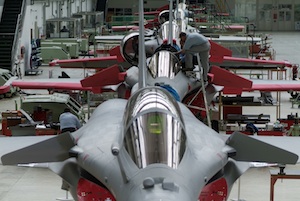
According to the plans, Dassault will manufacture the initial 18 aircraft in France and deliver them within 36 months (2015). The remaining 108 Rafales as well as future orders, will be built in India, by the Hindustan Aeronautics Ltd (HAL).
This prospect breathes new life into Dassault’s production line, after suffering successive setbacks failing to secure orders in Morocco, Switzerland, Brazil and the UAE (the last two are still pending decision). Securing this important contract means the French fighter will strengthen its position in forthcoming international competitions, in Latin America and the Middle East. While current production of 180 fighters for the French Air Force is expected to continue through 2018, the French defense industry is committed to sustain the Rafale at least until the 2030’s, which means Dassault desperately needs export orders to maintain future costs at reasonable levels.
Back in 2007, when the MOD first entered the process, the projected acquisition of 126 aircraft was set at about 80 million a piece, totals around US$11 billion. Back then it was considered one of the biggest military export programs in history. Nowadays it is assumed the contract will cover $15 billion, and may or may not include options for additional 80 fighters. Its position as ‘mother of defense deals’ was also lost, the recently signed Saudi procurement of 84 Boeing F-15SE fighters and upgrade of 70 existing fighters for nearly US$30 billion is definitely more expensive and extensive.
Dassault will manufacture the initial 18 aircraft at Bordeaux-Merignac in France and deliver them by 2015. The remaining 108 will be assembled in India. Photo: Dassault Aviation
While the principal manufacturer of the aircraft is Dassault Aviation, a large number of subcontractors contribute subsystems. Among the leading suppliers is the Safran Group, responsible for the two M88 engines that will power each of the fighter, the landing gear systems, provided by Messier-Bugatti-Dowty, and, most likely, the guided bombs that the new fighter will carry. Electronics giant Thales will also benefit from the win, providing its latest RBY-2 Active Electronic Scanning Array (AESA) radar and much of the avionic systems on board. Missile producer MBDA is also positioned to benefit from supplying much of the weaponry and defensive electronics. Among the international suppliers sharing the win is Martin Baker of the U.K. is the provider of the ejection seat system.
As the Indian program moves into practical terms, Indian manufacturers are also expected to join the Rafale program. Most likely among these are aerostructure manufacturers and components manufacturers, electronic systems and avionic display providers. Nevertheless, the sheer amount of offsets required by the Indian law will pose a major challenge for Dassault, to source enough aerospace products in India to sustain over five US$ billion in direct offset buys mandated by the Indian Defence Procurement Procedure (DPP) of 2006. DPP requires the winner of a program of this size to reinvest half the contract amount in the Indian defense industry in terms of direct investment or export orders.
France Selected as the Lowest Bidder for the Indian Air Force MMRCA Program. Photo: Dassault Aviation
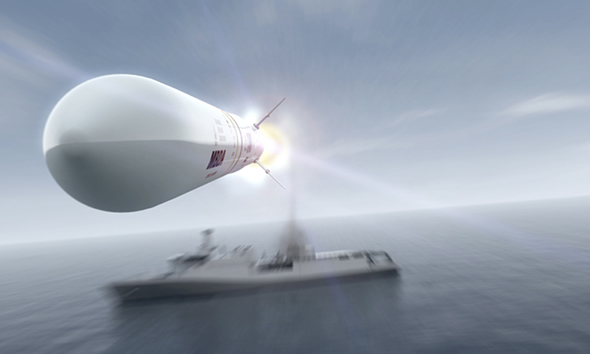
The new Sea Ceptor Mach 3 naval air defense missile will replace the Vertical Launch SeaWolf on Type 23 frigates and extend the vessel's defense against supersonic attack missiles. Photo: MBDA
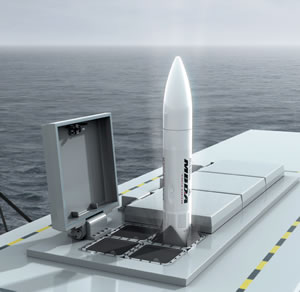
Sea Ceptor will employ a novel 'Soft Vertical Launch' concept.
MBDA was awarded yesterday a £483 five-year MOD contract to develop Sea Ceptor – a new naval air defense system for the British Royal Navy Type 23 frigates. As part of the ‘Future Local Area Air Defence System’ (FLAADS), Sea Ceptor will replace the current Vertical Launch SeaWolf as it is scheduled phase out of service by 2016. Sea Ceptor will also become the principal air defense weapon on the Type 26 Global Combat Ship.
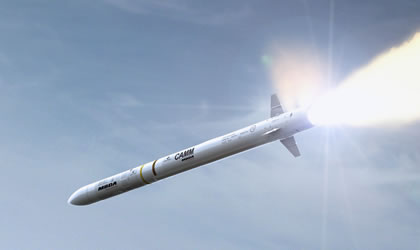
The heart of FLAADS-M is the Common Anti-Air Modular Missile (CAMM), capable of reaching speeds of up to Mach 3. It will have the ability to deal with multiple targets simultaneously, including supersonic anti-ship missiles, protecting an area of around 500 square miles (1,300 square km) over land or sea.
The new system relies on many technologies developed for the ‘Sea Viper’ missile system equipping the new Type 45T destroyers. MBDA has also tested the several elements of the system, including the new ‘soft vertical launch’ concept, missile datalink and RF seeker.
Elements of the CAMM missile, the principal interceptor of the Sea Ceptor weapon system have already went through flight testing through 2011. Concept image: MBDA
According to to MBDA, CAMM benefits from significant re-use of technology from other MBDA products, providing a missile with high maturity for this stage of development. For example, more than 75% of the Sea Viper C2 software will be reused for Sea Ceptor. Furthermore, according to the MOD announcement, the flexibility of the design means that it could in future be adapted for use by the Army and RAF.
SEA CEPTOR is the second major package of work launched under the Portfolio Management Agreement (PMA) signed between MBDA and the UK MoD in March 2010. Other ongoing programs include the short-range maritime attack weapon (FASGW-L) and standoff loitering attack weapons for the Royal Air Force and Army. Under this Agreement, MBDA has responsibility to lead the transformation of the UK’s Complex Weapons (CW) capability through the management of a portfolio of projects potentially worth up to £4 billion over 10 years.
The new Sea Ceptor Mach 3 naval air defense missile will replace the Vertical Launch SeaWolf on Type 23 frigates and extend the vessel's defense against supersonic attack missiles. Photo: MBDA
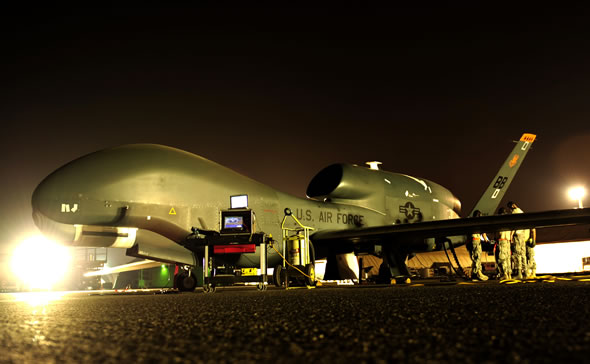
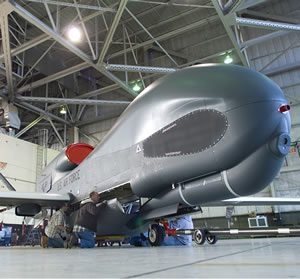
The commander of Air Combat Command declared initial operational capability for the RQ-4 Block 30 Global Hawk on Aug. 10, 2011. At the time the Air Force said the drone was successfully deployed in support of Operation ODYSSEY DAWN in Libya and Operation TOMODACHI in Japan. Photo: US Air Force
Few months after declaring the latest model Global Hawk intelligence, surveillance, reconnaissance (ISR) unmanned aircraft ‘operational’ the United States Air Force has announced it has decided to discontinue any further procurement of the Block 30 RQ-4 Global Hawk drones. Deputy Defense Secretary Ashton Carter cited increasing costs as a critical factor in the cancellation decision. Media reports indicate that the USAF will retire the Block 30 drones currently in the air fleet and all future production will be terminated.
Although cost was a key element in the cancellation decision, the RQ-4 had also not performed to expectations. Initially, the Global Hawk was seen as a viable replacement for the long-lived U-2 manned jet. Anticipated cost savings hoped to be realized in fielding the RQ-4 as a replacement for the U-2 never materialized. Northrop Grumman commented it was disappointed with the Pentagon’s decision, and plans to work with the Pentagon to assess alternatives to program termination, they added that extending the U-2’s service life also represents additional investment requirements for that program, which also places pilots in danger, has limited flight duration, and provides limited sensor capacity. The company also said continuing support for the Global Hawk Block 40 system, as well as for the Navy’s Broad Area Maritime Surveillance system demonstrate the importance of the Global Hawk platform.
The Block 30 is an advanced version of the Global Hawk, equipped the an improved sensor payload called 'Enhanced Integrated Sensor Suite (EISS)' combining electro-optical/infrared and synthetic aperture radar imaging capabilities, offering wider area coverage, particularly by the improved radar. Photo: Northrop Grumman
The commander of Air Combat Command declared initial operational capability for the RQ-4 Block 30 Global Hawk on Aug. 10, 2011. At the time the Air Force said the drone was successfully deployed in support of Operation ODYSSEY DAWN in Libya and Operation TOMODACHI in Japan. The Block 30 is an advanced version of the Global Hawk, equipped the an improved sensor payload called ‘Enhanced Integrated Sensor Suite (EISS)’ combining electro-optical/infrared and synthetic aperture radar imaging capabilities, offering wider area coverage, particularly by the improved radar. The aircraft was also scheduled incorporate with an advanced Airborne Signals Intelligence Payload (ASIP) signals intelligence (SIGINT) payload.
Admiral Robert Willard, Commander, U.S. Pacific Command commented on the decision saying that the termination will not affect the availability or utility of Global hawk in Asia Pacific. “Decisions on whether to terminate a specific block of aircraft is generally determined by what is being incorporated in the specific block is serving our needs.” Willard said.
The Air Force had initially projected a purchase of 42 Block 30 Global Hawks in their 2011 budget proposal at an estimated cost of approximately $215 million per aircraft. The Defense Department commented that the future cost of the Block 30 aircraft, in a best case scenario, would be comparable to the U-2, but within the framework of the new five-year budget proposal the Block 30 would be significantly more costly to acquire and maintain than the existing manned U-2. Defense sources have indicated that the U-2 will in fact continue in operation and will be upgraded.
When the Global Hawk first began active service in 1998, much was expected of the aircraft and Air Force leaders expressed confidence the plane would outperform the U-2 while delivering some major cost savings. Over the years, while the RQ-4 did perform its mission reasonably well, acquisition and maintenance costs continued to grow and Air Force leaders never committed themselves to retiring the U-2. With the Block 30 Global Hawks now to be phased out of service, the 33 operational U-2’s will be called upon to serve as the Air Force’s ISR workhorse.
The U-2, affectionately known as the Dragon lady, has been in service since 1955. Throughout the years, the U-2 has been routinely rebuilt, upgraded, and modernized. In USAF service, the U-2 fleet has flown more than 95,000 hours since 2003.
Cancellation of the Block 30 buy will not immediately affect the planned acquisition of the Block 40 Global Hawk or the US Navy’s acquisition of the maritime variant called the Broad Area Maritime Surveillance (BAMS) system from Northrop Grumman. The Block 40 is equipped with the advanced Multi-Platform Radar Technology Insertion Program (MP-RTIP) capable of delivering photo-quality imagery while conducting ground surveillance.
NATO’s projected purchase of five redesigned Global Hawks equipped with MP-RTIP will not be affected by the USAF cancellation and Germany’s EuroHawk SIGINT program will also remain intact, although Berlin is planning to reduce its Euro Hawk buy from six to four aircraft.
News of the cancellation comes at an unfavorable time for Northrop Grumman as the company was just embarking on an intensive campaign to sell the Global Hawk in foreign markets. In late December 2011, South Korea decided to place its proposed acquisition of four Global Hawks on hold primarily as a result of Northrop Grumman and South Korean negotiators failure to reach an agreement on the final price of the aircraft. The originally quoted price of $379 million had risen to an estimated $800 million, an amount far beyond South Korea’s anticipated funding for the aircraft. Although the deal is not completely dead, the USAF cancellation may have a very detrimental influence on the South Korean government’s willingness to commit to the Global Hawk.
Northrop Grumman is naturally concerned that the USAF’s cancellation of the Block 30 drones may have an adverse influence on other foreign nations that previously expressed an interest in acquiring varying numbers of the Global Hawk. Australia and Japan have been giving the Global Hawk a very serious look as they strive to modernize and upgrade their own ISR capabilities. Only time will tell if the Block 30 drones will remain on any nation’s wish list.
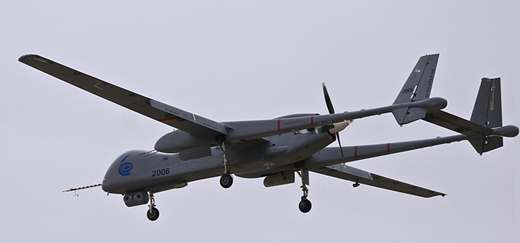
The Israel Air Force has lost an Eitan (Heron TP) drone while performing a test flight with new payloads. The drone was one of the latest built aircraft in the Heron TP series to enter IAF service. It was on loan to IAI for the purpose of the test flights. The unmanned aircraft crashed south of the IAF air base Tel Nof, the home base of the IAF flight test unit.
The IAF new Eitan squadron is the latest UAV unit in IAF service, operating one of the longest reach. According to IAF commander, Maj. General Ido Nehushtan, the drone was on a mission testing new capabilities when the wing broke in flight. He said the mishap will be investigated and whatever needs fixing will be adjusted,” said Nehushtan adding Eitan has a big future with the IAF. “This UAV was conceived 20 years ago, when Israel faced long range missile attacks from Iraq, the development that began then is entering service now, and has a whole future ahead” Nehushtan added.
In a news conference on January 26, Defense Secretary Leon Panetta released additional details of the Obama administration’s plans to reduce the defense budget by $487 billion over the next ten years. Mr. Panetta’s announcement was something of a preview of the budget to be submitted to Congress in February and contained nothing really unexpected or draconian in nature. Secretary Panetta confirmed speculation that military manpower levels would be reduced, but the basic organization and configuration of the military would be little changed. The announced budget cuts are expected to equal $259 billion in the first five years of this ten-year plan.
Mr. Panetta announced that the US Army would be reduced from its present force of 570,000 to a level closer to 490,000 in five years. The US Marine Corps would reduce its manpower strength from 202,000 to 182,000 by 2017. Despite these cuts, both services will still be larger than they were before 9/11. While the ground forces will be trimmed, their overseas presence will continue, although the US Army will remove some forces from Europe and the Marine Corps is expected to increase its numbers in the Asia-Pacific region.
The Obama administration will be asking Congress to approve a defense budget of $525 billion for 2013. This represents a $6 billion reduction from the present budget and is the first reduction in the defense budget since 1998. This budget request does not include the money needed to meet war costs, funding not considered a part of the base budget. The administration will be asking for $88.4 billion to fund the war effort, down from the present budget of $115 billion.
The administration plans to grow the defense budget over a period of five years to eventually reach a total of $567 billion which is significantly lower than the $622 the Pentagon initially projected a year ago. In 2009, When President Obama took the oath of office; the base budget for the Department of Defense equaled $513 billion. In comparison, the defense budget totaled only $297 billion in 2001.
Mr. Panetta declared that the Pentagon is now in the process of ending its wartime service in Iraq and Afghanistan while shifting its primary focus to new challenges in Asia, in the cyberwarfare arena, and in the Mideast. He also indicated that the number and scope of special operation’s capable forces will be increased and their reach will be broadened worldwide.
Among the budget priorities outlined by Mr. Panetta:
Elimination of six of the US Air Force’s 60 tactical fighter squadrons. Each squadron is equipped mostly with 18 to 24 F-15, A-10 or F-16 aircraft.
Retirement of as many as 27 US Air Force C-5A cargo transports and an estimated 65 older C-130 transports.
A slow down in the acquisition of all the service’s F-35 Joint Strike Fighters (JSF).
Continued retention of a fleet of eleven aircraft carriers and 10 air wings.
Early retirement of seven US Navy cruisers.
Delayed acquisition of the new Virginia-class submarines and at least one new amphibious assault ship.
Delayed production of two Littoral Combat Ships (LCS) and eight Joint High Speed craft.
Continued operation of the existing force of shore-based nuclear missiles and nuclear-capable bombers.
Delaying construction of a new class of submarines capable of carrying long-range nuclear missiles for a period of two years.
Military pay will continue to increase as previously projected until 2015. After that, military pay raises would be reviewed with the intent of slowing down the overall rate of increases.
Pursuit of multiyear procurement of V-22 Osprey tiltrotor aircraft.
Pursuit of multiyear procurement of additional destroyers.
Continuation of US Air Force plans to design a new long-range bomber, purchase of two additional communications satellites, and purchase of one additional missile-warning satellite.
Increased spending on UAV’s/drones, unmanned surveillance aircraft, and a ship designed to carry and operate drones and helicopters in international waters.
The announced budget cuts will likely mean that the US Navy will be unable to realize its desire to field a fleet of 313 ships. For a time, the fleet may drop somewhat below the existing force of 285 ships.
Special operations will gain increased importance in the new defense focus. Adding more personnel and additional equipment to special operations units and more mission-oriented interaction with America’s allies are all included in the planning.
During his address, Mr. Panetta assured the audience that the United States would protect and maintain the military’s traditional “triad” structure of nuclear land, sea, and air capability. Mr. Panetta indicated that any changes to the nuclear-capable forces would be reviewed at a later date.
On the personnel side of the budget issue, President Obama will ask Congress to commission a review of military pay, retirement, and medical coverage as well. Personnel costs have placed an increasingly heavy burden on overall defense funding.
In general, the defense budget will drop in 2013 before increasing again by one or two percent per year thereafter in constant dollars. In real dollars, spending on defense will decline overall. It appears that the Department of Defense is not likely to be given a literal “blank check” for future funding and will now find it necessary to prioritize procurement and spending to a degree that will have a significant impact on the nation’s defense industry.
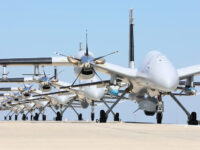
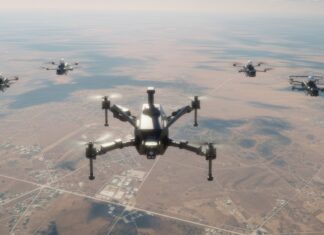
Lockheed Martin Skunk Works® and XTEND have achieved a major milestone in JADC2 by integrating the XOS operating system with the MDCX™ autonomy platform. This technical breakthrough enables a single operator to simultaneously command multiple drone classes, eliminating the friction of mission handoffs. From “marsupial” drone deployments to operating in GPS-denied environments, explore how this collaboration is abbreviating the data-to-decision timeline and redefining autonomous mission execution.
As traditional defense primes face mounting competition from agile “neoprimes” such as Anduril, Palantir and Helsing, the balance of innovation is shifting toward software-defined warfare and scalable, dual-use technologies, while global industry consolidation—marked by Boeing’s integration of Spirit AeroSystems and other strategic mergers—signals an intensified race to secure control over the defense technology value chain. Our Defense-Tech weekly report highlights these trends.
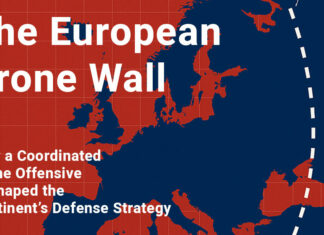
In early October 2025, a coordinated wave of unmanned aerial system (UAS) incursions—widely attributed to Russia—targeted critical infrastructure across at least ten European nations. The unprecedented campaign exposed the fragility of Europe’s air defenses and triggered a continent-wide response now known as the “Drone Wall” initiative.
The new report, Drone Wall: Europe’s Response to the October 2025 Drone Incursions, offers a detailed account of these events and their far-reaching implications for defense strategy, procurement, and industry dynamics. The report traces the evolution from initial attacks to the rapid formation of a unified European effort to counter the growing drone threat.
A Strategic Wake-Up Call
The October attacks underscored a new reality of hybrid warfare: adversaries can achieve strategic effects using low-cost drones that overwhelm traditional defenses. Expensive missile systems and fighter aircraft were forced into reactive roles—unsustainable against swarms of expendable aerial threats.
The Drone Wall initiative emerged as a direct response. Backed by the European Commission, NATO, and several EU member states, the program aims to establish a multi-layered, networked defense grid across the continent, integrating detection, electronic warfare, and kinetic interception capabilities.
Inside the Report
The Drone Wall study examines:
The chronology and scope of the European drone incursion campaign.
The tactics, systems, and motivations behind the attacks.
The operational and psychological impact on European states.
Identified defense gaps and the architecture of the “Drone Wall” response.
The complex procurement framework involves the EU, member states, and NATO.
Market opportunities for counter-UAS (C-UAS) systems, radars, and C2 integration.
Industry Implications
The creation of the Drone Wall represents the most significant market opportunity for C-UAS technology in a generation. Demand is rising for integrated, affordable, and scalable systems capable of delivering the full kill chain—from detection to interception—within networked command-and-control frameworks.
Firms that can offer cost-effective, multi-layered, and interoperable solutions, or partner with local European manufacturers, stand to benefit most. The report highlights the ...
Executive Summary
The past week (September 18-25, 2025) represents an inflection point where strategic defense concepts have transitioned from doctrine to tangible reality. An analysis of global events reveals four primary, interconnected trends shaping an increasingly contested international order.
#1 – European defense postures are materially hardening, with a strategic shift from deterrence by reinforcement to deterrence by denial, led by Germany’s military expansion and a firmer NATO stance on airspace violations.
#2 – the character of future warfare is rapidly maturing, driven by the industrial-scale development of collaborative combat aircraft (CCAs), the democratization of long-range precision strike capabilities, and a doctrinal revolution in armored warfare inspired by the conflict in Ukraine.
#3 – The Middle East is undergoing a profound realignment of security partnerships, catalyzed by Israeli technological breakthroughs in laser defense and a crisis of confidence in the U.S. security umbrella, culminating in a historic mutual defense pact between Saudi Arabia and Pakistan.
#4 – The Indo-Pacific theater is characterized by a sharpening of strategic competition, with the U.S. and its allies operationalizing new trilateral security structures while China intensifies its multifaceted campaign of coercion against Taiwan. Underpinning these shifts is a renewed global focus on the industrial and organizational foundations of military power, signaling that nations are now making the hard investments and difficult choices required to posture for a more dangerous and uncertain future.
You are invited to listen to the overview of this week’s report in the podcast.
.
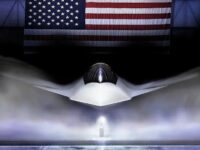
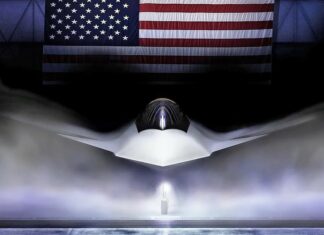
At the 2025 Air, Space & Cyber Conference, U.S. Air Force and Space Force leaders unveiled major updates on next-generation fighters, bombers, unmanned systems, and space initiatives, highlighting both rapid innovation and critical readiness challenges as the services race to outpace global competitors. A short version is available here, with a more detailed version for subscribers.
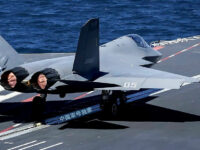
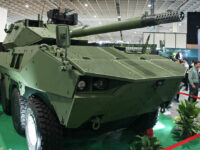
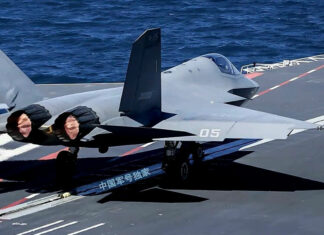
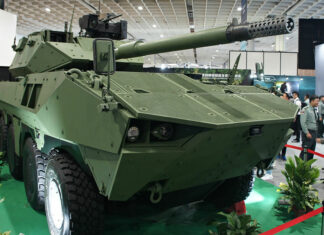
The Taipei Aerospace & Defense Technology Exhibition (TADTE) 2025 crystallized around four dominant strategic themes that collectively illustrate Taiwan’s comprehensive approach to defense modernization amid escalating regional tensions. Based on a detailed report by Pleronix (available upon request). Includes a Podcast discussion on TADTE 2025’s highlighting Taiwan’s four strategic themes beyond the post’s coverage.
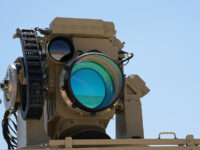
Israel’s Iron Beam 450 high-power laser system has completed final testing, marking a major leap in air defense. Developed by Rafael, it offers precise, cost-effective interception of rockets, UAVs, and mortars, and is set for IDF deployment by 2025.
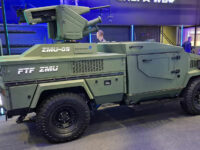
WB Group unveiled its Future Task Force (FTF) at MSPO, a new warfighting concept integrating manned, unmanned, and autonomous systems. Combining hybrid-electric vehicles, loitering munitions, and AI-enabled command tools, the FTF is designed to sustain firepower and autonomy while reducing battalion size and logistical footprint.
MSPO 2025 in Kielce is the premier showcase of Poland’s historic military expansion. Driven by a defense budget exceeding 4.7% of GDP, the exhibition highlights Warsaw’s ambition to become a leading European military power through its “Polonization” industrial strategy, a pivot to unmanned systems, and diverse global partnerships that are reshaping NATO’s eastern flank.
Turkey is reshaping its defense identity with record exports, KAAN fighter milestones, ALTAY tank deliveries, and the multi-layer “Steel Dome” air-defense concept. IDEF 2025 showcased these advances, alongside naval exports and unmanned systems that position Ankara as an increasingly assertive defense actor regionally and globally.
Lockheed Martin Skunk Works® and XTEND have achieved a major milestone in JADC2 by integrating the XOS operating system with the MDCX™ autonomy platform. This technical breakthrough enables a single operator to simultaneously command multiple drone classes, eliminating the friction of mission handoffs. From “marsupial” drone deployments to operating in GPS-denied environments, explore how this collaboration is abbreviating the data-to-decision timeline and redefining autonomous mission execution.
As traditional defense primes face mounting competition from agile “neoprimes” such as Anduril, Palantir and Helsing, the balance of innovation is shifting toward software-defined warfare and scalable, dual-use technologies, while global industry consolidation—marked by Boeing’s integration of Spirit AeroSystems and other strategic mergers—signals an intensified race to secure control over the defense technology value chain. Our Defense-Tech weekly report highlights these trends.
In early October 2025, a coordinated wave of unmanned aerial system (UAS) incursions—widely attributed to Russia—targeted critical infrastructure across at least ten European nations. The unprecedented campaign exposed the fragility of Europe’s air defenses and triggered a continent-wide response now known as the “Drone Wall” initiative.
The new report, Drone Wall: Europe’s Response to the October 2025 Drone Incursions, offers a detailed account of these events and their far-reaching implications for defense strategy, procurement, and industry dynamics. The report traces the evolution from initial attacks to the rapid formation of a unified European effort to counter the growing drone threat.
A Strategic Wake-Up Call
The October attacks underscored a new reality of hybrid warfare: adversaries can achieve strategic effects using low-cost drones that overwhelm traditional defenses. Expensive missile systems and fighter aircraft were forced into reactive roles—unsustainable against swarms of expendable aerial threats.
The Drone Wall initiative emerged as a direct response. Backed by the European Commission, NATO, and several EU member states, the program aims to establish a multi-layered, networked defense grid across the continent, integrating detection, electronic warfare, and kinetic interception capabilities.
Inside the Report
The Drone Wall study examines:
The chronology and scope of the European drone incursion campaign.
The tactics, systems, and motivations behind the attacks.
The operational and psychological impact on European states.
Identified defense gaps and the architecture of the “Drone Wall” response.
The complex procurement framework involves the EU, member states, and NATO.
Market opportunities for counter-UAS (C-UAS) systems, radars, and C2 integration.
Industry Implications
The creation of the Drone Wall represents the most significant market opportunity for C-UAS technology in a generation. Demand is rising for integrated, affordable, and scalable systems capable of delivering the full kill chain—from detection to interception—within networked command-and-control frameworks.
Firms that can offer cost-effective, multi-layered, and interoperable solutions, or partner with local European manufacturers, stand to benefit most. The report highlights the ...
Executive Summary
The past week (September 18-25, 2025) represents an inflection point where strategic defense concepts have transitioned from doctrine to tangible reality. An analysis of global events reveals four primary, interconnected trends shaping an increasingly contested international order.
#1 – European defense postures are materially hardening, with a strategic shift from deterrence by reinforcement to deterrence by denial, led by Germany’s military expansion and a firmer NATO stance on airspace violations.
#2 – the character of future warfare is rapidly maturing, driven by the industrial-scale development of collaborative combat aircraft (CCAs), the democratization of long-range precision strike capabilities, and a doctrinal revolution in armored warfare inspired by the conflict in Ukraine.
#3 – The Middle East is undergoing a profound realignment of security partnerships, catalyzed by Israeli technological breakthroughs in laser defense and a crisis of confidence in the U.S. security umbrella, culminating in a historic mutual defense pact between Saudi Arabia and Pakistan.
#4 – The Indo-Pacific theater is characterized by a sharpening of strategic competition, with the U.S. and its allies operationalizing new trilateral security structures while China intensifies its multifaceted campaign of coercion against Taiwan. Underpinning these shifts is a renewed global focus on the industrial and organizational foundations of military power, signaling that nations are now making the hard investments and difficult choices required to posture for a more dangerous and uncertain future.
You are invited to listen to the overview of this week’s report in the podcast.
.
At the 2025 Air, Space & Cyber Conference, U.S. Air Force and Space Force leaders unveiled major updates on next-generation fighters, bombers, unmanned systems, and space initiatives, highlighting both rapid innovation and critical readiness challenges as the services race to outpace global competitors. A short version is available here, with a more detailed version for subscribers.
The Taipei Aerospace & Defense Technology Exhibition (TADTE) 2025 crystallized around four dominant strategic themes that collectively illustrate Taiwan’s comprehensive approach to defense modernization amid escalating regional tensions. Based on a detailed report by Pleronix (available upon request). Includes a Podcast discussion on TADTE 2025’s highlighting Taiwan’s four strategic themes beyond the post’s coverage.
Israel’s Iron Beam 450 high-power laser system has completed final testing, marking a major leap in air defense. Developed by Rafael, it offers precise, cost-effective interception of rockets, UAVs, and mortars, and is set for IDF deployment by 2025.
WB Group unveiled its Future Task Force (FTF) at MSPO, a new warfighting concept integrating manned, unmanned, and autonomous systems. Combining hybrid-electric vehicles, loitering munitions, and AI-enabled command tools, the FTF is designed to sustain firepower and autonomy while reducing battalion size and logistical footprint.
MSPO 2025 in Kielce is the premier showcase of Poland’s historic military expansion. Driven by a defense budget exceeding 4.7% of GDP, the exhibition highlights Warsaw’s ambition to become a leading European military power through its “Polonization” industrial strategy, a pivot to unmanned systems, and diverse global partnerships that are reshaping NATO’s eastern flank.
Turkey is reshaping its defense identity with record exports, KAAN fighter milestones, ALTAY tank deliveries, and the multi-layer “Steel Dome” air-defense concept. IDEF 2025 showcased these advances, alongside naval exports and unmanned systems that position Ankara as an increasingly assertive defense actor regionally and globally.
Lockheed Martin Skunk Works® and XTEND have achieved a major milestone in JADC2 by integrating the XOS operating system with the MDCX™ autonomy platform. This technical breakthrough enables a single operator to simultaneously command multiple drone classes, eliminating the friction of mission handoffs. From “marsupial” drone deployments to operating in GPS-denied environments, explore how this collaboration is abbreviating the data-to-decision timeline and redefining autonomous mission execution.
As traditional defense primes face mounting competition from agile “neoprimes” such as Anduril, Palantir and Helsing, the balance of innovation is shifting toward software-defined warfare and scalable, dual-use technologies, while global industry consolidation—marked by Boeing’s integration of Spirit AeroSystems and other strategic mergers—signals an intensified race to secure control over the defense technology value chain. Our Defense-Tech weekly report highlights these trends.
In early October 2025, a coordinated wave of unmanned aerial system (UAS) incursions—widely attributed to Russia—targeted critical infrastructure across at least ten European nations. The unprecedented campaign exposed the fragility of Europe’s air defenses and triggered a continent-wide response now known as the “Drone Wall” initiative.
The new report, Drone Wall: Europe’s Response to the October 2025 Drone Incursions, offers a detailed account of these events and their far-reaching implications for defense strategy, procurement, and industry dynamics. The report traces the evolution from initial attacks to the rapid formation of a unified European effort to counter the growing drone threat.
A Strategic Wake-Up Call
The October attacks underscored a new reality of hybrid warfare: adversaries can achieve strategic effects using low-cost drones that overwhelm traditional defenses. Expensive missile systems and fighter aircraft were forced into reactive roles—unsustainable against swarms of expendable aerial threats.
The Drone Wall initiative emerged as a direct response. Backed by the European Commission, NATO, and several EU member states, the program aims to establish a multi-layered, networked defense grid across the continent, integrating detection, electronic warfare, and kinetic interception capabilities.
Inside the Report
The Drone Wall study examines:
The chronology and scope of the European drone incursion campaign.
The tactics, systems, and motivations behind the attacks.
The operational and psychological impact on European states.
Identified defense gaps and the architecture of the “Drone Wall” response.
The complex procurement framework involves the EU, member states, and NATO.
Market opportunities for counter-UAS (C-UAS) systems, radars, and C2 integration.
Industry Implications
The creation of the Drone Wall represents the most significant market opportunity for C-UAS technology in a generation. Demand is rising for integrated, affordable, and scalable systems capable of delivering the full kill chain—from detection to interception—within networked command-and-control frameworks.
Firms that can offer cost-effective, multi-layered, and interoperable solutions, or partner with local European manufacturers, stand to benefit most. The report highlights the ...
Executive Summary
The past week (September 18-25, 2025) represents an inflection point where strategic defense concepts have transitioned from doctrine to tangible reality. An analysis of global events reveals four primary, interconnected trends shaping an increasingly contested international order.
#1 – European defense postures are materially hardening, with a strategic shift from deterrence by reinforcement to deterrence by denial, led by Germany’s military expansion and a firmer NATO stance on airspace violations.
#2 – the character of future warfare is rapidly maturing, driven by the industrial-scale development of collaborative combat aircraft (CCAs), the democratization of long-range precision strike capabilities, and a doctrinal revolution in armored warfare inspired by the conflict in Ukraine.
#3 – The Middle East is undergoing a profound realignment of security partnerships, catalyzed by Israeli technological breakthroughs in laser defense and a crisis of confidence in the U.S. security umbrella, culminating in a historic mutual defense pact between Saudi Arabia and Pakistan.
#4 – The Indo-Pacific theater is characterized by a sharpening of strategic competition, with the U.S. and its allies operationalizing new trilateral security structures while China intensifies its multifaceted campaign of coercion against Taiwan. Underpinning these shifts is a renewed global focus on the industrial and organizational foundations of military power, signaling that nations are now making the hard investments and difficult choices required to posture for a more dangerous and uncertain future.
You are invited to listen to the overview of this week’s report in the podcast.
.
At the 2025 Air, Space & Cyber Conference, U.S. Air Force and Space Force leaders unveiled major updates on next-generation fighters, bombers, unmanned systems, and space initiatives, highlighting both rapid innovation and critical readiness challenges as the services race to outpace global competitors. A short version is available here, with a more detailed version for subscribers.
The Taipei Aerospace & Defense Technology Exhibition (TADTE) 2025 crystallized around four dominant strategic themes that collectively illustrate Taiwan’s comprehensive approach to defense modernization amid escalating regional tensions. Based on a detailed report by Pleronix (available upon request). Includes a Podcast discussion on TADTE 2025’s highlighting Taiwan’s four strategic themes beyond the post’s coverage.
Israel’s Iron Beam 450 high-power laser system has completed final testing, marking a major leap in air defense. Developed by Rafael, it offers precise, cost-effective interception of rockets, UAVs, and mortars, and is set for IDF deployment by 2025.
WB Group unveiled its Future Task Force (FTF) at MSPO, a new warfighting concept integrating manned, unmanned, and autonomous systems. Combining hybrid-electric vehicles, loitering munitions, and AI-enabled command tools, the FTF is designed to sustain firepower and autonomy while reducing battalion size and logistical footprint.
MSPO 2025 in Kielce is the premier showcase of Poland’s historic military expansion. Driven by a defense budget exceeding 4.7% of GDP, the exhibition highlights Warsaw’s ambition to become a leading European military power through its “Polonization” industrial strategy, a pivot to unmanned systems, and diverse global partnerships that are reshaping NATO’s eastern flank.
Turkey is reshaping its defense identity with record exports, KAAN fighter milestones, ALTAY tank deliveries, and the multi-layer “Steel Dome” air-defense concept. IDEF 2025 showcased these advances, alongside naval exports and unmanned systems that position Ankara as an increasingly assertive defense actor regionally and globally.
Lockheed Martin Skunk Works® and XTEND have achieved a major milestone in JADC2 by integrating the XOS operating system with the MDCX™ autonomy platform. This technical breakthrough enables a single operator to simultaneously command multiple drone classes, eliminating the friction of mission handoffs. From “marsupial” drone deployments to operating in GPS-denied environments, explore how this collaboration is abbreviating the data-to-decision timeline and redefining autonomous mission execution.
As traditional defense primes face mounting competition from agile “neoprimes” such as Anduril, Palantir and Helsing, the balance of innovation is shifting toward software-defined warfare and scalable, dual-use technologies, while global industry consolidation—marked by Boeing’s integration of Spirit AeroSystems and other strategic mergers—signals an intensified race to secure control over the defense technology value chain. Our Defense-Tech weekly report highlights these trends.
In early October 2025, a coordinated wave of unmanned aerial system (UAS) incursions—widely attributed to Russia—targeted critical infrastructure across at least ten European nations. The unprecedented campaign exposed the fragility of Europe’s air defenses and triggered a continent-wide response now known as the “Drone Wall” initiative.
The new report, Drone Wall: Europe’s Response to the October 2025 Drone Incursions, offers a detailed account of these events and their far-reaching implications for defense strategy, procurement, and industry dynamics. The report traces the evolution from initial attacks to the rapid formation of a unified European effort to counter the growing drone threat.
A Strategic Wake-Up Call
The October attacks underscored a new reality of hybrid warfare: adversaries can achieve strategic effects using low-cost drones that overwhelm traditional defenses. Expensive missile systems and fighter aircraft were forced into reactive roles—unsustainable against swarms of expendable aerial threats.
The Drone Wall initiative emerged as a direct response. Backed by the European Commission, NATO, and several EU member states, the program aims to establish a multi-layered, networked defense grid across the continent, integrating detection, electronic warfare, and kinetic interception capabilities.
Inside the Report
The Drone Wall study examines:
The chronology and scope of the European drone incursion campaign.
The tactics, systems, and motivations behind the attacks.
The operational and psychological impact on European states.
Identified defense gaps and the architecture of the “Drone Wall” response.
The complex procurement framework involves the EU, member states, and NATO.
Market opportunities for counter-UAS (C-UAS) systems, radars, and C2 integration.
Industry Implications
The creation of the Drone Wall represents the most significant market opportunity for C-UAS technology in a generation. Demand is rising for integrated, affordable, and scalable systems capable of delivering the full kill chain—from detection to interception—within networked command-and-control frameworks.
Firms that can offer cost-effective, multi-layered, and interoperable solutions, or partner with local European manufacturers, stand to benefit most. The report highlights the ...
Executive Summary
The past week (September 18-25, 2025) represents an inflection point where strategic defense concepts have transitioned from doctrine to tangible reality. An analysis of global events reveals four primary, interconnected trends shaping an increasingly contested international order.
#1 – European defense postures are materially hardening, with a strategic shift from deterrence by reinforcement to deterrence by denial, led by Germany’s military expansion and a firmer NATO stance on airspace violations.
#2 – the character of future warfare is rapidly maturing, driven by the industrial-scale development of collaborative combat aircraft (CCAs), the democratization of long-range precision strike capabilities, and a doctrinal revolution in armored warfare inspired by the conflict in Ukraine.
#3 – The Middle East is undergoing a profound realignment of security partnerships, catalyzed by Israeli technological breakthroughs in laser defense and a crisis of confidence in the U.S. security umbrella, culminating in a historic mutual defense pact between Saudi Arabia and Pakistan.
#4 – The Indo-Pacific theater is characterized by a sharpening of strategic competition, with the U.S. and its allies operationalizing new trilateral security structures while China intensifies its multifaceted campaign of coercion against Taiwan. Underpinning these shifts is a renewed global focus on the industrial and organizational foundations of military power, signaling that nations are now making the hard investments and difficult choices required to posture for a more dangerous and uncertain future.
You are invited to listen to the overview of this week’s report in the podcast.
.
At the 2025 Air, Space & Cyber Conference, U.S. Air Force and Space Force leaders unveiled major updates on next-generation fighters, bombers, unmanned systems, and space initiatives, highlighting both rapid innovation and critical readiness challenges as the services race to outpace global competitors. A short version is available here, with a more detailed version for subscribers.
The Taipei Aerospace & Defense Technology Exhibition (TADTE) 2025 crystallized around four dominant strategic themes that collectively illustrate Taiwan’s comprehensive approach to defense modernization amid escalating regional tensions. Based on a detailed report by Pleronix (available upon request). Includes a Podcast discussion on TADTE 2025’s highlighting Taiwan’s four strategic themes beyond the post’s coverage.
Israel’s Iron Beam 450 high-power laser system has completed final testing, marking a major leap in air defense. Developed by Rafael, it offers precise, cost-effective interception of rockets, UAVs, and mortars, and is set for IDF deployment by 2025.
WB Group unveiled its Future Task Force (FTF) at MSPO, a new warfighting concept integrating manned, unmanned, and autonomous systems. Combining hybrid-electric vehicles, loitering munitions, and AI-enabled command tools, the FTF is designed to sustain firepower and autonomy while reducing battalion size and logistical footprint.
MSPO 2025 in Kielce is the premier showcase of Poland’s historic military expansion. Driven by a defense budget exceeding 4.7% of GDP, the exhibition highlights Warsaw’s ambition to become a leading European military power through its “Polonization” industrial strategy, a pivot to unmanned systems, and diverse global partnerships that are reshaping NATO’s eastern flank.
Turkey is reshaping its defense identity with record exports, KAAN fighter milestones, ALTAY tank deliveries, and the multi-layer “Steel Dome” air-defense concept. IDEF 2025 showcased these advances, alongside naval exports and unmanned systems that position Ankara as an increasingly assertive defense actor regionally and globally.
Lockheed Martin Skunk Works® and XTEND have achieved a major milestone in JADC2 by integrating the XOS operating system with the MDCX™ autonomy platform. This technical breakthrough enables a single operator to simultaneously command multiple drone classes, eliminating the friction of mission handoffs. From “marsupial” drone deployments to operating in GPS-denied environments, explore how this collaboration is abbreviating the data-to-decision timeline and redefining autonomous mission execution.
As traditional defense primes face mounting competition from agile “neoprimes” such as Anduril, Palantir and Helsing, the balance of innovation is shifting toward software-defined warfare and scalable, dual-use technologies, while global industry consolidation—marked by Boeing’s integration of Spirit AeroSystems and other strategic mergers—signals an intensified race to secure control over the defense technology value chain. Our Defense-Tech weekly report highlights these trends.
In early October 2025, a coordinated wave of unmanned aerial system (UAS) incursions—widely attributed to Russia—targeted critical infrastructure across at least ten European nations. The unprecedented campaign exposed the fragility of Europe’s air defenses and triggered a continent-wide response now known as the “Drone Wall” initiative.
The new report, Drone Wall: Europe’s Response to the October 2025 Drone Incursions, offers a detailed account of these events and their far-reaching implications for defense strategy, procurement, and industry dynamics. The report traces the evolution from initial attacks to the rapid formation of a unified European effort to counter the growing drone threat.
A Strategic Wake-Up Call
The October attacks underscored a new reality of hybrid warfare: adversaries can achieve strategic effects using low-cost drones that overwhelm traditional defenses. Expensive missile systems and fighter aircraft were forced into reactive roles—unsustainable against swarms of expendable aerial threats.
The Drone Wall initiative emerged as a direct response. Backed by the European Commission, NATO, and several EU member states, the program aims to establish a multi-layered, networked defense grid across the continent, integrating detection, electronic warfare, and kinetic interception capabilities.
Inside the Report
The Drone Wall study examines:
The chronology and scope of the European drone incursion campaign.
The tactics, systems, and motivations behind the attacks.
The operational and psychological impact on European states.
Identified defense gaps and the architecture of the “Drone Wall” response.
The complex procurement framework involves the EU, member states, and NATO.
Market opportunities for counter-UAS (C-UAS) systems, radars, and C2 integration.
Industry Implications
The creation of the Drone Wall represents the most significant market opportunity for C-UAS technology in a generation. Demand is rising for integrated, affordable, and scalable systems capable of delivering the full kill chain—from detection to interception—within networked command-and-control frameworks.
Firms that can offer cost-effective, multi-layered, and interoperable solutions, or partner with local European manufacturers, stand to benefit most. The report highlights the ...
Executive Summary
The past week (September 18-25, 2025) represents an inflection point where strategic defense concepts have transitioned from doctrine to tangible reality. An analysis of global events reveals four primary, interconnected trends shaping an increasingly contested international order.
#1 – European defense postures are materially hardening, with a strategic shift from deterrence by reinforcement to deterrence by denial, led by Germany’s military expansion and a firmer NATO stance on airspace violations.
#2 – the character of future warfare is rapidly maturing, driven by the industrial-scale development of collaborative combat aircraft (CCAs), the democratization of long-range precision strike capabilities, and a doctrinal revolution in armored warfare inspired by the conflict in Ukraine.
#3 – The Middle East is undergoing a profound realignment of security partnerships, catalyzed by Israeli technological breakthroughs in laser defense and a crisis of confidence in the U.S. security umbrella, culminating in a historic mutual defense pact between Saudi Arabia and Pakistan.
#4 – The Indo-Pacific theater is characterized by a sharpening of strategic competition, with the U.S. and its allies operationalizing new trilateral security structures while China intensifies its multifaceted campaign of coercion against Taiwan. Underpinning these shifts is a renewed global focus on the industrial and organizational foundations of military power, signaling that nations are now making the hard investments and difficult choices required to posture for a more dangerous and uncertain future.
You are invited to listen to the overview of this week’s report in the podcast.
.
At the 2025 Air, Space & Cyber Conference, U.S. Air Force and Space Force leaders unveiled major updates on next-generation fighters, bombers, unmanned systems, and space initiatives, highlighting both rapid innovation and critical readiness challenges as the services race to outpace global competitors. A short version is available here, with a more detailed version for subscribers.
The Taipei Aerospace & Defense Technology Exhibition (TADTE) 2025 crystallized around four dominant strategic themes that collectively illustrate Taiwan’s comprehensive approach to defense modernization amid escalating regional tensions. Based on a detailed report by Pleronix (available upon request). Includes a Podcast discussion on TADTE 2025’s highlighting Taiwan’s four strategic themes beyond the post’s coverage.
Israel’s Iron Beam 450 high-power laser system has completed final testing, marking a major leap in air defense. Developed by Rafael, it offers precise, cost-effective interception of rockets, UAVs, and mortars, and is set for IDF deployment by 2025.
WB Group unveiled its Future Task Force (FTF) at MSPO, a new warfighting concept integrating manned, unmanned, and autonomous systems. Combining hybrid-electric vehicles, loitering munitions, and AI-enabled command tools, the FTF is designed to sustain firepower and autonomy while reducing battalion size and logistical footprint.
MSPO 2025 in Kielce is the premier showcase of Poland’s historic military expansion. Driven by a defense budget exceeding 4.7% of GDP, the exhibition highlights Warsaw’s ambition to become a leading European military power through its “Polonization” industrial strategy, a pivot to unmanned systems, and diverse global partnerships that are reshaping NATO’s eastern flank.
Turkey is reshaping its defense identity with record exports, KAAN fighter milestones, ALTAY tank deliveries, and the multi-layer “Steel Dome” air-defense concept. IDEF 2025 showcased these advances, alongside naval exports and unmanned systems that position Ankara as an increasingly assertive defense actor regionally and globally.
Lockheed Martin Skunk Works® and XTEND have achieved a major milestone in JADC2 by integrating the XOS operating system with the MDCX™ autonomy platform. This technical breakthrough enables a single operator to simultaneously command multiple drone classes, eliminating the friction of mission handoffs. From “marsupial” drone deployments to operating in GPS-denied environments, explore how this collaboration is abbreviating the data-to-decision timeline and redefining autonomous mission execution.
As traditional defense primes face mounting competition from agile “neoprimes” such as Anduril, Palantir and Helsing, the balance of innovation is shifting toward software-defined warfare and scalable, dual-use technologies, while global industry consolidation—marked by Boeing’s integration of Spirit AeroSystems and other strategic mergers—signals an intensified race to secure control over the defense technology value chain. Our Defense-Tech weekly report highlights these trends.
In early October 2025, a coordinated wave of unmanned aerial system (UAS) incursions—widely attributed to Russia—targeted critical infrastructure across at least ten European nations. The unprecedented campaign exposed the fragility of Europe’s air defenses and triggered a continent-wide response now known as the “Drone Wall” initiative.
The new report, Drone Wall: Europe’s Response to the October 2025 Drone Incursions, offers a detailed account of these events and their far-reaching implications for defense strategy, procurement, and industry dynamics. The report traces the evolution from initial attacks to the rapid formation of a unified European effort to counter the growing drone threat.
A Strategic Wake-Up Call
The October attacks underscored a new reality of hybrid warfare: adversaries can achieve strategic effects using low-cost drones that overwhelm traditional defenses. Expensive missile systems and fighter aircraft were forced into reactive roles—unsustainable against swarms of expendable aerial threats.
The Drone Wall initiative emerged as a direct response. Backed by the European Commission, NATO, and several EU member states, the program aims to establish a multi-layered, networked defense grid across the continent, integrating detection, electronic warfare, and kinetic interception capabilities.
Inside the Report
The Drone Wall study examines:
The chronology and scope of the European drone incursion campaign.
The tactics, systems, and motivations behind the attacks.
The operational and psychological impact on European states.
Identified defense gaps and the architecture of the “Drone Wall” response.
The complex procurement framework involves the EU, member states, and NATO.
Market opportunities for counter-UAS (C-UAS) systems, radars, and C2 integration.
Industry Implications
The creation of the Drone Wall represents the most significant market opportunity for C-UAS technology in a generation. Demand is rising for integrated, affordable, and scalable systems capable of delivering the full kill chain—from detection to interception—within networked command-and-control frameworks.
Firms that can offer cost-effective, multi-layered, and interoperable solutions, or partner with local European manufacturers, stand to benefit most. The report highlights the ...
Executive Summary
The past week (September 18-25, 2025) represents an inflection point where strategic defense concepts have transitioned from doctrine to tangible reality. An analysis of global events reveals four primary, interconnected trends shaping an increasingly contested international order.
#1 – European defense postures are materially hardening, with a strategic shift from deterrence by reinforcement to deterrence by denial, led by Germany’s military expansion and a firmer NATO stance on airspace violations.
#2 – the character of future warfare is rapidly maturing, driven by the industrial-scale development of collaborative combat aircraft (CCAs), the democratization of long-range precision strike capabilities, and a doctrinal revolution in armored warfare inspired by the conflict in Ukraine.
#3 – The Middle East is undergoing a profound realignment of security partnerships, catalyzed by Israeli technological breakthroughs in laser defense and a crisis of confidence in the U.S. security umbrella, culminating in a historic mutual defense pact between Saudi Arabia and Pakistan.
#4 – The Indo-Pacific theater is characterized by a sharpening of strategic competition, with the U.S. and its allies operationalizing new trilateral security structures while China intensifies its multifaceted campaign of coercion against Taiwan. Underpinning these shifts is a renewed global focus on the industrial and organizational foundations of military power, signaling that nations are now making the hard investments and difficult choices required to posture for a more dangerous and uncertain future.
You are invited to listen to the overview of this week’s report in the podcast.
.
At the 2025 Air, Space & Cyber Conference, U.S. Air Force and Space Force leaders unveiled major updates on next-generation fighters, bombers, unmanned systems, and space initiatives, highlighting both rapid innovation and critical readiness challenges as the services race to outpace global competitors. A short version is available here, with a more detailed version for subscribers.
The Taipei Aerospace & Defense Technology Exhibition (TADTE) 2025 crystallized around four dominant strategic themes that collectively illustrate Taiwan’s comprehensive approach to defense modernization amid escalating regional tensions. Based on a detailed report by Pleronix (available upon request). Includes a Podcast discussion on TADTE 2025’s highlighting Taiwan’s four strategic themes beyond the post’s coverage.
Israel’s Iron Beam 450 high-power laser system has completed final testing, marking a major leap in air defense. Developed by Rafael, it offers precise, cost-effective interception of rockets, UAVs, and mortars, and is set for IDF deployment by 2025.
WB Group unveiled its Future Task Force (FTF) at MSPO, a new warfighting concept integrating manned, unmanned, and autonomous systems. Combining hybrid-electric vehicles, loitering munitions, and AI-enabled command tools, the FTF is designed to sustain firepower and autonomy while reducing battalion size and logistical footprint.
MSPO 2025 in Kielce is the premier showcase of Poland’s historic military expansion. Driven by a defense budget exceeding 4.7% of GDP, the exhibition highlights Warsaw’s ambition to become a leading European military power through its “Polonization” industrial strategy, a pivot to unmanned systems, and diverse global partnerships that are reshaping NATO’s eastern flank.
Turkey is reshaping its defense identity with record exports, KAAN fighter milestones, ALTAY tank deliveries, and the multi-layer “Steel Dome” air-defense concept. IDEF 2025 showcased these advances, alongside naval exports and unmanned systems that position Ankara as an increasingly assertive defense actor regionally and globally.
Lockheed Martin Skunk Works® and XTEND have achieved a major milestone in JADC2 by integrating the XOS operating system with the MDCX™ autonomy platform. This technical breakthrough enables a single operator to simultaneously command multiple drone classes, eliminating the friction of mission handoffs. From “marsupial” drone deployments to operating in GPS-denied environments, explore how this collaboration is abbreviating the data-to-decision timeline and redefining autonomous mission execution.
As traditional defense primes face mounting competition from agile “neoprimes” such as Anduril, Palantir and Helsing, the balance of innovation is shifting toward software-defined warfare and scalable, dual-use technologies, while global industry consolidation—marked by Boeing’s integration of Spirit AeroSystems and other strategic mergers—signals an intensified race to secure control over the defense technology value chain. Our Defense-Tech weekly report highlights these trends.
In early October 2025, a coordinated wave of unmanned aerial system (UAS) incursions—widely attributed to Russia—targeted critical infrastructure across at least ten European nations. The unprecedented campaign exposed the fragility of Europe’s air defenses and triggered a continent-wide response now known as the “Drone Wall” initiative.
The new report, Drone Wall: Europe’s Response to the October 2025 Drone Incursions, offers a detailed account of these events and their far-reaching implications for defense strategy, procurement, and industry dynamics. The report traces the evolution from initial attacks to the rapid formation of a unified European effort to counter the growing drone threat.
A Strategic Wake-Up Call
The October attacks underscored a new reality of hybrid warfare: adversaries can achieve strategic effects using low-cost drones that overwhelm traditional defenses. Expensive missile systems and fighter aircraft were forced into reactive roles—unsustainable against swarms of expendable aerial threats.
The Drone Wall initiative emerged as a direct response. Backed by the European Commission, NATO, and several EU member states, the program aims to establish a multi-layered, networked defense grid across the continent, integrating detection, electronic warfare, and kinetic interception capabilities.
Inside the Report
The Drone Wall study examines:
The chronology and scope of the European drone incursion campaign.
The tactics, systems, and motivations behind the attacks.
The operational and psychological impact on European states.
Identified defense gaps and the architecture of the “Drone Wall” response.
The complex procurement framework involves the EU, member states, and NATO.
Market opportunities for counter-UAS (C-UAS) systems, radars, and C2 integration.
Industry Implications
The creation of the Drone Wall represents the most significant market opportunity for C-UAS technology in a generation. Demand is rising for integrated, affordable, and scalable systems capable of delivering the full kill chain—from detection to interception—within networked command-and-control frameworks.
Firms that can offer cost-effective, multi-layered, and interoperable solutions, or partner with local European manufacturers, stand to benefit most. The report highlights the ...
Executive Summary
The past week (September 18-25, 2025) represents an inflection point where strategic defense concepts have transitioned from doctrine to tangible reality. An analysis of global events reveals four primary, interconnected trends shaping an increasingly contested international order.
#1 – European defense postures are materially hardening, with a strategic shift from deterrence by reinforcement to deterrence by denial, led by Germany’s military expansion and a firmer NATO stance on airspace violations.
#2 – the character of future warfare is rapidly maturing, driven by the industrial-scale development of collaborative combat aircraft (CCAs), the democratization of long-range precision strike capabilities, and a doctrinal revolution in armored warfare inspired by the conflict in Ukraine.
#3 – The Middle East is undergoing a profound realignment of security partnerships, catalyzed by Israeli technological breakthroughs in laser defense and a crisis of confidence in the U.S. security umbrella, culminating in a historic mutual defense pact between Saudi Arabia and Pakistan.
#4 – The Indo-Pacific theater is characterized by a sharpening of strategic competition, with the U.S. and its allies operationalizing new trilateral security structures while China intensifies its multifaceted campaign of coercion against Taiwan. Underpinning these shifts is a renewed global focus on the industrial and organizational foundations of military power, signaling that nations are now making the hard investments and difficult choices required to posture for a more dangerous and uncertain future.
You are invited to listen to the overview of this week’s report in the podcast.
.
At the 2025 Air, Space & Cyber Conference, U.S. Air Force and Space Force leaders unveiled major updates on next-generation fighters, bombers, unmanned systems, and space initiatives, highlighting both rapid innovation and critical readiness challenges as the services race to outpace global competitors. A short version is available here, with a more detailed version for subscribers.
The Taipei Aerospace & Defense Technology Exhibition (TADTE) 2025 crystallized around four dominant strategic themes that collectively illustrate Taiwan’s comprehensive approach to defense modernization amid escalating regional tensions. Based on a detailed report by Pleronix (available upon request). Includes a Podcast discussion on TADTE 2025’s highlighting Taiwan’s four strategic themes beyond the post’s coverage.
Israel’s Iron Beam 450 high-power laser system has completed final testing, marking a major leap in air defense. Developed by Rafael, it offers precise, cost-effective interception of rockets, UAVs, and mortars, and is set for IDF deployment by 2025.
WB Group unveiled its Future Task Force (FTF) at MSPO, a new warfighting concept integrating manned, unmanned, and autonomous systems. Combining hybrid-electric vehicles, loitering munitions, and AI-enabled command tools, the FTF is designed to sustain firepower and autonomy while reducing battalion size and logistical footprint.
MSPO 2025 in Kielce is the premier showcase of Poland’s historic military expansion. Driven by a defense budget exceeding 4.7% of GDP, the exhibition highlights Warsaw’s ambition to become a leading European military power through its “Polonization” industrial strategy, a pivot to unmanned systems, and diverse global partnerships that are reshaping NATO’s eastern flank.
Turkey is reshaping its defense identity with record exports, KAAN fighter milestones, ALTAY tank deliveries, and the multi-layer “Steel Dome” air-defense concept. IDEF 2025 showcased these advances, alongside naval exports and unmanned systems that position Ankara as an increasingly assertive defense actor regionally and globally.
Lockheed Martin Skunk Works® and XTEND have achieved a major milestone in JADC2 by integrating the XOS operating system with the MDCX™ autonomy platform. This technical breakthrough enables a single operator to simultaneously command multiple drone classes, eliminating the friction of mission handoffs. From “marsupial” drone deployments to operating in GPS-denied environments, explore how this collaboration is abbreviating the data-to-decision timeline and redefining autonomous mission execution.
As traditional defense primes face mounting competition from agile “neoprimes” such as Anduril, Palantir and Helsing, the balance of innovation is shifting toward software-defined warfare and scalable, dual-use technologies, while global industry consolidation—marked by Boeing’s integration of Spirit AeroSystems and other strategic mergers—signals an intensified race to secure control over the defense technology value chain. Our Defense-Tech weekly report highlights these trends.
In early October 2025, a coordinated wave of unmanned aerial system (UAS) incursions—widely attributed to Russia—targeted critical infrastructure across at least ten European nations. The unprecedented campaign exposed the fragility of Europe’s air defenses and triggered a continent-wide response now known as the “Drone Wall” initiative.
The new report, Drone Wall: Europe’s Response to the October 2025 Drone Incursions, offers a detailed account of these events and their far-reaching implications for defense strategy, procurement, and industry dynamics. The report traces the evolution from initial attacks to the rapid formation of a unified European effort to counter the growing drone threat.
A Strategic Wake-Up Call
The October attacks underscored a new reality of hybrid warfare: adversaries can achieve strategic effects using low-cost drones that overwhelm traditional defenses. Expensive missile systems and fighter aircraft were forced into reactive roles—unsustainable against swarms of expendable aerial threats.
The Drone Wall initiative emerged as a direct response. Backed by the European Commission, NATO, and several EU member states, the program aims to establish a multi-layered, networked defense grid across the continent, integrating detection, electronic warfare, and kinetic interception capabilities.
Inside the Report
The Drone Wall study examines:
The chronology and scope of the European drone incursion campaign.
The tactics, systems, and motivations behind the attacks.
The operational and psychological impact on European states.
Identified defense gaps and the architecture of the “Drone Wall” response.
The complex procurement framework involves the EU, member states, and NATO.
Market opportunities for counter-UAS (C-UAS) systems, radars, and C2 integration.
Industry Implications
The creation of the Drone Wall represents the most significant market opportunity for C-UAS technology in a generation. Demand is rising for integrated, affordable, and scalable systems capable of delivering the full kill chain—from detection to interception—within networked command-and-control frameworks.
Firms that can offer cost-effective, multi-layered, and interoperable solutions, or partner with local European manufacturers, stand to benefit most. The report highlights the ...
Executive Summary
The past week (September 18-25, 2025) represents an inflection point where strategic defense concepts have transitioned from doctrine to tangible reality. An analysis of global events reveals four primary, interconnected trends shaping an increasingly contested international order.
#1 – European defense postures are materially hardening, with a strategic shift from deterrence by reinforcement to deterrence by denial, led by Germany’s military expansion and a firmer NATO stance on airspace violations.
#2 – the character of future warfare is rapidly maturing, driven by the industrial-scale development of collaborative combat aircraft (CCAs), the democratization of long-range precision strike capabilities, and a doctrinal revolution in armored warfare inspired by the conflict in Ukraine.
#3 – The Middle East is undergoing a profound realignment of security partnerships, catalyzed by Israeli technological breakthroughs in laser defense and a crisis of confidence in the U.S. security umbrella, culminating in a historic mutual defense pact between Saudi Arabia and Pakistan.
#4 – The Indo-Pacific theater is characterized by a sharpening of strategic competition, with the U.S. and its allies operationalizing new trilateral security structures while China intensifies its multifaceted campaign of coercion against Taiwan. Underpinning these shifts is a renewed global focus on the industrial and organizational foundations of military power, signaling that nations are now making the hard investments and difficult choices required to posture for a more dangerous and uncertain future.
You are invited to listen to the overview of this week’s report in the podcast.
.
At the 2025 Air, Space & Cyber Conference, U.S. Air Force and Space Force leaders unveiled major updates on next-generation fighters, bombers, unmanned systems, and space initiatives, highlighting both rapid innovation and critical readiness challenges as the services race to outpace global competitors. A short version is available here, with a more detailed version for subscribers.
The Taipei Aerospace & Defense Technology Exhibition (TADTE) 2025 crystallized around four dominant strategic themes that collectively illustrate Taiwan’s comprehensive approach to defense modernization amid escalating regional tensions. Based on a detailed report by Pleronix (available upon request). Includes a Podcast discussion on TADTE 2025’s highlighting Taiwan’s four strategic themes beyond the post’s coverage.
Israel’s Iron Beam 450 high-power laser system has completed final testing, marking a major leap in air defense. Developed by Rafael, it offers precise, cost-effective interception of rockets, UAVs, and mortars, and is set for IDF deployment by 2025.
WB Group unveiled its Future Task Force (FTF) at MSPO, a new warfighting concept integrating manned, unmanned, and autonomous systems. Combining hybrid-electric vehicles, loitering munitions, and AI-enabled command tools, the FTF is designed to sustain firepower and autonomy while reducing battalion size and logistical footprint.
MSPO 2025 in Kielce is the premier showcase of Poland’s historic military expansion. Driven by a defense budget exceeding 4.7% of GDP, the exhibition highlights Warsaw’s ambition to become a leading European military power through its “Polonization” industrial strategy, a pivot to unmanned systems, and diverse global partnerships that are reshaping NATO’s eastern flank.
Turkey is reshaping its defense identity with record exports, KAAN fighter milestones, ALTAY tank deliveries, and the multi-layer “Steel Dome” air-defense concept. IDEF 2025 showcased these advances, alongside naval exports and unmanned systems that position Ankara as an increasingly assertive defense actor regionally and globally.
Lockheed Martin Skunk Works® and XTEND have achieved a major milestone in JADC2 by integrating the XOS operating system with the MDCX™ autonomy platform. This technical breakthrough enables a single operator to simultaneously command multiple drone classes, eliminating the friction of mission handoffs. From "marsupial" drone deployments to operating in GPS-denied environments, explore how this collaboration is abbreviating the data-to-decision timeline and redefining autonomous mission execution.
As traditional defense primes face mounting competition from agile “neoprimes” such as Anduril, Palantir and Helsing, the balance of innovation is shifting toward software-defined warfare and scalable, dual-use technologies, while global industry consolidation—marked by Boeing’s integration of Spirit AeroSystems and other strategic mergers—signals an intensified race to secure control over the defense technology value chain. Our Defense-Tech weekly report highlights these trends.
In early October 2025, a coordinated wave of unmanned aerial system (UAS) incursions—widely attributed to Russia—targeted critical infrastructure across at least ten European nations. The unprecedented campaign exposed the fragility of Europe’s air defenses...
Executive Summary
The past week (September 18-25, 2025) represents an inflection point where strategic defense concepts have transitioned from doctrine to tangible reality. An analysis of global events reveals four primary, interconnected trends shaping an...
At the 2025 Air, Space & Cyber Conference, U.S. Air Force and Space Force leaders unveiled major updates on next-generation fighters, bombers, unmanned systems, and space initiatives, highlighting both rapid innovation and critical readiness challenges as the services race to outpace global competitors. A short version is available here, with a more detailed version for subscribers.
The Taipei Aerospace & Defense Technology Exhibition (TADTE) 2025 crystallized around four dominant strategic themes that collectively illustrate Taiwan's comprehensive approach to defense modernization amid escalating regional tensions. Based on a detailed report by Pleronix (available upon request). Includes a Podcast discussion on TADTE 2025's highlighting Taiwan's four strategic themes beyond the post's coverage.
Israel’s Iron Beam 450 high-power laser system has completed final testing, marking a major leap in air defense. Developed by Rafael, it offers precise, cost-effective interception of rockets, UAVs, and mortars, and is set for IDF deployment by 2025.