
Saturday, December 20, 2025
More
    Home Blog Page 23

    IAI Expands Tactical UAS Footprint with BlueBird Aerosystems Acquisition

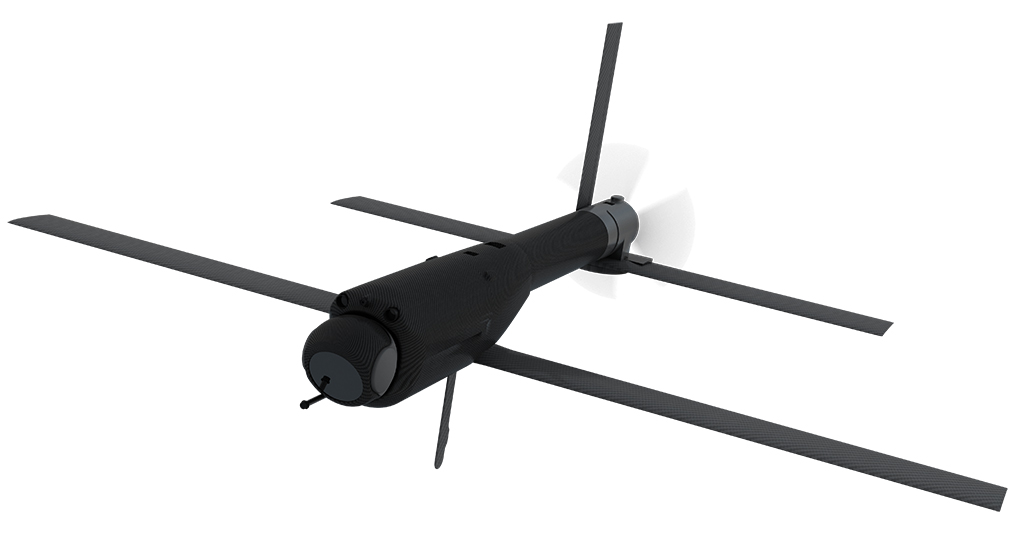
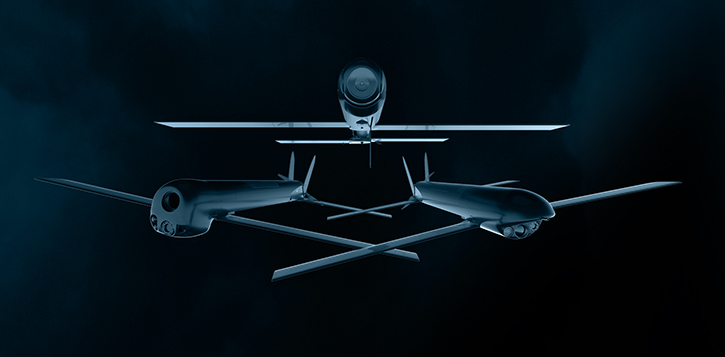
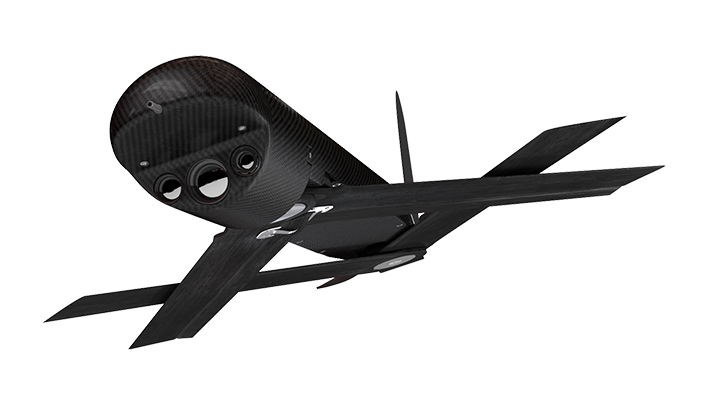
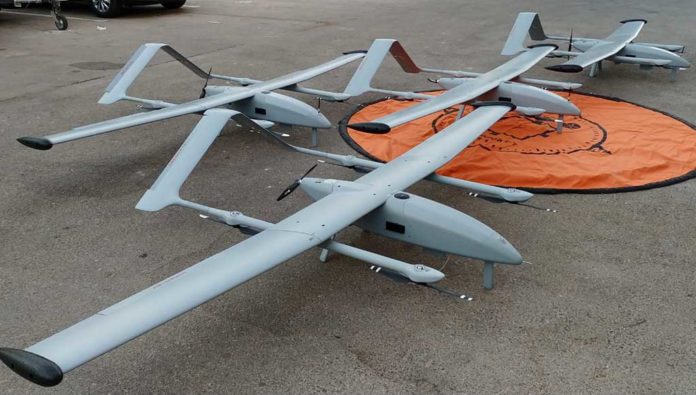
    BlueBird's WanderB VTOL drones ready for delivery. Photo: BlueBird Aerosystems
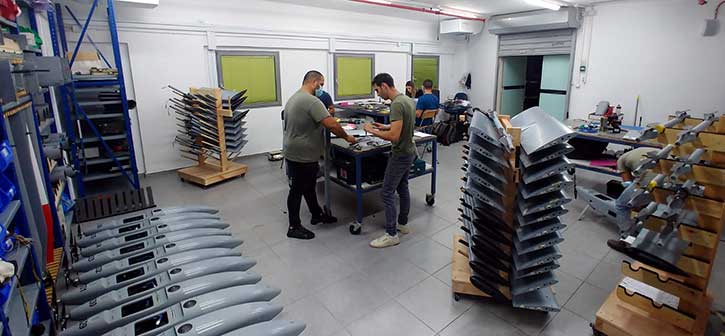
    Assembly line of WanderB drone fuselage sections. Photo: BlueBird Aerosystems

    Israel Aerospace Industries Ltd. (IAI) today signed an agreement to acquire 50% of the equity of BlueBird Aero Systems, an Israeli UAS developer and integrator in the small tactical UAS arena. As part of the transaction, IAI is acquiring the holdings of Piramal Technologies SA from India, which divested its 28.5% holding.

    IAI acquired additional shares from Fiberless Access and BlueBird founder Ronen Nadir. Following the acquisition, Nadir will hold 50% of BlueBird shares and continue to serve as the company’s CEO. The value of the acquisition was not disclosed but, previously published reports mentioned it was about $29 million.

    “The world moves toward small UAS, that leverages system miniaturization in platform and payloads to benefit users at the tactical and operational level,” Nadir said. In the past these missions were performed by tactical UAS, today, users perform these missions with smaller, more agile platforms, with minimal logistical footprint and operator support. Adding Vertical take-Off and Landing (VTOL) adds another dimension to these platforms, enabling organic, close support to land and naval forces.

    WanderB drone assembly. Photo: BlueBird Aerosystems

    Subscribe to read the background story

    The acquisition follows a streak of major contracts worth tens of millions of euros, awarded to BlueBird by several foreign customers. These contracts call for the delivery of 100 vertical take-off and landing (VTOL) UAS of various categories. The deals include the supply of about 200 UAS units of WanderB-VTOL Mini UAV and ThunderB-VTOL Tactical UAVs. These drones will be operated by infantry soldiers, armored units, artillery corps, and special forces. The contract marks the largest-ever sale of tactical VTOL UAS. According to Ronen Nadir, Founder, and CEO of BlueBird, that contract marked BlueBird’s success and world leadership in developing cutting edge VTOL solutions.

    “Winning these major new contracts brought us to the limelight, emphasizing the potential of a company like BlueBird to become a major power in the market, such a move is possible only with the active support of a strategic partner,” Nadir said. “It illustrates our proven ability to provide cost-effective, reliable, and high-performance solutions that are specifically designed to meet the needs of the modern battlefield,” Nadir added.

    “The acquisition of BlueBird is an implementation of this strategy, offering us an important leap forward in developing the next IAI UAV family.” IAI EVP and General Manager of the Military Aircraft Group of IAI, Moshe Levy, said, adding that combined, the company will be able to broaden its portfolio of VTOL products and advanced technologies at competitive prices.

    IAI’s move with BlueBird is the latest merger in Israel’s UAS scene. Prior to this move was the buyout of the Silver Arrow company by Elbit Systems in 1990, and Rafael’s acquisition of  Aeronautics Systems last year, for $243.5 million.

    GDLS Showcases a New Tracked Chassis for a 10-ton Military Robot

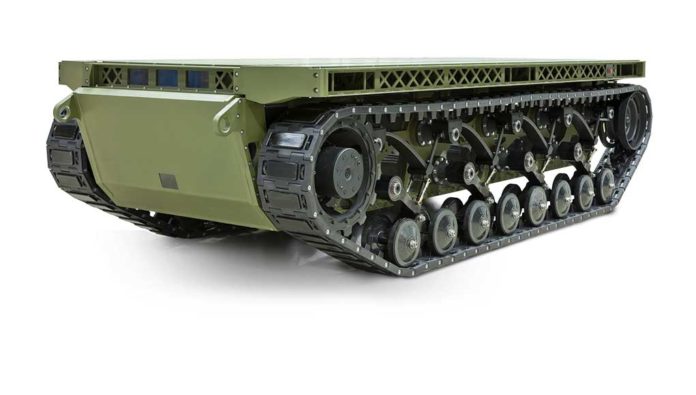
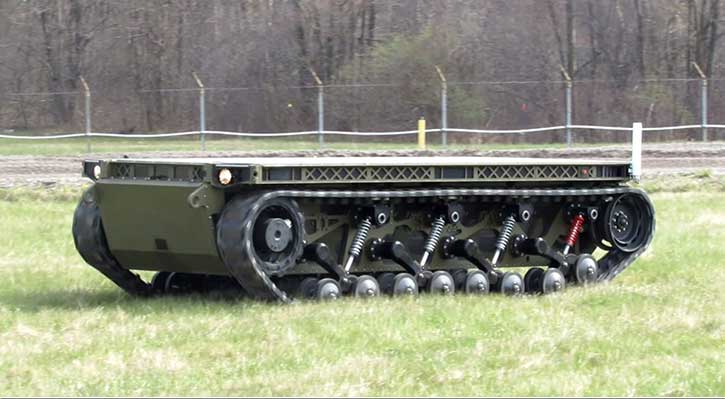
    Supporting the platform’s 10 ton GVW, TRX uses four double-tiered road wheel bogies, each paired with a suspension with spring. The motor is placed at the front, driving the sprocket. The idler is on the back. Photo: GDLS

    Users can attach different sensors on multiple places located around the platform, providing an easy adaptation for new missions and sensor technologies. Photo: GDLS

    General Dynamics Land Systems (GDLS) has unveiled a tracked robotic platform (TRX) designed to meet the US Army’s ‘Robotic Combat Vehicle – Medium’ class requirement. GDLS First displayed the platform in a small model designated ‘TL1’ shown at the AUSA Annual Meeting in Washington DC last year. Yesterday, TRX starred at the center of GDLS’ virtual display at the virtual Modern-Day Marine expo, hinting more information will be provided at the upcoming AUSA virtual event next month.

    “The TRX that you see on General Dynamics MDM display is an innovative solution that Land Systems developed. It is designed to be a multi-role vehicle that can fill any role – be it combat or service support for the military.” General Dynamics spokesperson noted. “This advanced capability can support virtually any mission package and be paired with any manned platform.”

    The TRX platform design builds on the success of the Multi-Utility Tactical Transport (MUTT), a lighter robotic vehicle developed by GDLS, which was selected by the U.S. Army for the Small Multipurpose Equipment Transport (S-MET) program.

    GDLS unveiled the TL1 as a concept robotic vehicle at the AUS Annual Meeting of 2019. Photo: Defense-Update

    TRX leverages the Warfighter/Machine Interface (WMI) for teleoperation and autonomous operations. created by the Ground Vehicle System Center (GVSC). Additionally, Land Systems engineers have leveraged MUTT concepts of electronic architecture and control, realizing a high level of component commonality among our growing family of unmanned ground vehicles.

    Meant to maintain pace with the Armored Brigade Combat Team (ABCT) and Stryker Brigade Combat Team (SBCT), TRX boasts a class-leading payload capacity of more than 10,000 pounds and a flat deck to accommodate any type of mission equipment package. At a gross vehicle weight of 10 ton, sling load is within the objective performance characteristics of the TRX. (Both CH-47F and CH-53K can lift this weight).

    GDLS’ TRX joins a trend of medium robotic platforms developed by several companies. The Estonian Type-X from Milrem Robotics represents this trend with (12 ton GVW) along with the M5 Ripsaw developed by Textron Systems (10.5 ton GVW). All three are fitted with remotely controlled turret and are teleoperated, move by waypoint navigation, or in a ‘follow-me’ mode of operation. Pratt Miller’s EMAV is slightly smaller, designed for 6.35 ton GVW.

    Subscribe to read the full report

    The prototype TRX chassis used a spring suspension. Note the difference in suspension as shown on the new platform. Photo: GDLS

    Russian MOD, Industries Highlight Artillery Rockets Advancement

    The Russian defense establishment’s perception of the place of artillery – in general, and rocket Artillery – in particular, has undergone a significant advancement over the past decade, placing these systems at a central place on the ground battlefield. This emphasis was evident at the recent Victory Parade in Moscow and at the Army Forum 2020 defense expo taking place in Kubinka this week.

    The new concept, promoted since the end of the previous decade, was reiterated by the deployment of rocket formations during the Russian takeover of the Crimean peninsula (2014). This concept was endorsed by the Russian Defense Minister and senior officials in the defense ministry, and the Army, and is supported by the allocation of appropriate funds for development and fielding.

    Extensive marketing activities carried out on parallel to the deployment of systems with the Russian Army, promote derivatives of new or improved combat systems to foreign customers to traditional and new customers. About 30% of the total world market needs in the artillery rocket area, supplied by the Russian defense industry (ROSTEC, ROSOBORONEXPORT, SPLAV NPO).

    These include China, India, Kazakhstan, Uzbekistan, Azerbaijan, Armenia, and Belarus, Arab countries including Iraq, Syria, and Algeria, as well as new customers – including Turkey, Venezuela, and Peru.


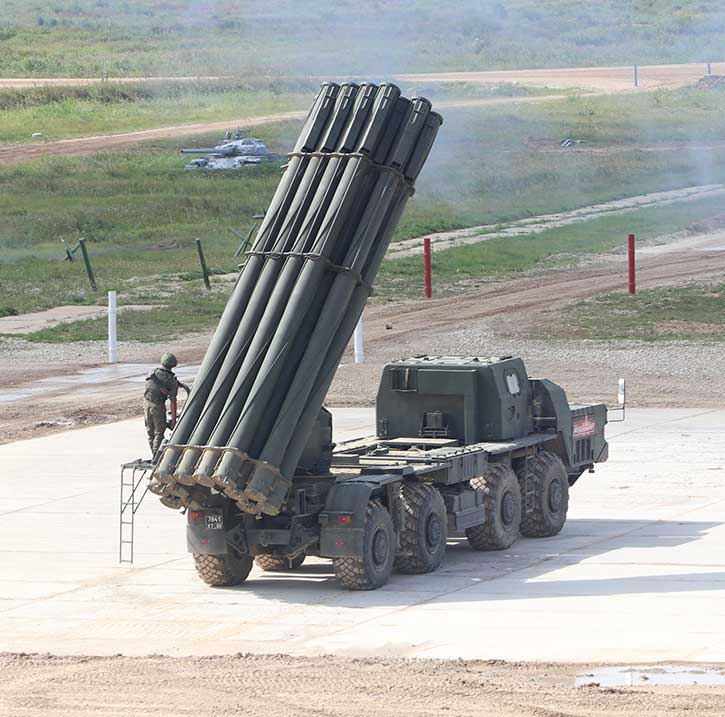
    Tornado-S 9A52-4 Rocket Launcher performs a live demonstration at the Army Forum 2019 event. Photo: Defense-Update

    Artillery systems centered on rockets are considered as a system of systems that encompasses target acquisition measures, including unmanned aerial systems, aiming devices, and fire control systems. Significant improvements in modern rocket systems are range extension, with most rockets reaching a range of 90-120 km. Increased accuracy is another emphasis, with the latest ordnance achieving circular error probability of 30-10 meters, relying on different guidance kits. In June 2020, a team of developers from SPLAV Corporation received the “General Zhukov Award, endorsed by President Putin, for developing the “Corrected Trajectory Smerch”.

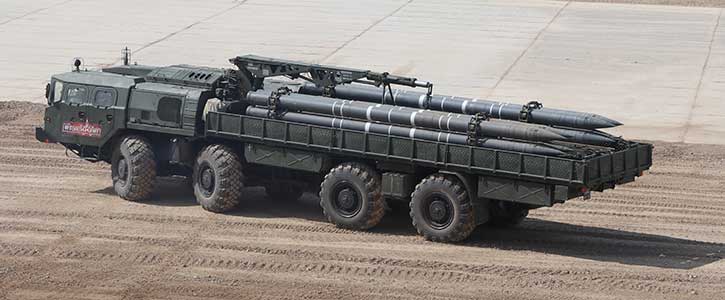
    Tornado-S transloader supports a rocket launcher deployment and rearming at Army Forum 2019. Photo: Defense-Update

    The Russian defense ministry invests many resources in the artillery rocket industrial base and related technologies, including rocket propulsion, cluster munitions, flight computers, course correction navigation, system integration, and engineering. Regarding warhead technologies, the Russian MOD and defense industries continue to develop, manufacture, market, and sell a wide range of rocket warheads, including cluster munitions that are now excluded from the inventories of most of the western world’s armies. These cluster rockets include anti-armor, counter-mobility and anti-personnel bomblets and sub-munitions, scatterable mines, and top-attack smart munitions.

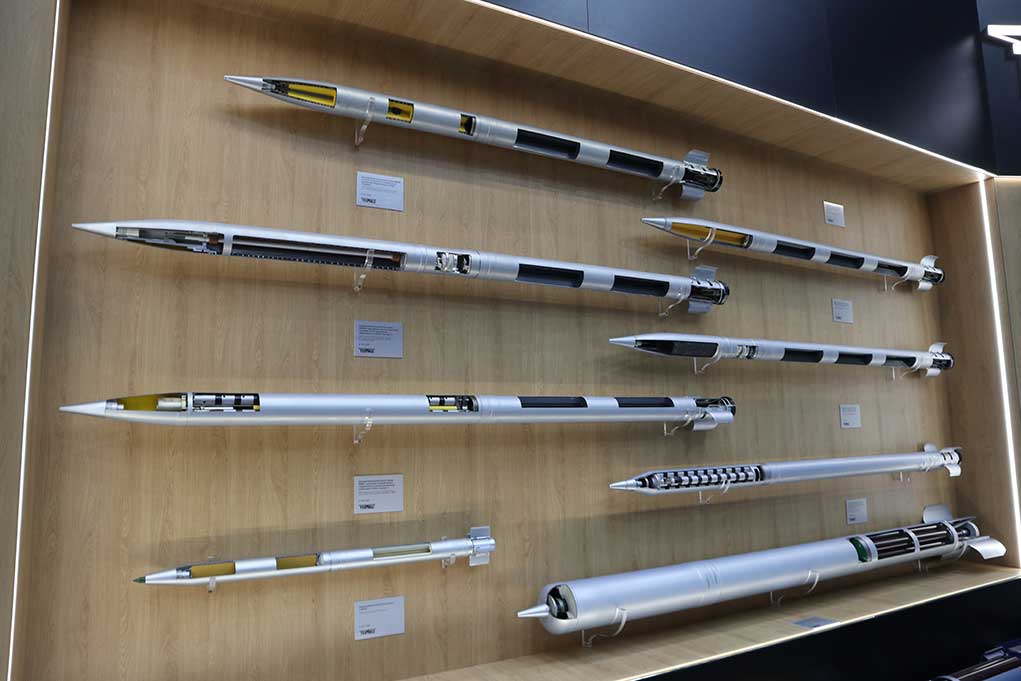
    A range of artillery rockets displayed by Techmash at the Army Forum 2019. Photo: defense-Update

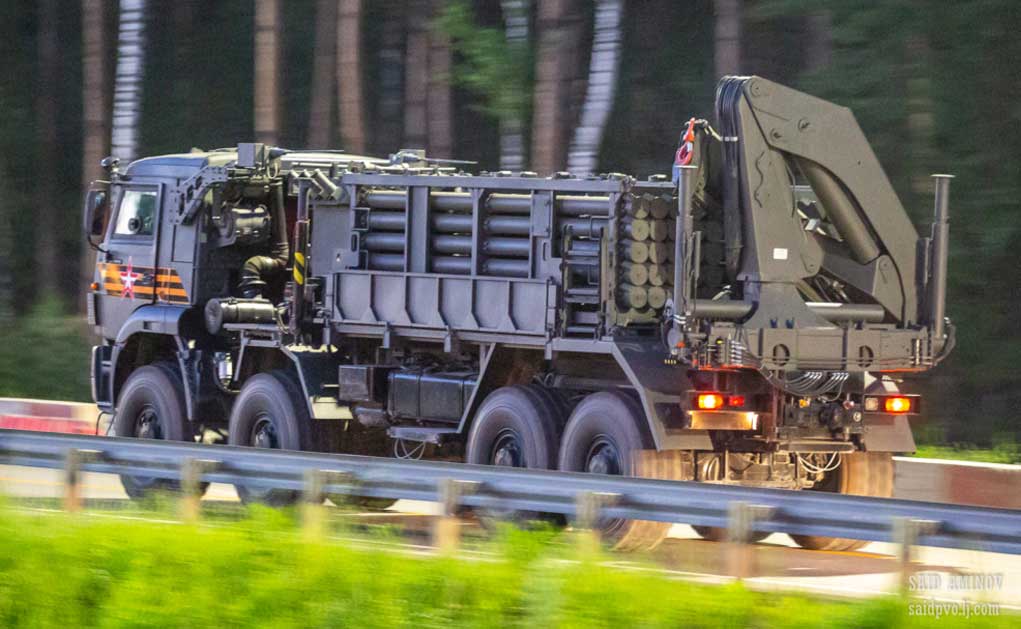
    It is worth noting that modern artillery rocket systems in the Russian inventory and those recently unveiled, are based on the concept of reloading individual rockets rather than using a rocket POD. Individual loading improves the unit’s operational flexibility and agility, in firing few accurate shots, instead of expanding big rocket salvos. To assist in loading those rather heavy munitions, most of the new rocket carriers use an integral crane. The crane allows the rockets to be reloaded from any transport vehicle, eliminating the need for a dedicated ammunition loader vehicle.

    Complementary systems deliver situational awareness, orientation, and digital command, control, and communications systems enabling units to coordinate actions with higher and lower echelons, as well as with neighboring forces.

    The Russians focus the modernization of their artillery inventory on the following systems:

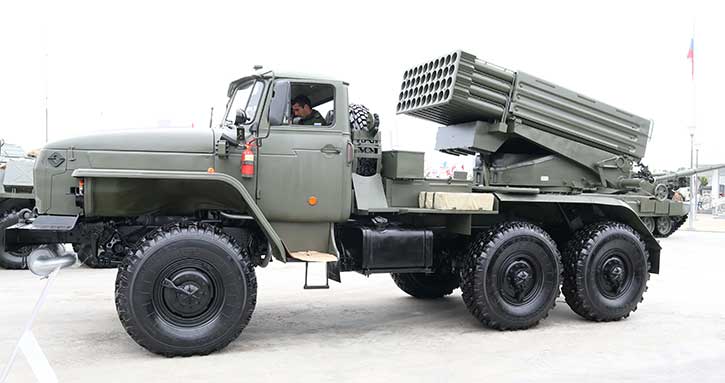
    TORNADO – G 9A53-G – the latest upgrade of the classic 122 mm (GRAD, BM-21) system is mounted on an advanced 6X6 launcher-carrier vehicle. Tornado-G offers a reduced crew, increased autonomy, accelerated deployment, and post-firing disengagement. A variety of rockets, including a new reduced range (20km) with heavier warheads, are introduced. However, no data has been released about accurate 122 mm rockets of a Russian origin.
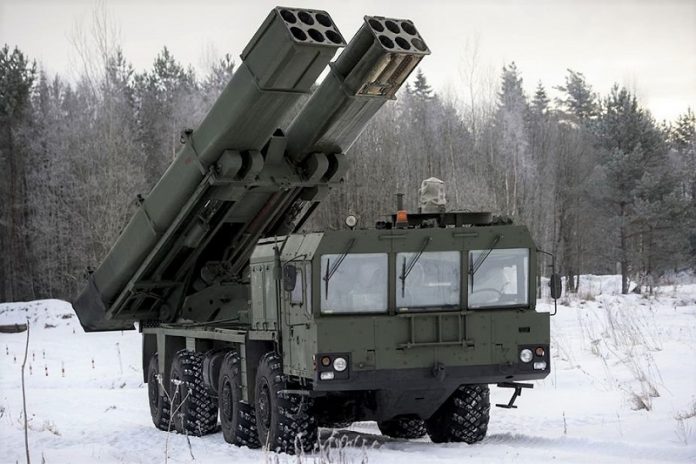
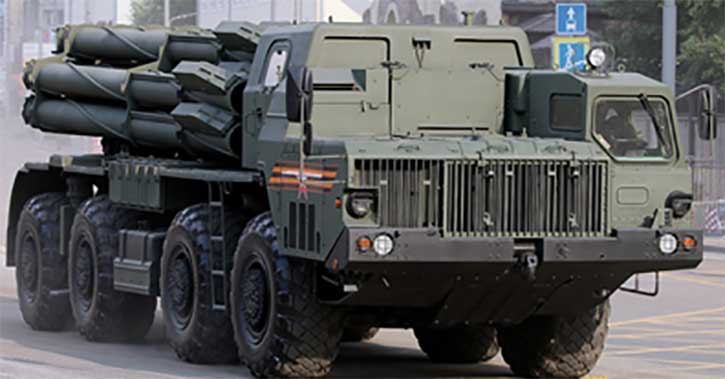
    Uragan-1M (BM-27) MLRS

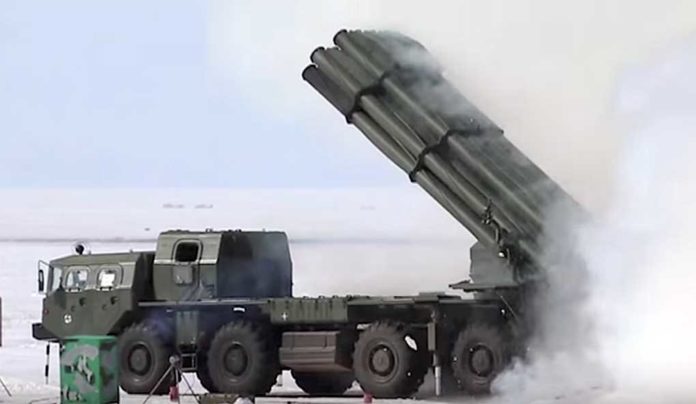
    URAGAN (BM-27) 9A53-U – also known as URAGAN-1M, it is the latest variant of the 220 mm rockets carrier-launcher, mounted on an 8X8 vehicle. As far as known, it is not clear whether the BM-27 has entered series production. The improvements include an 8X8 modern platform launcher, marked 7930-MZKT. The BM-27 uses trajectory-corrected rockets. Conflicting information regarding the status of the system. According to open sources, the system completed testing, and deliveries have begun. According to other sources, no decision on launching serial production has been made. It should be noted that in none of the Victory Day parades were URAGAN (BM-27) launchers observed. This, neither in its original version nor in the improved model. Moreover, neither the launcher nor its armaments are displayed in arms catalogs or other marketing material distributed by SPLAV NPO or ROSOBORONEXPORT, further indicating the questionable status of the system.

    Tornado S participating at the Victory Parade of 2020
    Tornado-S now deploys with course-corrected rockets delivering 30-10 m’ precision from a distance of 120 km.

    TORNADO – S (9A52-4)- The most advanced model in the SMERCH family, BM-30 (12 rockets 300 mm in diameter). The system was first introduced in motion – six platforms participated in the Moscow parade and a similar amount in the parades in two more cities. The advanced system, still based on the traditional launch vehicle (8X8), now carries trajectory corrected rockets (CEP of 30 to 10 m) and a maximum range of 120 km.

    TOS-2 rocket launcher can send heavy thermobaric rockets 10 km away.

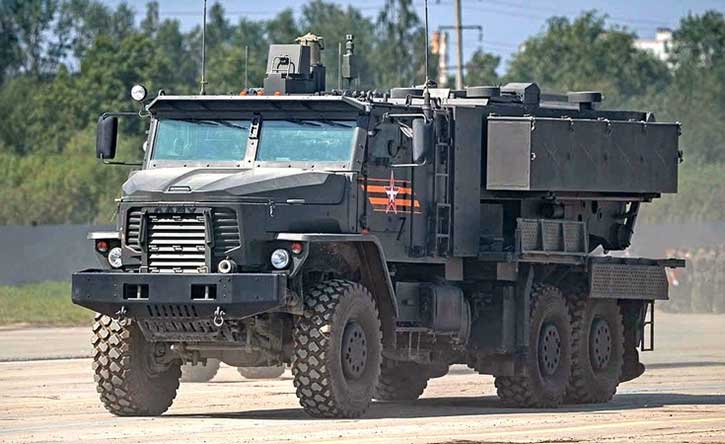
    TOS – A family of rocket launching systems 220 mm in diameter and with a thermobaric warhead. The family includes two types of tracked lunchers, using T-72 chassis (TOS-1) and an upgraded version – TOS 1A modeled on the T-90S chassis. Another version, utilizing a 6X6 wheeled carrier designated TOS 2 (TOSOCHKA), was displayed at the June 2020 red-square parade. The range was enhanced to 10 km, and the accuracy improved as well.


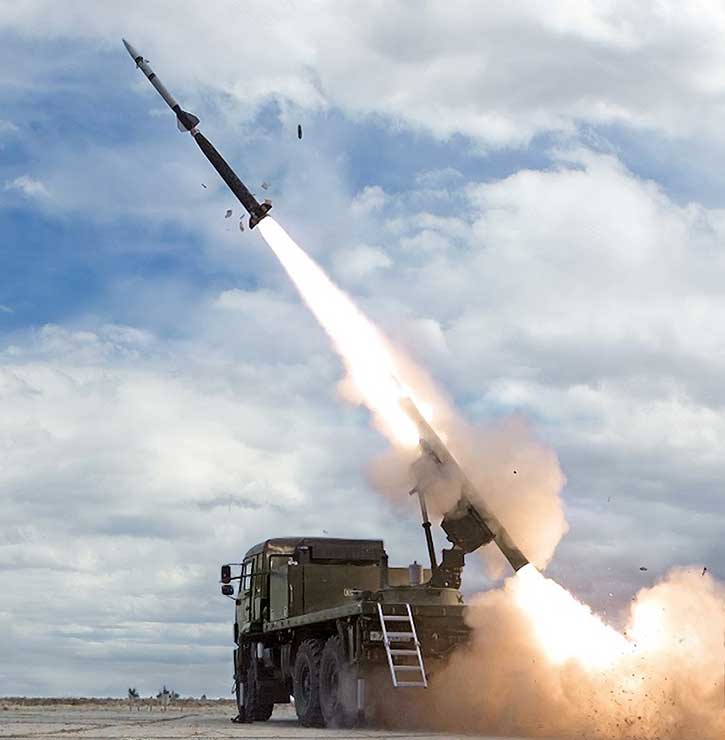
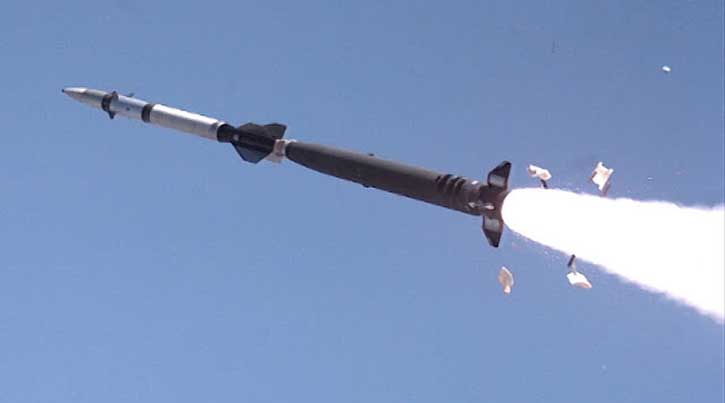
    Launch text of a Hermes precision-guided missile.

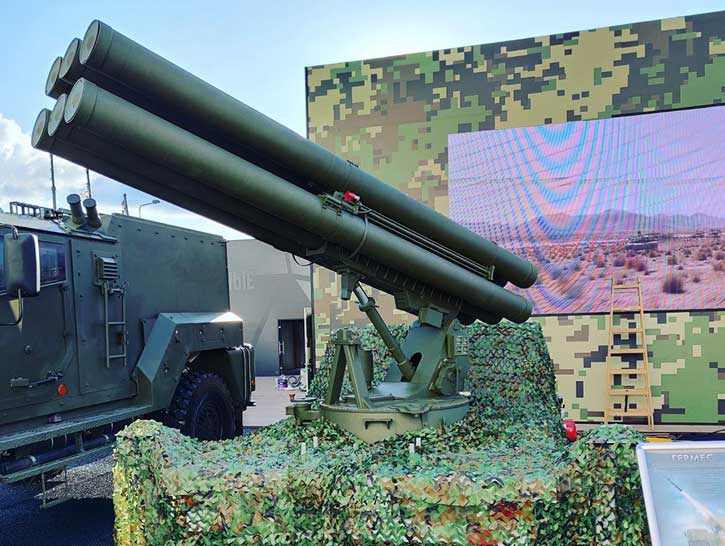
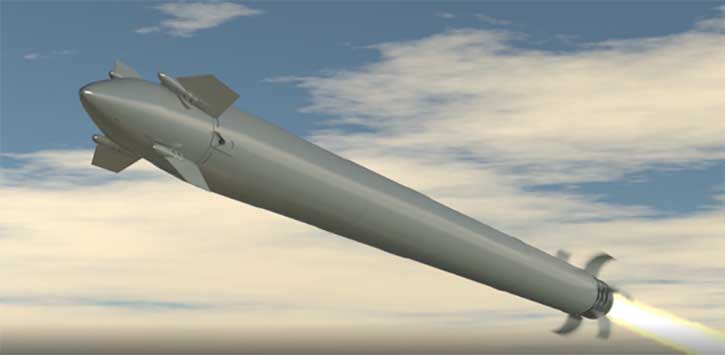
    Hermes guided missile launcher – KBP Instrument Design Bureau unveils a truck-mounted precision-guided missile that can hit targets at a range of up to 100km with a precision of 10 meters. The Hermes guided weapon system comprises carrier-launcher combat vehicles, a command vehicle, and loader-transporter. The system can operate autonomously based on targeting information provided by unmanned aerial systems. Unlike course-corrected rocket artillery using satellite navigation, As a fire-and-forget missile, Hermes employs inertial or radio-navigation guidance for mid-course, with passive or laser guidance for terminal homing, claiming a precision of 0.5 m’ for a laser-guided strike. Hermes guided missiles are provided for land, helicopters or drones (Hermes A), and naval (Hermes K) applications. The missile employs a unique, scalable design using a two-stage bi-caliber booster-sustainer, accelerating the missile to an initial velocity of 1,000 m/sec. carrying a 30 kg warhead.

    Hermes is a 110kg two-stage missile, with 170mm and 130mm caliber. warhead weight is 30 kg.
    A six-tube Hermes launcher is displayed at the Army forum 2020.
    ISDM Transloader

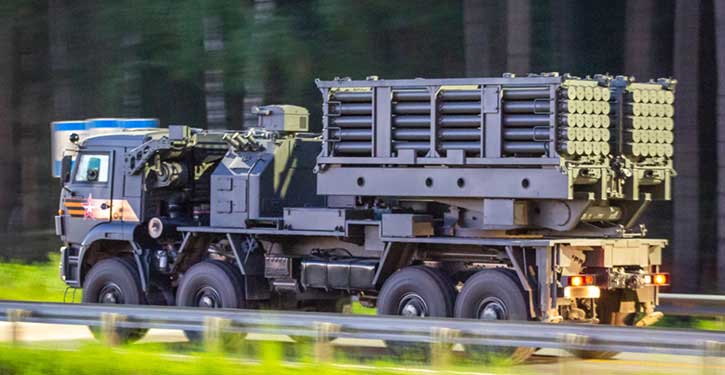
    ISDM – Remote Mining Engineering System designated ‘Agriculture’ was developed by the SPLAV NPO corporation, a division of TECHMASH. This rocket system is used for remotely scattering mines, creating minefields as part of counter-mobility operations, at distances of 5-15 km from the launcher. The system consists of a launching vehicle carrying two multiple-rocket launchers, each stacked with 50x122mm launch tubes, and a reloader vehicle.

    After deployment, the locations of mines are recorded with satellite positioning mapping and transferred to the forces operating in the area. The mines are specially designed for the ISDM and employ a self-destruct mechanism, thus comply with international agreements.

    ISDM ‘Agriculture’ Mine Scattering launcher

    The Danger of Ammonium Nitrate

    The huge blast that destroyed the port of Beirut on 4 August 2020 was caused by a secondary explosion of 2,750 tons of Ammonium Nitrate stored on site.

    On Tuesday, August 4th, an explosion went off in the port of Beirut, Lebanon, that has devasted the city, killing over 178 and injuring over 6,000 people. Rescue workers have been digging through the rubble, attempting to find survivors of the blast that has left 300,000 people temporarily homeless and caused damage upwards of an estimated $15B.

    The massive explosion followed a large fire where a warehouse went up in flames. Initially, plumes of smoke were seen coming from the fire, which was then followed by one of two explosions.

    About a half a minute later, an enormous second blast sent a mushroom cloud of reddish smoke into the air, and a supersonic blast that ripped through the atmosphere, radiating throughout the city. The source of the explosion? About 2,750 metric tons of Ammonium Nitrate confiscated from a Russian cargo ship in 2014 and stored since near the port docks.

    Sacks of Ammonium Nitrate confiscated from a cargo ship at the port of Beirut in 2014.

    What is Ammonium Nitrate?

    Ammonium Nitrate (NH4NO3) is an odorless, crystalline substance that is the result of a reaction between ammonia (NH3) and Nitric Acid (HNO3). Ammonium Nitrate is commonly used as fertilizer in granule form, as it dissolves under moisture allowing Nitrogen to be released into the soil.

    For this reason, it plays an essential role as a fertilizer, in farming and agriculture. However, due to its explosive properties, it is also a key ingredient for bulk commercial explosives, often used in both the construction and mining industries. In fact, over the past decade, Ammonium Nitrate has been the cause of numerous accidental industrial explosions across the globe.

    How did it happen?

    Surprisingly, Ammonium Nitrate is quite difficult to ignite. In its pure form, it is not dangerous, nor is it explosive on its own. However, when energy is applied to it, the molecule is no longer stable. Though not combustible on its own, Ammonium Nitrate is an oxidizer which intensifies combustion, allowing other substances to ignite easily. The substance is heat sensitive and may become explosive if exposed to an explosive mixture, fuel, or fire.

    The reddish-orange smoke, suggests the incident was likely an accident

    Such is the case as we have seen happen in Beirut. The explosive precursor was exposed to the initial fire, causing a blast that was felt in as far as Syria, Israel, Turkey, some parts of Europe, and was even heard as far as Cyprus over 150 miles away. The event charted a seismic tremor at a magnitude of 3.3 on the Richter scale, a measure of the strength of Earthquakes, as reported by the United States Geological Survey; an event that surely would have been higher had most of the energy not been thrust upwards into the atmosphere rather than into Earth’s core as is the case with major earthquakes.

    We know the Ammonium Nitrate played a role in the second, larger explosion due to the red smoke seen in the countless videos surfacing online. When decomposed, Ammonium Nitrate primarily breaks down into several gases: Nitrogen, water vapor, and Oxygen [2 NH4NO3(s)→ 2N2(g)+ 4 H2O(g) + O2(g)]. The rapid release of these gases, and the accelerated expansion of Ammonium Nitrate from solid to gas, is what caused such a tremendous explosion. Other reactions create gases like Nitrogen Dioxide (NO2) and Ammonia (NH3), the former which causes an orange-red smoke, as can be seen, thrust up and into the air immediately following the larger secondary blast in Beirut.

    The black smoke and the secondary reddish-orange smoke however represent an incomplete reaction, suggesting the incident was likely an accident and unintentional, as a complete reaction would have displayed black and red, rather than white and red smoke. However, at this stage of course we cannot be certain. But what we can be certain about, where we find a huge mistake with severe consequences, is in the unacceptable storage conditions where Ammonium Nitrate was held in Beirut. Because it is a valuable commodity, the substance is produced by hundreds of manufacturers worldwide – and with that comes regulation.

    The Occupational Safety and Health Administration and the Department of Homeland Security, both who regulate the substance, state that any quantity over 1,000 pounds of fertilizer-grade Ammonium Nitrate, must be stored in a building no higher than one-story, must have an ample water supply and nearby fire-hydrants, and sufficient ventilation in case of a fire.

    Where else do we see Ammonium Nitrate?

    Besides its commercial uses for fertilizer and bulk explosives, Ammonium Nitrate is also the prime ingredient used in Improvised Explosive Devices (IEDs), and homemade explosives often used by the Taliban and many other terrorist groups around the world. Explosives and IEDs must contain a fuel or explosive mixture, and an oxidizer. Ammonium Nitrate is often used with commercial explosives such as RDX or TNT, where a small explosion triggers a reaction for a larger explosion.

    Another common example is Ammonium Nitrate Fuel Oil (ANFO), where Ammonium Nitrate serves as the oxidizer, mixed with fuel oil (the fuel source). since its first malicious use in the Sterling Hall Bombing at the University of Madison-Wisconsin in 1970, ANFO has been the source of countless acts of terrorism across the globe (Oklahoma City 1995, Ireland 1972 and 1973, London 1993, Peru 1992, China 2001, Greece 2010, Oslo 2011, etc.).

    How do we identify Ammonium Nitrate?

    In most cases, Ammonium Nitrate comes in an odorless, solid form of dry ‘prills’ or little round pellet-like spheres formed by melted liquid. In some cases, it may take a crystal form, or a more salt-like granule form when the crystals are crushed. The substance is usually white, although in some cases may appear with a yellowish tint. In less common cases the substance maybe orange or brownish. As the substance is manufactured both legally and illegally around the globe – its appearance may vary. However, to the naked eye, it would often be almost impossible to distinguish the substance from any other dozens of substances that come in a white powder-like form. For this reason, it is important to use reliable technologies for the detection and identification of such hazardous materials.

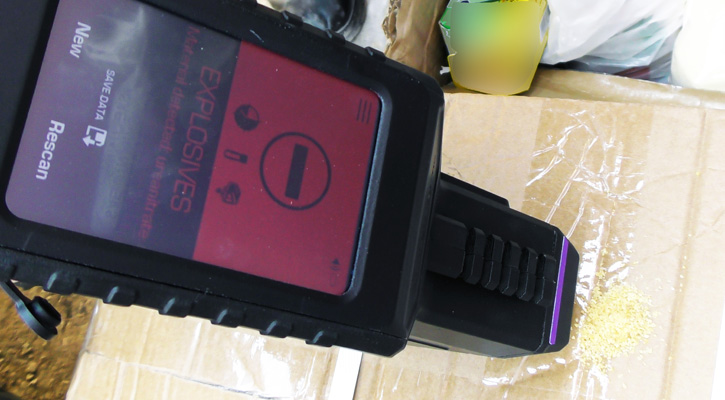
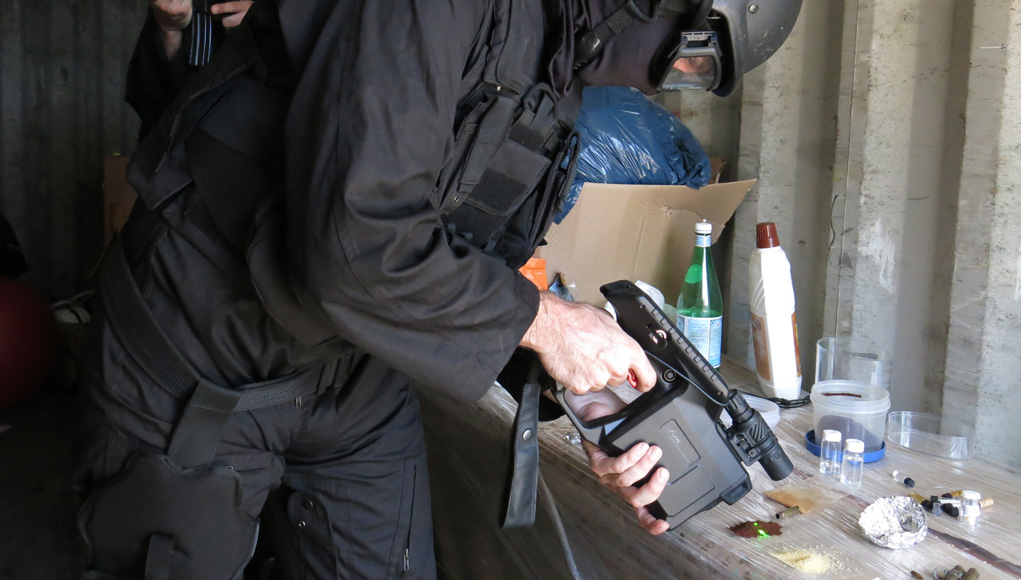
    Laser Detect Systems (LDS) specializes in the detection and identification of hazardous substances such as explosives, narcotics, and precursors. Precursors, like Ammonium Nitrate, are ingredients for explosives or narcotics. Oftentimes on their own, these substances may seem innocent, but when combined with the right materials can be extremely dangerous. Another common example is Potassium Chlorate (KClO3) which is commercially used to make matchsticks light.

    G-SCAN uses laser Raman Spectroscopy to detect explosive substances or explosive precursor materials in liquid, bulk, or powder form. Photo: Laser detect Systems

    In fact, there are dozens of other common precursors that we find in everyday households that can be used to make explosives. For example, due to easy access to its ingredients, TATP (Tri-Acetone, Tri-Peroxide), nicknamed the “Mother of Satan,” is a very deadly explosive that has been used by terrorists in dozens of disastrous bombings worldwide over the past twenty years (London 2005, Paris 2015, Brussel 2016, Manchester 2017, Sri Lanka 2019). Its precursors include Acetone, commonly used as nail polish remover, and highly concentrated Hydrogen Peroxide. At 6% concentration this substance is used as blond hair bleach, and at 9% in a platinum blonde hair bleach; but at over 18% Hydrogen Peroxide is used as an explosive precursor. When mixed with a little bit of acid, lemon juice, for example, the substance crystallizes into TATP, a dangerous and unstable explosive substance that requires a small amount of the substance for a large effect.

    LDS utilizes multiple technologies in its various products to detect not only explosives and narcotics but their precursors in all forms: solid, liquid, gas. Furthermore, LDS systems can detect residual traces of these substances invisible to the naked eye – both across surfaces, and airborne in the air surrounding us.

    LDS has developed a hand-held laser-based sensor that can instantly detect and identify explosives. Photo: Laser Detect Systems.

    The idea behind detecting and identifying precursors is to develop a preventative strategy and identify these substances on their own before they become an explosive, or immediate threat. Furthermore, with advanced capabilities to sense new substances, detect and identify new materials, LDS systems have the ability to adapt to evolving threats, and grow their known database as the threats grow – an important feature that is critical in today’s day and age where terrorists are connected worldwide, becoming smarter with each day and finding new and innovative ways to produce and conceal explosives.

    For more information on LDS, its technologies, and products contact Tom Gilad or visit Laser-Detect.

    Iron Dome: Services Tighten Joint Operability, Rafael and Raytheon Expand Cooperation

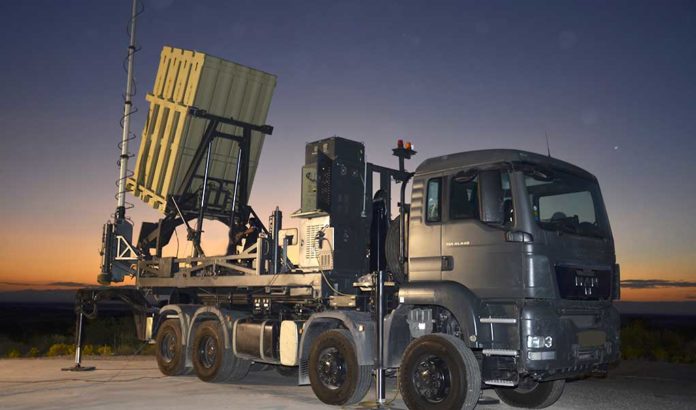
    Iron Dome unit mounted on a MAN truck. The US Army intends to mount the system on the Oshkosh HEMTT A4 8x8 heavy truck that loads up to 10 tons. Photo: Rafael

    Raytheon Technologies and Rafael Advanced Defense Systems have signed today a joint venture to establish a production facility for the Iron Dome Weapon System in the United States. The new partnership, called Raytheon RAFAEL Area Protection Systems, anticipates finalizing a site location before the end of the year. This will be the first Iron Dome all-up-round facility outside of Israel.

    The U.S. production facility will provide Israel the ability to finance the acquisition of Iron Dome batteries, and Tamir missile interceptor reloads with U.S. military support. It will also provide the U.S. Department of Defense and allies across the globe to obtain the Iron Dome system for the defense of their service members and critical infrastructure. “We have long partnered on U.S. production of Iron Dome and are pleased to increase manufacturing and bring SkyHunter to the U.S.,” said Brig. Gen. (res.) Pini Yungman, executive vice president for Air and Missile Defense of Rafael Advanced Defense Systems.

    The majority of Tamir missile components are already procured through the Raytheon Missiles & Defense supply chain in the United States. The new facility will produce both the Iron Dome Weapon System, which consists of the Tamir interceptor and launcher, and the SkyHunter missile, a U.S. derivative of Tamir. The SkyHunter addresses component and system changes required to meet U.S. certification and regulation but otherwise is identical to Israel’s Tamir, in system interfaces and performance. Both Tamir and SkyHunter intercept incoming cruise missiles, unmanned aerial systems, and short-range targets such as rockets, artillery, mortars, and other aerial threats.

    First deployed in 2011, Rafael’s Iron Dome has become one of the symbols of Israel’s defense innovation, for its capability to defeat thousands of rocket attacks launched at Israel since 2011. Today, some 10 batteries are operated with Israel’s Air Force Air Defense Command, five by the regular forces, and five with the reserve component. The Israeli Navy is also fielding a naval version of the Iron Dome called ‘C-Dome’ on its newest Magen corvettes, tasked with safeguarding Israel’s offshore gas platforms in the Eastern Mediterranean.

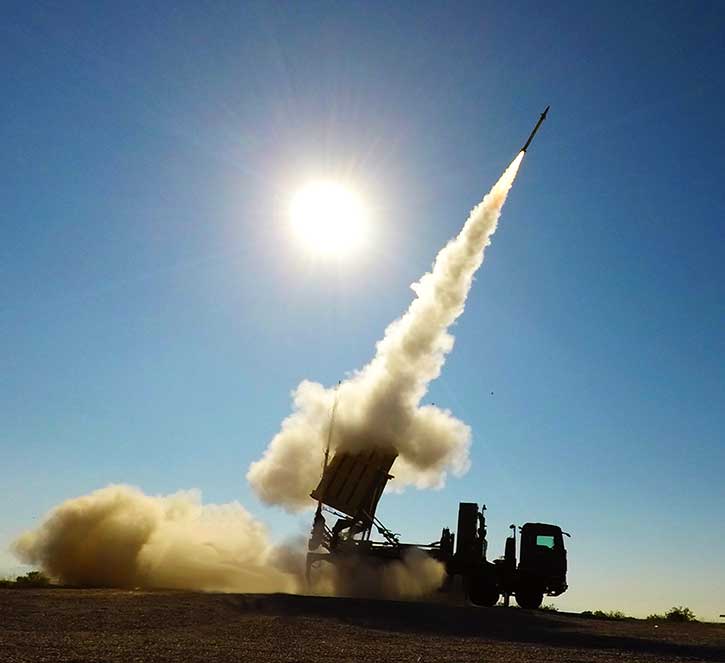
    A launch of Tamir missile from a mobile Iron-Dome launcher. Photo: Rafael

    Iron Dome detects, assesses, and intercepts a variety of shorter-range targets such as rockets, artillery, and mortars. The system has also been tested and proved its capability to intercept unmanned aerial vehicles and mortar rounds. It is effective day or night and in all weather conditions, including low clouds, rain, dust storms, and fog. It features a first-of-its-kind multi-mission launcher designed to fire a variety of interceptor missiles.

    Iron Dome’s Tamir missile knocks down incoming threats launched from ranges of 4-70 km. Tamir missiles feature electro-optical sensors and steering fins with proximity fuze blast warheads. The interceptor has also been validated against unmanned aerial vehicles, and countering rockets, mortars, and missiles (C-RAM).

    Ten Iron Dome batteries already protect the citizens and infrastructure of Israel, with each battery comprising three to four stationary launchers, 20 Tamir missiles, and a battlefield radar. Each of the batteries can defend up to nearly 150 square kilometers and are strategically placed around cities to intercept threats headed toward populated areas. The intelligent Iron Dome system ignores incoming threats it determines will land in uninhabited areas, thereby minimizing unnecessary defensive launches and lowering operation costs.

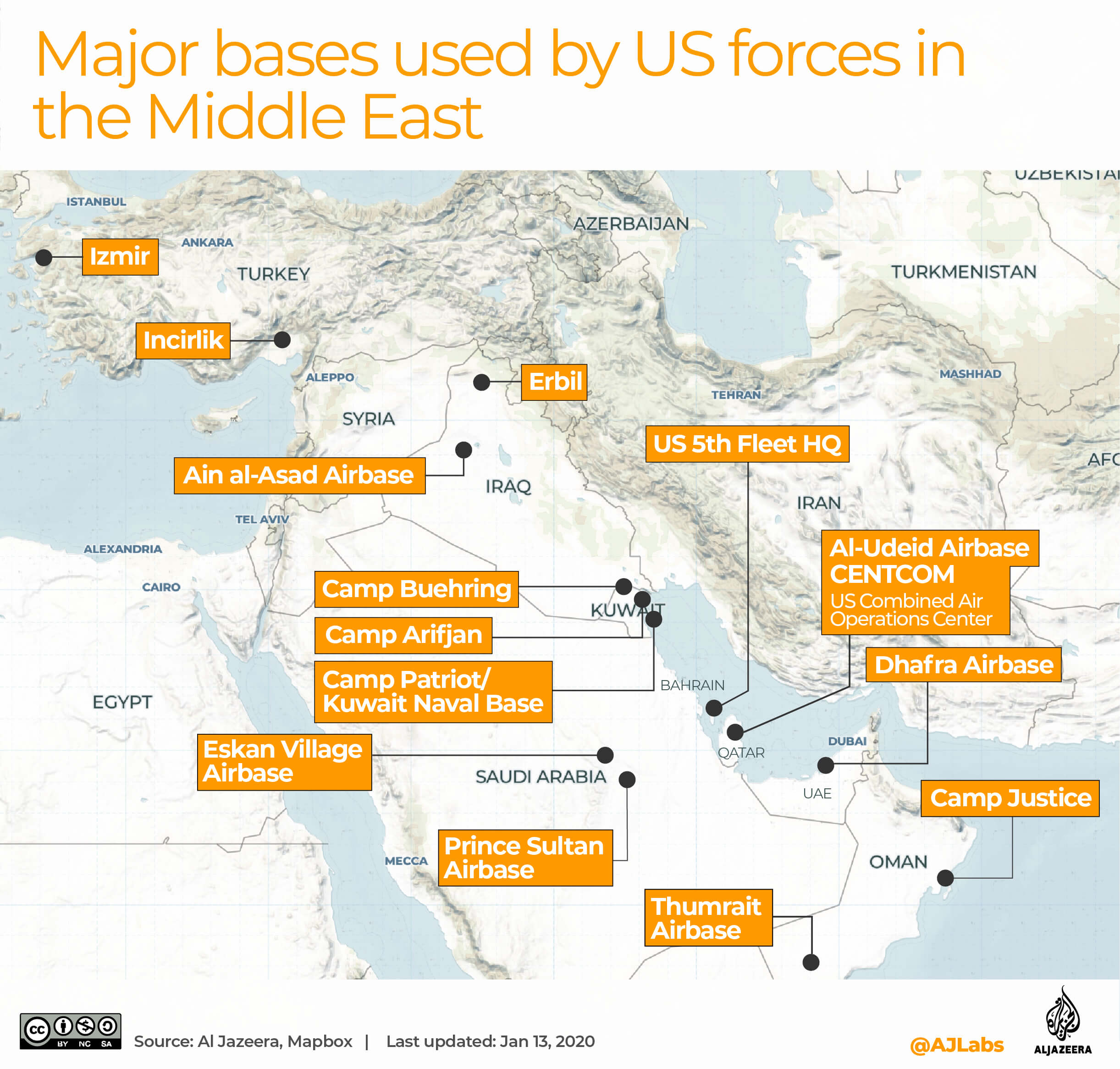
    Major bases us used by U.S. forces in the Middle East. Source: Al Jazeera

    Given interest by the U.S. and several other nations in Iron Dome’s unique capabilities, Raytheon Missiles & Defense has introduced a US-made variant of the system dubbed ‘SkyHunter’. In 2019, the U.S. Army announced its intent to buy two Iron Dome batteries to fill a need for an interim capability. The U.S. Army has chosen Iron Dome as an interim capability to counter cruise missiles. At the same time, it continues to develop a future Indirect Fires Protection Capability (IFPC) to counter those threats as well as enemy UAS and RAM. The acquisition, mandated by Congress, will be used to acquire systems that will protect U.S. forces overseas from rocket and missile attacks.

    THAAD and Iron Dome Integration – Premium Content

    AN/TPY-2 radars are operating in the Middle East by the U.S. Army, the UAE, and Saudi Arabia. A document guiding the joint operations of US THAAD and Israeli Iron Dome was signed last week by the U.S. and Israeli air forces, Navy and Army. The agreement addressed the requirements for the joint operation of the two systems in case of an emergency in Israel. The U.S. has stationed AN/TPY-2 radar in Israel.

    Downing an Azeri Strategic Drone – Fake or True?

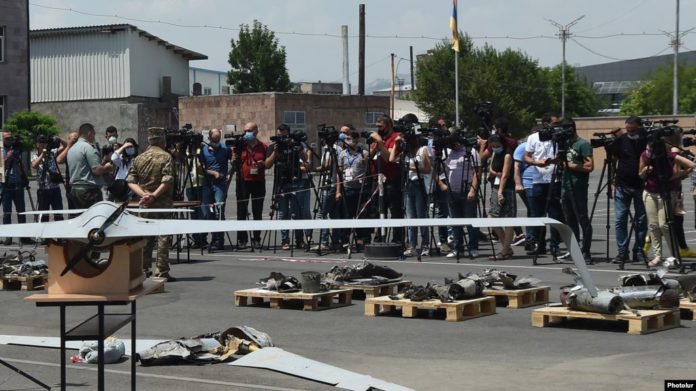
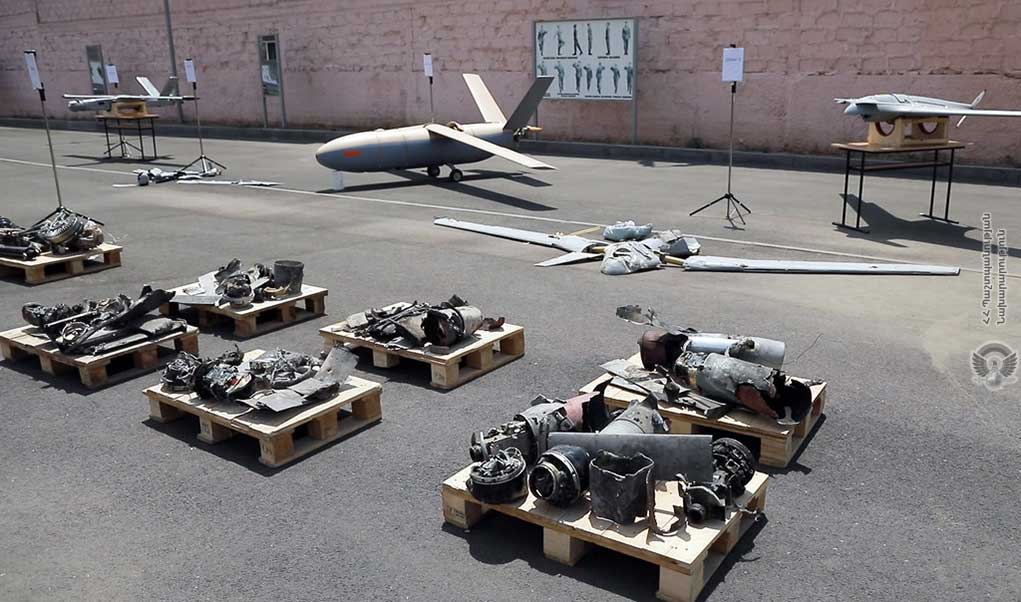
    The Armenian military invited the press to witness the debris of some of the 13 drones claimed to have shot down last week. Most of these are small tactical drones, not strategic UAS.
    Compare the upper image grabbed from the video with an image of Hermes 900 shown in a similar view. The upper aircraft has two engines, a single vertical tail, and horizontal tailplane. it lacks the bulge on the upper fuselage, the Hermes 900 has a large V-tail and slender body. It looks like a passenger jet aircraft. Hopefully, it is just a fake video, not another mistake of shooting down a passenger jet…

    A recent flare-up in the ongoing border dispute between Armenia and Azerbaijan in the Tavush province bordering the Tovuz district in western Azerbaijan has demonstrated the growing role of unmanned aerial systems in modern warfare. At least 12 Azerbaijani servicemen, including an army general, and four Armenian soldiers died in the border clashes.

    Both sides claimed downing multiple drones and loitering weapons. However, each side denied the other’s claims. Presenting visual proofs of such incidents, or debris of crashed drones would provide an undisputed proof of those claims, but in our digital age, such proofs must be taken with a grain of salt, since what you see on video and pictures may not be exact, or even close to what was real.

    Take, for example, the Armenian MOD claim they have shot down 13 Azeri small tactical unmanned aerial vehicles (STUAS) and loitering weapons of different types.

    Among the drones displayed was Orbiter 3, ThunderB and Hermes 180, all tactical drones, not the Hermes 900 Yerevan claimed to have shot down.

    They also claimed to have shot down the largest, and newest Hermes-900 strategic drone recently delivered by Israel’s Elbit Systems. Armenia provided parts of some of these drones, to substantiate its claim, but hasn’t been able to back the shooting down of the Hermes 900.

    The Armenian MOD specifically identified the drone’s designation and maker. To further back their story, official sources in Yerevan released what looks like an amateur video shot with a mobile phone on-site, showing a view of the target viewed by an optical sight. The video continues with the camera zoom in on the target that looks like a fixed-wing aircraft as it ascends flying from right to left. Then, a noise of what seems to be a missile launch is heard in the background. A few seconds later, a circular effect that looks like a fireball appears, and people are cheering “we have downed it”, vapor trails can be ‘fireball’ appears over the aircraft indicating the intercept. Is that the view of real engagement?

    While convincing video footage would provide proof of this claim, a fake video does the opposite. To begin with, the silhouette of the aircraft shown in the video is most likely a twin-engine, narrow-body passenger jet, not a UAS. The silhouette is definitely not the Hermes-900 Armenia claims to have shot down, since it lacks distinctive elements, such as a slender fuselage, large V tail, and a nose bulge, containing the drones’ SATCOM terminal.

    Strategic UAS like Hermes 900 fly on reconnaissance missions as far as possible from the front line, in what is known as ‘standoff range’, out of the range of air defenses. Although Armenia possesses significant surface-to-air missiles such as the S-300, engagement by such assets would have been taken at a great distance from the launch site, which wouldn’t make such a visual record possible. An intercept by a closer range weapon, such as the new Armenian TorM2MK (effective 15 km would be visual, but unlikely as a Hermes 900 flying a stand-off mission would not fly into Thor’s kill zone.)

    The third problem in the video is the explosion. The video shows a perfect circle done with a simple visual effect. A more convincing view would a blurred image of a terminal effect of a warhead, followed by the remains of the target descending to the ground (the Hermes typically flies above 15,000 ft, which provides plenty of opportunities to show a drone, its wings and other parts descending down in flames.)

    Baku denied one of their new Hermes 900 was lost, (though evidence of other tactical drones was not denied), and we have managed to substantiate this claim with independent sources. Therefore, we tend to agree with Azerbaijan’s position that their Hermes 900s are intact. So, why did Yerevan take such a dubious act to claim something that did not happen?

    Until now, Azerbaijan and Armenia maintained close to parity in the weapon systems they use against each other, the entry of advanced, strategic drones disrupt this balance, offering the Azeri side persistent coverage of the theater, operating beyond the reach of most of the Armenian air defenses. Claiming they have shot down such an asset has drawn the attention of Russian experts, that immediately arrived in Armenia for ‘preplanned air defense drills’. According to Yerevan, the purpose of these drills is to develop new methods of countering hostile UAS. Russia needs a ‘winning picture’ after their SA-22 Pantsir S mobile air defense systems have suffered humiliating defeats from Turkish drones operating in Libya in recent months.

    Russian air defense units are stationed in Armenia as part of the Joint Commonwealth of Independent States (CIS) Air Defense System, a unified defense system established back in 1995 and bringing together Armenia, Belarus, Kazakhstan, Kirgizstan and Tajikistan, all former USSR states.

    Israel and Singapore Team up to Market Advanced Anti-Ship Missiles

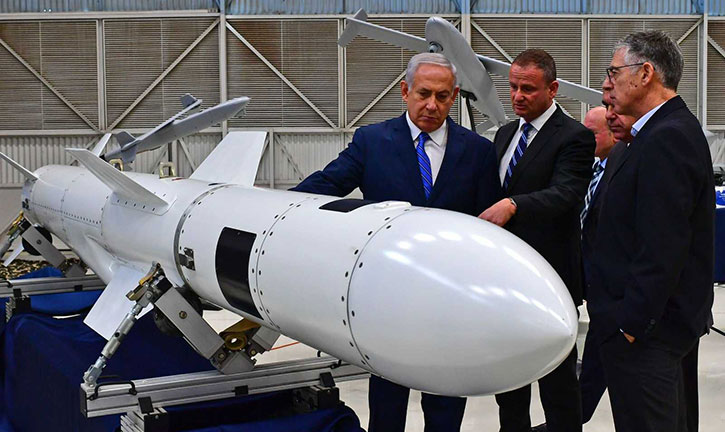
    Israel's Prime Minister Benjamin Netanyahu inspects the Gabriel 5 advanced surface attack missile at IAI.

    Singapore Technologies Engineering Ltd (ST Engineering) today announced that it’s land systems arm has signed an agreement with Israel Aerospace Industries Ltd (IAI) to set up a joint venture company (JV) in Singapore. ST Engineering and IAI shall each hold a 50% share of the JV.

    The JV, named Proteus Advanced Systems Pte Ltd, will leverage the strengths and track record of its parent companies to market and sell advanced naval missile systems, including a new 5 GEN anti-ship missile system called ‘Blue Spear’. According to sources associated with the new JV, Blue Spear (5G SSM) introduces an advanced and novel approach that addresses the challenges of the modern naval arena for years to come. The Blue Spear anti-ship missile is co-developed by ST Engineering and IAI under a development agreement signed between the two countries a few years ago. Based on this work-sharing agreement ST Engineering’s role includes design, development, and production of major subsystems like the booster motor and warhead.

    The South-East Asia region and, specifically Singapore, is considered a rapidly growing market for submarines and naval vessels. The JV addresses this potential with mature products that can be adapted to meet specific customer needs. The Proteus JV Company leverages the strengths of both partners, to offer highly competitive and advanced defense systems.

    Subscribe to get more background on this announcement

    A cutaway of a Gabriel 5 surface-surface anti-ship missile.

    As Singapore relies on U.S. RGM-84C Harpoon today, Israel also used the Harpoon to arm its naval vessels. However, with the introduction of advanced versions of Gabriel, namely Gabriel 5, the Israel Navy has converted some of its vessels to this weapon. Israeli anti-ship missiles were also successful by the Finish Navy, for the upgrading of Hamina-Class fast attack missile boats.

    As an advanced attack missile, Gabriel 5 is designed to penetrate modern target’s defenses, both soft- and hard-kill countermeasures. It was designed with sophisticated electronic counter-countermeasures (ECCM) dealing with chaff, advanced decoys, and active ECM. Gabriel 5 and Barak 8 both developed by IAI, were developed by IAI’s Missile, Systems, and Space Group as part of a combined, offensive, and defensive naval system for the Israeli navy and for export.

    As new weapons deliveries can be expected only toward the second half of this decade ST Engineering said the setup of the Proteus JV is not expected to have a material impact on the consolidated net tangible assets per share and earnings per share of ST Engineering for the current financial year. By announcing the JV through a commercial agreement between government-owned companies rather than a Government-to-Government agreement, the change looks less dramatic but it certainly represents a strategic change in Singapore’s policy, that until now, has kept its close relations with Israel under a veil of secrecy.

    Israel Deploys OFEK 16 Spy Satellite in Orbit

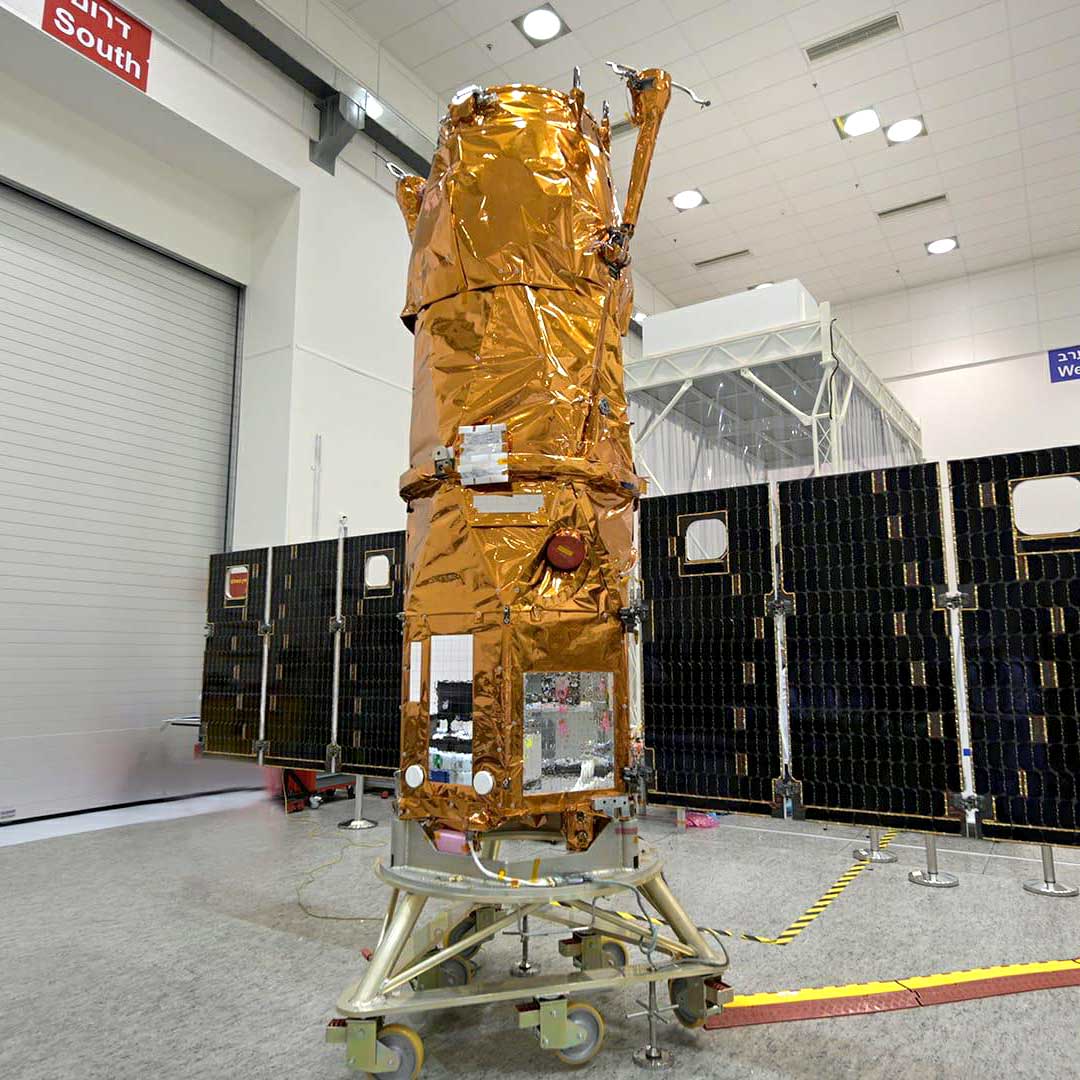
    Ofek 16 launced from Palmachim on 6 July 2020 on 04:00 (IST). Photo: IMOD

    The Space Administration in the Directorate of Defense Research and Development (DDR&D), of the Israel Ministry of Defense (IMoD), and Israel Aerospace Industries (IAI), have successfully launched the “Ofek 16” reconnaissance satellite into space, on 6.07.2020, at 4:00 AM. The launch was performed from the Palmachim Airbase in Israel, a launch site based south of Tel Aviv in central Israel, using a “Shavit” launcher. (Updated)

    The satellite began to orbit around the earth and transmit data, in accordance with original launch plans. IMoD and IAI engineers have started a series of preplanned tests to determine its propriety and performance level before it becomes fully operational. A week after the launch on 14 July IAI received the first images from Ofek-16. Once all in-orbit tests are completed, iMoD will deliver responsibilities to the Israel Defense Forces (IDF) 9900 Intelligence Unit, responsible for Israel’s reconnaissance and space operations.

    “Ofek 16” is an electro-optical reconnaissance satellite with advanced capabilities based on IAI’s OpSat 3000 platform. “Ofek-16 is similar to the Ofek-11 launched four years ago.” Amnon Harari, Head of Satellite Administration in the IMoD said, “By adding more satellites of similar performance Israel can increase the coverage and revisit time of targets of interest.” During the initial period of operation, the satellite will undergo a series of tests to determine its propriety and performance level. Harari said the first images from the satellite are expected within a week.

    The Ofek 16 Satellite is based on tIAI’s OpSat-3000 platform. Photo: IMOD

    The new satellite follows the deployment of Ofek 11 satellite by four years. The launch of Ofek 11 on 13 September 2016 was the most recent in the family. The first operational satellite in the family, Ofek 3 was launched on 5 April 2005. Its planned successor, Ofek 4 failed to reach orbit, but Ofek 5, launched on 22 May 2002 successfully deployed in orbit and continues to operate today. The iMOD announcement did not explain the whereabouts of Ofek 12 through 15.

    Want more insight? Join our Premium plan

    The Space Administration in the Israel Ministry of Defense has led the development and production of the satellite and the launcher. IAI is the prime contractor, having assigned the program to its Systems, Missiles and Space Group, utilizing IAI’s Opsat 3000 platform. Together with the MLM division, which is responsible for the development of the Shavit-2 advanced satellite launcher. The satellite’s payload designated ‘Jupiter’ was developed by Elbit Systems. The launch engines were developed by Rafael Advanced Systems and Tomer, a government-owned defense company. Additional companies have participated in this program, including Rokar and Cielo.

    Israel Moves to Tighten, Improve Special Ops, by Establishing a SOF Wing

    IAF Establish the 7 SOF Wing unifies four specialized combat elements under one command. Photo: Amit Agronov, IAF

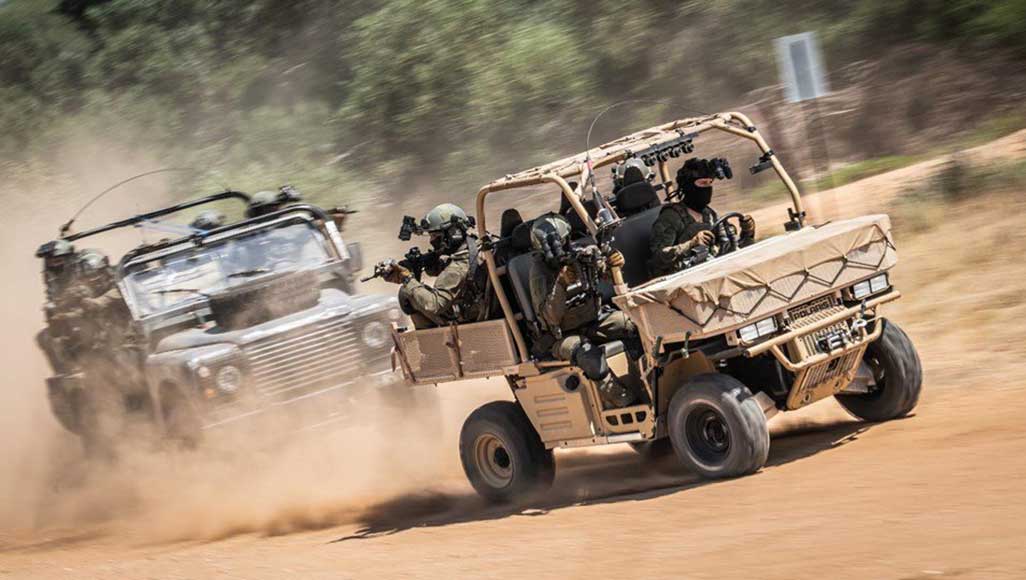
    Israel’s Air Force (IAF) today officially inaugurated the special operations wing, a combat formation that groups the air-force operated elite units under one wing. Based in Palmachim Air Force Base south of Tel Aviv, the 7th Special Operations Wing includes the 669 combat rescue squadron, 5101 Shaldag Special Tactics Squadron, and the Tactical Air Operations Unit. The new wing will soon establish a new intelligence to provide intelligence support for the special operations. A training center scheduled to open will complete the wing’s structure in 2022.

    Shaldag is the Israel Air Forces’ land-oriented special-operations element. Photo: Amit Agronov, IAF

    “We are in times of regional change – with a global pandemic and a battlefield becoming more complex every day. Our commanders understand that these changes force us to adapt to the challenges that the future holds”, said Commander of the IAF, Maj. Gen. Amikam Norkin, during the opening ceremony.

    In the early ’90s after the Gulf War, a decision was made to create an Aerial Special Forces Command. The command managed “Shaldag” and was responsible for Unit 669 and later for the Frontal Landing Unit as well. Forming a unified special operations wing follows other reorganization in Israel’s special operations units held in recent years. These include the formation of the strategic Depth Corps in 2011 and the establishment of the 89 Commando Brigade (Oz Brigade) in 2015, commanding three elite units – Maglan, Duvdevan, and Egoz. In recent years the new Corps and Brigade held several exercises in neighboring countries, including Cyprus and Greece, where the forces were assisted by 669 and Shaldag.

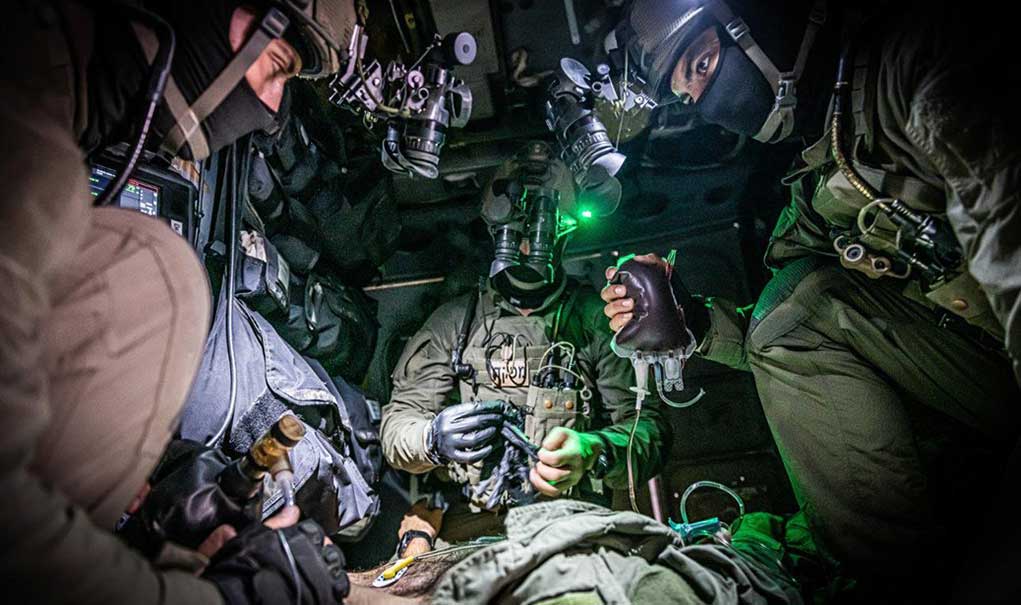
    669 is the IAF combat air search and rescue unit. The teams are also trained to provide emergency aeromedical support. Photo: Amit Agronov, IAF

    The new wing combines the complementary capabilities of the 669 with its inherent air mobility assets, Shaldag, the air forces’ land-oriented special-operations, and tactical air operations unit. Together, the wing provides integrated and coordinated support for the Depth Corps and other special operations (GHQ Intelligence Unit – Matkal and 13th Squadron of the naval commando), reflecting the growing role of special operations in modern warfare.

    The 7th Wing that opened today at Palmachim AFB, was created due to operational needs and the changing and increasing threats on different fronts, as part of a broader process to strengthen and sharpen the special unit’s operational effectiveness. There is great operational significance to a body that will unify the IAF’s Special Forces and reinforce the IAF’s capabilities by synchronizing their activity. The base of the plan – improving the operational effectiveness of the units by adapting tactics and weapons systems, and broadening cooperation in the IAF, IDF, and the defense system as a whole. “A systemic organization of Special Forces, which focuses on the unique operational response to the IAF’s challenges, is a dream for the IDF’s Special Forces personnel and in general”, said Commander of the Wing, Col. E. “The time has come, and also in the IAF, our special forces are at the core”.

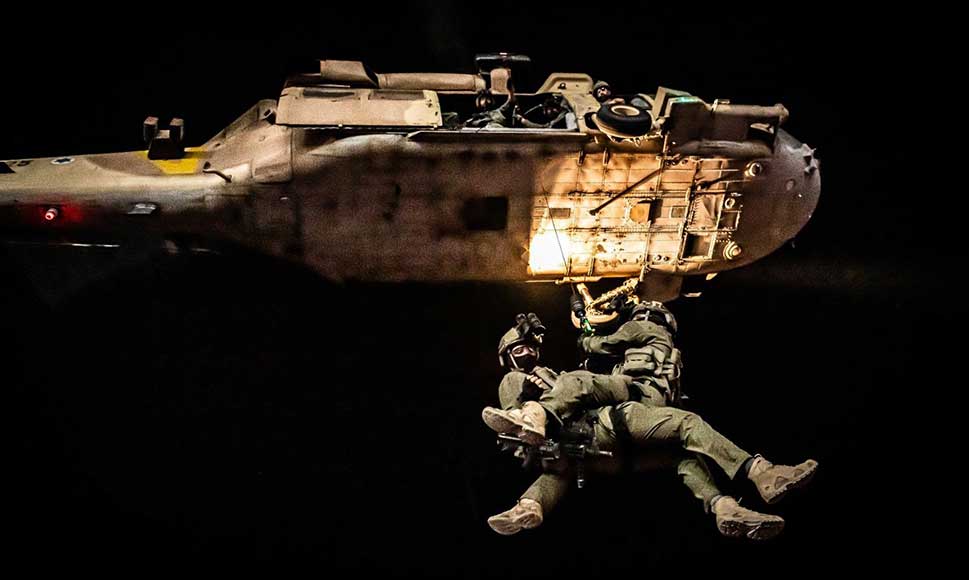
    669 is the IAF combat air search and rescue unit. The unit is qualified and equipped to carry out advanced helicopter infiltration and exfiltration tactics. Photo: Amit Agronov, IAF

    SeaGull USV Broadens Surveillance Capability with an ‘Eye in the Sky’

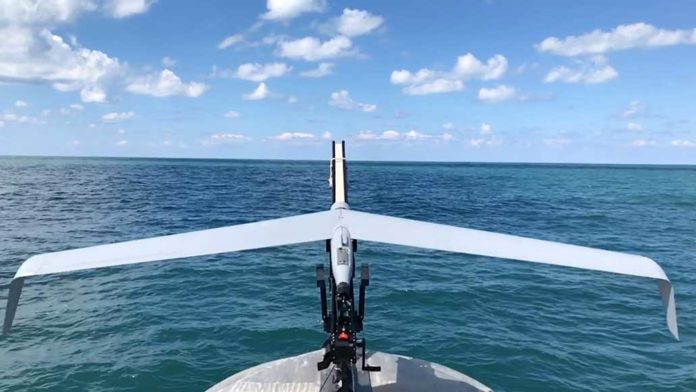
    Elbit Systems has added an Unmanned Aerial System capability to the Seagull Unmanned Surface Vessel (USV), broadening surveillance and intelligence gathering capabilities of the unmanned boat. Trials conducted in recent weeks were dedicated to the integration of Elbit Systems’ Skylark C mini-Unmanned Aerial System (UAS), onboard the Seagull USV, further enhancing its intelligence-gathering capabilities.

    Skylark-C launched from the SeaGull unmanned surface vessel (USV). Photo: Elbit Systems

    The Skylark C is designed for fully autonomous operation, from launch to recovery. The drone is launched automatically by catapult from the USV, and recovers by parachute at a Point Water Recovery (PWR), where it is retrieved by a support vessel. recovery and a takeoff weight of up to 15kg. The drone’s electrical propulsion sustains missions up to five hours, at a ceiling of 15,000 ft, and a range of 40 km from the launch vessel. Upon retrieval, UAVs use ‘hot-swap’ batteries to prepare and continue mission operation. The visual feed generated by the mini-UAS can be transmitted via the SeaGull communications channel to the Combat Management System (CMS) on other vessels, or the land-based command and control unit.

    The SeaGull is designed as an autonomous, multi-mission USV for underwater operations, such as Anti-Submarine Warfare (ASW) and Mines Countermeasures (MCM). the USV’s switchable payload suite includes Electronic Warfare and Electro-Optic/Infra-Red payloads to provide situational awareness and facilitate intelligence gathering. The integration of a tactical UAS onboard the USV further expands its capacity to generate intelligence enabling to utilize the USV for enhancing the situational awareness of any maritime force and for shore exploration.

    The Seagull USV enables naval forces to enhance performance while reducing risk to human life and dramatically cutting procurement and operating costs. In recent months Elbit Systems has added the HELRAS sonar in-cooperation with the Israeli Navy and concluding a series of trials for the TRAPS-USV towed sonar, significantly enhancing its ASW capabilities.

    The Seagull USV is an autonomous multi-mission USV featuring switchable, modular mission payload suites capable of performing ASW, MCM, EW, Maritime Security (MS), Hydrography, and other missions using the same vessel, the mission control system and the same data links. The Seagull USV was deployed by in several exercises that were conducted with NATO maritime forces in the last few years, including in an MCM exercise alongside the HMS Ocean of the UK Royal Navy, and an ASW exercise that was conducted together with the Victoria and the HMS Duncan frigates of the Spanish Navy and the UK Royal Navy.

    ECA Adds an Unmanned Rotorcraft to the Belgian-Dutch MCM Program

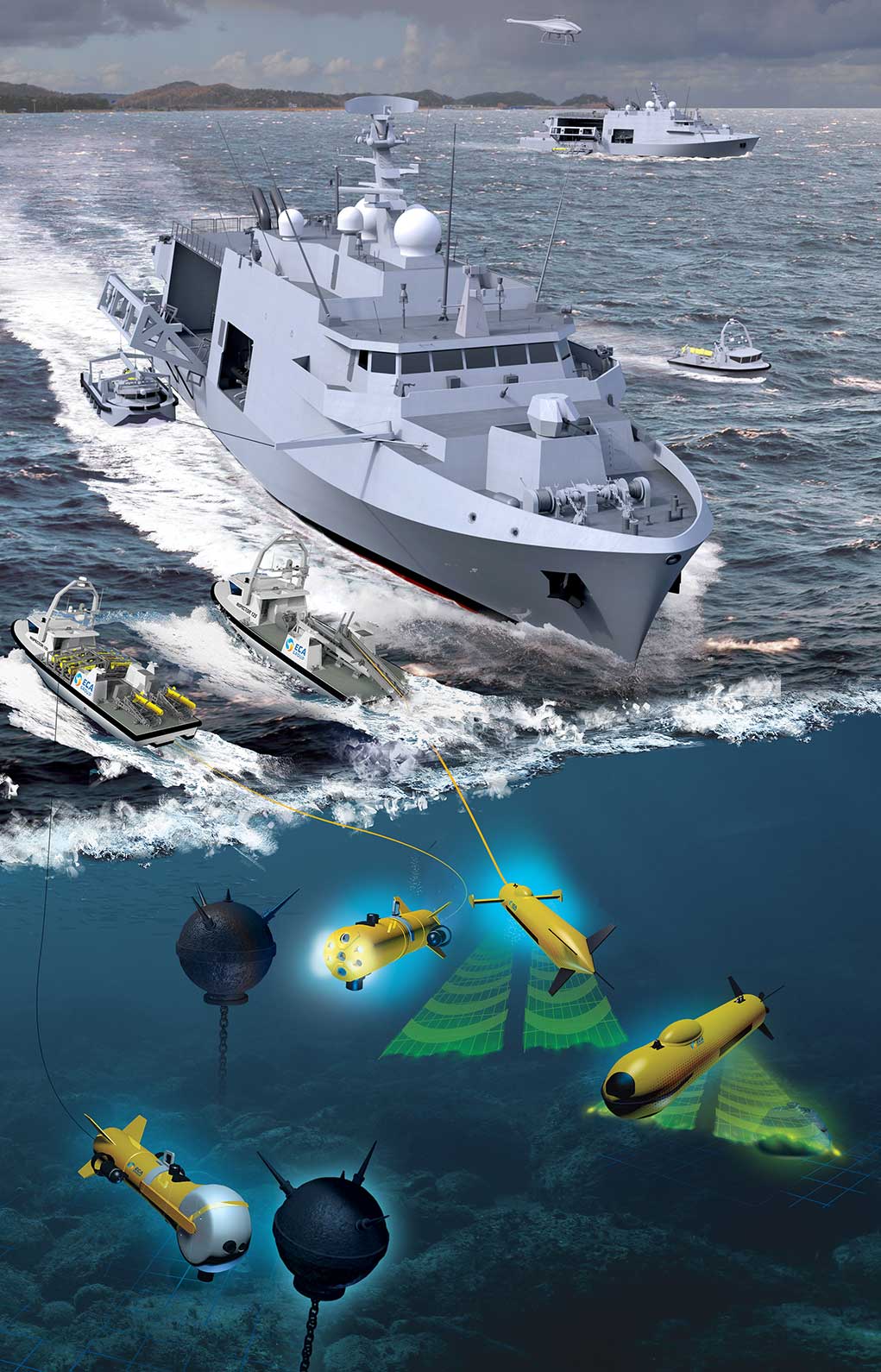
    V-200 was selected to augment the mine countermeasures capability of the Belgian-Dutch MCM 'Toolbox' Illustration: ECA Group.

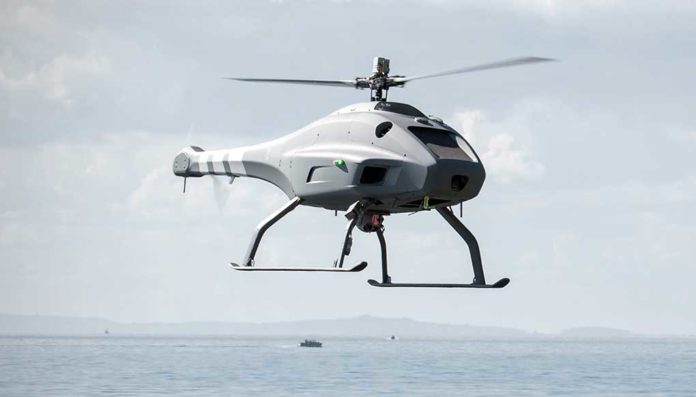
    ECA Group announced it has selected the SKELDAR V-200 Vertical Take-Off and Landing (VTOL) unmanned aerial system (UAS) for integration with the Belgian and Dutch cooperative naval Mine Countermeasure (MCM) program.

    ECA Group awarded UMS SKELDAR a procurement contract to supply the UAV SKELDAR V-200 as part of the naval mine countermeasures capability replacement. Under the program led by Belgium Naval & Robotics – a consortium including Naval Group and ECA Group – the company will supply 12 minehunters equipped with drone systems (Toolbox) to both navies.

    Working across 12 new generation ships (six for each navy), this contract is the first to materialize the stand-off concept by using a Toolbox – a system composed of a variety of drones to be deployed by operators to fulfill autonomous mine clearance missions at sea.

    The MCM Toolbox represents ECA Group the integrated capability of the Belgian-Dutch navies that consists of the integrated operation of remotely controlled and autonomous aerial, surface, and underwater systems. ECA Group.

    “The SKELDAR V-200 is undoubtedly an essential asset in the stand-off concept. This UAV with wits integrated sensors and endurance will improve the situational awareness and enhance the detection process in the mine threat area. Ultimately, this will result in a more efficient and safer mission for our valuable crewmembers,” concludes Cdr SG Claude Bultot, Programme Director for the Belgian and Royal Netherlands Navies.

    The rotary drone is an integrated part of the Toolbox, which will also consist of INSPECTOR125 unmanned surface vessels (USV), A18-M autonomous underwater vehicles (AUV), and T-18 towed sonars for mine detection, alongside the Mine Identification and Disposal System (MIDS) system, SEASCAN and K-STER for mine identification and neutralization.
    For the contract with ECA Group, serial deliveries of the UAV SKELDAR V-200 are expected to start in 2023. The drone has also been selected by the German and Canadian Navies. It provides navies with an “eye in the sky,” an embedded, enhanced intelligence, surveillance, and reconnaissance (ISR) capability.

    “This is a significant contract win for us and confirms our market-leading capabilities within the maritime sector.” Said Axel Cavalli-Björkman, CEO of UMS SKELDAR. “The SKELDAR V-200 was conceived as a maritime platform, and we have continued a program of enhancements including technical, sensor, and flight endurance along with improvements of our superior heavy fuel engine.”

    Kongsberg, Patria team to produce turreted mortars in the USA

    The Norwegian company Kongsberg Defence & Aerospace AS (Kongsberg) and Finland’s Patria Oyj have formed a teaming agreement to provide turreted mortar solutions for future U.S. Army mortar programs. Under this agreement the team will promote the turreted mortar and produce the 120mm Patria Nemo, turreted, remote-controlled mortar system in the US.

    “Kongsberg and Patria have a long history of working together and a relationship that was strengthened in 2016 with Kongsberg’s minority stake in Patria”, says Pål Bratlie Executive Vice President Kongsberg Defence & Aerospace AS. “This teaming agreement for the Nemo mortar system is a fantastic means for our companies to join forces to provide solutions to the warfighter for the turreted mortar mission”. Kongsberg already produces the remote operated Medium Caliber Turret (MCT) mounting the 30mm cannon for the 8×8 Stryker, and Marine Corps ACV.

    The teaming combines Kongsberg’s U.S. engineering and production capability, and Patria’s knowhow in mortar systems. In May 2020, Patria entered into a Cooperative Research and Development Agreement (CRADA) for the Nemo mortar system with the U.S. Army’s Combat Capabilities Development Command (CCDC) Armaments Center. (Link to post)

    According to Jussi Järvinen, President of Patria’s Land Business Unit, the established manufacturing facilities at Kongsberg’s Remote Weapon Stations and Medium Caliber Turrets production line in the Johnstown, PA, facility, and U.S. supply chain made teaming with Kongsberg a logical choice for Patria. “Together, we provide the most advanced, protected and mobile 120mm mortar system,” Järvinen said.

    In May 2020 BAE Systems contracted Kongsberg to deliver up to 150 MCTs for the US Marine Corps Amphibious Combat Vehicle (ACV) -30 program. (Photo: BAE Systems)

    The U.S. Army, in 2015, chose Kongsberg’s MCT-30 to increase the lethality of the Stryker Brigade in Europe. The system has been fielded and operated with the Army as part of the European Deterrence Initiative since 2018. Today, MCT-30 is the primary armament and fire control system for the Infantry Carrier Vehicle – Dragoon (ICV-D) Strykers. In May 2020 BAE Systems contracted Kongsberg to deliver up to 150 MCTs for the US Marine Corps Amphibious Combat Vehicle (ACV) -30 program, commencing in a phased program beginning early 2021, followed by production phases. All MCT-30s, and any remote weapon stations, bound for U.S. customers are manufactured in the Kongsberg Johnstown, PA facility leveraging a U.S. supply base located in over 30 states.

    Drone Guard adds Iron Drone’s Interceptor Drone to Defeat Drones, Swarms

    Unlike radio-based solutions, Iron Drone doesn't rely on an the link between the hostile drone and its operator. Therefore, the interceptor can eliminate targets that are flying a pre-programmed mission or using secure radio links. Photo: IAI

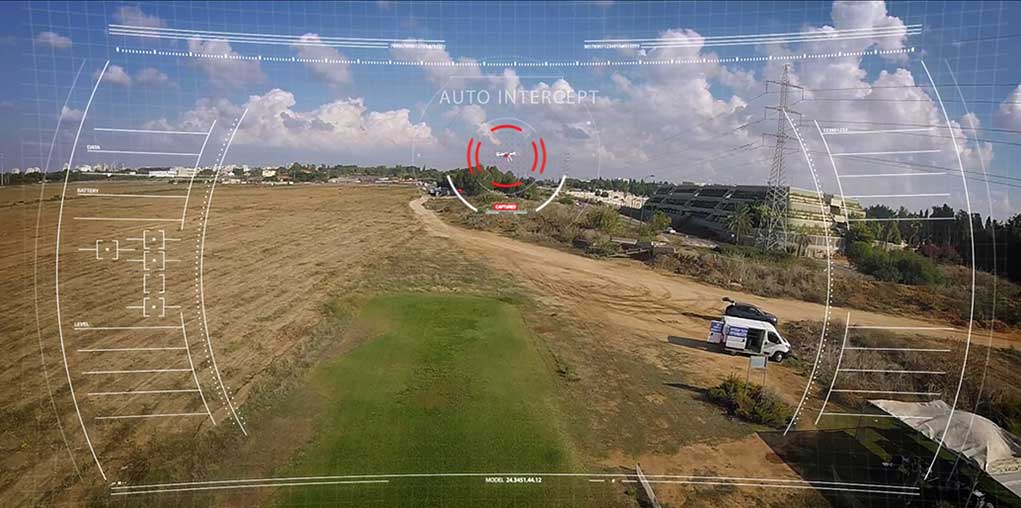
    Israel Aerospace Industries (IAI) and Iron Drone today announced that they have entered a collaboration agreement for the integration of interception capabilities into IAI’s advanced anti-drone system, Drone Guard. Iron Drone’s UAS interception system comprises a docking station that hosts several ready-to-use drones, operable by day or at night. The system can deploy several intercepting drones simultaneously, thus addressing multiple threats or swarms. IAI’s Elta Systems division has developed the Drone Guard to detect, identify, and disrupt the operation of malicious drones. Since Elta Systems launched the Drone Guard’s over 100 units were sold.

    The Drone Guard comprises a radar, SIGINT, and Electro-Optical sensors to detect, track, classify and localize drone targets at range, and intercept those targets at a combat-effective distance from their target. To date, IAI’s Drone Guard anti-drone systems employed drone countermeasures utilizing electronic warfare (jamming and deception) or hard kill. With yet another ‘hard kill’ interception that relies on physical engagement with minimal collateral effects, compared to kinetic or directed energy means, Drone Guard can be used in areas where other countermeasures are limited by environmental or safety factors like in airports, populated areas, power plants, sensitive facilities, and other infrastructures.

    The Iron Drone offers additional means of response. Its patent-pending drone interception technology allows complete elimination of any drone threat. ELTA’s collaboration with Iron Drone is part of its strategy to collaborate with startups to leverage their innovative technologies for their existing systems to improve performance.

    “The combination of Drone Guard’s advanced capabilities with Iron Drone’s steering and homing excellence result in a significant business and technological venture.” CEO of Iron Dron Matan Melamed commented, adding, “Unlike radio-based solutions, our technology doesn’t rely on the link between the hostile drone and its operator. Therefore, the Iron Drone interceptor can eliminate targets that are flying a pre-programmed mission or using secure radio links.”

    A drone target intercepted by Iron Drone. Powered by cutting edge Artificial Intelligence for computer vision, situational awareness, flight planning, and precision maneuver, our technology is able to engage the target with pin-point accuracy. Image: Iron Drone
    The advanced radar integrated with Drone Guard detects drones as they enter the defended airspace. Once targets are detected the intercepting drones are launched and steered to the target, directed by the radar. The Iron Drone interceptor uses sensors and Artificial Intelligence (AI) based computer vision to home and locks on the target and homes-in up to the physical contact, leading to the neutralization of the suspected attacker. The entire engagement is autonomous. According to Iron Vision, their system is designed to engage the target with pinpoint accuracy due to its sophisticated computer vision, situational awareness, flight planning, and precision maneuver.”

    IAI’s LORA Missile Conducts Double Test at Sea

    LORA missile tested in the Mediterranean Sea, May 2020. Photo: IAI
    LORA missile ascends from the launch ship during a test performed by IAI last week. Photo: IAI

    Israel Aerospace Industries (IAI) has completed last week a dual operational firing trial with LORA (Long-Range Artillery Weapon System), a precise ballistic surface-surface strike missile (SSM). Performed as part of IAI’s work plan in testing production series missiles, the test demonstrated the capabilities of the advanced system to customers.

    The complex trial included two scenarios to test and demonstrate LORA’s advanced capabilities. The first scenario involved a short-range launch to 90 km and the second to a long range of 400 km. Under both scenarios, the missile was launched to its trajectory, navigated its course to the target, and hit it with utmost precision. Both the weapon system and the missile successfully met all of the trial’s objectives.

    Developed by IAI’s Missiles & Space Group MALAM division, LORA is a sea-to-ground and ground-to-ground long-range ballistic missile system providing ballistic assault capabilities for multiple ranges with a precision level of 10 meters CEP. The missile can be launched from land or sea, at targets designated by their location. The missile uses a jam-resistant GPS-based navigation system aided by an inertial navigation system, delivering hit accuracy less than 10 meters. The missile carries a blast-fragmentation warhead of more than 200 kg of weight.

    LORA uses jap-rsistant GPS and INS backed navigation system, capable of scoring a hit within less than 10 meters from the intended target. This picture shows the missile’s direct hit at the target, fired 400 km away. Photo: IAI

    The missiles being tested also tested certain system electronics, and components improvements that also contribute to the system’s accuracy. Held in the open sea, the trial included the launch of two long-range LORA missiles to a pre-defined hit point at sea.

    The missile system being tested was an operational ground version system, comprised of a four-canister launcher unit and command trailer, only two were used on this test, both fired the missiles from a position in the open sea to comply with the safety requirements of trials of this type. Under COVID19 conditions, the trial was executed with a portable trial field and a capsule team, which managed the trial remotely.

    Boaz Levy, IAI’s EVP and General Manager of the Systems, Missiles and Space Group, said: “The complex trial, performed under COVID-19 limitations, demonstrated the advanced capabilities of both IAI and LORA, our strategic missile system. The trial was executed according to a fully functional design, which tested the system’s maneuvering, strike, and precision, as well as technological developments and enhancements introduced by our engineers. Performing a trial with this level of complexity during these days is a testament to IAI’s unwavering commitment to our clients across the globe. The impressive results of the trial prove the system’s maturity and state-of-the-art capabilities.” Levy added, “I would like to thank Israel’s Navy, Air force, and Israeli Ministry of Defense for the collaboration and assistance in this trial.”

    According to the Missile Defense Project, of the Center for Strategic and International Studies (CSIS) the LORA system was developed in the early 2000s, the LORA missile was reportedly test-fired in November 2003, March 2004, and in 2006 and 2017. LORA missiles were publically displayed in Azerbaijan in 2018, where it is operated under the Azeri Missile Troops. According to Boaz Levi, the tested missiles were taken from production lines of operational missiles for IAI customers and also were part of system demonstration for new customers.

    A standard LORA missile launcher containing two canisters was used on this test. Launch control was performed remotely and from a nearby shelter trailer. Photo: IAI

    Skunk Works and XTEND Simplify Multi-Drone Command

    0
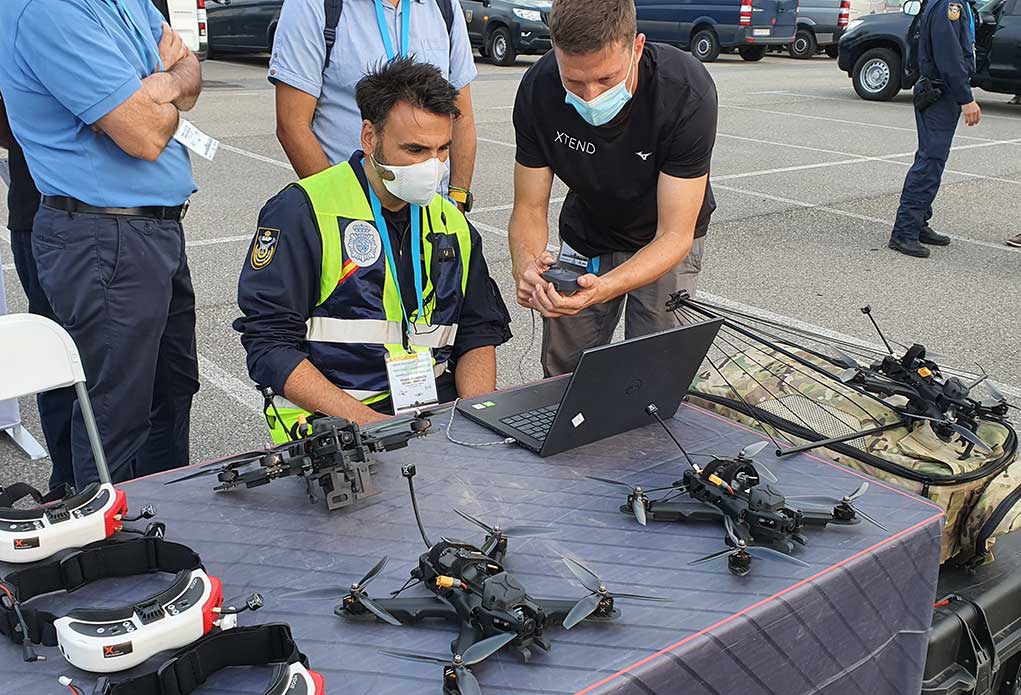
    Lockheed Martin Skunk Works® and XTEND have achieved a major milestone in JADC2 by integrating the XOS operating system with the MDCX™ autonomy platform. This technical breakthrough enables a single operator to simultaneously command multiple drone classes, eliminating the friction of mission handoffs. From "marsupial" drone deployments to operating in GPS-denied environments, explore how this collaboration is abbreviating the data-to-decision timeline and redefining autonomous mission execution.

    From Ukraine to Taiwan: The Global Race to Dominate the New Defense Tech Frontier

    0
    As traditional defense primes face mounting competition from agile “neoprimes” such as Anduril, Palantir and Helsing, the balance of innovation is shifting toward software-defined warfare and scalable, dual-use technologies, while global industry consolidation—marked by Boeing’s integration of Spirit AeroSystems and other strategic mergers—signals an intensified race to secure control over the defense technology value chain. Our Defense-Tech weekly report highlights these trends.

    Europe’s “Drone Wall”

    0
    In early October 2025, a coordinated wave of unmanned aerial system (UAS) incursions—widely attributed to Russia—targeted critical infrastructure across at least ten European nations. The unprecedented campaign exposed the fragility of Europe’s air defenses...

    Weekly Defense Update & Global Security Assessment

    0
    Executive Summary The past week (September 18-25, 2025) represents an inflection point where strategic defense concepts have transitioned from doctrine to tangible reality. An analysis of global events reveals four primary, interconnected trends shaping an...

    U.S. Air and Space Forces Push Next-Gen Programs at the AS&C 2025 Conference and...

    0
    At the 2025 Air, Space & Cyber Conference, U.S. Air Force and Space Force leaders unveiled major updates on next-generation fighters, bombers, unmanned systems, and space initiatives, highlighting both rapid innovation and critical readiness challenges as the services race to outpace global competitors. A short version is available here, with a more detailed version for subscribers.

    TADTE 2025: Reflecting Taiwan’s Strategic Themes

    0
    The Taipei Aerospace & Defense Technology Exhibition (TADTE) 2025 crystallized around four dominant strategic themes that collectively illustrate Taiwan's comprehensive approach to defense modernization amid escalating regional tensions. Based on a detailed report by Pleronix (available upon request). Includes a Podcast discussion on TADTE 2025's highlighting Taiwan's four strategic themes beyond the post's coverage.

    Iron Beam 450 Completes Testing, Soon to Join With Operational Air Defense Units

    0
    Israel’s Iron Beam 450 high-power laser system has completed final testing, marking a major leap in air defense. Developed by Rafael, it offers precise, cost-effective interception of rockets, UAVs, and mortars, and is set for IDF deployment by 2025.