Sunday, December 21, 2025
More
    Home Blog Page 376

    AESA – The AGile Radar

    Start < Page 1 of 5 >

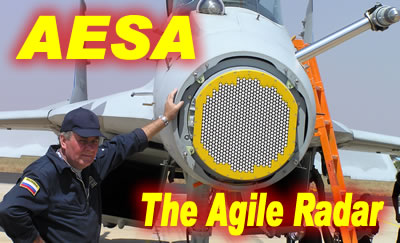
    AESA radars offer significant gains in reliability. By focusing power at specific directions, the pilot can gain more detection range providing “first detect” for air-to-air engagements, enabling first shoot/first kill by missiles fired Beyond Visual Range (BVR) mode. The longer standoff range also allows more time for persistent target observation, information sharing, tactical analysis and commander assessment before critical decisions are made.

    AESA radars are emitting not only radar signals, but can also be employed for non traditional ISR, as well as electronic attack. For example, some of the elements can transmit and receive signals modulated with datalink waveform, transferring large amounts of data (such as live video or aerial imagery) over high bandwidth datalinks. Similar techniques can be used for electronic attack, to jam or deceive electronic systems operated by enemy forces.

    The mechanical scanning systems used in previous systems were prone to failures, which grounded the entire aircraft. The new systems use solid-state technology and electronic scanning, to replace the mechanical systems but also introduce multiple elements to replace the single channel design of previous systems. Therefore, AESA radars can sustain certain degree of failure without grounding the aircraft or disabling the entire radar system. Furthermore, when designed with modular approach, AESA radars can be gradually upgraded, by replacing the solid-state receive/transmit modules based on Gallium-arsenide semiconductors technology with more advanced elements, thus significantly improving performance.

    Read additional parts of the article:

    Israel’s Integrated Advanced Soldier (IAS) program – ANOG

    The Israeli Integrated Advanced Soldier (IAS) program is building a ‘dismounted combat team’ which will be able to operate in mounted or dismounted configuration. The equipment used by the troops will be modular, and designed to operate in urban and open terrain. Currently underway the program is led by the Ministry of Defense’s Defense Directorate for Research and Development (DDRD) and Elbit Systems. The program began with a feasibility study launched in 2003 and followed a year later with a combat lab experiment. In 2005, the IDF tested individual combatant gear and conducted the first battalion-size field test highlighting an urban warfare scenario. Following the test, which proved highly successful, the system entered full scale development. The first kits are being delivered and will be used for company and battalion-size exercises, beginning fall 2007 through winter 2008. Following the conclusion of these tests, the system will become operational.

    The motivation of the IAS was to establish a common language between combat elements through the command echelons, linking the infantry to the Digital Army Program (DAP) network known as Zayad. Through IAP, commanders will be provided with C4I subsystems enabling them to link their units into the DAP network. While implementation of Zayad among armor, artillery, combat engineering and other elements required extensions of wireless data links and protocols to ‘talk’ with existing command and control elements, the integration with the infantry required fielding an entirely new command and control system, tailored for the ‘human platform’. This system is optimizing target-management and weapons employment at squad, and platoon level, establish mission planning, orientation and navigation tools and introduce data networking between team members and tactical leaders at different command level. Such systems enable the units to rapidly pursue time-critical targets (closure of ‘kill chain’) by small formations, autonomous allocate and assign targets or flexibly team up with other units, throughout the command chain.

    The heart of the C4I system used with IAS consists of the Personal Digital Unit (PDU) – a wearable computer coupled with a hand held display, a radio (PRC710), eyepiece display and headsets, mobile Wireless Local Area Network (WLAN) and navigation system. All elements are embedded into a wearable system and armor vest weighing less than five kilograms.

    ‘Terminal’ modular computer system


    The system uses the new ‘Terminal’ modular computer system, developed by Elbit Systems, powered by an RMI dual processor running Windows CE operating system. Providing high quality graphics, supporting two simultaneous 1920×1200 pixel displays, including a direct interface to the OLED (VESA). The system consumes only 6.5 watts supplied by two hot swappable external Lithium Polymer batteries sufficient for continuous 4-5 hours mission. The system has two Ethernet (LAN) network adapters, five USB ports, a standard RS232 serial port, audio, VOIP codec and fiber LAN docking interface. The Modular Computer weighs 0.7 kg (excluding batteries).
    Although IAS evaluated an eyepiece as part of the kit, the IDF opted for another display- a hand held viewer developed by ITL Optronics. This piece integrates an OLED 800×600 mini display from eMagin, offering a high quality, wide field of view (34deg.) image. The viewer weighs only 300 grams and connects to the PDU through the USB port. It can be used effectively by day or night without compromising the user’s position by light leakage. Built-into the device is a line-of-sight sensor, enabling automatic image or map orientation. Built-in mouse buttons enable seamless control of the computer. For planning, debriefing commanders will use the 8″ handheld 800×600 pixel LCD display applied with touch screen. The sunlight readable device is designed for daylight use, using glare resistant coating. Its average consumption is 4 watts and weight is 600 gram.

    QuietOps

    Another element of the IAS is the QuietOps software programmable headset developed by Sylinx. The system supports and controls two radio sets, and is designed with both passive and active noise canceling hearing protection, offering natural hear-through capability while effectively protecting from high dB ‘spikes’ and overpressures caused by nearby gunshots or blasts, which could damage the soldier’s hearing. A side benefit of the QuietOps system is its ability to improve hearing up to ‘super normal’ level, and supporting ‘whisper mode’, both functions could be highly constructive for ambush and covert ops.

    Communications

    The IAS communications gear consists of several systems, including a tactical router (enhanced military wireless LAN) developed by Elbit Systems. The unit, configured as a standard PC card (PCMCIA), carries high capacity data transfer over short range. The system can also utilize the ‘Mountain Rose’ military cellular mobile network, which is dependent on infrastructure. For operations where such infrastructure is not available, tactical combat net radio, such as the PRC710 personal VHF radio (weight less than 750 gr) can be used. Both radios are designed to transfer data at low speed. When multiple gateways are available, IAS will automatically select the most appropriate medium according to the system’s service policy. Furthermore, the entire system will dynamically route each message to reach its destination at the fastest route.

    A new navigation system is under development at the DDRD, enabling effective navigation in areas where GPS cannot be relied upon. The system uses a combination sensors, such as gyro, compass, accelerometers and other sensors to determine the location of the unit at an. The system is attached to the soldier’s gear and will continue to determine accurate location for several hours after GPS contact is lost. Its accuracy is determined as a function of the distance traveled without GPS reference. It is effective throughout the soldier’s combat activities, including running, walking, crawling or sprinting.

    IAS teams will be equipped with indigenously developed systems for surveillance, reconnaissance and target acquisition, enabling the team to independently and effectively collect intelligence, acquire and pursue time critical targets with high efficiency and accuracy, by its own assets or by employing other ‘networked enabled assets’.

    Spatial Orientation System

    Three types of hand-held observation-and target acquisition systems will be available for AIS commanders at the different tactical levels. Squad leaders and Platoon Sergeants will use the Spatial Orientation System, developed by ITL Optronics. This system has built-in laser rangefinder and digital compass, a monocular x7 day channel, which can also be used with a night viewer. The SOS has an integrated data display and mouse buttons, depicting target range and bearing, navigational aids and ‘leads’ to designated targets or locations, as well as a map display.

    Cobra Target Acquisition System

    Platoon Leaders will use a new target acquisition device, using an uncooled thermal imager with an integrated a laser rangefinder, electronic compass and GPS with an uncooled thermal sight, effective at ranges beyond 1,000 meters. This device can also be used as a hand-held computer display, utilizing its built-in full color super VGA display and mouse buttons. ITL has recently introduced such a system called Cobra, which can do all that at a weight of less than one kilogram, much less than the goal set by the IAS program team (1.6 kg).

    Coral-CR

    Another new device will be used by company and battalion commanders as well as the officers and observers in recce platoons. Coral-CR, designed and built by Elbit Systems is hand-held, cooled, thermal target acquisition system using a 480×384 detector operating in the 3-5 micron band. Using continuous zoom, the system can be used effectively up to five kilometers. As a target acquisition system, Coral-CR integrates a digital magnetic compass, GPS and internal display, enabling effective observation, identification and extraction of target coordinates in real-time. The system weighs 3.4 kg, including batteries.

    Enhanced Vision & Robotics

    Other observation devices available for the team include the ‘continuous surveillance system’, an ‘observation arrow’ developed by ODF. The arrow fired from standard M-16s can be fired at a range up to 70 meters, placing the arrow at vantage point, maintaining line of sight with the target. The arrow will continue to operate for four hours, sending video streams picked by its camera, remotely controlled by the controller via two-way link. Another imaging device developed by ODF is the Eyeball, which is thrown into confined room position by an assault team. ODF is also developing a small robot called EyeDrive, which will be able to move, position itself and scout confined spaces through remotely controlled operation.

    Fire Controls for Support Weapons
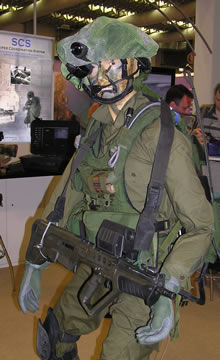
    Grenadiers will be equipped with the Viper, a fire control system enabling first shot hit for grenade launchers, enabling effective fire and limit collateral damage. The system developed by ITL Optronics uses ‘see through’ display depicting computer controlled aiming point, calculated by the system’s computer, fed by sensors including laser rangefinder and tilt and roll sensors. The computer calculates the ballistic curve required to hit the target and sets the aiming point accordingly. Furthermore, the system supports advanced programmable MPRS grenades developed by IMI, by setting time-programmable fuses for time-delay detonation or airburst effect, in addition to standard point detonation effect.

    The IAS evolved from an earlier ‘soldier modernization technology demonstration program launched by the IDF Ground Forces Command program and DDRD. This program, also known as “Infantry 2000”, was managed by Elbit Systems. The Israeli infantry suite comprised of a helmet and weapon mounted sensors, weapon mounted fire control system, head and weapon mounted display and sights, and pouch mounted wearable computer, fitted with navigation systems, data and synthesized voice communications. The Infantry 2000 program focused on the ‘soldier as a system’ concept, seeking a suite that will enable the future soldier to navigate, communicate and locate and engage targets, with superior firepower, lethality and protection. The suite would also include augmented lethality weapons, such as the IMI Tavor-2, firing the Refaim anti-personnel air-burst weapon. At present, IAD pursue a different approach, facilitating effective dismounted command and control while other aspects of ‘Infantry 2000’ are dealt with as part of regular modernization cycles.


    ULAV – Unmanned logistics air vehicles

    Start < Page 6 of 6 >

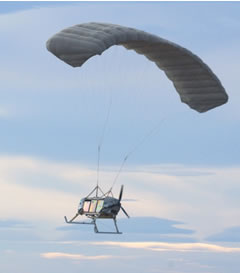
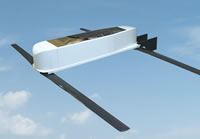
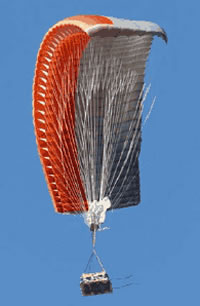
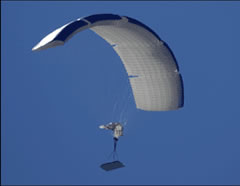
    Aerovironment Hawkeye Unmanned Logistics Aerial Vehicle (ULAV) is a tandem wing glider designed to covertly deliver critical payloads to ground personnel. It is designed for standoff, high-altitude, air launched deployment. This expendable glider is designed to fly autonomously or under remotely piloted for up to 80km, reaching its payload delivery point with high precision. Hawkeye demonstrated a payload delivery capacity of 25kg. Other larger capacity variants are currently being explored, and include optional propulsion systems to extend endurance and range. An alternative approach is the CQ-10A SnowGoose, a military version of the powered Sherpa, suspended under a all supported by rectangular ram-air parachute, powered by a rotax 914 piston engine and guided by GPS-based navigation and control system. The CQ-10A can be airdropped or launched from the ground, over a modified Hummer. The SOCOM is operating 36 Snow Goose vehicles since 2004. The UAV has six cargo bays with a total payload capacity of 600 lbs (270 kg). SnowGoose can climb to an altitude of 18,000 feet (5,400 m’) and remain in flight for up to 20 hours.

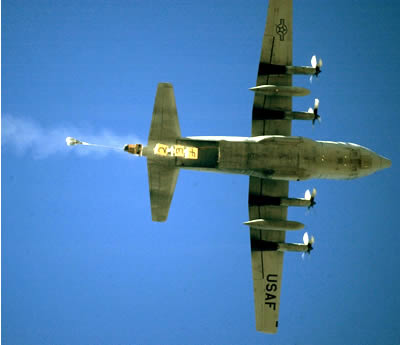
    ULAV can be used for delivering cargo, fly surveillance missions or deploy sensors or communications relays, offering mission commanders enhanced aerial flexibility and performance with a single multi mission and multi task system. However, its primary mission is delivering leaflets in support of Army and joint service PSYOP activities. CQ-10A reduces the risk to manned aircraft in delivering leaflets, while offering greater delivery precision than a C-130 and an estimated 20 to 1 cost advantage over manned delivery options.

    According to Sean McCann MMIST’s President and CEO the aircraft has an interesting role in the rapid and timely delivery of critical loads such as medicines. “The supplies can then be delivered by precision aerial delivery system to forward locations where they are unpacked and loaded on individual ULAVs and distributed by to individual each team in the field.

    Read additional parts of this article:

    JPADS – The Way Ahead

    Start < Page 5 of 6 >

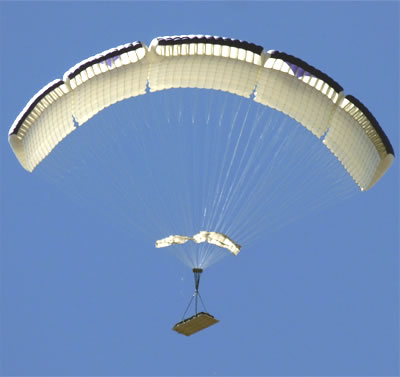
    Heavier classes of Joint Precision Airdrop System systems are planned for fielding in the near future. These include the JPADS-L (Light), supporting cargo loads of up to 10,000 lb. rigged weight capability. In 2006 precision air-drops of 6,000 to 10,000 lbs (2.7 – 4.5 ton) guided cargo pallets was demonstrated by the joint military utility assessments (JMUA) at Yuma Proving Ground in Yuma, Ariz., delivering simultaneous drops of two to three loads to separate drop zones. According to Army Lt. Col. Ralph Saunders, operational manager for the JPADS ACTD, the final assessment of this class of JPADS systems is scheduled for May 2007 followed by induction of such systems into the current forces. Several systems are considered for the JPADS-L role. Firefly and Dragonfly parachute systems developed by Para-Flite, a member of the Airborne Group, are capable of precision delivery of payloads up to 10,000 lb (4.5 ton) from altitudes up to 25,000 ft.

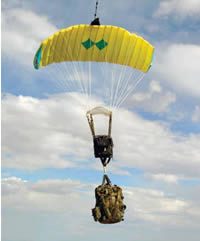
    JPADS program is also expected to examine systems capable of accurately delivering weight bundles smaller and lighter than the ‘XL’ class. Currently there is no JPADS classification for systems under 500 lbs. but, according to Rick Zaccari, Vice President, Business Development at Atair, there are indications from military tacticians that 100 to 500 lbs precision airdrop systems will be a critical JPADS weight class, specifically for the resupply of small deployments of Special Forces and other advance ground forces. Atair is already offering Onyx systems capable of delivering 500 and 20 lbs payloads.

    The Heavier Platforms

    Follow-on developments are pursuing larger payloads. The JPADS-M (Medium) will enable air delivery of medium weight loads (up to 30,000 lbs / 13.6 ton), enabling high volume re-supply of fuel and ammunition – capability gap identified by the Army. JPADS-M will also enhance the potential strategic deployment airdrop capability to overcome the maximum-on-ground (MOG) limitations, such as high volume supplies and combat equipment. These loads will be configured for ground handling by the Palletized Load System and Load Handling System (PLS/LHS), as well as the related, emerging technology program Smart Distribution – Modular Intermodal Platform (MIP). A medium weight precision offset airdrop capability will provide the required “never-too-late” supply and distribution capability that the widely dispersed combat teams of the Future Force will require in the first days of a conflict, enabling them to increase their operational agility. In addition, it will increase strategic deployability, while decreasing detectability and vulnerability of the delivery aircraft and Troops.

    Simply scaling up existing technology will not be possible. According to JC Berland, President of Para-Flite, the 30,000 lbs program will require a completely new approach to ram air canopy deployment and control. Joint Precision Airdrop Systems allow autonomous delivery of cargo from high altitudes and significant standoff. Para-Flite’s current systems are capable of deployments to 25,000 ft in altitude and horizontal separations of over 30 km. This separation increases safety for aircrews and enhances the security of forces on the ground. The largest system called MegaFly can carry up to 30,000 lbs.

    In the future, JPADS program will encompass an even heavier class, supporting rigged weights of up to 60,000 pounds, enabling the delivery of medium weight combat vehicles such as the Stryker and some of the FCS type vehicles.

    Read additional parts of this article:

    JPADS XL Program

    Start < Page 4 of 6 >

    JPADS basic weight class focuses on low-cost systems such as the Screamer and Affordable Guided Airdrop System (AGAS), developed by Capewell Components Company, LLC of South Windsor, Connecticut and Vertigo, Inc. of Lake Elsinore, California. This system is designed to deliver military payloads weighing up to 2,200 lbs. (1 ton) using standard army cargo parachutes and containers. For safety, landing velocity is minimized reducing hazards to personnel and other cargo within the drop zone. AGAS utilizes conventional parachutes (G-12 flat, circular cargo parachute and A-22 Container Delivery System (CDS).

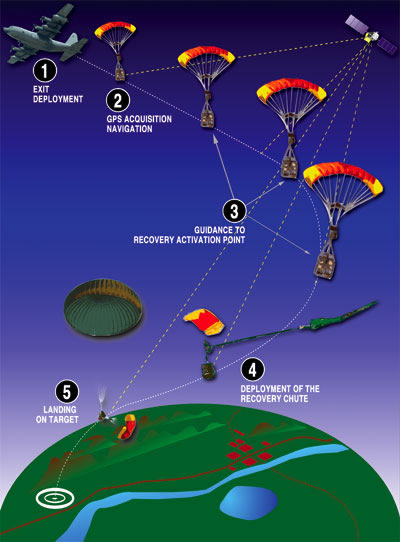
    The system can also be used for accurate high-altitude release and is claimed to offer greater safety, reliability and accuracy compared to high glide delivery. AGAS system includes an auto-pilot linked to a GPS-based guidance, navigation and control system and weather data mode embedded in an airdrop Mission Planning (MP) tool. Optimizing the flight plan based on an accurate profile of winds that it will encounter over the drop zone the auto-pilot guides the delivery system to the designated drop-zone at near-pinpoint accuracy. During tests conducted by the U.S. Army in 2004 and 2005, 11 AGAS units were dropped over a three day period from 13,000 feet Mean Sea Level (MSL) achieving a Circular Error Probable (CEP) of 50m. These systems demonstrated their ability by flying to multiple drop zones, when three units were released in a single airdrop pass with each flying to a different target on the drop zone.

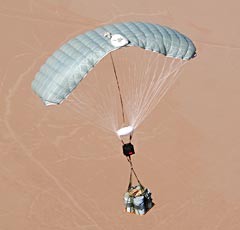
    Similar performance is provided by the Onyx, developed by Brooklyn based Atair supports 500 and 2,000 lbs (0.2 – 1 ton) class payloads utilizing hybrid elliptical ram-air/round canopy design. The Canadian Sherpa, developed by Mist Mobility Integrated Systems Technology, Inc. (MMIST) also supports payload capacities of up to 2,200 lbs (1 ton). Parafly offers the FireFly carrying 500 – 2,200 lbs (0.2 – 1 ton). An interesting feature introduced with the FireFly is the roadway landing feature, enabling the user to designate an azimuth for landing rather than the default into-the-wind heading to take advantage of roads and other paved surfaces for cargo retrieval.

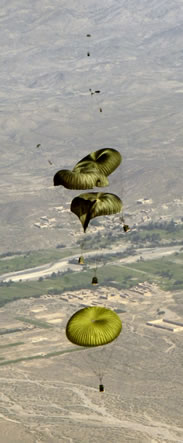
    The first JPADS-XL combat airdrops took place on Aug. 31, 2006 in Afghanistan. Following the successful demonstration, by early 2007, several JPADS XL systems were acquired by US Joint Forces Command (USJFCOM) and deployed in Afghanistan to support US Special Forces. According to Bob Hartling, Limited Authority Acquisition (LAA) branch head at USJFCOM, the systems proved very so successful in their pre-deployment phase that combatant demand for JPADS 2,000 lbs (1 ton) systems in the battlefield has surged. “It has been considered as a means for reducing the number of convoys in other regions, as the cargo pallets can now be deployed to different specific locations from a single aircraft, rather than the traditional deployment of all pallets along a single multi-mile delivery corridor,” said Hartling. By February 2007 the systems were also deployed in Iraq, where aircrew members from the 332nd Air Expeditionary Wing’s 777th Expeditionary Airlift Squadron used JPADS for the first time to deliver six 1,200 lbs (545 kg) bundles.

    Read additional parts of this article:

    GPS Guided Cargo Systems

    Start < Page 3 of 6 >

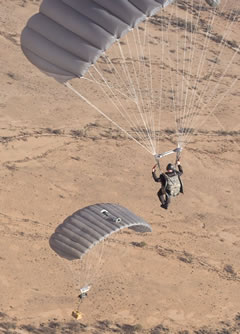
    In recent years, GPS-guided ram-air parachutes render more flexibility to load drops. Since 2004, the US Marine Corps have been using Sherpa TM/MC GPS guided parachutes in Iraq, dropping 1 ton loads within 70 meters from their designated target point. In August 2006 the first ‘Screamers’ were tested In Afghanistan, dropping container delivery system bundles, containing food, water, ammunition and other supplies, weighing 500 to 2,200 lbs (0.2 to 1 ton.), to troops on the ground.

    Precision Airdrop for Special Operations has been chosen among the ten highest priority areas defined for NATO’s Defense Against Terrorism (DAT) effort. The purpose of the DAT program is to develop new, cutting-edge technology to protect troops and civilians against terrorist attacks. Precision airdrop capabilities will enhance the capability of NATO forces to deliver personnel or equipment stealthily and precisely under all-weather conditions wherever they may be needed. This capability will also support the increasing deployment of NATO troops to long-distance out-of-area contingency operations, which have lately become in vogue.

    High altitude, precision airdrop is expected to be key enabling technology for future forces deployment. Such capabilities will facilitate rapid strategic and tactical deployment of forces, supported ‘just-in-time’ with supplies delivered precisely to any location throughout the world. The increased accuracy and ability to drop to more than one location simultaneously means that soldiers on the ground can recover the cargo quickly and know exactly where it will land. Such capability is providing military planners with the capability of strategically and covertly positioning equipment and supplies for rapidly moving ground and special operations forces.

    Aimed at supporting ground troops with essential supplies, the U.S. Army Natick Soldier Center has teamed with the U.S. Air Force Air Mobility Command to develop new air-drop capabilities, first pushing immediately essential supplies such as ammunition, water, fuel and medical supplies to forward deployed troops. The medium and heavy systems will be fielded at a later phase and will enable precision air drop of loads ranging from 20,000 to 60,000 lbs (9 – 27 tons) of cargo, more than enough to deliver the Army’s eight-wheel 19 ton Stryker combat vehicle. As the Army transforms to the Future Combat System, JPADS will provide the ‘just-in-time’ logistics needed. The ultimate goal intention is to resupply troops anywhere in the world within 24 hours with supplies directly flown from the United States bases. JPADS will satisfy four ‘gaps’ identified in the current air-drop capability: increased ground accuracy, standoff delivery, increased air carrier survivability, and improved effectiveness of airdrop mission operations.

    Known as Joint Precision Air Drop System (JPADS), the program is pursuing cargo systems in weight classes, including the “Extra Light” (JPADS XL, 700 – 2,200 lbs / 0.3 – 1 ton) and “Light” (JPADS L 5,000 – 10,000 lbs / 2.2 – 4.5 ton) classes, slated for fielding within the near term (around 2008). All systems will be required to hit a pre-planned GPS ground target within 50 meters, cleared for high altitude drop from 24,500 feet mean sea level, and capable of being deployed from at least eight kilometers horizontal offset from the ground target. Using a portable mission-planning tool and wireless communications loadmasters will be able to update the mission plans uploaded to the rigged JPADS before the flight with last minute changes of drop-zone location, threats etc.

    Read additional parts of this article:

    Profiling the Wind

    Start < Page 2 of 6 >

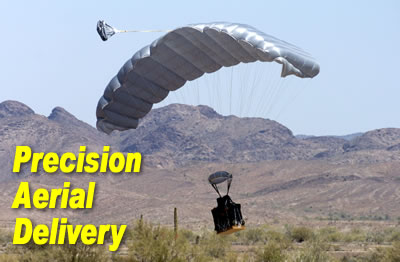
    The largest error component for release point calculation is the wind estimate. Former practice used to rely on wind models based on a weather forecast, rather than the real wind conditions encountered through the actual para descend. Fortunately, such updated models can now be acquired in near real-time, by wind measurement ‘dropsonde sensors’. These probes are dropped from the aircraft prior to cargo release, by monitoring their position via GPS. Wind forces and direction can be tracked, automatically updating the release point, altitude and flight plan for each of the guided cargo systems,thus literally steering each cargo pallet to its designated target. When released from 25,000 feet (7,620 m’), these systems dramatically improve the accuracy of aerial delivery, by landing an unguided cargo pallet within 400 meters of the designated drop point.

    The integration of the ram-air technology and auto-piloting capability is introducing new delivery systems that are vanguard for a revolution in the way land forces can be deployed and supplied in the battlezone.

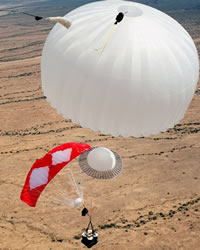
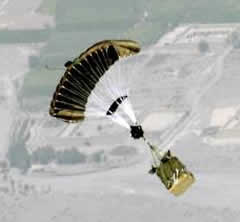
    The Rapid Aerial Delivery technique, also known as the ‘Screamer’, produced by Strong Enterprises, utilizes a small steerable ram-air drogue (RAD) parachute to drop the cargo at a 100mph (44.7 m/sec) rate of descend, navigating to a predetermined location where the main conventional parachute is deployed for the final descent. This capability enables stand-off delivery of existing cargo configurations from off-set positions. Taking advantage of the ram-air drogue technique significantly increases the rate of descent of the cargo over conventional drops yet controls the stability and lateral movement of cargo. It also reduces the flying time, when the cargo and ground troops are exposed, and minimizes wind drift effect and permitting more precise targeting.

    The ability to precisely drop cargo from a higher and safer altitude substantially increases the safety of the aircraft as well. Since the loads can steer themselves, the aircraft can fly to an area over the drop zone to release the loads, as opposed to a single point- offering substantially lower risk to aircraft over the drop zone. In addition to accuracy, JPADS allows different bundles to steer themselves to more than one drop zone.

    Read additional parts of this article:

    Precision Aerial Delivery

    Start < Page 1 of 6 >

    Aerial delivery by parachute has been practiced extensively, but until the introduction of the ram-air parachute this capability has not changed dramatically since the WW2 era. In recent years air drops were implemented in most conflicts, for example, over Sarajevo, Bosnia-Herzegovina, Kosovo, Afghanistan and, most recently – over South Lebanon, air drops were performed from low altitude, despite enemy threat by missiles and anti-aircraft guns.

    Current airdrop procedures are complex systems that, in most cases are tied to known high risk choke points, such as aerial and sea ports of debarkation and pre-planned drop zones. Drop zones are sometimes marked with colored-smoke grenades or large canvas markers. That, followed by the low-flying planes, could give away the drop zone’s location.

    In the military context, air-delivery, usually synonym to speedy service is bogged down into a series of complex preparations outpaced by the operational tempo of modern battle. Moreover, the higher an aircraft drops its load, the less accurate the landings become. Therefore, to enable accurate delivery, low-altitude drops are performed, but naturally, with higher risk involved. Low level drops, classified as anything under 2,000 feet (600 m’) altitude, these procedures expose the plane and its crew to the risk of enemy anti-aircraft guns and MANPADS.

    Since drop zones are planned, prepared and marked in advance by so-called “pathfinder teams” planning the air drop, enemy observation can, in time assemble rapid-reaction forces to try and jeopardize the mission. While pallets are scattered over a large area, ground units arriving at the drop zone to collect the deliveries could be exposed to enemy ambushes. This was practiced with deadly effect by Vietcong during the Vietnam war. Sometimes air delivered cargo is lost in ‘no man’s zone’ or much worse, in enemy territory, requiring rescheduling more air sorties for replacement supplies to be delivered, an expensive loss in time and funding. For example, in Afghanistan, where air delivery is used extensively to re-supply forces in remote locations, drop zones are severely restricted by terrain and weather conditions, dispersing loads up to 1,000 meters from designated points, forcing the troops on the ground to hike and hunt for the urgent supplies.

    Read additional parts of this article:


    AN/SPY-1 Radar to Integrate with Aegis BMD by 2010

    Lockheed Martin (NYSE:LMT) is incorporating the Aegis Ballistic Missile Defense Signal Processor (Aegis BSP) into the AN/SPY-1 radar. The company received about $979 million from the Missile Defense Agency (MDA) to continue the development program of the Aegis Ballistic Missile Defense (BMD) Weapon System. Aegis BSP provides the target discrimination capability to defeat more complex ballistic missile threats. The Aegis BSP is scheduled to be installed on all Aegis BMD ships beginning in 2010.

    The MDA and the U.S. Navy are jointly developing Aegis BMD as part of the nation’s Ballistic Missile Defense System (BMDS). Capability improvements planned in the next phase of Aegis BMD include the system migration into an open architecture environment. This approach will allow for quick and affordable upgrades as signal processor technology evolves. As the US Navy migrate its non BMD Aegis ships to open systems, Aegis BMD will be aligned with this trend. BMD capability is expected to be included in modernized, open architecture combat systems in Aegis cruisers and destroyers starting in 2012.


    Ultimately, 15 Aegis destroyers and three Aegis cruisers will be outfitted with the ability to engage short to intermediate range ballistic missile threats and support other BMDS engagements using the Aegis BMD Weapon System and the SM-3 missile. Currently, six Aegis-equipped warships have the ability to engage ballistic missiles, while another 10 Aegis warships are equipped with Aegis BMD Long Range Surveillance & Track capability.

    During at-sea tests, the Aegis BMD Weapon System has achieved eight successful missile intercepts in 10 attempts. In addition to its intercepts, Aegis BMD has successfully completed more than 15 successful ballistic missile defense system tracking tests since June 2004. Aegis BMD went to sea with its initial operating capability in October 2004 and the latest version, Aegis BMD 3.6, was certified for tactical deployment by the U.S. Navy and MDA in September 2006.

    The Aegis Weapon System is currently deployed on 81 ships around the globe with more than 25 additional ships planned or under contract. In addition to the United States, Aegis is the maritime weapon system of choice for Japan, South Korea, Norway, Spain and Australia. Japan will begin installation of Aegis BMD in its Kongo-class Aegis destroyers in 2007, and is a partner in developing a larger, faster variant of the SM-3 missile. The Aegis BMD Weapon System seamlessly integrates the SPY-1 radar, the MK 41 Vertical Launching System, the SM-3 missile and the weapon system’s command and control system. The Aegis BMD Weapon System also integrates with the BMDS, receiving cues from and providing cueing information to other BMDS elements.

    Moisture Management Fabrics for Performance Apparel

    the market for moisture management fabrics is set to grow as apparel manufacturers shift their attention to the high-performance end of the sector and consumers place increasing importance on the performance of garments, according to the latest issue of Performance Apparel Markets.

    Moisture management is one of the key performance criteria in today’s apparel industry. It is defined as the ability of a garment to transport moisture away from the skin to the garment’s outer surface.

    This action prevents perspiration from remaining next to the skin. In hot conditions, trapped moisture may heat up and lead to fatigue or diminished performance. In cold conditions, trapped moisture will drop in temperature and cause chilling and hypothermia. Excess moisture may also cause the garment to become heavy, as well as cause damage to the skin from chafing. Any garment which is worn next to the skin or worn during exercise benefits from moisture management properties. The range of applications for such fabrics continues to expand as new fabric technology is released on to the market. In addition to sportswear and active wear, there is also growing interest in moisture management fabrics from the flame retardant apparel market.


    Moisture is transported in textiles through capillary action or wicking. In textiles, the spaces between the fibres effectively form tubes, which act as capillaries, and transport the liquid away from the surface. As a rule, the narrower the spaces between the fibres in a fabric, the more effectively they will draw up moisture. For this reason, fabrics with many narrow capillaries, such as microfibres, are ideal for moisture transport.Another factor which affects moisture management is absorbency.

    However, while greater absorbency increases the ability for moisture to be drawn into the fabric, the tendency of absorbent fibres to retain such moisture affects comfort levels, as the garment becomes saturated. It has been shown that fabrics which wick moisture rapidly through the fabric while absorbing little water help to regulate body temperature, improve muscle performance and delay exhaustion.

    Generally, the most effective moisture management fabrics are high-tech synthetic fabrics which are made from polyamide or polyester microfibres. These are lightweight, are capable of transporting moisture efficiently, and dry relatively quickly. Moisture management capabilities can also be enhanced by using certain finishing processes, by varying the fabric or fibre construction, or by using a blend of fibre types.

    “Push-pull” fabrics — bicomponent materials composed of a non-absorbent materia on the inside and an absorbent material on the outside — have proved to be an effective construction for moisture management fabrics. This is because the absorbent material on the outside draws the moisture away from the skin while the non-absorbent material keeps the skin dry.

    In terms of key producers, one of the world’s leading manufacturers of polyester-based moisture management materials is Invista. This company’s CoolMax and Thermolite brands are found in a wide range of garments for sports and outdoor activities. However, the pace of development has accelerated over the past ten years, and a growing number of companies are now competing with these brands. Well known names in this field include American Fibers and Yarn, Comfort Technologies, Hind, Honeywell, Intera, Intex, Lenzing, Marmot, Milliken, Mitsui, Nano-Tex, Nike, Patagonia, Pearl Izumi, Polartec, Reebok, Rhovyl, Schoeller, Tomen, USA-Pro, and Wellman.

    The number of polyester-based moisture management fabrics on the market has also increased dramatically in recent years, and includes Capilene from Patagonia and Polartec’s Power Dry. As manufacturers of sports and active outdoor wear strive to improve the functionality of their collections, the future will see further developments in the field of moisture management fabrics. For example, the area of nano-fibres looks set to revolutionise the moisture management market. In addition, the next generation of “smart” textiles could see the development of fabrics which are able to respond to changes in the environment by adjusting their pore size or thickness to allow moisture through.

    Performance Apparel Markets is a quarterly publication from Textiles Intelligence. Each issue includes business information and analysis of the market for high performance activewear and corporate apparel.

    Tactical Benefits of Laser Eye Surgery (LASIK / PRK)

    < Page 2 of 2 >

    The procedure used by the Navy, photorefractive keratectomy, or PRK, is different from the one used on most civilians. That approach, known as laser-in situ keratomileusis, or Lasik, requires cutting a flap in the surface of the cornea and then using a laser to reshape the cornea.

    But military doctors worry that the flap could come loose during combat, especially in a supersonic fighter. So rather than slicing into the cornea covering, Navy doctors grind it away. The approach requires a longer recovery as the covering re-forms but leaves the eye more stable.

    In this series Defense Update covers the following topics:

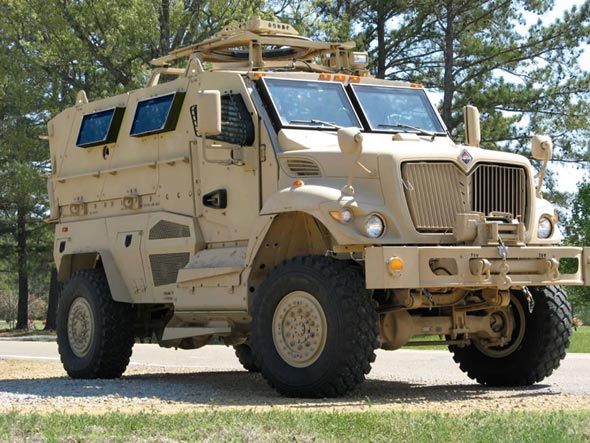
    MaxxPro Mine Resistant Ambush Protected Vehicle

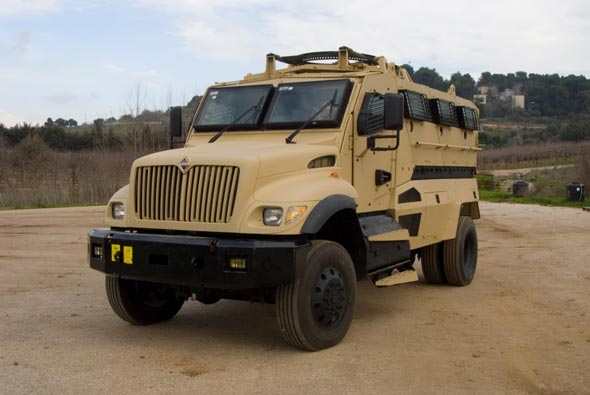
    International Military and Government LLC, of Warrenville, Illinois received a fourth production order for 755 Mine Resistant Ambush Protected (MRAP) Category I vehicles. The current $414 million contract brings the total orders awarded to IMG to over $1.045 billion, placing it the first place among all MRAP suppliers. The Pentagon expects to receive all vehicles produced by IMG, including 1,971 Category I and 16 heavier (Category II), before February 2008.

    As the largest commercial truck and mid-range diesel engine manufacturer in North America has the capacity and experience to produce vehicles at a high rate. assures Daniel C. Ustian, chairman, president and CEO of Navistar International Corporation. He said the company is working with the U.S. military and its supply base to increase our production capacity at our facilities to meet the aggressive demand and expedite MRAPs to the troops as quickly as possible.

    “we produced over 161,000 commercial vehicles last year, we know how to mass produce quality vehicles, we manufacture our own diesel engines, we’ve forged strong relationships with a number of key suppliers, and we provide comprehensive global parts and service support for these trucks.” said Archie Massicotte, President of International Military and Government, LLC. (IMG), the division producing the new MRAPs.

    International utilizes a modular armor concept, developed in conjunction with Israel’s Plasan Sasa, to armor its MaxxPro vehicles. Plasan Sasa is rapidly expanding its capacity and focusing dedicated resources on meeting the increasing MRAP demand for MaxxPro vehicles.

    Plasan introduced its ‘multi-stage protection system’ at the AUSA Winter expo, March 2007. This system is comprised of various materials designed to mitigate the damage from blast and fragmentation while maintaining bullet proof and mine resistant characteristics required for the MRAP. Blast mitigation is achieved by creating a buffer between the floor and the vehicle’s armor, the attachment of flooring to the vehicle’s body in order to disperse blast effects, installation of shock-absorbent foam floor, and the use of Plasan’s patented ‘Suspended Mine Blast Resistant Seat designed to isolate the soldiers from the direct effect of shockwaves created by the blast.

    Britain to deploy Additional 1,400 Troops to Afghanistan

    The British Ministry of Defense announced today (February 26, 2007) that the UK will deploy an additional force of approximately 1,400 troops to southern Afghanistan at NATO’s request. This will bring the total number of UK forces in Afghanistan to around 7,700 personnel. The UK will provide a maneuver battalion for Regional Command (South), an area which covers Helmand, the base and responsibility of the existing UK taskforce, but also the strategically vital neighboring province of Kandahar, plus the further provinces of Oruzgan, Zabol, Nimruz and Daykondi.

    The battlegroup will comprise elements of an infantry battalion, augmented with a company of Warrior Infantry Fighting Vehicles and additional artillery units. Units to deploy include the 1st Battalion the Royal Welsh Regiment, the 1st Battalion Scots Guards equipped with Warrior Infantry Fighting Vehicles, fire support units from the 19th Regiment Royal and 5th Regiment Royal ArtilleryArtillery and 5th Regiment Royal Artillery, equipped with Multiple Launch Rocket Systems (MLRS). The air elements will include four additional Harrier GR9s to enhance close air support, the 846 Naval Air Squadron will deploy four Sea King helicopters. Another C-130 Hercules will also join to support the British forces in the region.

    PVI led Team Wins Low-Rate Initial Production Orders for 60 Golan MRAP Vehicles

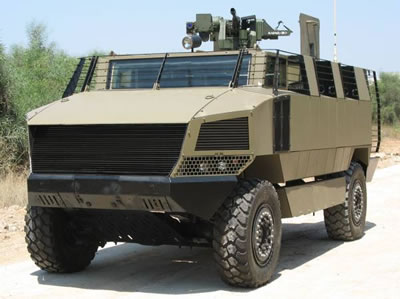
    An industry team led by Protected Vehicles, Inc. (PVI) received last week an initial $37.4 million order for the delivery of 60 Golan type Mine Resistant Ambush Protected (MRAP) Category II vehicles, following the selection of the company among nine finalists for the $2 billion 4,100 vehicle USMC acquisition program. The team is led by North Charleston S.C. based PVI includes Rafael Armament Development Authority of Haifa, Israel, Oshkosh Truck corp. from Oshkosh, WI, and Battelle Memorial Institute of Ohio. Additionally, PVI will serve as a subcontractor to Oshkosh Truck Corporation (NYSE: OSK) for 100 MRAP Category I vehicles. The two selected MRAP vehicles are the PVI-ALPHA and GOLAN, created and refined by Garth Barrett and PVI over the past 14 months.Golan vehicle shows a combination of the hybrid armor, combining passive and reactive armor, slat armor protecting transparent armor windows and remotely controlled weapon station, enabling the crew to operate the weapons and optrionics from  the protected vehicle. The vehicle has roof hatches, side doors and rear access ramp.


    “We have been able to provide to the Marines two levels of crew survivability, mobility, and lethality that are timely to meet current and emerging threats. Our vehicles are new designs which reduce casualties and increase survivability for Marines and Soldiers subjected to mine explosions, Improvised Explosive Device (IED) detonations, Rocket Propelled Grenades (RPGs) and Small Arms Fire (SAF). The PVI-ALPHA design supports Urban Combat Operations, Mounted Combat Patrols and transport missions. The GOLAN supports multiple missions, to include convoy operations, troop transport missions, ambulance missions, Combat Engineer and Explosive Ordnance Disposal (EOD) missions for maneuver units, as well as close-in Urban Combat Operations,” said Michael Sandusky, Executive Director for Program Management.

    Earlier in February the team was awarded an initial order for four vehicles corresponding to Category I (mine resistant utility vehicle designed for urban combat) and II (heavier, counter EOD, convoy protection and patrol vehicle) have been delivered and tested by the USMC. 60 additional vehicles are on order, to be delivered for by June. The first delivery order slates MRAP vehicles, Category I & II, to be tested at Aberdeen Proving Grounds in March. The Israeli version of the Golan MRAP produced at RAFAEL is currently undergoing testing by the Israeli Defense Force. Protected Vehicles, Inc. designs and manufactures mine and ballistic protected vehicles using advanced U.S. technology; technology derived from Rhodesian and South African vehicle development programs carried out from 1970 through 1994; and U.S. DoD technology developments.

    Skunk Works and XTEND Simplify Multi-Drone Command

    0
    Lockheed Martin Skunk Works® and XTEND have achieved a major milestone in JADC2 by integrating the XOS operating system with the MDCX™ autonomy platform. This technical breakthrough enables a single operator to simultaneously command multiple drone classes, eliminating the friction of mission handoffs. From "marsupial" drone deployments to operating in GPS-denied environments, explore how this collaboration is abbreviating the data-to-decision timeline and redefining autonomous mission execution.

    From Ukraine to Taiwan: The Global Race to Dominate the New Defense Tech Frontier

    0
    As traditional defense primes face mounting competition from agile “neoprimes” such as Anduril, Palantir and Helsing, the balance of innovation is shifting toward software-defined warfare and scalable, dual-use technologies, while global industry consolidation—marked by Boeing’s integration of Spirit AeroSystems and other strategic mergers—signals an intensified race to secure control over the defense technology value chain. Our Defense-Tech weekly report highlights these trends.

    Europe’s “Drone Wall”

    0
    In early October 2025, a coordinated wave of unmanned aerial system (UAS) incursions—widely attributed to Russia—targeted critical infrastructure across at least ten European nations. The unprecedented campaign exposed the fragility of Europe’s air defenses...

    Weekly Defense Update & Global Security Assessment

    0
    Executive Summary The past week (September 18-25, 2025) represents an inflection point where strategic defense concepts have transitioned from doctrine to tangible reality. An analysis of global events reveals four primary, interconnected trends shaping an...

    U.S. Air and Space Forces Push Next-Gen Programs at the AS&C 2025 Conference and...

    0
    At the 2025 Air, Space & Cyber Conference, U.S. Air Force and Space Force leaders unveiled major updates on next-generation fighters, bombers, unmanned systems, and space initiatives, highlighting both rapid innovation and critical readiness challenges as the services race to outpace global competitors. A short version is available here, with a more detailed version for subscribers.

    TADTE 2025: Reflecting Taiwan’s Strategic Themes

    0
    The Taipei Aerospace & Defense Technology Exhibition (TADTE) 2025 crystallized around four dominant strategic themes that collectively illustrate Taiwan's comprehensive approach to defense modernization amid escalating regional tensions. Based on a detailed report by Pleronix (available upon request). Includes a Podcast discussion on TADTE 2025's highlighting Taiwan's four strategic themes beyond the post's coverage.

    Iron Beam 450 Completes Testing, Soon to Join With Operational Air Defense Units

    0
    Israel’s Iron Beam 450 high-power laser system has completed final testing, marking a major leap in air defense. Developed by Rafael, it offers precise, cost-effective interception of rockets, UAVs, and mortars, and is set for IDF deployment by 2025.