Wednesday, December 24, 2025
More
    Home Blog Page 418

    RATTLRS – Revolutionary Approach To Time-critical Long Range Strike

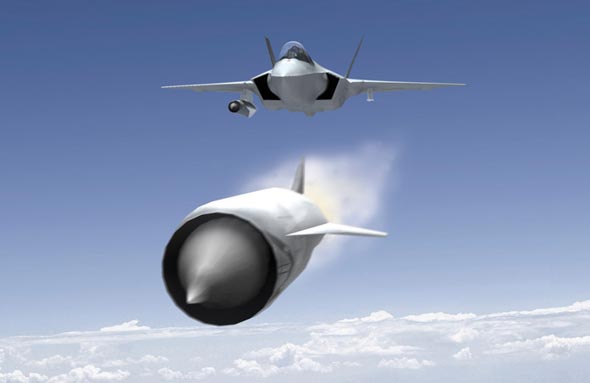
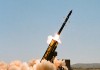
    Revolutionary Approach To Time-critical Long Range Strike (RATTLRS) represents a new supersonic cruise missile concept, enabling warfighters to rapidly launch precision attacks against time-critical targets, from ranges of hundreds of kilometers. When planning RATTLERS missions, users will be able to adjust fuel consumption, speed and range to address a particular mission objective. Unlike current cruise missiles, depending on a lengthy and complex mission planning process, RATTLRS will feature much faster mission preparation, taking only few minutes. Missiles will be able to strike a target after flying a distance of hundreds of kilometers, within 30 minutes from target detection.

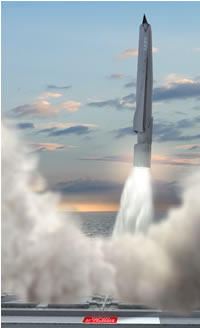
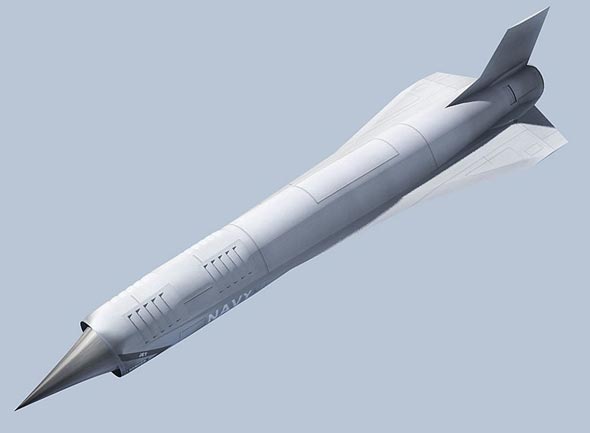
    One of the main advantages of RATTLRS is its ability to cruise at variable speeds, including supersonic speed (Mach 3 – 4), using a high-speed turbine engine without a booster (afterburner). In supersonic mode, the turbine engine used in RATTLRS will be most efficient. This capability is translated to extended range, long mission endurance and reduced thermal signature. RATTLRS will be launched from tactical fighters and bombers. A derivative of the missile will be vertically launched from surface ships and from submerged submarines. The 2,000 lbs, 20 foot long technology demonstrator cruise missile will use the YJ102R turbine engine developed by LibertyWorks, (Rolls Royce North American Technologies).

    The missile will have a range exceeding 500 miles, flying at supersonic speed, at an altitude of 70,000 feet. RATTLRS will be designed to flexibly accommodate various types of payloads, including unitary penetration warheads and submunition dispensers. The missile is designed to enable subsonic and supersonic submunition dispensing as well as direct attack with unitary warhead. Whether unitary or dispenser warheads are used, the high acceleration at supersonic speed increases the velocity of the missiles at an exponential rate, gathering maximum kinetic energy at the terminal phase.

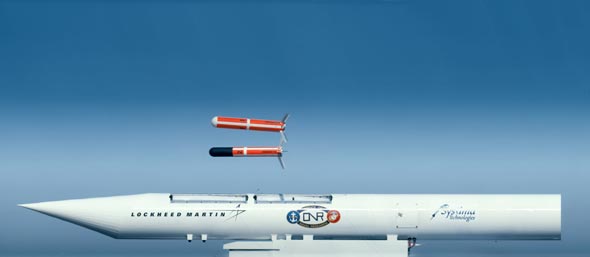
    In October 2006 the missile’s development is progressing, as Lockheed Martin concludes the final series of high speed sled tests, examining different aspects of the missile’s terminal flight phase. Tests included subsonic sled tests, supersonic submunition dispensing and most recently, high velocity penetration of concrete reinforced target. Flight testing of the new cruise missile TD is scheduled to start within a year.

    During the recent tests, a structure simulating the nose and inlet structure of the missile was accelerated to Mach 2+ supersonic speed and demonstrated clean penetration of concrete barriers while maintaining structural integrity. The test validated that lightweight penetrator warheads, when coupled with high-speed vehicles, provide the penetration depth of significantly heavier penetrators. Previous tests verified the submunition dispensing system, designed to overcome the complex dynamic flow associated with a supersonic weapon. The system uses an ejection device that closes up the airframe cavities to eliminate disruptive air flow and provide extra support to significantly reduce pitching and allow for more rapid stabilization.

    RATTLRS is a technology demonstration program supported by the US Navy (Office of Naval Research ONR), USAF, NASA and other US government agencies. The prime contractor for the demonstration phase is Lockheed Martin.

    ARGUS / AADS

    Remote Ground Emplaced / Air Delivered Unattended Ground Sensor
    Manufacturer: Textron Systems

    Advanced, air deliverable Unattended ground Sensors are currently developed by Textron Systems for a joint US Air Force and Marine Corps program. Such sensors will be valuable in the shortening of the kill chain to defeat time-critical targets. Designated Advanced Remote Ground Unattended Sensor (ARGUS) / Advanced Air Delivered Sensor (AADS), these sensors will provide deep-look ground surveillance capability that could be integrated into the overall Battle Management Command and Control architecture.

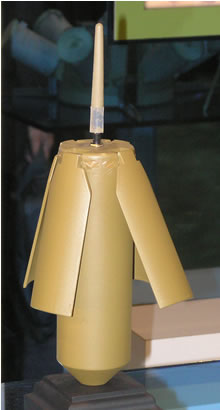
    ARGUS/AADS provides unattended “on the ground” sensing capability detecting, identifying and reporting on enemy activity within designated areas deep in enemy territory, in Near-Real-Time (NRT). The ARGUS program is sponsored by the USAF Intelligence, Surveillance and Reconnaissance Systems Program Office, Hanscom AFB while the USMC sponsors AADS. Textron Systems is the team leader of this demonstration program, along with teaming partners Northrop Grumman. The system will comprise air-deployed and hand-emplaced sensors. The air delivered unit will be ejected from the aircraft, with fins deployed to stabilize the sensor in flight. Upon impact with the ground, these fins also act as brakes, leaving only the sensor above ground. Once positioned, the sensor is ready to detect, classify, and track targets using its acoustic and seismic sensors.

    Each sensor unit will be equipped with a sensor suite, software applications to manage the sensors, sensor signal processor, two-way satellite communications transceiver, storage device, Global Positioning System (GPS) and battery power supply. The sensors are utilizing satellite communications communicating between the deployed sensor and the data processing center. ARGUS/AADS will be able to cross-cue other Intelligence, Surveillance and Reconnaissance (ISR) assets while activity occurs, allows theater commanders to recognize the threat and direct forces to intervene.

    GD883 Diesel Power Pack

    The GD883 diesel engine, paired with Renk RK325 automatic transmission, comprises the Merkava Mk4 powerpack. Produced under cooperation between MTU and general Dynamics Land Systems, this liquid cooled, direct injection engine is considered the most powerful of its kind. It was designed as an alternative to the gas turbines, currently used in the M-1 family of tanks. The US-German engine develops 1500hp power, and with the utilization of the specially designed automatic transmission, it offers the best power/weight ratio for heavy tracked vehicles. The electronically controlled transmission has five forward gears, also provides steering and braking functions.

    • Engine weight: 1,900 kg

    • Power pack weight: 4,800 kg

    • Power output: 1,500hp

    COMPASS Electro-Optical Payload

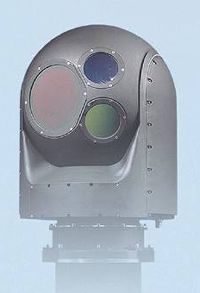
    COMPASS for Compact Multi-Purpose Advanced Stabilized System developed and produced by ElOp Electro Optics Industries, provides the “eyes” of surface ships, patrol boats, and maritime surveillance aircraft and helicopters. COMPASS is a follow-on to El-Op’s Multi-sensor Stabilized Integrated System (MSIS) with advanced optronics equipment, integrated into a tightly sealed container, installed on the mast.

    Compass has enough space to accommodate several systems, including a choice of three thermal imagers, including 1st or 2nd generation FLIRS operating in the 8-12 micron range, or a 3rd generation matrix FLIR, operating in the 3-5 micron range. FLIRs are an essential component for target detection and interrogation at long range, and an indispensable component for night operations. For daylight use, CCD/TV BW/Color camera for daylight use, both sensors are equipped with powerful zoom capability for observation at long distances. The use of a stabilized platform contributes to a sharp picture and accurate line-of-sight positioning even at rough sea conditions. T

    he system is equipped with an improved tracker, capable of tracking surface targets, helicopters as well as ground targets. COMPASS can also accommodate an eye-safe laser rangefinder or target designator. All systems are feeding image and target data to a remote operating console, for stand-alone operation, or link via standard communications links to the combat information system, where target data can be feed fire control systems, and be integrated with other weapon systems.

    In 2005 the British Army selected the latest version of the COMPASS IV as the EO payload for the Watchkeeper UAV.

    Adelaide Class Modernization

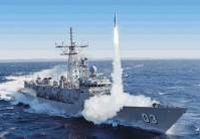
    HMAS Sydney, one of six Adelaide class frigates undergoing modernization at ADI.

    The Royal Australian Navy (RAN) is modernizing its Adelaide class guided missile frigates (FFG-7) ensuring that they are effective against potential threats through to at least 2013. The prime contractor for the program is ADI ltd.

    HMAS Sydney, one of six Adelaide class frigates undergoing modernization at ADI.

    The upgrade of the FFG ships incorporates today’s technology to enhance capability and performance while maintaining crew at current levels. The program is expected to improve offensive and self-defensive capability by the implementation of a modern, net-centric warfare systems support center, including improved air warfare systems, and anti-ship missile defense and underwater combat suite. Improved logistic, servicing and maintenance support, crew conditions.

    Caladiom – Long endurance remotely operated smart sensor

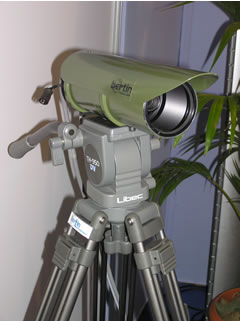
    A new surveillance system presented by Bertin Technologies, is under evaluation by the French DGA. Caladiom is designed to enable continuous, day and night surveillance for 10 days or more. It is equipped with image processing functions contributing to reduce false alarm rate. The system uses zone-based characterization of events, issuing alarms only when pre-selected threats are identified. The system provides field forces with remote visualization of threats, enabling detection and identification of threats from long distance.

    Bertin has also demonstrated the new “Second Sight”, stand-off chemical gas detection and visualization system providing automatic warning, and visible imaging of the type and location of toxic gas substances and chemical warfare agents. The system uses a micro-bolomerer thermal imager operating at the 8-14 micron range, utilizing up to six infrared filters to detect the presence of distinctive chemical substances. The system detects such materials in the field of view within less than two seconds and can trigger an alarm after further analysis, within less than five seconds.

    Ground Sensor Equipment (BSA)

    Manufacturer: Rheinmetall Defense / Germany

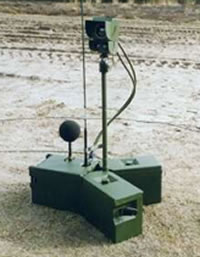
    The Ground Sensor Equipment BSA uses an imaging infrared sensor system to detect, classify and identify personnel, tracked and wheeled and tracked vehicles. The passive, autonomous, covert sensor can be placed (or buried) near roads or tracks. The seismic geophone), magnetic and acoustic (microphone) sensors are detached from the main units and positioned directly by the roadside.

    The central processor unit, equipped with an IR line camera, a Passive Infra-Red (PIR) sensor and additional microphone is positioned at a 20m distance, camouflaged or buried under the surface. The feeds from the remote sensors are channeled to the central processor unit, where they are processed and compared for signature matches. When such a match is confirmed, an alert is transmitted, with target classification data, via burst-transmission data link (using 150ms bursts) to a display unit at a distance up to 10 km.

    A unique feature of BSA is its learning ability. When new vehicles or other unfamiliar targets are detected, their specific signatures are stored in the device’s memory and later retrieved to update the target library. Another advanced feature is the automatic adaptation to environmental conditions, such as filtering of acoustic background noise and utilizing geophone filters to adjust operation to the specific soil properties of the sensor’s location. The sensor can also provide close-in security for deployed positions, including self protection of the reconnaissance patrol vehicle. Multiple sensors can be operated by a reconnaissance vehicle, to keep a wide area under.

    Silver Marlin Autonomous Unmanned Surface Vehicle (USV)

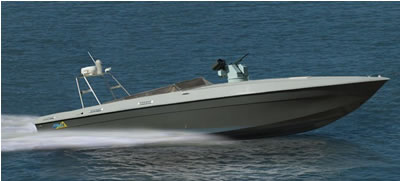
    Silver Marlin developed by Elbit Systems in israel is an autonomous, medium-sized Unmanned Surface Vessel (USV) featuring autonomous obstacle avoidance sensors and controls. The vessel is designed for autonomous, over-the-horizon operation, employing various sensors, and weapon systems on patrol, intelligence and littoral warfare missions. Typical applications are Force Protection/Anti-Terror (FP/AT), Mine Warfare (MIW) and Search and Rescue (SAR).

    The 10.6 meter long vessel weighs four tons, of which 2.5 tons are payload including electro-optic naval payload and remote-controlled stabilized weapon station and enough fuel to maintain of 24 up to 36 hours missions, at ranges of up to 500 kilometers.

    The Silver Marlin is powered by two 315 hp marine diesel engines capable of maintaining high cruising speed of 44 knots (81 km/h). This USV features adaptive boat control to enhance performance in rough conditions and at high speeds. The USV can be monitored from the shore or from naval vessels via common mission control system, linked over satellite communication. The same station can also monitor unmanned aerial vehicles (UAVs).

    Military Applications of Fuel Cell Technologies

    Fuel cells offer significant savings of loads, in weight and volume, compared to conventional power sources. For example, a 13 pack BA-5590 batteries weigh more than 29 lbs and cost $100 each. (Thirteen batteries are required to support a typical 72-hour deployment.) The US Army is evaluating the use of inexpensive, injection-molded fuel cell technology formed into the common BA-5590 form factor, to power SOF PRC-117 field radio, resulting in a weight saving of over 13 lbs and decrease its cost by at least 50%.

    Other power sources are provided by Direct Methanol Micro Fuel Cell (DMFC), under development at MTI Micro. The company has already demonstrated the operation of its power system on 100% methanol fuel resulting in 0.9 watt hours of energy per cubic centimeters (cc) of fuel, extracting from methanol more than three times the energy of most current lithium ion batteries. The company is teaming with Harris RF Communications Division, to develop a fuel cell prototype that will replace standard batteries in Harris’ Falcon II portable, military radio. The MTI Micro-Harris prototype is currently producing a power output of 5 watts with a peak power of 25 watts and an energy content of greater than 50 watt hours. The fuel cell is designed to fit into a size and form of a standard BA-5590 battery, while generating twice the energy of the radio’s internal battery, and approaching the energy of the external rechargeable battery – the BB390.

    DMFCC Introduces Methanol Fuel Cell Cartridges

    Direct Methanol Fuel Cell Corporation (DMFCC), has completed product development of a first methanol fuel cell cartridge. The new cartridge was co-developed with and manufactured by DMFCC’s Korean partner, SMC Co., Ltd. Fuel cells offer longer operating time as compared to current lithium ion batteries. With the introduction of the new cartridges, fuel cells could be instantaneously recharged by replacing the disposable fuel cartridge.

    These fuel cell powered devices are expected to be introduced into the marketplace by major electronic product manufacturers in 2007. One cartridge is expected to provide five to 10 hours of computer operation depending on the efficiency of the fuel cell. The DMFCC methanol cartridge holds 50 cubic centimeters of 100% methanol and is designed for a laptop computer and similar applications. Cell phones will require smaller cartridges, and other applications may require larger ones. DMFCC also plans to develop cartridges for other fuels such as formic acid or ethanol, as customers require.

    DMFCC focuses on producing disposable fuel cartridges containing liquid fuels, such as methanol, to provide the energy source for laptop computers, cell phones and other portable electronic devices powered by direct methanol fuel cells.


    Palm Power Application

    Another use of DMFC studied by DARPA is Palm Power program. This future portable man-packed power unit could replace larger diesel generator sets that are currently towed on a trailer. Palm Power will utilize compact fuel cells and thermal to electric energy conversion technologies. Where applicable, these power sources are also providing co-generation (producing heating, hot water, or cooling, in addition to electricity). Fuel chemistries considered for the program are Direct methanol oxidation fuel cells (DMFCs). The Palm Power Program will produce a completely packaged 20-watt direct methanol fuel cell, that, combined with a battery, could yield a hybrid soldier power system with significantly longer endurance than a system using batteries alone. Typical consumers for such power cells are robots and autonomous ground vehicles, future soldier systems, micro-air vehicles etc. DARPA is expecting radically new approaches developed to meet the specific energy goals of the program, which is on the order of thousands of Whr/kg at the system level. Higher power levels envision other approaches, including planar solid oxide fuel cells (SOFC), thermo-photo-voltaics (TPV), alkali metal thermal to electric converters (AMTEC), and small turbine engines, that will operate in the 300- to 500-W range on approved military fuels.

    Vehicular Power Cell

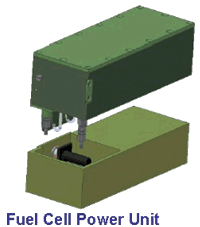
    A different fuel cell technology is considered for an auxiliary power unit developed by Radian Inc. The system is planned for deployment on US army vehicles. The fuel cell consists of the Proton Exchange Membrane (PEM) technology, developed by Hydrogenics Corp. Since modern armored vehicles rely on the use of many electronic and electrical systems, even when positioned in stationary positions, the APU will offer adequate supply of electrical power, to operate digital equipment and extended silent watch requirements. As an alternative to the battery systems and diesel generator sets currently being used by the military, fuel cell power generation offers longer operation, zero emissions, improved cycle-life, low noise signature, reduced deterioration and improved cold weather performance. In Regenerative fuel cell technology the system’s electrolyser will recharge the hydrogen supply while the vehicle engine is operating, supplying the hydrogen storage subsystem with sufficient fuel to operate the fuel cell auxiliary power system for up to ten hours at the field destination with a load of 3 kW average, and peak demand of 5 kW.

    Solid Oxide Fuel Cell Process (SOFC)

    SOFC to Operate on Military JP8 Fuel – (January 16, 2006): Gas Technology Institute (GTI) has demonstrated operation of a high-power-density solid oxide fuel cell (SOFC) using standard military logistics fuel (JP8) containing 600 to 700 ppm of sulfur. This is an important milestone on the path to developing SOFC technology providing efficient, clean, and quiet power for military applications.

    The process uses steam reforming process that prepares the gas for the SOFC stack, enabling effective thermal management which is key for the system’s efficiency. The JP8 fuel processor uses an advanced sulfur tolerant catalyst, novel JP8 burner, and radiant heat transfer system to convert JP8 military logistics fuel into hydrogen and other SOFC fuel gases. This JP8 fuel processor has operated stably for 600 hours of testing to date. The overall system is designed to capture and recycle water so that it can operate without an external water supply.

    The planar SOFC stack was supplied by Versa Power Systems (VPS). It is built of twenty-one cell stack, producing about 800 watts from JP8 processing, with an impressive power level of 315 mW/cm2. The next generation demonstration system will use advanced SOFC stacks to achieve the 3 to 10 kW power goal – suitable to meet the military’s Mobile Electric Power (MEP) generation requirements.

    The work is funded through the U.S. Department of Defense under the U.S. Army Engineer Research and Development Center’s Construction Engineering Research Laboratory (ERDC-CERL).


    Power Sources For Future Infantry Suites

    Several programs are currently underway in the USA to support Land warrior and Future Force Warrior programs with durable, long-lasting supply of electrical power. Several concepts are pursued, including lithium-manganese dioxide “pouches”, which could replace current batteries.

    Both primary and rechargeable power systems are considered. The primary pouch battery will consist of a five-cell, 15-volt lithium-manganese dioxide prismatic battery weighing 4.5 lbs., small enough to fit into a standard army canvas pouch. Cells are contained in thin, light, flexible laminated aluminum pouches, replacing the bulky, heavier steel cans typically used for lithium cells. The rechargeable battery set will be used for training and when operational conditions enable regular recharging. The rechargeable polymer battery will consist lighter, eight-cell 15-volt package weighing only 3.5 lbs.


    The system operating time for the primary batteries approaches 20 hours, significantly more than earlier competitive batteries which only lasted 2.5 hours. These batteries also offer the Army many additional benefits including the ability to operate safely over a wide range of temperatures, flat voltage profile, light weight, compact design and are more environmentally friendly than other batteries previously used.

    Ultralife’s proposed power solution for Land Warrior consists of lithium pouch cells, with lithium anode and manganese dioxide cathode electrodes folded in a flat, or prismatic, configuration and sealed in thin, lightweight laminated aluminum foil pouches. The combination of Li-Mn02 chemistry in a volume and cost efficient pouch configuration resulted in a power source with almost twice the energy of cylindrical-cell lithium sulfur-dioxide batteries currently used by military forces. The Pouch battery manufacturing technology developed during this program will use flexible manufacturing techniques to support the production of various cell sizes and battery configurations. The battery configurations that will be produced to prove out the results of the program are the BA-7590, BA-7847, Land Warrior and CSEL Radio batteries. The BA-7590 and BA-7847 Li-Mn02 Pouch batteries are intended to replace two of the most widely used lithium-sulfur dioxide batteries currently in use by the Defense Department. In February 2004 Ultralife won a $2.7 million development contract from General Dynamics, to develop and produce lithium primary and lithium-ion rechargeable batteries, and vehicle and soldier based chargers for the  Land-Warrior Stryker Interoperable (LW-SI) program. Initial deliveries are expected by January 2005.

    In early January 2006 Ultralife Batteries announced a new 1.7 million contract to supply General Dynamics C4 Systems with lithium ion rechargeable batteries and chargers developed under the previously announced program. The new batteries and chargers are destined for the Stryker Land Warrior Interoperability evaluation. The systems will be used as part of vehicle mounted kits and individual soldier-based chargers. The Stryker Interoperable portion of the Land Warrior program is scheduled for operational assessment and a Limited User Test in the summer of 2006. The products selected for the program include Ultralife’s UBBL06 (LI-145) Rechargeable battery, a lightweight, rugged, high-energy 16.8 volt, 9.4 Ah lithium ion rechargeable SMBus v1.1 compliant smart battery with a state-of-charge indicator. Recharging will be provided by CH0006 3-Bay Vehicle Based Charger, a rugged, smart Level-3 charger mounted in different variants of the Stryker Vehicle. An alternative charger is the CH0008 Individual Soldier Based Charger Kit, which is a rugged smart Level-2 charger with global input voltage and frequency capability. The 12-Bay Bulk Charger Kit will also be supplied, facilitating rechargino of up to 12 batteries simultaneously in the field, from vehicles or in depot via AC and DC power source. The 12 bay system will utilize the rugged CH0017 smart Level-3 charger.

    Loitering Attack Missile (LAM)

    An integral part of the Army’s Future Combat Systems, LAM and its laser detection and ranging (LADAR) seeker have been successfully demonstrated under previous Defense Advanced Research Projects Agency’s NLOS-LS (Netfires) and U.S. Air Force’s Low-Cost Autonomous Attack (LOCAAS) programs, and will be interoperable with the current as well as future forces.

    LAM is an expendable loitering hunter-killer sensor/weapon. It will be about 60 inches long and weigh less than 120 pounds. LAM will be equipped with laser radar  seeker and have automatic target recognition and classification algorithms. Equipped with a micro turbojet engine and large wings, it will be designed for missions of up to 30 minute duration, most of the time will be spent loitering over the target area, in a searching pattern, providing continuous target intelligence from a distance of 70 kilometers from the launch point.

    LAM can be employed as a target-acquirer, and is able to scan, identify, report and isolate all targets encountered throughout its flight path with extreme reliability, thus increasing the warfighter’s knowledge of the battlefield. And by screening all the imagery on board the munition via the target recognizer, only the relevant data is sent back to the operator. Thus LAM sends back an occasional ‘chiplet’ of relevant target data information the operator assessment.

    As a hunter killer sensor/weapon LAM has a dual mission – to search a wide area for targets an relay their location back to the command center, where these targets are engaged by direct attack PAMs or by other assets. Toward the end of its mission, or when a priority target appears, the LAM itself can be directed to break off its search and attack the target or any other target it is assigned by the commanders.


    Future Combat Systems Unattended Ground Sensors (UGS)

    Start < Page 3 of 5 >

    A future UGS generation is currently under development for the US Army Future Combat Systems (FCS) program. FCS UGS are expected to function in several roles, including perimeter defense, surveillance, target acquisition, and situational awareness, including Chemical, Biological, Radiological and Nuclear (CBRN) early warning. The FCS program will include a range of remote sensing capabilities, including expendable imaging and non imaging sensors, seismic, acoustic and magnetic sensors. Recoverable sensors will be “smarter”, capable of target identification, some will be remotely controlled, providing gateway, signal processing and fusion capabilities. These sensors will enhance the Future Force commander’s intelligence picture. Special FCS sensors are designed for urban operations. These will be network-enabled, leave behind reporting systems utilized for force protection in urban setting, providing residual protection for cleared areas, ambushes and other urban contingencies. These miniature, low cost devices will be equipped with integral communications and gateways ensuring dependable communications in urban environment. FCS UGS will become an integral component of the new system’s layered sensor network. FCS will utilize persistent, remotely deployable sensors for threat warning, situational awareness and force protection in both tactical and urban environments. Providing target detection, location, tracking and identification services, these sensors will be designed with integral wireless communications, comprising self webbing, self healing network capabilities. FCS UGS will become an integral part of the FCS Unit of Action Network and contribute an essential and continuous information feed to help create and update the unit’s Common Operating Picture (COP).

    The FCS Unattended Ground Sensors (UGS) program is divided into two major subgroups of sensing systems: Tactical-UGS (T-UGS), which includes Intelligence, Surveillance and Reconnaissance (ISR)-UGS and Chemical, Biological, Radiological and Nuclear (CBRN)-UGS; and Urban-UGS (U-UGS), also known as Urban Military Operations in Urban Terrain (MOUT) Advanced Sensor System.

    Tactical UGS systems are self-organizing networks of remotely deployed, long-range sensors that enhance perimeter defenses of military bases and other facilities. The sensors are also used to provide over-watch surveillance of a particular area or point-of-interest. An Unattended Ground Sensors (UGS) field will include low-cost, expendable and multimode sensors for target detection, location and classification; and an imaging capability for target identification. A sensor field will also include a gateway node to provide sensor fusion and long-haul communications capability for transmitting target or other information to a remote operator, or the common operating picture through the FCS Modular Force Network. The Unattended Ground Sensors (UGS) can be used to perform mission tasks such as perimeter defense, surveillance, target acquisition and situational awareness (SA), including Chemical, Biological, Radiological and Nuclear (CBRN) early warning.

    Additional parts of this article:

    Converting Aircraft For Broadband Data Transfer Capability

    AESA RAdar Datalink

    Following research into the past two years, an industry group including Northrop Grumman Corporation, L-3 Communications Inc. and Lockheed Martin Aeronautics demonstrated the use of active electronically scanned array (AESA) radars for high-bandwidth communications.

    In the demonstration, electronic signals generated by the AESA radar were used to transmit imagery data transmission to an L-3 Communication’s Common Data Link modems, at a speed of 274 megabits-per-second, twice and four times the basic
    CDL data rate.

    Northrop Grumman’s Electronic Systems sector is producing the AN/APG-77 AESA for the F-22 aircraft. The Common Data Link (CDL) modem is used to transmit and receive high-data-rate, line-of-sight communications over long distances for both air-to-air and air-to-ground applications.


    This demonstration is part of the F/A-22 Non-Traditional Intelligence, Surveillance and Reconnaissance (NT-ISR) missions, considered for for possible spiral application into F-22 and F-35 aircraft programs, allowing them to transmit and receive large, uncompressed data packages, such as synthetic aperture radar images and other data, within seconds. According to Maj. Gen. Tommy Crawford, commander of the U.S. Air Force Command and Control, and Intelligence, Surveillance and Reconnaissance Center, “Radar CDL (R-CDL) is a needed capability to support near-real-time NT-ISR. R-CDL complements the tactical data-link capability of tactical targeting
    network technology to complete networking the battlespace.”

    DSL-like Wiring Enhances Aircraft Databus Capacity

    A recent demonstration by Boeing Phantom Works, Data Device Corp. (DDC) and Honeywell enhanced the data transfer capability of aircraft at least 40 times faster than standard 1553 bus, utilizing existing aircraft wiring. Application of this technology will allow aircraft systems to be efficiently upgraded for future combat environments.

    Designated HyPer-1553, the new technology developed by DDC utilizes Digital Subscriber Line (DSL) techniques, similar to the technology used to expand the data-carrying capability of ordinary telephone lines. According to Steve Wilson, Boeing Phantom Works lead engineer for the project: “(HyPer-1553) operates in parallel with existing MIL-STD-1553 data buses, upgrades can be done incrementally, which further expands the options for upgrading the war-fighting capabilities of current and future aircraft.

    During the test, Boeing engineers used HyPer-1553 data bus to transmit imagery between a rugged computer mounted in the forward equipment bay of the F-15E and a modified Joint Direct Attack Munition (JDAM) mounted on a wing pylon station. The results showed that HyPer-1553 transferred data at 40 megabits per second in parallel with MIL-STD-1553 data being transferred at 1 megabit per second. The team also transferred data at 40, 80 and 120 megabits per second on a second bus dedicated to the higher speed data.

    Israeli Counter-Terror Warfare Training at the Israel Operational Security Academy

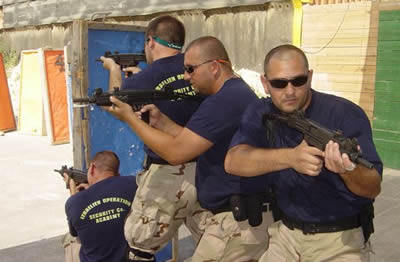
    Israel’s Operational Security (IOS) Academy provides professional counter-terror training based on unique know-how and tactics developed and practiced by Israel’s special operations forces, Mossad and the Israeli Security Authority ISA (formerly  Shin Bet orShabak). Courses that include theoretical and tactical lessons, unarmed combat techniques, simulated and live combat firing practice in security and anti-terror scenarios, and driving techniques are provided for government agency’s special security units, and VIP bodyguards. Training courses can be conducted in host countries in Europe, Africa and China as well as at I.O.S.’s 4,000 square meter facility in central Israel. The IOS facility has 24 shooting ranges, including a secure open range where students can practice day and night 360° firing at distances up to 200m.


    Counter-Terror Training

    The I.O.S. academy offers professional military counter-terror courses tailored for training of both takeover and engagement units. Training methodology for the two courses is common, enabling units to cooperate for large-scale operations during crises where involvement of more than one type of unit is required.

    “Our comprehensive CT course covers extensive individual combat training for use in counter-terror situations, including combat shooting when innocent civilians are in the area, unarmed combat and sniper techniques,” says Gil Chayoun, general manager of the academy. “As well as brushing up individual skills, we provide the foundations for team actions by practicing realistic, complex maneuvers by day and night, involving critical situations such as takeovers of complex objects such as aircraft, schools or embassies, etc. Real buses, train-cars, and various types of buildings are used to provide training in realistic environments,” says Chayoun.

    Techniques taught range from situational assessment using visual simulators, to commando style takeovers using techniques for rappelling from tall buildings or roofs. Other phases of the course include training in theoretical and practical skills such as introduction to negotiation techniques, which teaching basic techniques for negotiating with terrorists. Counter-terror operations planning and equipment and personal gear recommendations are included in the theoretical aspect for the training schemes. Other focus includes the employment of bomb disposal squad techniques for handling bombs and Improvised Explosive Devices, (IED) as well as the use of Explosives Ordnance Disposal (EOD) equipment.

    Bodyguard Training

    The I.O.S. academy also trains bodyguards for government, commercial and elite V.I.P. security functions, such as the protection of diplomats, embassies, businessmen, civil contractors operating in high risk areas, etc. The course combines all the theoretical and practical knowledge required for these activities. All instructors are former commanders of Israeli Army elite forces, or intelligence agency operatives, who can providing insight into the latest security methods and techniques combined with safety techniques and risk reduction.
    Students taking part in the V.I.P. protection course practice with all types of weapons ranging from 7.65 and 9 mm pistols such as the Jericho and Beretta, up to semi-automatic weapons including the Galil, Uzi, M-16 and other models, in a comprehensive range of situations that can be encountered during both day and night operations. They also practice defending VIPs at home, with or without family members present, in cars, offices, and other common situations. Other training elements cover unarmed contact combat, driving techniques, shooting techniques, evacuation, day and night convoy movement, and related activities. An extensive theoretical section covers all aspects of security planning.

    Unarmed Close Combat

    “Our Krav Maga (contact combat) system is unique among techniques used for counter terror,” says Master Avi Avisidon, the chief instructor of unarmed combat at I.O.S., an Dan 8 who has professionally practiced Krav Maga methods for more than 30 years. “We teach how to handle weapons and all types of terror situations.” According to Avisidon, the Krav Maga system is based on natural body movements and is exceptional in being simple, fast and efficient. “The first part of the system, self-defense, develops the ability to defend against violent attacks, and is designed for men, women, children or the elderly. The second part, Krav Magen (defensive combat) is designed for people who may be forced to engage in armed or unarmed combat in their line of duty.” Says Avisidon. The Krav Maga system has been adopted by the Israeli commando units, the Israeli Army, police units and Special Forces units all over the world. The I.O.S. academy is pre-eminent today in both types of martial arts.

    If you would like more information about the academy, or are interested in participating in these courses, please click here for more information.

    Skunk Works and XTEND Simplify Multi-Drone Command

    0
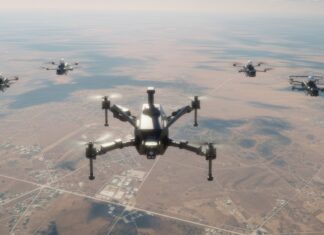
    Lockheed Martin Skunk Works® and XTEND have achieved a major milestone in JADC2 by integrating the XOS operating system with the MDCX™ autonomy platform. This technical breakthrough enables a single operator to simultaneously command multiple drone classes, eliminating the friction of mission handoffs. From "marsupial" drone deployments to operating in GPS-denied environments, explore how this collaboration is abbreviating the data-to-decision timeline and redefining autonomous mission execution.

    From Ukraine to Taiwan: The Global Race to Dominate the New Defense Tech Frontier

    0
    As traditional defense primes face mounting competition from agile “neoprimes” such as Anduril, Palantir and Helsing, the balance of innovation is shifting toward software-defined warfare and scalable, dual-use technologies, while global industry consolidation—marked by Boeing’s integration of Spirit AeroSystems and other strategic mergers—signals an intensified race to secure control over the defense technology value chain. Our Defense-Tech weekly report highlights these trends.

    Europe’s “Drone Wall”

    0
    In early October 2025, a coordinated wave of unmanned aerial system (UAS) incursions—widely attributed to Russia—targeted critical infrastructure across at least ten European nations. The unprecedented campaign exposed the fragility of Europe’s air defenses...

    Weekly Defense Update & Global Security Assessment

    0
    Executive Summary The past week (September 18-25, 2025) represents an inflection point where strategic defense concepts have transitioned from doctrine to tangible reality. An analysis of global events reveals four primary, interconnected trends shaping an...

    U.S. Air and Space Forces Push Next-Gen Programs at the AS&C 2025 Conference and...

    0
    At the 2025 Air, Space & Cyber Conference, U.S. Air Force and Space Force leaders unveiled major updates on next-generation fighters, bombers, unmanned systems, and space initiatives, highlighting both rapid innovation and critical readiness challenges as the services race to outpace global competitors. A short version is available here, with a more detailed version for subscribers.

    TADTE 2025: Reflecting Taiwan’s Strategic Themes

    0
    The Taipei Aerospace & Defense Technology Exhibition (TADTE) 2025 crystallized around four dominant strategic themes that collectively illustrate Taiwan's comprehensive approach to defense modernization amid escalating regional tensions. Based on a detailed report by Pleronix (available upon request). Includes a Podcast discussion on TADTE 2025's highlighting Taiwan's four strategic themes beyond the post's coverage.

    Iron Beam 450 Completes Testing, Soon to Join With Operational Air Defense Units

    0
    Israel’s Iron Beam 450 high-power laser system has completed final testing, marking a major leap in air defense. Developed by Rafael, it offers precise, cost-effective interception of rockets, UAVs, and mortars, and is set for IDF deployment by 2025.