
Wednesday, December 31, 2025
More
    Home Blog Page 192

    Research: With 150 New Submarines to be Built until 2021, the Submarine Market Seems to be on Solid Ground

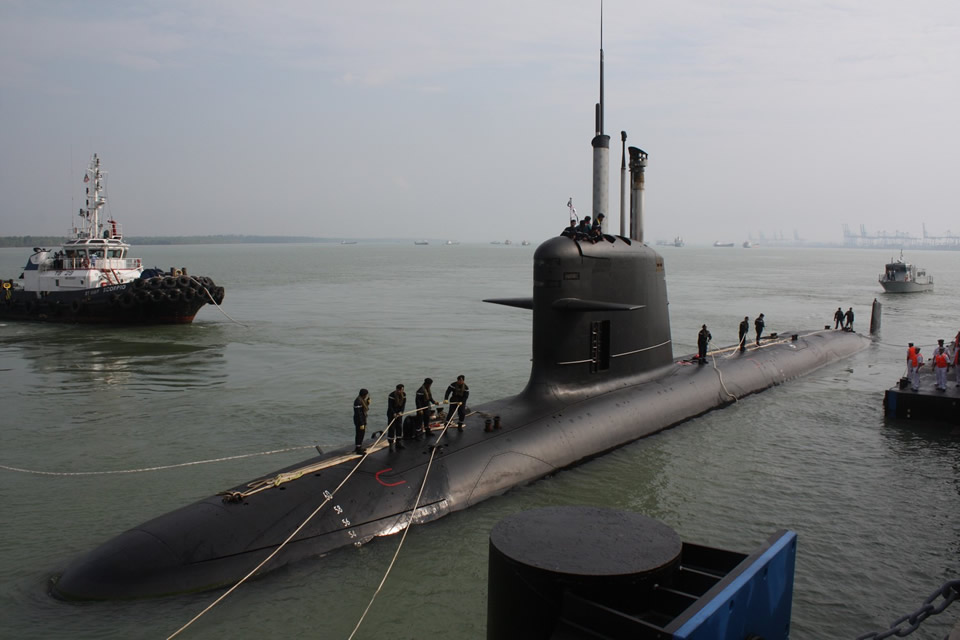
    Scorpene Class submarine
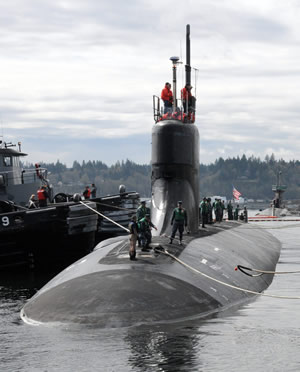
    Seawolf class USS Connecticut (SSN 22). Photo: US Navy

    The military submarine market is expected to continue growing in a modest pace through the second decade of the 21st century, as naval forces are inducting modern, more capable submarines, designed for extended operational missions at sea. Along with the growth of the submarine fleets, there is a growing interest in combat systems, sensors, defense systems countermeasures, as well as the means for integrating submarines with surface and joint operations, the ‘ICD global submarine market report 2011-2012‘ indicated.


    Submarines form an essential core of today’s naval fleets as a result of their flexible mission capabilities and ability to complement other strategic resources. Worldwide, 41 countries possess submarine capability and together operate 450 submarines. Most of these nations are modernizing their fleets or increasing them as a result of changing security situations. A total of 155 submarines are to be procured over the forecast period, costing US$188.8 billion.

    North America is set to constitute 46.27% of the global submarine market during the forecast period, followed by Europe with 24.48%, Asia with 24.35% and Latin America at 4.55%. With the dramatic growth of major Asian fleets, Asia-Pacific is expected to significantly impact the submarine market throughout this decade. The rise of regional powers with ambitions for power projection coupled with a growing sense of hostility and a resulting arms race in Asia-Pacific is driving the submarine market. The need to replace a Soviet era submarine fleet, rising maritime threats such as piracy, transnational terrorism and growing demands to protect sea lanes and communication lines are also important factors behind the desire for a strong submarine capability.
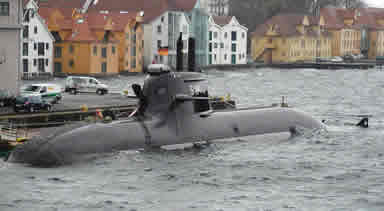
    U-212 class submarine at Bremen, 2007
    U-212 class submarine U-34 (S-184) at Bremen, 2007

    Submarines by CategoryBy categories, 102 conventional Submarine Hunter Killer types (also called attack submarines – SSK), 37 nuclear-powered attack submarines (SSN) and 16 Nuclear powered Ballistic Missile carrying Submarines (SSBN) are to be built across the globe over the forecast period. Major markets for SSKs include Brazil, India, Turkey and Vietnam, which have planned procurements in place. The SSN market is dominated by the US, which is planning to buy 21 SSN’s across the forecast period. A total of 16 SSBNs are planned to be procured during the forecast period at a value of US$57.1 billion, which includes the cost of R&D of the US SSBN (X) and the UK’s SSBN (R) programs.

    Evolving technology and changing mission profiles

    The improvements in underwater sensor and propulsion technologies have resulted in extended underwater endurance, as in the case of diesel electric submarines through the aid of an Air Independent Propulsion system. This has broadened the operational scope of today’s submarines, extending its mission profile to include enhanced ISR operations and Special Forces insertion and extraction. Developments in sensor and stealth technology have resulted in the boats undertaking covert operations near enemy territory and in littorals with near impunity to enemy sensors.

    Navies Opt for Improved Capabilities to Cope with Force Reduction, Budget Cuts

    The reduction in defense budgets in the Western world combined with changes in the global strategic security situation and the advent of sophisticated technology has brought about an immense change to the submarine market. Rising economic powers such as China, Brazil and India and their neighbors will increase expenditure on acquiring submarines and on developing the necessary submarine industrial base. The overall reduction in submarine orders in the West have forced the industry to reinvent the production process, turning to modular production processes and cutting down on manufacturing cost and time. The increasing cost of technology development and its rapidly changing nature has driven the submarine industrial base to adapt to modular and flexible systems architecture, which has long term benefits such as ease of upgrade installation and through life support. It also helps to easily switch between various mission profiles by swapping modules. Varying mission profiles has in turn resulted in the adaptation of a flexible payload to effectively deal with varying threats.

    Shifts in submarine procurement patterns to stimulate collaboration and consolidation
    The above factors have led to increasing collaboration amongst the submarine industrial base (SIB) present within a country. The decrease in demand in the West, which has a matured SIB, and the increasing demand from the rest of the world, which has limited industrial capability but stable financial growth, has resulted in cross border consolidation. The political will and limited restrictions in transferring sensitive technology have also led to growing license production through technology transfer agreements, a trend that is expected to increase during the forecast period.

    For more information on “The Global Submarine Market 2011-2021″ (product # Defense-update DF0002SR Request for Quotation). The report is available in electronic form from ICD. Single User License costs: $4,800.-
    To order this report and request more information please Contact Customer Support
    Research: Global UAS Market to Grow by 4 Percent Annually until 2021

    The global UAV market is expected to increase at a Combined Annual Growth Rate (CAGR) of 4.08% in the ten-year period between 2011 and 2012, a recent ICD report forecasts (Request Information. ICD estimated the global UAV market value at US$7.1 billion in 2011, this market is projected to grow to a value of US$10.5 billion in 2021, reflecting 4.08% CAGR. The study forecasts this growth will be driven by the demand for UAVs, addressing homeland and national security, (internal as well as external security threats), territorial disputes and modernization initiatives undertaken by armed forces across the world.


    Cumulatively, the market for UAVs during the forecast period is expected to value US$91.7 billion. Significant UAV spenders include countries in the North American and European region. Overall the global UAV market is likely to be dominated by the US throughout the forecast period. Europe’s share of the global UAV market is projected to increase, largely due to the efforts of various European countries to enhance its UAV capabilities. During the forecast period, Asia-Pacific is expected to invest considerably in UAVs, primarily due to a tense security environment within the region.

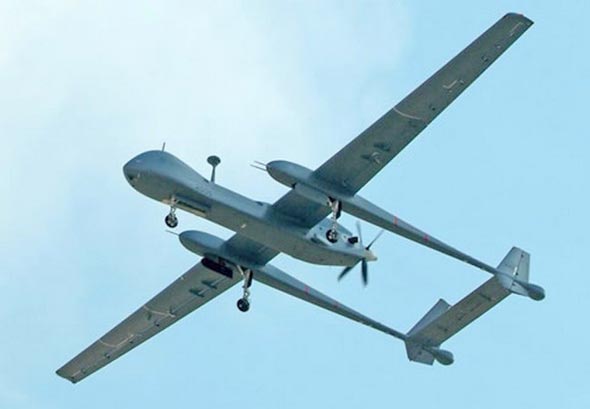
    IAI Heron TP MALE Drone. While successful in selling the Heron I drone worldwide, IAI hasen't cleared the 'TP export due to its range and payload exceeding MTCR limitations. Photo: IAI

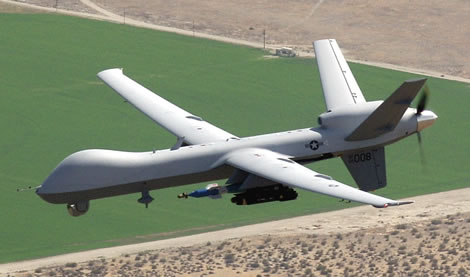
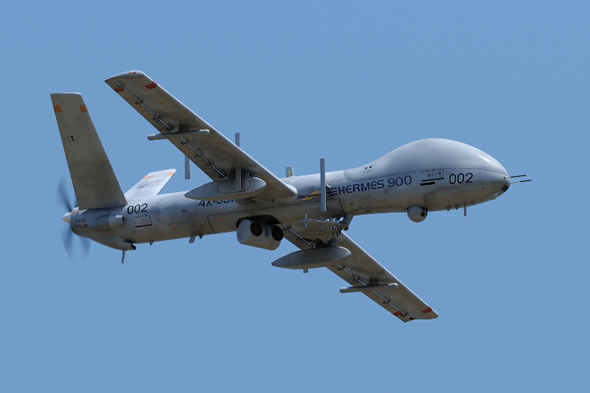
    Category-wise, MALE UAVs are likely to account for the highest proportion of spending in the global UAV market. Demand for MALE UAVs is anticipated to be higher than other categories, largely due to their superior intelligence, surveillance and reconnaissance (ISR) capabilities. Overall, MALE, HALE and TUAV are projected to be three most popular UAV categories during the forecast period. Among the MALE systems currently available in the market are the U.S. Reaper, Israeli Heron TP, Heron I and Hermes 900. Active newcomers to this field are the Turkish Anka and Indian Rustom.Demand for advanced technology UAVs is forecast to be on the rise

    In order to increase the capabilities of modern UAVs, the global defense industry is investing significantly in research and development which has led to the development of technologies to enhance the endurance and survivability of UAVs. Demand for solar powered UAVs has increased as they offer improved endurance and reduced maintenance costs; solar-powered UAVs are able to remain airborne for longer, making them better suited to provide high-quality surveillance data over wide areas. The interest in fuel-cell powered systems is also on the rise.

    Another area of interest for manufacturers is improving overall UAV survivability. Defense equipment manufacturers are, therefore, looking to develop UAVs capable of operating in high-risk areas such as battlefields, urban canyons or dense forests.
    Additionally, UAVs’ roles are evolving from deployment on ISR missions to a wide range of capabilities such as electronic attack (EA), strike missions, suppression/destruction of enemy air defenses (SEAD/DEAD), network nodes, communications relays, and combat search and rescue (CSAR).

    An MQ-9 Reaper is tasked with armed recce missions, armed with laser guided bombs and Hellfire missiles. The export of such aircraft has sofar been limited to close US Allies due to ITAR and MTCR export restrictions. Photo: General Atomics

    JVs are Sharing UAS R&D Costs

    While the demand for UAS products and services is growing, the global economic slowdown has reduced military expenditure worldwide. As a consequence, many countries are establishing joint projects in order to share R&D costs. Partnerships between defense firms have also increased, aligning with their host countries are investments and commitments to the development of domestic UAV industries, by establishing strategic alliances and technology-transfer agreements with global UAV manufacturers.

    The pressure drives the consolidation in this market, as established defense firms are acquiring small-scale UAV manufacturers. The global UAV industry is highly fragmented due to the presence of a large number of established manufacturers and a significant number of small and medium-scale enterprises in leading markets, namely the U.S., Europe and, to some extent, Israel. In recent years, Many of the established firms in these markets have acquire small UAV manufacturers possessing niche capabilities, in order to enhance their own technological capabilities and increase their overall product portfolios. For instance, in 2011, Selex Galileo, a part of Italy-based Finmeccanica, acquired the Unmanned Technology Research Institute (UTRI), an Italian developer of MUAVs for defense and homeland security.

    Defense budget cuts and high accident rates impede the growth of the global UAV industry

    The global economic slowdown has reduced the defense budgets of most leading spenders in the world, including the US, France, Germany and the UK. Cuts to military expenditure have led to the cancellation and indefinite delays of various UAV projects, and are having a detrimental impact on the growth of the UAV industry. For example, in 2010 the US army indefinitely postponed the upgrade of its Shadow RQ-7B aircraft to the new RQ-7C model in order to reduce costs. Lacking support from the French or German governments drove Cassidian (EADS) to scrap its own Talarion UAV project and realign its operations with rival Rheinmetall Defense.

    Other aspects hindering large-scale growth of UAS are the relatively high accident rates, as a consequence of unfavorable weather conditions or system failure, which also hinder the deployment of UAVs in critical missions such as combat roles. Accidents are more frequent for UAVs, mainly because manned aircraft have trained pilots capable of diagnosing or overriding system problems. However, if a UAV encounters difficult weather conditions or a system failure, the remote pilot is often unable to access important information such as wind speed. These considerations have also limited the use of UAS in airspace shared by civil aviation. Moving toward higher reliability and better integration with manned aircraft will also help expanding the uses and missions of future UAS, opening new markets and applications.

    For more information on “The Global UAV Market 2011-2021” (product ID: # Defense-Update DF0003SR Request for Quotation). The report is available in electronic form from ICD. Single User License costs: $4,800.-
    To order this report and request more information please contact: Rosezena Pare

    Beyond Visual Range – Stealth Fighters in Asia

    When China displayed the prototype of its first ever stealth aircraft, the J-20 in 2010, it sent alarm bells ringing not just in the US but also more importantly in countries across East and South East Asia. China has now joined the foremost ranks of fighter-building nations,

    Turkey to buy F-35
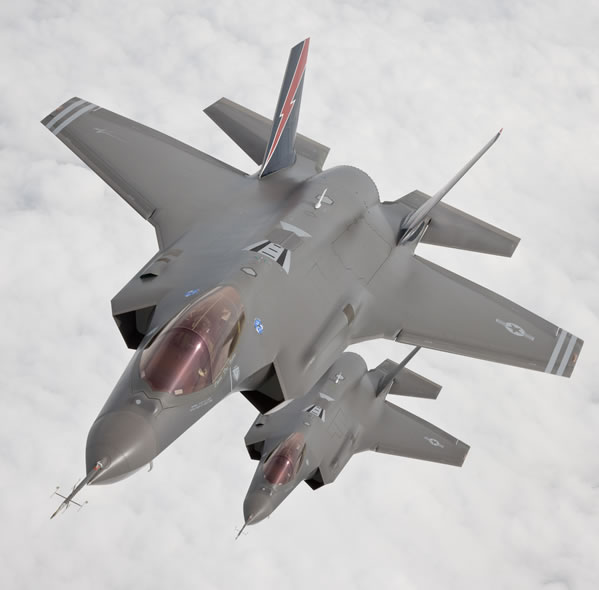
    F-35 was designe was compromized d to meet requirements of three US services and multiple foreign air forces. Photo: Lockheed Martin
    setting off a debate in the West and among China’s immediate neighbors over if and when the J-20 might begin entering service in great numbers and how that may shape the Asia Pacific balance of power.

    Suddenly, countries ranging from Japan to South Korea to Indonesia have decided to jump onto the stealth bandwagon and co-develop Low Observable fighters with foreign partners


    Since the mid nineties, backers of the F-22 and F-35 fighters, which rely on stealth, have utilized simulations and conferences to uphold the idea that stealth will be an advantage in air combat. We can probably take a deep dive and understand stealth fighter programs of other Asian countries sometime in the future, however for the time being let’s focus on something that is more accessible for the world’s defense companies (east and west) – when will India get its stealth fighter aircraft? As we know, India has started work in earnest with its “strategic partner” Russia to develop a Low Observable (LO) or stealth fighter aircraft. In this regard it’s worth asking an important question: is it worth having a stealth aircraft?

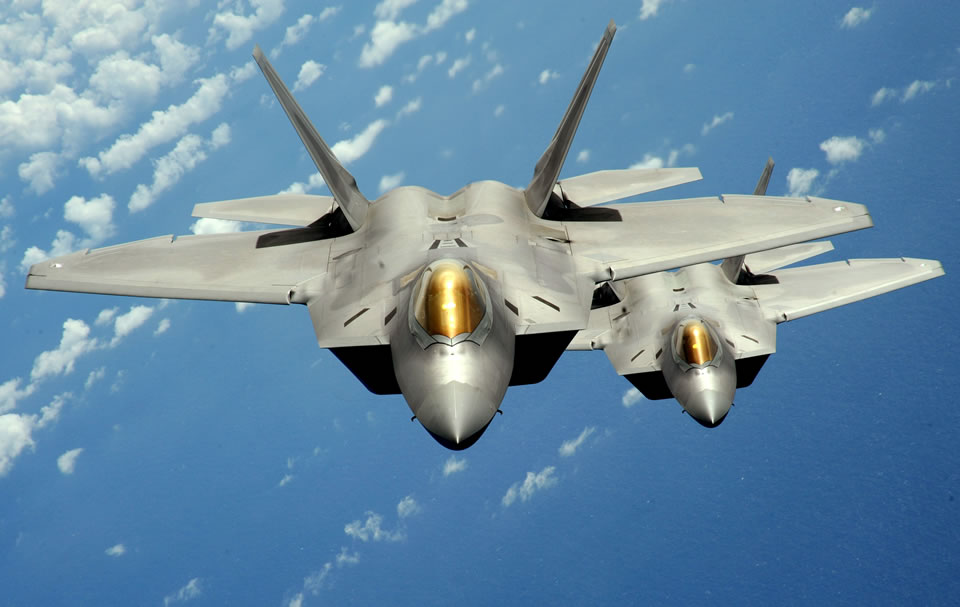
    Whilst the F-22 has quite good ‘stealth’ performance, it is a very expensive aircraft with several accidental crashes during Development and Testing. Also, the US Government has banned it from overseas export and any modifications (such as making it into a dual-seat fighter) would be prohibitive in price. Furthermore, it is not (yet) confirmed as ‘combat-proven’. Its stores capability, however, is quite considerable.

    The Lockheed Martin F-22A is designed specifically to meet the US Air Force air dominance requirement, with an all-aspect stealth fighter. Photo: US Air Force

    Looking at the earlier Demonstrator Stealth aircraft, the F-117, which is combat-proven (although now out of service since the introduction of the F-22), despite its stealth design it proved to be vulnerable when the Serbs shot down an F-117 using an SA-3 missile with its C/D-band (UHF) Fire Control. (although admittedly, the pilot had broken EMCON rules, talking to AWACS, and hence betrayed his presence in advance).

    The basic stealth design feature is to scatter incoming illumination in a controlled fashion. The prerequisite for this to work is that the wavelength of the ground Fire Control radar be much smaller than the basic dimensions of the shaping feature of relevance, such as wings, nacelles, cockpit, etc. Therefore, for stealth aircraft to counter VHF and UHF Fire Control ground-based radars (currently implemented by Russia) implies that the standard ‘stealth’ design would have to consist of larger airframes (too slow and vulnerable to I-band radars) or else use a combination of radar-absorbent material and also radar-transparent fuselages and wings.
    A fighter sized aircraft such as the F-22 or F-35 would see most of its carefully- designed shaping features fall into the resonance where shaping is of little or no importance, and skin depth penetration of the induced electrical surface currents defeats most absorbent coatings or laminates.

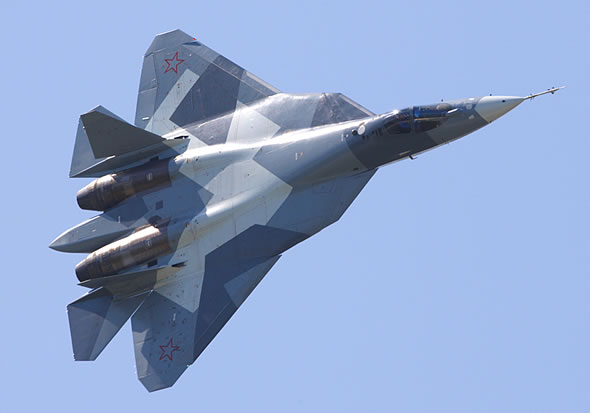
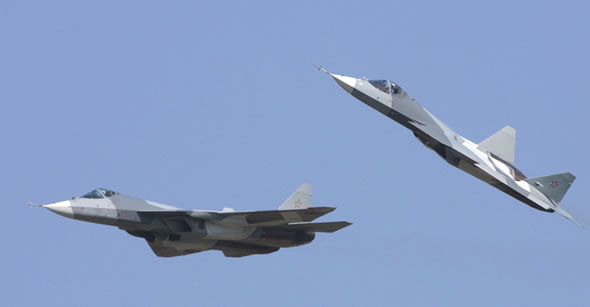
    The first two T-10 (PAK-FA) prototypes in flight. Photo: Sukhoi

    Now, let us take a close look at the Russian PAK FA program. The PAK FA already comes with a forward looking large nose mounted I-band Active Electronic Scanned Array (AESA) radar, smaller, side looking I-band AESA radars, and wing mounted C/D-band AESA radars. In addition, it uses multi-spectral IRST both in the front and back. Going by the prototype it seems that extreme manoeuvrability has been given precedence over all aspects of stealth, so the PAK FA may not carry out the deep penetration role of the F-22. It is understood that the PAK FA has been designed from the onset to detect the F-22 or similar stealth aircrafts from a long distance using its IRST and then destroy these aircrafts in a Within Visual Range conflict.Obviously, designing the avionic suite of the PAK FA (also the Sukhoi/HAL FGFA for India) is not going to be easy for Sukhoi. The provision of high capacity avionic cooling is essential, to avoid producing infrared hotspots. Likewise, the need for wideband, yet very low RCS radio-frequency apertures for the use of both passive and active sensors and aircraft datalink/network terminal transceivers. Unlike the Lockheed Martin F-22, which uses conventional stealth technology for signature reduction, Sukhoi favored another innovative approach – 85 percent of the surface of PAK FA is covered with unique coating made of nano-particle materials that decrease the visibility of the plane. (In addition, this coating is also said to offer extra benefit in drag reduction).

    Proper stealth needs to be a factor from the very start of the design stage because every aspect of the design will influence the final radar cross section. There are two aspects that are important with stealth and they are shaping and materials absorption. Shaping means designing the reflecting surface to redirect radar waves coming from any direction in any direction other than the direction the energy came from. Materials absorption means materials that absorb radio waves.

    Having a composite radar invisible skin is of limited value. They are currently used in the dielectric nose radome that covers the nose-mounted radar, therefore being transparent to radar (otherwise the radar inside them would not work through them). Making the outer skin of a plane out of that material to achieve low observability would just make the insides of the plane visible to the radar and all that external shaping to redirect radar so that it doesn’t return to the radar antenna would be completely wasted. Given the less demanding Russian requirements for low observability, there is no reason for the PAK FA to use the same range of complex and expensive RCS reduction designs and techniques used in the F-22 or other stealth aircraft.

    85 percent of the PAK-FA skin are covered with low-reflective nano-particle coating reducing the plane's visibility. Photo: Sukhoi
    85 percent of the PAK-FA skin are covered with low-reflective nano-particle coating reducing the plane's visibility. Photo: Sukhoi

    The PAK FA will not be some miracle plane, particularly as the two-seater variant for India has severely affected the original Sukhoi Design, but it potentially should outperform most Euro canards and potentially cope better against the MBDA Future Medium Range Air-to-Air Missile (FMRAAM) Meteor because with its IR sensors the PAK FA should be able to detect the Meteor at long range and thus take early avoidance manoeuvres. Even when a Meteor missile turns on its radar scanner, its reduced detection range means the PAK FA pilot need never let it get close enough to detect his aircraft (assuming the Rafael or Typhoon or F-22 or F-35 even detects him in the first place to launch).

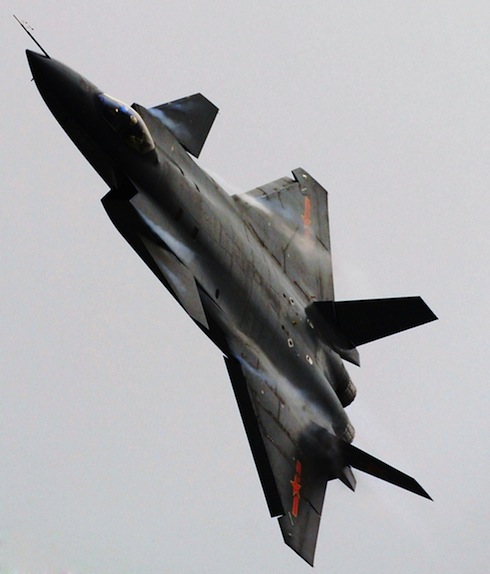
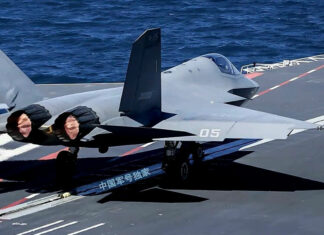
    Chengdu J-20 fifth generation fighter from China banks into a high angle turn.

    Looking towards another Threat Area, Chinese stealth fighters (like the J-20) will be up against an aircraft using C/D-band radar in wing mounted AESA antenna arrays, plus the latest in Imaging Intra-Red (IIR) sensors. In principle, a data link connection between a flight of 4 Su-30MKIs could synthesize a c/D-band antenna thousands of metres in length, which should be able to spot J-20’s or even B-2’s at extended range – however, with the caveat that the Su-30MKIs can either maintain very accurate coordinated flight paths or at least have accurate ring-laser gyro (RLG) compensation data and sufficient processing power for a sparse-filled Synthetic Array Radar (SAR).

    Stealth is worth it as long as it doesn’t completely compromise everything else. Otherwise one breakthrough and you are a sitting duck with your very expensive white elephant (please excuse the mixed metaphors).

    Therefore, we shouldn’t think of stealth as a be all and end all. Rather, we should think of stealth as a form of passive radar countermeasure. It means that even if the airborne attacking adversary has long wave radars that will tell them roughly where their targets are, they no longer have the option of a long range shot with a BVR missile, because the stealth effect has reduced its detection range enough to make it less useful as a fire and forget weapon.

    Being able to see a target is only half the problem, you have to be able to hit it with something!

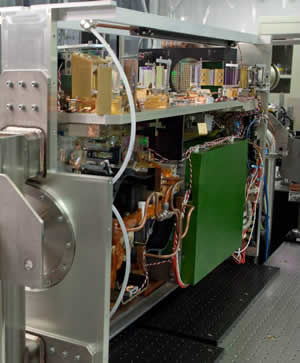
    Gamma Laser Demonstrates Burning Through an Anti-Ship Missile Skin

    Gamma Laser. (Photo: Northrop Grumman)

    Northrop Grumman has test fired a ruggedized and compact high power solid-state laser designed to form the basic module of future, operational laser weapons. The 13.3 kW solid-state slab laser called ‘Gamma’ enables designers to shrink the weight and size and ruggedize laser systems enabling their deployment on military platforms. It is part of the company’s FIRESTRIKE family of high power directed energy laser weapon, harnessing multiple modules to gain the power levels needed for the weapon-class applications.

    Gamma used a “slab” architecture to deliver 13.3 kilowatts for a number of shots over a total of 1.5 hours. According to Northrop grumman, the system demonstrated stable performance and a beam quality that exceeded design goals, completing the initial phase of the trials.


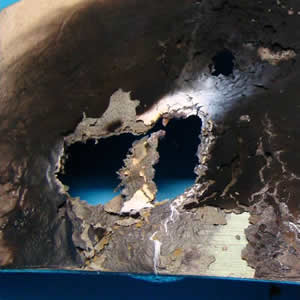
    The tests, conducted in the company’s Redondo Beach laboratory, demonstrated that the laser could burn through the skin and critical components of a target drone used to simulate anti-ship cruise missile threats to U.S. Navy ships. The term “slab laser” refers to a class of high-power, solid-state lasers with a gain medium, or source of atoms that emit light, in the form of a slab about the size of a microscope slide.

    The Gamma demonstrator is a single building block (chain) to be combined with other chains to create laser systems of greater power, as was demonstrated in Northrop Grumman’s 105 kilowatt Joint High Power Solid State Laser, which claimed a world record for soli-state laser power in 2009. “The Gamma has equaled or exceeded the performance we achieved in previous slab lasers, but the real advancement here is in packaging and ruggedization for operations in real-world military platforms,” said Steve Hixson, vice president of advanced concepts, space and directed energy systems for Northrop Grumman’s Aerospace Systems sector.

    Dan Wildt, vice president, directed energy systems at the company said The Gamma demonstrator is built in a form factor that implements the size and weight reduction goals of the FIRESTRIKE design. The finished Gamma based laser chain weighs about 500 pounds (226 kg) and shrinks to a volume of ‘about the size of two countertop microwave ovens’ (23 inches by 40 inches by 12 inches or 58x101x30 cm). “This laser has also been ruggedized to demonstrate how robust operational FIRESTRIKE lasers can be,” Wildt said. “Gamma implements a significant reduction in the number of internal optical components, while new mounting techniques eliminate sensitivity to vibrations. Key portions of the Gamma laser have already been subjected to vibration, shock and thermal testing to validate that these improvements have achieved design goals,” said Wildt.

    According to Wildt, these lasers can be combined coherently, meaning they retain their good beam quality, or the ability to focus energy at long ranges, even as more power is added. “The Gamma laser was tested at a beam quality of 1.4, which beat the design goal of 1.5, and we expect it to keep improving. A perfect beam quality is 1. Owing to its excellent beam quality, the 13.3 kilowatt Gamma is also brighter than its design goal, meaning it can put more power on target at range.” Wildt explained.

    The combination of beam quality, power and brightness yields the lethality effect in speed and depth burn through effect demonstrated by the laser. The lethality testing used a single Gamma chain at short distance in a way that simulated the effects that a laser weapon of several chains aboard a Navy ship could achieve at a range of several miles. “We validated that the laser could produce the amount of energy we predicted, and that the energy would have the effect on the target that we predicted,” said Wildt. The components used in the test included the skin of a surplus BQM-74 drone and other parts configured to represent critical internal components. The BQM-74 was formerly produced by Northrop Grumman for the Navy as a representative cruise missile threat and used for testing defensive systems.

    US Army Allocates Half a Billion to Support Mobile Countermine Radar

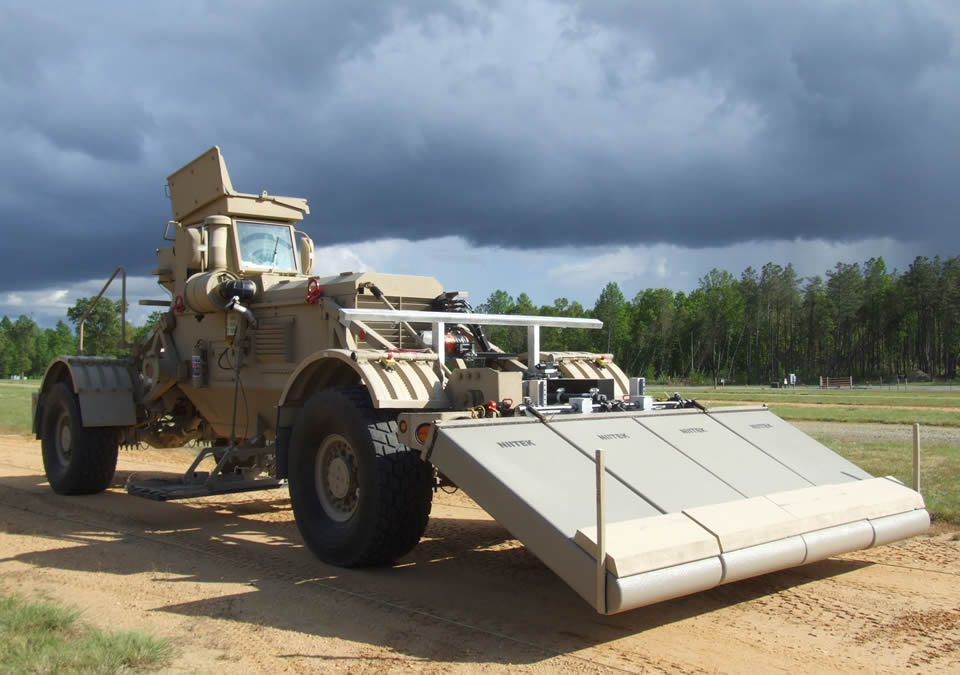
    The Husky Mounted Detection System (HMDS) uses a Ground penetration Radar to locate burried mines and IEDs. Photo: Chemring NIITEK
    The Husky Mounted Detection System (HMDS) uses a Ground penetration Radar to locate burried mines and IEDs. Photo: Chemring NIITEK

    The US Army awarded NIITEK, Inc. a sole source contract for the supply of Ground Penetrating Radar (GPR) Husky Mounted Detection System (HMDS). This multi-year contract has a ceiling of US$579 million with an initial order of $161 million. This contract provides the U.S. Army the ability to procure spares and replacement systems to replenish theatre sustainment stock. Additionally, this contract will serve future system requirements for the U.S. Army, U.S. Marine Corps, and potential Foreign Military Sales. The current Indefinite-Delivery/Indefinite-Quantity (IDIQ) contract represents the largest investment in the HDMS system sofar. In previous years NIITEK ramped up production and deliveries of HMDS, orders 240 HMDS and initial support of fielded systems. The recent order will mainly cover the support of those fielded systems.

    According to Juan Navarro, President of NIITEK, his company has supported the route clearance mission over the past four years and the current contract secures continued support for current and new systems. “NIITEK’s fleet of HMDS systems is the largest deployed and operational GPR systems in the world designed to locate buried hazards.” Mr. Navarro added. NIITEK is a subsidiary of the Chemring Group PLC. NIITEK was acquired by Chemring in December 2008.
    HardwareWall to Secure Predator and Reaper Ground Control Systems

    General Atomics Aeronautical Systems Inc. (GA-ASI) has received the first delivery of the Boeing tactical cross-domain technology, also known as eXMeritus HardwareWall, designed to improve the ability of intelligence analysts and warfighters to securely access videos and imagery from the MQ-1Predator and MQ-9 Reaper Unmanned Aircraft System (UAS). GA-ASI contracted Boeing to deliver the HardwareWall and associated information assurance and engineering support as part of the US Air Force’s UAS Ground Control System (GCS) Modernisation Programme.



    Few months ago the Air Force admitted a malicious code compromised computers used by ground control systems operated by the UAS operational wing at Creech AFB. The virus has infected Predator and Reaper drones logging pilots’ keystroke during missions flown over the warzone. The virus was detected two weeks after penetrating the system and has not prevented drones from flying their missions. However, the malware have shown unexpected persistence so that multiple efforts were necessary to remove it from the Creech computers. It is anticipated that such attacks could be prevented using higher level of hardware-driven, cross-network protection enables a secure transfer of information among networks operating at different security levels. By implementing such protection eXMeritus HardwareWall solution will provide fast and secure transfer of real-time information, enabling greater collaboration and information sharing across multiple secure networks.

    According to Boeing, eXMeritus HardwareWall is one of only a select number of technologies listed on the Unified Cross Domain Management Office Baseline, a list of validated solutions already certified and accredited by sponsoring agencies.

    Lockheed Martin Develops a Lightweight Precision Weapon for Tactical UAVs

    On its first launch test over Dugway, CA., the Shadow Hawk munition was released from the Shadow UAV at an altitude of 5,100 feet and impacted the target at a speed of 460 feet per second. Photo: Lockheed Martin
    Shadow Hawk carried on the test launcher, under the Shadow Hawk wing. Photo: Lockheed Martin

    With the missions of Tactical Unmanned Aerial Systems (TUAS) evolving from pure reconnaissance into armed recce, targeting and selectively engaging targets at very short response cycles, the US Marine Corps and Army are looking for low cost, high precision and compact aerial weapons that could be delivered from TUAS in the most effective way without compromising mission performance. This requirement demanded the introduction of a new class of lightweight guided weapons. Several companies have already demonstrated such weapons. The most recent was Lockheed Martin that reported today on the successful first launch of the ‘Shadow Hawk’ precision-guided weapon from a Shadow 200 Unmanned Aircraft System (UAS), achieving a direct hit on the target.


    The new guided munition is a five kilogram (11-pound) class, seven centimeter diameter (2.75-inch), 68 cm long (27-inch) drop-glide guided weapon that uses semi-active laser (SAL) seeker for terminal guidance. Shadow Hawk provides better than one meter precision and has effective off-axis capability, enabling engagement of designated targets off the aircraft’s wing. The weapon is equipped with an anti-personnel warhead optimized for the mission at hand and the TUAV platform class. Its low weight enables the Shadow UAS to maintain longer time-on-station for performing critical reconnaissance, surveillance and target acquisition operations.

    The test was conducted at the UAS Rapid Integration and Acceptance Center, Dugway Proving Ground, Utah. The Shadow Hawk munition was released from the Shadow at an altitude of 5,100 feet and impacted the target at a speed of 460 feet per second. Shadow Hawk’s sensor package, guidance electronics and control section successfully navigated the weapon to the target, hitting it just eight inches off the laser spot center. For this initial demonstration, the target was designated with a ground location laser designator.

    “As the mission of the Shadow UAS continues to evolve, it will need capability that can immediately neutralize threats detected and designated by the Shadow’s sensor package, with minimum impact to the aircraft’s endurance,” explained Glenn Kuller, director of advanced programs in Lockheed Martin’s Missiles and Fire Control business. “With precision strike accuracy, the Shadow Hawk is an ideal solution in urban environments where low collateral damage is essential.” Kuller added: “Equipped with Shadow Hawk and the UAS’ electro-optical and infrared cameras, a Shadow UAS can now offer battlefield commanders timely detection of threat activities, including fleeting and time-sensitive threats, along with a quick-strike capability,” Kuller said. “All of Shadow Hawk’s seeker and guidance components are flight proven and production ready, having been developed and tested on other Lockheed Martin weapon systems.”

    The MQ-7B Shadow carries the Shadow hawk weapon taking off from Dugway, CA. Photo: Lockheed martin

    Two years ago Lockheed Martin conducted another small weapon in a similar test profile. The Scorpion was about twice the size of the current Shadow Hawk. Back then the ‘Scorpion’ was launched from a C-130 aircraft at Yuma Proving Ground, AZ., probably as part of the evaluation of weapon alternatives for the Marine Corps’ KC-130J Harvest Hawk program. (Eventually, the Raytheon Griffin and MBDA Viper Strike were selected for Harvest Hawk). The Scorpion was ejected at an altitude of 5,000 feet through a Common Launch Tube (CLT) carried on the aircraft, successfully deployed its fins and wing, allowing it to precisely glide 1.65 nautical miles to the target. This weapon was designed to glide and hit targets at a maximum range of over 10 nautical miles. At that time the company said the Scorpion is adaptable to multiple launch platforms, including manned and unmanned systems. Scorpion was also said as being able to mount various seekers, including SAL, imaging infrared, shortwave infrared or millimeter wave seekers. The typical targets attributed to the Scorpion were described as structures, personnel, lightly armored vehicles, trucks, cars, missile launchers, and artillery or gun positions. Both weapons are based on elements developed for the 2.75″/70mm DAGR laser guided rocket, also developed by Lockheed Martin Missiles & Fire Control Systems.

    Other companies that have demonstrated similar compact, lightweight precision attack munitions for UAVs include Raytheon, ATK and DRS Technologies. Among these systems the Small Tactical Munition II from raytheon weighs about 13.5 pounds. Raytheon proposes stacking two such miniature guided weapons carried in tandem in a CLT. The Shadow could take a total of four such weapons, or only two, in an asymmetric configuration. providing more fuel for extended endurance. Another weapon developed by ATK is the Hatchet. It is even smaller, each weighing about four pounds. ATK designed a specialized pylon for the Shadow, also carrying two Hatchets. ATK has also configured special ejector racks and rotary launchers carrying multiple Hatchets, enabling a MQ-5B Hunter or MQ-1A Predator UAVs to carry 24 weapons while the MQ-9A Reaper could carry 72 while the MQ-18 A-16T Hummingbird would be able to mass 200 Hatchets. The Naval Air Warfare Center, Weapons Division (NAWCWD) and DRS Technologies have also developed the Spike missile, fitted with Semi-Active laser seeker, which would also be capable of deploying on tactical UAS.

    On its first launch test over Dugway, CA., the Shadow Hawk munition was released from the Shadow UAV at an altitude of 5,100 feet and impacted the target at a speed of 460 feet per second. Photo: Lockheed Martin

    North Korea Unveil Limited-Range Intercontinental Ballistic Missile

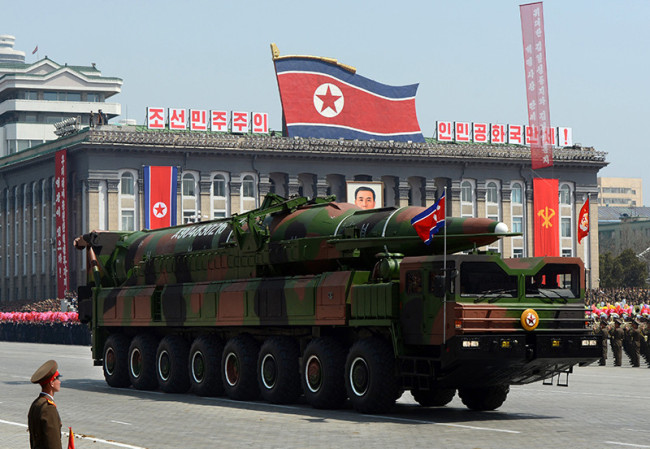
    The KN-08 Limited Range Intercontinental Ballistic Missile (LR-ICBM) developed by North Korea. Photo: Getty Images
    The KN-08 Limited Range Intercontinental Ballistic Missile (LR-ICBM) developed by North Korea. Photo: Getty Images
    The KN-08 Limited Range Intercontinental Ballistic Missile (LR-ICBM) developed by North Korea. Photo: Getty Images

    The KN-08 missile (also known locally as ‘Hwaseong 13’) was unveiled on a military march in Pyongyang April 15, 2012. This new missile was part of a massive display of ballistic missiles developed and built in the DPRK.

    But the new missile was different from other missiles on the march. The three-stage, liquid fueled propulsion system was different from those seen on previous missiles displayed by the North. Based on photo-analysis measurements and assumptions, this missile has a takeoff weight of 45 tons, and capable of a ballistic flight over a distance of 7,500 km. To mobilize such a weapon North Korea ordered a special 16 wheel (8 axles) carrier designed and built in China. This vehicle is configured as a mobile Transporter-Erector-Launcher (TEL) platform, designed to carry the monster missile from its hideouts caves or underground tunnels, travel over open terrain (avoiding roads vulnerable to enemy attack) to pre-designated launch sites. To minimize the exposure of the TEL to enemy strikes, the KN-08 is likely to be fueled in its storage sites, and move on wheels to the launch site. An indication to such practice is the design of the Chinese WS51200 vehicle used for the TEL, featuring six powered axles out of the total eight, designed to support the much heavier fuelled missile.

    Update: While some analysts criticized the missile as a fake, the pentagon and US administration is taking the North Korean threat very seriously. Less than a year after the public exposure of the missile, the US has revamped its defensive and offensive posture in the Pacific, bolstering the missile defense radars based in Japan, deploying multiple AEGIS cruisers and destroyers, equipped with SM-3 Block IA interceptors in the Western Pacific and adding 14 new Ground Based Interceptors to the missile defense site in Alaska.

    The three stages of the KN-08 operate with liquid rocket propulsion and have finless configuration. The total length is over 18 meters (7.2, 5 and 3 meters respectively), and the diameter of the first stage is about two meters, while the second stage is about 1.4 meters. The third stage, carrying the flight instruments section and reentry vehicle has a diameter of about 1.25 meters. The weight of the reentry vehicle is estimated at 0.7 tons.

    Attitude control is achieved by four vernier thrusters attached to the first, second and third stages. These auxiliary thrusters are likely to be derivatives of Musudan (BM25) open-cycle turbo-machinery system.

    While North Korea has not tested the full scale KN-08 missile, analysts believe part of the KN-08 propulsion systems have been matured through recent engine, stage systems and dynamic testing of flight hardware were focused on improving the closed cycle propulsion performance of the engines. At least four such tests reportedly took place in Musudan-ri missile test range In 2011 and early 2012. According to sources in Seoul, at least two of these tests failed.

    The tip of the KN-08 missile carries a tri-conical reentry vehicle, containing the warhead. This section weighing 700-1000 kg is likely to carry a miniaturized nuclear device,
    The tip of the KN-08 missile carries a tri-conical reentry vehicle, containing the warhead. This section weighing 700-1000 kg is likely to carry a miniaturized nuclear device,

    Israeli analysts consider the propulsion system used for the KN-08 missile is unsymmetrical dimethylhydrazine (UDMH) and nitrogen tetroxide as oxidizer (N2O4). ה The payload of both warheads is believed to be a nuclear warhead. The use of such propulsion system was a must given Pyongyang’s ambitions to extend the range of their ballistic missiles. Would they remain with the fuel used with their No Dong missiles, the range of the new missile would be slashed by half. With that range, Pyongyang can keep at risk US targets in the Pacific, including Guam and Hawaii, as well as Alaska and Seattle, in Washington State. In recent years the US Missile defense Agency (MDA) deployed Ground Based Interceptor (GBI) missiles in Fort Greely, Alaska and Vandenberg AFB in California, to protect against such potential threats. Pyongyang is believed to be on the way to develop missiles with even longer range, up to 12,000 km, reaching the East Coast. To face such future threat the Pentagon is seeking to deploy at least two GBI sites on the East Coast of the USA.

    The KN-08, Semi-Mobile, Limited Range-ICBM (LR-ICBM) system that have evolved over the previous North Korean five year plan was closely watched by the US intelligence community. Cables leaked by Wikileaks mention the new missile since 2009. Former Secretary of Defense, Dr. Robert M. Gates addressed the evolving threat in his visit in Beijing in 2010, when it became evident that the Chinese assisted the North Korean program, at least by providing highly specialized vehicle for the TEL.

    Although the KN-08 LR-ICBM has not been flown yet, the system has undergone Research & Development, dynamic and rocket propulsion system static test firing. Some of the technology used for the propulsion system could also be acquired from abroad, namely experts in China, Russia or Ukraine. These were necessary stages before flight test of the KN-08 commences within this 2011-2015 Five Year Plan.

    While the missiles on parade were most likely models or mockups of the real missiles, the investment in multiple, standardized, large scale, highly detailed and realistic mockups and the TELs that came with them indicate the North Koreans have plans to use such assets in operational development and evaluation and training for an operational formation of these strategic rocket force, probably a brigade-level force. It can also provide for training pre-launch drills, including ground movement, missile erection, fueling and defueling procedures.

    US and the Philippines Reaffirm Defense Alliance

    (From left) Secretary of Defense Voltaire Gazmin, Secretary of Foreign Affairs Albert del Rosario, Secretary of State Hillary Rodham Clinton and Secretary of Defense Leon Panetta. Official Philippine Government photo
    US and Philippine ministers at their recent meeting in Washington DC.

    Against a backdrop of a Filipino-Chinese standoff in a small corner of the South China Sea, senior US and Filipino representatives concluded defense discussions 30 April with a firm commitment to fully honor their respective mutual defense treaty obligations.


    US Secretary of State Hillary Clinton and Secretary of Defense Leon Panetta, in meetings with Filipino Foreign Secretary Albert del Rosario and Defense Secretary, discussed a wide range of topics focused on strengthening their defense alliance along with cooperative strategies to intensify economic and cultural development projects.

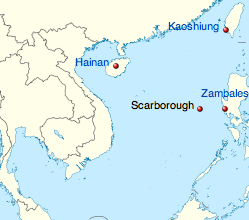
    Since 8 April, Chinese and Filipino naval vessels have been locked in a face-to-face standoff at Scarborough Shoal in a tense dispute over territorial claims on the area. Scarborough Shoal, located some 200 kilometers west of the northern Filipino island of Luzon, is little more than a scraggly atoll-shaped collection of rocky outcroppings. The main attraction of the area is the richness of its aquatic life making it a highly lucrative fishing ground. Sovereignty over the Shoal is claimed by China and Taiwan with the Philippines joining the sovereignty fray in 1996.

    The location of the Scarborough Shoal

    Although efforts are still ongoing to arrive at a diplomatic settlement of this dispute, both China and the Philippines continue to pursue their aggressive claims to a right of ownership of the area. The Philippines has accused China of provocative “bullying” maneuvers and some Filipino lawmakers have encouraged their government to stand strong.

    Following the discussions, Secretary del Rosario stated that the US representatives indicated that the United States would fulfill its “obligations under the mutual defense treaty” should Filipino forces come under attack at Scarborough Shoal. Under the terms of the treaty, both nations are committed to defending each other should they be attacked. Until the conclusions of the 30 April discussions it was unclear if the United States would intervene on behalf of the Philippines in the Scarborough standoff.

    Statements made by Secretary Clinton following the meetings clarified this issue when she announced that the United States opposed the “threat or use of force” by any nation in an effort to settle a territorial dispute. During a press conference, she stated that the United States would not “take sides on the competing sovereignty claims to land features in the South China Sea.” She added that the United States encouraged all nations to pursue a diplomatic approach to resolving contentious issues.

    She went on to say that the United States remains committed to ensuring that Pacific sea lanes remain open to international shipping and freedom of seaborne navigation is guaranteed. A priority, she stated, is “the maintenance of peace and stability” in the Pacific, a key national interest of the United States as a “Pacific power.”

    Foreign Secretary del Rosario said that the Philippines was working to enlist help from the Association of Southeast Asian Nations (ASEAN) to settle the Scarborough standoff with China, but the Association has so far taken no action. Filipino efforts to solicit assistance from the UN to settle the disagreement are not likely to succeed as China is firmly opposed to UN involvement. He went on to say that the United States promised to support the Philippines when the dispute is brought before an international body provided a hearing adheres to a “rules-based approach.”

    The Philippines and the United States have been engaged in discussions focused on increasing military cooperation between the two nations for more than a year now. Any expansion of a US military presence in the Philippines is a sensitive issue that has been the subject of rather intense controversy in the Philippines. Since the closure of the permanent US facilities in the Philippines in 1992, any reestablishment of a permanent US presence always stirs up heated debates among Filipinos.

    The United States has also promised to assist the Philippines modernize, train, and equip its naval and air forces and would honor its obligations outlined in the US-Philippine Mutual Defense Treaty. With the movement of US Marines out of Okinawa and President Obama’s determination to “pivot to Asia,” the Philippines represents a critical ally in America’s Asia-Pacific strategic realignment, an ally that must be nurtured and strengthened.

    Remington Defense to Supply M4A1 Carbines to the US Army

    Remington Arms Company was award an indefinite delivery/indefinite quantity contract to supply up to 120,000 M4/M4A1 carbines, for a maximum amount of US$180 million. The Army has initially ordered 24,000 M4A1 carbines from Remington; deliveries will start in September, 2013. The Army has already received some 37,000 M4A1s from two previous orders awarded to Colt Manufacturing Co.

    M16, also known at the time as XM16E1 was first issued to US Army units in Vietnam in 1963.

    By awarding future orders to Remington, the Army has switched its primary supplier of Carbines for the first time in half a century (the first mass production order for 85,000 rifles was issued to Colt in 1963, to soon to become the symbol of the US jungle warfare in Vietnam…)

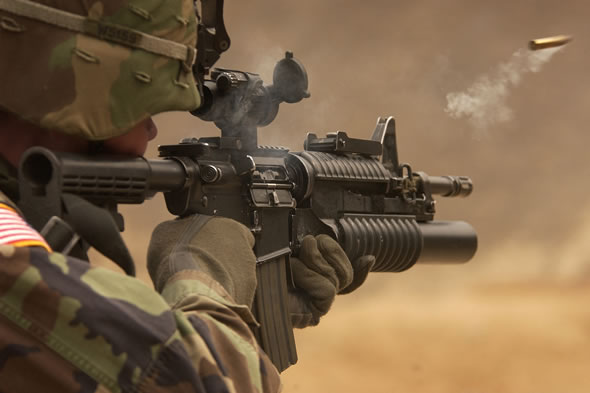
    In 1994 the enhanced M4 was first delivered to U.S. Special Operations units. six years later, in September 2010 the M4A1 was authorized as the standard carbine for the U.S. Army. The weapon has the same 14.5 inch barrel length but the M4A1 barrel is slightly heavier, to sustain the fully automatic firing this weapon is configured for.


    It also has an ambidextrous fire control assembly. Like the M4, the M4A1 can mount the Adapter rail System (ARS), adding additional Mil 1913 (Picatinny) accessory rails mounting additional equipment such as illuminators, laser aiming devices, rangefinders or green laser distractors. The M4A1 weighs 7.13 pounds (3.23 kg) which is 0.38 pounds (170 gr) heavier than the M4.

    With continuous deliveries of up to 120,000 carbines plus modifications of existing M4s, the M4A1 carbine will soon become the US Army’s primary individual combat weapons. The M4 and M4A1 carbines will be produced at Remington’s core rifle manufacturing facility in Ilion, New York. One of the oldest continuously operating rifles manufacturers in the US, Remington, has been in operation since 1816. The company has been providing the Army with sniper rifles, suppressors and shotguns, but until now, the Army received its M16 and M4s from a sole supplier – Colt Manufacturing Company.

    India Launches a SAR Satellite Risat-1

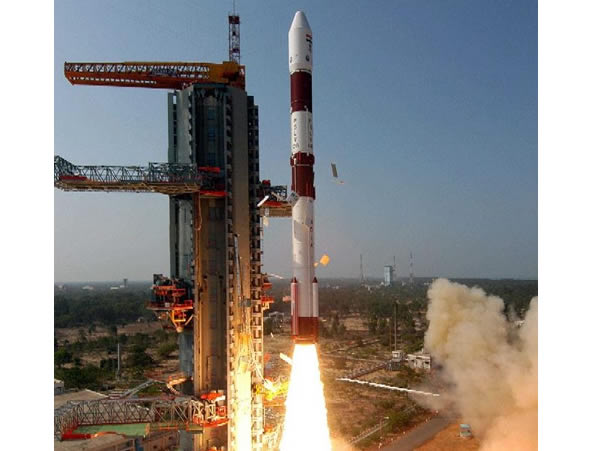
    The Indian Space Research Organization launched yesterday the second radar imagery satellite, and the first indiginously built by the country’s space research organization (ISRO). The satellite named Risat-1 successfully deployed into a polar orbit at an altitude of 480 km and orbital inclination 97.552 degrees.

    Risat-1 has an expected life span of five years. The satellite will provide high resolution radar images, obtained in day and night and also through clouds, enabling the country to continue monitoring areas of interest during the monsoon season.

    The satellite was launched at 5.47 a.m. on the Polar Satellite Launch Vehicle C19 (PSLV-C19). At around 17 minutes into the flight, PSLV-C19 delivered Risat-1 into an intermediate polar orbit at an altitude of 480 km and an orbital inclination of 97.552 degrees. Over the weekend the satellite will be elevated to its final intended orbit at an altitude of 536 km.


    With Thursday’s launch the PSLV rocket has launched successfully 53 satellites out of 54 it carried – majorly remote sensing/earth observation satellites both Indian and foreign – and has been a major revenue earner for ISRO. The ISRO-made Risat-1 is the heaviest luggage so far ferried by a PSLV since 1993.

    India currently has 11 remote sensing and earth observation satellites in orbit, providing imagery at different resolution levels, from 500 meters to about one meter resolution. These spacecraft include the TES, Resourcesat-1, Cartosat-1, 2, 2A and 2B, IMS-1, Oceansat-2, Resourcesat-2 and Megha-Tropiques. Risat-1 joins Risat-2 in orbit, an Israeli SAR satellite launched in 2009. Both satellites carry synthetic aperture radars (SAR). Risat-1 operates in C-band while Risat-2’s SAR works in the X-band.

    Following the Trophy Success, RAFAEL Develops Hard Kill Countermeasures for Helicopters

    RAFAEL has demonstrated key elements for an active defense system for helicopters, designed to protect from unguided weapons such as Rocket Propelled Grenades (RPG). These threats that are typically fired from very short range, proved lethal against helicopters in recent conflicts, particularly in Iraq, Afghanistan and Somalia. In a recent terror attack on the Southern border near Eilat, terrorists fired RPGs against Israeli attack helicopters, but luckily did not hit them.


    Shoulder-Launched, Man Portable guided Missiles (MANPADS) are considered the common threat to helicopters and aircraft they are typically engaged by countermeasures (also known as ‘soft kill’ defenses). Such countermeasures include flares, infrared jammers and electronic countermeasures, aiming to distract, confuse or incapacitate the ‘soft elements’ of the threat, like the guidance systems of incoming missiles missiles, or their command links. In contrast, the RPG does not have a ‘soft side’, it is unguided, fired at a straight line from very short range, and when the warhead is activated, on impact with the target or other objects, its relatively large warhead causes an explosion that would destroy a soft target like a helicopter.

    Widely used with insurgents and terrorist groups worldwide, RPGs and MANPADS  are posing a significant threat to helicopters, particularly in the take-off, landing and low hovering phase, as they make a large, slow and vulnerable target. MANPADS such as the Stinger, SA-7, 14, 18 and latest generation SA-24 are widely available, putting at risk aircraft and helicopters at low and medium altitudes. A number of new countermeasures are designed to address the advanced MANPADS threats, including new laser-based directional infrared countermeasures (DIRCM) and multi-spectral flares, but the RPG threat has sofar remained unchallenged.

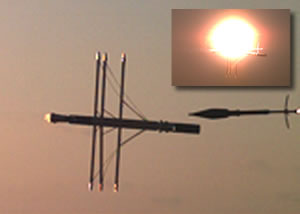
    During the feasibility test held in September 2011 the Fliker interceptor demonstrated effective kill of an RPG, at a safe distance from the protected platform. According to the test engineers, "the warhead performed a perfect kill, the interceptor was launched on time, calibrated itself, identified the target and activated the fuse, it scored a hit at the center of the RPG, exactly where we planned, and neutralizad it, exactly where we planned". Photo: RAFAEL

    RAFAEL’s new ‘Hard Kill’ technology marked an important milestone in September 2011, demonstrating the kill of an incoming RPG at a safe distance from the protected platform. The new system dubbed ‘Fliker’ is developed by the company’s MANOR Technologies Division with support by the Israeli MOD Defense Research & Development Directorate (DRDD).

    Fliker is designed as an add-on defensive layer, augmenting existing warning systems and countermeasures used on combat helicopters. As such, it will be activated after all other measures have failed to defeat the threat, meaning the time remaining for engagement and the distance to the target are shortest. To minimize response time Manor designers developed a new launcher for this application, combining pyrotechnic charges and high speed electrical motors to achieve very high traverse rate, while aiming at the target with high accuracy to achive effective kill without initiating the RPG’s explosive charge. (the same counter-RPG concept is used in hard kill systems on tanks).

    Specialized in the development of warheads, MANOR defined a unique kill mechanism for the Fliker, taking the impact point as far as possible from the protected platform and reducing collateral damage effect to minimize the risk of debris hitting the helicopter. The warhead is activated by an advanced optical proximity sensor also developed by RAFAEL. Fliker is designed as an add-on kit augmenting existing self protection systems operating on helicopters. The kit will include the specialized turret, interceptors and software enhancements to the self protection system, that will identify a threat ‘not responding’ to soft kill countermeasures, thus activating Fliker for the hard-kill.

    Patriot PAC-3 Assisted by JLENS, Successfully Intercept a Cruise Missile Target

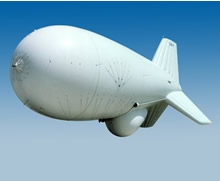
    JLENS aerostat borne sensors
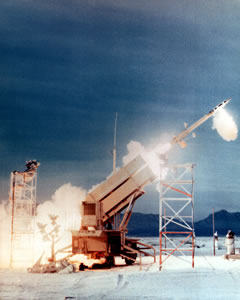
    Patriot PAC-3 Launch

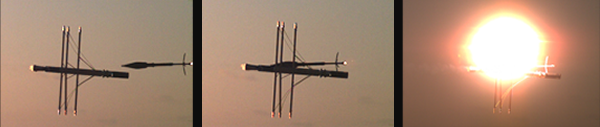
    Lockheed Martin’s PAC-3 Missile successfully intercepted and destroyed a cruise missile target yesterday at the Utah Test and Training Range, in an unprecedented interoperability demonstration utilizing the Joint Land Attack Cruise Missile Defense Elevated Netted Sensor (JLENS) and the PATRIOT system.


    The test demonstrated a new capability recently introduced with the PAC-3 Missile Segment’s unique ability to detect, track, engage and destroy a cruise missile target at extended range in an integrated air and missile defense architecture that joins netted sensors and missile defense systems to provide greater capability for the warfighter.

    PAC-3 has already demonstrated the ability to defeat cruise missile in 2004, as a single Lockheed Martin PAC-3 Missile was fired at a low-flying MQM-107D cruise missile target. The main challenge in defeating the cruise missile target is the detection and tracking of such low-flying targets. Back then the PAC-3 relied on ground-based sensors to spot the targets. However, often in realistic scenarios, an intercept of a cruise missile under these conditions would be considered merely as a ‘lucky shot’. JLENS turns the table in favor of the defender.

    JLENS Aerostat borne sensor

    the JLENS system developed by Raytheon, referred to as an orbit, consists of two tethered 74-meter aerostats. One aerostat elevates a surveillance radar to 10,000 feet, providing 360-degree coverage out for hundreds of miles over land and sea. The other aerostat elevates a fire-control radar. Each of the aerostat platforms has the capability to integrate other communications and sensor systems. JLENS is designed primarily to detect and track hostile cruise missiles; however, it is also capable of detecting and tracking low-flying aircraft and unmanned aerial systems. JLENS also incorporates the capability to detect and track ballistic missiles, large caliber rockets and surface targets on land and sea.

    JLENS provides a ‘look down’ sensor that can better monitor large areas, even over contoured or mountainous terrain, providing the PAC-3 with the data for reliable target acquisition. The system completed the first demonstration test (DT1) in February, successfully proving its ability to track targets and integrate with fire control and tactical data link systems. At the time, Mark Rose, program director for JLENS with Raytheon Integrated Defense Systems explained: “In addition to detecting and tracking targets, the system demonstrated its ability to communicate targeting data over command and control systems, such as Link-16, and interface with combat identification support systems, such as IFF (Identify Friend or Foe), to discriminate between friendly and hostile aircraft and missiles.” these capabilities were essential to the success of the recent intercept.

    “The PAC-3 Missile continues to be successful against today’s modern threats, and is ready for tomorrow’s modern plug-and-fight air and missile defense architectures,” said Richard McDaniel, vice president of PAC-3 programs at Lockheed Martin’s Missiles and Fire Control business. “This effort moves us closer towards achieving the U.S. Army’s vision of a truly integrated Air and Missile Defense System.”

    Army Orders a Second Upgrade for 3,500 ‘Ma Deuce’ M2 .50 Caliber Machine Guns

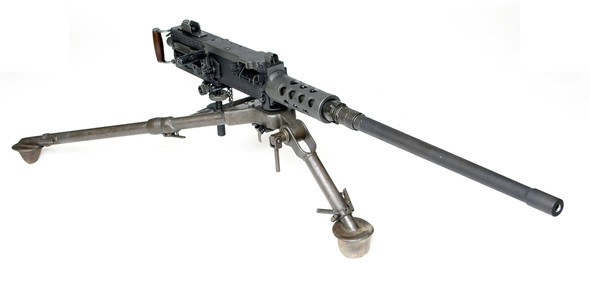
    M2HB Machine Gun
    M2HB Machine Gun

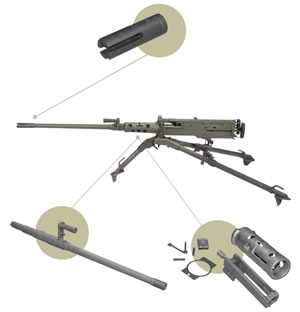
    The US Army is improving 3,500 M2 heavy barrel machine guns (M2HB) into the A1 version.  In March 2012 General Dynamics Armament and Technical Products, a business unit of General Dynamics, was awarded a $6.9 million contract by the U.S. Army TACOM Life Cycle Management Command for the conversion of more than 3,500 M2HBs to the new configuration. This conversion is expected to be completed next year. The Army has traditionally bought the M2 from two suppliers, GD and US Ordnance. The M2A1 was type classified last year with first conversion batch completed at the Anniston Army Depot in 2010.


    According to the Army PEO Soldier information, the M2A1 with Quick Change barrel (QCB) offers some performance, safety and handling improvements. The modified weapon provides fixed headspace and timing configurations, flash supressor and removable carrying handle which increases the weapon performance. The QCB improved survivability and efficiency by reducing the time required to change the barrel and eliminating the timely headspace setting procedure. The flash supressor reduces muzzle flash by 95 percent, making the M2A1  less detectable in darkness. These new features adds about two inches to the weapon length (67.75″)  and two pounds to the weight, to a total of 39 kg (86 pounds.)

    M2E2 Quick Change Barrel (QCB) Kit was developed by US Ordnance as an enhancement to the M2 .50 Caliber Machine Gun, offering Soldiers increased performance as well as new features and design improvements that make it easier and safer to use. The QCB is now part of the M2A1 kit. Photo: PEO Soldier, US Army

    The Army began converting the M2HB last year, integrating the quick change barrel kits and delivering the M2A1s for the first units. The improvements help eliminate operator error, decrease muzzle flash and streamline barrel changes. General Dynamics developed the M2A1 .50 caliber weapon upgrade after more than 30 years of experience manufacturing the M2HB for the U.S. Department of Defense. First built in the 1920s as the M2 Browning air cooled machine gun, also known as ‘Ma Deuce‘, the M2 machine gun is still one of the world’s most effective crew-served weapons.

    Skunk Works and XTEND Simplify Multi-Drone Command

    0
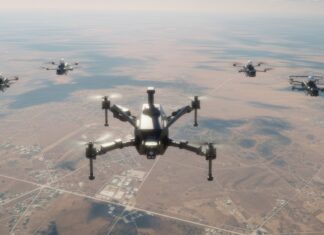
    Lockheed Martin Skunk Works® and XTEND have achieved a major milestone in JADC2 by integrating the XOS operating system with the MDCX™ autonomy platform. This technical breakthrough enables a single operator to simultaneously command multiple drone classes, eliminating the friction of mission handoffs. From "marsupial" drone deployments to operating in GPS-denied environments, explore how this collaboration is abbreviating the data-to-decision timeline and redefining autonomous mission execution.

    From Ukraine to Taiwan: The Global Race to Dominate the New Defense Tech Frontier

    0
    As traditional defense primes face mounting competition from agile “neoprimes” such as Anduril, Palantir and Helsing, the balance of innovation is shifting toward software-defined warfare and scalable, dual-use technologies, while global industry consolidation—marked by Boeing’s integration of Spirit AeroSystems and other strategic mergers—signals an intensified race to secure control over the defense technology value chain. Our Defense-Tech weekly report highlights these trends.

    Europe’s “Drone Wall”

    0
    In early October 2025, a coordinated wave of unmanned aerial system (UAS) incursions—widely attributed to Russia—targeted critical infrastructure across at least ten European nations. The unprecedented campaign exposed the fragility of Europe’s air defenses...

    Weekly Defense Update & Global Security Assessment

    0
    Executive Summary The past week (September 18-25, 2025) represents an inflection point where strategic defense concepts have transitioned from doctrine to tangible reality. An analysis of global events reveals four primary, interconnected trends shaping an...

    U.S. Air and Space Forces Push Next-Gen Programs at the AS&C 2025 Conference and...

    0
    At the 2025 Air, Space & Cyber Conference, U.S. Air Force and Space Force leaders unveiled major updates on next-generation fighters, bombers, unmanned systems, and space initiatives, highlighting both rapid innovation and critical readiness challenges as the services race to outpace global competitors. A short version is available here, with a more detailed version for subscribers.

    TADTE 2025: Reflecting Taiwan’s Strategic Themes

    0
    The Taipei Aerospace & Defense Technology Exhibition (TADTE) 2025 crystallized around four dominant strategic themes that collectively illustrate Taiwan's comprehensive approach to defense modernization amid escalating regional tensions. Based on a detailed report by Pleronix (available upon request). Includes a Podcast discussion on TADTE 2025's highlighting Taiwan's four strategic themes beyond the post's coverage.

    Iron Beam 450 Completes Testing, Soon to Join With Operational Air Defense Units

    0
    Israel’s Iron Beam 450 high-power laser system has completed final testing, marking a major leap in air defense. Developed by Rafael, it offers precise, cost-effective interception of rockets, UAVs, and mortars, and is set for IDF deployment by 2025.